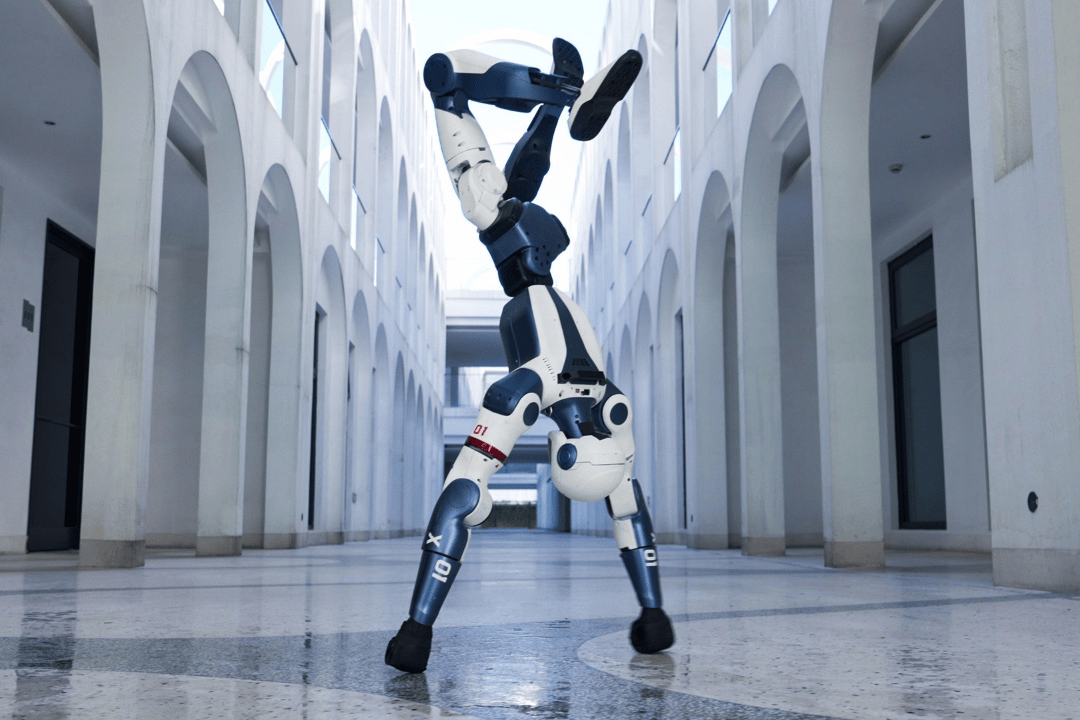
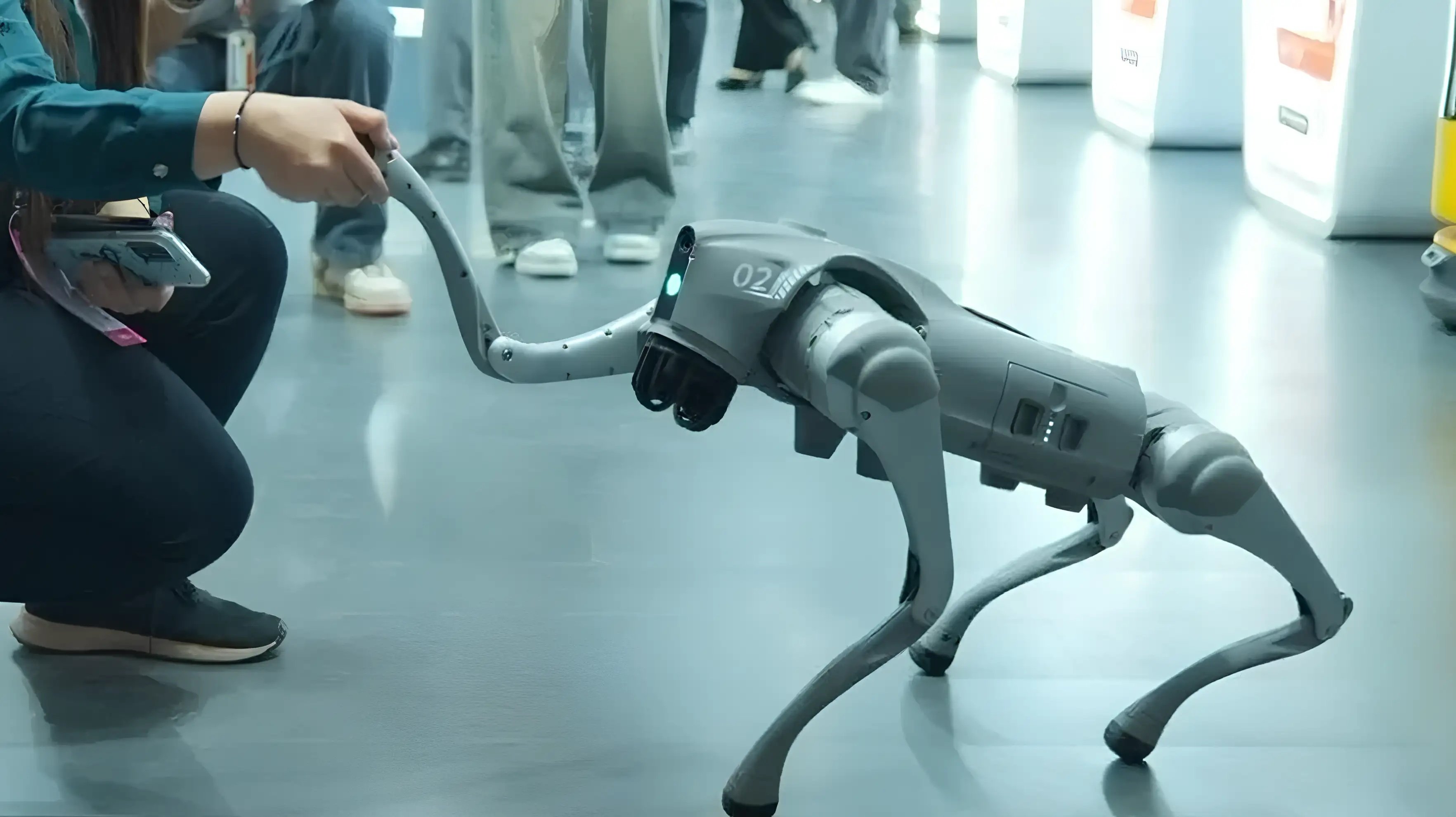

As incoming students flood Chinese university campuses this fall semester, they aren’t just being greeted by enthusiastic upperclassmen and busy administrative staff. They are being welcomed by something straight out of a sci-fi flick: AI-powered robot dogs.
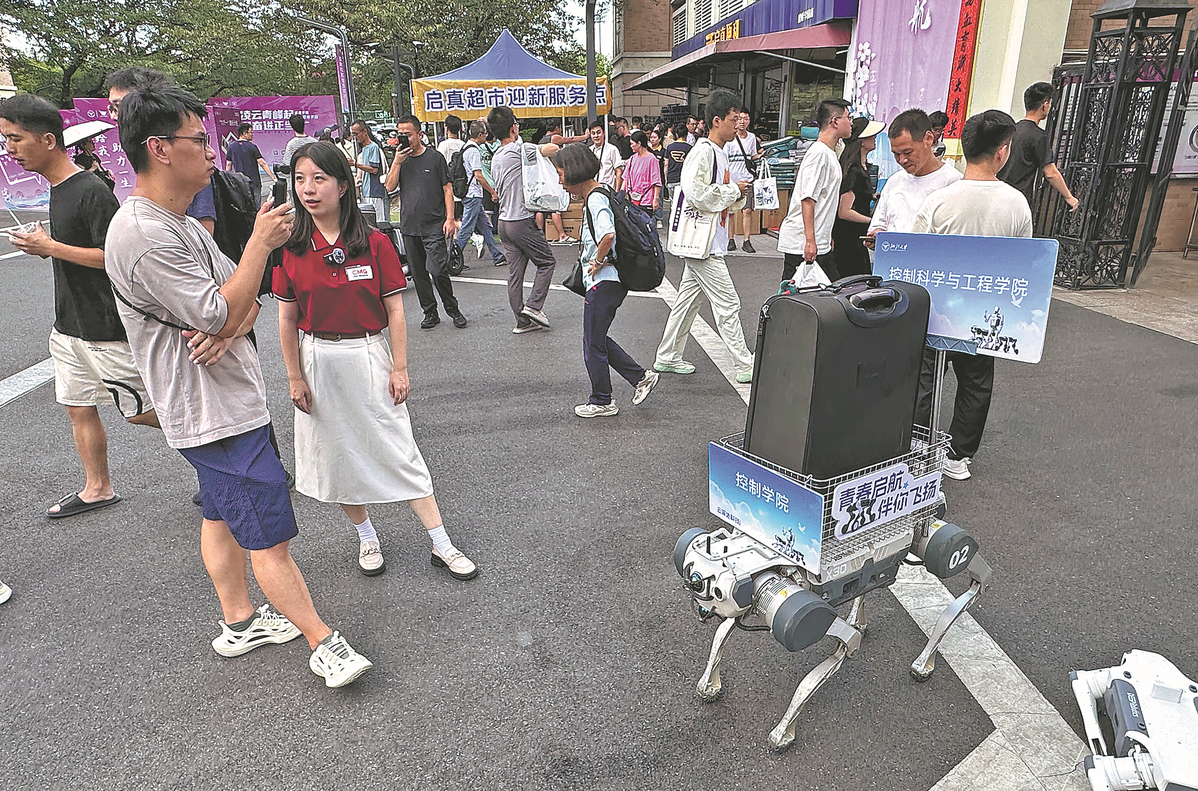
These four-legged mechanical canines, equipped with advanced artificial intelligence, sensors, and voice modules, have been deployed across several major campuses to guide freshmen, carry luggage, and provide campus information. While initially meant to demonstrate China’s technological prowess and integrate AI seamlessly into everyday campus life, the metallic mascots have sparked a spirited debate online and among the Gen Z student body.
On one hand, tech enthusiasts and university officials praise the efficiency and innovation these robots bring. They see it as an essential step toward a futuristic, AI-integrated society where mundane tasks are outsourced, allowing students to focus on their studies.
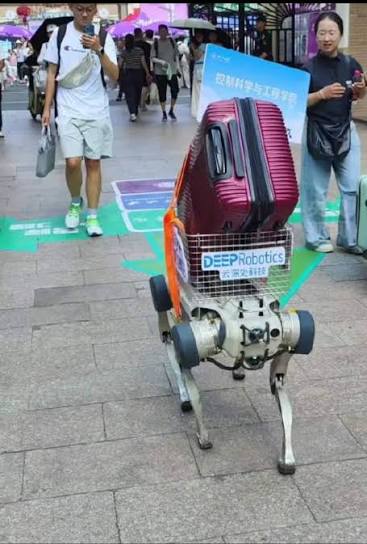
On the other hand, a growing chorus of netizens and skeptical students question whether this is an arbitrary and unnecessary use of resources. Critics argue that the robot dogs, while flashy, often struggle with complex campus layouts and are more of a novelty than a practical solution. Why invest in expensive AI robots to carry a single bag when human connection and traditional campus guides have worked perfectly for decades?
The deployment of these AI dogs highlights a broader cultural friction in China today: the relentless pursuit of high-tech integration versus the desire for genuine human experiences. As universities continue to blur the lines between education and tech showrooms, students are left to decide whether these robo-canines are a loyal companion to their college journey, or just a fleeting, metallic fad.
Cover image via ET AI.