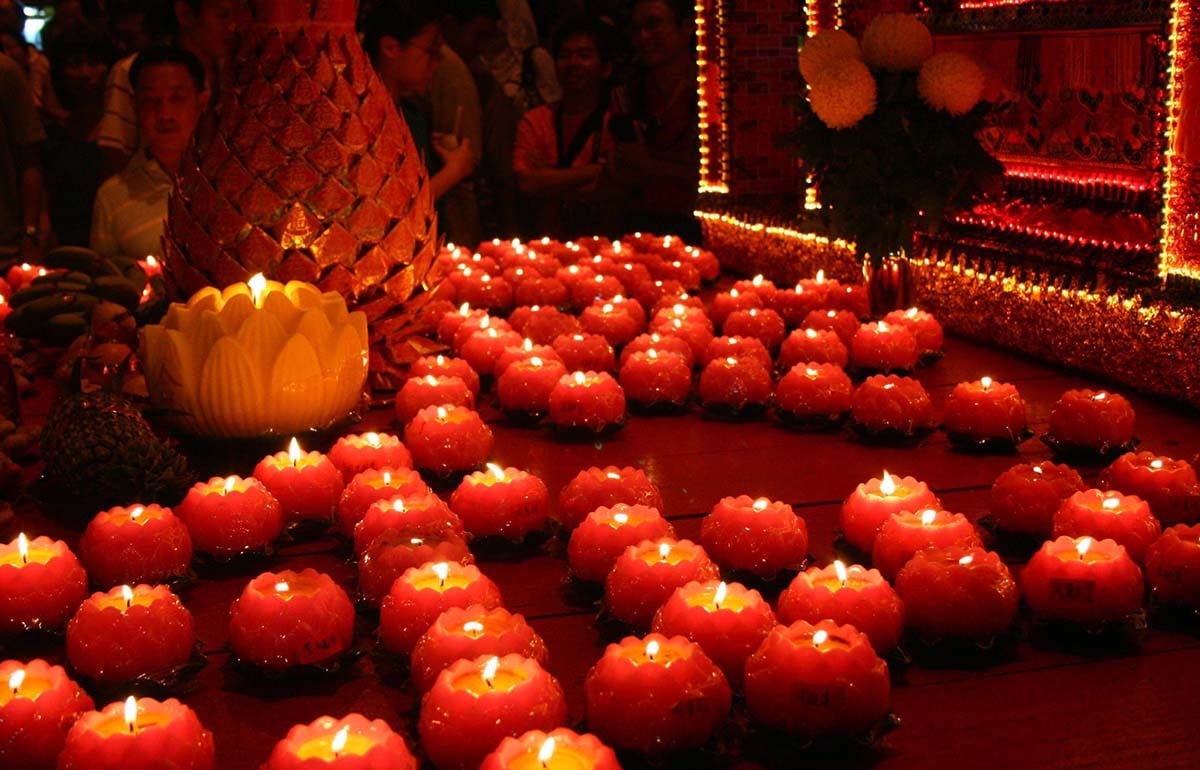
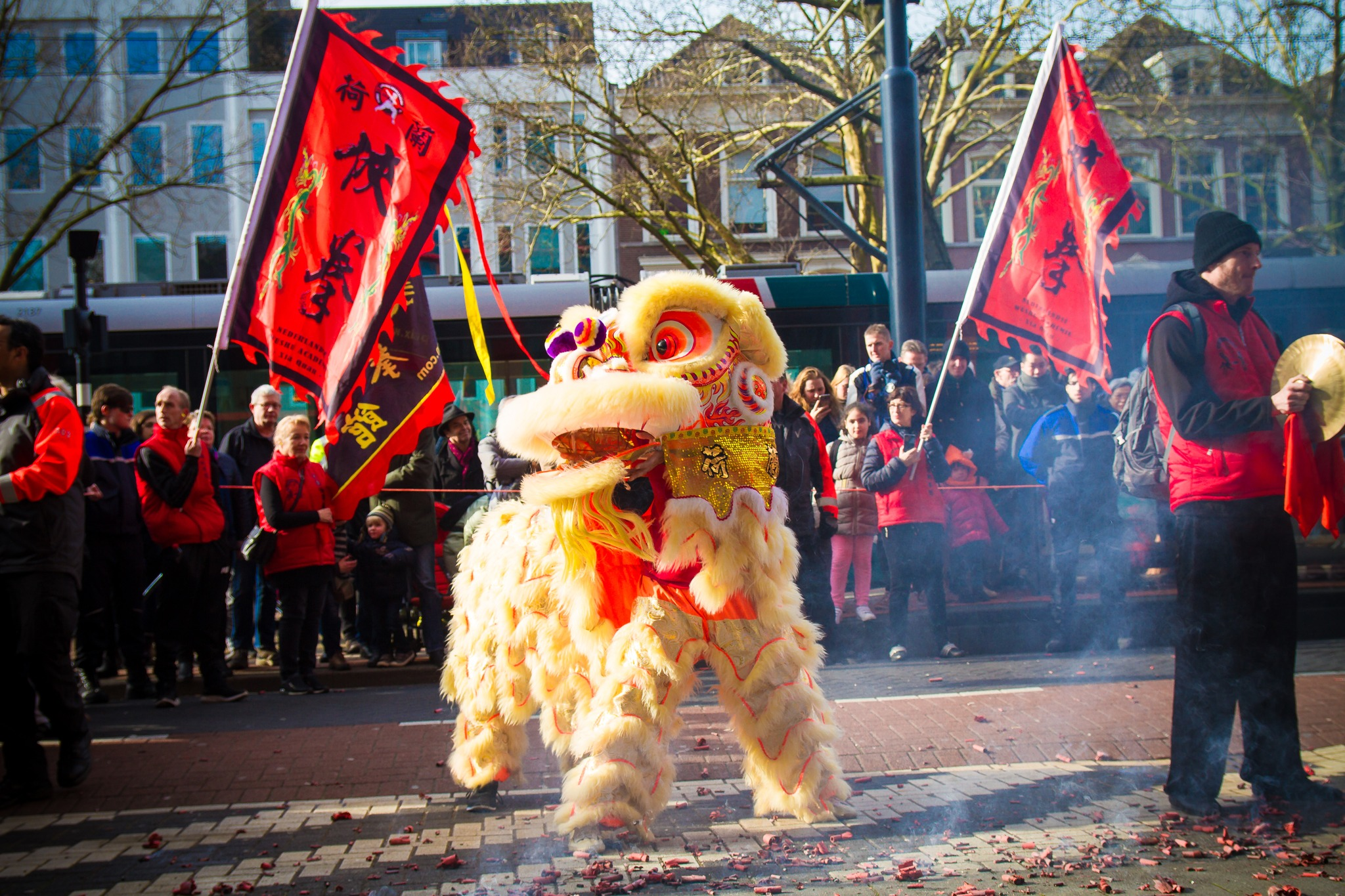
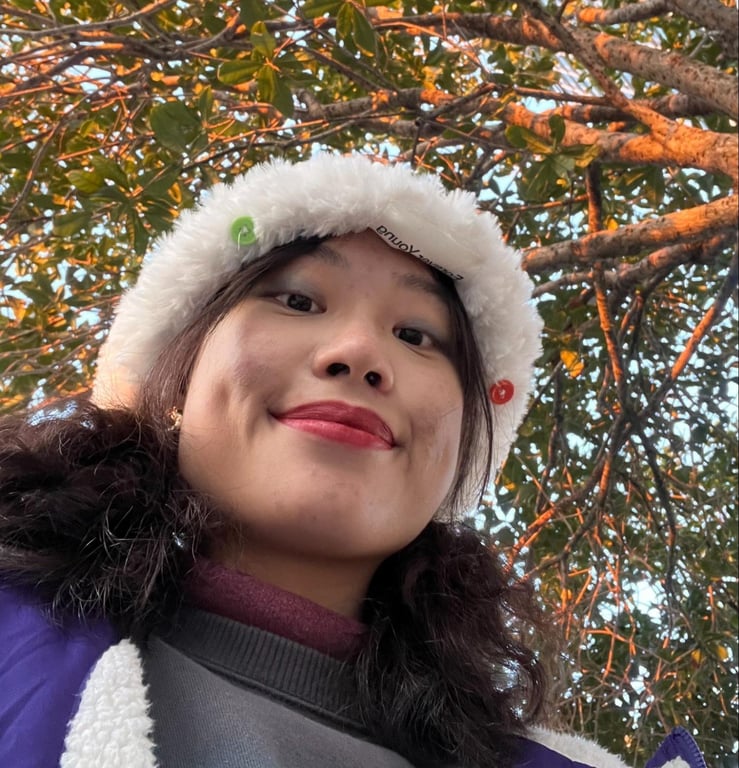
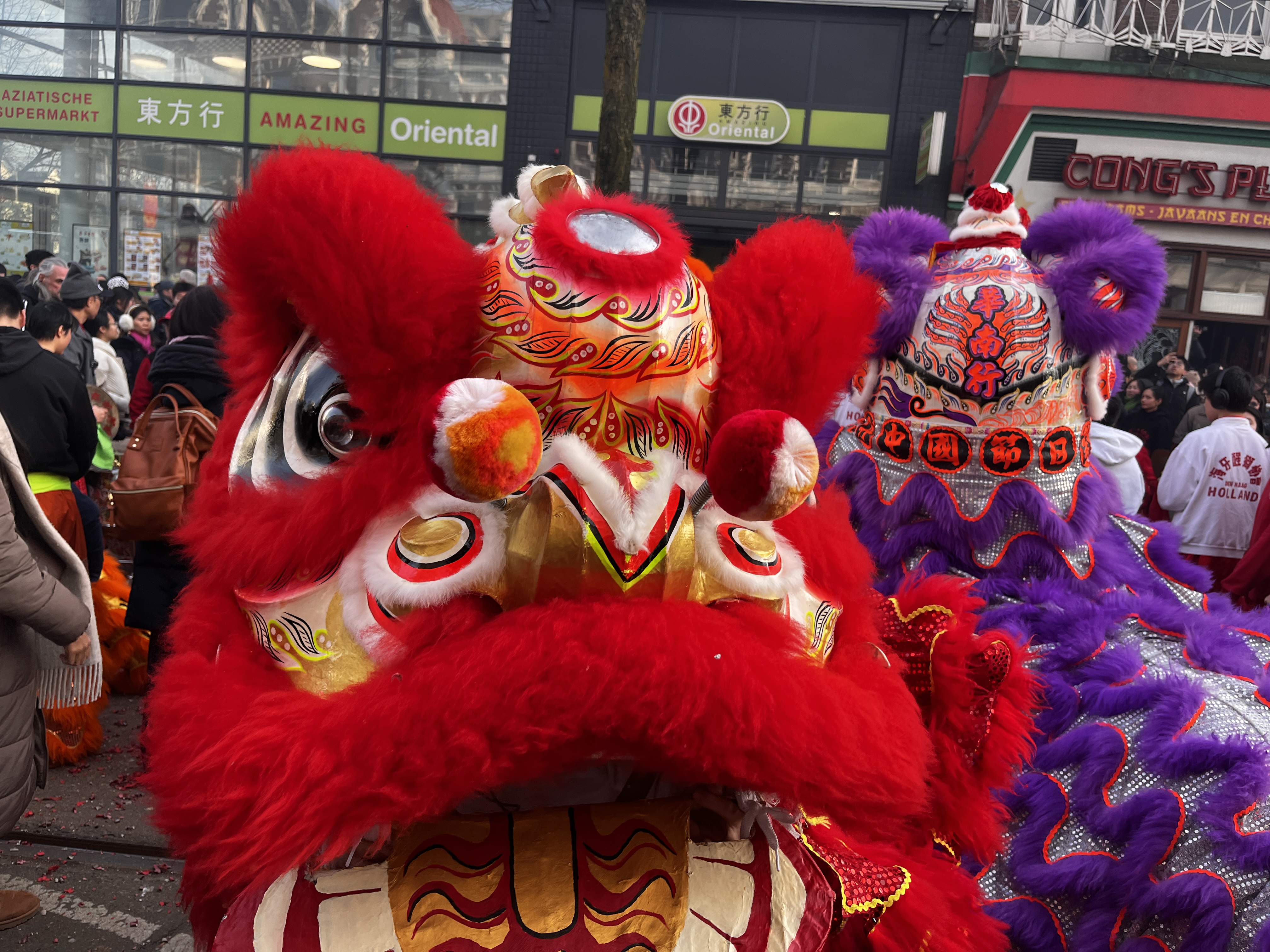
As a Chinese student studying abroad in the Netherlands, I watched my first-ever lion dance performance in Rotterdam, the second-largest city in the country. While Chinese culture is celebrated around the world, I was still struck by how hard this city slapped for Chinese New Year festivities.
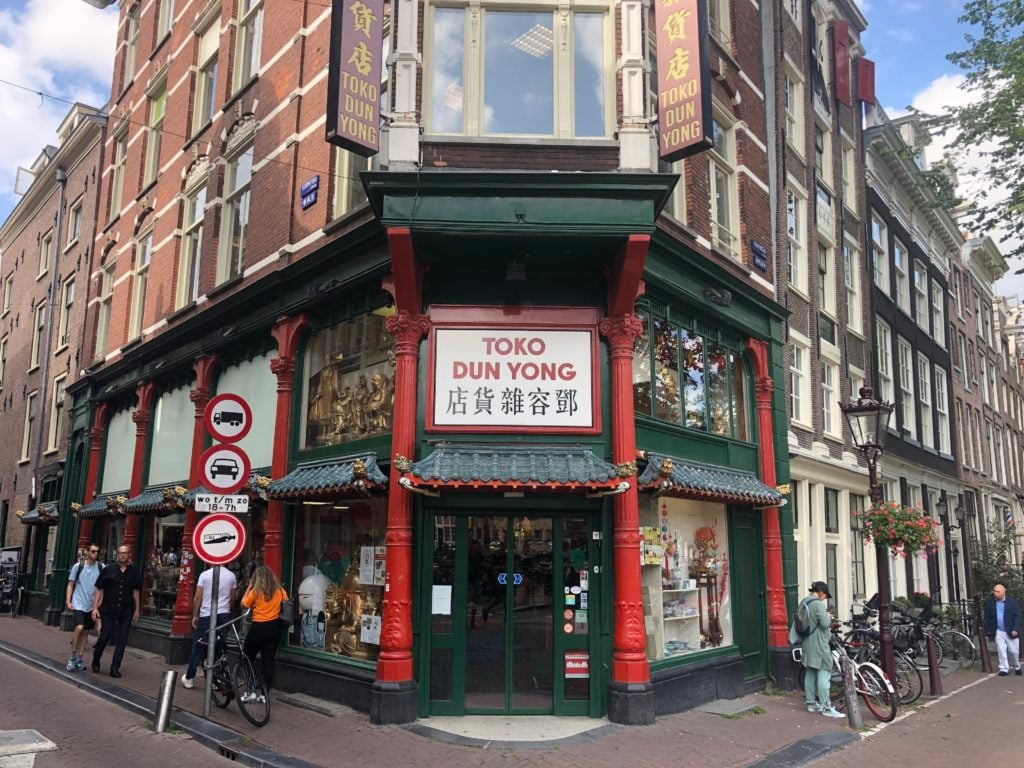
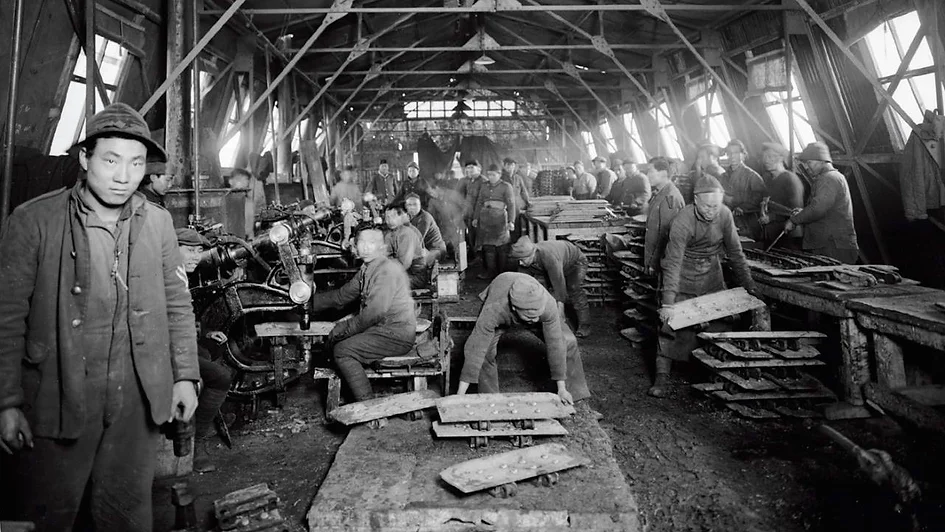
Even though Rotterdam is an international city with migrants from over 200 countries, the Chinese community is especially significant. It all dates back to 1912, when the Netherlands began importing large numbers of Chinese dockworkers from Great Britain during a local strike. Unsurprisingly, Rotterdam, as the country’s major port city, received the largest number of these workers. Many settled in the Katendrecht neighborhood, forming one of the oldest Chinatowns in Europe. In the 1920s, as economic depression hit and dockworkers lost their jobs, many started their own businesses—mostly restaurants and supermarkets. Over time, they integrated with Indonesian migrants, eventually shaping what became known as toko culture.
After more than a century of development, many members of these Chinese communities have become so integrated into Dutch society that some now speak only Dutch. Still, they maintain the tradition of celebrating their cultural roots. They ring in the New Year twice: once on December 31 to January 1, and again during Chinese New Year. On the dinner table, Dutch fried snacks like bitterballen and kroketten sit alongside Chinese staples like spring rolls—a fusion that feels uniquely Rotterdam.
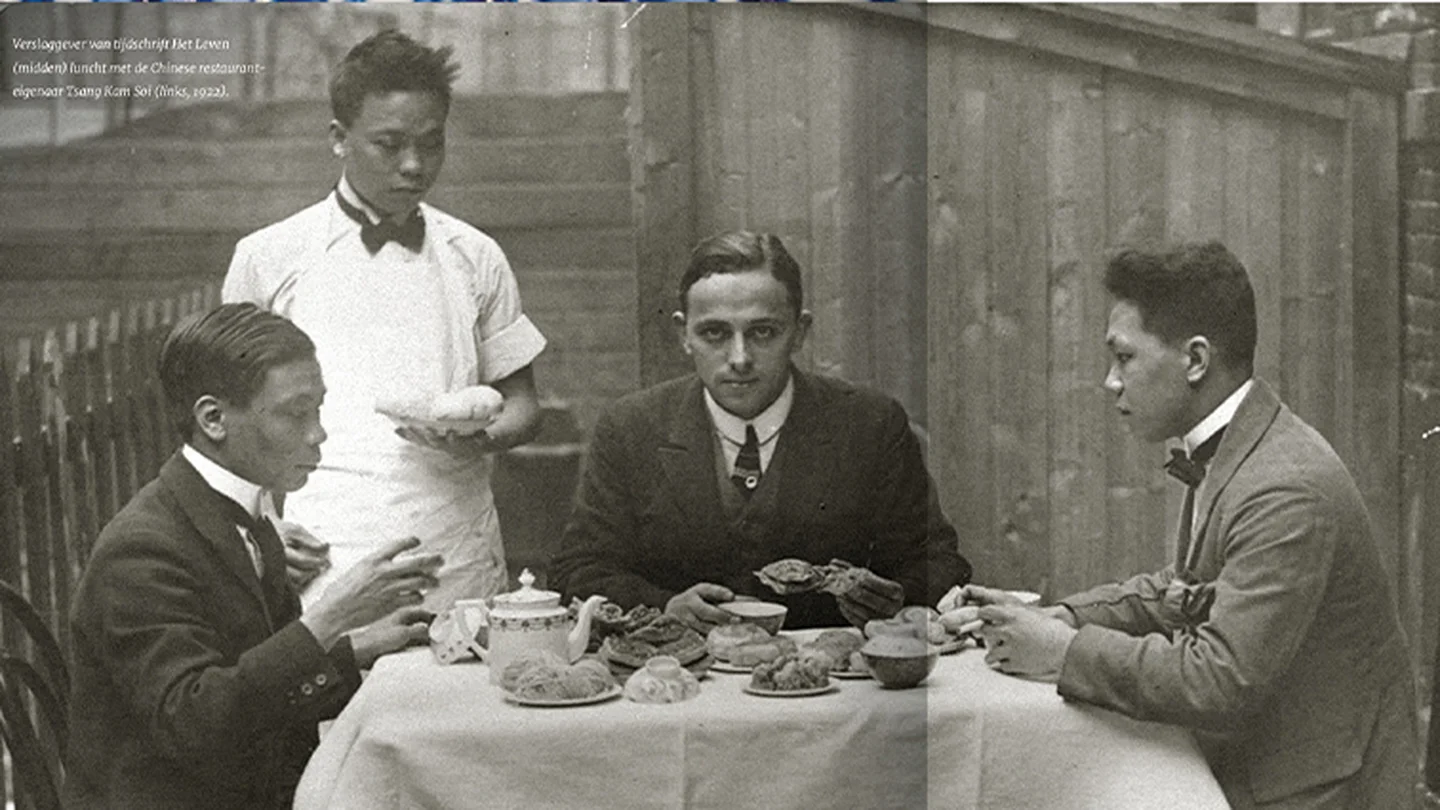
Beyond family gatherings, Chinese communities across the city also organize public events to promote their culture. Lion dancing remains one of the most anticipated traditions, often in cooperation with the neighboring city of The Hague. Every year, crowds gather to watch the performances snake through the streets.
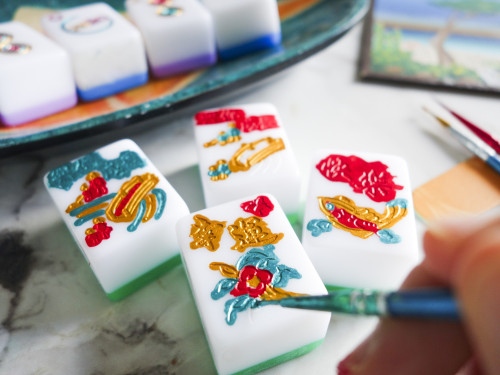
This year, arthouse cinemas have joined the celebration with special screenings. Filmhuis Den Haag’s selection of classic films has been highly praised by Chinese movie lovers, featuring titles such as The Joy Luck Club, Vive L’Amour, The Grandmaster, and The Farewell. Meanwhile, Rotterdam is screening newer releases, including Only the River Flows by Wei Shujun. Museums dedicated to global cultures are also hosting hands-on workshops, where visitors can try their hand at painting mahjong tiles.
What keeps a thousand-year-old festival alive here in Rotterdam? It is generations of cultural practitioners. If you are around the city, catch the last few days to join these vibrant activities, feel the Dutch so-called gezelligheid or the Chinese so-called 热闹 (re nao), and learn more about the intertwining of these two cultures.
So what keeps a thousand-year-old festival alive in a port city thousands of miles from its origins? It’s generations of cultural practitioners who refuse to let tradition fade. If you’re in the city, there’s still time to catch the last few days of festivities—to experience the Dutch so-called gezelligheid and the Chinese 热闹 (re nao), and to witness how these two cultures intertwine in real time.
Cover photo via Uitagenda Rotterdam.