
Feature image of Is China’s Youth Really Keeping Mold From Tea Leaves as Pets?

Is China’s Youth Really Keeping Mold From Tea Leaves as Pets?

2 mins read

2 mins read

Feature image of Is China’s Youth Really Keeping Mold From Tea Leaves as Pets?
The short answer: yes. The long answer: it's all in the article as to why this is happening, and whether you should be doing this too.

A peculiar new trend is brewing among China’s youth, one that might make your stomach churn but has captivated social media: cultivating “tea fungi—essentially mold—from bottled tea drinks and keeping them as pets. Forget hamsters or goldfish; for many young Chinese, a fuzzy, spherical blob growing in leftover tea is the ultimate low-maintenance companion.
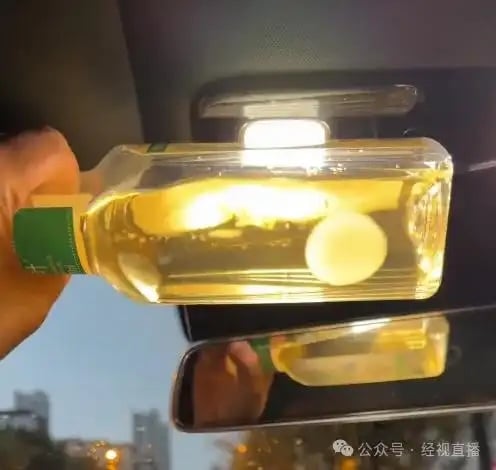
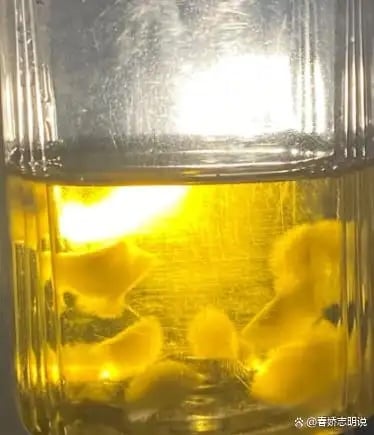
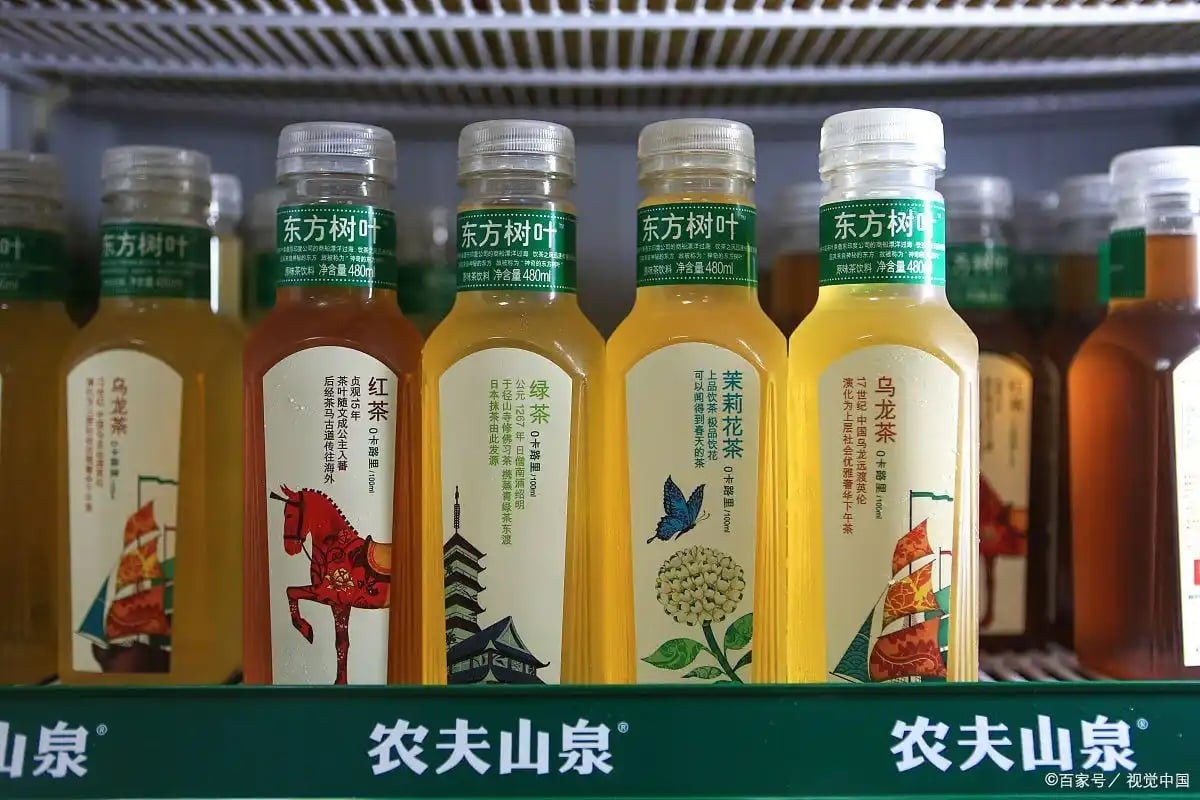
The phenomenon took off on social media, with users posting photos of white or translucent fungal clusters thriving in popular bottled teas like “Oriental Leaf” after being left open for a few days. These “tea fungi” can apparently grow to the size of a ping-pong ball, and aspiring cultivators share “guides” on how to encourage their growth—often simply by leaving an open bottle in a warm, dark place like a car.
RADII talks about a strange new trend in China where its youth are cultivating and keeping tea leaf fungi mold as pets.
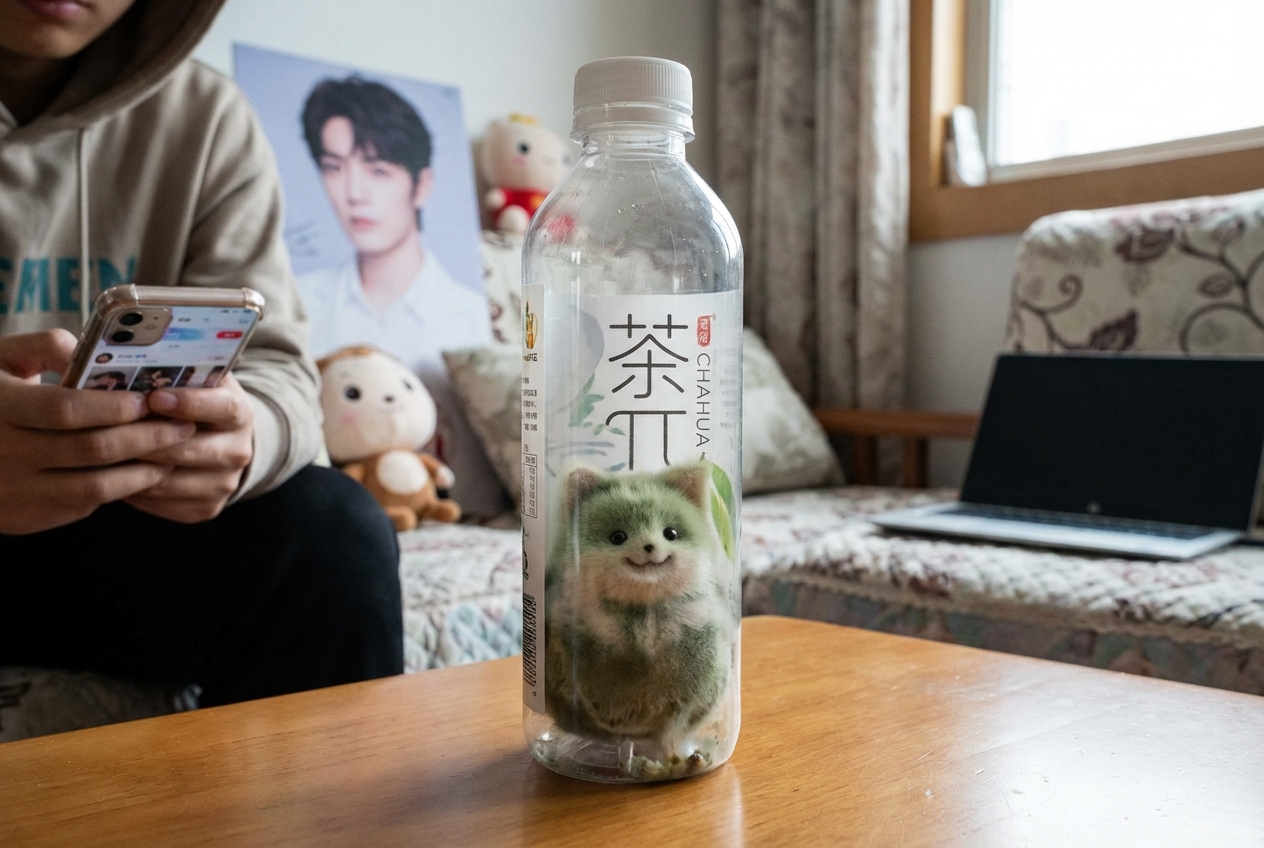
Some of the “pre-pet” tea options. Image via Baidu.

So, why are young people deliberately growing mold? It taps into several facets of contemporary youth culture. Firstly, it’s about novelty and unconventionality. In a crowded digital landscape, a “pet” that’s weird, unexpected, and slightly rebellious stands out. It’s a quirky statement against the norm. Secondly, it’s incredibly low-maintenance, appealing to urban youth with busy lives and limited space who still crave a sense of nurturing or connection without the demands of traditional pets.
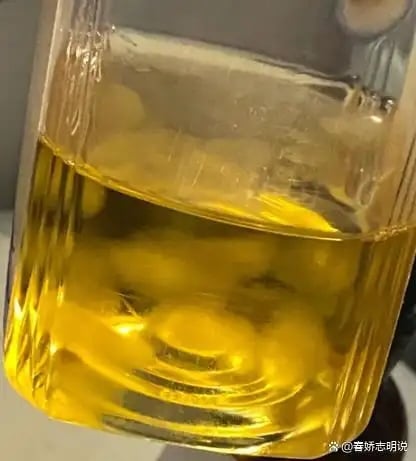
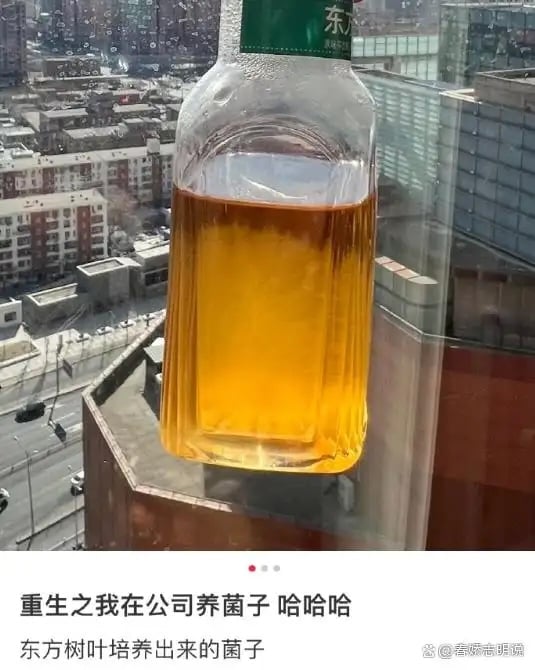
Finally, this trend is a powerful reflection of social media-driven DIY culture. It’s easy to participate, visually shareable, and fosters a sense of community among those experimenting with their fungal friends. While beverage manufacturers and experts warn against consuming drinks with such growths due to potential health risks from unknown molds (yes, please don’t drink your pet), the trend underscores a generation finding fascination and companionship in the most unexpected corners of their everyday lives.

Cover image via RADII.

NEWSLETTER

Get weekly top picks and exclusive, newsletter only content delivered straight to you inbox.

NEWSLETTER

Get weekly top picks and exclusive, newsletter only content delivered straight to you inbox.

RADII NEWSLETTER

Get weekly top picks and exclusive, newsletter only content delivered straight to you inbox

Feature image of Is China’s Youth Really Keeping Mold From Tea Leaves as Pets?

Is China’s Youth Really Keeping Mold From Tea Leaves as Pets?

2 mins read

The short answer: yes. The long answer: it's all in the article as to why this is happening, and whether you should be doing this too.

A peculiar new trend is brewing among China’s youth, one that might make your stomach churn but has captivated social media: cultivating “tea fungi—essentially mold—from bottled tea drinks and keeping them as pets. Forget hamsters or goldfish; for many young Chinese, a fuzzy, spherical blob growing in leftover tea is the ultimate low-maintenance companion.

The phenomenon took off on social media, with users posting photos of white or translucent fungal clusters thriving in popular bottled teas like “Oriental Leaf” after being left open for a few days. These “tea fungi” can apparently grow to the size of a ping-pong ball, and aspiring cultivators share “guides” on how to encourage their growth—often simply by leaving an open bottle in a warm, dark place like a car.

RADII talks about a strange new trend in China where its youth are cultivating and keeping tea leaf fungi mold as pets.
Some of the “pre-pet” tea options. Image via Baidu.

So, why are young people deliberately growing mold? It taps into several facets of contemporary youth culture. Firstly, it’s about novelty and unconventionality. In a crowded digital landscape, a “pet” that’s weird, unexpected, and slightly rebellious stands out. It’s a quirky statement against the norm. Secondly, it’s incredibly low-maintenance, appealing to urban youth with busy lives and limited space who still crave a sense of nurturing or connection without the demands of traditional pets.

Finally, this trend is a powerful reflection of social media-driven DIY culture. It’s easy to participate, visually shareable, and fosters a sense of community among those experimenting with their fungal friends. While beverage manufacturers and experts warn against consuming drinks with such growths due to potential health risks from unknown molds (yes, please don’t drink your pet), the trend underscores a generation finding fascination and companionship in the most unexpected corners of their everyday lives.

Cover image via RADII.
NEWSLETTER

Get weekly top picks and exclusive, newsletter only content delivered straight to you inbox.

RADII NEWSLETTER

Get weekly top picks and exclusive, newsletter only content delivered straight to you inbox

RELATED POSTS

Feature image of Is China’s Youth Really Keeping Mold From Tea Leaves as Pets?

Is China’s Youth Really Keeping Mold From Tea Leaves as Pets?

2 mins read

2 mins read

Feature image of Is China’s Youth Really Keeping Mold From Tea Leaves as Pets?
The short answer: yes. The long answer: it's all in the article as to why this is happening, and whether you should be doing this too.

A peculiar new trend is brewing among China’s youth, one that might make your stomach churn but has captivated social media: cultivating “tea fungi—essentially mold—from bottled tea drinks and keeping them as pets. Forget hamsters or goldfish; for many young Chinese, a fuzzy, spherical blob growing in leftover tea is the ultimate low-maintenance companion.

The phenomenon took off on social media, with users posting photos of white or translucent fungal clusters thriving in popular bottled teas like “Oriental Leaf” after being left open for a few days. These “tea fungi” can apparently grow to the size of a ping-pong ball, and aspiring cultivators share “guides” on how to encourage their growth—often simply by leaving an open bottle in a warm, dark place like a car.

RADII talks about a strange new trend in China where its youth are cultivating and keeping tea leaf fungi mold as pets.
Some of the “pre-pet” tea options. Image via Baidu.

So, why are young people deliberately growing mold? It taps into several facets of contemporary youth culture. Firstly, it’s about novelty and unconventionality. In a crowded digital landscape, a “pet” that’s weird, unexpected, and slightly rebellious stands out. It’s a quirky statement against the norm. Secondly, it’s incredibly low-maintenance, appealing to urban youth with busy lives and limited space who still crave a sense of nurturing or connection without the demands of traditional pets.

Finally, this trend is a powerful reflection of social media-driven DIY culture. It’s easy to participate, visually shareable, and fosters a sense of community among those experimenting with their fungal friends. While beverage manufacturers and experts warn against consuming drinks with such growths due to potential health risks from unknown molds (yes, please don’t drink your pet), the trend underscores a generation finding fascination and companionship in the most unexpected corners of their everyday lives.

Cover image via RADII.
NEWSLETTER

Get weekly top picks and exclusive, newsletter only content delivered straight to you inbox.

NEWSLETTER

Get weekly top picks and exclusive, newsletter only content delivered straight to you inbox.

RADII NEWSLETTER

Get weekly top picks and exclusive, newsletter only content delivered straight to you inbox

Feature image of Is China’s Youth Really Keeping Mold From Tea Leaves as Pets?

Is China’s Youth Really Keeping Mold From Tea Leaves as Pets?

2 mins read

The short answer: yes. The long answer: it's all in the article as to why this is happening, and whether you should be doing this too.

A peculiar new trend is brewing among China’s youth, one that might make your stomach churn but has captivated social media: cultivating “tea fungi—essentially mold—from bottled tea drinks and keeping them as pets. Forget hamsters or goldfish; for many young Chinese, a fuzzy, spherical blob growing in leftover tea is the ultimate low-maintenance companion.

The phenomenon took off on social media, with users posting photos of white or translucent fungal clusters thriving in popular bottled teas like “Oriental Leaf” after being left open for a few days. These “tea fungi” can apparently grow to the size of a ping-pong ball, and aspiring cultivators share “guides” on how to encourage their growth—often simply by leaving an open bottle in a warm, dark place like a car.

RADII talks about a strange new trend in China where its youth are cultivating and keeping tea leaf fungi mold as pets.
Some of the “pre-pet” tea options. Image via Baidu.

So, why are young people deliberately growing mold? It taps into several facets of contemporary youth culture. Firstly, it’s about novelty and unconventionality. In a crowded digital landscape, a “pet” that’s weird, unexpected, and slightly rebellious stands out. It’s a quirky statement against the norm. Secondly, it’s incredibly low-maintenance, appealing to urban youth with busy lives and limited space who still crave a sense of nurturing or connection without the demands of traditional pets.

Finally, this trend is a powerful reflection of social media-driven DIY culture. It’s easy to participate, visually shareable, and fosters a sense of community among those experimenting with their fungal friends. While beverage manufacturers and experts warn against consuming drinks with such growths due to potential health risks from unknown molds (yes, please don’t drink your pet), the trend underscores a generation finding fascination and companionship in the most unexpected corners of their everyday lives.

Cover image via RADII.
NEWSLETTER

Get weekly top picks and exclusive, newsletter only content delivered straight to you inbox.

RADII NEWSLETTER

Get weekly top picks and exclusive, newsletter only content delivered straight to you inbox

NEWSLETTER​

Get weekly top picks and exclusive, newsletter only content delivered straight to you inbox

RADII Newsletter Pop Up small banner

NEWSLETTER

Get weekly top picks and exclusive, newsletter only content delivered straight to you inbox.

Link Copied!

Share

Feature image of Is China’s Youth Really Keeping Mold From Tea Leaves as Pets?

Is China’s Youth Really Keeping Mold From Tea Leaves as Pets?

The short answer: yes. The long answer: it's all in the article as to why this is happening, and whether you should be doing this too.

PULSE

Tap into the latest in music, fashion, art, design, entertainment, pop culture, celebrity news, and contemporary culture

DISCOVER

Embark on a journey through food, travel, wellness, heritage, traditional culture, and lifestyle

STYLE

An insider’s look at the intersection of fashion, art, and design

FEAST

Titillate your taste buds with coverage of the best food and drink trends from China and beyond.

FUTURE

Explore the cutting edge in tech, AI, gadgets, gaming, and innovative tech-related products

FEAST

Titillate your taste buds with coverage of the best food and drink trends from China and beyond

STYLE

An insider’s look at the intersection of fashion, art, and design

PULSE

Unpacking Chinese youth culture through coverage of nightlife, film, sports, celebrities, and the hottest new music