

Feature image of How Word of Mouth Made Indie-Film ‘Dear You’ a Box Office Giant

How Word of Mouth Made Indie-Film ‘Dear You’ a Box Office Giant

2 mins read

2 mins read

Feature image of How Word of Mouth Made Indie-Film ‘Dear You’ a Box Office Giant
Amidst the commotion of the May Day holiday, a Chaoshan-dialect indie film emerged as an unexpected tear-jerker, sparking a wave of cultural reflection and remembrance.

Every so often, a piece of media comes along that not only captures a moment in history but spurs a reevaluation of the present. Like an electric shock, indie breakout film Dear You has pierced the national consciousness, leaving a trail of tear-stained theaters and hearts aching for home.

Dear You centers on the enduring Chinese phenomenon of qiaopi—remittance letters sent from Chinese overseas workers to their families. Featuring a dual storyline, the film follows a young Chaoshan man, Xiaowei, who faces heavy debts and decides to seek out his grandfather, Musheng, in Southeast Asia. Driven by rumors that Musheng has amassed a large fortune, Xiaowei sets off on a journey to find him. Back home, Xiaowei’s grandmother, Shurou, has patiently waited for Musheng’s letters and homecoming for decades.
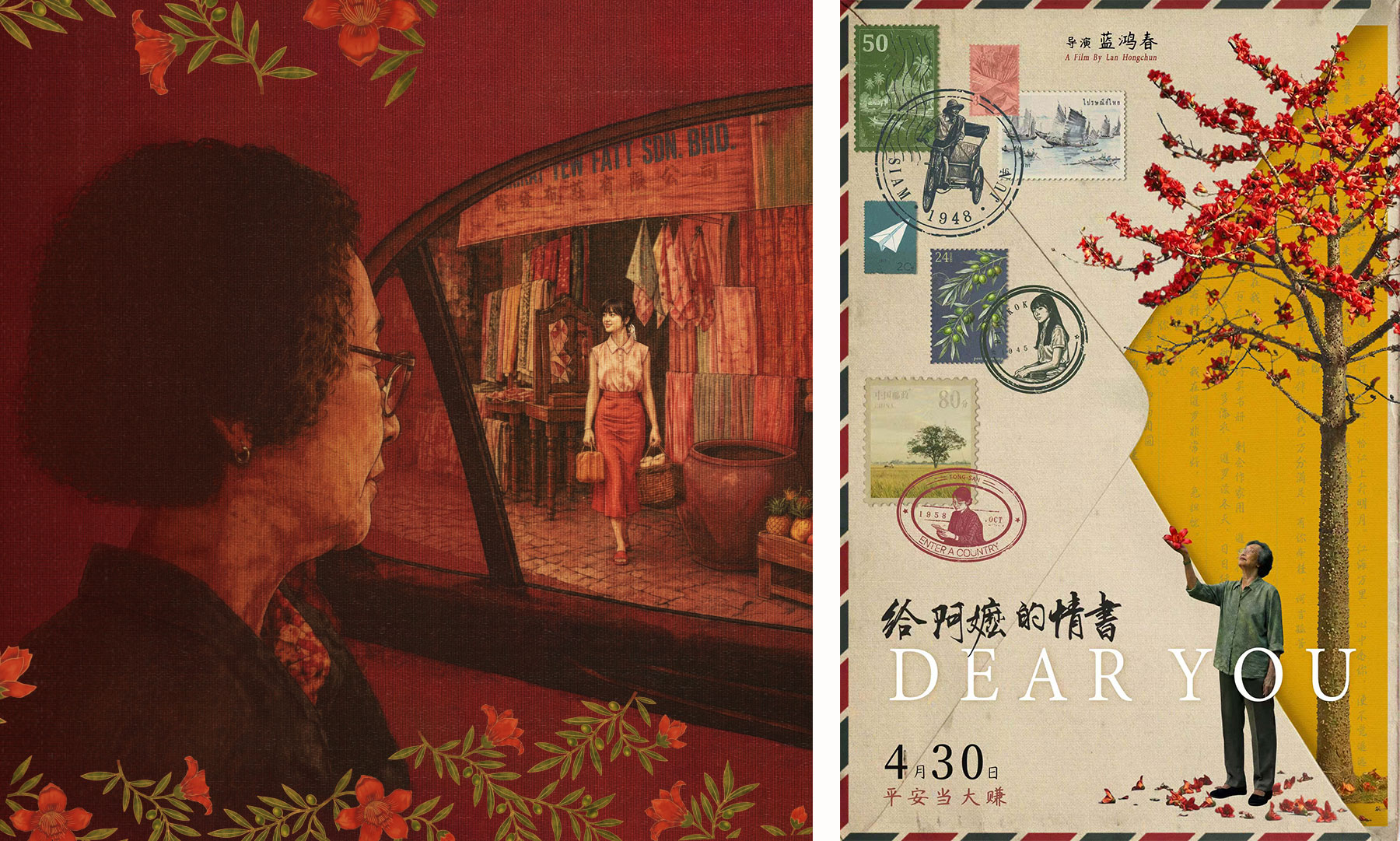
RADII talks about the touching indie Chinese film 'Dear You,' and how it became a box-office hit thanks to its emotional impact on audiences.
Image via Sixth Tone.

As the film jumps back and forth between Xiaowei’s journey in the present and Shurou and Musheng’s story in the past, audiences slowly discover the truth behind Musheng’s qiaopi, unraveling a touching story of familial dedication and connection in the process.

With a striking rating of 9.1/10 on Douban, China’s primary film and television review platform, Dear You is among the best-reviewed domestic releases of the last decade. Made on a shoestring budget of 14 million RMB and spoken entirely in the Chaoshan dialect, the film has managed to gross over 470 million RMB and counting, despite an unknown cast and minimal marketing.
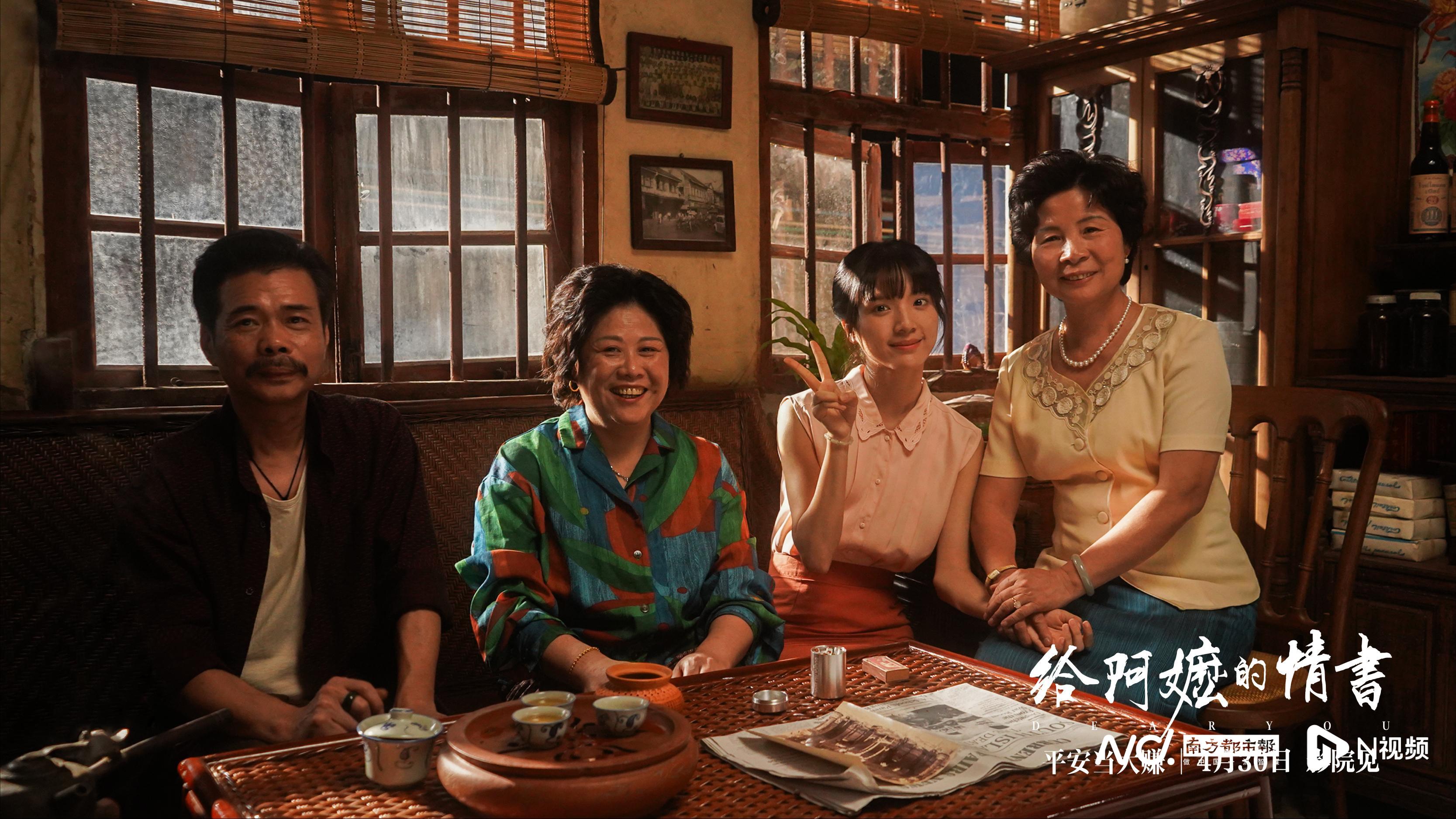
The cast of ‘Dear You’ on set. Image via Southern Metropolis Daily.

Rather than relying on data-driven marketing algorithms to draw audiences, Dear You relied entirely on the resonance of its message. Audiences practiced exactly what the film preached and turned the film into a box-office giant through word of mouth, human-to-human connection, and the joy of shared tears.

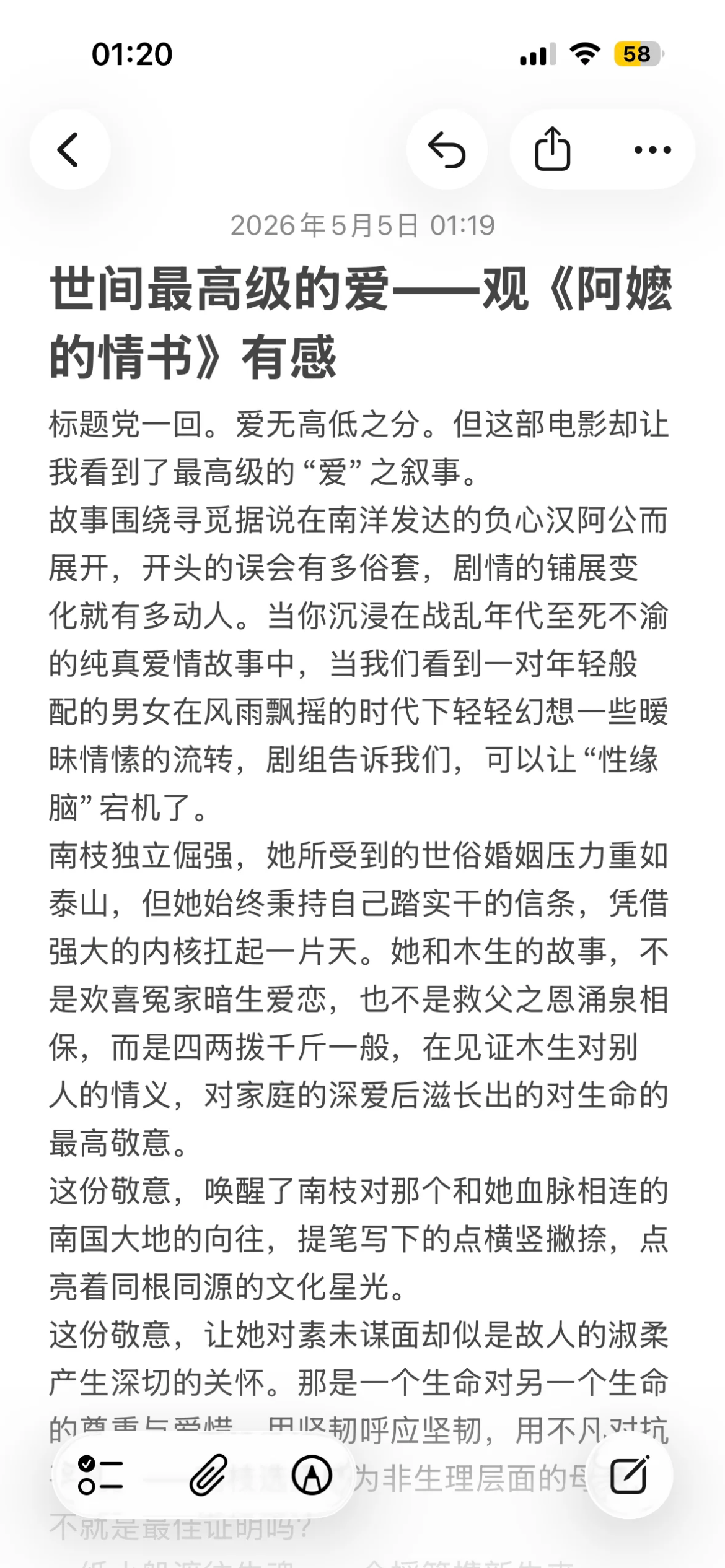
One user’s reflection titled “The highest form of love on Earth.” Images via Xiaohongshu/ID: 260514826.

Many audience members left theaters feeling so galvanized that they took to social media to share their own love letters to the film. The Xiaohongshu hashtag for the film has amassed 409.8 million views and 1.7 million notes. The hashtag is flooded with users contemplating their own family’s ancestral history, ruminating on memories with cherished relatives, and even recalling the long-forgotten smells of their childhood homes.

Scrolling through them, it’s easy to see that these notes are more than just reviews; they are vibrant snapshots of the moments, memories, and feelings that Dear You has unlocked.

Cover image via Sixth Tone.

NEWSLETTER

Get weekly top picks and exclusive, newsletter only content delivered straight to you inbox.

NEWSLETTER

Get weekly top picks and exclusive, newsletter only content delivered straight to you inbox.

RADII NEWSLETTER

Get weekly top picks and exclusive, newsletter only content delivered straight to you inbox

Feature image of How Word of Mouth Made Indie-Film ‘Dear You’ a Box Office Giant

How Word of Mouth Made Indie-Film ‘Dear You’ a Box Office Giant

2 mins read

Amidst the commotion of the May Day holiday, a Chaoshan-dialect indie film emerged as an unexpected tear-jerker, sparking a wave of cultural reflection and remembrance.

Every so often, a piece of media comes along that not only captures a moment in history but spurs a reevaluation of the present. Like an electric shock, indie breakout film Dear You has pierced the national consciousness, leaving a trail of tear-stained theaters and hearts aching for home.

Dear You centers on the enduring Chinese phenomenon of qiaopi—remittance letters sent from Chinese overseas workers to their families. Featuring a dual storyline, the film follows a young Chaoshan man, Xiaowei, who faces heavy debts and decides to seek out his grandfather, Musheng, in Southeast Asia. Driven by rumors that Musheng has amassed a large fortune, Xiaowei sets off on a journey to find him. Back home, Xiaowei’s grandmother, Shurou, has patiently waited for Musheng’s letters and homecoming for decades.

RADII talks about the touching indie Chinese film 'Dear You,' and how it became a box-office hit thanks to its emotional impact on audiences.
Image via Sixth Tone.

As the film jumps back and forth between Xiaowei’s journey in the present and Shurou and Musheng’s story in the past, audiences slowly discover the truth behind Musheng’s qiaopi, unraveling a touching story of familial dedication and connection in the process.

With a striking rating of 9.1/10 on Douban, China’s primary film and television review platform, Dear You is among the best-reviewed domestic releases of the last decade. Made on a shoestring budget of 14 million RMB and spoken entirely in the Chaoshan dialect, the film has managed to gross over 470 million RMB and counting, despite an unknown cast and minimal marketing.

The cast of ‘Dear You’ on set. Image via Southern Metropolis Daily.

Rather than relying on data-driven marketing algorithms to draw audiences, Dear You relied entirely on the resonance of its message. Audiences practiced exactly what the film preached and turned the film into a box-office giant through word of mouth, human-to-human connection, and the joy of shared tears.

One user’s reflection titled “The highest form of love on Earth.” Images via Xiaohongshu/ID: 260514826.

Many audience members left theaters feeling so galvanized that they took to social media to share their own love letters to the film. The Xiaohongshu hashtag for the film has amassed 409.8 million views and 1.7 million notes. The hashtag is flooded with users contemplating their own family’s ancestral history, ruminating on memories with cherished relatives, and even recalling the long-forgotten smells of their childhood homes.

Scrolling through them, it’s easy to see that these notes are more than just reviews; they are vibrant snapshots of the moments, memories, and feelings that Dear You has unlocked.

Cover image via Sixth Tone.

NEWSLETTER

Get weekly top picks and exclusive, newsletter only content delivered straight to you inbox.

RADII NEWSLETTER

Get weekly top picks and exclusive, newsletter only content delivered straight to you inbox

RELATED POSTS

Feature image of How Word of Mouth Made Indie-Film ‘Dear You’ a Box Office Giant

How Word of Mouth Made Indie-Film ‘Dear You’ a Box Office Giant

2 mins read

2 mins read

Feature image of How Word of Mouth Made Indie-Film ‘Dear You’ a Box Office Giant
Amidst the commotion of the May Day holiday, a Chaoshan-dialect indie film emerged as an unexpected tear-jerker, sparking a wave of cultural reflection and remembrance.

Every so often, a piece of media comes along that not only captures a moment in history but spurs a reevaluation of the present. Like an electric shock, indie breakout film Dear You has pierced the national consciousness, leaving a trail of tear-stained theaters and hearts aching for home.

Dear You centers on the enduring Chinese phenomenon of qiaopi—remittance letters sent from Chinese overseas workers to their families. Featuring a dual storyline, the film follows a young Chaoshan man, Xiaowei, who faces heavy debts and decides to seek out his grandfather, Musheng, in Southeast Asia. Driven by rumors that Musheng has amassed a large fortune, Xiaowei sets off on a journey to find him. Back home, Xiaowei’s grandmother, Shurou, has patiently waited for Musheng’s letters and homecoming for decades.

RADII talks about the touching indie Chinese film 'Dear You,' and how it became a box-office hit thanks to its emotional impact on audiences.
Image via Sixth Tone.

As the film jumps back and forth between Xiaowei’s journey in the present and Shurou and Musheng’s story in the past, audiences slowly discover the truth behind Musheng’s qiaopi, unraveling a touching story of familial dedication and connection in the process.

With a striking rating of 9.1/10 on Douban, China’s primary film and television review platform, Dear You is among the best-reviewed domestic releases of the last decade. Made on a shoestring budget of 14 million RMB and spoken entirely in the Chaoshan dialect, the film has managed to gross over 470 million RMB and counting, despite an unknown cast and minimal marketing.

The cast of ‘Dear You’ on set. Image via Southern Metropolis Daily.

Rather than relying on data-driven marketing algorithms to draw audiences, Dear You relied entirely on the resonance of its message. Audiences practiced exactly what the film preached and turned the film into a box-office giant through word of mouth, human-to-human connection, and the joy of shared tears.

One user’s reflection titled “The highest form of love on Earth.” Images via Xiaohongshu/ID: 260514826.

Many audience members left theaters feeling so galvanized that they took to social media to share their own love letters to the film. The Xiaohongshu hashtag for the film has amassed 409.8 million views and 1.7 million notes. The hashtag is flooded with users contemplating their own family’s ancestral history, ruminating on memories with cherished relatives, and even recalling the long-forgotten smells of their childhood homes.

Scrolling through them, it’s easy to see that these notes are more than just reviews; they are vibrant snapshots of the moments, memories, and feelings that Dear You has unlocked.

Cover image via Sixth Tone.

NEWSLETTER

Get weekly top picks and exclusive, newsletter only content delivered straight to you inbox.

NEWSLETTER

Get weekly top picks and exclusive, newsletter only content delivered straight to you inbox.

RADII NEWSLETTER

Get weekly top picks and exclusive, newsletter only content delivered straight to you inbox

Feature image of How Word of Mouth Made Indie-Film ‘Dear You’ a Box Office Giant

How Word of Mouth Made Indie-Film ‘Dear You’ a Box Office Giant

2 mins read

Amidst the commotion of the May Day holiday, a Chaoshan-dialect indie film emerged as an unexpected tear-jerker, sparking a wave of cultural reflection and remembrance.

Every so often, a piece of media comes along that not only captures a moment in history but spurs a reevaluation of the present. Like an electric shock, indie breakout film Dear You has pierced the national consciousness, leaving a trail of tear-stained theaters and hearts aching for home.

Dear You centers on the enduring Chinese phenomenon of qiaopi—remittance letters sent from Chinese overseas workers to their families. Featuring a dual storyline, the film follows a young Chaoshan man, Xiaowei, who faces heavy debts and decides to seek out his grandfather, Musheng, in Southeast Asia. Driven by rumors that Musheng has amassed a large fortune, Xiaowei sets off on a journey to find him. Back home, Xiaowei’s grandmother, Shurou, has patiently waited for Musheng’s letters and homecoming for decades.

RADII talks about the touching indie Chinese film 'Dear You,' and how it became a box-office hit thanks to its emotional impact on audiences.
Image via Sixth Tone.

As the film jumps back and forth between Xiaowei’s journey in the present and Shurou and Musheng’s story in the past, audiences slowly discover the truth behind Musheng’s qiaopi, unraveling a touching story of familial dedication and connection in the process.

With a striking rating of 9.1/10 on Douban, China’s primary film and television review platform, Dear You is among the best-reviewed domestic releases of the last decade. Made on a shoestring budget of 14 million RMB and spoken entirely in the Chaoshan dialect, the film has managed to gross over 470 million RMB and counting, despite an unknown cast and minimal marketing.

The cast of ‘Dear You’ on set. Image via Southern Metropolis Daily.

Rather than relying on data-driven marketing algorithms to draw audiences, Dear You relied entirely on the resonance of its message. Audiences practiced exactly what the film preached and turned the film into a box-office giant through word of mouth, human-to-human connection, and the joy of shared tears.

One user’s reflection titled “The highest form of love on Earth.” Images via Xiaohongshu/ID: 260514826.

Many audience members left theaters feeling so galvanized that they took to social media to share their own love letters to the film. The Xiaohongshu hashtag for the film has amassed 409.8 million views and 1.7 million notes. The hashtag is flooded with users contemplating their own family’s ancestral history, ruminating on memories with cherished relatives, and even recalling the long-forgotten smells of their childhood homes.

Scrolling through them, it’s easy to see that these notes are more than just reviews; they are vibrant snapshots of the moments, memories, and feelings that Dear You has unlocked.

Cover image via Sixth Tone.

NEWSLETTER

Get weekly top picks and exclusive, newsletter only content delivered straight to you inbox.

RADII NEWSLETTER

Get weekly top picks and exclusive, newsletter only content delivered straight to you inbox

RADII newsletter pop up visual

NEWSLETTER​

Get weekly top picks and exclusive, newsletter only content delivered straight to you inbox

RADII Newsletter Pop Up small banner

NEWSLETTER

Get weekly top picks and exclusive, newsletter only content delivered straight to you inbox.

Link Copied!

Share

Feature image of How Word of Mouth Made Indie-Film ‘Dear You’ a Box Office Giant

How Word of Mouth Made Indie-Film ‘Dear You’ a Box Office Giant

Amidst the commotion of the May Day holiday, a Chaoshan-dialect indie film emerged as an unexpected tear-jerker, sparking a wave of cultural reflection and remembrance.

PULSE

Tap into the latest in music, fashion, art, design, entertainment, pop culture, celebrity news, and contemporary culture

DISCOVER

Embark on a journey through food, travel, wellness, heritage, traditional culture, and lifestyle

STYLE

An insider’s look at the intersection of fashion, art, and design

FEAST

Titillate your taste buds with coverage of the best food and drink trends from China and beyond.

FUTURE

Explore the cutting edge in tech, AI, gadgets, gaming, and innovative tech-related products

FEAST

Titillate your taste buds with coverage of the best food and drink trends from China and beyond

STYLE

An insider’s look at the intersection of fashion, art, and design

PULSE

Unpacking Chinese youth culture through coverage of nightlife, film, sports, celebrities, and the hottest new music