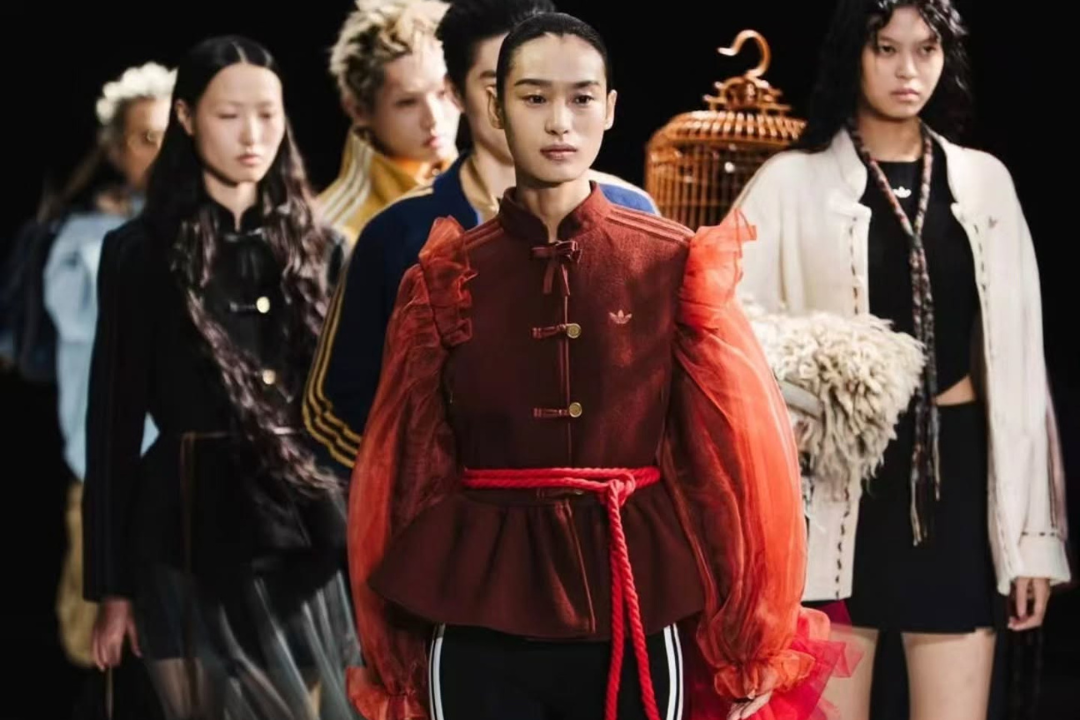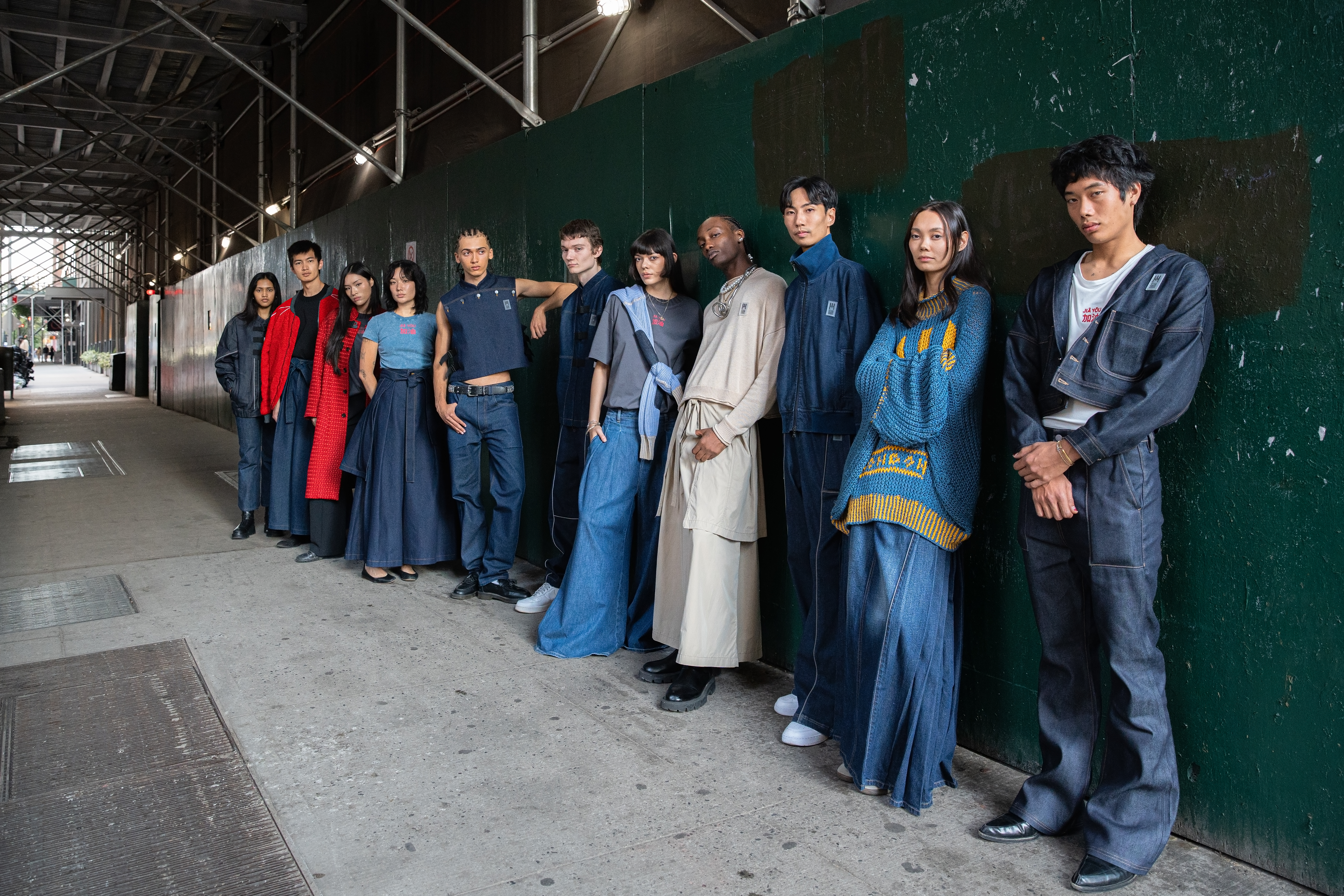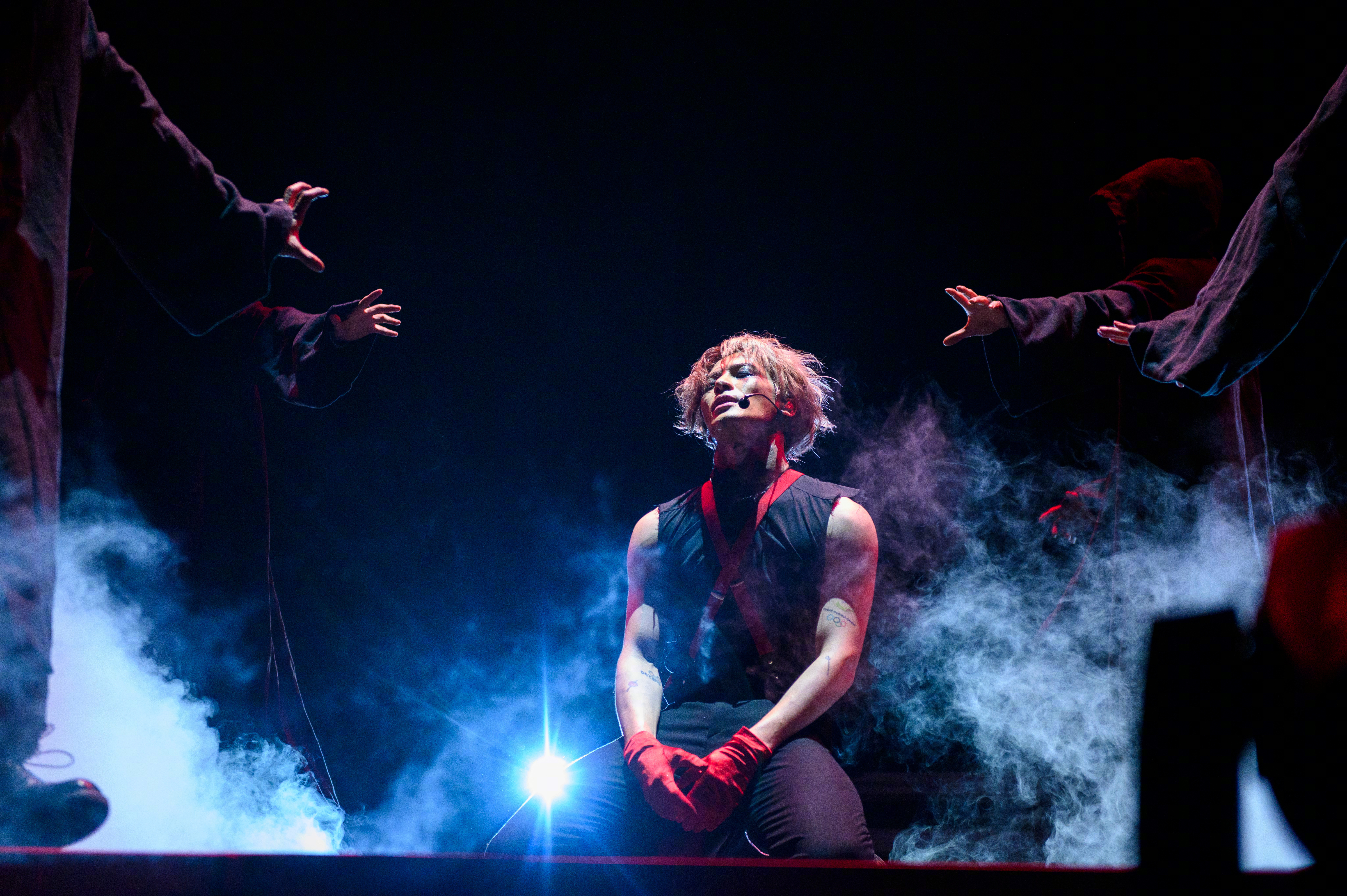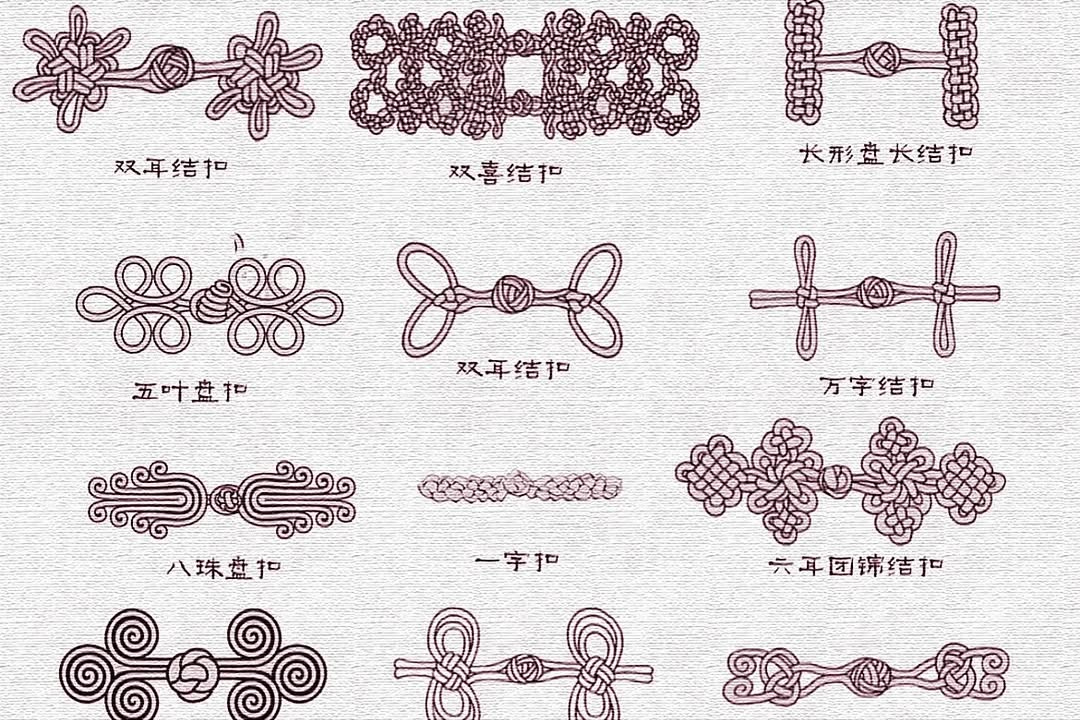

The internet—including us—was ablaze about adidas‘ Tang-inspired jacket (we constantly see it in the wild now). But beyond the immediate hype, a deeper narrative was subtly unfolding, woven into the fabric of the garment itself: the pankou. This traditional hand-tied knot, a fixture in Chinese clothing for centuries, is experiencing an electrifying modern renaissance. As for what the resurgence of this ancient design signals: read on, my friend.
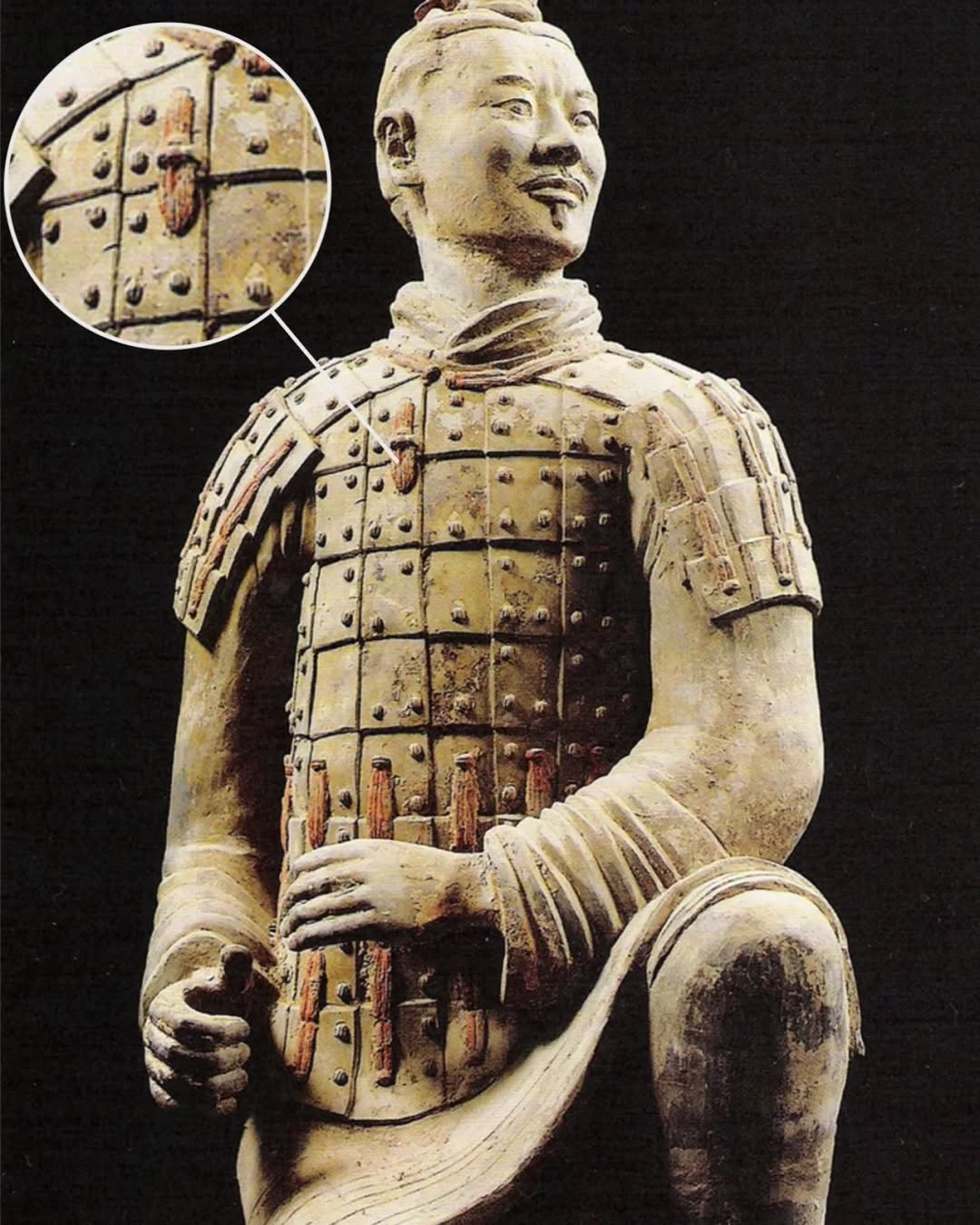
The story of Pankou stretches back to the Qin Dynasty, where early versions of fabric knots began to emerge. By the Song and Ming periods, these intricate ties had gracefully replaced simpler fastenings, evolving into a recognized craft by the Qing era. Republican-era qipao makers further elevated pankou, transforming basic loops into symbolic artistry—delicate butterflies, auspicious blossoms, “fu” knots for luck, and elaborate pairings for formal wear, each imbued with rich cultural meaning and sophisticated craftsmanship.
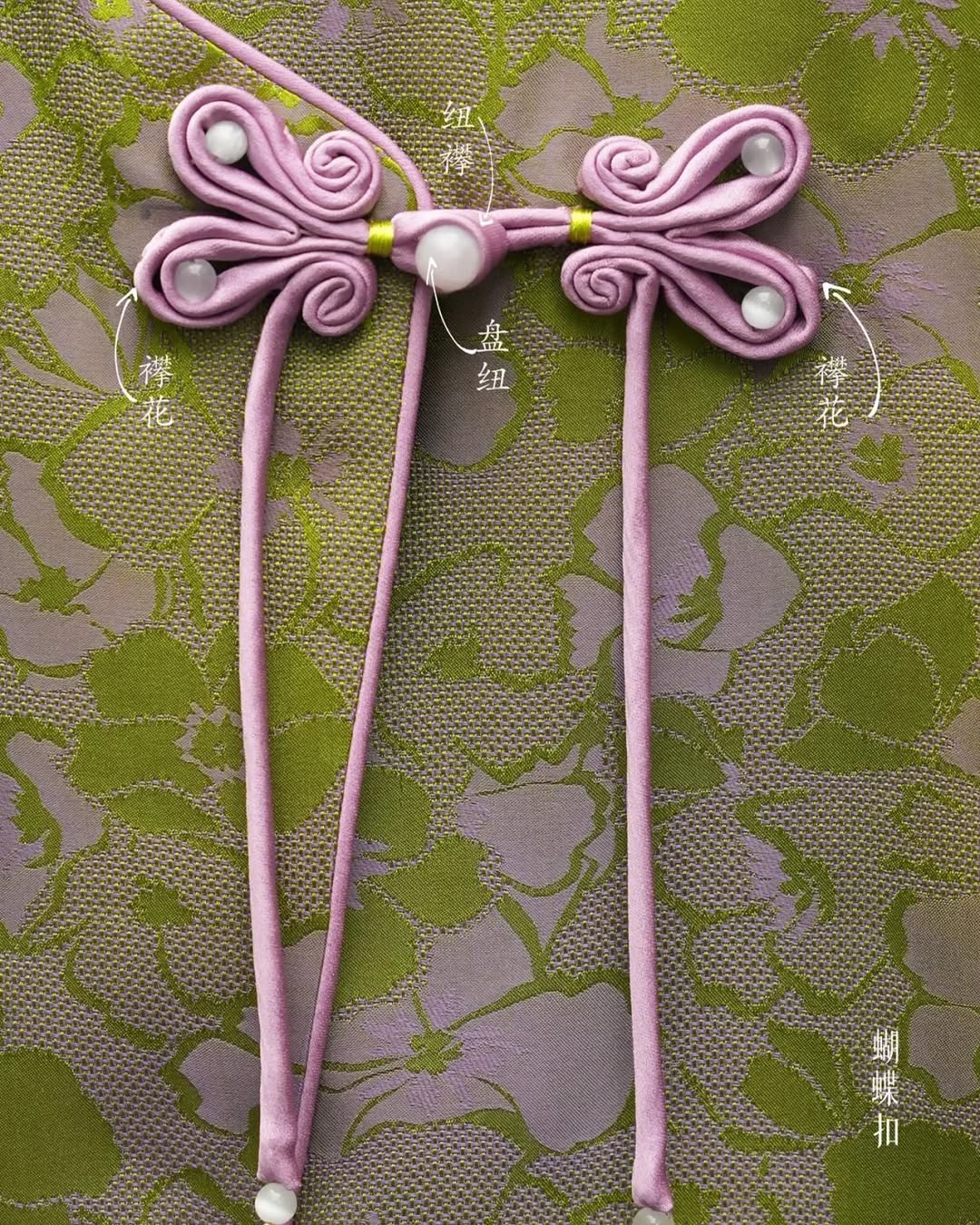
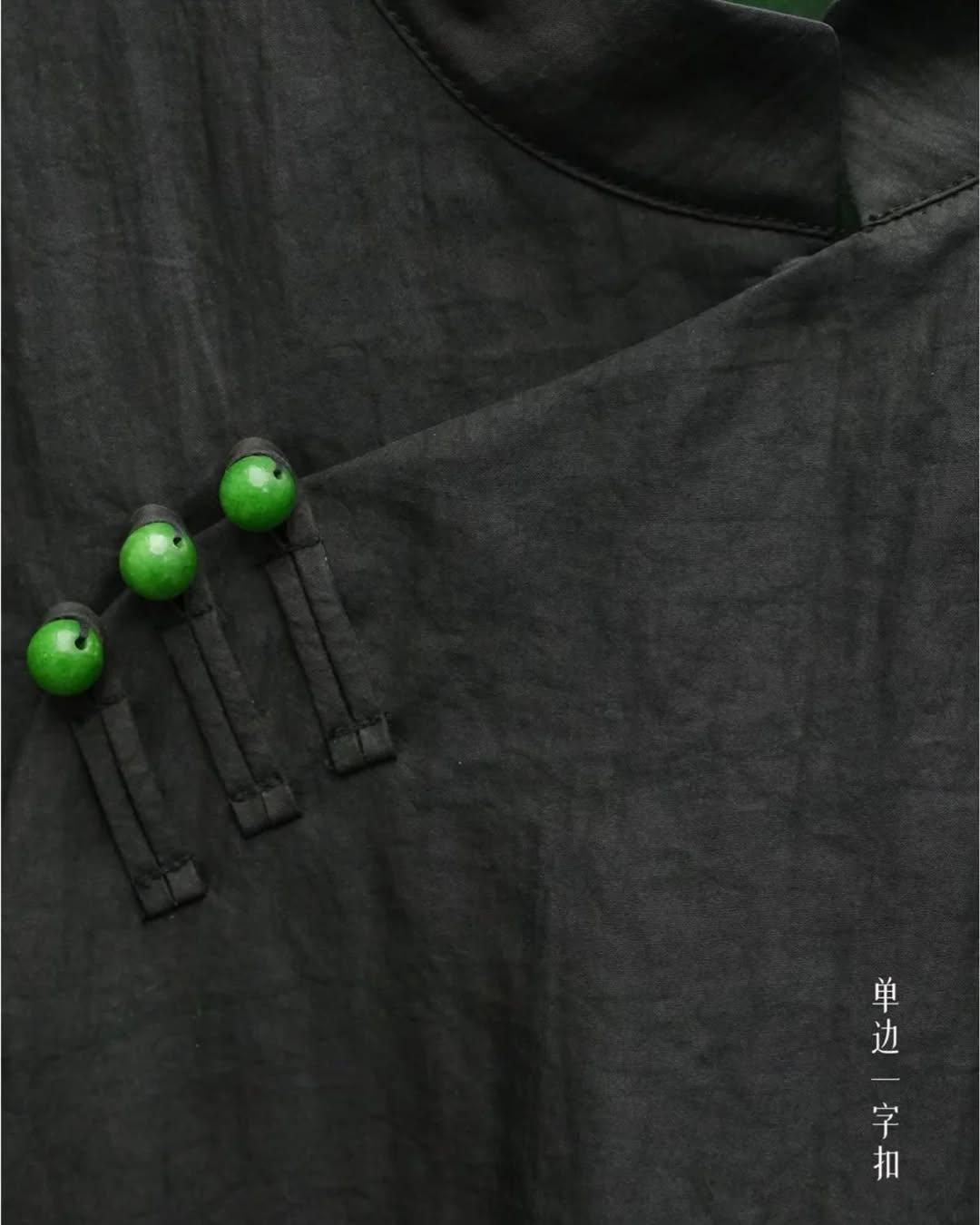
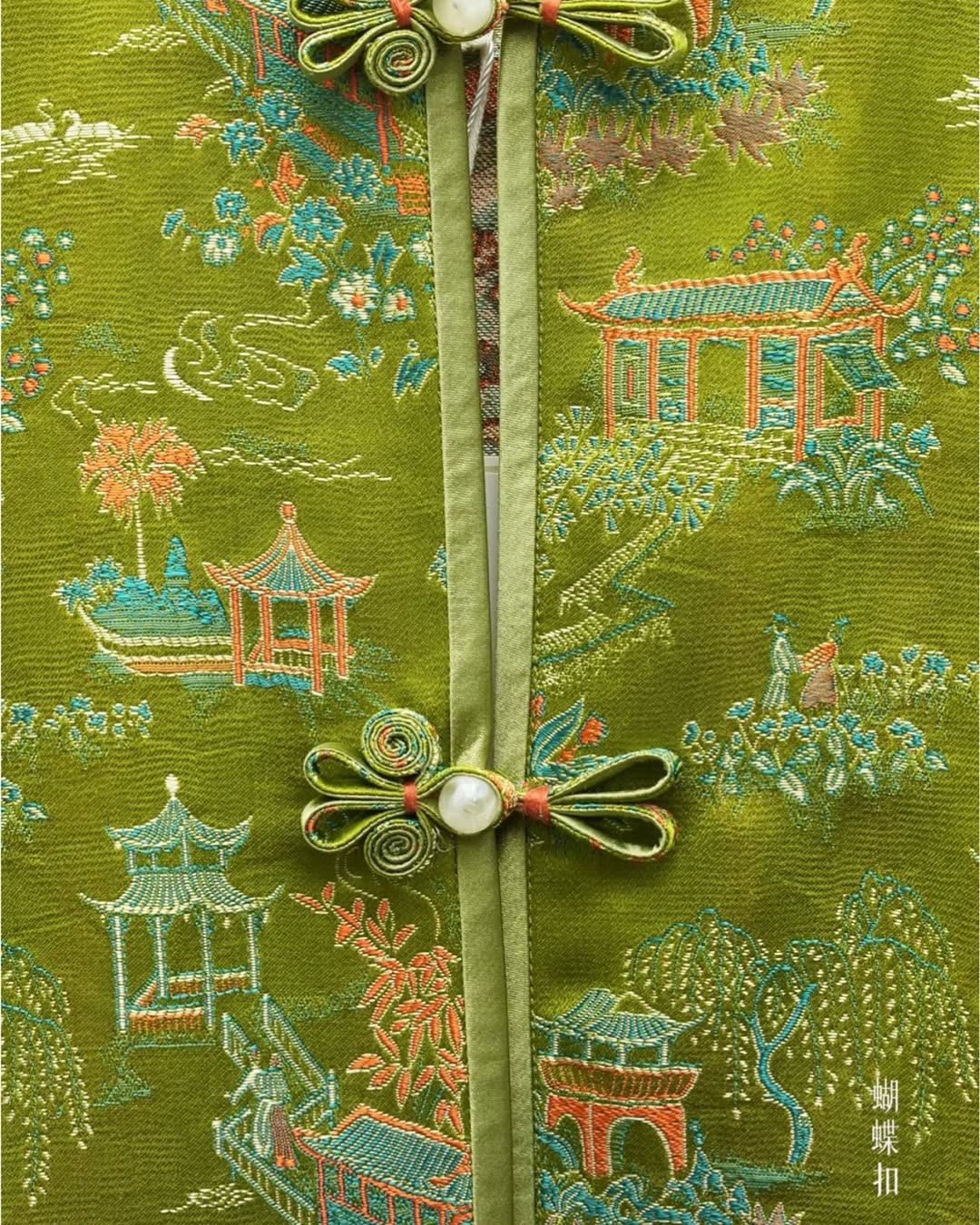
This inherent artistry and symbolic depth didn’t go unnoticed by the global fashion scene. Over time, pankou quietly began to catch the eye of international designers, serving as an exotic yet elegant detail. Today, however, its resurgence is strikingly different. Young designers are consciously moving beyond mere nostalgic referencing. Instead, they are fearlessly deconstructing and reimagining pankou with a radical experimentalism.
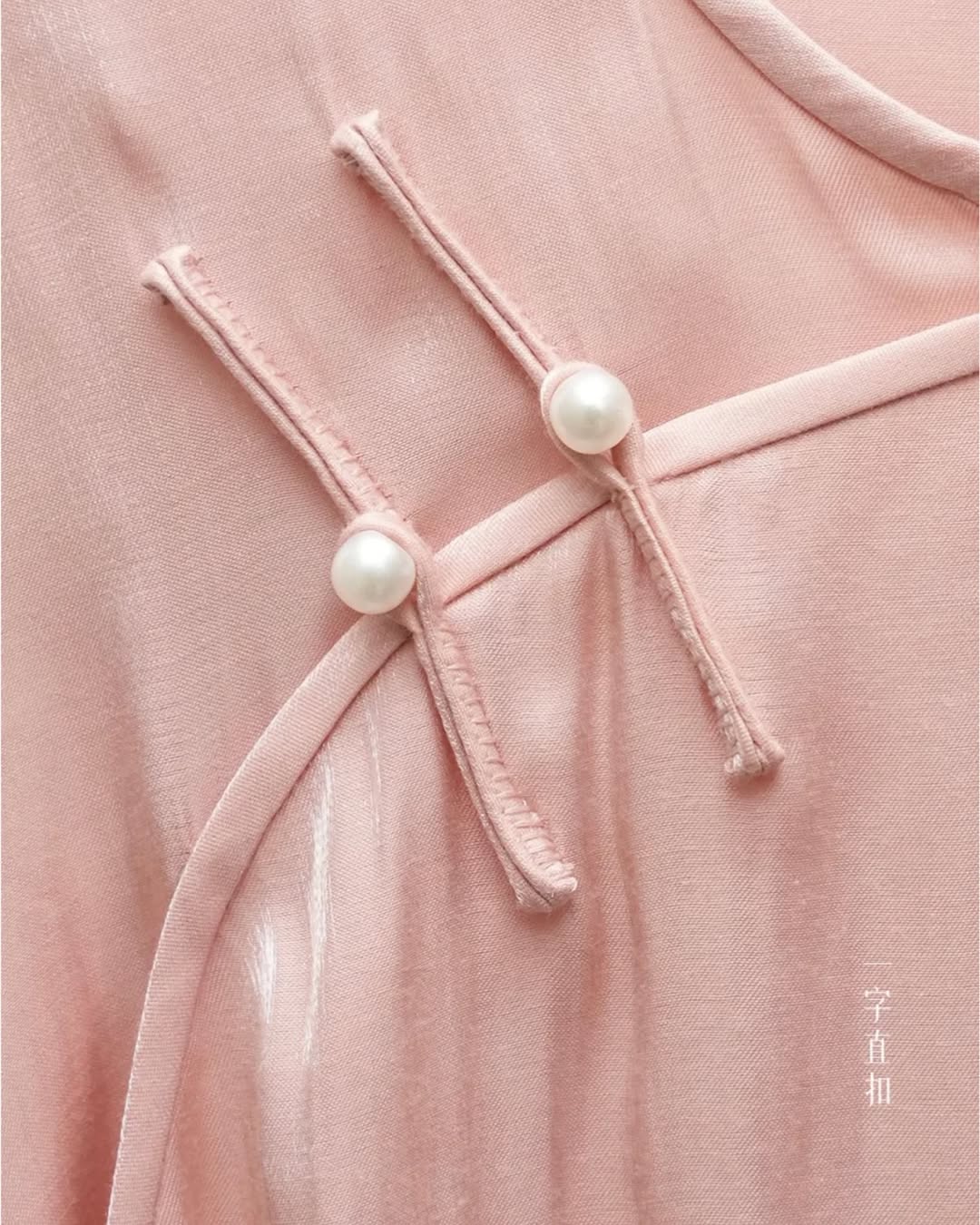
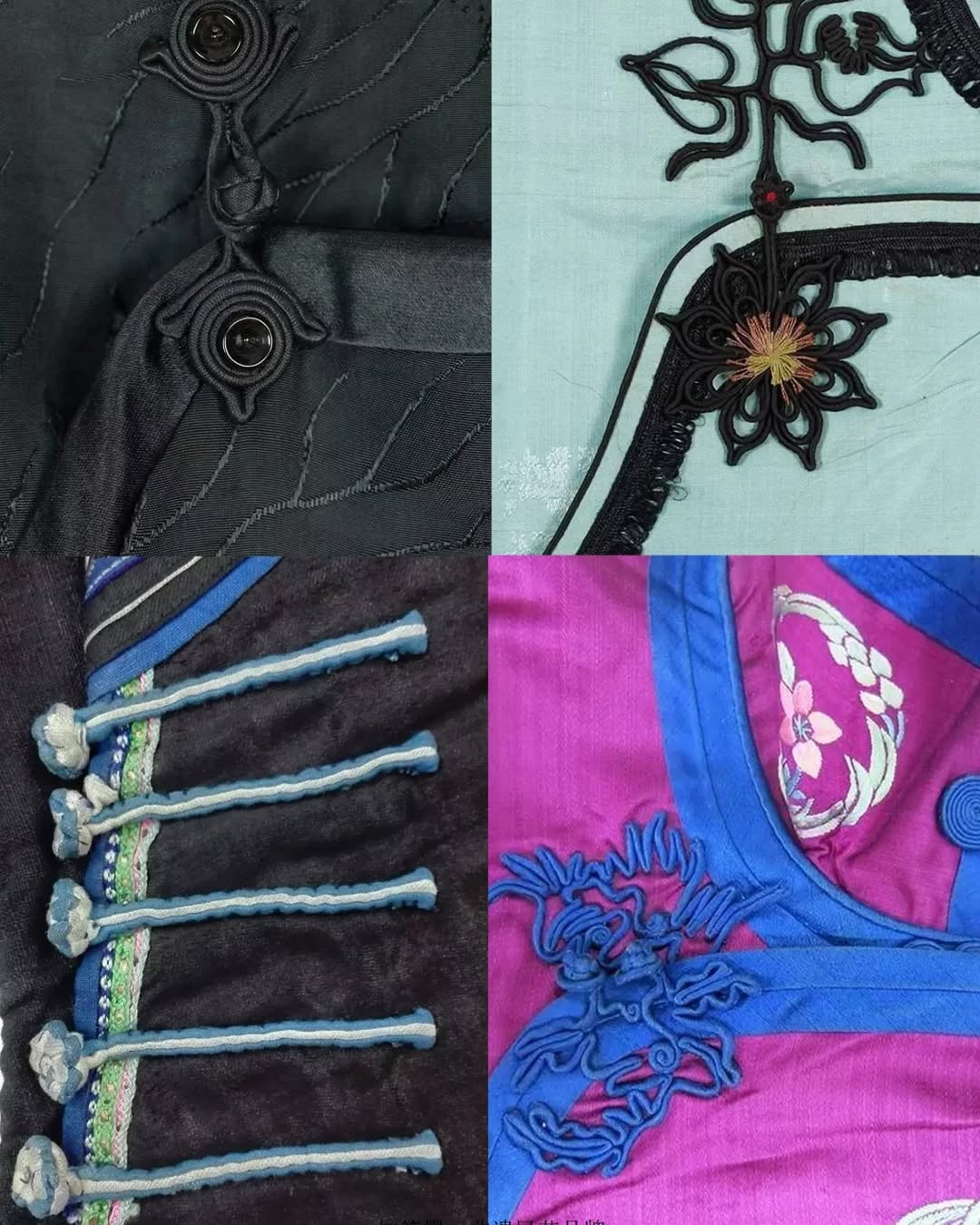
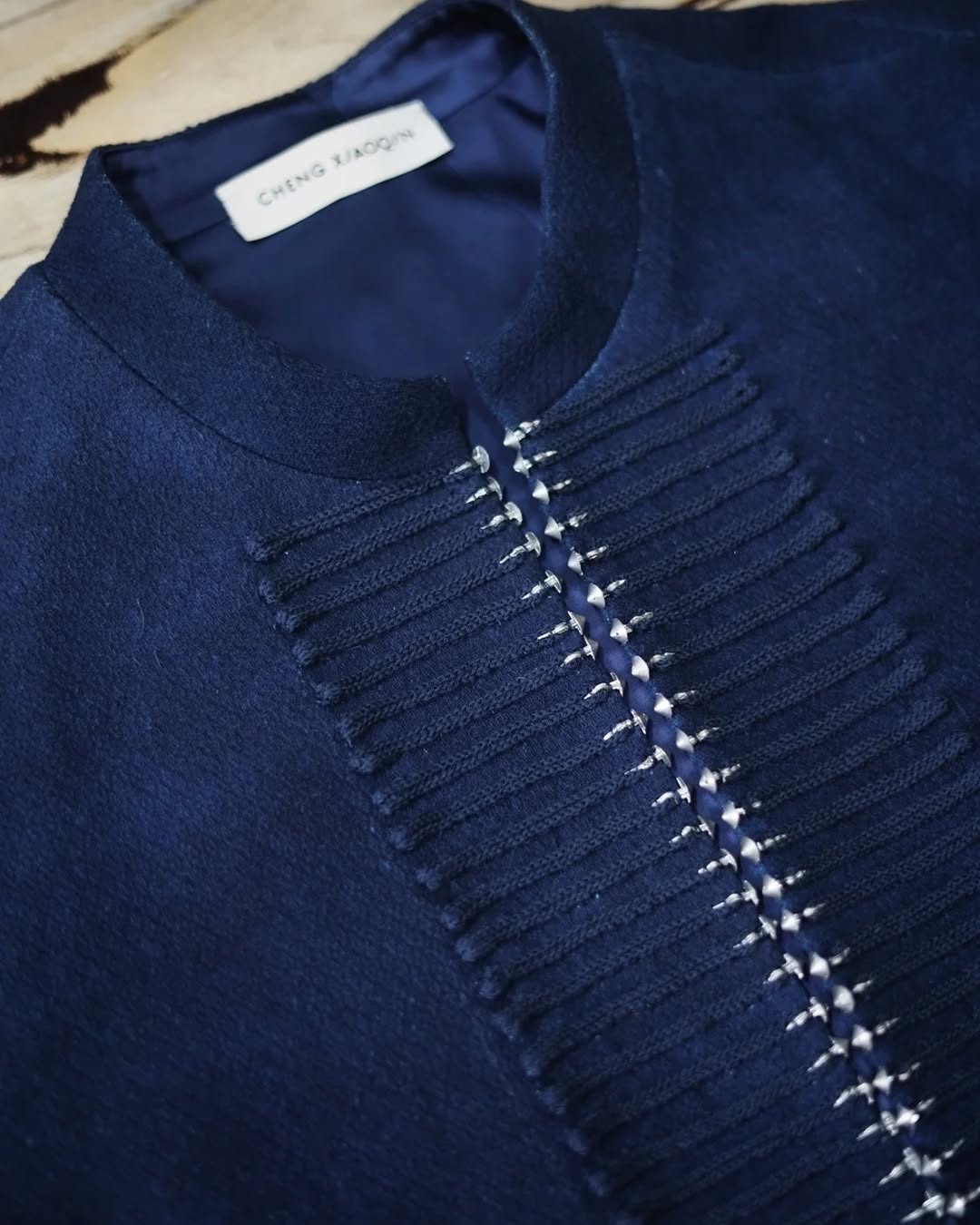
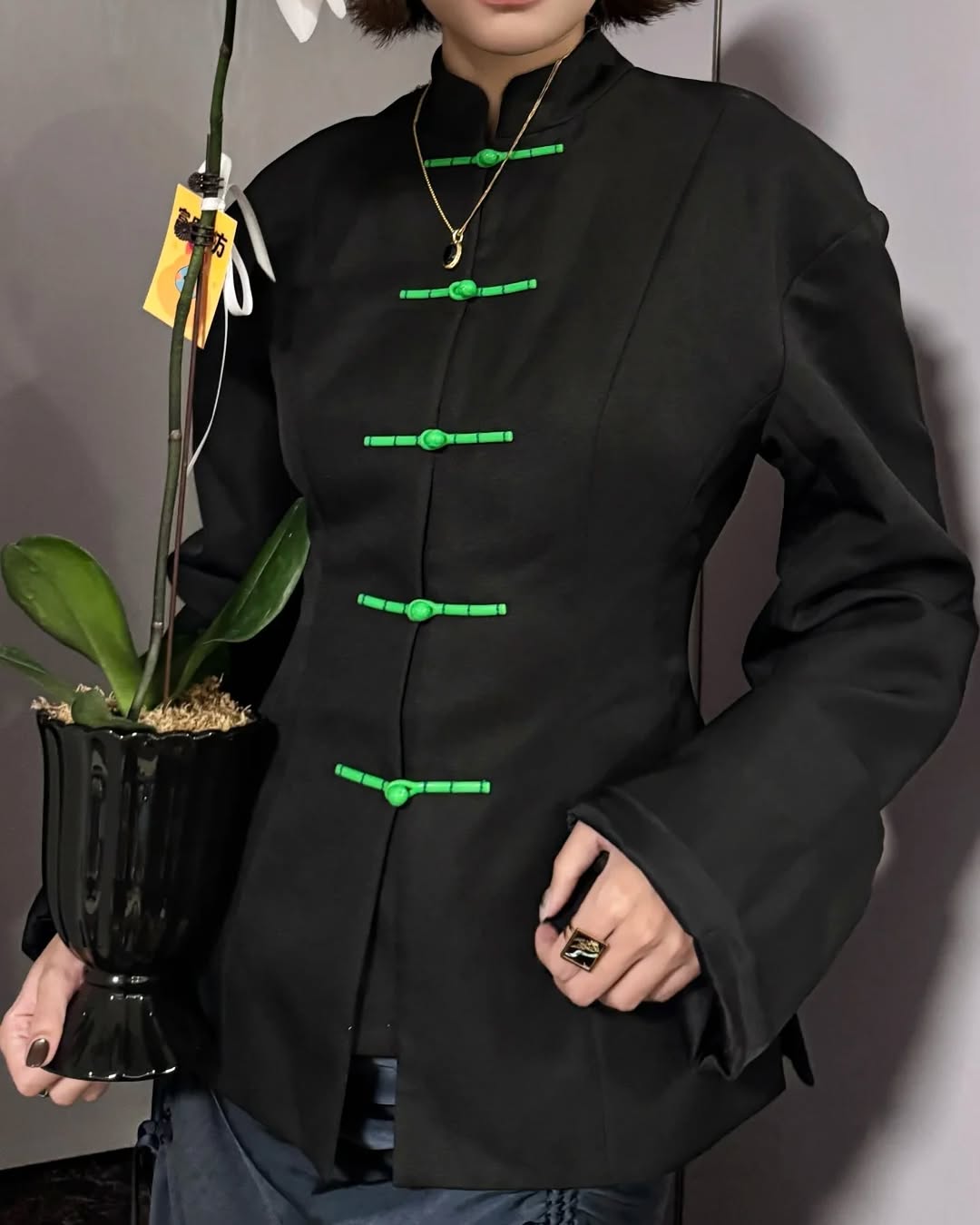
These contemporary creators are pushing boundaries by integrating unconventional materials like supple leather, vibrant silicone cords, sleek metal wires, reflective ropes, and even cutting-edge 3D-printed components. The traditional knot is now appearing in unexpected places, adorning contemporary jackets, statement bags, cozy knitwear, elegant dresses, and various accessories.

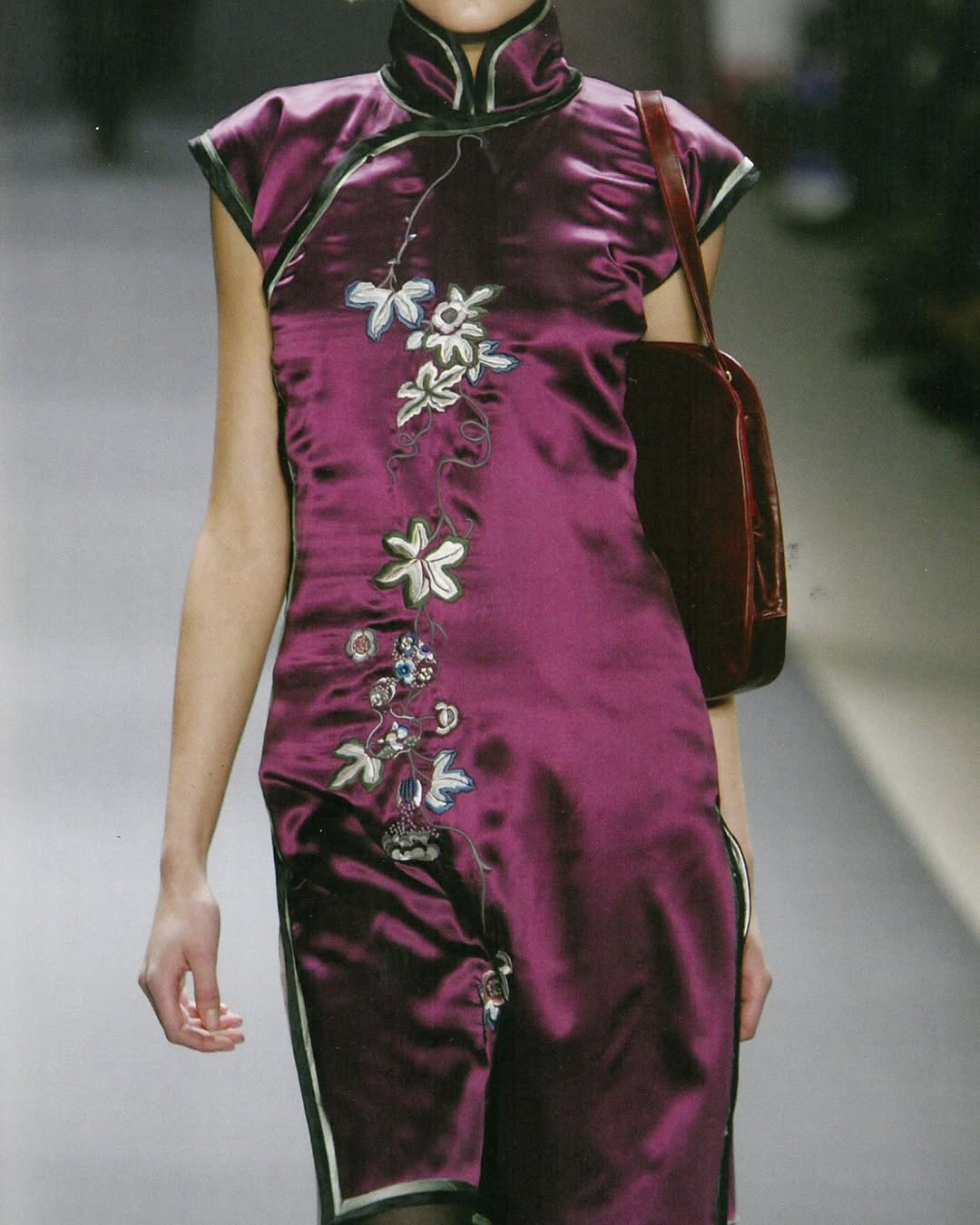
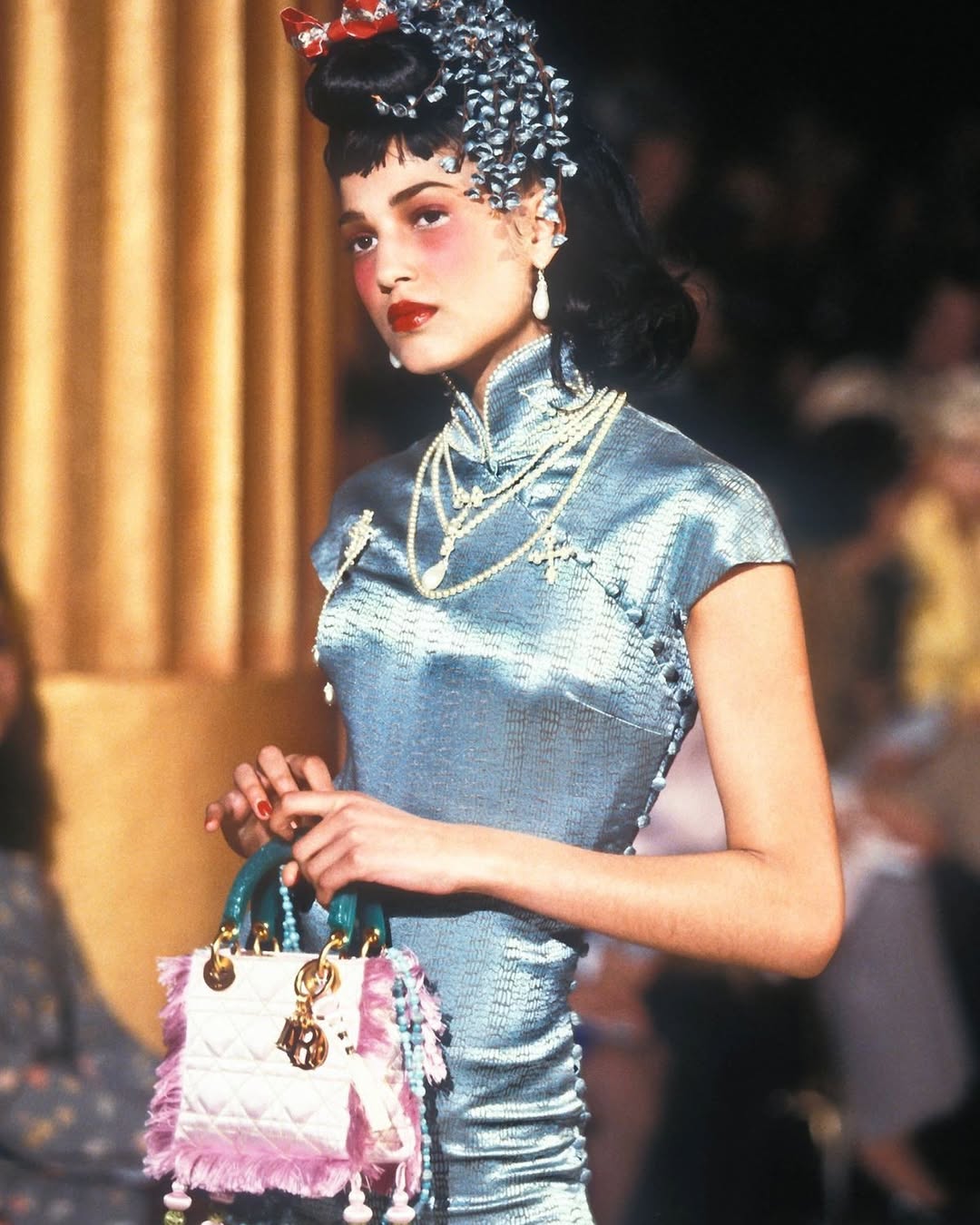
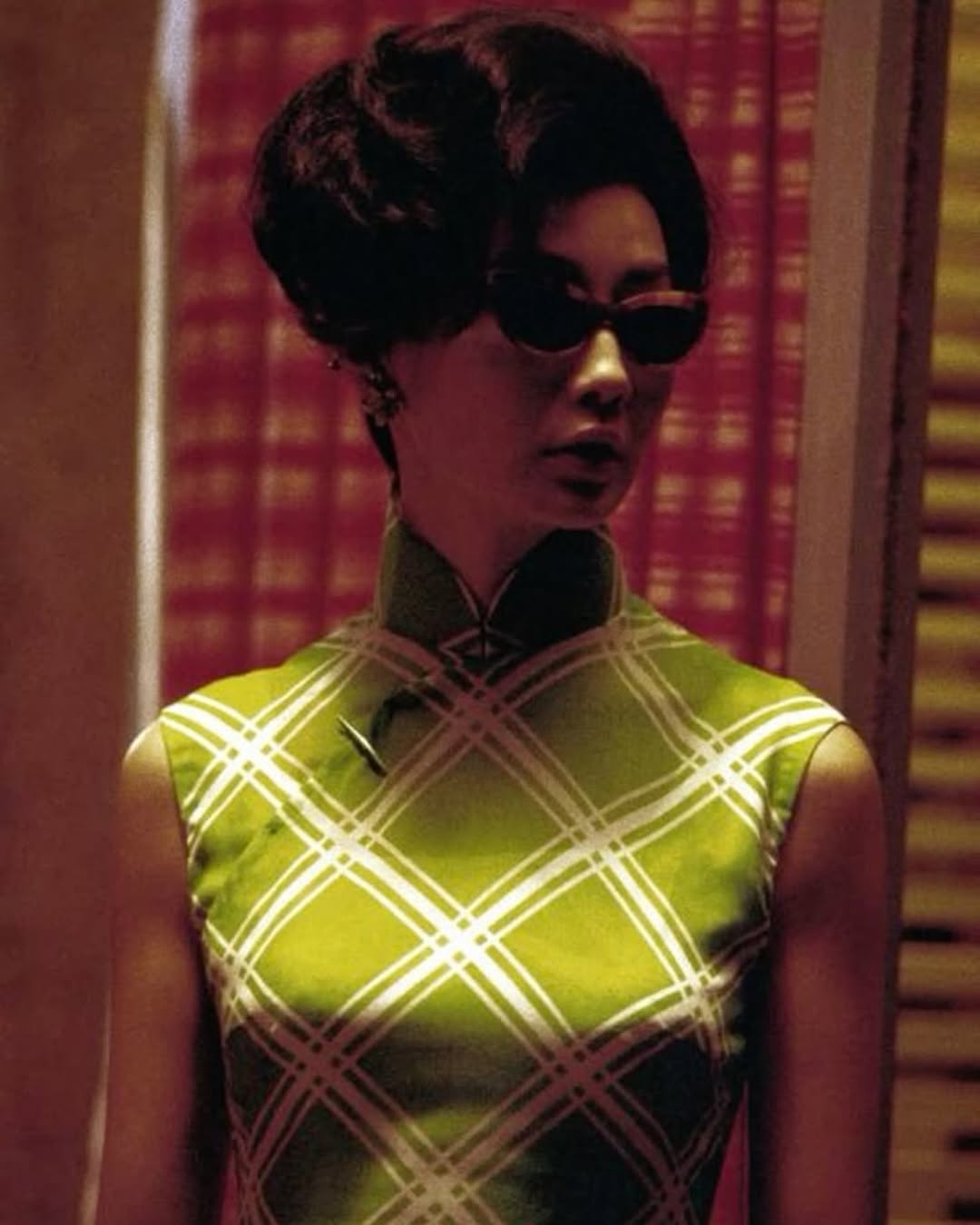

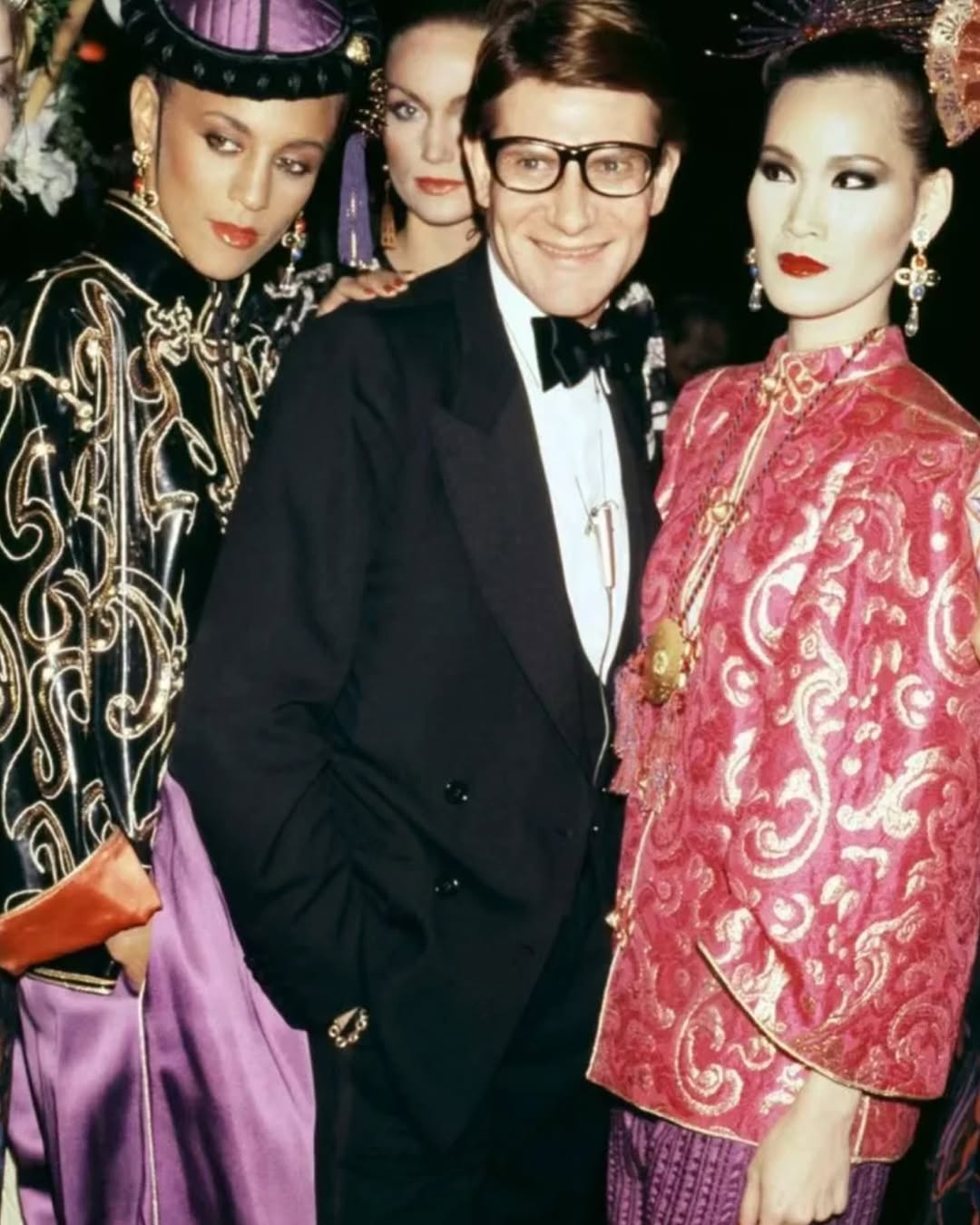
Pankou has transcended its role as a “traditional detail,” blossoming into an entire, versatile design language. It’s a powerful testament to how ancient craftsmanship can be ingeniously reinterpreted, proving that true heritage, when embraced by innovation, becomes eternally relevant, especially for a global youth audience hungry for authenticity and fresh perspectives.