Feature image of A Gifting Guide to Contemporary Malaysian Design This Holiday

A Gifting Guide to Contemporary Malaysian Design This Holiday

3 mins read

3 mins read

Feature image of A Gifting Guide to Contemporary Malaysian Design This Holiday

As the year draws to a close, conversations around gifting often default to either the familiar or the overtly popular. In between sits a category of objects shaped by intentional design, care for materials, and visual uniqueness. This list brings together Malaysian brands working across lighting, fashion, stationery, craft, and recycled materials, all linked by a clean, contemporary approach to design. Rather than chasing trends, these labels focus on how things are made and used, resulting in objects that feel personal without being overly precious—and well-suited to end-of-year gifting.


SAD
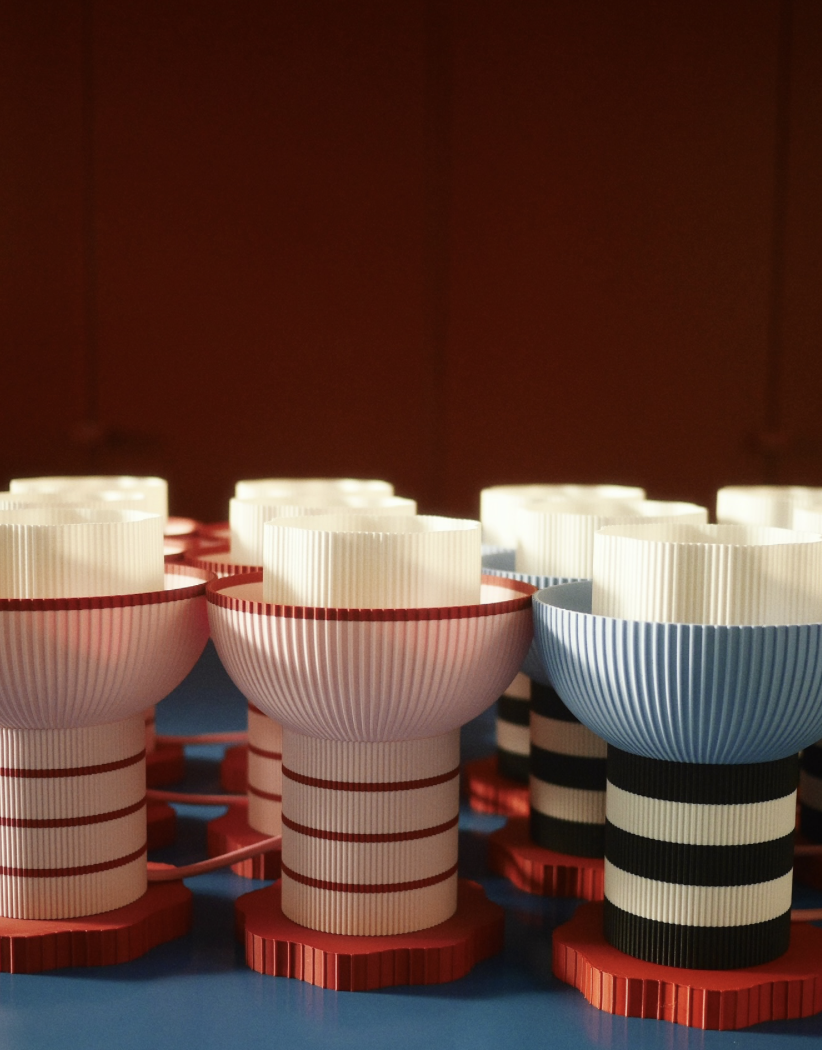
RADII offers a gift guide for the 2025 holiday season featuring a design curation of contemporary lifestyle brands from Malaysia.
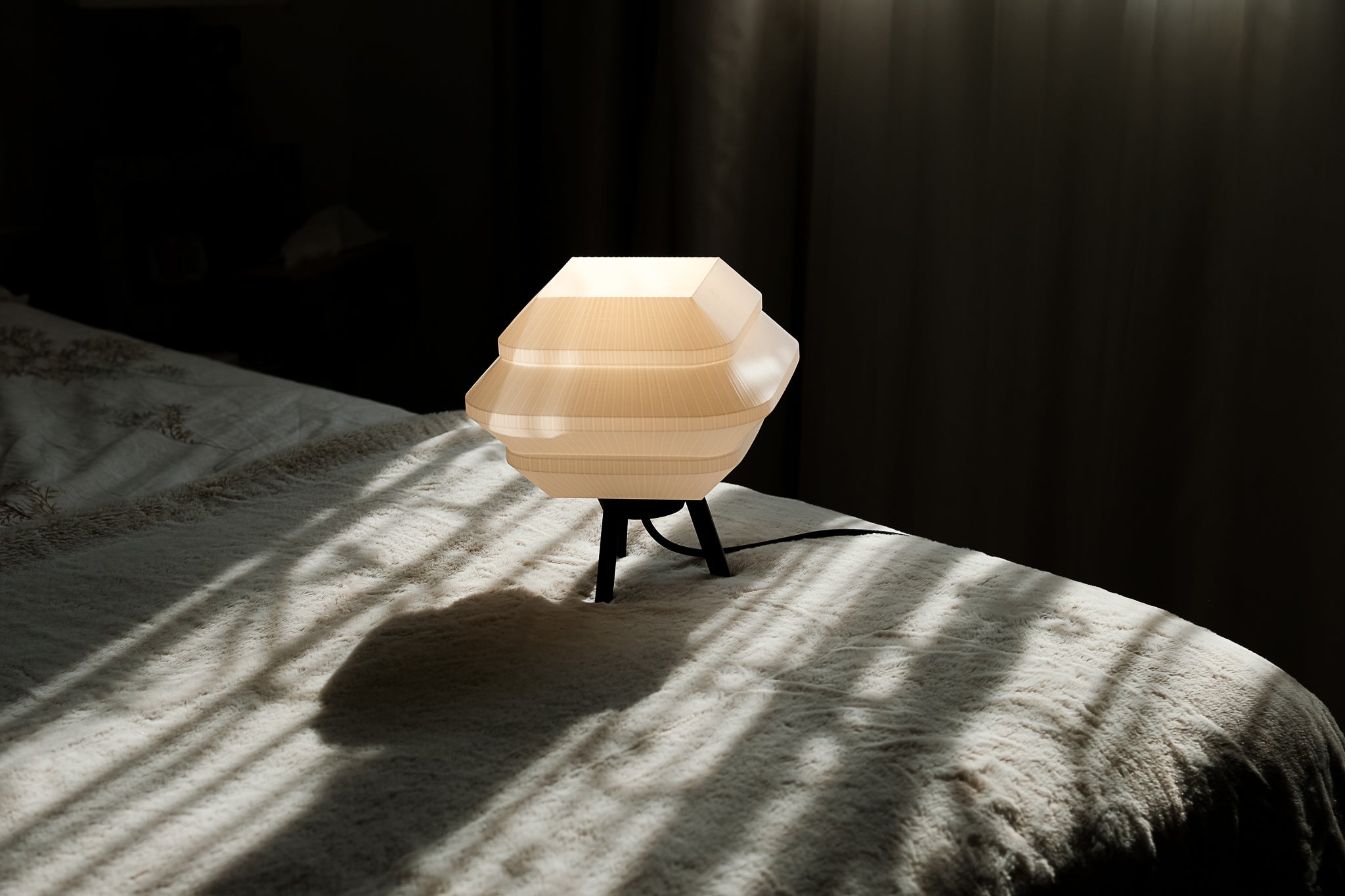
Image via SAD.

SAD began as a small-scale design experiment in Kuala Lumpur, growing out of an interest in how digital tools could make everyday objects feel less anonymous. Working primarily with 3D printing, the studio produces lamps, candle holders, and small household objects in short runs, allowing for continual tweaking of form and color. That flexibility shows in the final products, which balance soft colors with clear geometries and sit comfortably between functional design and timeless domestic pieces. The emphasis on local production and made-to-order runs lends each lamp a sense of considered making rather than mass output.
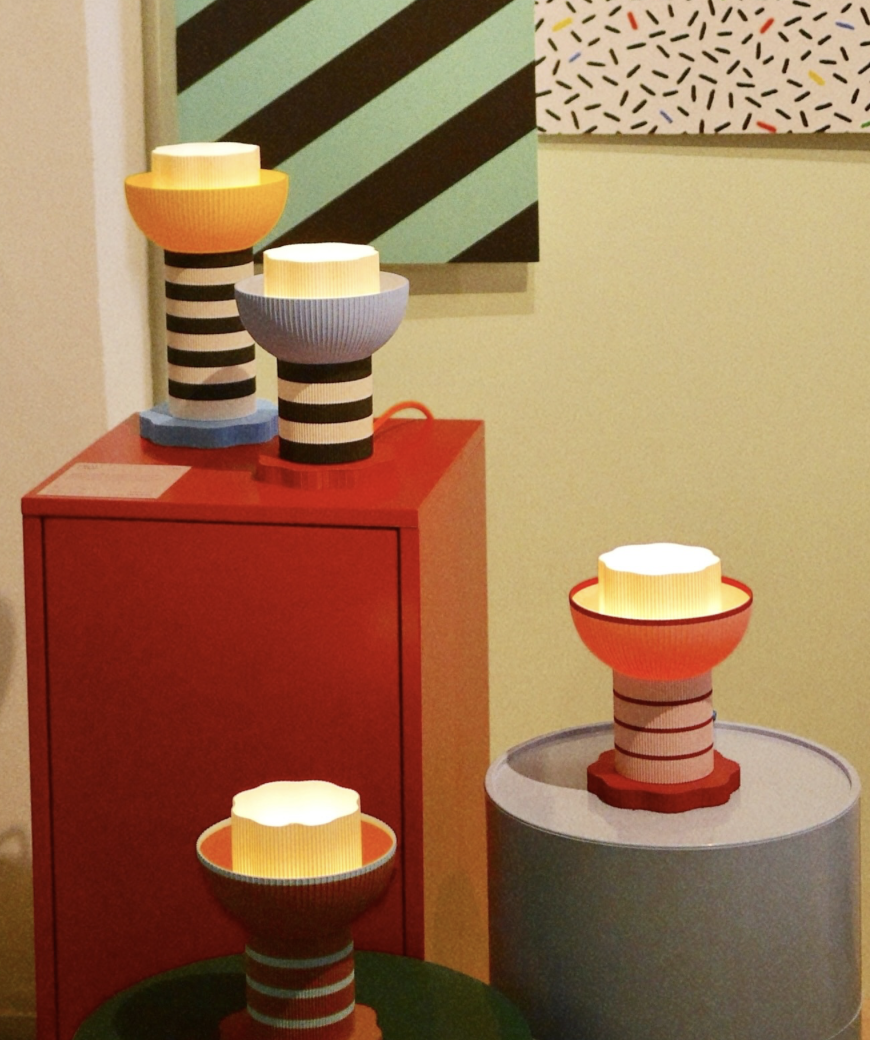
Image via SAD.


Lampu Lampu

Image via Lampu Lampu.

Founded in Johor Bahru, Lampu Lampu approaches lighting as both a design and material exercise. The brand works with 3D printing technologies and biodegradable filaments, producing lamps locally in limited runs. Many of its forms draw from familiar Asian references and everyday shapes, which are then pared back into clean silhouettes that prioritize light quality and proportion. Rather than positioning its lamps as statement pieces, Lampu Lampu focuses on how light behaves in lived spaces, resulting in objects that won’t feel out of place wherever they are.


MUNI
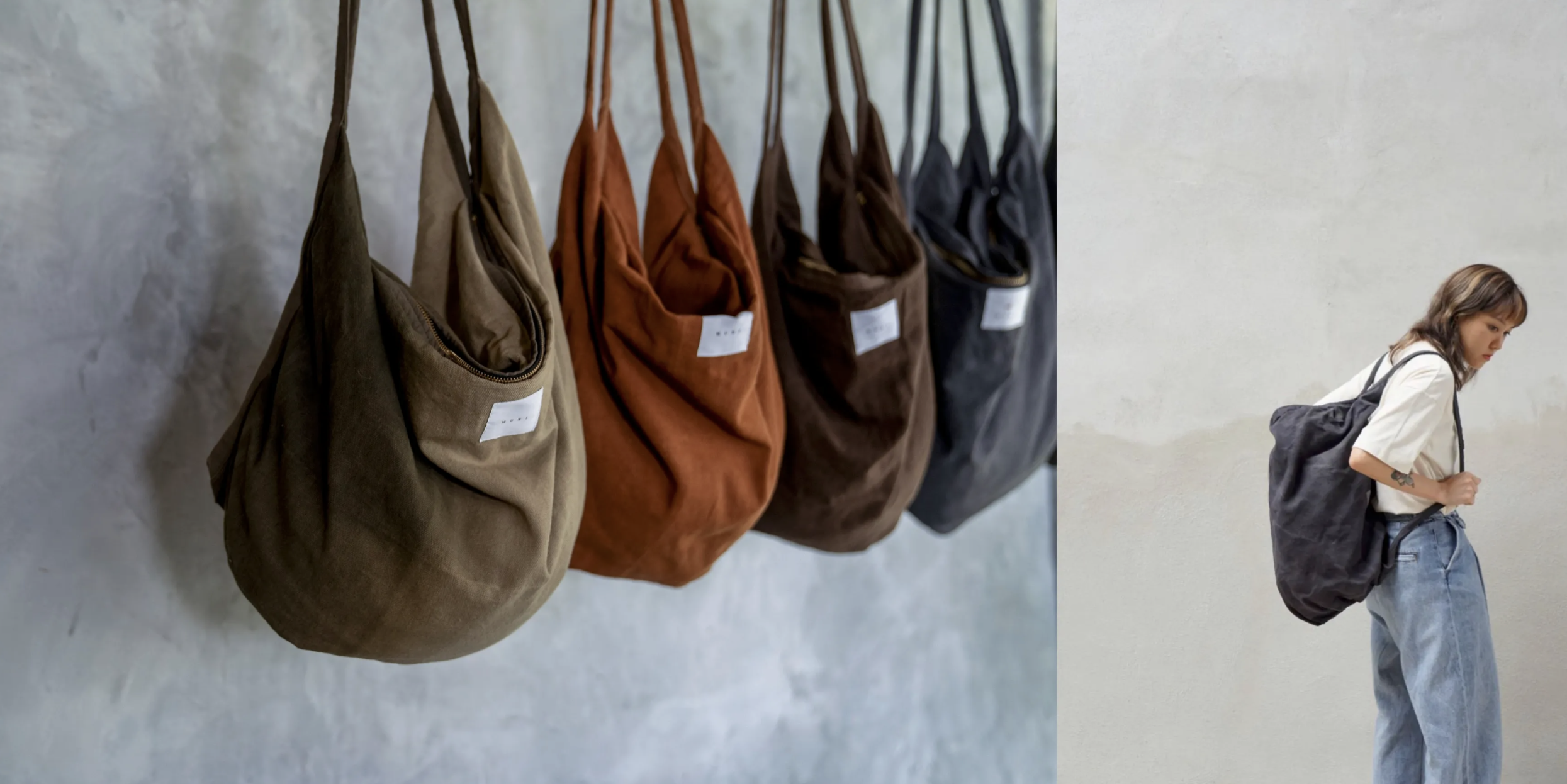
Image via MUNI.

MUNI grew out of an interest in natural dyeing and slower methods of clothing production. The brand works closely with plant-based dyes, using materials such as indigo and turmeric to color garments and accessories in muted, earthy tones. The dyeing process is central to MUNI’s identity, introducing subtle variations that ensure no two pieces are exactly alike. Its range spans bamboo tops, linen bags, and everyday essentials, all designed with longevity and wear in mind. More than seasonal fashion, MUNI’s products reflect a commitment to timelessness, where material and design carry through seasons.
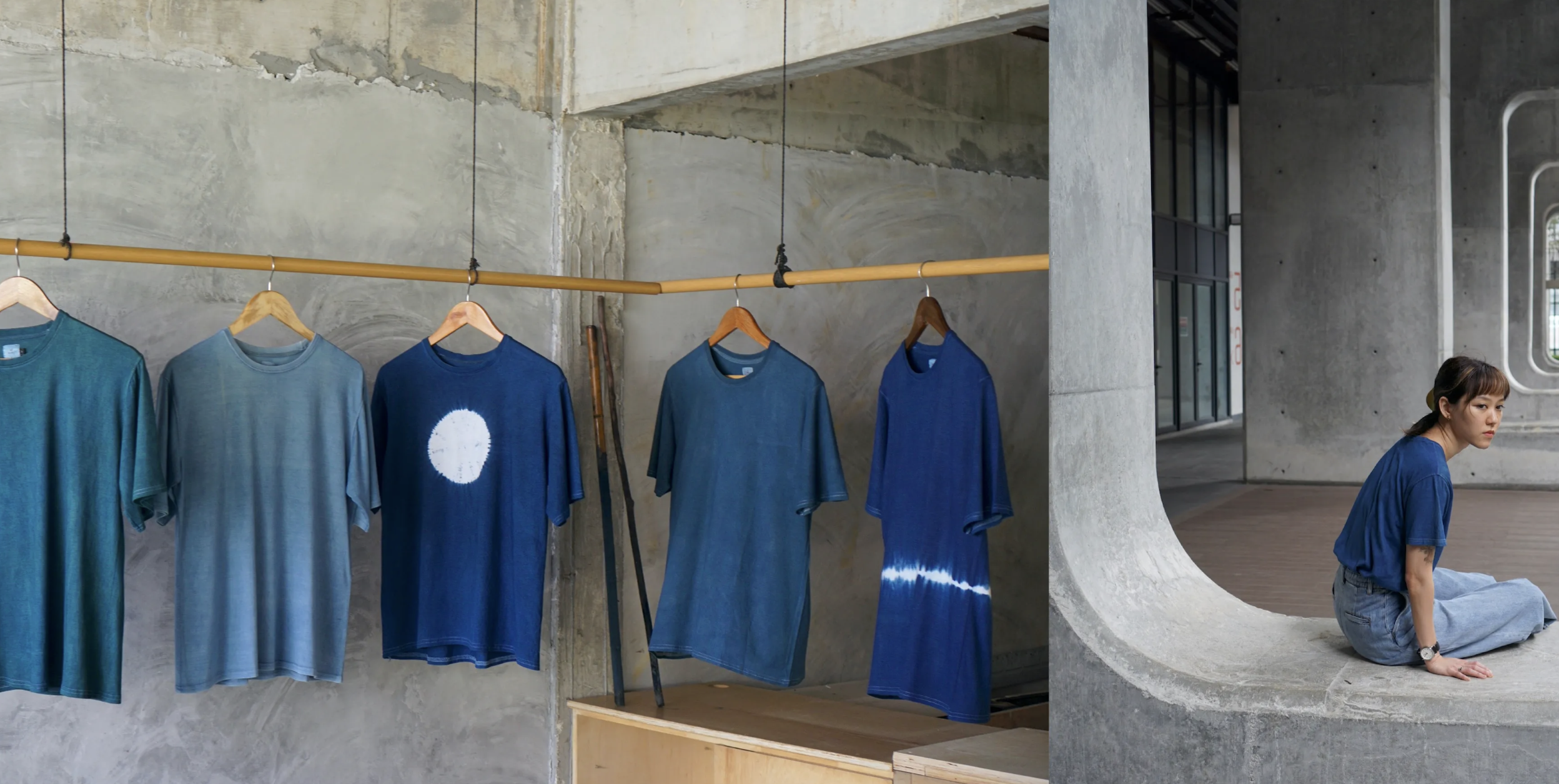
Image via MUNI.


Bungkus

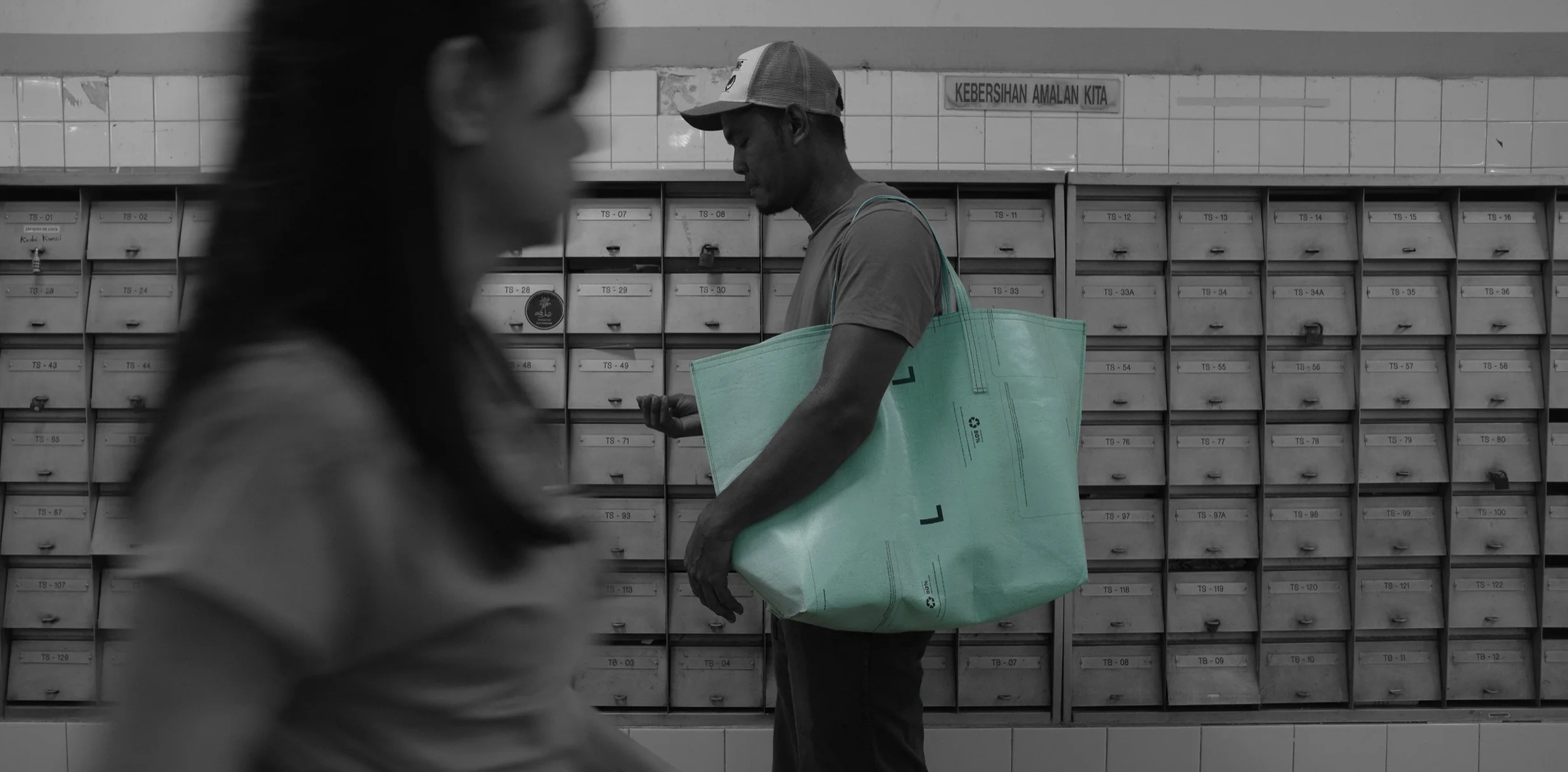
Image via Bungkus.

Bungkus was founded with a clear environmental objective: to extend the life of discarded materials through design. The brand collects and repurposes plastic waste, transforming it into bags and accessories intended for everyday use. Production prioritizes durability and practicality, resulting in market totes, travel bags, and pouches that are lightweight, washable, and hard-wearing. Visual variations emerge naturally from the recycled materials themselves, giving each product a slightly different character. Bungkus positions design not as decoration, but as a tool for rethinking sustainability and material value.
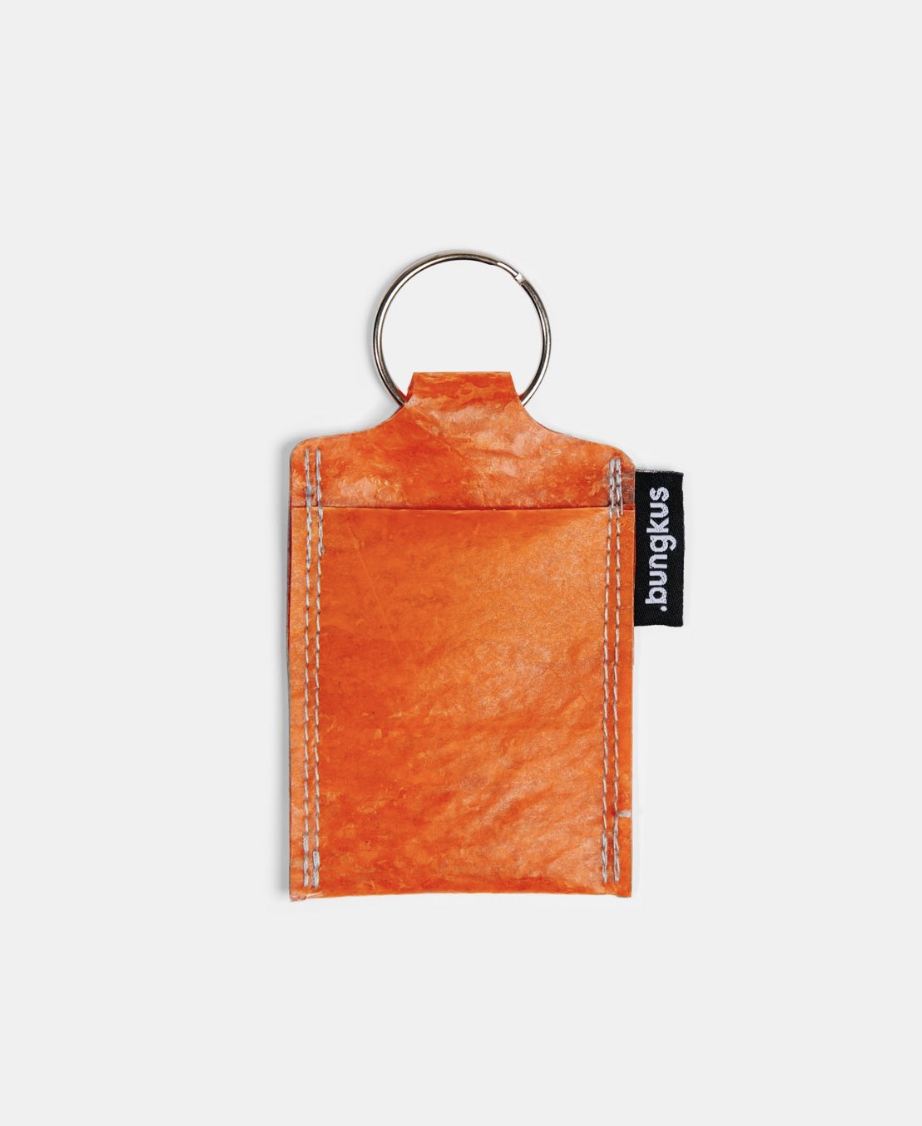
Image via Bungkus.


Ana Tomy

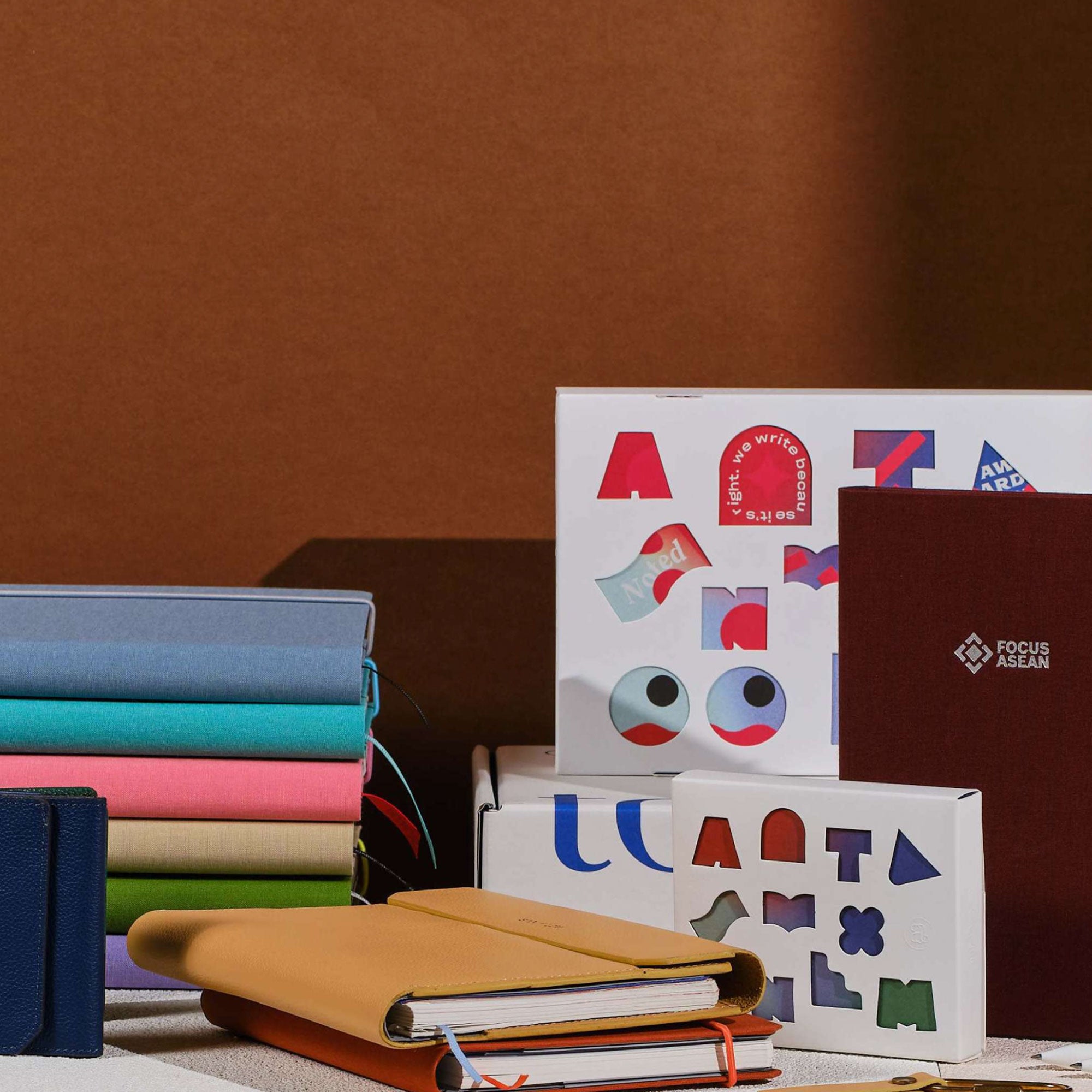
Image via Ana Tomy.

Ana Tomy operates at the intersection of design, stationery, and the ritual of routine. Established with a focus on customizable journals, the brand builds its products around paper quality, layout, and typographic clarity. Production decisions are guided by how users write, plan, and return to their notebooks over time. Beyond journals, Ana Tomy also carries a range of writing tools, knick-knacks, and carry-ons that align with its bright, forward-thinking design approach. The result is everyday items that are utilitarian by nature but also exude a sense of style unique to the brand.
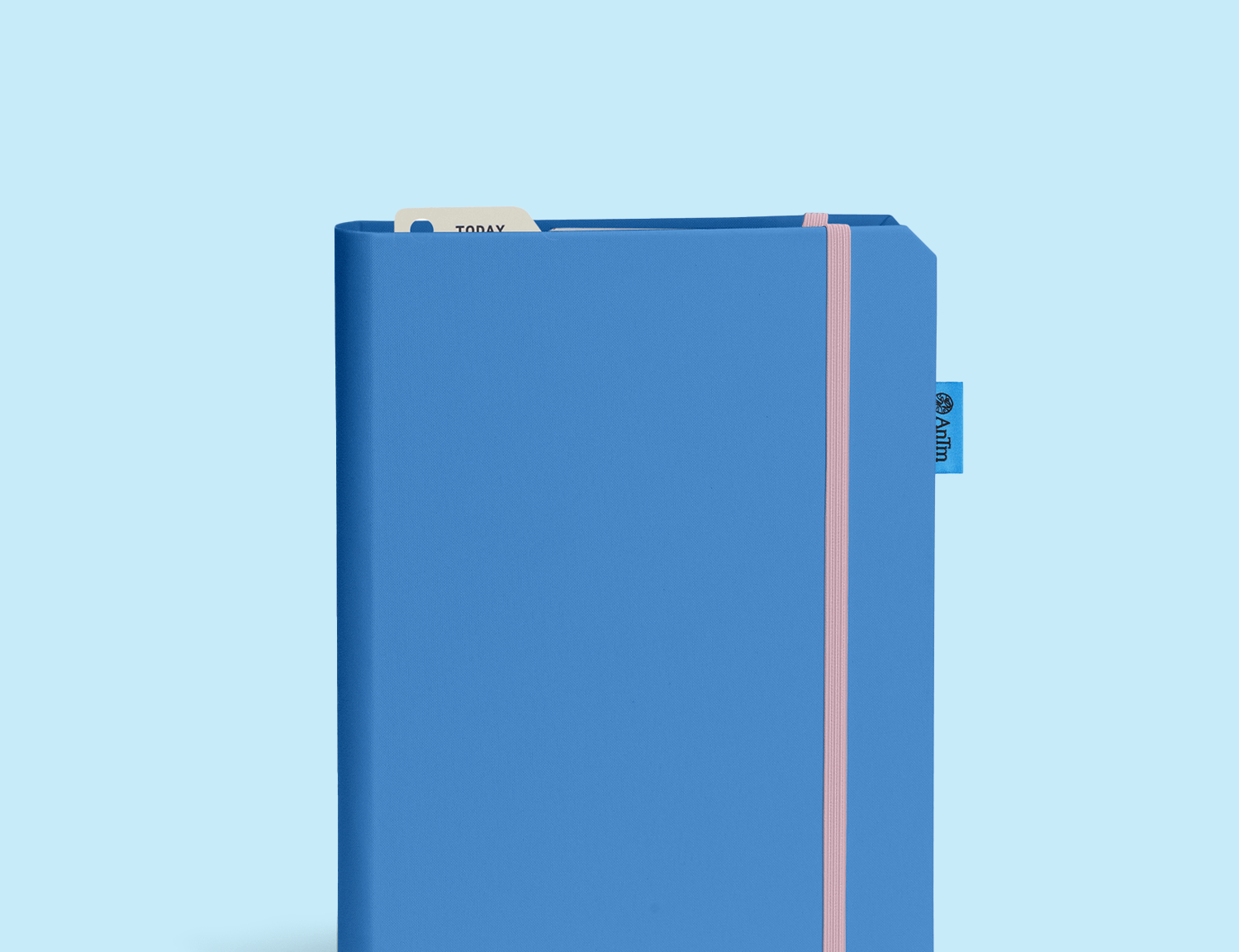
Image via Ana Tomy.


TAKOS

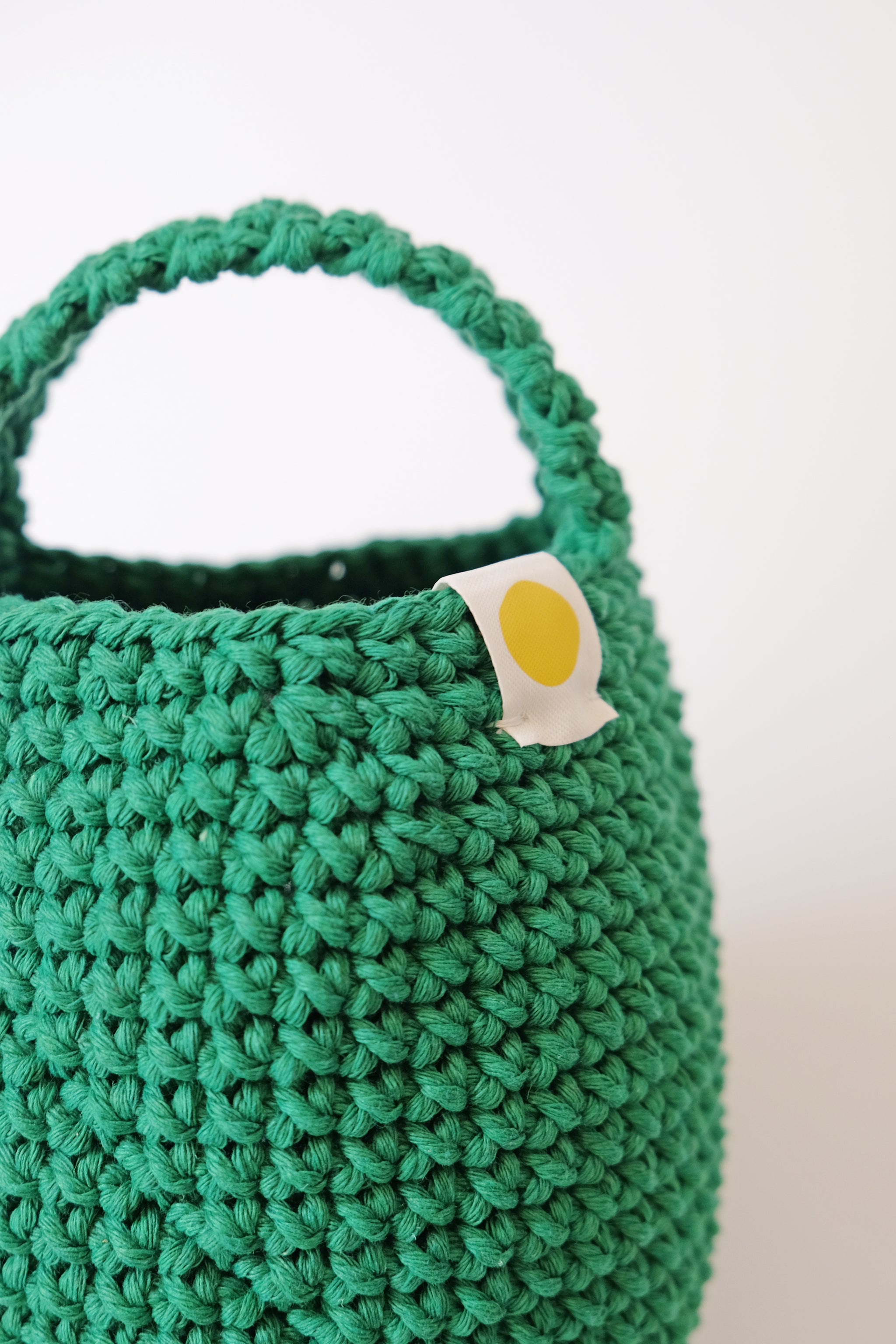
Image via TAKOS.

TAKOS brings a distinctly hands-on practice to Malaysia’s contemporary design landscape. The brand produces crochet and embroidered items by hand, embracing visible stitchwork and bright color combinations as part of its identity. Rather than scaling toward uniformity, TAKOS leans into the irregularities that come with craft-based production. Its range of soft toys and accessories reflects a playful sensibility grounded in making, where time and labor are evident in the finished object. These qualities give TAKOS pieces a warmth that sets them apart from more industrial forms of contemporary design.
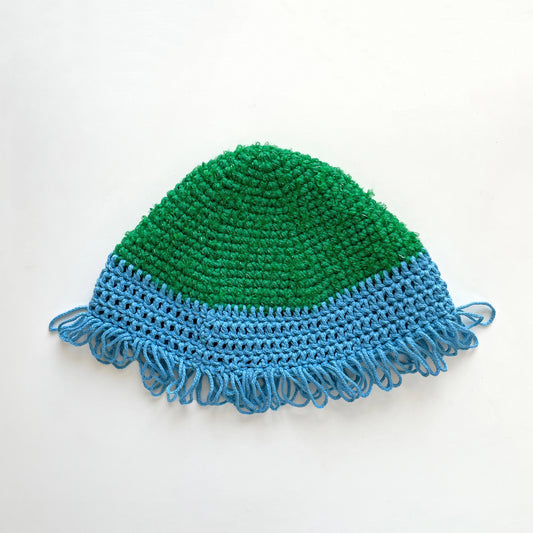
Image via TAKOS.


Taken together, these brands point to a growing confidence in Malaysian design—one that values material choices, process, and restraint over excess. For end-of-year gifting, they offer alternatives to the usual: 3D-printed lamps that quietly shape a space, bags that carry a story of reuse, journals that invite mindfulness, and objects that feel different. These are not loud gifts, but considered ones that both look good and feel good to use.

Cover image via SAD.

NEWSLETTER

Get weekly top picks and exclusive, newsletter only content delivered straight to you inbox.

NEWSLETTER

Get weekly top picks and exclusive, newsletter only content delivered straight to you inbox.

RADII NEWSLETTER

Get weekly top picks and exclusive, newsletter only content delivered straight to you inbox

Feature image of A Gifting Guide to Contemporary Malaysian Design This Holiday

A Gifting Guide to Contemporary Malaysian Design This Holiday

3 mins read

As the year draws to a close, conversations around gifting often default to either the familiar or the overtly popular. In between sits a category of objects shaped by intentional design, care for materials, and visual uniqueness. This list brings together Malaysian brands working across lighting, fashion, stationery, craft, and recycled materials, all linked by a clean, contemporary approach to design. Rather than chasing trends, these labels focus on how things are made and used, resulting in objects that feel personal without being overly precious—and well-suited to end-of-year gifting.


SAD

RADII offers a gift guide for the 2025 holiday season featuring a design curation of contemporary lifestyle brands from Malaysia.
Image via SAD.

SAD began as a small-scale design experiment in Kuala Lumpur, growing out of an interest in how digital tools could make everyday objects feel less anonymous. Working primarily with 3D printing, the studio produces lamps, candle holders, and small household objects in short runs, allowing for continual tweaking of form and color. That flexibility shows in the final products, which balance soft colors with clear geometries and sit comfortably between functional design and timeless domestic pieces. The emphasis on local production and made-to-order runs lends each lamp a sense of considered making rather than mass output.

Image via SAD.


Lampu Lampu

Image via Lampu Lampu.

Founded in Johor Bahru, Lampu Lampu approaches lighting as both a design and material exercise. The brand works with 3D printing technologies and biodegradable filaments, producing lamps locally in limited runs. Many of its forms draw from familiar Asian references and everyday shapes, which are then pared back into clean silhouettes that prioritize light quality and proportion. Rather than positioning its lamps as statement pieces, Lampu Lampu focuses on how light behaves in lived spaces, resulting in objects that won’t feel out of place wherever they are.


MUNI

Image via MUNI.

MUNI grew out of an interest in natural dyeing and slower methods of clothing production. The brand works closely with plant-based dyes, using materials such as indigo and turmeric to color garments and accessories in muted, earthy tones. The dyeing process is central to MUNI’s identity, introducing subtle variations that ensure no two pieces are exactly alike. Its range spans bamboo tops, linen bags, and everyday essentials, all designed with longevity and wear in mind. More than seasonal fashion, MUNI’s products reflect a commitment to timelessness, where material and design carry through seasons.

Image via MUNI.


Bungkus

Image via Bungkus.

Bungkus was founded with a clear environmental objective: to extend the life of discarded materials through design. The brand collects and repurposes plastic waste, transforming it into bags and accessories intended for everyday use. Production prioritizes durability and practicality, resulting in market totes, travel bags, and pouches that are lightweight, washable, and hard-wearing. Visual variations emerge naturally from the recycled materials themselves, giving each product a slightly different character. Bungkus positions design not as decoration, but as a tool for rethinking sustainability and material value.

Image via Bungkus.


Ana Tomy

Image via Ana Tomy.

Ana Tomy operates at the intersection of design, stationery, and the ritual of routine. Established with a focus on customizable journals, the brand builds its products around paper quality, layout, and typographic clarity. Production decisions are guided by how users write, plan, and return to their notebooks over time. Beyond journals, Ana Tomy also carries a range of writing tools, knick-knacks, and carry-ons that align with its bright, forward-thinking design approach. The result is everyday items that are utilitarian by nature but also exude a sense of style unique to the brand.

Image via Ana Tomy.


TAKOS

Image via TAKOS.

TAKOS brings a distinctly hands-on practice to Malaysia’s contemporary design landscape. The brand produces crochet and embroidered items by hand, embracing visible stitchwork and bright color combinations as part of its identity. Rather than scaling toward uniformity, TAKOS leans into the irregularities that come with craft-based production. Its range of soft toys and accessories reflects a playful sensibility grounded in making, where time and labor are evident in the finished object. These qualities give TAKOS pieces a warmth that sets them apart from more industrial forms of contemporary design.

Image via TAKOS.


Taken together, these brands point to a growing confidence in Malaysian design—one that values material choices, process, and restraint over excess. For end-of-year gifting, they offer alternatives to the usual: 3D-printed lamps that quietly shape a space, bags that carry a story of reuse, journals that invite mindfulness, and objects that feel different. These are not loud gifts, but considered ones that both look good and feel good to use.

Cover image via SAD.
NEWSLETTER

Get weekly top picks and exclusive, newsletter only content delivered straight to you inbox.

RADII NEWSLETTER

Get weekly top picks and exclusive, newsletter only content delivered straight to you inbox

RELATED POSTS

Feature image of A Gifting Guide to Contemporary Malaysian Design This Holiday

A Gifting Guide to Contemporary Malaysian Design This Holiday

3 mins read

3 mins read

Feature image of A Gifting Guide to Contemporary Malaysian Design This Holiday

As the year draws to a close, conversations around gifting often default to either the familiar or the overtly popular. In between sits a category of objects shaped by intentional design, care for materials, and visual uniqueness. This list brings together Malaysian brands working across lighting, fashion, stationery, craft, and recycled materials, all linked by a clean, contemporary approach to design. Rather than chasing trends, these labels focus on how things are made and used, resulting in objects that feel personal without being overly precious—and well-suited to end-of-year gifting.


SAD

RADII offers a gift guide for the 2025 holiday season featuring a design curation of contemporary lifestyle brands from Malaysia.
Image via SAD.

SAD began as a small-scale design experiment in Kuala Lumpur, growing out of an interest in how digital tools could make everyday objects feel less anonymous. Working primarily with 3D printing, the studio produces lamps, candle holders, and small household objects in short runs, allowing for continual tweaking of form and color. That flexibility shows in the final products, which balance soft colors with clear geometries and sit comfortably between functional design and timeless domestic pieces. The emphasis on local production and made-to-order runs lends each lamp a sense of considered making rather than mass output.

Image via SAD.


Lampu Lampu

Image via Lampu Lampu.

Founded in Johor Bahru, Lampu Lampu approaches lighting as both a design and material exercise. The brand works with 3D printing technologies and biodegradable filaments, producing lamps locally in limited runs. Many of its forms draw from familiar Asian references and everyday shapes, which are then pared back into clean silhouettes that prioritize light quality and proportion. Rather than positioning its lamps as statement pieces, Lampu Lampu focuses on how light behaves in lived spaces, resulting in objects that won’t feel out of place wherever they are.


MUNI

Image via MUNI.

MUNI grew out of an interest in natural dyeing and slower methods of clothing production. The brand works closely with plant-based dyes, using materials such as indigo and turmeric to color garments and accessories in muted, earthy tones. The dyeing process is central to MUNI’s identity, introducing subtle variations that ensure no two pieces are exactly alike. Its range spans bamboo tops, linen bags, and everyday essentials, all designed with longevity and wear in mind. More than seasonal fashion, MUNI’s products reflect a commitment to timelessness, where material and design carry through seasons.

Image via MUNI.


Bungkus

Image via Bungkus.

Bungkus was founded with a clear environmental objective: to extend the life of discarded materials through design. The brand collects and repurposes plastic waste, transforming it into bags and accessories intended for everyday use. Production prioritizes durability and practicality, resulting in market totes, travel bags, and pouches that are lightweight, washable, and hard-wearing. Visual variations emerge naturally from the recycled materials themselves, giving each product a slightly different character. Bungkus positions design not as decoration, but as a tool for rethinking sustainability and material value.

Image via Bungkus.


Ana Tomy

Image via Ana Tomy.

Ana Tomy operates at the intersection of design, stationery, and the ritual of routine. Established with a focus on customizable journals, the brand builds its products around paper quality, layout, and typographic clarity. Production decisions are guided by how users write, plan, and return to their notebooks over time. Beyond journals, Ana Tomy also carries a range of writing tools, knick-knacks, and carry-ons that align with its bright, forward-thinking design approach. The result is everyday items that are utilitarian by nature but also exude a sense of style unique to the brand.

Image via Ana Tomy.


TAKOS

Image via TAKOS.

TAKOS brings a distinctly hands-on practice to Malaysia’s contemporary design landscape. The brand produces crochet and embroidered items by hand, embracing visible stitchwork and bright color combinations as part of its identity. Rather than scaling toward uniformity, TAKOS leans into the irregularities that come with craft-based production. Its range of soft toys and accessories reflects a playful sensibility grounded in making, where time and labor are evident in the finished object. These qualities give TAKOS pieces a warmth that sets them apart from more industrial forms of contemporary design.

Image via TAKOS.


Taken together, these brands point to a growing confidence in Malaysian design—one that values material choices, process, and restraint over excess. For end-of-year gifting, they offer alternatives to the usual: 3D-printed lamps that quietly shape a space, bags that carry a story of reuse, journals that invite mindfulness, and objects that feel different. These are not loud gifts, but considered ones that both look good and feel good to use.

Cover image via SAD.
NEWSLETTER

Get weekly top picks and exclusive, newsletter only content delivered straight to you inbox.

NEWSLETTER

Get weekly top picks and exclusive, newsletter only content delivered straight to you inbox.

RADII NEWSLETTER

Get weekly top picks and exclusive, newsletter only content delivered straight to you inbox

Feature image of A Gifting Guide to Contemporary Malaysian Design This Holiday

A Gifting Guide to Contemporary Malaysian Design This Holiday

3 mins read

As the year draws to a close, conversations around gifting often default to either the familiar or the overtly popular. In between sits a category of objects shaped by intentional design, care for materials, and visual uniqueness. This list brings together Malaysian brands working across lighting, fashion, stationery, craft, and recycled materials, all linked by a clean, contemporary approach to design. Rather than chasing trends, these labels focus on how things are made and used, resulting in objects that feel personal without being overly precious—and well-suited to end-of-year gifting.


SAD

RADII offers a gift guide for the 2025 holiday season featuring a design curation of contemporary lifestyle brands from Malaysia.
Image via SAD.

SAD began as a small-scale design experiment in Kuala Lumpur, growing out of an interest in how digital tools could make everyday objects feel less anonymous. Working primarily with 3D printing, the studio produces lamps, candle holders, and small household objects in short runs, allowing for continual tweaking of form and color. That flexibility shows in the final products, which balance soft colors with clear geometries and sit comfortably between functional design and timeless domestic pieces. The emphasis on local production and made-to-order runs lends each lamp a sense of considered making rather than mass output.

Image via SAD.


Lampu Lampu

Image via Lampu Lampu.

Founded in Johor Bahru, Lampu Lampu approaches lighting as both a design and material exercise. The brand works with 3D printing technologies and biodegradable filaments, producing lamps locally in limited runs. Many of its forms draw from familiar Asian references and everyday shapes, which are then pared back into clean silhouettes that prioritize light quality and proportion. Rather than positioning its lamps as statement pieces, Lampu Lampu focuses on how light behaves in lived spaces, resulting in objects that won’t feel out of place wherever they are.


MUNI

Image via MUNI.

MUNI grew out of an interest in natural dyeing and slower methods of clothing production. The brand works closely with plant-based dyes, using materials such as indigo and turmeric to color garments and accessories in muted, earthy tones. The dyeing process is central to MUNI’s identity, introducing subtle variations that ensure no two pieces are exactly alike. Its range spans bamboo tops, linen bags, and everyday essentials, all designed with longevity and wear in mind. More than seasonal fashion, MUNI’s products reflect a commitment to timelessness, where material and design carry through seasons.

Image via MUNI.


Bungkus

Image via Bungkus.

Bungkus was founded with a clear environmental objective: to extend the life of discarded materials through design. The brand collects and repurposes plastic waste, transforming it into bags and accessories intended for everyday use. Production prioritizes durability and practicality, resulting in market totes, travel bags, and pouches that are lightweight, washable, and hard-wearing. Visual variations emerge naturally from the recycled materials themselves, giving each product a slightly different character. Bungkus positions design not as decoration, but as a tool for rethinking sustainability and material value.

Image via Bungkus.


Ana Tomy

Image via Ana Tomy.

Ana Tomy operates at the intersection of design, stationery, and the ritual of routine. Established with a focus on customizable journals, the brand builds its products around paper quality, layout, and typographic clarity. Production decisions are guided by how users write, plan, and return to their notebooks over time. Beyond journals, Ana Tomy also carries a range of writing tools, knick-knacks, and carry-ons that align with its bright, forward-thinking design approach. The result is everyday items that are utilitarian by nature but also exude a sense of style unique to the brand.

Image via Ana Tomy.


TAKOS

Image via TAKOS.

TAKOS brings a distinctly hands-on practice to Malaysia’s contemporary design landscape. The brand produces crochet and embroidered items by hand, embracing visible stitchwork and bright color combinations as part of its identity. Rather than scaling toward uniformity, TAKOS leans into the irregularities that come with craft-based production. Its range of soft toys and accessories reflects a playful sensibility grounded in making, where time and labor are evident in the finished object. These qualities give TAKOS pieces a warmth that sets them apart from more industrial forms of contemporary design.

Image via TAKOS.


Taken together, these brands point to a growing confidence in Malaysian design—one that values material choices, process, and restraint over excess. For end-of-year gifting, they offer alternatives to the usual: 3D-printed lamps that quietly shape a space, bags that carry a story of reuse, journals that invite mindfulness, and objects that feel different. These are not loud gifts, but considered ones that both look good and feel good to use.

Cover image via SAD.

NEWSLETTER

Get weekly top picks and exclusive, newsletter only content delivered straight to you inbox.

RADII NEWSLETTER

Get weekly top picks and exclusive, newsletter only content delivered straight to you inbox

NEWSLETTER​

Get weekly top picks and exclusive, newsletter only content delivered straight to you inbox

RADII Newsletter Pop Up small banner

NEWSLETTER

Get weekly top picks and exclusive, newsletter only content delivered straight to you inbox.

Link Copied!

Share

Feature image of A Gifting Guide to Contemporary Malaysian Design This Holiday

A Gifting Guide to Contemporary Malaysian Design This Holiday

PULSE

Tap into the latest in music, fashion, art, design, entertainment, pop culture, celebrity news, and contemporary culture

DISCOVER

Embark on a journey through food, travel, wellness, heritage, traditional culture, and lifestyle

STYLE

An insider’s look at the intersection of fashion, art, and design

FEAST

Titillate your taste buds with coverage of the best food and drink trends from China and beyond.

FUTURE

Explore the cutting edge in tech, AI, gadgets, gaming, and innovative tech-related products

FEAST

Titillate your taste buds with coverage of the best food and drink trends from China and beyond

STYLE

An insider’s look at the intersection of fashion, art, and design

PULSE

Unpacking Chinese youth culture through coverage of nightlife, film, sports, celebrities, and the hottest new music