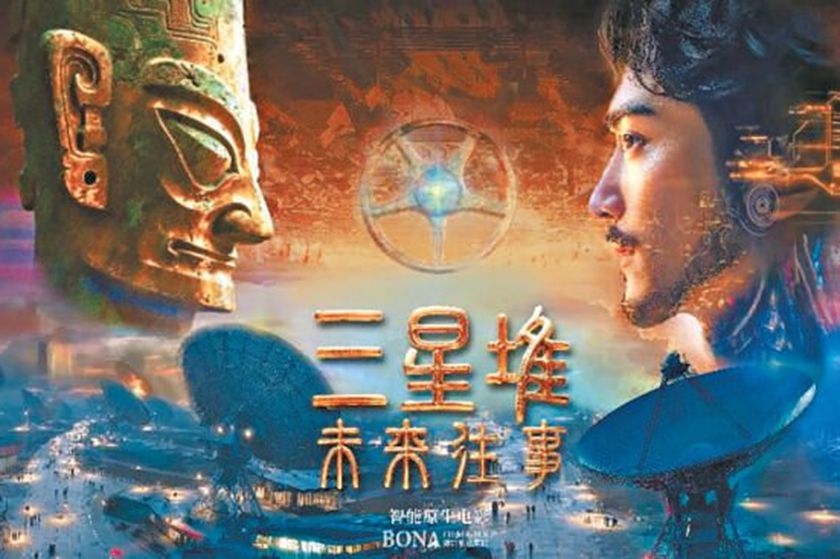

Has the future of cinema officially arrived? Bona Film Group, in collaboration with ByteDance’s Jimeng AI, has just secured a public-screening license for Sanxingdui: Future Memories. This 90-minute sci-fi animated feature is the first AI-generated film to ever receive regulatory approval for theatrical release in China.
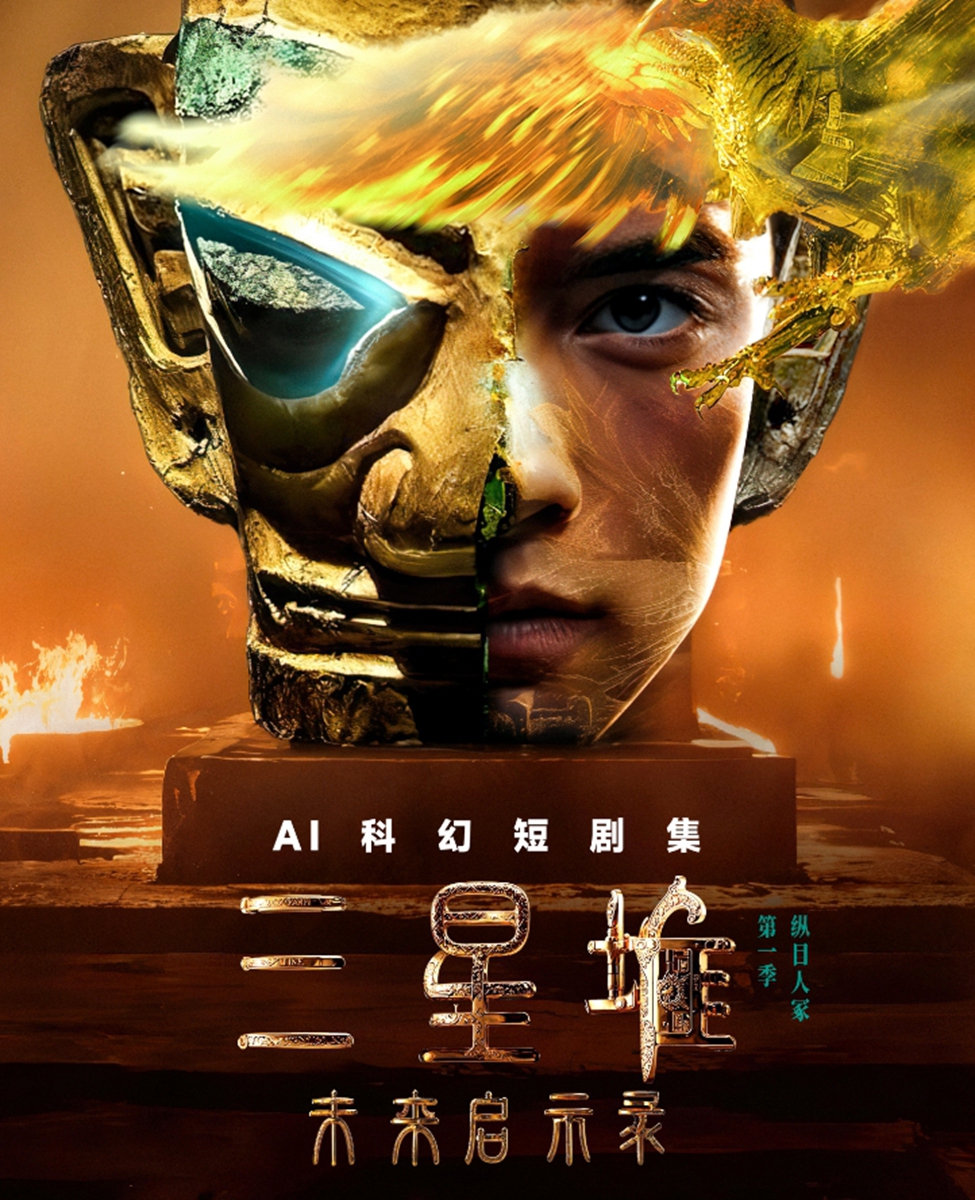
Classified as an animated feature by the National Film Administration, the project vibrantly merges China’s ancient Bronze Age Sanxingdui civilization with high-octane futuristic narratives. Using ByteDance’s cutting-edge AI video platforms, the film synthesizes actors’ expressions based on human performances, merging artificial intelligence efficiency with human creative direction. It’s a monumental technical flex within the film industry, but the jury is still out as to whether this truly helps or hurts—perhaps both.
So we at RADII ask: What does this mean for the creative community? The implications are massive. On the upside, AI tools like Jimeng can democratize filmmaking, drastically cutting production costs and allowing visionary creators to bring wild, expansive sci-fi worlds to life without Hollywood-sized budgets. It’s a new frontier for indie creators and studios alike.
However, the conversation isn’t all positive. For many industry professionals—animators, VFX artists, and actors—the rise of AI-generated cinema sparks valid fears about job displacement and the dilution of human artistry. If an algorithm can synthesize an actor’s performance, what happens to the talent?
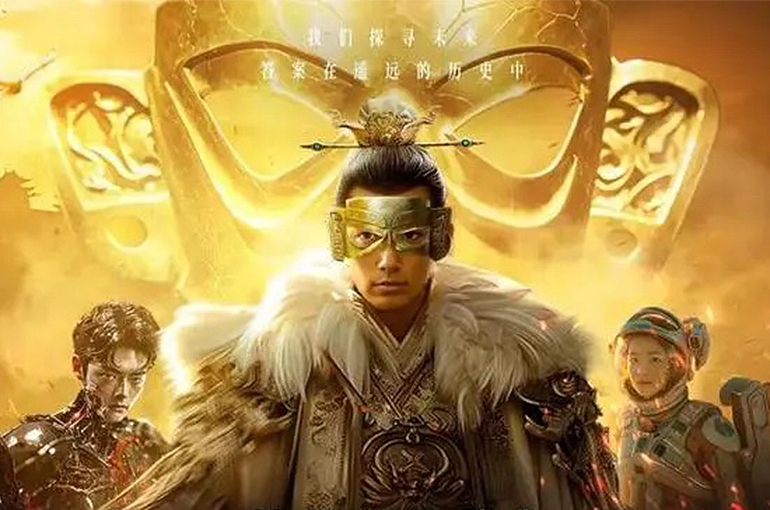
Sanxingdui: Future Memories is more than just China’s first AI-made cinema release, and more than simply a cool-looking, animated sci-fi adventure. It’s a catalyst for a much-needed conversation about the intersection of tech and art—whether we love it or fear it.
Cover image of Sanxingdui: Future Memories film poster via Caixing Global.