
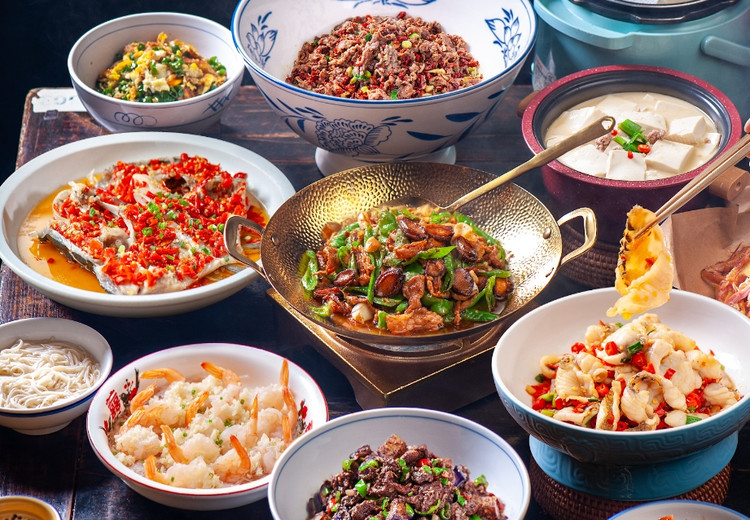

Not too long ago, most diners in Kuala Lumpur would have struggled to tell you what Guizhou cuisine is. But now, on any given day in Petaling Street, tables at Wawafish are filled with customers slurping bowls of sour soup with springy noodles, a hallmark dish from China’s southwestern Guizhou province. The restaurant’s signature broth, built on fermented tomatoes and pickled vegetables, delivers a flavor profile that feels worlds apart from the Cantonese roast meats, Hokkien noodles, and dim sum that have long defined Chinese food for many Southeast Asians.
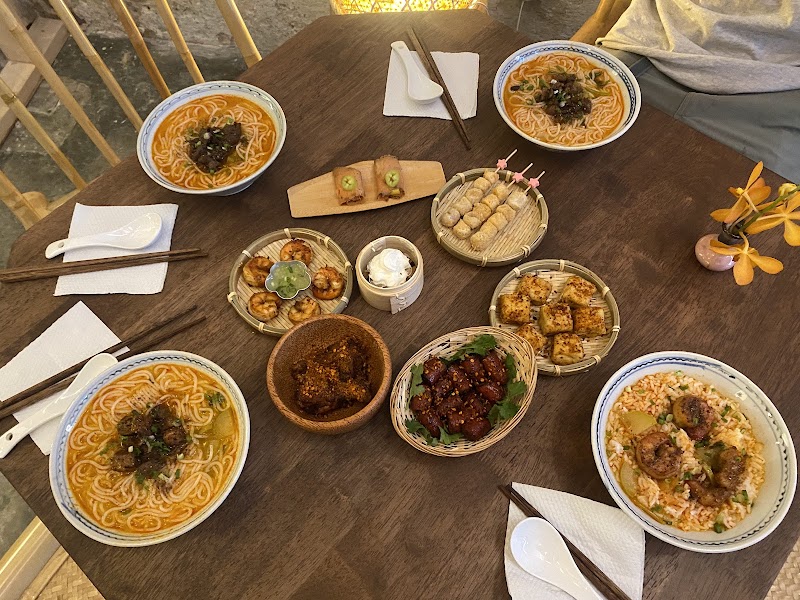
Wawafish is not an isolated case. Across Southeast Asia, restaurants specializing in cuisines from Yunnan, Hunan, Guizhou, Shaanxi, and Xinjiang are attracting growing attention. Diners are lining up for Yunnan dishes, hand-pulled noodles from Xi’an, and spicy Hunan stir-fries packed with fresh chilies.
The trend reflects a broader shift in how Southeast Asia understands Chinese cuisine. For generations, the region’s perception of Chinese food was shaped by the dominant communities that first migrated from China. Today, tourism, social media, and adventurous appetites for new flavors are introducing Southeast Asians to a much wider culinary map of China.
Why Southern Chinese Cuisine Became the Default
To understand why regional Chinese cuisines are only now finding a wider audience, it helps to look at the history of Chinese migration throughout Southeast Asia.
Between the nineteenth and early twentieth centuries, millions of migrants left China’s southern coastal provinces in search of work and opportunity abroad. Most came from Fujian, Guangdong, and Hainan, establishing communities across present-day Malaysia, Singapore, Indonesia, Thailand, and Vietnam.
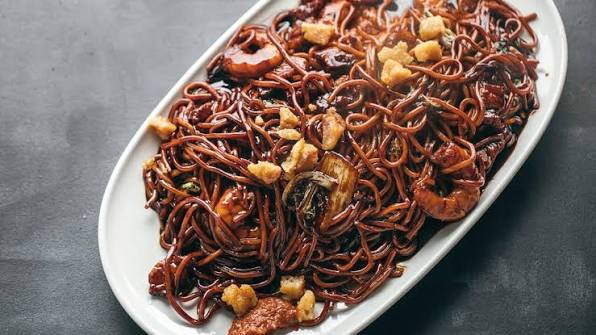
These migrants brought with them the culinary traditions of Hokkien, Cantonese, Teochew, Hakka, and Hainanese cooking. Over time, those cuisines adapted to local ingredients and tastes, creating many of the dishes now considered staples of Southeast Asian food culture.
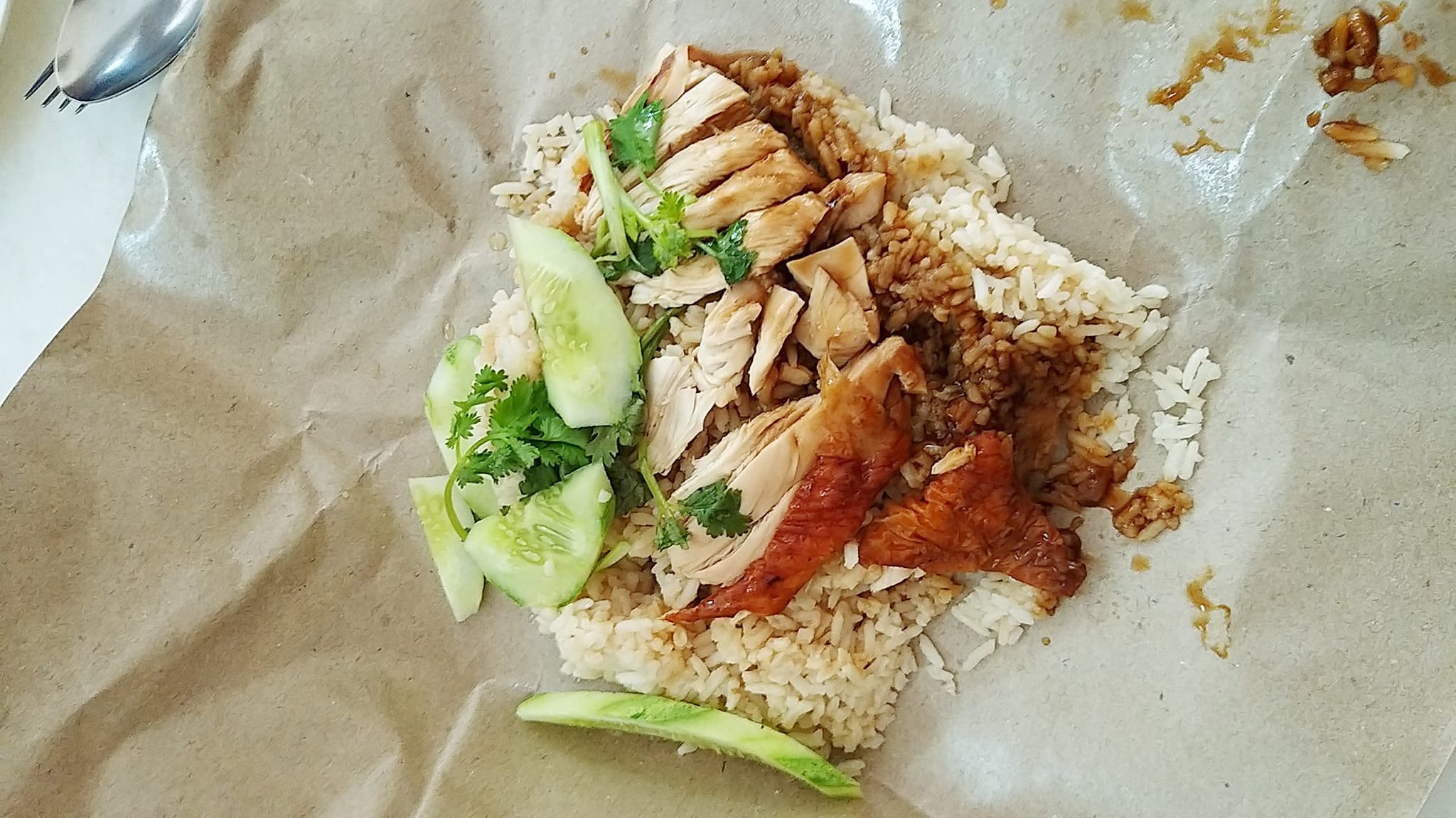
For example, Hainanese chicken rice and bak kut teh became household favorites in Malaysia and Singapore. Countless noodle dishes, soups, and stir-fries also evolved through generations of adaptation. As these communities became firmly established, their cuisines effectively became the face of Chinese food in Southeast Asia.
The result was a paradox. Chinese cuisine is arguably one of the world’s most diverse culinary traditions, yet many diners outside China encounter only a relatively small slice of it.
Tourism, Social Media, and New Chinese Businesses Are Expanding Regional Tastes
The growing popularity of regional Chinese cuisine in Southeast Asia is not happening in a bubble. It is being fueled by a combination of increased travel, social media exposure, and a wave of Chinese businesses expanding into the region.
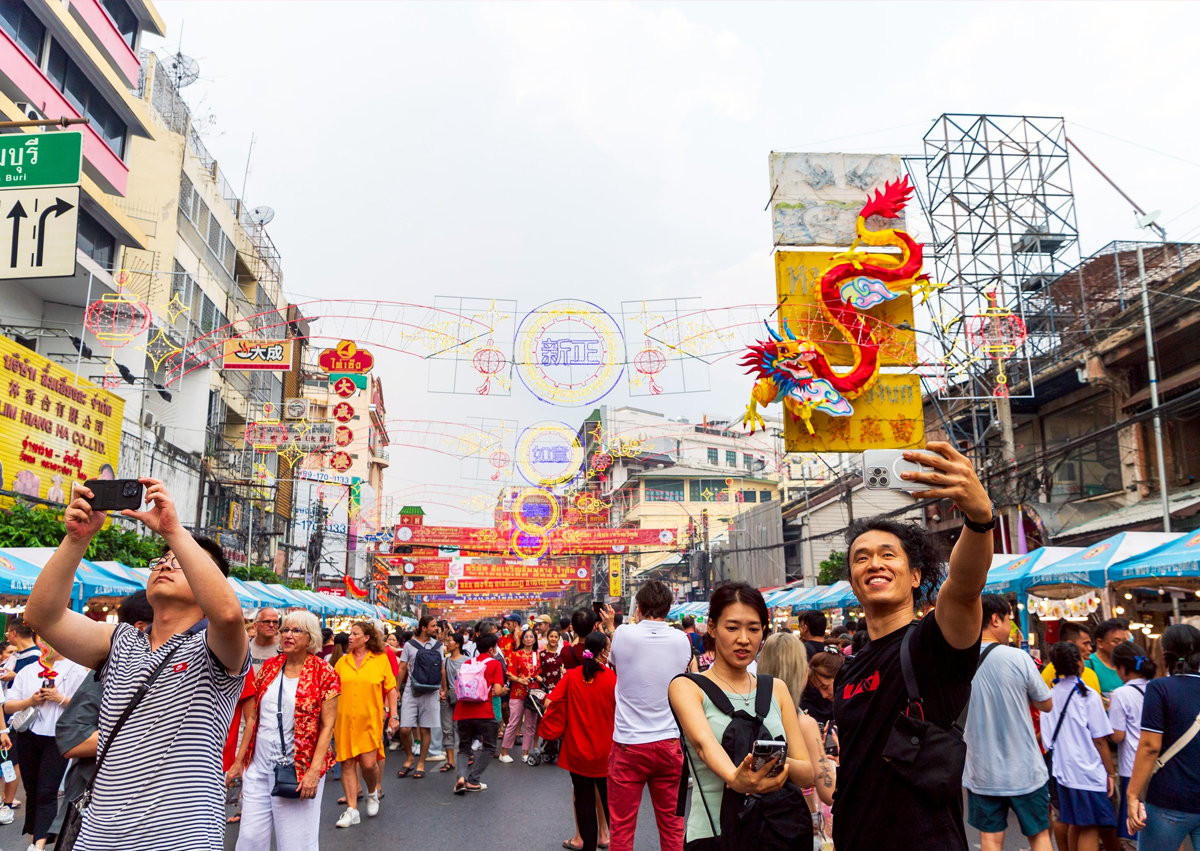
Chinese tourists remain a major presence across Southeast Asia, while cities such as Kuala Lumpur, Johor Bahru, Bangkok, and Singapore have also seen rising numbers of Chinese entrepreneurs opening restaurants, cafés, and retail businesses. Naturally, they bring with them food concepts that would have been unfamiliar outside China just a few years ago.
At the same time, platforms like Xiaohongshu, Douyin, TikTok, and Instagram have made regional Chinese dishes far more visible to overseas audiences. That’s not to say Southeast Asia’s long-established Chinese communities haven’t played an important role as well. Malaysia and Singapore have centuries-old Chinese populations with roots in different regions of southern China. These communities have long preserved distinct culinary traditions while adapting them to local tastes.
The result is an environment where diners are already comfortable exploring Chinese food beyond a single definition. As new regional restaurants arrive and social media continues to broaden culinary horizons, consumers are becoming increasingly curious about the diversity that exists within Chinese cuisine itself.
Beyond Mala
That said, the one cuisine that opened the door to this broader interest was Sichuan cuisine.
The rise of mala flavors throughout the 2010s transformed eating habits across Southeast Asia. Hotpot chains multiplied, peppercorn-laced broths became mainstream, and diners developed a taste for flavor profiles that were dramatically different from the Cantonese-style cooking many Southeast Asian Chinese grew up eating.
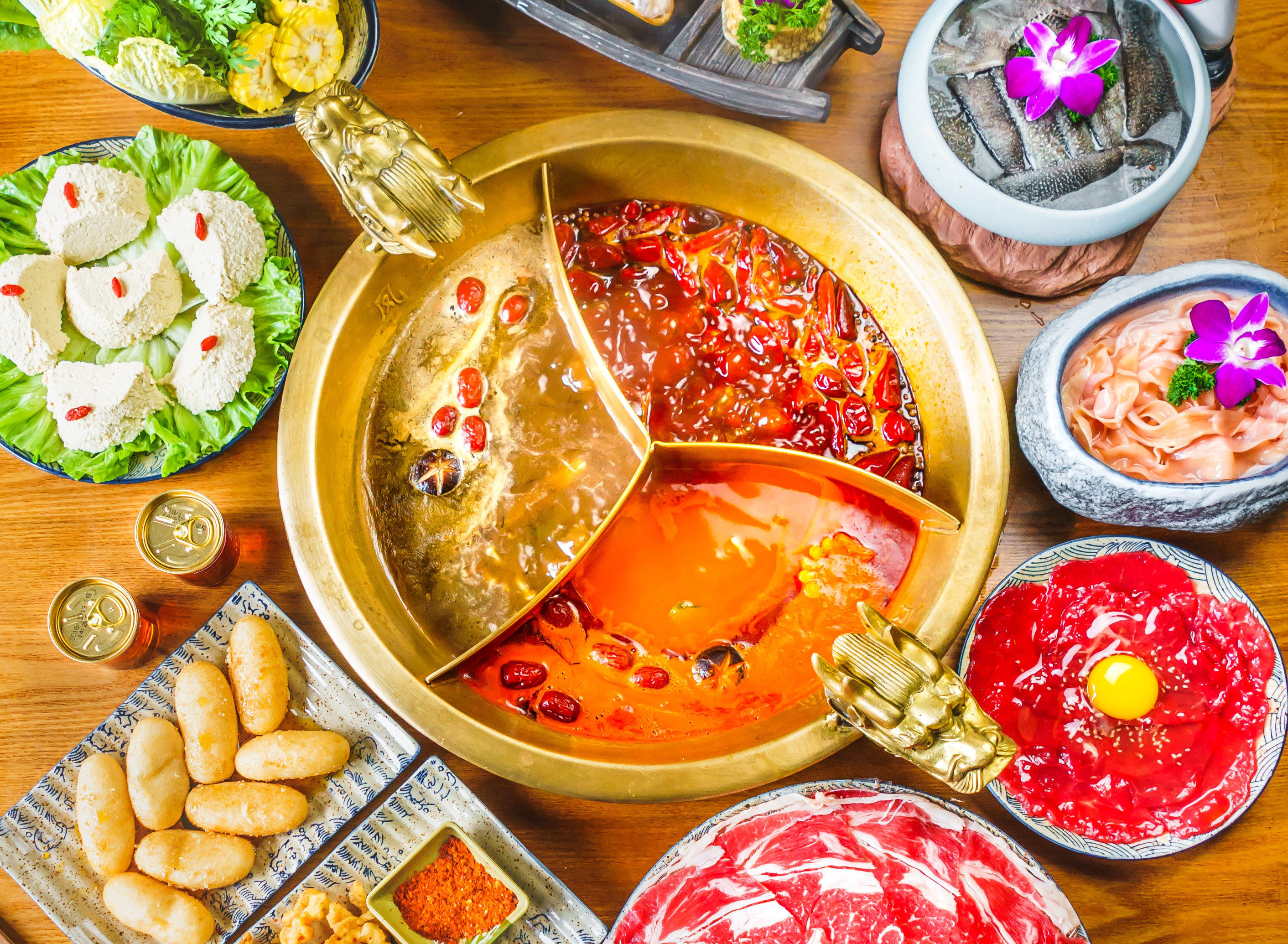
These days, Yunnan cuisine has become increasingly popular thanks to its emphasis on mushrooms, herbs, and lighter broths. Meanwhile, Hunan cuisine is emerging as a favorite among spice lovers seeking alternatives to Sichuan’s numbing heat. Unlike mala, Hunan food relies heavily on fresh chilies, smoked meats, and intensely savory flavors.
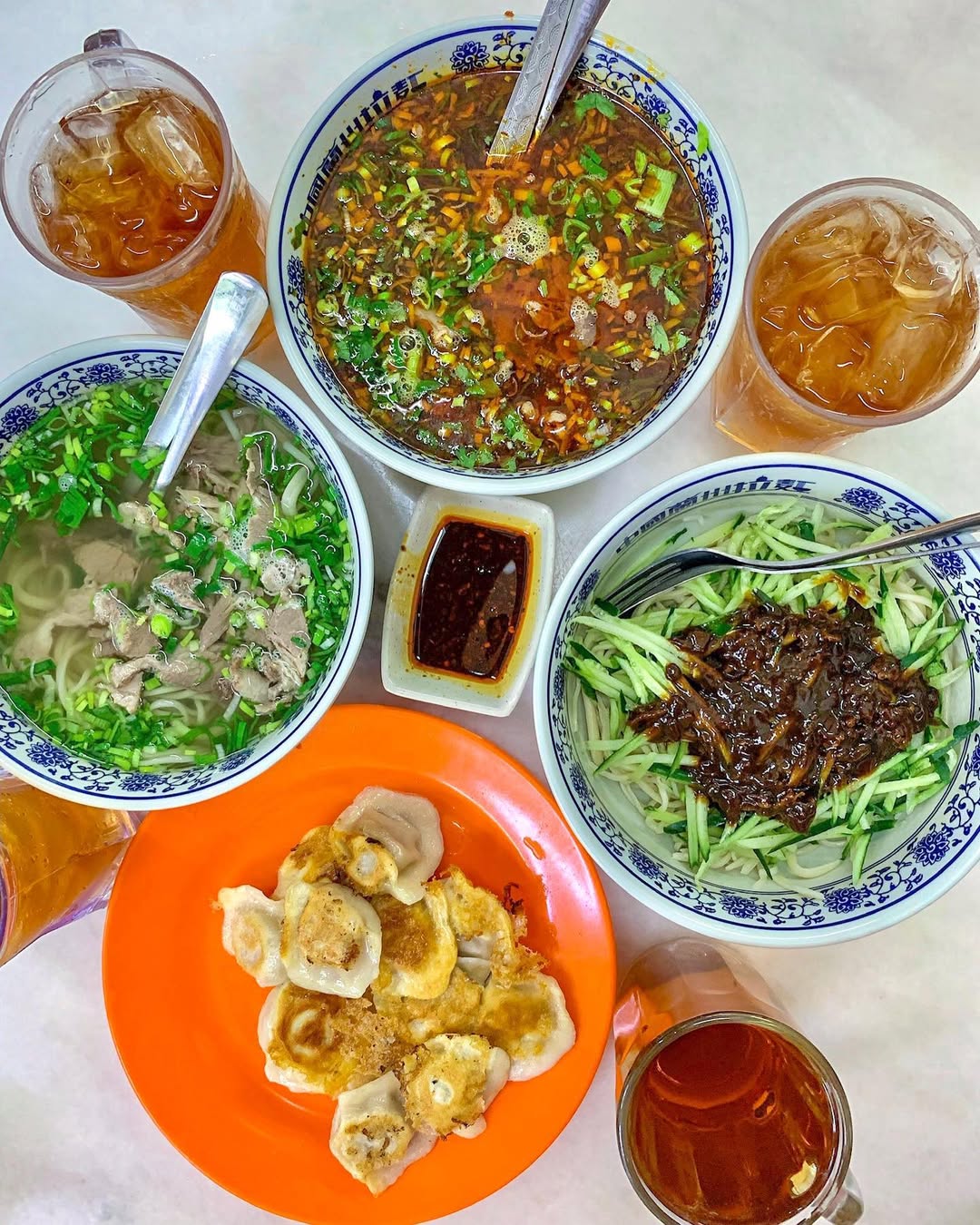
Guizhou cuisine has also found new audiences. Known for its sour, fermented, and spicy combinations, it offers flavors that can feel surprisingly familiar to Southeast Asians accustomed to dishes that balance acidity and heat. Then there are Shaanxi’s famous hand-pulled noodles, Xinjiang’s lamb skewers influenced by centuries of Silk Road exchange, and the growing popularity of regional Chinese barbecue traditions.
Eating Across China
The growing popularity of regional Chinese cuisines is about more than restaurant openings and food trends. Evidently buoyed by increased connections between China and Southeast Asia, tourism, migration, digital connectivity, and cultural exchange have expanded the region’s understanding of what Chinese culture looks like beyond the usual fare.
For generations, Southeast Asia’s Chinese food culture reflected the journeys of migrants from a handful of provinces along China’s southern coast. Today, the map is getting bigger, and diners are finally getting a taste of just how diverse Chinese cuisine can be.
Cover image via Trip.com.