

Feature image of The Artistic Poetry of Ancient Chinese Windows

The Artistic Poetry of Ancient Chinese Windows

1 min read

1 min read

Feature image of The Artistic Poetry of Ancient Chinese Windows
French luxury house Louis Vuitton recently won a ¥10.3 million lawsuit from Chinese brand Molly Tea over a four-petal flower logo. But the origins of the motif run deep in classical Chinese garden architecture.

If you’ve been following the Louis Vuitton × Molly Tea lawsuit—where the French luxury titan recently won a 10.3 million RMB (around 1.5 million USD) first-instance judgment from the Chinese tea chain over a four-petal flower logo.
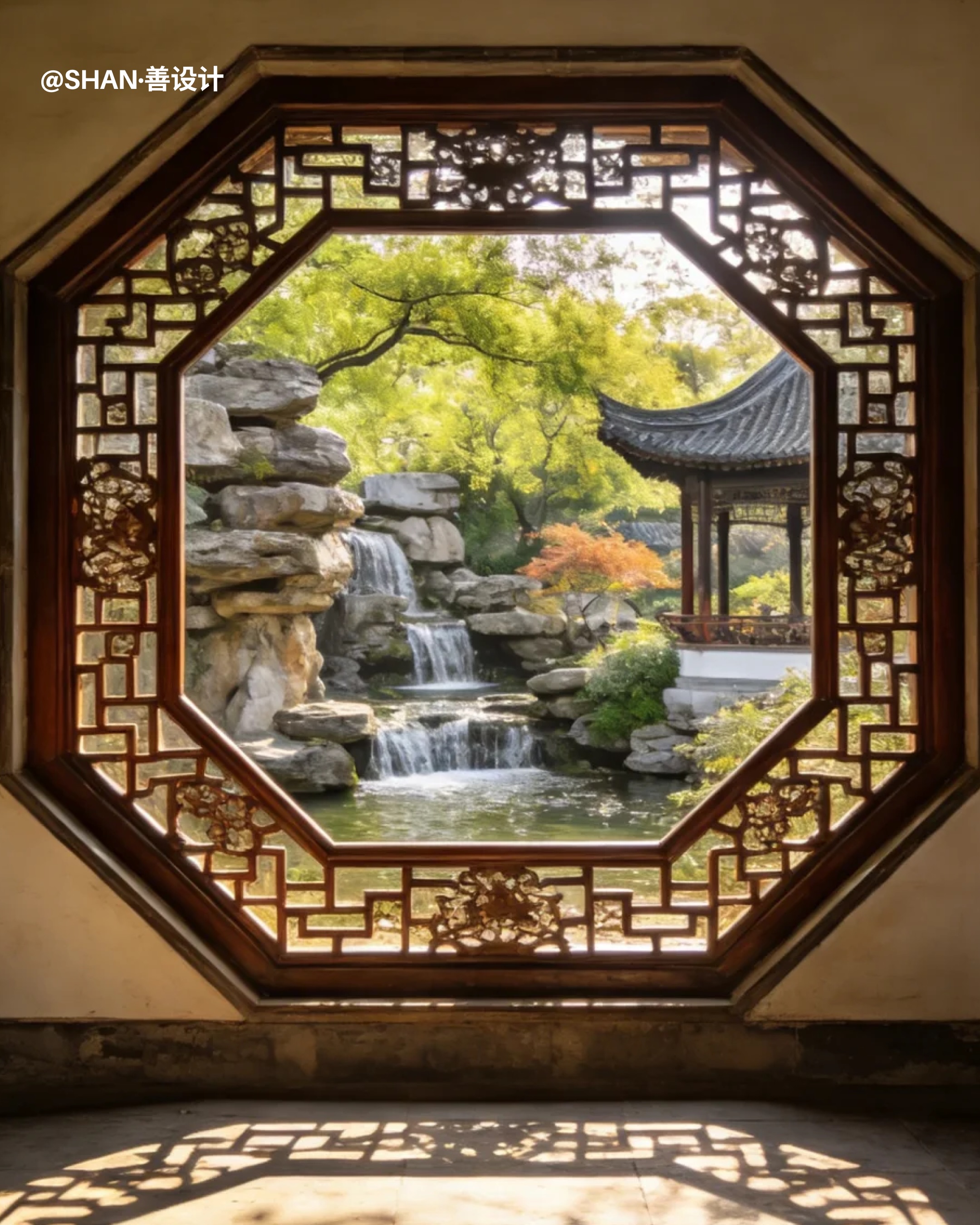
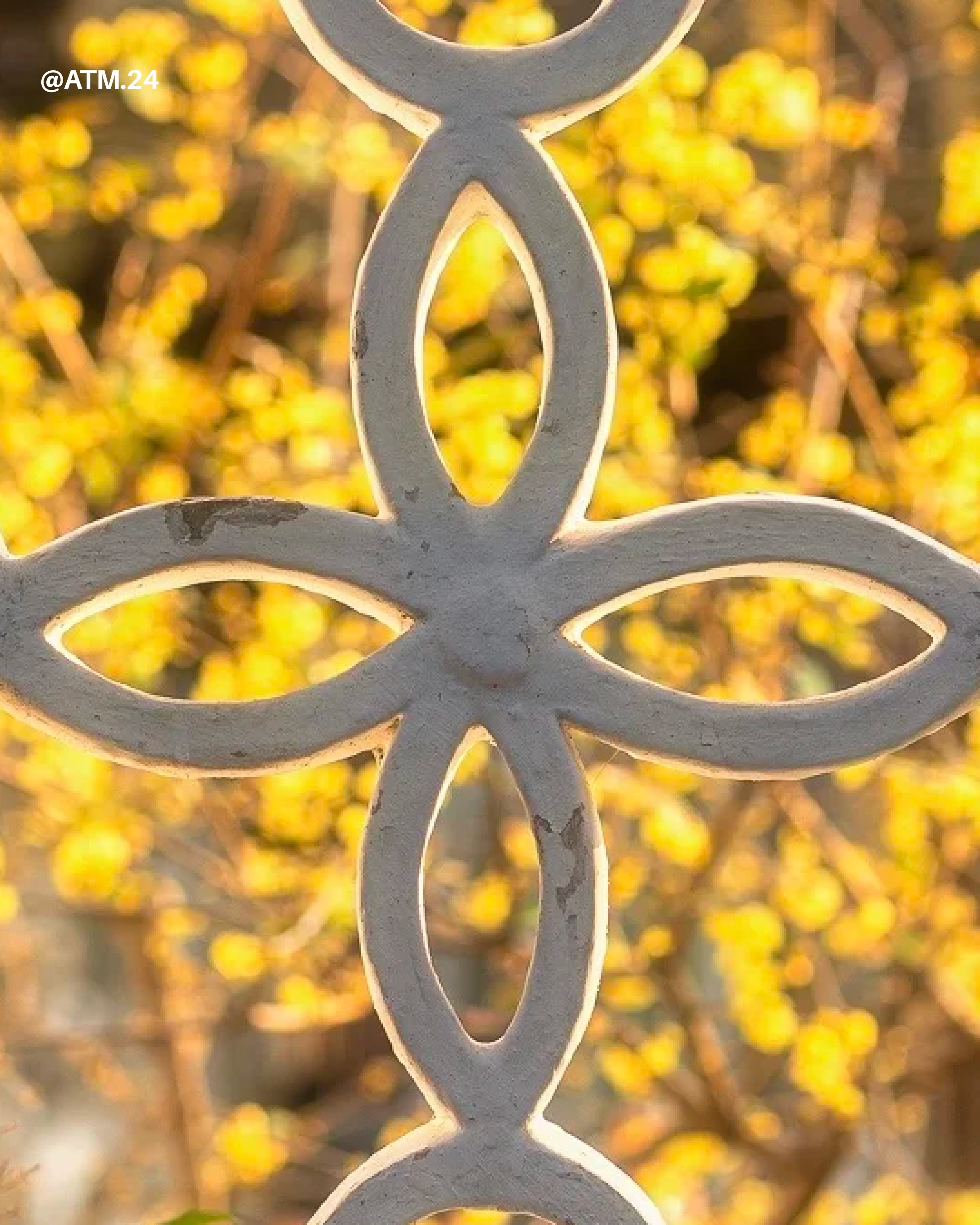
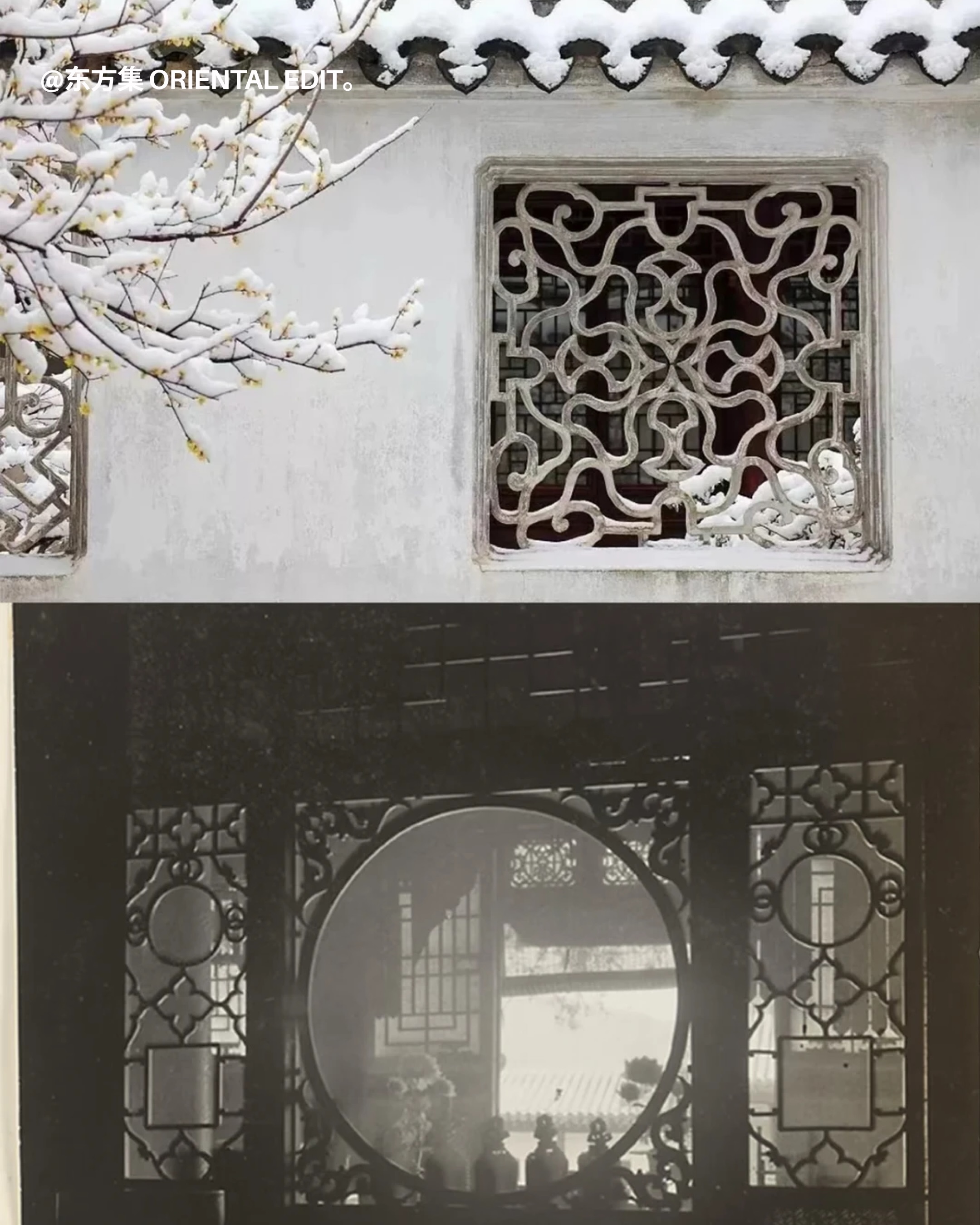
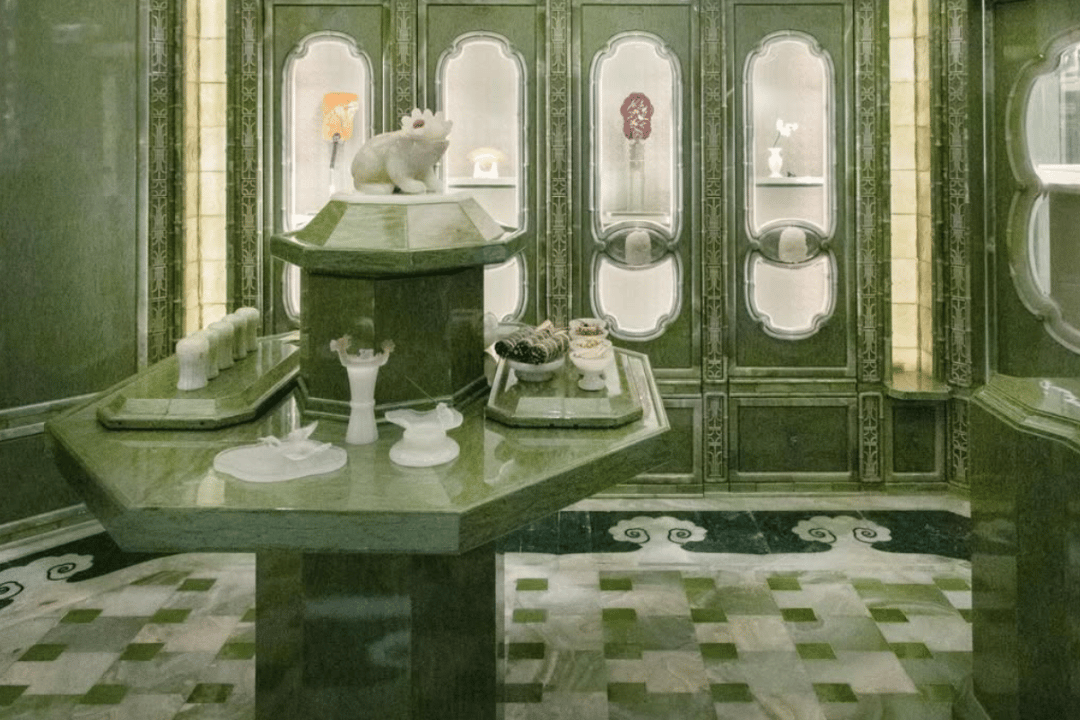
The Suzhou Intermediate People’s Court ruled that Molly Tea‘s core brand logo infringed upon LV‘s iconic Monogram floral trademarks. However, Chinese netizens were quick to point out that these patterns, which can be found adorning traditional windows in China, are far more diverse than a corporate trademark. They’re called 漏窗 (lòuchuāng), literally meaning “leaking windows,” and the “leak” is the entire point.

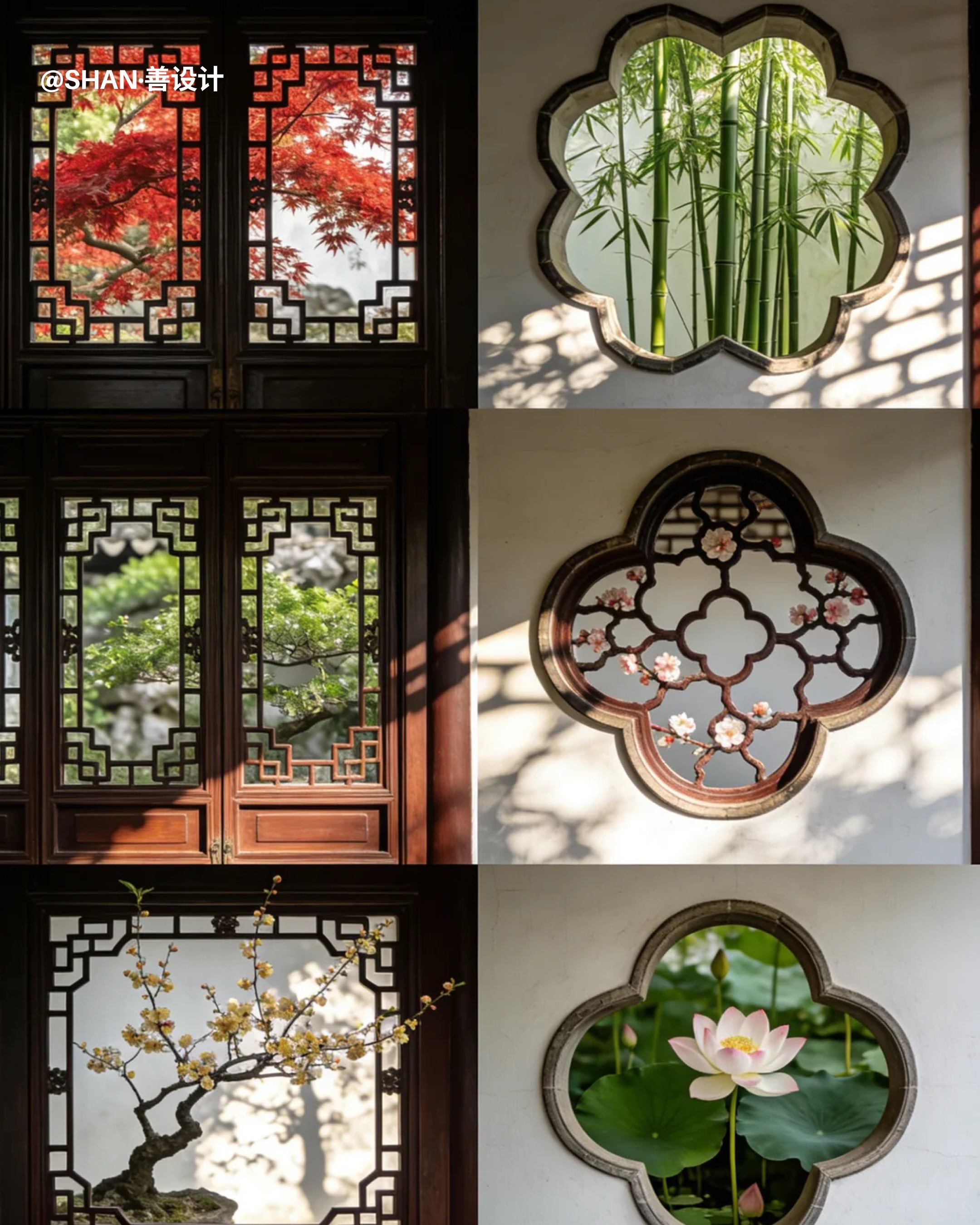
Centuries before glass windows existed, Chinese garden design needed walls to divide space without suffocating it. Craftsmen built intricate openings—often in floral or geometric shapes like the four-petal blossom—that let air, light, and sightlines pass straight through. Stand in front of one, and the scenery behind it becomes a living painting, a masterful technique known as 框景 (kuàngjǐng), or “framed scenery.”

While trademark law protects registered commercial logos rather than historical origins, the striking resemblance between Western luxury monograms and Tang-dynasty motifs has sparked a fascinating debate over cultural heritage.

Today, the louchuang technique lives on, serving as both an iconic feature in classical gardens like Suzhou‘s Humble Administrator’s Garden, and a profound reminder of China’s enduring design legacy.

All images via Xiaohongshu.

NEWSLETTER

Get weekly top picks and exclusive, newsletter only content delivered straight to you inbox.

NEWSLETTER

Get weekly top picks and exclusive, newsletter only content delivered straight to you inbox.

RADII NEWSLETTER

Get weekly top picks and exclusive, newsletter only content delivered straight to you inbox

Feature image of The Artistic Poetry of Ancient Chinese Windows

The Artistic Poetry of Ancient Chinese Windows

1 min read

French luxury house Louis Vuitton recently won a ¥10.3 million lawsuit from Chinese brand Molly Tea over a four-petal flower logo. But the origins of the motif run deep in classical Chinese garden architecture.

If you’ve been following the Louis Vuitton × Molly Tea lawsuit—where the French luxury titan recently won a 10.3 million RMB (around 1.5 million USD) first-instance judgment from the Chinese tea chain over a four-petal flower logo.
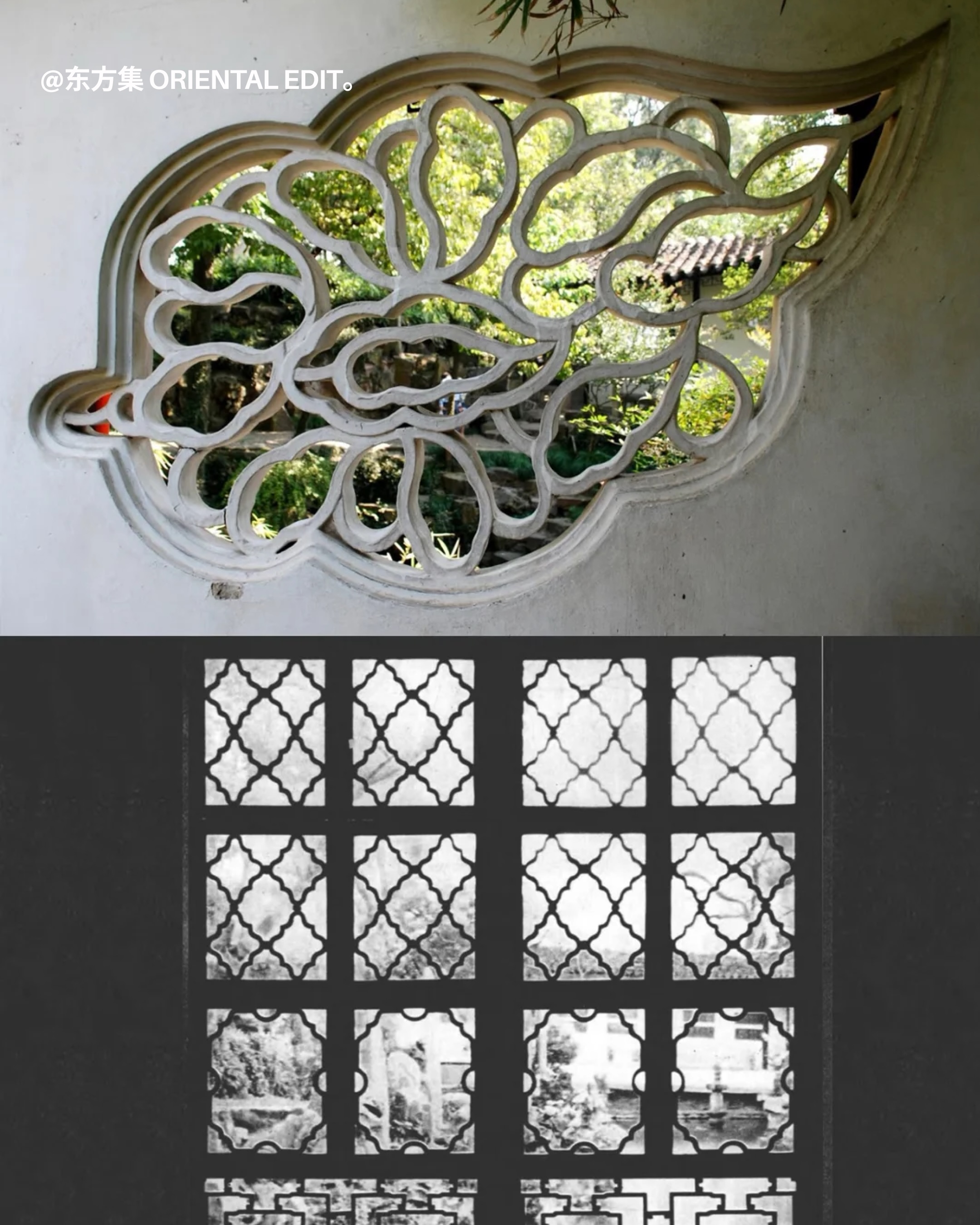
The Suzhou Intermediate People’s Court ruled that Molly Tea‘s core brand logo infringed upon LV‘s iconic Monogram floral trademarks. However, Chinese netizens were quick to point out that these patterns, which can be found adorning traditional windows in China, are far more diverse than a corporate trademark. They’re called 漏窗 (lòuchuāng), literally meaning “leaking windows,” and the “leak” is the entire point.
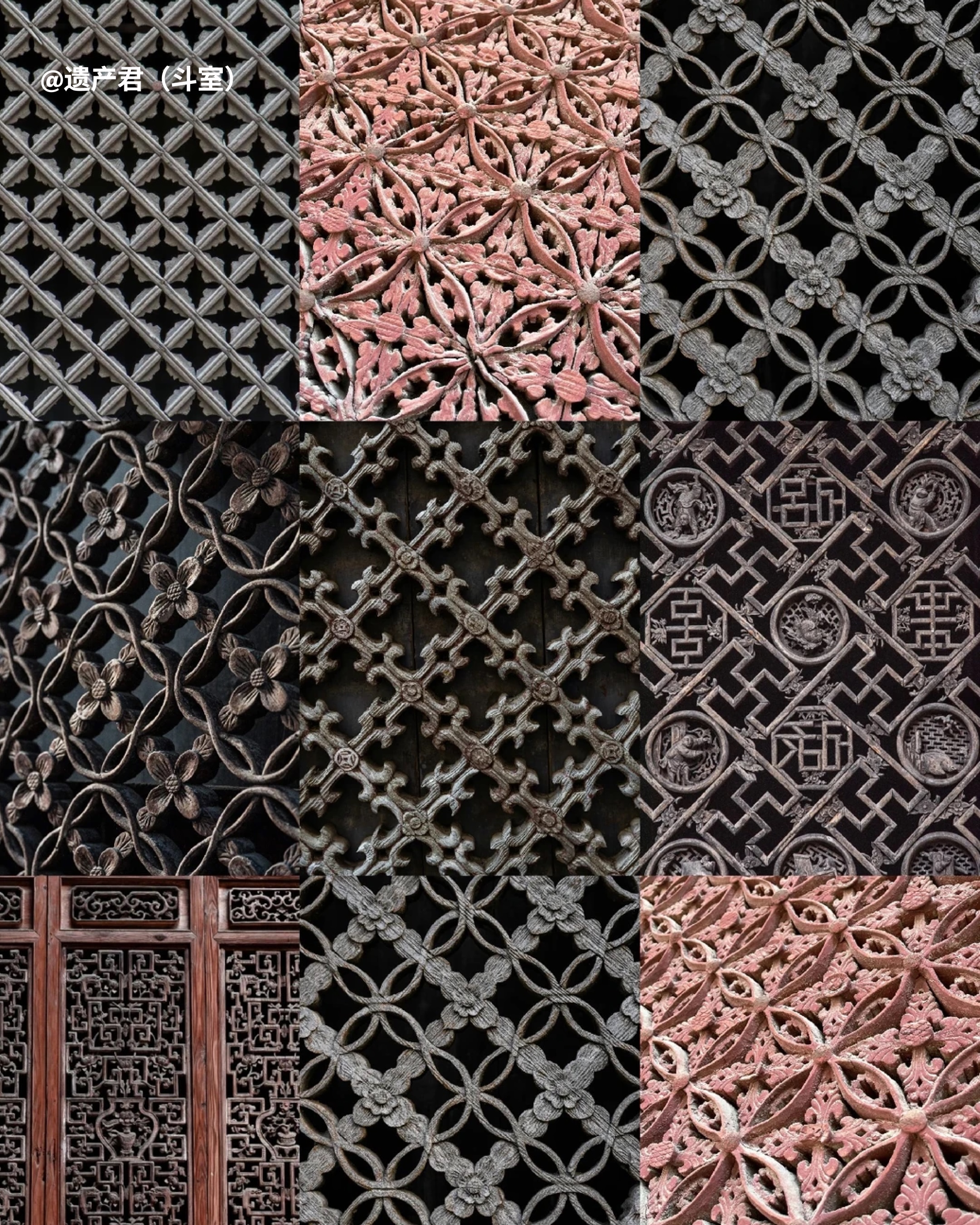
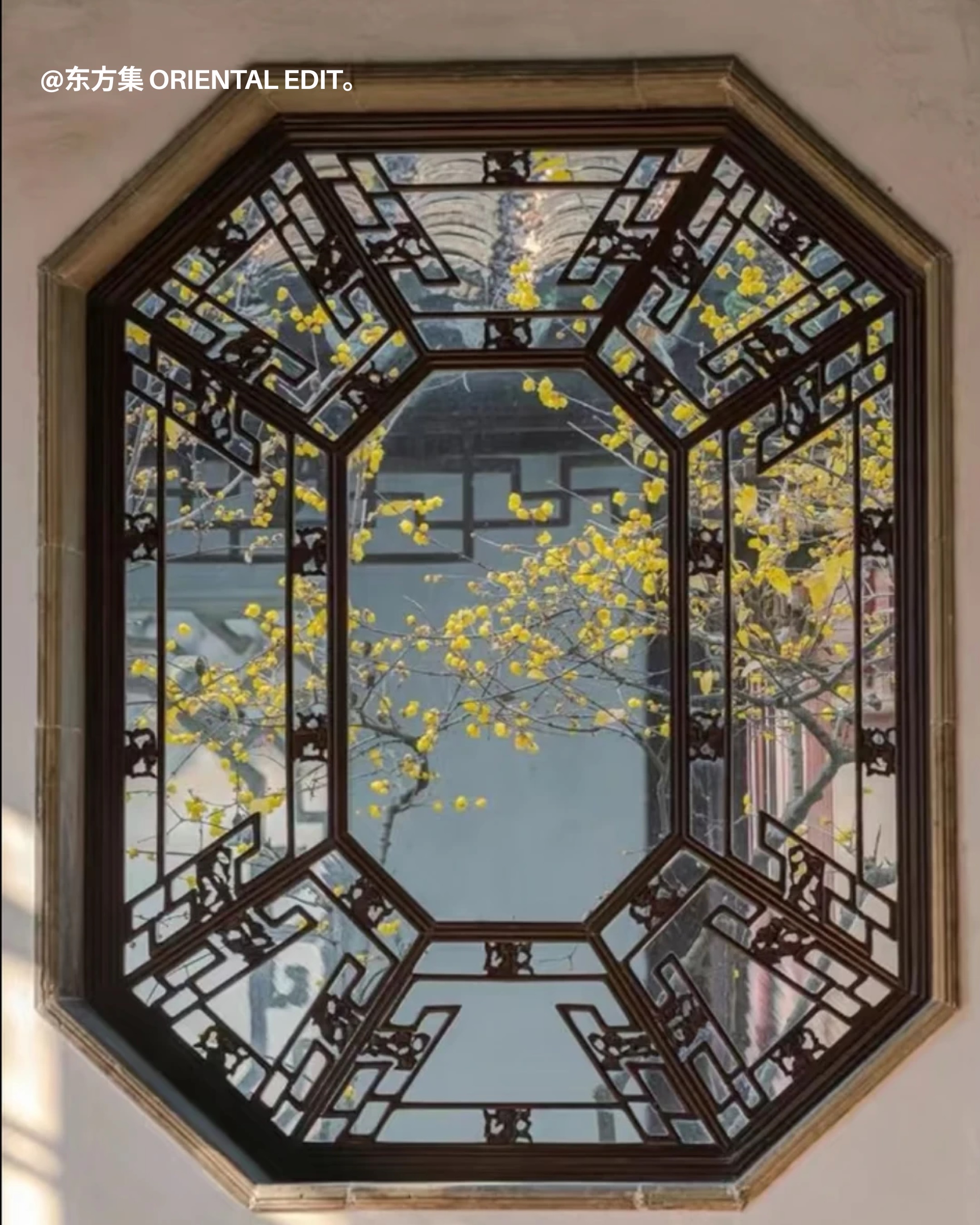
Centuries before glass windows existed, Chinese garden design needed walls to divide space without suffocating it. Craftsmen built intricate openings—often in floral or geometric shapes like the four-petal blossom—that let air, light, and sightlines pass straight through. Stand in front of one, and the scenery behind it becomes a living painting, a masterful technique known as 框景 (kuàngjǐng), or “framed scenery.”

While trademark law protects registered commercial logos rather than historical origins, the striking resemblance between Western luxury monograms and Tang-dynasty motifs has sparked a fascinating debate over cultural heritage.

Today, the louchuang technique lives on, serving as both an iconic feature in classical gardens like Suzhou‘s Humble Administrator’s Garden, and a profound reminder of China’s enduring design legacy.

All images via Xiaohongshu.

NEWSLETTER

Get weekly top picks and exclusive, newsletter only content delivered straight to you inbox.

RADII NEWSLETTER

Get weekly top picks and exclusive, newsletter only content delivered straight to you inbox

RELATED POSTS

Feature image of The Artistic Poetry of Ancient Chinese Windows

The Artistic Poetry of Ancient Chinese Windows

1 min read

1 min read

Feature image of The Artistic Poetry of Ancient Chinese Windows
French luxury house Louis Vuitton recently won a ¥10.3 million lawsuit from Chinese brand Molly Tea over a four-petal flower logo. But the origins of the motif run deep in classical Chinese garden architecture.

If you’ve been following the Louis Vuitton × Molly Tea lawsuit—where the French luxury titan recently won a 10.3 million RMB (around 1.5 million USD) first-instance judgment from the Chinese tea chain over a four-petal flower logo.

The Suzhou Intermediate People’s Court ruled that Molly Tea‘s core brand logo infringed upon LV‘s iconic Monogram floral trademarks. However, Chinese netizens were quick to point out that these patterns, which can be found adorning traditional windows in China, are far more diverse than a corporate trademark. They’re called 漏窗 (lòuchuāng), literally meaning “leaking windows,” and the “leak” is the entire point.
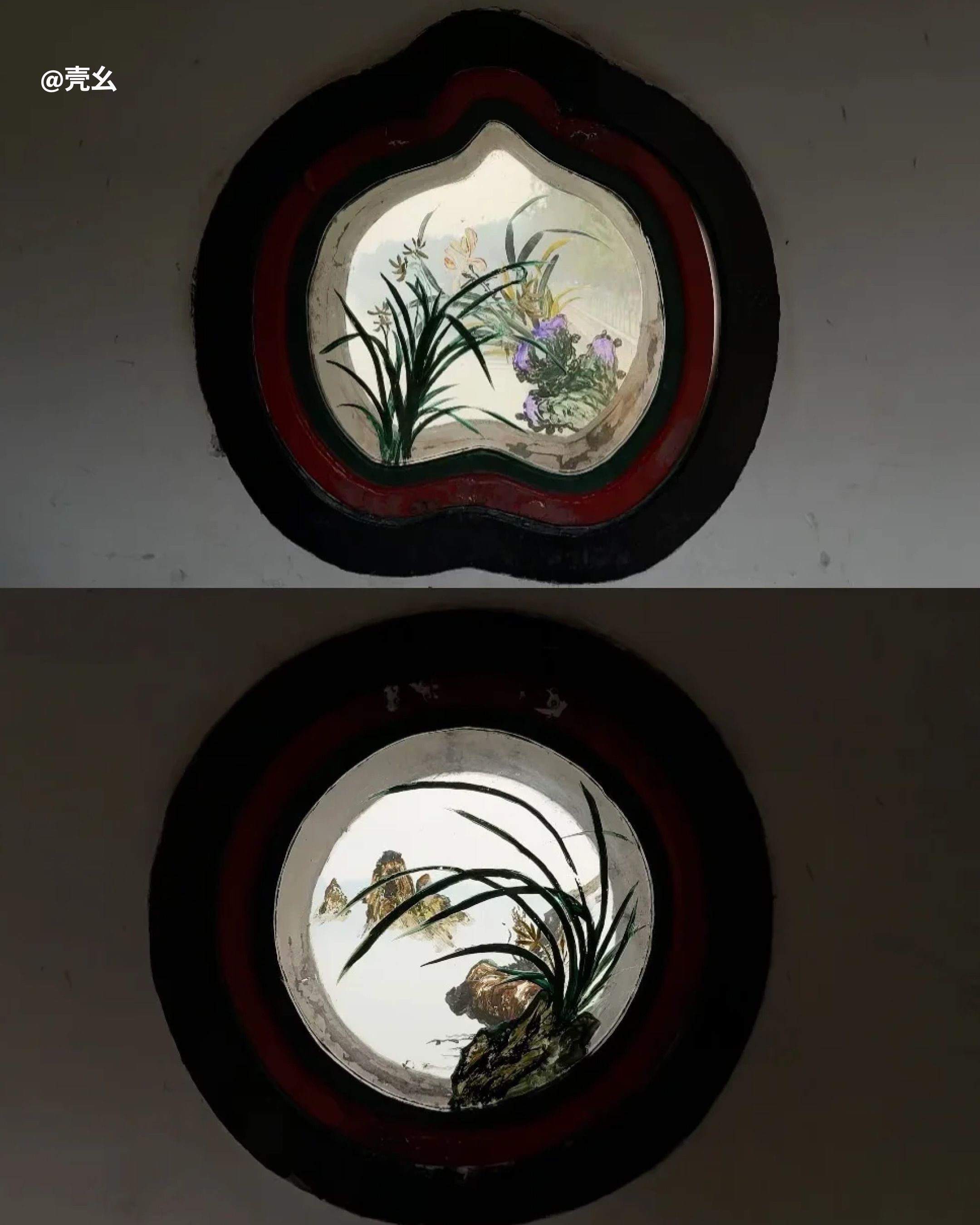
Centuries before glass windows existed, Chinese garden design needed walls to divide space without suffocating it. Craftsmen built intricate openings—often in floral or geometric shapes like the four-petal blossom—that let air, light, and sightlines pass straight through. Stand in front of one, and the scenery behind it becomes a living painting, a masterful technique known as 框景 (kuàngjǐng), or “framed scenery.”
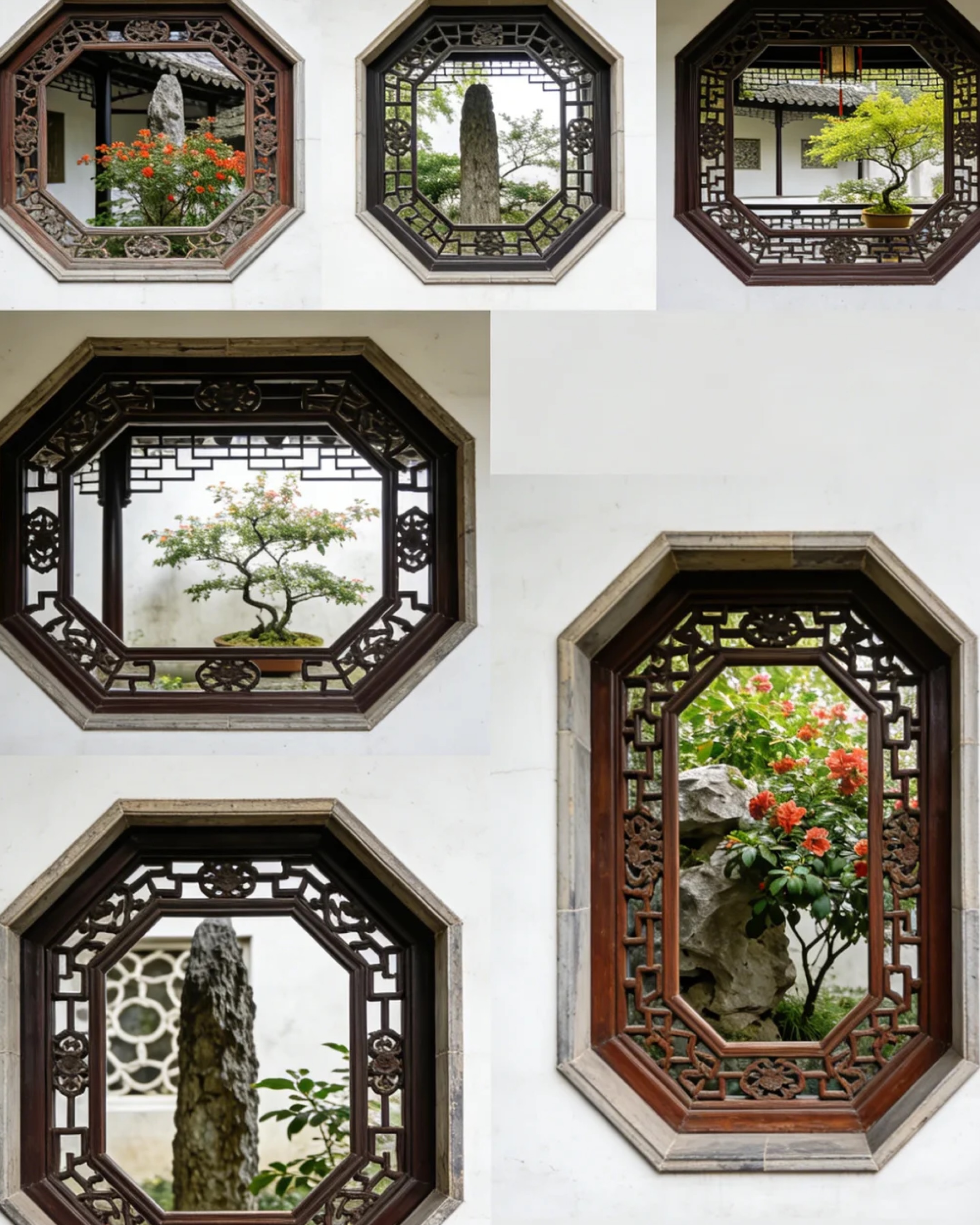
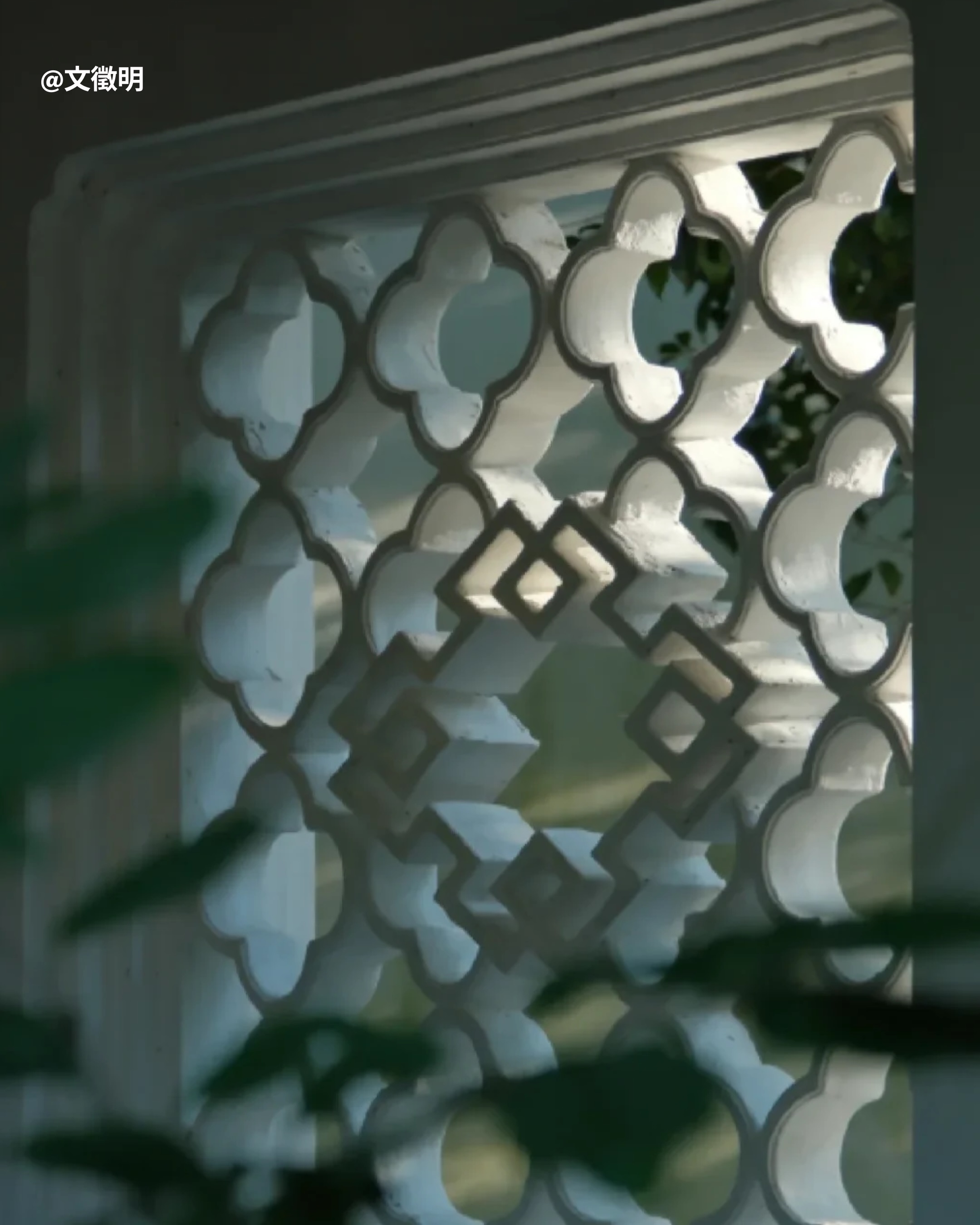
While trademark law protects registered commercial logos rather than historical origins, the striking resemblance between Western luxury monograms and Tang-dynasty motifs has sparked a fascinating debate over cultural heritage.

Today, the louchuang technique lives on, serving as both an iconic feature in classical gardens like Suzhou‘s Humble Administrator’s Garden, and a profound reminder of China’s enduring design legacy.

All images via Xiaohongshu.

NEWSLETTER

Get weekly top picks and exclusive, newsletter only content delivered straight to you inbox.

NEWSLETTER

Get weekly top picks and exclusive, newsletter only content delivered straight to you inbox.

RADII NEWSLETTER

Get weekly top picks and exclusive, newsletter only content delivered straight to you inbox

Feature image of The Artistic Poetry of Ancient Chinese Windows

The Artistic Poetry of Ancient Chinese Windows

1 min read

French luxury house Louis Vuitton recently won a ¥10.3 million lawsuit from Chinese brand Molly Tea over a four-petal flower logo. But the origins of the motif run deep in classical Chinese garden architecture.

If you’ve been following the Louis Vuitton × Molly Tea lawsuit—where the French luxury titan recently won a 10.3 million RMB (around 1.5 million USD) first-instance judgment from the Chinese tea chain over a four-petal flower logo.

The Suzhou Intermediate People’s Court ruled that Molly Tea‘s core brand logo infringed upon LV‘s iconic Monogram floral trademarks. However, Chinese netizens were quick to point out that these patterns, which can be found adorning traditional windows in China, are far more diverse than a corporate trademark. They’re called 漏窗 (lòuchuāng), literally meaning “leaking windows,” and the “leak” is the entire point.

Centuries before glass windows existed, Chinese garden design needed walls to divide space without suffocating it. Craftsmen built intricate openings—often in floral or geometric shapes like the four-petal blossom—that let air, light, and sightlines pass straight through. Stand in front of one, and the scenery behind it becomes a living painting, a masterful technique known as 框景 (kuàngjǐng), or “framed scenery.”
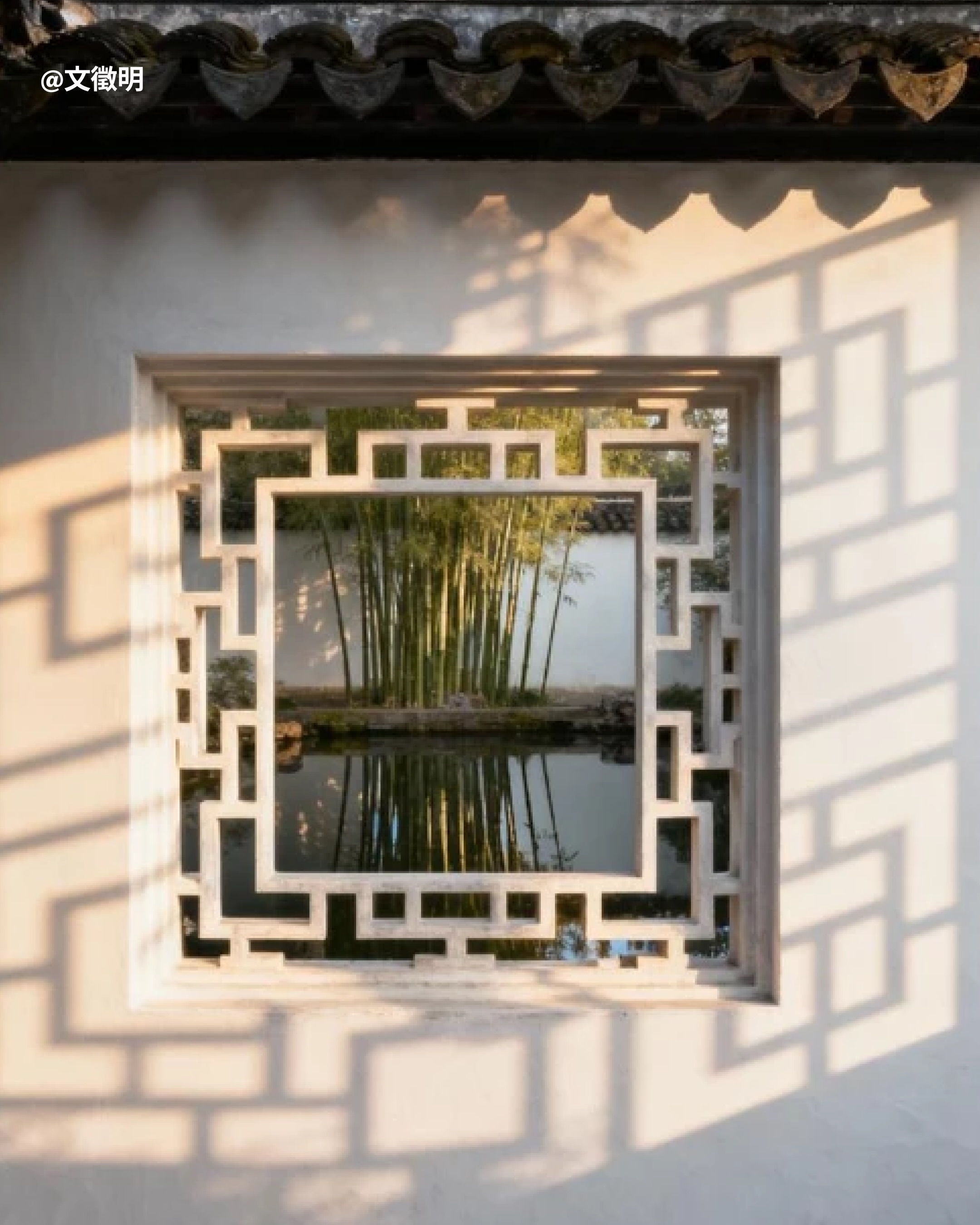
While trademark law protects registered commercial logos rather than historical origins, the striking resemblance between Western luxury monograms and Tang-dynasty motifs has sparked a fascinating debate over cultural heritage.
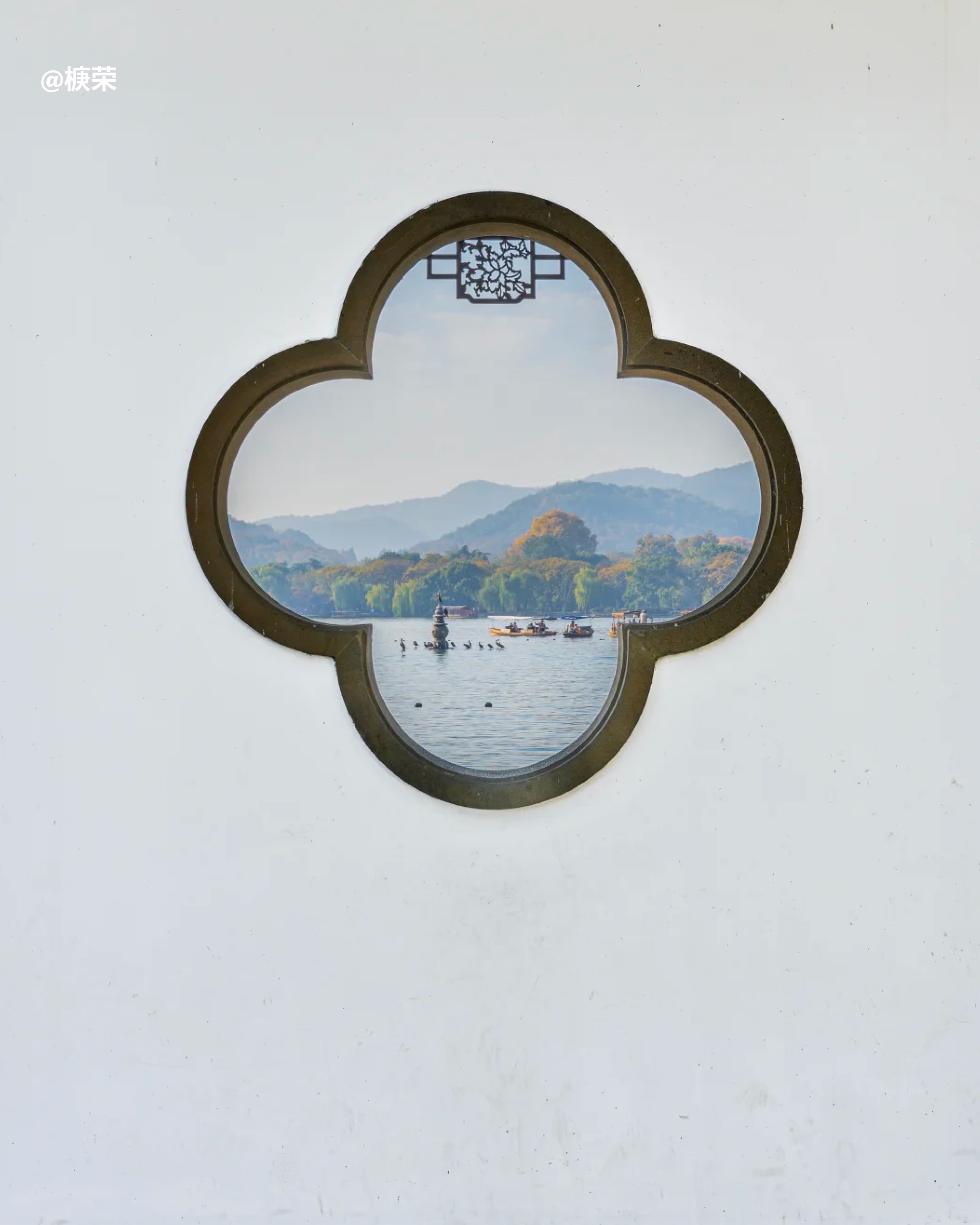
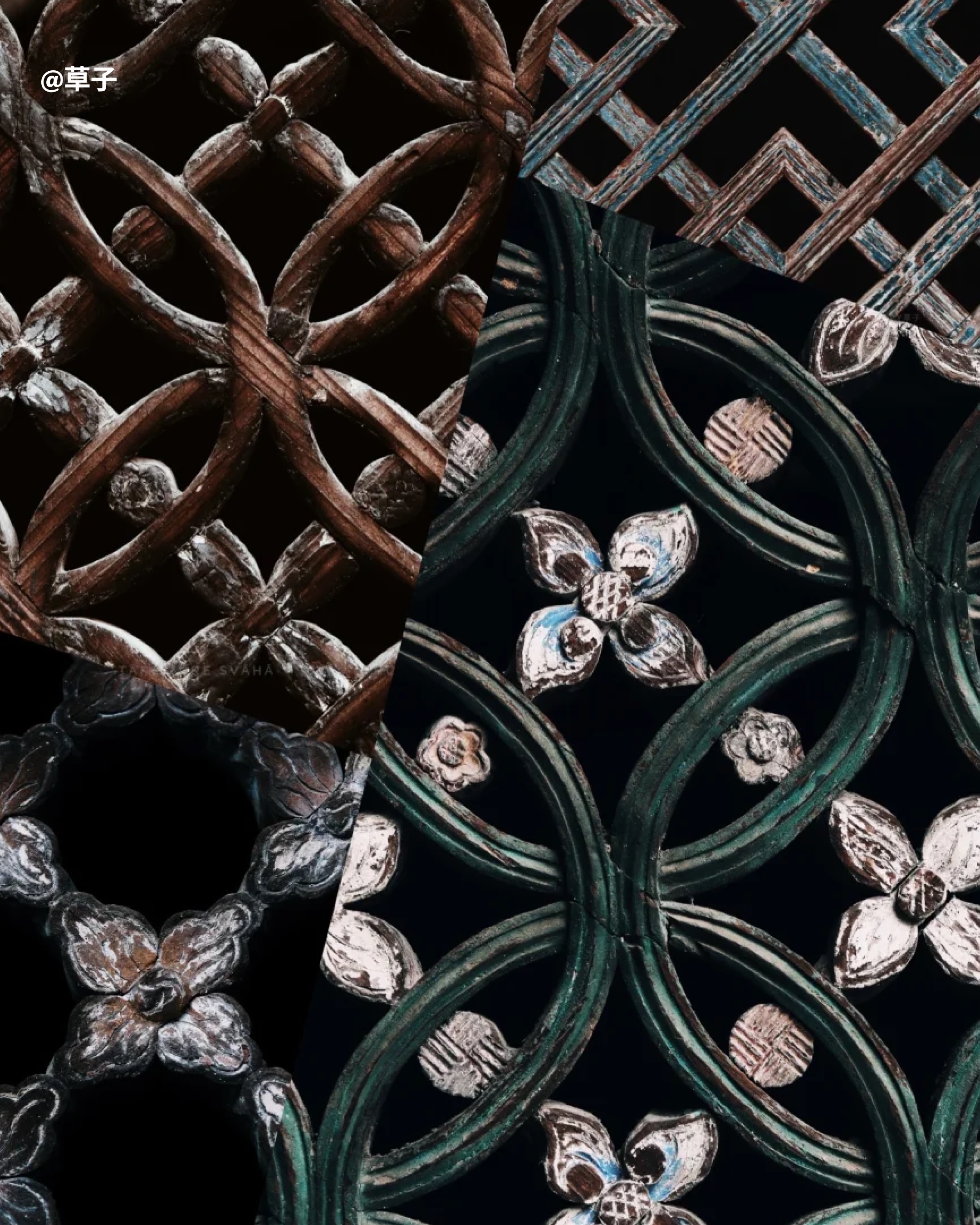
Today, the louchuang technique lives on, serving as both an iconic feature in classical gardens like Suzhou‘s Humble Administrator’s Garden, and a profound reminder of China’s enduring design legacy.
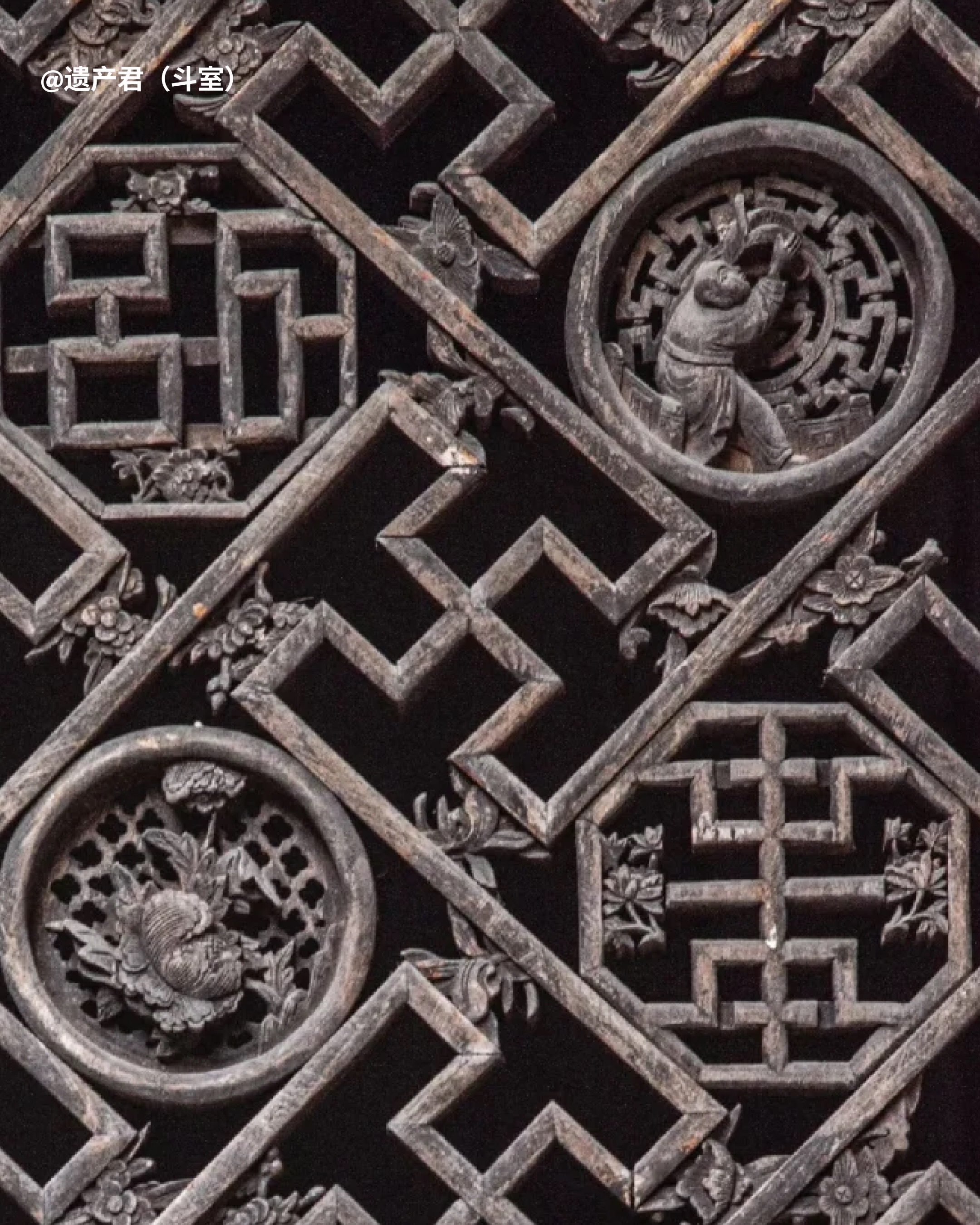
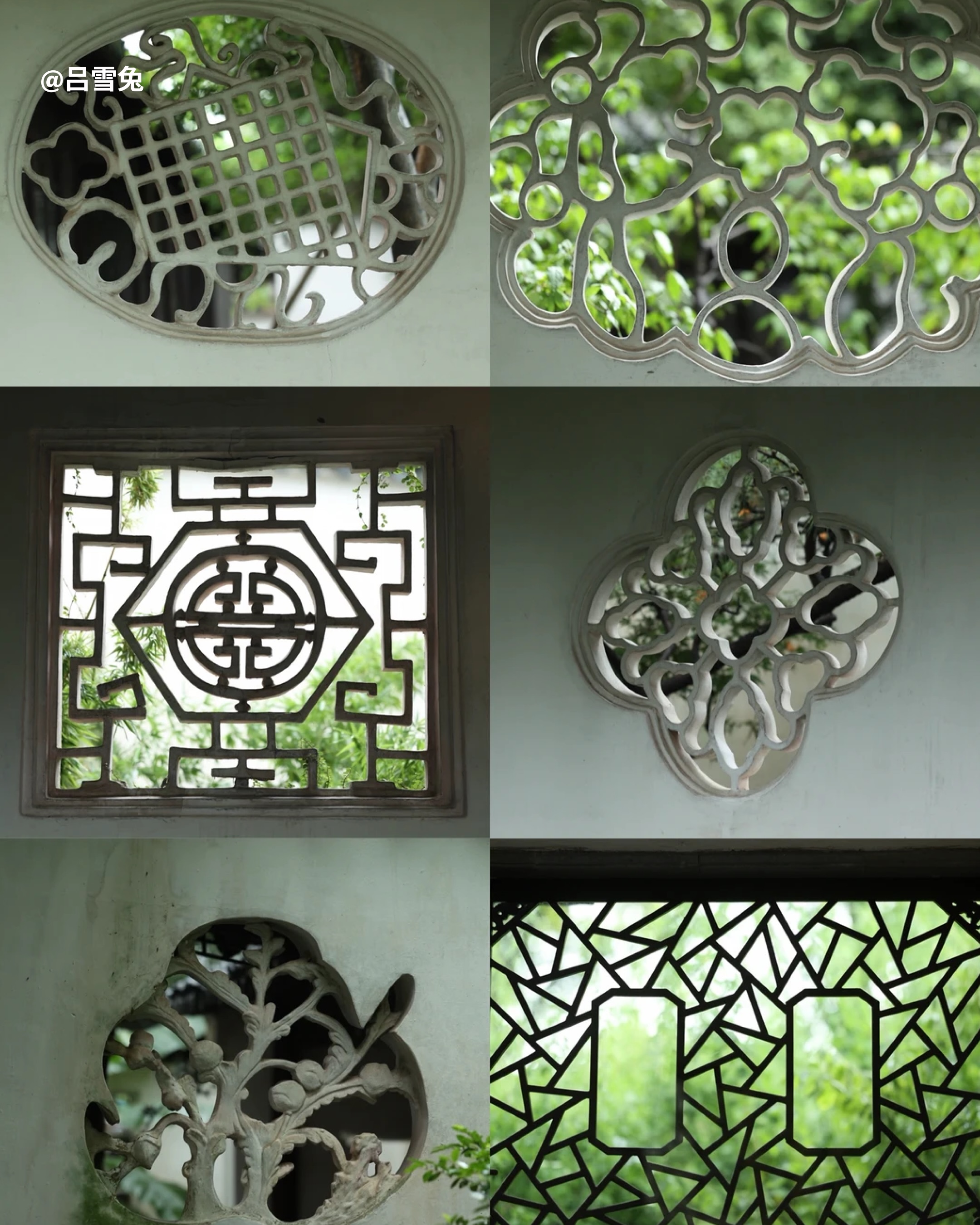
All images via Xiaohongshu.

NEWSLETTER

Get weekly top picks and exclusive, newsletter only content delivered straight to you inbox.

RADII NEWSLETTER

Get weekly top picks and exclusive, newsletter only content delivered straight to you inbox

RADII newsletter pop up visual

NEWSLETTER​

Get weekly top picks and exclusive, newsletter only content delivered straight to you inbox

RADII Newsletter Pop Up small banner

NEWSLETTER

Get weekly top picks and exclusive, newsletter only content delivered straight to you inbox.

Link Copied!

Share

Feature image of The Artistic Poetry of Ancient Chinese Windows

The Artistic Poetry of Ancient Chinese Windows

French luxury house Louis Vuitton recently won a ¥10.3 million lawsuit from Chinese brand Molly Tea over a four-petal flower logo. But the origins of the motif run deep in classical Chinese garden architecture.

PULSE

Tap into the latest in music, fashion, art, design, entertainment, pop culture, celebrity news, and contemporary culture

DISCOVER

Embark on a journey through food, travel, wellness, heritage, traditional culture, and lifestyle

STYLE

An insider’s look at the intersection of fashion, art, and design

FEAST

Titillate your taste buds with coverage of the best food and drink trends from China and beyond.

FUTURE

Explore the cutting edge in tech, AI, gadgets, gaming, and innovative tech-related products

FEAST

Titillate your taste buds with coverage of the best food and drink trends from China and beyond

STYLE

An insider’s look at the intersection of fashion, art, and design

PULSE

Unpacking Chinese youth culture through coverage of nightlife, film, sports, celebrities, and the hottest new music