Feature image of Connecting the Clubs: What Are the Biggest Underground Spots Across China?

Connecting the Clubs: What Are the Biggest Underground Spots Across China?

5 mins read

5 mins read

Feature image of Connecting the Clubs: What Are the Biggest Underground Spots Across China?
From Shanghai's hub circuit to a Shenzhen-based lone soldier and a Hong Kong icon tucked away unsuspectingly in Central, here are where the best nights are taking place.

China’s club scene isn’t one uniform ecosystem; it lives, breathes, ebbs, and flows. If you dig a little deeper, you’ll discover a loose, constantly changing constellation of venues, concert halls, and multi- or repurposed spaces, each with its own special touch, unique crowd, and raison d’être. Some have built up solid Resident Advisor profiles and have hosted international events like Boiler Room, while others are much more subtly shaping the local sound of their city.

Here’s the current map. Note, though, that it’s constantly in different phases of birth, evolution, and decay — and what you see here now may not be accurate in just a few short months — keeping you on your toes.


Shanghai 上海

C·Park (Illum, Reactor + Others)
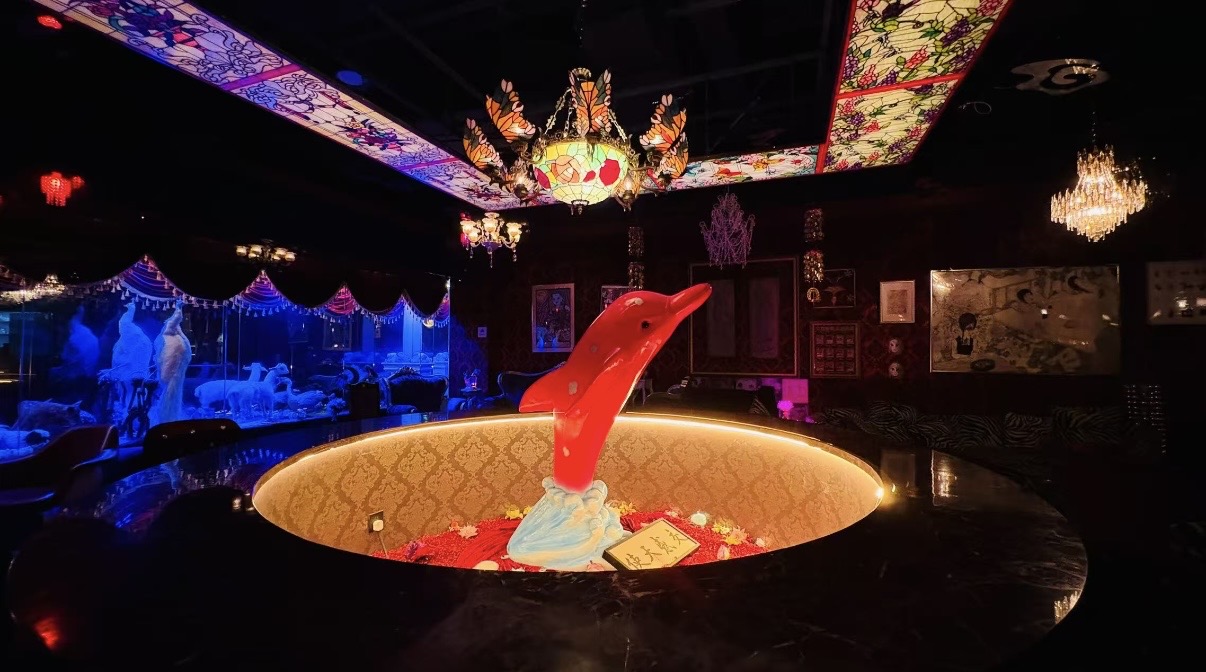
RADII exclusive roundup of the best underground clubs throughout China and Hong Kong.

Shanghai’s nightlife is increasingly more concentrated, which sounds like a horrible thing until you’re drunk with your closest friends roaming around the cavernous hallways of C·Park — a labyrinthine complex that houses spots like Illum, Reactor, Wigwam, Sympathy Angel, and Yuyintang all within just a few hundred meters of each other. Illum is one of the anchors: a club built around Chinese underground sounds, experimental music, and the fashion scene kids. Reactor, another anchor, sits close by on the upper floor and operates on the other end of the spectrum — delivering hard-hitting techno and flying in a roster of international DJs.

TX Huaihai (Abyss + Potent)
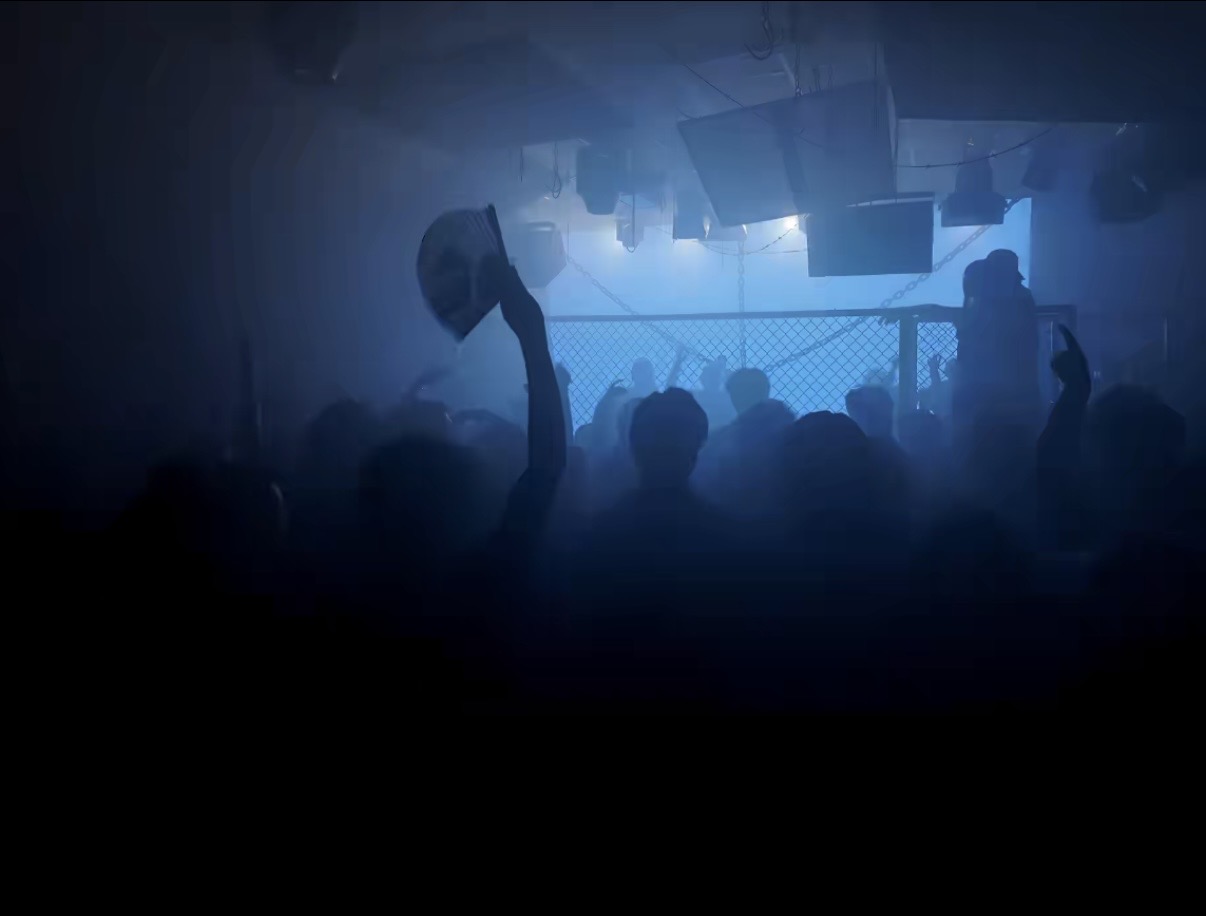
Across town, nestled inside of TX Huaihai, Abyss is Shanghai’s home of hard techno. No bottle service, nor VIP sections, just a church of sound that doesn’t end mass until the sun shuts it down. It’s the kind of spot you walk out of, ever so slightly destroyed, and immediately want to crawl back to. Potent sits upstairs on the third level, booking a more varied register, including many Berlin icons. Attendees can expect a range of styles, including but not limited to hard techno, minimalist, hardgroove, and trance.

Heim

another place worth knowing, Heim takes us over to trendy Jing’an. A community-oriented club playing bouncier, more melodic house and techno on a sound system that punches well above its size. Plus, a diverse lineup that incorporates a mix of domestic and international talent.


Beijing 北京

Groundless Factory

Located inside the 798 Art District — a former military electronics complex — it has become the capital’s most serious legacy space. It has hosted Boiler Room, attracts international artists alongside a roster of iconic local names, and runs art exhibitions and film screenings during the day. The founder was repeatedly taken in by authorities during the pandemic era for hosting events deemed a form of resistance. Loyalists come here for techno, house, experimental, and weekly programming that does not fail to impress.

Dada Bar Beijing

Dada is the longer-running club of the bunch; grungy, local, and cheap in the best possible way. It’s the place where a lot of the city’s DJs make themselves known, and it still pulls a committed crowd. It’s less polished than Groundless Factory, but the kind of club that doesn’t need to try so hard anyway to sell tickets.

Pillbox

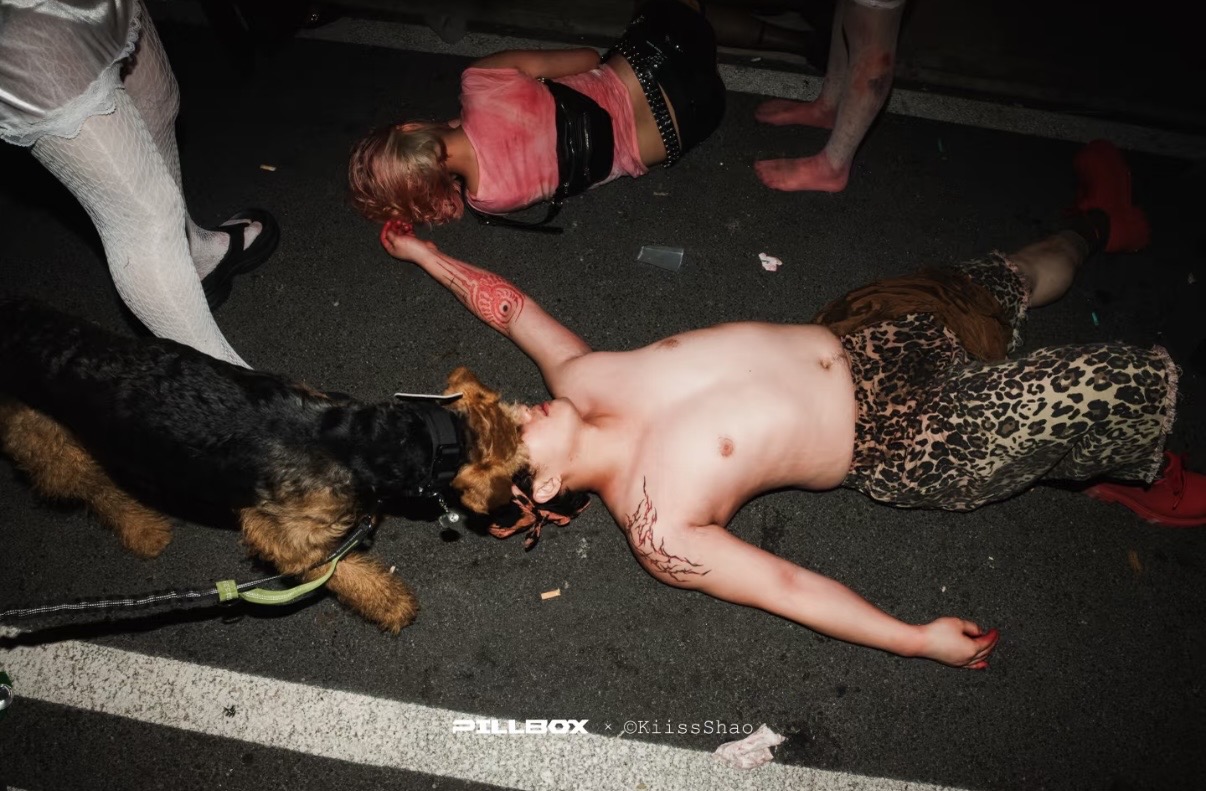
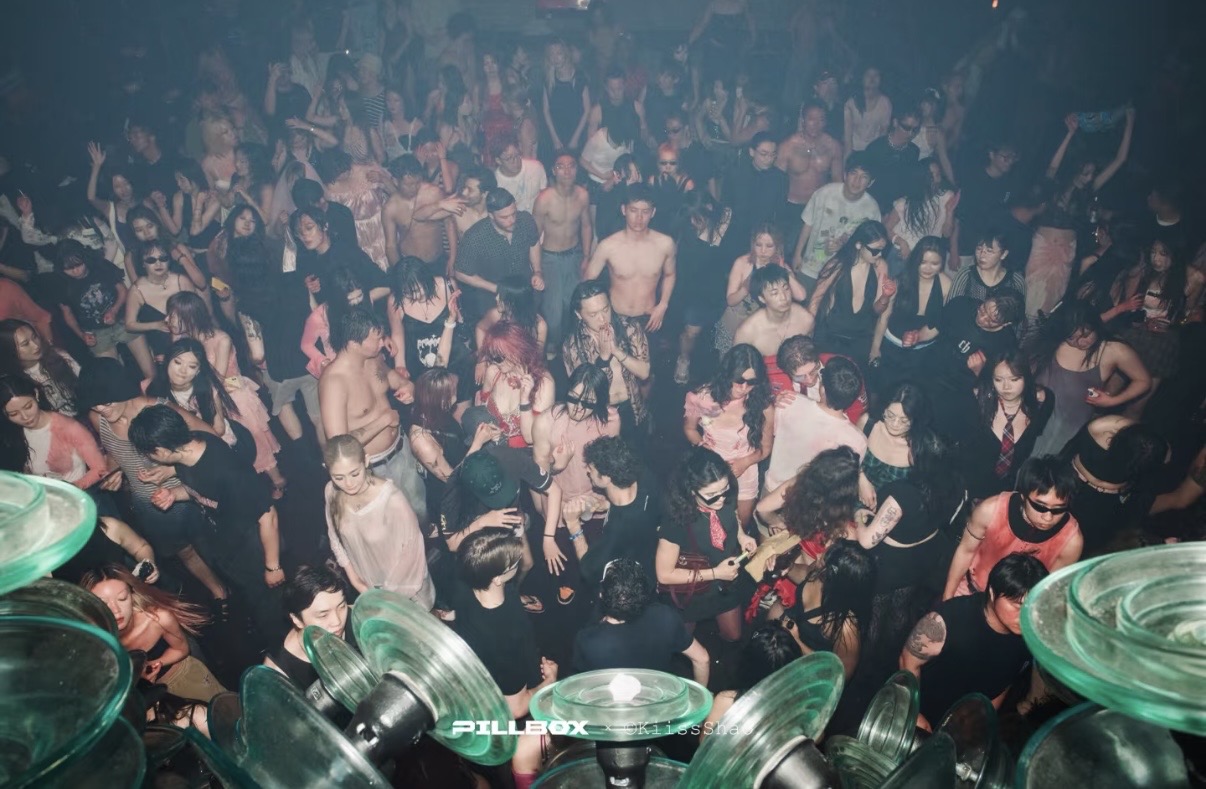
This spot is the newest in the city and arguably the most exciting. Founded in 2024, it describes itself as a “pleasure-driven space” built on high-energy electronic dance music, and holds down the fort. The programming runs hard and dark — techno, industrial, hard dance — and the booking sheet has already included many international icons plus the city’s best local talent. Queer-friendly, boundary-pushing by design, and operating with a new ethos — refreshing!


Shenzhen 深圳

OIL

Screenshot

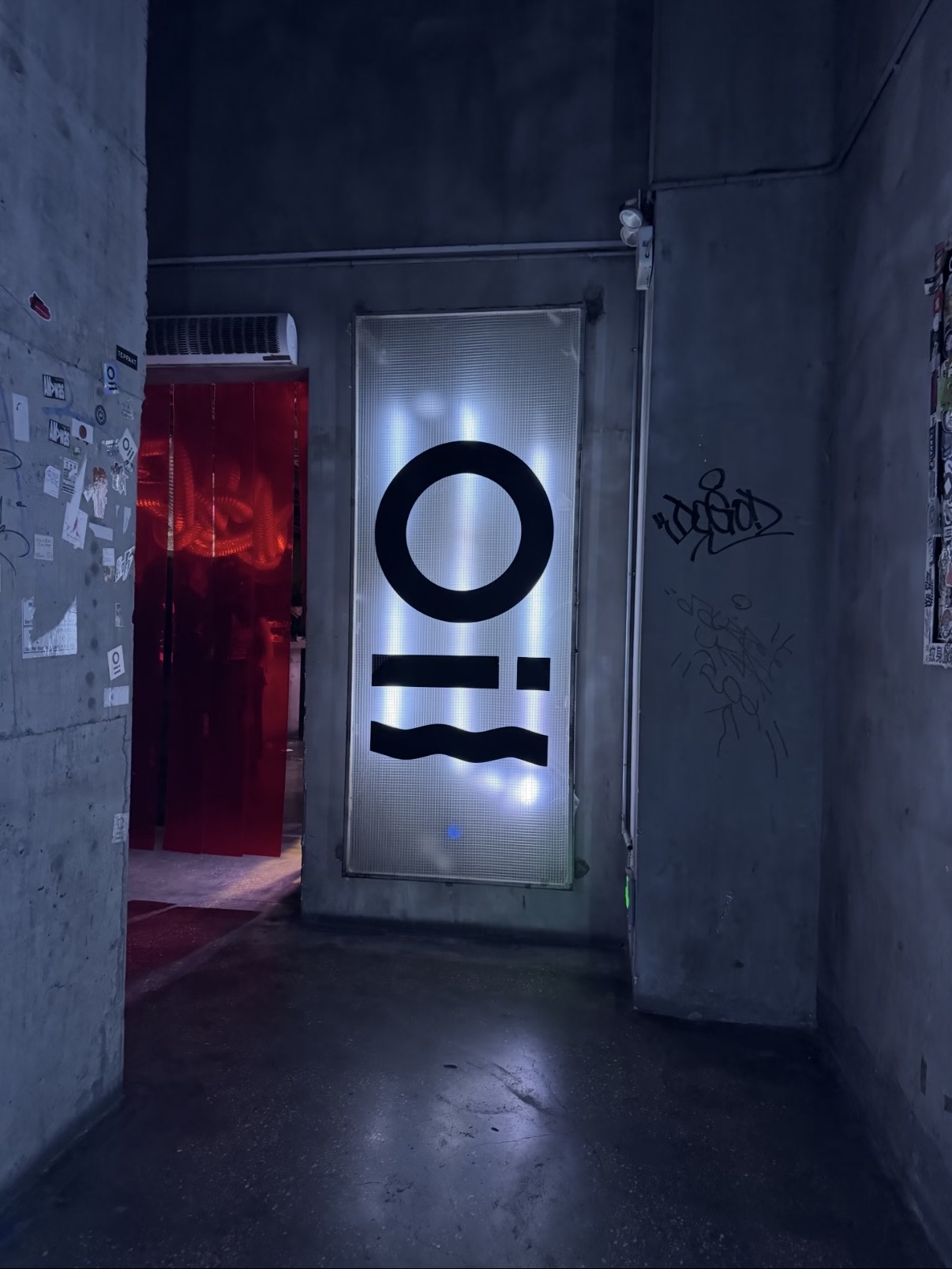
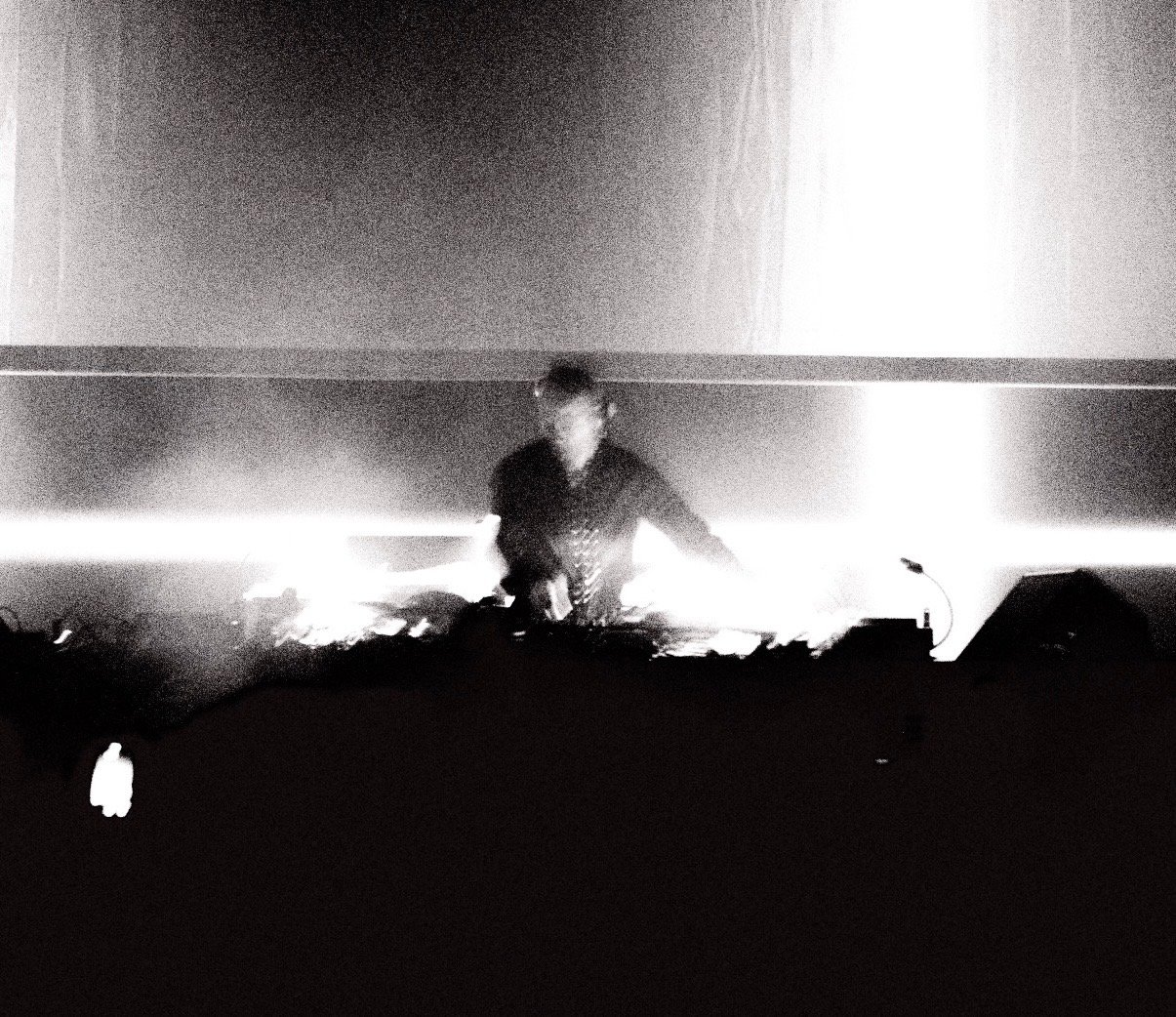
OIL is maybe the closest thing China’s underground has to a global institution. It has been twice named Resident Advisor’s Club of the Week, hosted Boiler Room Shenzhen, and celebrated its eighth anniversary with a three-day weekend featuring 72 DJs — veterans from the ’90s, new wave artists, and some of the country’s most influential promoters all sharing the same dance floor. All this, located on the ground floor of an office block in Futian, tucked away into a building you’d never look twice at from the street.


Hong Kong 香港

宀 (Mihn)

This is Hong Kong’s underground cornerstone — a 100-capacity room above Central with a Funktion One sound system, a no-photography policy, and programming built entirely with deep trust in its residents. Its name, “宀”, is the Chinese radical for “roof” or “home,” which tells you everything you need to know about it. Big hitters like Jeff Mills played here in November 2025, Sleep D came through from Melbourne, and Nosedrip flew in from Brussels for an all-night vinyl set. It also doubles as an art gallery between sold-out nights — versatility!


Chengdu 成都

TAG²

Chengdu has a fair claim to being China’s most underrated club city, and TAG² is its crown jewel. It runs on the Berlin model: no photography, no VIP booths, no talking over the music, and a strict door policy. The core ideology is equality on the dancefloor and quality in the booth — techno and electronic music played properly, all night long. It’s the kind of club that makes people reconsider where they actually want to live. Why pay those atrocious Shanghai rents anyway?


Hangzhou 杭州

Hangzhou’s underground story is one riddled with and shaken by loss. Loopy — the 250-capacity club that put the city on the international map, hosted the likes of Traxman, Kangding Ray, and GAIKA, and earned a spot on Resident Advisor’s Club of the Week list — closed on NYE 2024. Its founder cited mounting losses and “increasing culture restrictions,” and said he could no longer feel confident in the future. It was one of several closures across China’s independent club ecosystem that year, and it stung.

9Club (酒球会)

Screenshot

What remains, and what was building the scene long before Loopy, is 9Club. Operating since 2011, it has hosted over 200 shows a year across rock, electronic, indie, and punk, within a flexible space that can hold anything from intimate gigs up to a 600–800 capacity standing show depending on the night. It’s a live music house more than a pure club, but it’s the flexibility that gives it its longevity: 9Club is the space where Hangzhou’s underground has consistently found its footing, where many local bands play their first shows, and where the community is able to come together.


The entire scene across China is bigger than any single list can realistically document, and it adapts faster than one can actively track. But these are the places running things now and playing the music people keep coming back for — the ones building something bigger than themselves, night by night, that the rest of the world is slowly starting to pay attention to. And rightfully so.

All images via Xiaohongshu.

NEWSLETTER

Get weekly top picks and exclusive, newsletter only content delivered straight to you inbox.

NEWSLETTER

Get weekly top picks and exclusive, newsletter only content delivered straight to you inbox.

RADII NEWSLETTER

Get weekly top picks and exclusive, newsletter only content delivered straight to you inbox

Feature image of Connecting the Clubs: What Are the Biggest Underground Spots Across China?

Connecting the Clubs: What Are the Biggest Underground Spots Across China?

5 mins read

From Shanghai's hub circuit to a Shenzhen-based lone soldier and a Hong Kong icon tucked away unsuspectingly in Central, here are where the best nights are taking place.

China’s club scene isn’t one uniform ecosystem; it lives, breathes, ebbs, and flows. If you dig a little deeper, you’ll discover a loose, constantly changing constellation of venues, concert halls, and multi- or repurposed spaces, each with its own special touch, unique crowd, and raison d’être. Some have built up solid Resident Advisor profiles and have hosted international events like Boiler Room, while others are much more subtly shaping the local sound of their city.

Here’s the current map. Note, though, that it’s constantly in different phases of birth, evolution, and decay — and what you see here now may not be accurate in just a few short months — keeping you on your toes.


Shanghai 上海

C·Park (Illum, Reactor + Others)

RADII exclusive roundup of the best underground clubs throughout China and Hong Kong.

Shanghai’s nightlife is increasingly more concentrated, which sounds like a horrible thing until you’re drunk with your closest friends roaming around the cavernous hallways of C·Park — a labyrinthine complex that houses spots like Illum, Reactor, Wigwam, Sympathy Angel, and Yuyintang all within just a few hundred meters of each other. Illum is one of the anchors: a club built around Chinese underground sounds, experimental music, and the fashion scene kids. Reactor, another anchor, sits close by on the upper floor and operates on the other end of the spectrum — delivering hard-hitting techno and flying in a roster of international DJs.

TX Huaihai (Abyss + Potent)
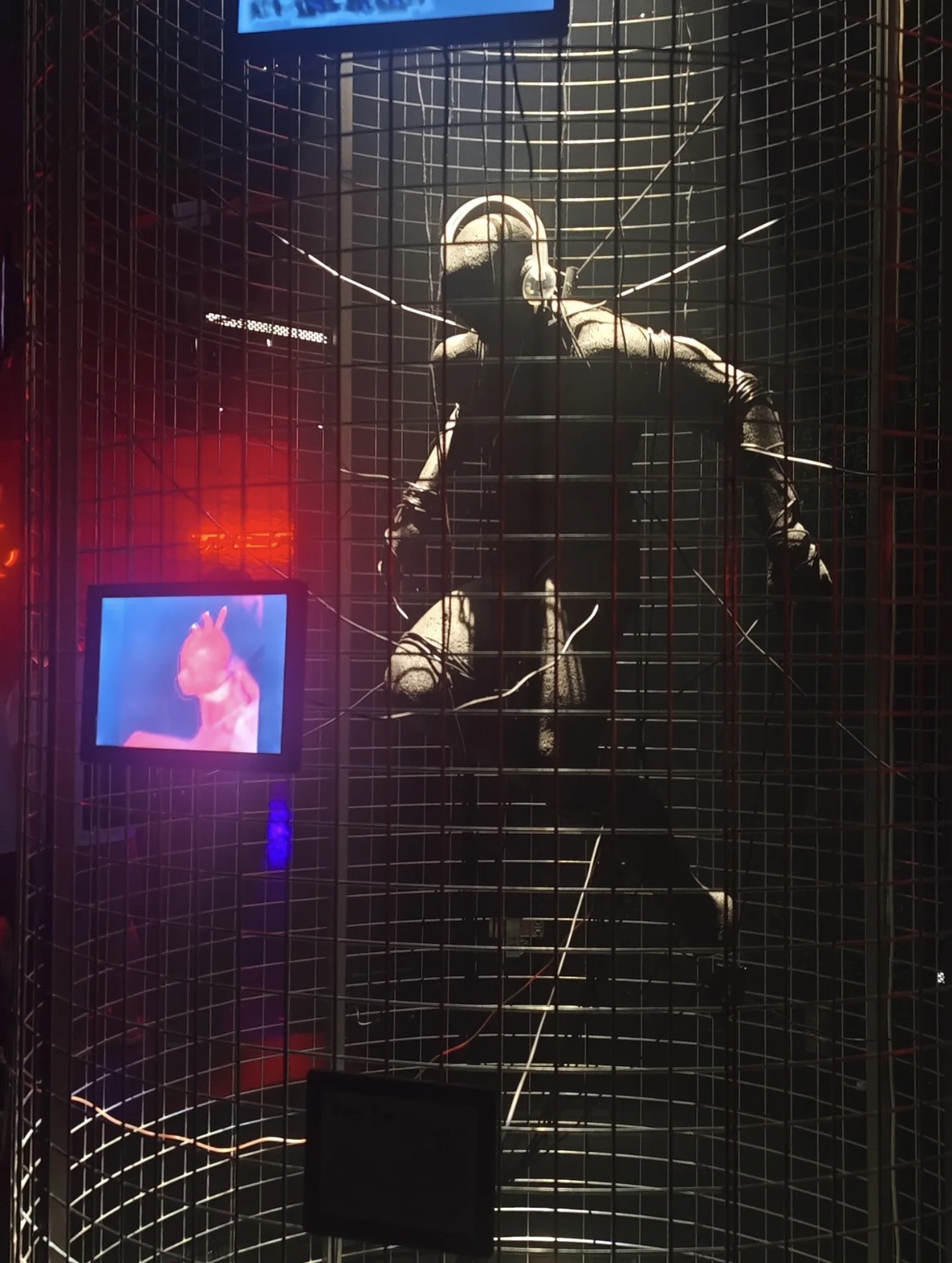
Across town, nestled inside of TX Huaihai, Abyss is Shanghai’s home of hard techno. No bottle service, nor VIP sections, just a church of sound that doesn’t end mass until the sun shuts it down. It’s the kind of spot you walk out of, ever so slightly destroyed, and immediately want to crawl back to. Potent sits upstairs on the third level, booking a more varied register, including many Berlin icons. Attendees can expect a range of styles, including but not limited to hard techno, minimalist, hardgroove, and trance.
Heim

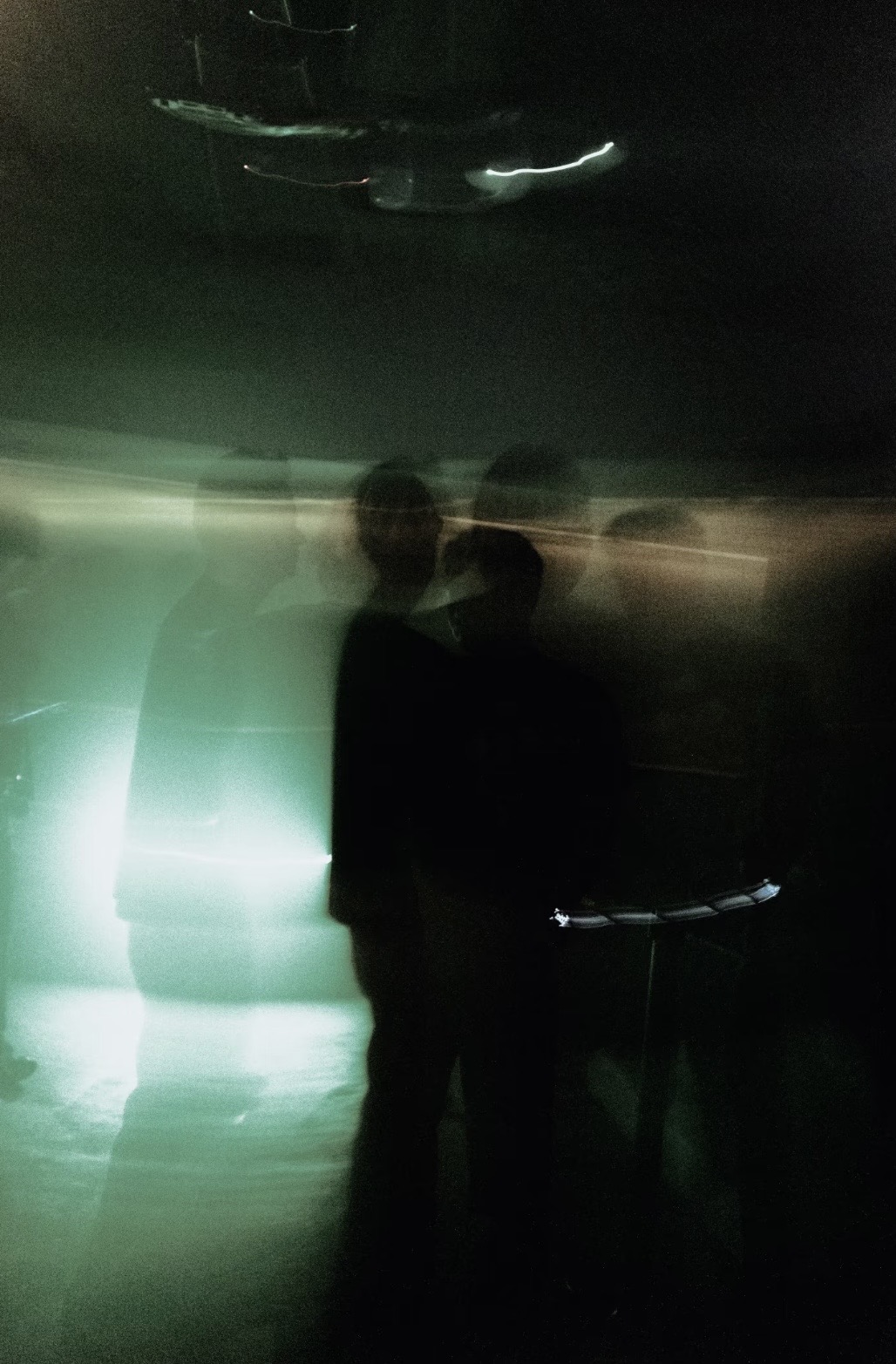
another place worth knowing, Heim takes us over to trendy Jing’an. A community-oriented club playing bouncier, more melodic house and techno on a sound system that punches well above its size. Plus, a diverse lineup that incorporates a mix of domestic and international talent.


Beijing 北京
Groundless Factory

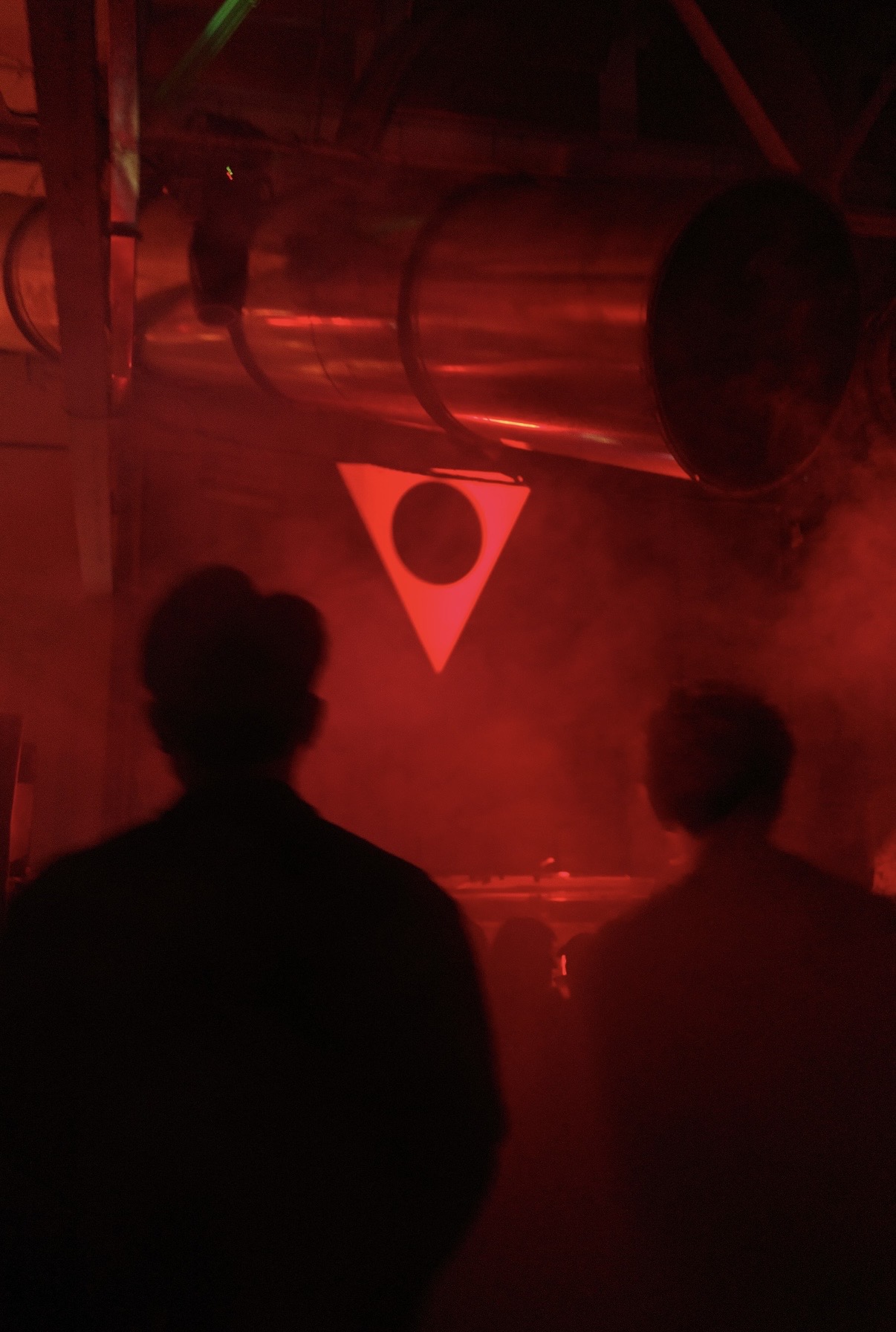
Located inside the 798 Art District — a former military electronics complex — it has become the capital’s most serious legacy space. It has hosted Boiler Room, attracts international artists alongside a roster of iconic local names, and runs art exhibitions and film screenings during the day. The founder was repeatedly taken in by authorities during the pandemic era for hosting events deemed a form of resistance. Loyalists come here for techno, house, experimental, and weekly programming that does not fail to impress.
Dada Bar Beijing

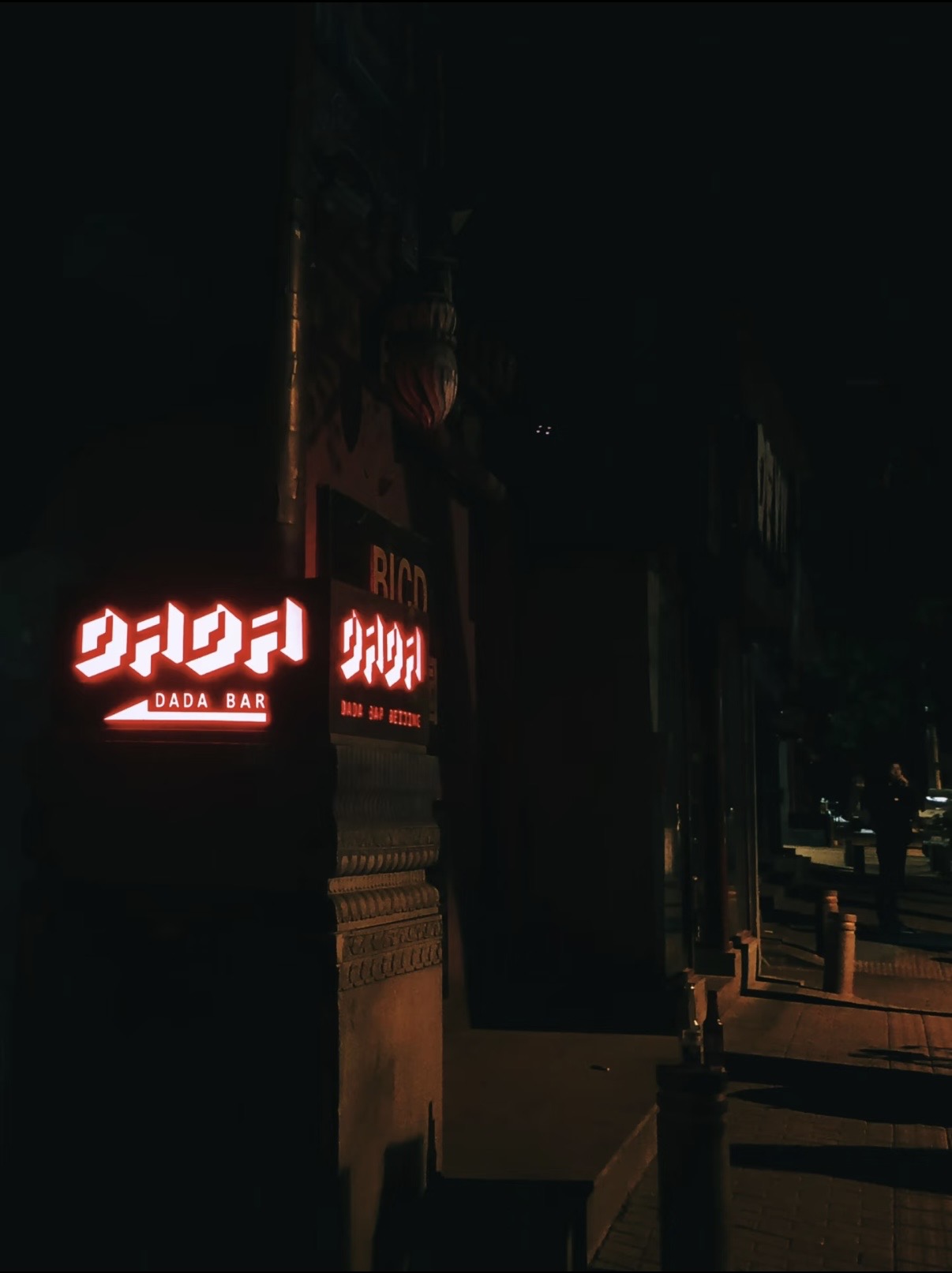
Dada is the longer-running club of the bunch; grungy, local, and cheap in the best possible way. It’s the place where a lot of the city’s DJs make themselves known, and it still pulls a committed crowd. It’s less polished than Groundless Factory, but the kind of club that doesn’t need to try so hard anyway to sell tickets.

Pillbox

This spot is the newest in the city and arguably the most exciting. Founded in 2024, it describes itself as a “pleasure-driven space” built on high-energy electronic dance music, and holds down the fort. The programming runs hard and dark — techno, industrial, hard dance — and the booking sheet has already included many international icons plus the city’s best local talent. Queer-friendly, boundary-pushing by design, and operating with a new ethos — refreshing!


Shenzhen 深圳

OIL

Screenshot

OIL is maybe the closest thing China’s underground has to a global institution. It has been twice named Resident Advisor’s Club of the Week, hosted Boiler Room Shenzhen, and celebrated its eighth anniversary with a three-day weekend featuring 72 DJs — veterans from the ’90s, new wave artists, and some of the country’s most influential promoters all sharing the same dance floor. All this, located on the ground floor of an office block in Futian, tucked away into a building you’d never look twice at from the street.


Hong Kong 香港

宀 (Mihn)

This is Hong Kong’s underground cornerstone — a 100-capacity room above Central with a Funktion One sound system, a no-photography policy, and programming built entirely with deep trust in its residents. Its name, “宀”, is the Chinese radical for “roof” or “home,” which tells you everything you need to know about it. Big hitters like Jeff Mills played here in November 2025, Sleep D came through from Melbourne, and Nosedrip flew in from Brussels for an all-night vinyl set. It also doubles as an art gallery between sold-out nights — versatility!


Chengdu 成都

TAG²

Chengdu has a fair claim to being China’s most underrated club city, and TAG² is its crown jewel. It runs on the Berlin model: no photography, no VIP booths, no talking over the music, and a strict door policy. The core ideology is equality on the dancefloor and quality in the booth — techno and electronic music played properly, all night long. It’s the kind of club that makes people reconsider where they actually want to live. Why pay those atrocious Shanghai rents anyway?


Hangzhou 杭州

Hangzhou’s underground story is one riddled with and shaken by loss. Loopy — the 250-capacity club that put the city on the international map, hosted the likes of Traxman, Kangding Ray, and GAIKA, and earned a spot on Resident Advisor’s Club of the Week list — closed on NYE 2024. Its founder cited mounting losses and “increasing culture restrictions,” and said he could no longer feel confident in the future. It was one of several closures across China’s independent club ecosystem that year, and it stung.
9Club (酒球会)

Screenshot

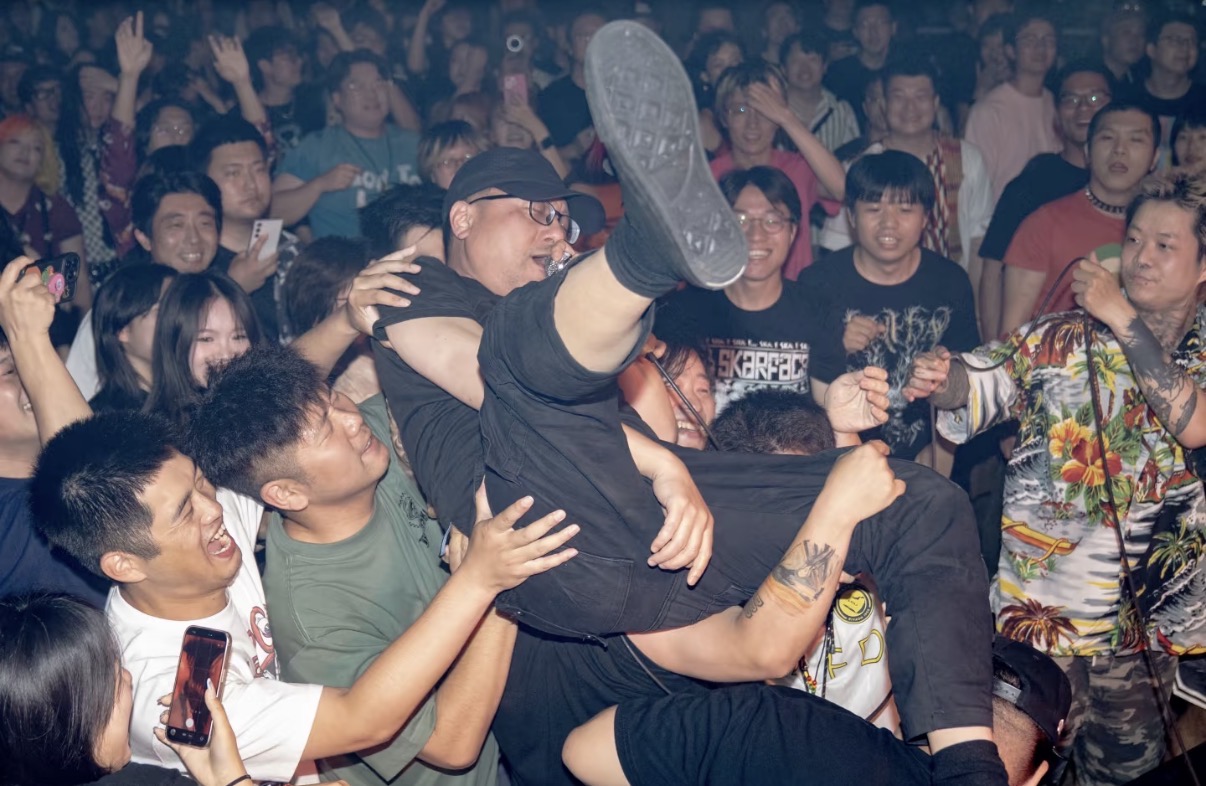
What remains, and what was building the scene long before Loopy, is 9Club. Operating since 2011, it has hosted over 200 shows a year across rock, electronic, indie, and punk, within a flexible space that can hold anything from intimate gigs up to a 600–800 capacity standing show depending on the night. It’s a live music house more than a pure club, but it’s the flexibility that gives it its longevity: 9Club is the space where Hangzhou’s underground has consistently found its footing, where many local bands play their first shows, and where the community is able to come together.


The entire scene across China is bigger than any single list can realistically document, and it adapts faster than one can actively track. But these are the places running things now and playing the music people keep coming back for — the ones building something bigger than themselves, night by night, that the rest of the world is slowly starting to pay attention to. And rightfully so.

All images via Xiaohongshu.

NEWSLETTER

Get weekly top picks and exclusive, newsletter only content delivered straight to you inbox.

RADII NEWSLETTER

Get weekly top picks and exclusive, newsletter only content delivered straight to you inbox

RELATED POSTS

Feature image of Connecting the Clubs: What Are the Biggest Underground Spots Across China?

Connecting the Clubs: What Are the Biggest Underground Spots Across China?

5 mins read

5 mins read

Feature image of Connecting the Clubs: What Are the Biggest Underground Spots Across China?
From Shanghai's hub circuit to a Shenzhen-based lone soldier and a Hong Kong icon tucked away unsuspectingly in Central, here are where the best nights are taking place.

China’s club scene isn’t one uniform ecosystem; it lives, breathes, ebbs, and flows. If you dig a little deeper, you’ll discover a loose, constantly changing constellation of venues, concert halls, and multi- or repurposed spaces, each with its own special touch, unique crowd, and raison d’être. Some have built up solid Resident Advisor profiles and have hosted international events like Boiler Room, while others are much more subtly shaping the local sound of their city.

Here’s the current map. Note, though, that it’s constantly in different phases of birth, evolution, and decay — and what you see here now may not be accurate in just a few short months — keeping you on your toes.


Shanghai 上海

C·Park (Illum, Reactor + Others)

RADII exclusive roundup of the best underground clubs throughout China and Hong Kong.

Shanghai’s nightlife is increasingly more concentrated, which sounds like a horrible thing until you’re drunk with your closest friends roaming around the cavernous hallways of C·Park — a labyrinthine complex that houses spots like Illum, Reactor, Wigwam, Sympathy Angel, and Yuyintang all within just a few hundred meters of each other. Illum is one of the anchors: a club built around Chinese underground sounds, experimental music, and the fashion scene kids. Reactor, another anchor, sits close by on the upper floor and operates on the other end of the spectrum — delivering hard-hitting techno and flying in a roster of international DJs.

TX Huaihai (Abyss + Potent)

Across town, nestled inside of TX Huaihai, Abyss is Shanghai’s home of hard techno. No bottle service, nor VIP sections, just a church of sound that doesn’t end mass until the sun shuts it down. It’s the kind of spot you walk out of, ever so slightly destroyed, and immediately want to crawl back to. Potent sits upstairs on the third level, booking a more varied register, including many Berlin icons. Attendees can expect a range of styles, including but not limited to hard techno, minimalist, hardgroove, and trance.

Heim

another place worth knowing, Heim takes us over to trendy Jing’an. A community-oriented club playing bouncier, more melodic house and techno on a sound system that punches well above its size. Plus, a diverse lineup that incorporates a mix of domestic and international talent.


Beijing 北京

Groundless Factory

Located inside the 798 Art District — a former military electronics complex — it has become the capital’s most serious legacy space. It has hosted Boiler Room, attracts international artists alongside a roster of iconic local names, and runs art exhibitions and film screenings during the day. The founder was repeatedly taken in by authorities during the pandemic era for hosting events deemed a form of resistance. Loyalists come here for techno, house, experimental, and weekly programming that does not fail to impress.

Dada Bar Beijing

Dada is the longer-running club of the bunch; grungy, local, and cheap in the best possible way. It’s the place where a lot of the city’s DJs make themselves known, and it still pulls a committed crowd. It’s less polished than Groundless Factory, but the kind of club that doesn’t need to try so hard anyway to sell tickets.

Pillbox

This spot is the newest in the city and arguably the most exciting. Founded in 2024, it describes itself as a “pleasure-driven space” built on high-energy electronic dance music, and holds down the fort. The programming runs hard and dark — techno, industrial, hard dance — and the booking sheet has already included many international icons plus the city’s best local talent. Queer-friendly, boundary-pushing by design, and operating with a new ethos — refreshing!


Shenzhen 深圳

OIL

Screenshot

OIL is maybe the closest thing China’s underground has to a global institution. It has been twice named Resident Advisor’s Club of the Week, hosted Boiler Room Shenzhen, and celebrated its eighth anniversary with a three-day weekend featuring 72 DJs — veterans from the ’90s, new wave artists, and some of the country’s most influential promoters all sharing the same dance floor. All this, located on the ground floor of an office block in Futian, tucked away into a building you’d never look twice at from the street.


Hong Kong 香港

宀 (Mihn)

This is Hong Kong’s underground cornerstone — a 100-capacity room above Central with a Funktion One sound system, a no-photography policy, and programming built entirely with deep trust in its residents. Its name, “宀”, is the Chinese radical for “roof” or “home,” which tells you everything you need to know about it. Big hitters like Jeff Mills played here in November 2025, Sleep D came through from Melbourne, and Nosedrip flew in from Brussels for an all-night vinyl set. It also doubles as an art gallery between sold-out nights — versatility!


Chengdu 成都

TAG²

Chengdu has a fair claim to being China’s most underrated club city, and TAG² is its crown jewel. It runs on the Berlin model: no photography, no VIP booths, no talking over the music, and a strict door policy. The core ideology is equality on the dancefloor and quality in the booth — techno and electronic music played properly, all night long. It’s the kind of club that makes people reconsider where they actually want to live. Why pay those atrocious Shanghai rents anyway?


Hangzhou 杭州

Hangzhou’s underground story is one riddled with and shaken by loss. Loopy — the 250-capacity club that put the city on the international map, hosted the likes of Traxman, Kangding Ray, and GAIKA, and earned a spot on Resident Advisor’s Club of the Week list — closed on NYE 2024. Its founder cited mounting losses and “increasing culture restrictions,” and said he could no longer feel confident in the future. It was one of several closures across China’s independent club ecosystem that year, and it stung.

9Club (酒球会)

Screenshot

What remains, and what was building the scene long before Loopy, is 9Club. Operating since 2011, it has hosted over 200 shows a year across rock, electronic, indie, and punk, within a flexible space that can hold anything from intimate gigs up to a 600–800 capacity standing show depending on the night. It’s a live music house more than a pure club, but it’s the flexibility that gives it its longevity: 9Club is the space where Hangzhou’s underground has consistently found its footing, where many local bands play their first shows, and where the community is able to come together.


The entire scene across China is bigger than any single list can realistically document, and it adapts faster than one can actively track. But these are the places running things now and playing the music people keep coming back for — the ones building something bigger than themselves, night by night, that the rest of the world is slowly starting to pay attention to. And rightfully so.

All images via Xiaohongshu.
NEWSLETTER

Get weekly top picks and exclusive, newsletter only content delivered straight to you inbox.

NEWSLETTER

Get weekly top picks and exclusive, newsletter only content delivered straight to you inbox.

RADII NEWSLETTER

Get weekly top picks and exclusive, newsletter only content delivered straight to you inbox

Feature image of Connecting the Clubs: What Are the Biggest Underground Spots Across China?

Connecting the Clubs: What Are the Biggest Underground Spots Across China?

5 mins read

From Shanghai's hub circuit to a Shenzhen-based lone soldier and a Hong Kong icon tucked away unsuspectingly in Central, here are where the best nights are taking place.

China’s club scene isn’t one uniform ecosystem; it lives, breathes, ebbs, and flows. If you dig a little deeper, you’ll discover a loose, constantly changing constellation of venues, concert halls, and multi- or repurposed spaces, each with its own special touch, unique crowd, and raison d’être. Some have built up solid Resident Advisor profiles and have hosted international events like Boiler Room, while others are much more subtly shaping the local sound of their city.

Here’s the current map. Note, though, that it’s constantly in different phases of birth, evolution, and decay — and what you see here now may not be accurate in just a few short months — keeping you on your toes.


Shanghai 上海

C·Park (Illum, Reactor + Others)

RADII exclusive roundup of the best underground clubs throughout China and Hong Kong.

Shanghai’s nightlife is increasingly more concentrated, which sounds like a horrible thing until you’re drunk with your closest friends roaming around the cavernous hallways of C·Park — a labyrinthine complex that houses spots like Illum, Reactor, Wigwam, Sympathy Angel, and Yuyintang all within just a few hundred meters of each other. Illum is one of the anchors: a club built around Chinese underground sounds, experimental music, and the fashion scene kids. Reactor, another anchor, sits close by on the upper floor and operates on the other end of the spectrum — delivering hard-hitting techno and flying in a roster of international DJs.

TX Huaihai (Abyss + Potent)

Across town, nestled inside of TX Huaihai, Abyss is Shanghai’s home of hard techno. No bottle service, nor VIP sections, just a church of sound that doesn’t end mass until the sun shuts it down. It’s the kind of spot you walk out of, ever so slightly destroyed, and immediately want to crawl back to. Potent sits upstairs on the third level, booking a more varied register, including many Berlin icons. Attendees can expect a range of styles, including but not limited to hard techno, minimalist, hardgroove, and trance.

Heim

another place worth knowing, Heim takes us over to trendy Jing’an. A community-oriented club playing bouncier, more melodic house and techno on a sound system that punches well above its size. Plus, a diverse lineup that incorporates a mix of domestic and international talent.


Beijing 北京

Groundless Factory

Located inside the 798 Art District — a former military electronics complex — it has become the capital’s most serious legacy space. It has hosted Boiler Room, attracts international artists alongside a roster of iconic local names, and runs art exhibitions and film screenings during the day. The founder was repeatedly taken in by authorities during the pandemic era for hosting events deemed a form of resistance. Loyalists come here for techno, house, experimental, and weekly programming that does not fail to impress.

Dada Bar Beijing

Dada is the longer-running club of the bunch; grungy, local, and cheap in the best possible way. It’s the place where a lot of the city’s DJs make themselves known, and it still pulls a committed crowd. It’s less polished than Groundless Factory, but the kind of club that doesn’t need to try so hard anyway to sell tickets.

Pillbox

This spot is the newest in the city and arguably the most exciting. Founded in 2024, it describes itself as a “pleasure-driven space” built on high-energy electronic dance music, and holds down the fort. The programming runs hard and dark — techno, industrial, hard dance — and the booking sheet has already included many international icons plus the city’s best local talent. Queer-friendly, boundary-pushing by design, and operating with a new ethos — refreshing!


Shenzhen 深圳

OIL

Screenshot

OIL is maybe the closest thing China’s underground has to a global institution. It has been twice named Resident Advisor’s Club of the Week, hosted Boiler Room Shenzhen, and celebrated its eighth anniversary with a three-day weekend featuring 72 DJs — veterans from the ’90s, new wave artists, and some of the country’s most influential promoters all sharing the same dance floor. All this, located on the ground floor of an office block in Futian, tucked away into a building you’d never look twice at from the street.


Hong Kong 香港

宀 (Mihn)

This is Hong Kong’s underground cornerstone — a 100-capacity room above Central with a Funktion One sound system, a no-photography policy, and programming built entirely with deep trust in its residents. Its name, “宀”, is the Chinese radical for “roof” or “home,” which tells you everything you need to know about it. Big hitters like Jeff Mills played here in November 2025, Sleep D came through from Melbourne, and Nosedrip flew in from Brussels for an all-night vinyl set. It also doubles as an art gallery between sold-out nights — versatility!


Chengdu 成都

TAG²

Chengdu has a fair claim to being China’s most underrated club city, and TAG² is its crown jewel. It runs on the Berlin model: no photography, no VIP booths, no talking over the music, and a strict door policy. The core ideology is equality on the dancefloor and quality in the booth — techno and electronic music played properly, all night long. It’s the kind of club that makes people reconsider where they actually want to live. Why pay those atrocious Shanghai rents anyway?


Hangzhou 杭州

Hangzhou’s underground story is one riddled with and shaken by loss. Loopy — the 250-capacity club that put the city on the international map, hosted the likes of Traxman, Kangding Ray, and GAIKA, and earned a spot on Resident Advisor’s Club of the Week list — closed on NYE 2024. Its founder cited mounting losses and “increasing culture restrictions,” and said he could no longer feel confident in the future. It was one of several closures across China’s independent club ecosystem that year, and it stung.

9Club (酒球会)

Screenshot

What remains, and what was building the scene long before Loopy, is 9Club. Operating since 2011, it has hosted over 200 shows a year across rock, electronic, indie, and punk, within a flexible space that can hold anything from intimate gigs up to a 600–800 capacity standing show depending on the night. It’s a live music house more than a pure club, but it’s the flexibility that gives it its longevity: 9Club is the space where Hangzhou’s underground has consistently found its footing, where many local bands play their first shows, and where the community is able to come together.


The entire scene across China is bigger than any single list can realistically document, and it adapts faster than one can actively track. But these are the places running things now and playing the music people keep coming back for — the ones building something bigger than themselves, night by night, that the rest of the world is slowly starting to pay attention to. And rightfully so.

All images via Xiaohongshu.
NEWSLETTER

Get weekly top picks and exclusive, newsletter only content delivered straight to you inbox.

RADII NEWSLETTER

Get weekly top picks and exclusive, newsletter only content delivered straight to you inbox

RADII newsletter pop up visual

NEWSLETTER​

Get weekly top picks and exclusive, newsletter only content delivered straight to you inbox

RADII Newsletter Pop Up small banner

NEWSLETTER

Get weekly top picks and exclusive, newsletter only content delivered straight to you inbox.

Link Copied!

Share

Feature image of Connecting the Clubs: What Are the Biggest Underground Spots Across China?

Connecting the Clubs: What Are the Biggest Underground Spots Across China?

From Shanghai's hub circuit to a Shenzhen-based lone soldier and a Hong Kong icon tucked away unsuspectingly in Central, here are where the best nights are taking place.

PULSE

Tap into the latest in music, fashion, art, design, entertainment, pop culture, celebrity news, and contemporary culture

DISCOVER

Embark on a journey through food, travel, wellness, heritage, traditional culture, and lifestyle

STYLE

An insider’s look at the intersection of fashion, art, and design

FEAST

Titillate your taste buds with coverage of the best food and drink trends from China and beyond.

FUTURE

Explore the cutting edge in tech, AI, gadgets, gaming, and innovative tech-related products

FEAST

Titillate your taste buds with coverage of the best food and drink trends from China and beyond

STYLE

An insider’s look at the intersection of fashion, art, and design

PULSE

Unpacking Chinese youth culture through coverage of nightlife, film, sports, celebrities, and the hottest new music