Feature image of The Legacy of Pioneering Chinese Punk Musician He Yong

The Legacy of Pioneering Chinese Punk Musician He Yong

4 mins read

4 mins read

Feature image of The Legacy of Pioneering Chinese Punk Musician He Yong
With just ten tracks on his only album, Garbage Dump, He Yong, who recently passed at 57-years-old, became one of the most enduring voices of Chinese punk.

In 1994, He Yong released Garbage Dump, the only album of his career. It arrived during rock music’s golden decade in China, and alongside Dou Wei and Zhang Chu, He Yong became part of what fans still call the “Three Heroes of Moyan” (魔岩三杰), the golden trio of Chinese rock. 

That same December, the Three Heroes of Moyan and Tang Dynasty performed together at Hong Kong Coliseum, a landmark moment in Chinese rock history. The show sold out, drawing nearly 10,000 people; among them were some of the biggest celebrities of the time, like Faye Wong, Jacky Cheung, and Andy Lau. The scale of frenzy was unlike anything the scene had seen before, much like Beatlemania’s arrival in America.

At that time, the media and the rock scene alike saw the concert as Chinese rock’s first step onto the international stage, and a future too bright to fully picture. In hindsight, that promise never arrived. Like He Yong’s quiet fade into the sidelines, rock in China suffered much of the same fate. The next time He Yong made headlines was decades later, when he passed away at 57 on September 1st of this year.

Rock China: The Power of Music, 1994

In 1996, He Yong was blacklisted after making a controversial remark during a performance. Scattered shows followed over the years, but none on a stage as grand as Hong Kong’s, and none that returned him to the spotlight. While the rest of the trio kept building their careers, He Yong slipped out of the public view. In the decades that followed, mental health struggles and legal troubles pulled him further away from the world of punk.

Still, it didn’t stop nearly all of China’s alternative music scene from paying tribute this week, sharing old photos and fond memories. Words from different people seemed to converge on the same idea, remembering him as a kind, fierce, and fearless artist, an idealist pure of heart.
One of China's first punk musician, He Yong, dies at 57, RADII explores his music career and impact on Chinese rock history.
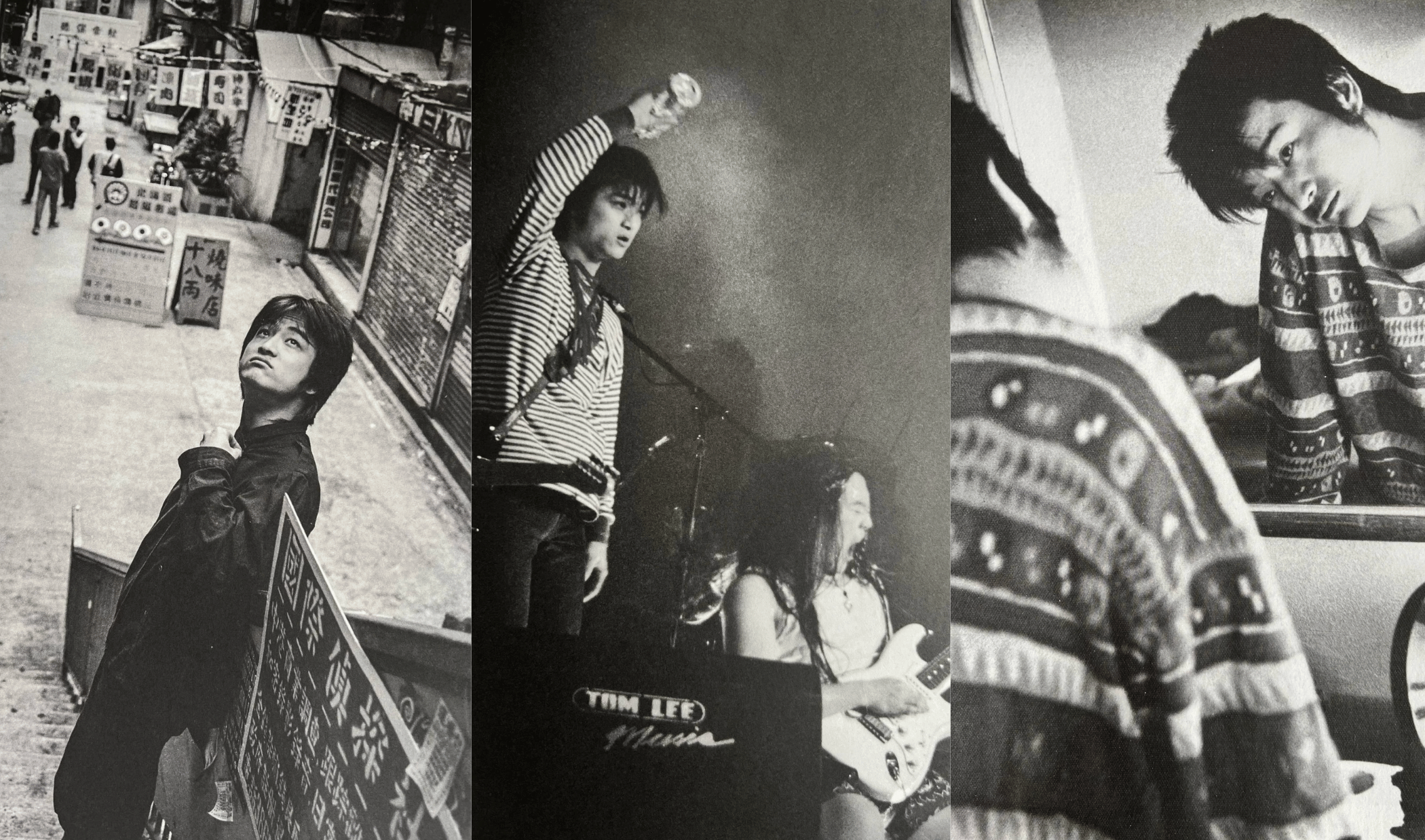
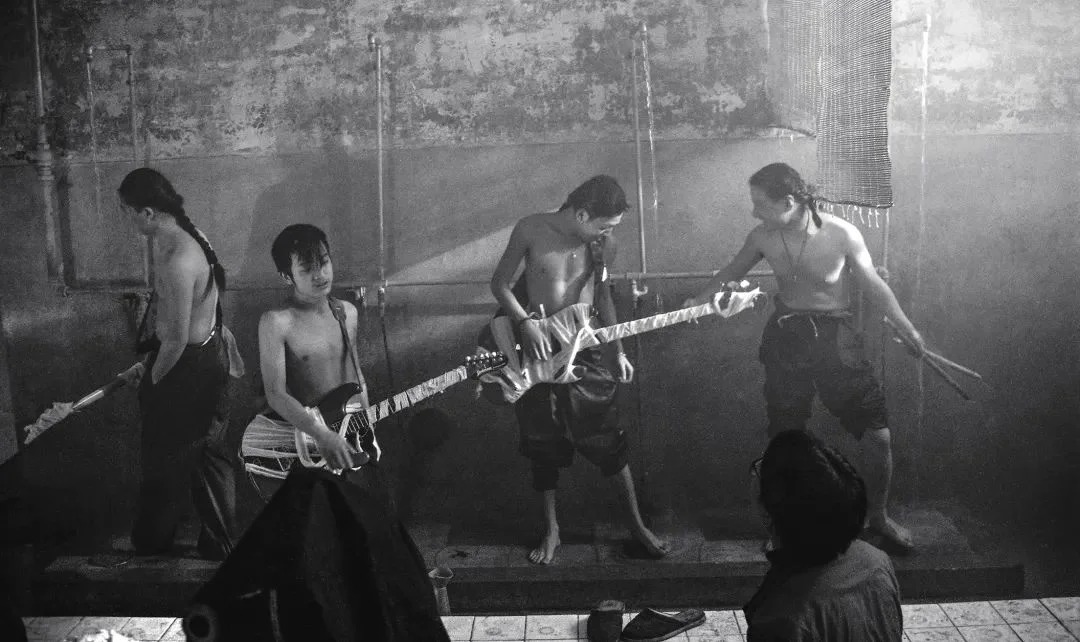
Filming the music video for “Garbage Dump.” Image via Gao Yuan, a well-known photographer in China’s early rock scene.

Garbage Dump held only ten tracks, but each one is a masterclass in poetry and social observation. His best-known song, the title track, was written in 1989; the lyrics point out society’s meaningless quarreling, people’s lack of compassion, and the refusal of ideological reform:

The world we live in is
Akin to a garbage dump
People are like insects,
Fighting with each other
We eat our conscience,
And shit out ideology.

He Yong also took aim at China’s widening wealth gap, pointing out that while the elite few have the freedom of choice, the ordinary and impoverished do not:

Some are trying to lose weight
While others are starving to death

The bleakness of “Garbage Dump” stands in sharp contrast with “Bell Drum Towers,” where He Yong recalls his childhood in Beijing hutongs. It’s a nostalgic longing for the past rather than a rage against the present. At the 2004 Helan Mountains Rock Music Festival, after performing the song live, he told the crowd: “The Bell Drum Towers hasn’t changed. It’s we who’ve all grown up”

The album was originally to be titled The Qilin Diary. In Chinese mythology, the qilin is a benevolent, chimera-like creature symbolizing good fortune, prosperity, and kindness, one still found today as a stone statue, guarding offices, homes, and doorways. In the album liner notes, He Yong wrote this passage:

“On the Bell Drum Towers in Beijing, there is a stone qilin. It has stood there for centuries, silently gazing at the sky, the land, and the people, always waiting for something. And one day, with a strong gust of wind, it will take flight, soaring.”

He yong
One of China's first punk musician, He Yong, dies at 57, RADII explores his music career and impact on Chinese rock history.
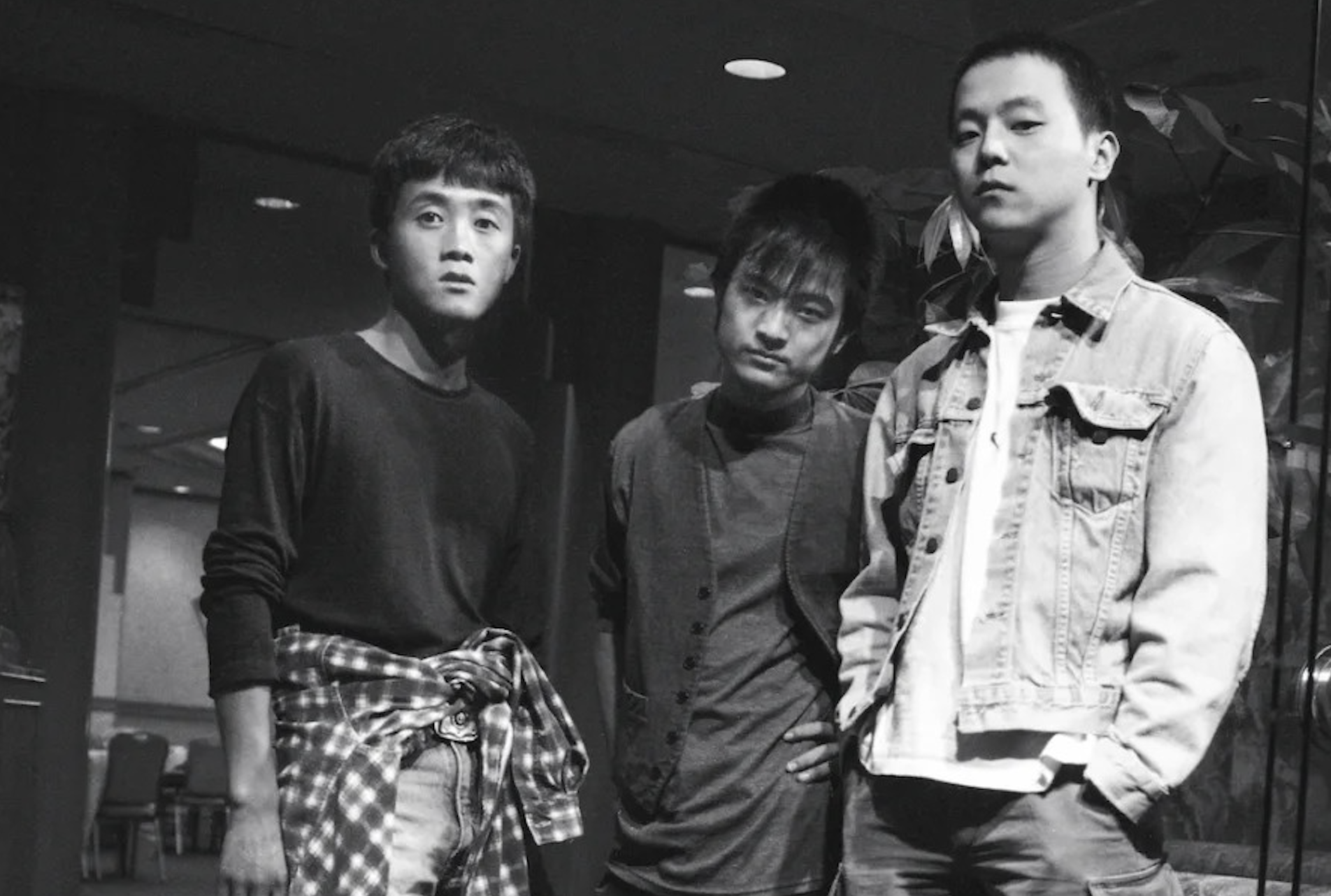
Images via Gao Yuan.

I imagine He Yong saw himself in that qilin, waiting for a wind that would carry the promise of freedom and true prosperity.

The album’s two working titles seem to point in two distinctly opposite directions, though their content remains the same. Garbage Dump paints an explicit and unapologetic portrait of 90s China, critical with a vengeance. But The Qilin Diary suggests an undercurrent of idealism, where the garbage dump is shrouded in hope. The same tension runs through the record, and He Yong’s voice shifts between a childlike melody and raw, unrestrained screaming.

In a 2004 interview, He Yong was described as an angry young man. He responded with: “There is actually love in my anger.” It’s hard to doubt that underneath all his acts of rebellion sat a genuine love and longing for freedom and equality.

May He Yong rest in peace and soar free like a qilin.
One of China's first punk musician, He Yong, dies at 57, RADII explores his music career and impact on Chinese rock history.
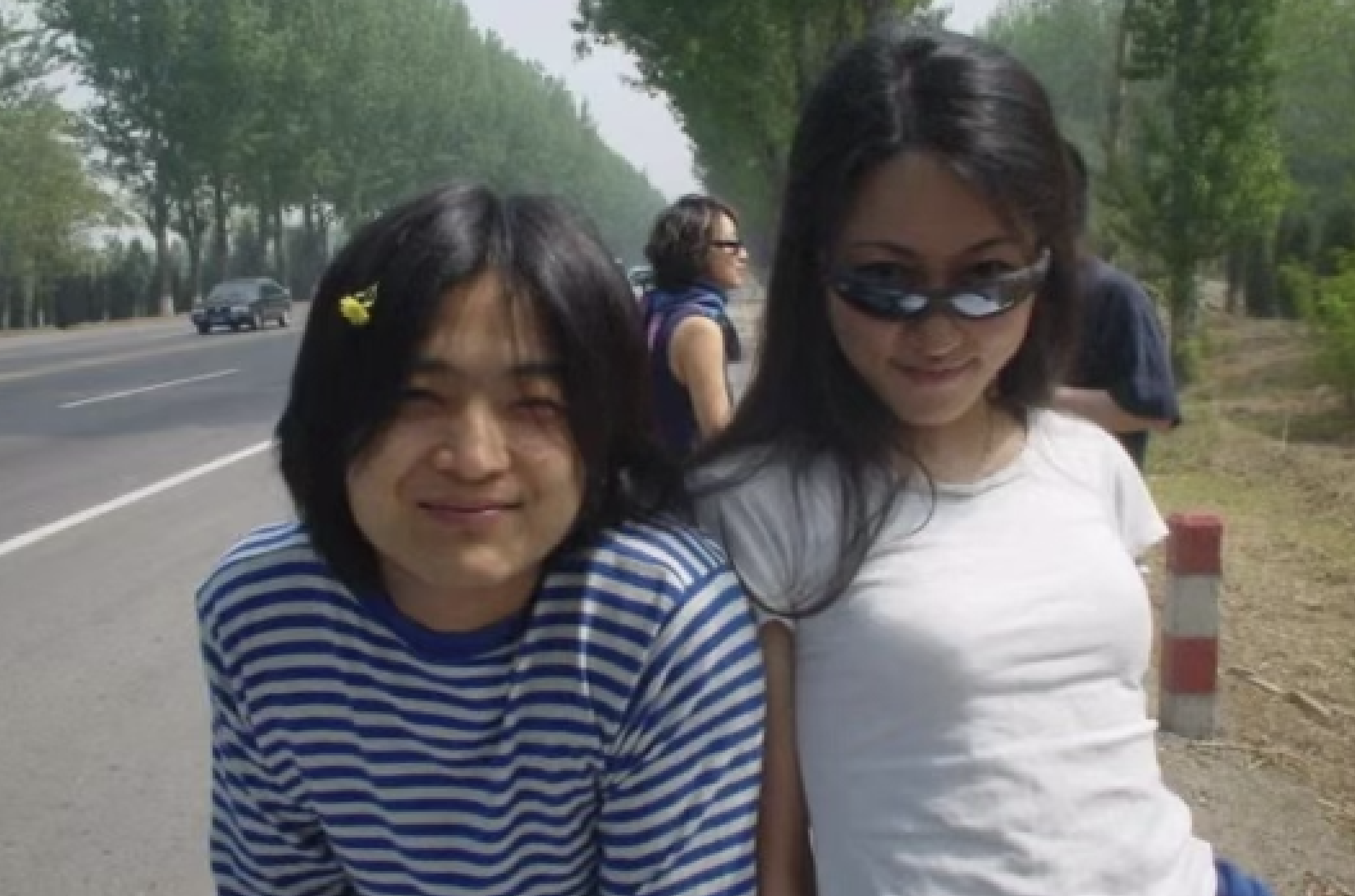
He Yong and Jiang Xin, musician and writer. Image via DJ Zhang Youdai.

Cover image via Gao Yuan.

NEWSLETTER

Get weekly top picks and exclusive, newsletter only content delivered straight to you inbox.

NEWSLETTER

Get weekly top picks and exclusive, newsletter only content delivered straight to you inbox.

RADII NEWSLETTER

Get weekly top picks and exclusive, newsletter only content delivered straight to you inbox

Feature image of The Legacy of Pioneering Chinese Punk Musician He Yong

The Legacy of Pioneering Chinese Punk Musician He Yong

4 mins read

With just ten tracks on his only album, Garbage Dump, He Yong, who recently passed at 57-years-old, became one of the most enduring voices of Chinese punk.

In 1994, He Yong released Garbage Dump, the only album of his career. It arrived during rock music’s golden decade in China, and alongside Dou Wei and Zhang Chu, He Yong became part of what fans still call the “Three Heroes of Moyan” (魔岩三杰), the golden trio of Chinese rock. 

That same December, the Three Heroes of Moyan and Tang Dynasty performed together at Hong Kong Coliseum, a landmark moment in Chinese rock history. The show sold out, drawing nearly 10,000 people; among them were some of the biggest celebrities of the time, like Faye Wong, Jacky Cheung, and Andy Lau. The scale of frenzy was unlike anything the scene had seen before, much like Beatlemania’s arrival in America.

At that time, the media and the rock scene alike saw the concert as Chinese rock’s first step onto the international stage, and a future too bright to fully picture. In hindsight, that promise never arrived. Like He Yong’s quiet fade into the sidelines, rock in China suffered much of the same fate. The next time He Yong made headlines was decades later, when he passed away at 57 on September 1st of this year.

Rock China: The Power of Music, 1994

In 1996, He Yong was blacklisted after making a controversial remark during a performance. Scattered shows followed over the years, but none on a stage as grand as Hong Kong’s, and none that returned him to the spotlight. While the rest of the trio kept building their careers, He Yong slipped out of the public view. In the decades that followed, mental health struggles and legal troubles pulled him further away from the world of punk.

Still, it didn’t stop nearly all of China’s alternative music scene from paying tribute this week, sharing old photos and fond memories. Words from different people seemed to converge on the same idea, remembering him as a kind, fierce, and fearless artist, an idealist pure of heart.

One of China's first punk musician, He Yong, dies at 57, RADII explores his music career and impact on Chinese rock history.
Filming the music video for “Garbage Dump.” Image via Gao Yuan, a well-known photographer in China’s early rock scene.

Garbage Dump held only ten tracks, but each one is a masterclass in poetry and social observation. His best-known song, the title track, was written in 1989; the lyrics point out society’s meaningless quarreling, people’s lack of compassion, and the refusal of ideological reform:

The world we live in is
Akin to a garbage dump
People are like insects,
Fighting with each other
We eat our conscience,
And shit out ideology.

He Yong also took aim at China’s widening wealth gap, pointing out that while the elite few have the freedom of choice, the ordinary and impoverished do not:

Some are trying to lose weight
While others are starving to death

The bleakness of “Garbage Dump” stands in sharp contrast with “Bell Drum Towers,” where He Yong recalls his childhood in Beijing hutongs. It’s a nostalgic longing for the past rather than a rage against the present. At the 2004 Helan Mountains Rock Music Festival, after performing the song live, he told the crowd: “The Bell Drum Towers hasn’t changed. It’s we who’ve all grown up”

The album was originally to be titled The Qilin Diary. In Chinese mythology, the qilin is a benevolent, chimera-like creature symbolizing good fortune, prosperity, and kindness, one still found today as a stone statue, guarding offices, homes, and doorways. In the album liner notes, He Yong wrote this passage:

“On the Bell Drum Towers in Beijing, there is a stone qilin. It has stood there for centuries, silently gazing at the sky, the land, and the people, always waiting for something. And one day, with a strong gust of wind, it will take flight, soaring.”

He yong
One of China's first punk musician, He Yong, dies at 57, RADII explores his music career and impact on Chinese rock history.
Images via Gao Yuan.

I imagine He Yong saw himself in that qilin, waiting for a wind that would carry the promise of freedom and true prosperity.

The album’s two working titles seem to point in two distinctly opposite directions, though their content remains the same. Garbage Dump paints an explicit and unapologetic portrait of 90s China, critical with a vengeance. But The Qilin Diary suggests an undercurrent of idealism, where the garbage dump is shrouded in hope. The same tension runs through the record, and He Yong’s voice shifts between a childlike melody and raw, unrestrained screaming.

In a 2004 interview, He Yong was described as an angry young man. He responded with: “There is actually love in my anger.” It’s hard to doubt that underneath all his acts of rebellion sat a genuine love and longing for freedom and equality.

May He Yong rest in peace and soar free like a qilin.

One of China's first punk musician, He Yong, dies at 57, RADII explores his music career and impact on Chinese rock history.
He Yong and Jiang Xin, musician and writer. Image via DJ Zhang Youdai.

Cover image via Gao Yuan.

NEWSLETTER

Get weekly top picks and exclusive, newsletter only content delivered straight to you inbox.

RADII NEWSLETTER

Get weekly top picks and exclusive, newsletter only content delivered straight to you inbox

RELATED POSTS

Feature image of The Legacy of Pioneering Chinese Punk Musician He Yong

The Legacy of Pioneering Chinese Punk Musician He Yong

4 mins read

4 mins read

Feature image of The Legacy of Pioneering Chinese Punk Musician He Yong
With just ten tracks on his only album, Garbage Dump, He Yong, who recently passed at 57-years-old, became one of the most enduring voices of Chinese punk.

In 1994, He Yong released Garbage Dump, the only album of his career. It arrived during rock music’s golden decade in China, and alongside Dou Wei and Zhang Chu, He Yong became part of what fans still call the “Three Heroes of Moyan” (魔岩三杰), the golden trio of Chinese rock. 

That same December, the Three Heroes of Moyan and Tang Dynasty performed together at Hong Kong Coliseum, a landmark moment in Chinese rock history. The show sold out, drawing nearly 10,000 people; among them were some of the biggest celebrities of the time, like Faye Wong, Jacky Cheung, and Andy Lau. The scale of frenzy was unlike anything the scene had seen before, much like Beatlemania’s arrival in America.

At that time, the media and the rock scene alike saw the concert as Chinese rock’s first step onto the international stage, and a future too bright to fully picture. In hindsight, that promise never arrived. Like He Yong’s quiet fade into the sidelines, rock in China suffered much of the same fate. The next time He Yong made headlines was decades later, when he passed away at 57 on September 1st of this year.

Rock China: The Power of Music, 1994

In 1996, He Yong was blacklisted after making a controversial remark during a performance. Scattered shows followed over the years, but none on a stage as grand as Hong Kong’s, and none that returned him to the spotlight. While the rest of the trio kept building their careers, He Yong slipped out of the public view. In the decades that followed, mental health struggles and legal troubles pulled him further away from the world of punk.

Still, it didn’t stop nearly all of China’s alternative music scene from paying tribute this week, sharing old photos and fond memories. Words from different people seemed to converge on the same idea, remembering him as a kind, fierce, and fearless artist, an idealist pure of heart.

One of China's first punk musician, He Yong, dies at 57, RADII explores his music career and impact on Chinese rock history.
Filming the music video for “Garbage Dump.” Image via Gao Yuan, a well-known photographer in China’s early rock scene.

Garbage Dump held only ten tracks, but each one is a masterclass in poetry and social observation. His best-known song, the title track, was written in 1989; the lyrics point out society’s meaningless quarreling, people’s lack of compassion, and the refusal of ideological reform:

The world we live in is
Akin to a garbage dump
People are like insects,
Fighting with each other
We eat our conscience,
And shit out ideology.

He Yong also took aim at China’s widening wealth gap, pointing out that while the elite few have the freedom of choice, the ordinary and impoverished do not:

Some are trying to lose weight
While others are starving to death

The bleakness of “Garbage Dump” stands in sharp contrast with “Bell Drum Towers,” where He Yong recalls his childhood in Beijing hutongs. It’s a nostalgic longing for the past rather than a rage against the present. At the 2004 Helan Mountains Rock Music Festival, after performing the song live, he told the crowd: “The Bell Drum Towers hasn’t changed. It’s we who’ve all grown up”

The album was originally to be titled The Qilin Diary. In Chinese mythology, the qilin is a benevolent, chimera-like creature symbolizing good fortune, prosperity, and kindness, one still found today as a stone statue, guarding offices, homes, and doorways. In the album liner notes, He Yong wrote this passage:

“On the Bell Drum Towers in Beijing, there is a stone qilin. It has stood there for centuries, silently gazing at the sky, the land, and the people, always waiting for something. And one day, with a strong gust of wind, it will take flight, soaring.”

He yong
One of China's first punk musician, He Yong, dies at 57, RADII explores his music career and impact on Chinese rock history.
Images via Gao Yuan.

I imagine He Yong saw himself in that qilin, waiting for a wind that would carry the promise of freedom and true prosperity.

The album’s two working titles seem to point in two distinctly opposite directions, though their content remains the same. Garbage Dump paints an explicit and unapologetic portrait of 90s China, critical with a vengeance. But The Qilin Diary suggests an undercurrent of idealism, where the garbage dump is shrouded in hope. The same tension runs through the record, and He Yong’s voice shifts between a childlike melody and raw, unrestrained screaming.

In a 2004 interview, He Yong was described as an angry young man. He responded with: “There is actually love in my anger.” It’s hard to doubt that underneath all his acts of rebellion sat a genuine love and longing for freedom and equality.

May He Yong rest in peace and soar free like a qilin.

One of China's first punk musician, He Yong, dies at 57, RADII explores his music career and impact on Chinese rock history.
He Yong and Jiang Xin, musician and writer. Image via DJ Zhang Youdai.

Cover image via Gao Yuan.

NEWSLETTER

Get weekly top picks and exclusive, newsletter only content delivered straight to you inbox.

NEWSLETTER

Get weekly top picks and exclusive, newsletter only content delivered straight to you inbox.

RADII NEWSLETTER

Get weekly top picks and exclusive, newsletter only content delivered straight to you inbox

Feature image of The Legacy of Pioneering Chinese Punk Musician He Yong

The Legacy of Pioneering Chinese Punk Musician He Yong

4 mins read

With just ten tracks on his only album, Garbage Dump, He Yong, who recently passed at 57-years-old, became one of the most enduring voices of Chinese punk.

In 1994, He Yong released Garbage Dump, the only album of his career. It arrived during rock music’s golden decade in China, and alongside Dou Wei and Zhang Chu, He Yong became part of what fans still call the “Three Heroes of Moyan” (魔岩三杰), the golden trio of Chinese rock. 

That same December, the Three Heroes of Moyan and Tang Dynasty performed together at Hong Kong Coliseum, a landmark moment in Chinese rock history. The show sold out, drawing nearly 10,000 people; among them were some of the biggest celebrities of the time, like Faye Wong, Jacky Cheung, and Andy Lau. The scale of frenzy was unlike anything the scene had seen before, much like Beatlemania’s arrival in America.

At that time, the media and the rock scene alike saw the concert as Chinese rock’s first step onto the international stage, and a future too bright to fully picture. In hindsight, that promise never arrived. Like He Yong’s quiet fade into the sidelines, rock in China suffered much of the same fate. The next time He Yong made headlines was decades later, when he passed away at 57 on September 1st of this year.

Rock China: The Power of Music, 1994

In 1996, He Yong was blacklisted after making a controversial remark during a performance. Scattered shows followed over the years, but none on a stage as grand as Hong Kong’s, and none that returned him to the spotlight. While the rest of the trio kept building their careers, He Yong slipped out of the public view. In the decades that followed, mental health struggles and legal troubles pulled him further away from the world of punk.

Still, it didn’t stop nearly all of China’s alternative music scene from paying tribute this week, sharing old photos and fond memories. Words from different people seemed to converge on the same idea, remembering him as a kind, fierce, and fearless artist, an idealist pure of heart.

One of China's first punk musician, He Yong, dies at 57, RADII explores his music career and impact on Chinese rock history.
Filming the music video for “Garbage Dump.” Image via Gao Yuan, a well-known photographer in China’s early rock scene.

Garbage Dump held only ten tracks, but each one is a masterclass in poetry and social observation. His best-known song, the title track, was written in 1989; the lyrics point out society’s meaningless quarreling, people’s lack of compassion, and the refusal of ideological reform:

The world we live in is
Akin to a garbage dump
People are like insects,
Fighting with each other
We eat our conscience,
And shit out ideology.

He Yong also took aim at China’s widening wealth gap, pointing out that while the elite few have the freedom of choice, the ordinary and impoverished do not:

Some are trying to lose weight
While others are starving to death

The bleakness of “Garbage Dump” stands in sharp contrast with “Bell Drum Towers,” where He Yong recalls his childhood in Beijing hutongs. It’s a nostalgic longing for the past rather than a rage against the present. At the 2004 Helan Mountains Rock Music Festival, after performing the song live, he told the crowd: “The Bell Drum Towers hasn’t changed. It’s we who’ve all grown up”

The album was originally to be titled The Qilin Diary. In Chinese mythology, the qilin is a benevolent, chimera-like creature symbolizing good fortune, prosperity, and kindness, one still found today as a stone statue, guarding offices, homes, and doorways. In the album liner notes, He Yong wrote this passage:

“On the Bell Drum Towers in Beijing, there is a stone qilin. It has stood there for centuries, silently gazing at the sky, the land, and the people, always waiting for something. And one day, with a strong gust of wind, it will take flight, soaring.”

He yong
One of China's first punk musician, He Yong, dies at 57, RADII explores his music career and impact on Chinese rock history.
Images via Gao Yuan.

I imagine He Yong saw himself in that qilin, waiting for a wind that would carry the promise of freedom and true prosperity.

The album’s two working titles seem to point in two distinctly opposite directions, though their content remains the same. Garbage Dump paints an explicit and unapologetic portrait of 90s China, critical with a vengeance. But The Qilin Diary suggests an undercurrent of idealism, where the garbage dump is shrouded in hope. The same tension runs through the record, and He Yong’s voice shifts between a childlike melody and raw, unrestrained screaming.

In a 2004 interview, He Yong was described as an angry young man. He responded with: “There is actually love in my anger.” It’s hard to doubt that underneath all his acts of rebellion sat a genuine love and longing for freedom and equality.

May He Yong rest in peace and soar free like a qilin.

One of China's first punk musician, He Yong, dies at 57, RADII explores his music career and impact on Chinese rock history.
He Yong and Jiang Xin, musician and writer. Image via DJ Zhang Youdai.

Cover image via Gao Yuan.

NEWSLETTER

Get weekly top picks and exclusive, newsletter only content delivered straight to you inbox.

RADII NEWSLETTER

Get weekly top picks and exclusive, newsletter only content delivered straight to you inbox

RADII newsletter pop up visual

NEWSLETTER​

Get weekly top picks and exclusive, newsletter only content delivered straight to you inbox

RADII Newsletter Pop Up small banner

NEWSLETTER

Get weekly top picks and exclusive, newsletter only content delivered straight to you inbox.

Link Copied!

Share

Feature image of The Legacy of Pioneering Chinese Punk Musician He Yong

The Legacy of Pioneering Chinese Punk Musician He Yong

With just ten tracks on his only album, Garbage Dump, He Yong, who recently passed at 57-years-old, became one of the most enduring voices of Chinese punk.

PULSE

Tap into the latest in music, fashion, art, design, entertainment, pop culture, celebrity news, and contemporary culture

DISCOVER

Embark on a journey through food, travel, wellness, heritage, traditional culture, and lifestyle

STYLE

An insider’s look at the intersection of fashion, art, and design

FEAST

Titillate your taste buds with coverage of the best food and drink trends from China and beyond.

FUTURE

Explore the cutting edge in tech, AI, gadgets, gaming, and innovative tech-related products

FEAST

Titillate your taste buds with coverage of the best food and drink trends from China and beyond

STYLE

An insider’s look at the intersection of fashion, art, and design

PULSE

Unpacking Chinese youth culture through coverage of nightlife, film, sports, celebrities, and the hottest new music