
Feature image of Why Are China’s Youth Posing as Banished Concubines?

Why Are China’s Youth Posing as Banished Concubines?

2 mins read

2 mins read

Feature image of Why Are China’s Youth Posing as Banished Concubines?
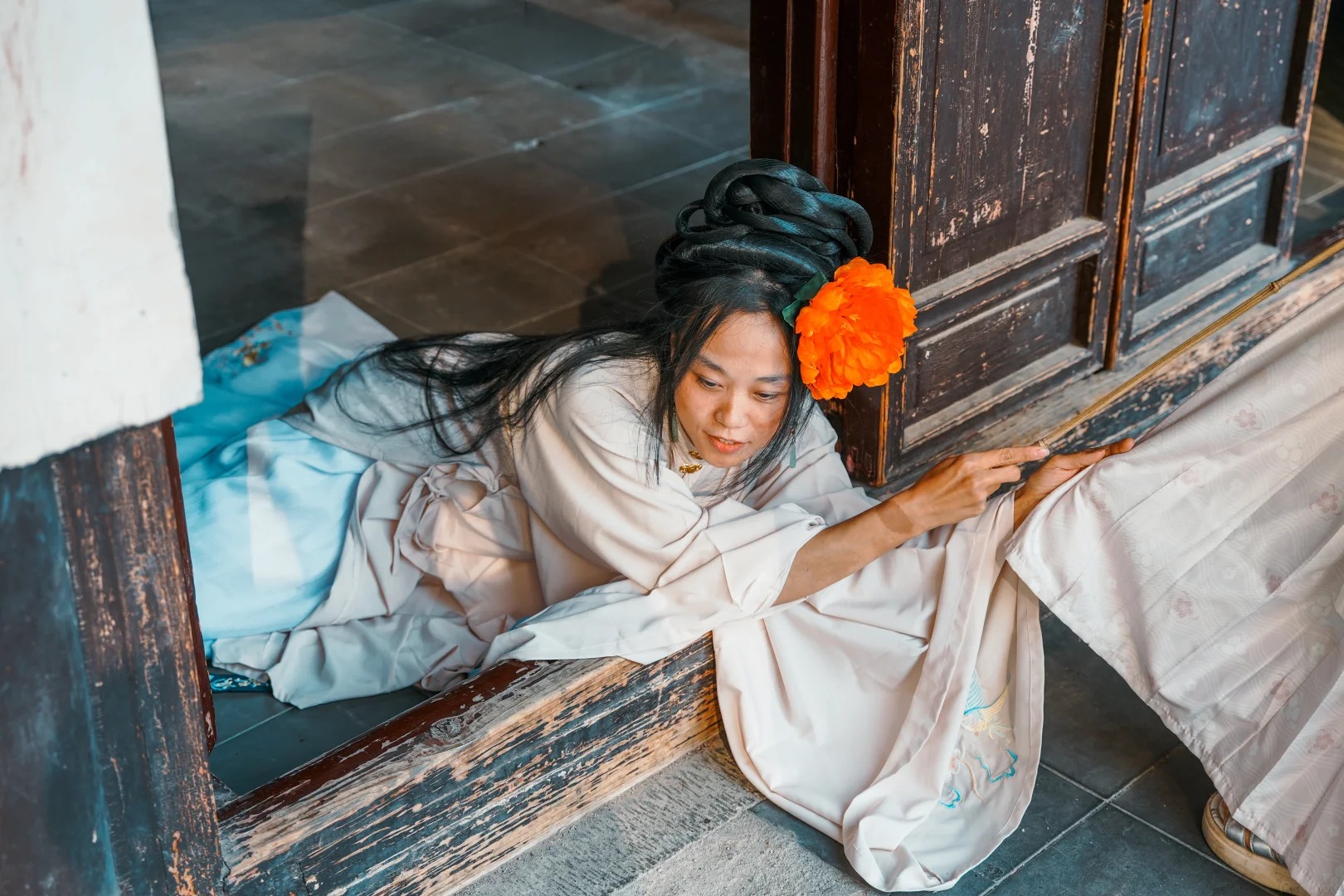
Smudged makeup, fake bruises, tangled hair: China’s Gen Z is trading empress glam for “discarded concubine” photoshoots inspired by the imperial Cold Palace — but why?

China’s historical photoshoot scene has always run on main character energy: phoenix crowns, flawless skin, full empress glow. Now some young people are booking the opposite role: the concubine the emperor forgot.
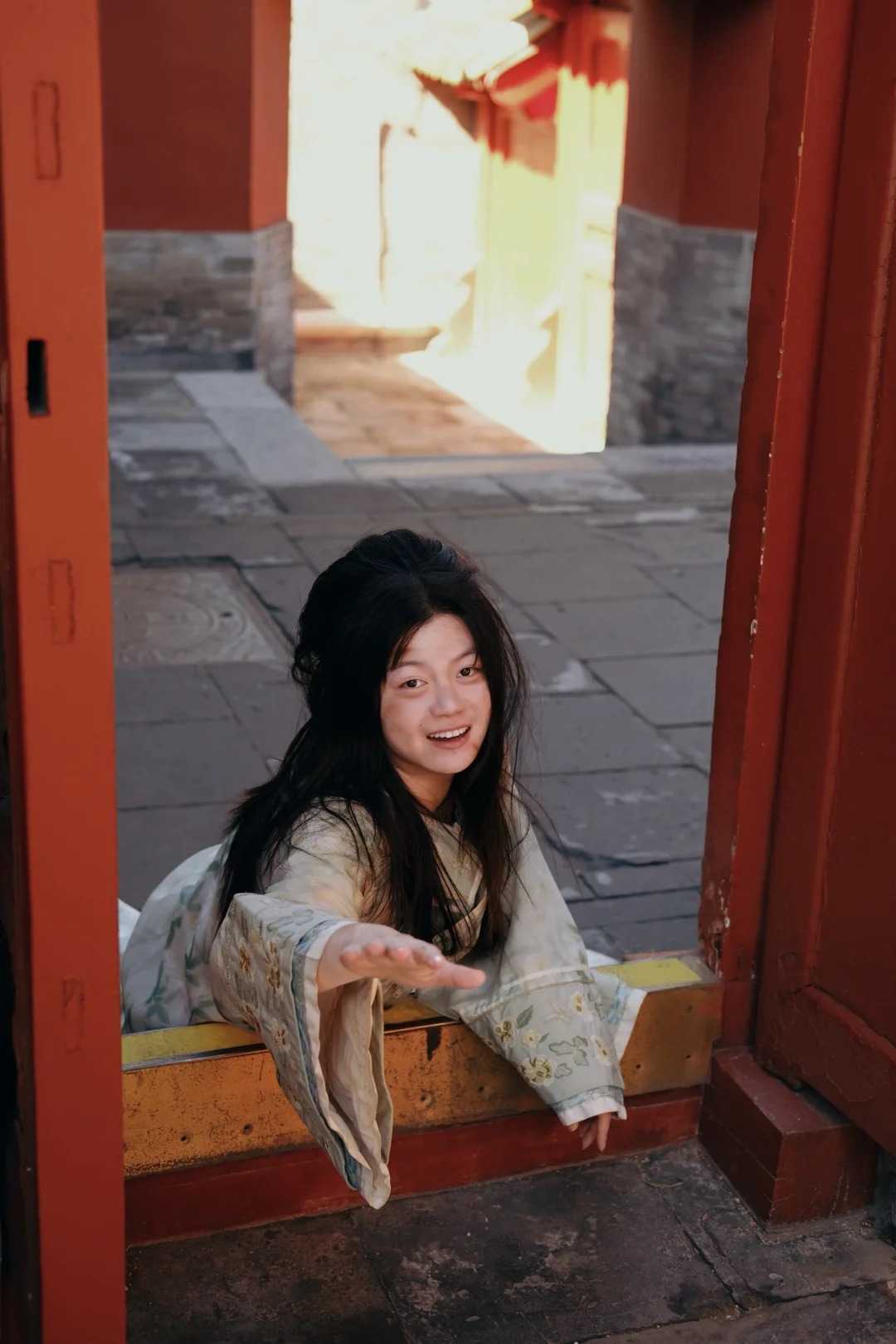
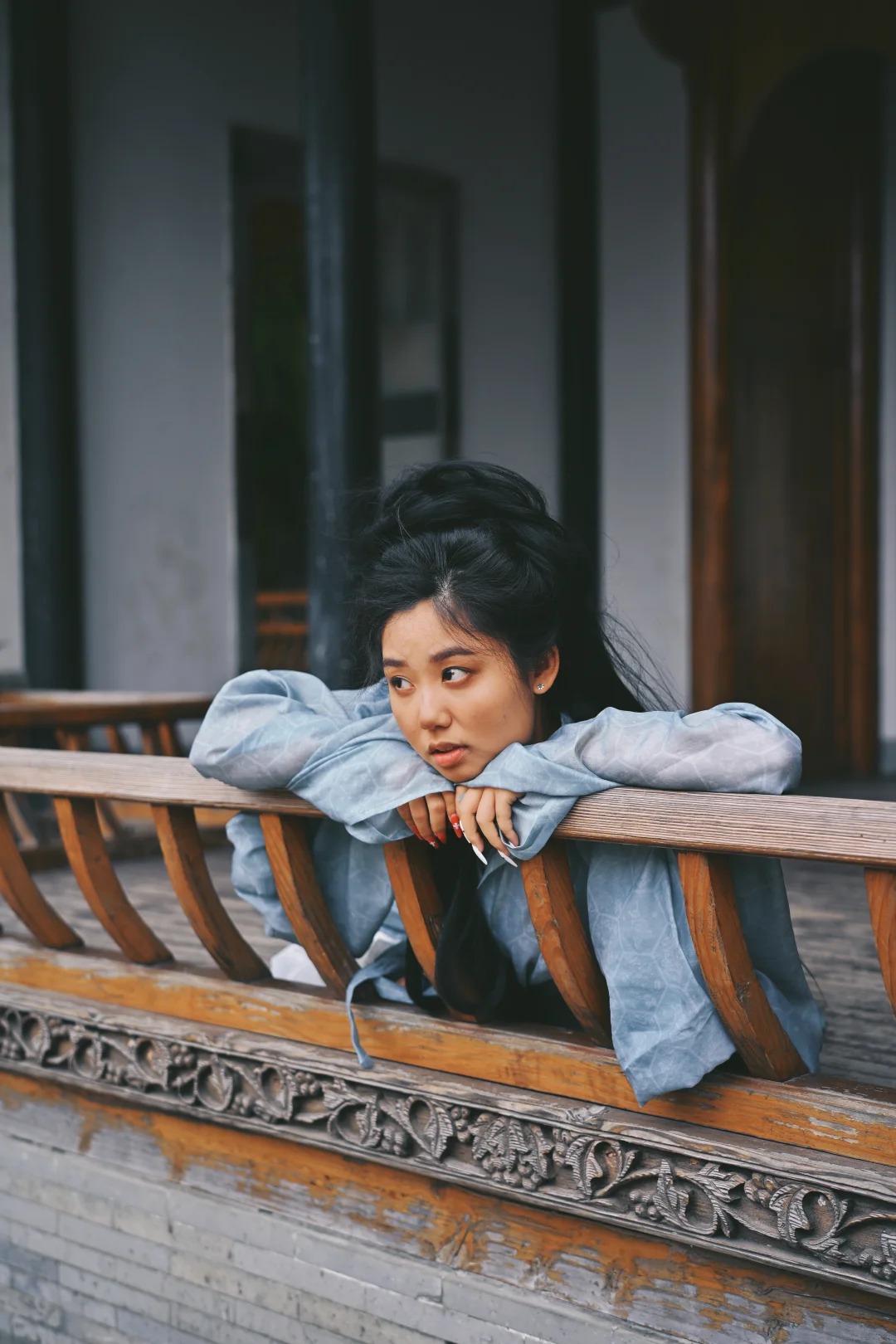
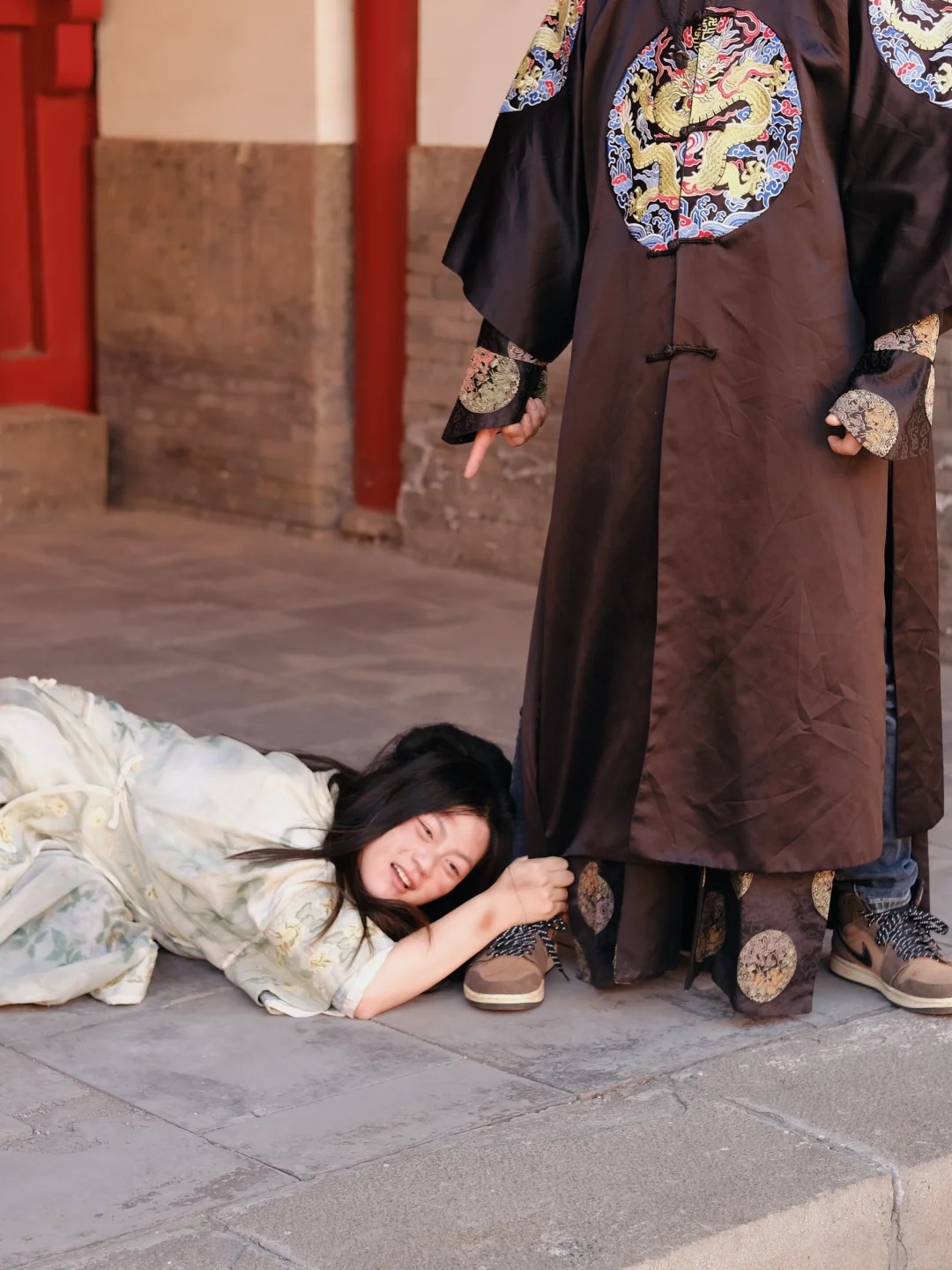
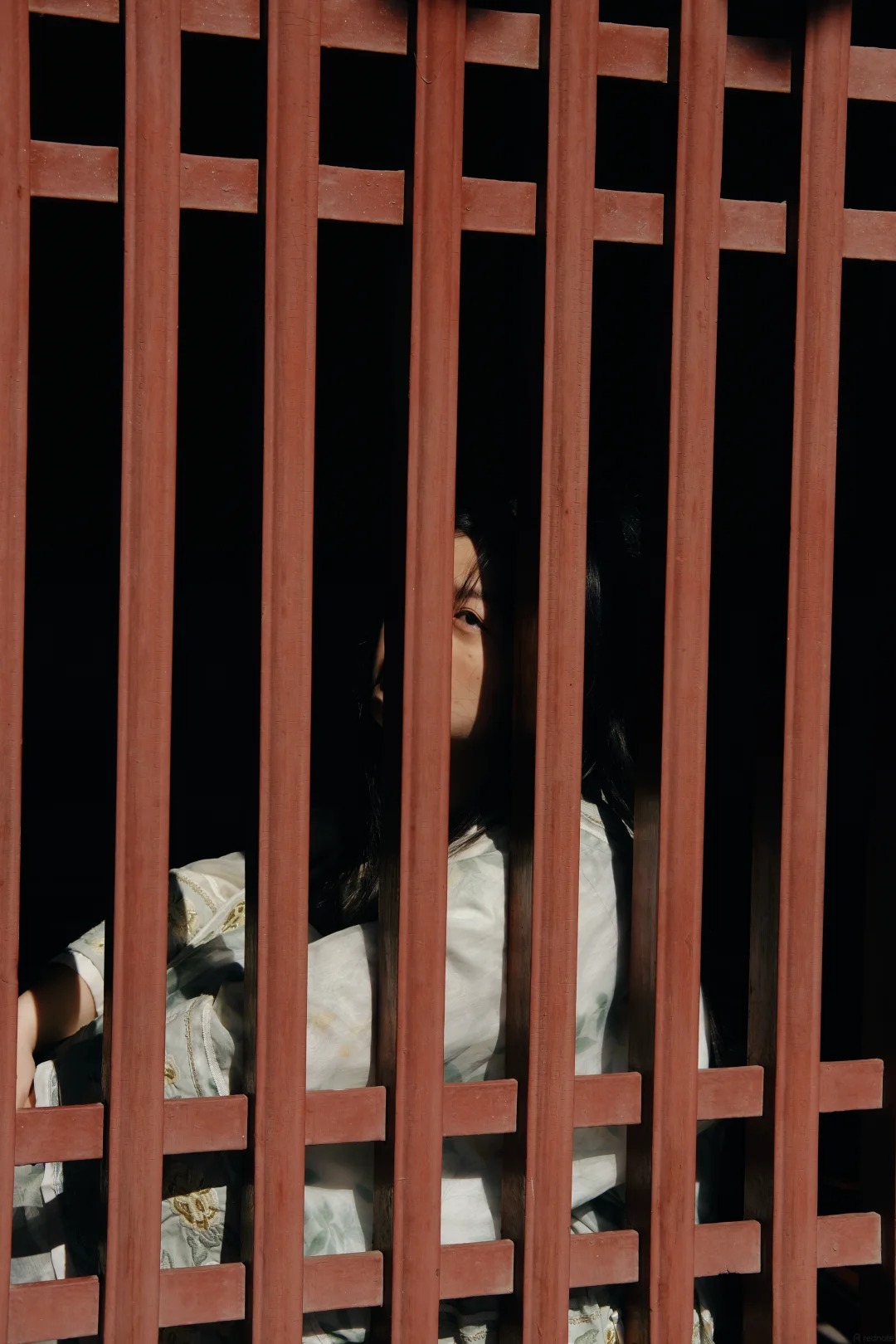
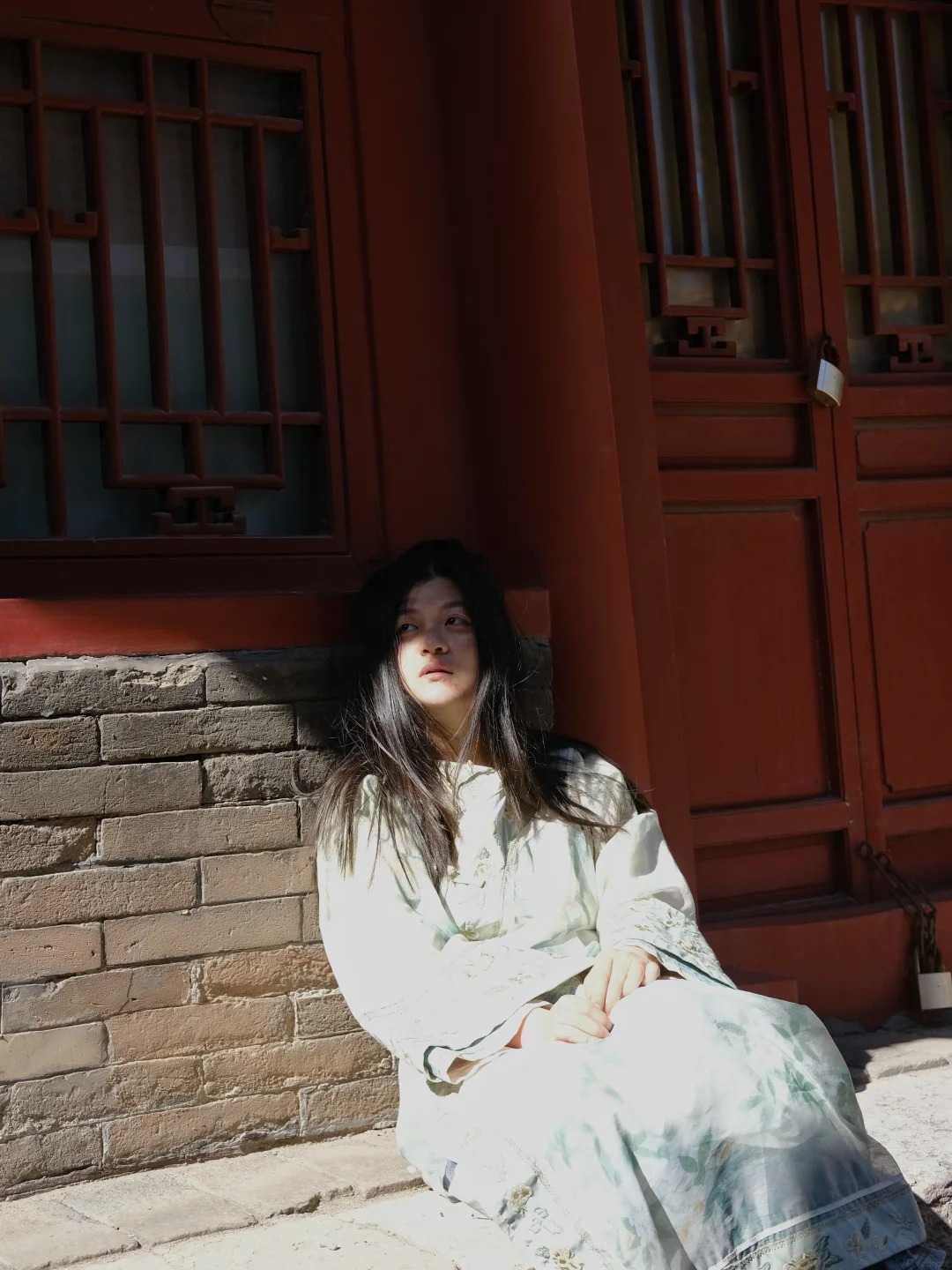
In clips circulating on social media, sitters pose in faded robes against weathered red walls, hair deliberately tangled, with makeup artists painting on bruises and tear-streaked cheeks. On Weibo, one hanfu shoot styled as a lenggong niangniang (冷宫娘娘, Cold Palace consort) had commenters calling the look niche and joking about paying good money to look this miserable.
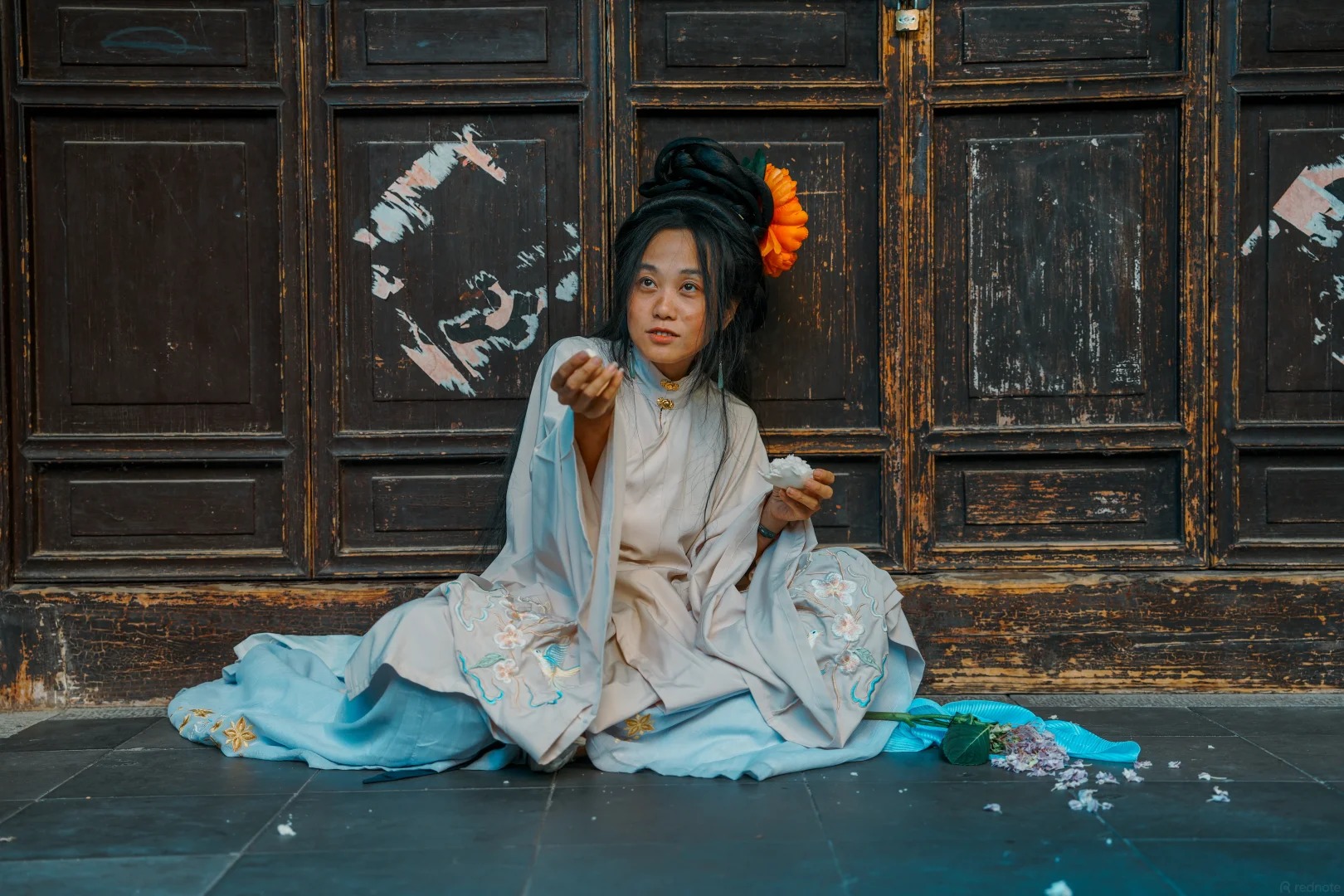
Image via Xiaohongshu/ZzDone.

The reference is grimly real. The lenggong (冷宫, Cold Palace) was never one building with a plaque on the door, but a catch-all for wherever out-of-favor consorts were confined across Chinese dynasties. Under the Ming Dynasty, Consort Zhang (张裕妃) was reportedly locked away without food, surviving on rainwater from the eaves. The Qing Dynasty’s Pearl Concubine (珍妃, Consort Zhen) was put under house arrest in 1898 and died in a Forbidden City well in 1900—on Empress Dowager Cixi’s orders, according to the most famous account.
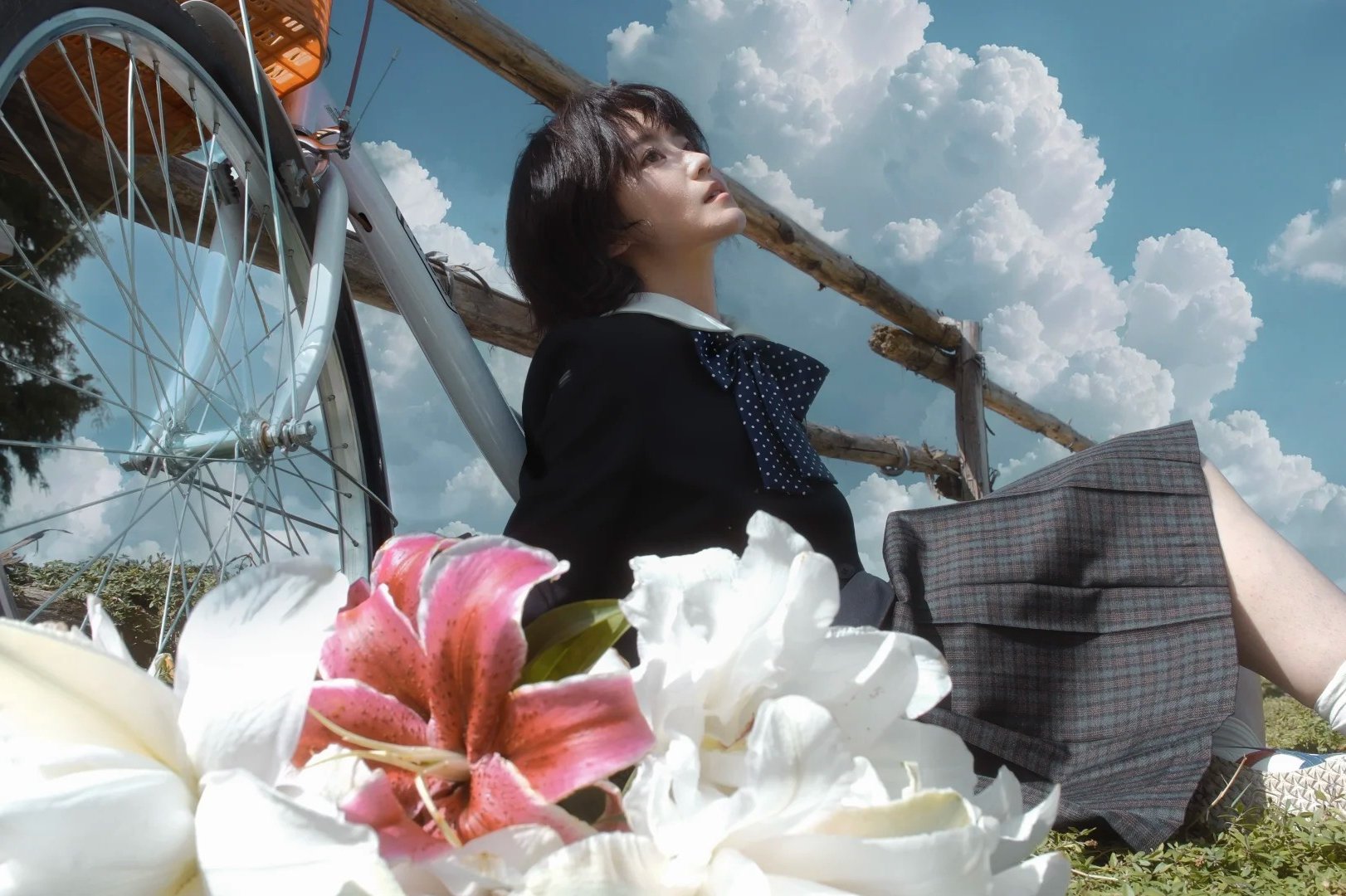
Pop culture has long sanded the edges off that history. Palace dramas like Story of Yanxi Palace turned harem politics into binge fodder, and Tencent’s new series Farm Busily in the Cold Palace reimagines banishment as a cozy farming fantasy.
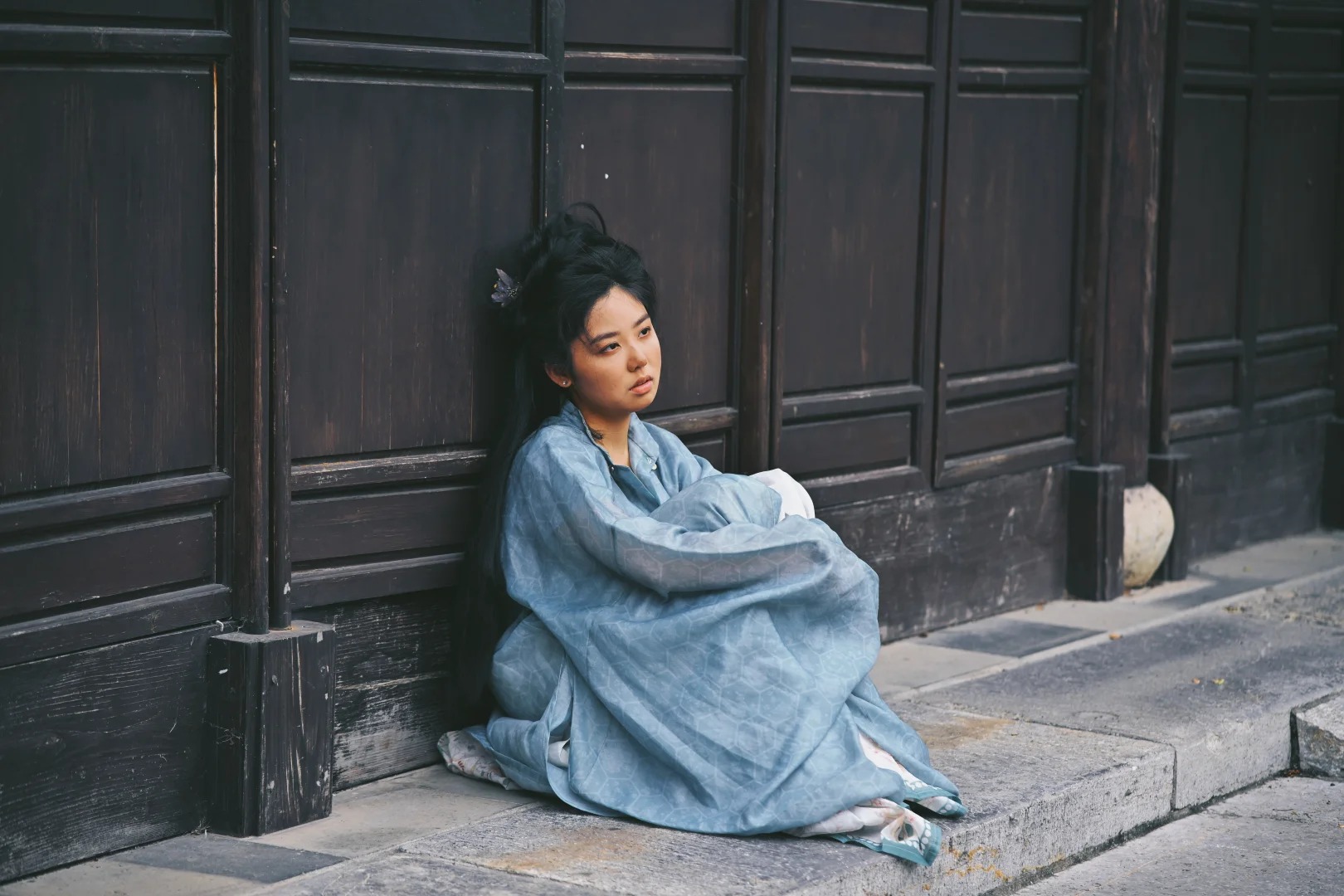
Image via Xiaohongshu/李大福子.

So why cosplay the loser? Call it the next plot twist in China’s photoshoot boom. After years of picture-perfect empresses, the discarded concubine—exhausted, sidelined, and finally off the palace-politics grind—might just be the more relatable main character.
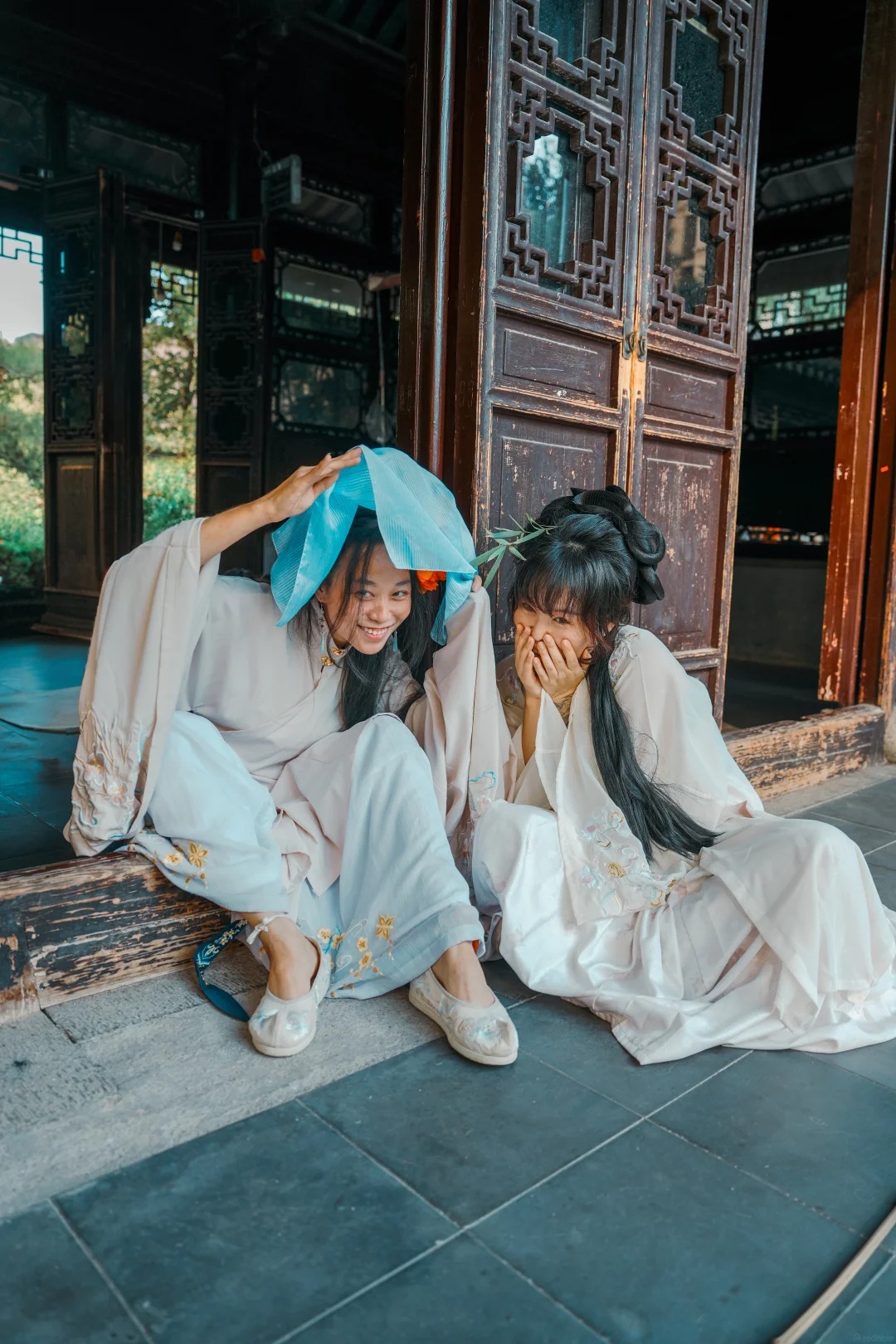
Cover image via Xiaohongshu/ZzDone.

NEWSLETTER

Get weekly top picks and exclusive, newsletter only content delivered straight to you inbox.

NEWSLETTER

Get weekly top picks and exclusive, newsletter only content delivered straight to you inbox.

RADII NEWSLETTER

Get weekly top picks and exclusive, newsletter only content delivered straight to you inbox

Feature image of Why Are China’s Youth Posing as Banished Concubines?

Why Are China’s Youth Posing as Banished Concubines?

2 mins read

Smudged makeup, fake bruises, tangled hair: China’s Gen Z is trading empress glam for “discarded concubine” photoshoots inspired by the imperial Cold Palace — but why?

China’s historical photoshoot scene has always run on main character energy: phoenix crowns, flawless skin, full empress glow. Now some young people are booking the opposite role: the concubine the emperor forgot.

In clips circulating on social media, sitters pose in faded robes against weathered red walls, hair deliberately tangled, with makeup artists painting on bruises and tear-streaked cheeks. On Weibo, one hanfu shoot styled as a lenggong niangniang (冷宫娘娘, Cold Palace consort) had commenters calling the look niche and joking about paying good money to look this miserable.

Image via Xiaohongshu/ZzDone.

The reference is grimly real. The lenggong (冷宫, Cold Palace) was never one building with a plaque on the door, but a catch-all for wherever out-of-favor consorts were confined across Chinese dynasties. Under the Ming Dynasty, Consort Zhang (张裕妃) was reportedly locked away without food, surviving on rainwater from the eaves. The Qing Dynasty’s Pearl Concubine (珍妃, Consort Zhen) was put under house arrest in 1898 and died in a Forbidden City well in 1900—on Empress Dowager Cixi’s orders, according to the most famous account.

Pop culture has long sanded the edges off that history. Palace dramas like Story of Yanxi Palace turned harem politics into binge fodder, and Tencent’s new series Farm Busily in the Cold Palace reimagines banishment as a cozy farming fantasy.

Image via Xiaohongshu/李大福子.

So why cosplay the loser? Call it the next plot twist in China’s photoshoot boom. After years of picture-perfect empresses, the discarded concubine—exhausted, sidelined, and finally off the palace-politics grind—might just be the more relatable main character.

Cover image via Xiaohongshu/ZzDone.
NEWSLETTER

Get weekly top picks and exclusive, newsletter only content delivered straight to you inbox.

RADII NEWSLETTER

Get weekly top picks and exclusive, newsletter only content delivered straight to you inbox

RELATED POSTS

Feature image of Why Are China’s Youth Posing as Banished Concubines?

Why Are China’s Youth Posing as Banished Concubines?

2 mins read

2 mins read

Feature image of Why Are China’s Youth Posing as Banished Concubines?
Smudged makeup, fake bruises, tangled hair: China’s Gen Z is trading empress glam for “discarded concubine” photoshoots inspired by the imperial Cold Palace — but why?

China’s historical photoshoot scene has always run on main character energy: phoenix crowns, flawless skin, full empress glow. Now some young people are booking the opposite role: the concubine the emperor forgot.

In clips circulating on social media, sitters pose in faded robes against weathered red walls, hair deliberately tangled, with makeup artists painting on bruises and tear-streaked cheeks. On Weibo, one hanfu shoot styled as a lenggong niangniang (冷宫娘娘, Cold Palace consort) had commenters calling the look niche and joking about paying good money to look this miserable.

Image via Xiaohongshu/ZzDone.

The reference is grimly real. The lenggong (冷宫, Cold Palace) was never one building with a plaque on the door, but a catch-all for wherever out-of-favor consorts were confined across Chinese dynasties. Under the Ming Dynasty, Consort Zhang (张裕妃) was reportedly locked away without food, surviving on rainwater from the eaves. The Qing Dynasty’s Pearl Concubine (珍妃, Consort Zhen) was put under house arrest in 1898 and died in a Forbidden City well in 1900—on Empress Dowager Cixi’s orders, according to the most famous account.

Pop culture has long sanded the edges off that history. Palace dramas like Story of Yanxi Palace turned harem politics into binge fodder, and Tencent’s new series Farm Busily in the Cold Palace reimagines banishment as a cozy farming fantasy.

Image via Xiaohongshu/李大福子.

So why cosplay the loser? Call it the next plot twist in China’s photoshoot boom. After years of picture-perfect empresses, the discarded concubine—exhausted, sidelined, and finally off the palace-politics grind—might just be the more relatable main character.

Cover image via Xiaohongshu/ZzDone.
NEWSLETTER

Get weekly top picks and exclusive, newsletter only content delivered straight to you inbox.

NEWSLETTER

Get weekly top picks and exclusive, newsletter only content delivered straight to you inbox.

RADII NEWSLETTER

Get weekly top picks and exclusive, newsletter only content delivered straight to you inbox

Feature image of Why Are China’s Youth Posing as Banished Concubines?

Why Are China’s Youth Posing as Banished Concubines?

2 mins read

Smudged makeup, fake bruises, tangled hair: China’s Gen Z is trading empress glam for “discarded concubine” photoshoots inspired by the imperial Cold Palace — but why?

China’s historical photoshoot scene has always run on main character energy: phoenix crowns, flawless skin, full empress glow. Now some young people are booking the opposite role: the concubine the emperor forgot.

In clips circulating on social media, sitters pose in faded robes against weathered red walls, hair deliberately tangled, with makeup artists painting on bruises and tear-streaked cheeks. On Weibo, one hanfu shoot styled as a lenggong niangniang (冷宫娘娘, Cold Palace consort) had commenters calling the look niche and joking about paying good money to look this miserable.

Image via Xiaohongshu/ZzDone.

The reference is grimly real. The lenggong (冷宫, Cold Palace) was never one building with a plaque on the door, but a catch-all for wherever out-of-favor consorts were confined across Chinese dynasties. Under the Ming Dynasty, Consort Zhang (张裕妃) was reportedly locked away without food, surviving on rainwater from the eaves. The Qing Dynasty’s Pearl Concubine (珍妃, Consort Zhen) was put under house arrest in 1898 and died in a Forbidden City well in 1900—on Empress Dowager Cixi’s orders, according to the most famous account.

Pop culture has long sanded the edges off that history. Palace dramas like Story of Yanxi Palace turned harem politics into binge fodder, and Tencent’s new series Farm Busily in the Cold Palace reimagines banishment as a cozy farming fantasy.

Image via Xiaohongshu/李大福子.

So why cosplay the loser? Call it the next plot twist in China’s photoshoot boom. After years of picture-perfect empresses, the discarded concubine—exhausted, sidelined, and finally off the palace-politics grind—might just be the more relatable main character.

Cover image via Xiaohongshu/ZzDone.

NEWSLETTER

Get weekly top picks and exclusive, newsletter only content delivered straight to you inbox.

RADII NEWSLETTER

Get weekly top picks and exclusive, newsletter only content delivered straight to you inbox

RADII newsletter pop up visual

NEWSLETTER​

Get weekly top picks and exclusive, newsletter only content delivered straight to you inbox

RADII Newsletter Pop Up small banner

NEWSLETTER

Get weekly top picks and exclusive, newsletter only content delivered straight to you inbox.

Link Copied!

Share

Feature image of Why Are China’s Youth Posing as Banished Concubines?

Why Are China’s Youth Posing as Banished Concubines?

Smudged makeup, fake bruises, tangled hair: China’s Gen Z is trading empress glam for “discarded concubine” photoshoots inspired by the imperial Cold Palace — but why?

PULSE

Tap into the latest in music, fashion, art, design, entertainment, pop culture, celebrity news, and contemporary culture

DISCOVER

Embark on a journey through food, travel, wellness, heritage, traditional culture, and lifestyle

STYLE

An insider’s look at the intersection of fashion, art, and design

FEAST

Titillate your taste buds with coverage of the best food and drink trends from China and beyond.

FUTURE

Explore the cutting edge in tech, AI, gadgets, gaming, and innovative tech-related products

FEAST

Titillate your taste buds with coverage of the best food and drink trends from China and beyond

STYLE

An insider’s look at the intersection of fashion, art, and design

PULSE

Unpacking Chinese youth culture through coverage of nightlife, film, sports, celebrities, and the hottest new music