

Feature image of Beyond Hollywood: How China’s AI Video Generators Are Hacking Global Culture

Beyond Hollywood: How China’s AI Video Generators Are Hacking Global Culture

3 mins read

3 mins read

Feature image of Beyond Hollywood: How China’s AI Video Generators Are Hacking Global Culture
With OpenAI's Sora stepping back, China's new wave of hyper-realistic AI video models like Seedance 2.0 aren't just creating cool clips—they're rewriting the rules of global soft power.

For almost a century, America’s greatest export wasn’t military tech or trade deals—it was the Hollywood narrative. For decades, Tinseltown was exporting a lifestyle, values, and the “American Dream” directly into global living rooms. But in the ultra-fast era of generative AI, the center of cultural gravity is shifting away from Los Angeles soundstages. The new frontier of global soft power? It’s sitting right inside the default creative software stacks built by Chinese tech giants.
RADII talks about how China AI Generated Videos are taking over Hollywood and reshaping global entertainment culture.

If you haven’t been paying attention to the AI video space recently, the landscape has flipped entirely. Remember OpenAI’s highly anticipated Sora? It officially shut down in March 2026. Meanwhile, China’s AI ecosystem has hit the accelerator. We’re no longer talking about slightly better text-to-video gimmickry. Models like Kuaishou’s Kling 3.0, Shengshu’s Vidu, and ByteDance’s Seedance 2.0 are now the definitive world-building engines.
RADII talks about how China AI Generated Videos are taking over Hollywood and reshaping global entertainment culture.
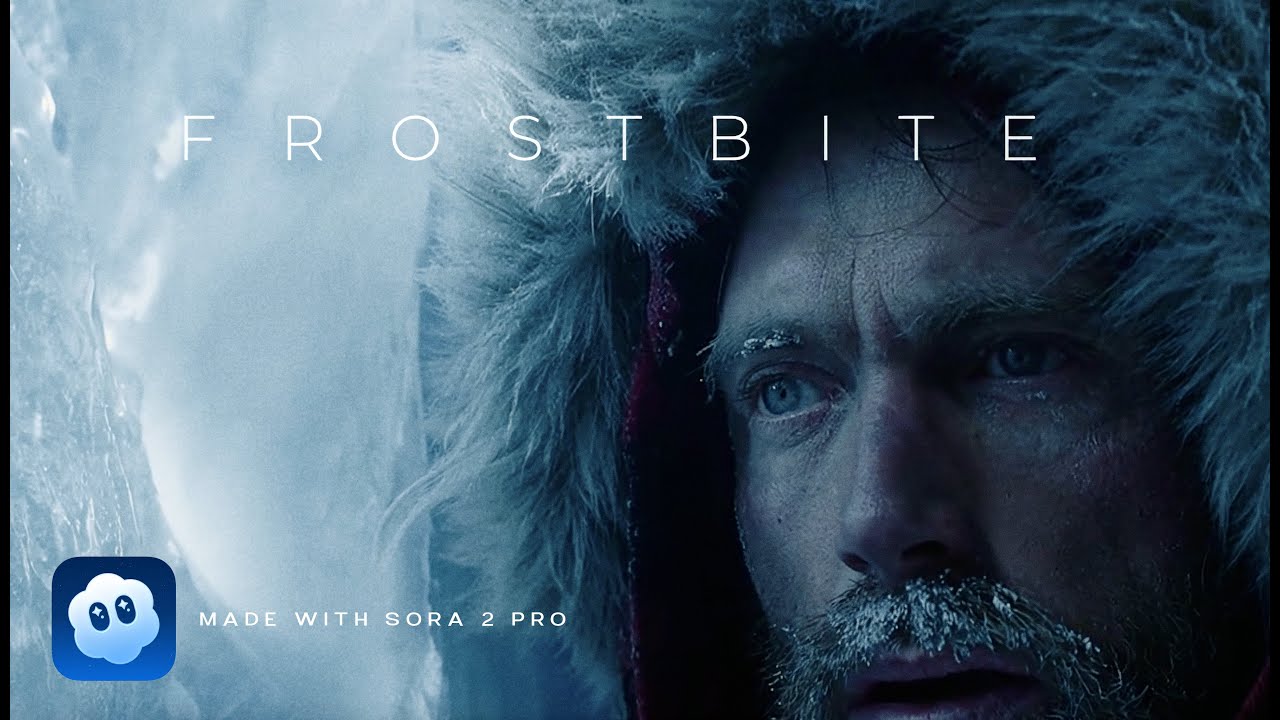
Snapshot of OpenAI’s Sora 12 Pro capabilities. Image via YouTube/AI Director Dave Clark.

While it’s easy to see these platforms as cool toys for niche creators, they are also multi-modal powerhouses that can generate 60-second-plus cinematic scenes in native 4K, maintain wild character consistency across complex cuts, and integrate 48kHz audio—all from a single, user-friendly interface. Vidu, for instance, is dropping mind-bending videos in roughly ten seconds. Kling 3.0 gives creators pixel-level motion brush controls that make indie filmmakers feel like high-budget directors. But here’s why this is a massive geopolitical earthquake: Accessibility.
RADII talks about how China AI Generated Videos are taking over Hollywood and reshaping global entertainment culture.
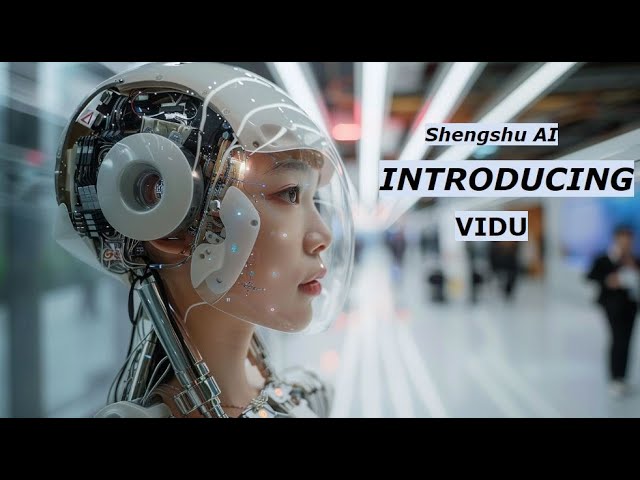
Snapshot of Shengshu’s Vidu capabilities. Image via YouTube RajemaTech Tamil.

Hollywood’s historic “moat” relied on massive budgets and exclusive distribution networks. Generative AI obliterates that. But while Western AI tools historically locked users behind expensive paywalls or geo-blocks, Chinese models are playing a different game. Offering aggressive pricing, free-tier access, and open-source variants, they are winning over the Global South and indie creators everywhere. Why pay massive subscription fees when Kling or Vidu let you create million-dollar-looking sequences for pocket change?

The strategic implication is profound. Video is the ultimate universal language. It bypasses literacy barriers and plugs directly into the dopamine receptors of Gen Z worldwide. When the most accessible and powerful tools to create these videos are Chinese, the foundational infrastructure of global storytelling changes hands.
RADII talks about how China AI Generated Videos are taking over Hollywood and reshaping global entertainment culture.
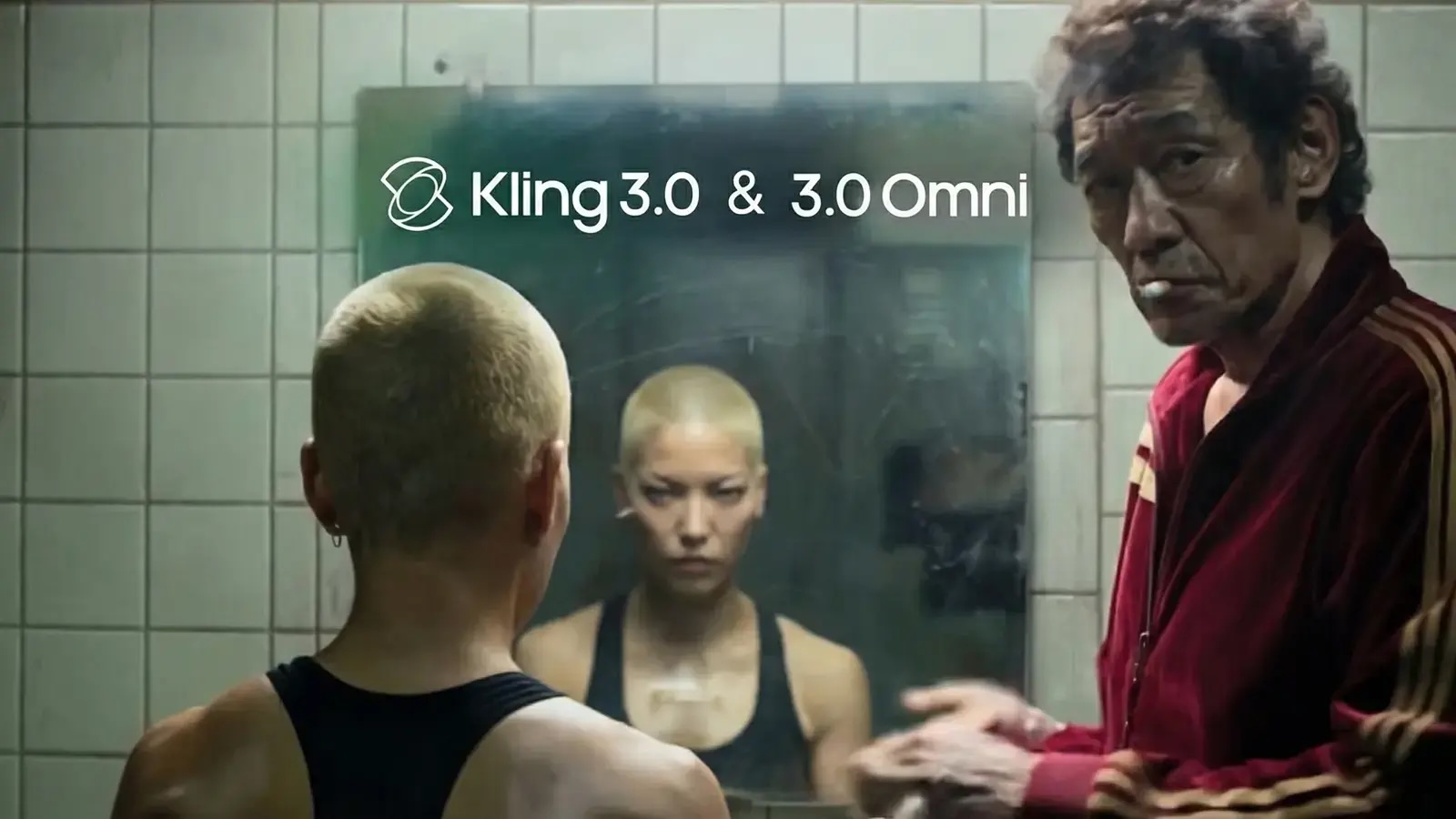
Snapshot of Kuaishou Technology’s Kling 3.0 capabilities. Image via All-AI.

However, this shift isn’t just about democratizing art. It’s also about narrative control. While these platforms unleash incredible creative potential, they are also embedded within a broader, state-backed technology strategy. Researchers have pointed out that many leading Chinese AI systems possess embedded guardrails—directives designed to keep content aligned with specific ideological boundaries.

When millions of global creators—from digital artists in Brazil to indie directors in Nigeria—default to Alibaba’s open-source video models or Kuaishou’s web platforms, they are operating within a new digital paradigm. Even if they are just making hyper-stylized anime edits or futuristic fashion reels, the underlying tech pipeline is no longer Western.
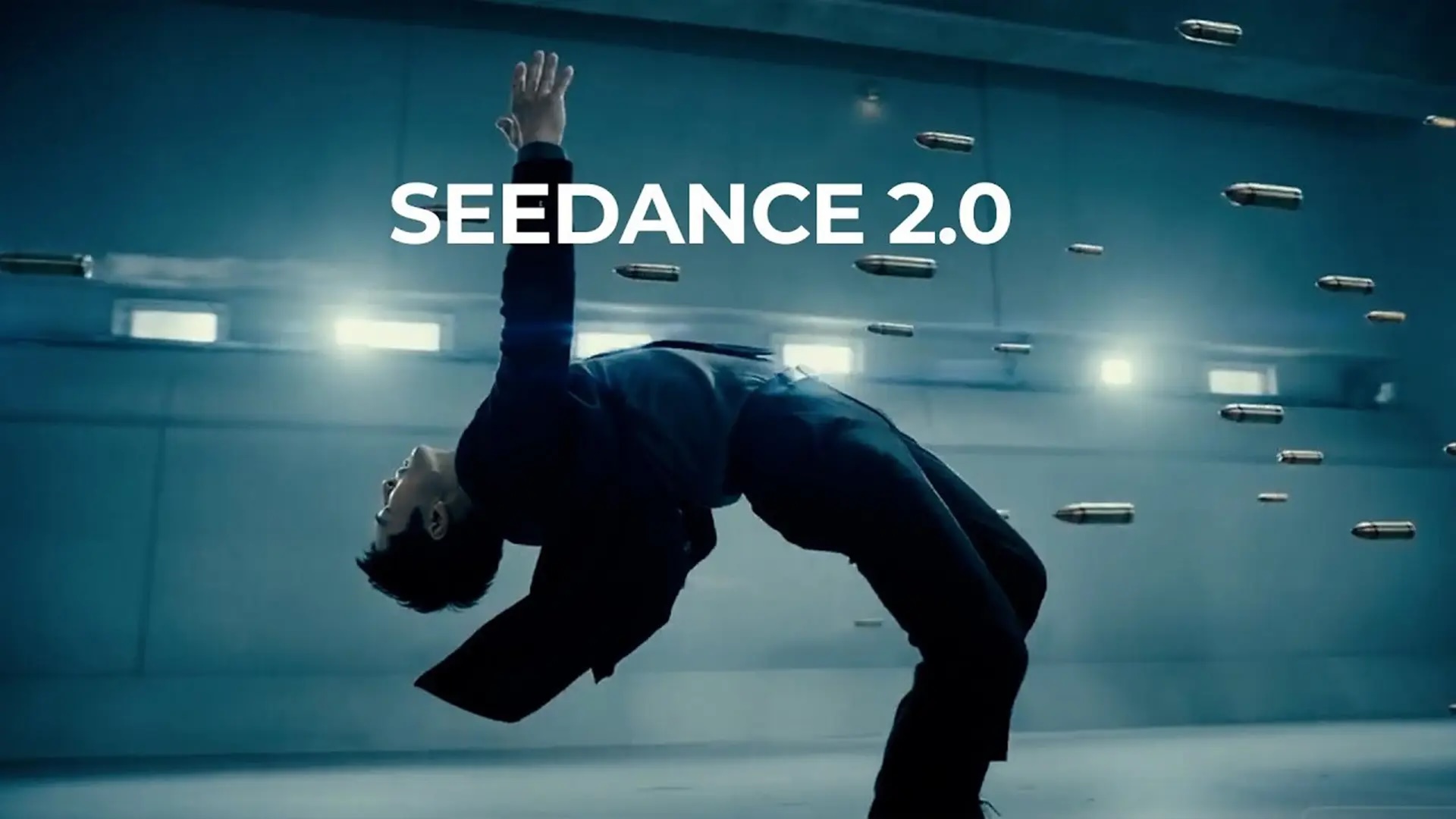
RADII talks about how China AI Generated Videos are taking over Hollywood and reshaping global entertainment culture.
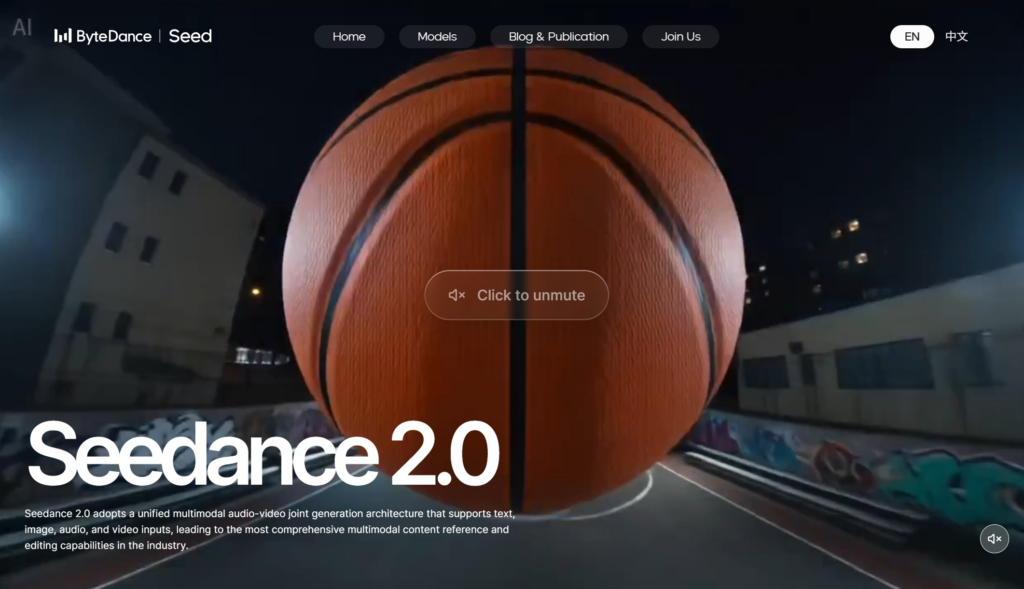
Snapshot of Bytedance’s Seedance 2.0 capabilities. Image via dev.au.

Hollywood isn’t going to vanish overnight, but its status as the default setting for global imagination is officially under siege. The narrative of the future isn’t going to be gatekept by a few studio executives in California. It’s going to be generated, rendered, and distributed by millions of decentralized creators, fueled by a Chinese-built AI supply chain.

For the global youth, the message is clear: the means of production have been radically democratized. But as we step into this new era of “cinematic sovereignty,” the real question is: Who actually controls the prompt? If you truly have been under a rock when it comes to AI-generated videos, check out just one of many AI short films that’s changing the entertainment industry—for good and bad—below:

Cover image via Facebook/Xiaoping Lee.
NEWSLETTER

Get weekly top picks and exclusive, newsletter only content delivered straight to you inbox.

NEWSLETTER

Get weekly top picks and exclusive, newsletter only content delivered straight to you inbox.

RADII NEWSLETTER

Get weekly top picks and exclusive, newsletter only content delivered straight to you inbox

Feature image of Beyond Hollywood: How China’s AI Video Generators Are Hacking Global Culture

Beyond Hollywood: How China’s AI Video Generators Are Hacking Global Culture

3 mins read

With OpenAI's Sora stepping back, China's new wave of hyper-realistic AI video models like Seedance 2.0 aren't just creating cool clips—they're rewriting the rules of global soft power.

For almost a century, America’s greatest export wasn’t military tech or trade deals—it was the Hollywood narrative. For decades, Tinseltown was exporting a lifestyle, values, and the “American Dream” directly into global living rooms. But in the ultra-fast era of generative AI, the center of cultural gravity is shifting away from Los Angeles soundstages. The new frontier of global soft power? It’s sitting right inside the default creative software stacks built by Chinese tech giants.

RADII talks about how China AI Generated Videos are taking over Hollywood and reshaping global entertainment culture.

If you haven’t been paying attention to the AI video space recently, the landscape has flipped entirely. Remember OpenAI’s highly anticipated Sora? It officially shut down in March 2026. Meanwhile, China’s AI ecosystem has hit the accelerator. We’re no longer talking about slightly better text-to-video gimmickry. Models like Kuaishou’s Kling 3.0, Shengshu’s Vidu, and ByteDance’s Seedance 2.0 are now the definitive world-building engines.

RADII talks about how China AI Generated Videos are taking over Hollywood and reshaping global entertainment culture.
Snapshot of OpenAI’s Sora 12 Pro capabilities. Image via YouTube/AI Director Dave Clark.

While it’s easy to see these platforms as cool toys for niche creators, they are also multi-modal powerhouses that can generate 60-second-plus cinematic scenes in native 4K, maintain wild character consistency across complex cuts, and integrate 48kHz audio—all from a single, user-friendly interface. Vidu, for instance, is dropping mind-bending videos in roughly ten seconds. Kling 3.0 gives creators pixel-level motion brush controls that make indie filmmakers feel like high-budget directors. But here’s why this is a massive geopolitical earthquake: Accessibility.

RADII talks about how China AI Generated Videos are taking over Hollywood and reshaping global entertainment culture.
Snapshot of Shengshu’s Vidu capabilities. Image via YouTube RajemaTech Tamil.

Hollywood’s historic “moat” relied on massive budgets and exclusive distribution networks. Generative AI obliterates that. But while Western AI tools historically locked users behind expensive paywalls or geo-blocks, Chinese models are playing a different game. Offering aggressive pricing, free-tier access, and open-source variants, they are winning over the Global South and indie creators everywhere. Why pay massive subscription fees when Kling or Vidu let you create million-dollar-looking sequences for pocket change?

The strategic implication is profound. Video is the ultimate universal language. It bypasses literacy barriers and plugs directly into the dopamine receptors of Gen Z worldwide. When the most accessible and powerful tools to create these videos are Chinese, the foundational infrastructure of global storytelling changes hands.

RADII talks about how China AI Generated Videos are taking over Hollywood and reshaping global entertainment culture.
Snapshot of Kuaishou Technology’s Kling 3.0 capabilities. Image via All-AI.

However, this shift isn’t just about democratizing art. It’s also about narrative control. While these platforms unleash incredible creative potential, they are also embedded within a broader, state-backed technology strategy. Researchers have pointed out that many leading Chinese AI systems possess embedded guardrails—directives designed to keep content aligned with specific ideological boundaries.

When millions of global creators—from digital artists in Brazil to indie directors in Nigeria—default to Alibaba’s open-source video models or Kuaishou’s web platforms, they are operating within a new digital paradigm. Even if they are just making hyper-stylized anime edits or futuristic fashion reels, the underlying tech pipeline is no longer Western.

RADII talks about how China AI Generated Videos are taking over Hollywood and reshaping global entertainment culture.
Snapshot of Bytedance’s Seedance 2.0 capabilities. Image via dev.au.

Hollywood isn’t going to vanish overnight, but its status as the default setting for global imagination is officially under siege. The narrative of the future isn’t going to be gatekept by a few studio executives in California. It’s going to be generated, rendered, and distributed by millions of decentralized creators, fueled by a Chinese-built AI supply chain.

For the global youth, the message is clear: the means of production have been radically democratized. But as we step into this new era of “cinematic sovereignty,” the real question is: Who actually controls the prompt? If you truly have been under a rock when it comes to AI-generated videos, check out just one of many AI short films that’s changing the entertainment industry—for good and bad—below:

Cover image via Facebook/Xiaoping Lee.
NEWSLETTER

Get weekly top picks and exclusive, newsletter only content delivered straight to you inbox.

RADII NEWSLETTER

Get weekly top picks and exclusive, newsletter only content delivered straight to you inbox

RELATED POSTS

Feature image of Beyond Hollywood: How China’s AI Video Generators Are Hacking Global Culture

Beyond Hollywood: How China’s AI Video Generators Are Hacking Global Culture

3 mins read

3 mins read

Feature image of Beyond Hollywood: How China’s AI Video Generators Are Hacking Global Culture
With OpenAI's Sora stepping back, China's new wave of hyper-realistic AI video models like Seedance 2.0 aren't just creating cool clips—they're rewriting the rules of global soft power.

For almost a century, America’s greatest export wasn’t military tech or trade deals—it was the Hollywood narrative. For decades, Tinseltown was exporting a lifestyle, values, and the “American Dream” directly into global living rooms. But in the ultra-fast era of generative AI, the center of cultural gravity is shifting away from Los Angeles soundstages. The new frontier of global soft power? It’s sitting right inside the default creative software stacks built by Chinese tech giants.

RADII talks about how China AI Generated Videos are taking over Hollywood and reshaping global entertainment culture.

If you haven’t been paying attention to the AI video space recently, the landscape has flipped entirely. Remember OpenAI’s highly anticipated Sora? It officially shut down in March 2026. Meanwhile, China’s AI ecosystem has hit the accelerator. We’re no longer talking about slightly better text-to-video gimmickry. Models like Kuaishou’s Kling 3.0, Shengshu’s Vidu, and ByteDance’s Seedance 2.0 are now the definitive world-building engines.

RADII talks about how China AI Generated Videos are taking over Hollywood and reshaping global entertainment culture.
Snapshot of OpenAI’s Sora 12 Pro capabilities. Image via YouTube/AI Director Dave Clark.

While it’s easy to see these platforms as cool toys for niche creators, they are also multi-modal powerhouses that can generate 60-second-plus cinematic scenes in native 4K, maintain wild character consistency across complex cuts, and integrate 48kHz audio—all from a single, user-friendly interface. Vidu, for instance, is dropping mind-bending videos in roughly ten seconds. Kling 3.0 gives creators pixel-level motion brush controls that make indie filmmakers feel like high-budget directors. But here’s why this is a massive geopolitical earthquake: Accessibility.

RADII talks about how China AI Generated Videos are taking over Hollywood and reshaping global entertainment culture.
Snapshot of Shengshu’s Vidu capabilities. Image via YouTube RajemaTech Tamil.

Hollywood’s historic “moat” relied on massive budgets and exclusive distribution networks. Generative AI obliterates that. But while Western AI tools historically locked users behind expensive paywalls or geo-blocks, Chinese models are playing a different game. Offering aggressive pricing, free-tier access, and open-source variants, they are winning over the Global South and indie creators everywhere. Why pay massive subscription fees when Kling or Vidu let you create million-dollar-looking sequences for pocket change?

The strategic implication is profound. Video is the ultimate universal language. It bypasses literacy barriers and plugs directly into the dopamine receptors of Gen Z worldwide. When the most accessible and powerful tools to create these videos are Chinese, the foundational infrastructure of global storytelling changes hands.

RADII talks about how China AI Generated Videos are taking over Hollywood and reshaping global entertainment culture.
Snapshot of Kuaishou Technology’s Kling 3.0 capabilities. Image via All-AI.

However, this shift isn’t just about democratizing art. It’s also about narrative control. While these platforms unleash incredible creative potential, they are also embedded within a broader, state-backed technology strategy. Researchers have pointed out that many leading Chinese AI systems possess embedded guardrails—directives designed to keep content aligned with specific ideological boundaries.

When millions of global creators—from digital artists in Brazil to indie directors in Nigeria—default to Alibaba’s open-source video models or Kuaishou’s web platforms, they are operating within a new digital paradigm. Even if they are just making hyper-stylized anime edits or futuristic fashion reels, the underlying tech pipeline is no longer Western.

RADII talks about how China AI Generated Videos are taking over Hollywood and reshaping global entertainment culture.
Snapshot of Bytedance’s Seedance 2.0 capabilities. Image via dev.au.

Hollywood isn’t going to vanish overnight, but its status as the default setting for global imagination is officially under siege. The narrative of the future isn’t going to be gatekept by a few studio executives in California. It’s going to be generated, rendered, and distributed by millions of decentralized creators, fueled by a Chinese-built AI supply chain.

For the global youth, the message is clear: the means of production have been radically democratized. But as we step into this new era of “cinematic sovereignty,” the real question is: Who actually controls the prompt? If you truly have been under a rock when it comes to AI-generated videos, check out just one of many AI short films that’s changing the entertainment industry—for good and bad—below:

Cover image via Facebook/Xiaoping Lee.
NEWSLETTER

Get weekly top picks and exclusive, newsletter only content delivered straight to you inbox.

NEWSLETTER

Get weekly top picks and exclusive, newsletter only content delivered straight to you inbox.

RADII NEWSLETTER

Get weekly top picks and exclusive, newsletter only content delivered straight to you inbox

Feature image of Beyond Hollywood: How China’s AI Video Generators Are Hacking Global Culture

Beyond Hollywood: How China’s AI Video Generators Are Hacking Global Culture

3 mins read

With OpenAI's Sora stepping back, China's new wave of hyper-realistic AI video models like Seedance 2.0 aren't just creating cool clips—they're rewriting the rules of global soft power.

For almost a century, America’s greatest export wasn’t military tech or trade deals—it was the Hollywood narrative. For decades, Tinseltown was exporting a lifestyle, values, and the “American Dream” directly into global living rooms. But in the ultra-fast era of generative AI, the center of cultural gravity is shifting away from Los Angeles soundstages. The new frontier of global soft power? It’s sitting right inside the default creative software stacks built by Chinese tech giants.

RADII talks about how China AI Generated Videos are taking over Hollywood and reshaping global entertainment culture.

If you haven’t been paying attention to the AI video space recently, the landscape has flipped entirely. Remember OpenAI’s highly anticipated Sora? It officially shut down in March 2026. Meanwhile, China’s AI ecosystem has hit the accelerator. We’re no longer talking about slightly better text-to-video gimmickry. Models like Kuaishou’s Kling 3.0, Shengshu’s Vidu, and ByteDance’s Seedance 2.0 are now the definitive world-building engines.

RADII talks about how China AI Generated Videos are taking over Hollywood and reshaping global entertainment culture.
Snapshot of OpenAI’s Sora 12 Pro capabilities. Image via YouTube/AI Director Dave Clark.

While it’s easy to see these platforms as cool toys for niche creators, they are also multi-modal powerhouses that can generate 60-second-plus cinematic scenes in native 4K, maintain wild character consistency across complex cuts, and integrate 48kHz audio—all from a single, user-friendly interface. Vidu, for instance, is dropping mind-bending videos in roughly ten seconds. Kling 3.0 gives creators pixel-level motion brush controls that make indie filmmakers feel like high-budget directors. But here’s why this is a massive geopolitical earthquake: Accessibility.

RADII talks about how China AI Generated Videos are taking over Hollywood and reshaping global entertainment culture.
Snapshot of Shengshu’s Vidu capabilities. Image via YouTube RajemaTech Tamil.

Hollywood’s historic “moat” relied on massive budgets and exclusive distribution networks. Generative AI obliterates that. But while Western AI tools historically locked users behind expensive paywalls or geo-blocks, Chinese models are playing a different game. Offering aggressive pricing, free-tier access, and open-source variants, they are winning over the Global South and indie creators everywhere. Why pay massive subscription fees when Kling or Vidu let you create million-dollar-looking sequences for pocket change?

The strategic implication is profound. Video is the ultimate universal language. It bypasses literacy barriers and plugs directly into the dopamine receptors of Gen Z worldwide. When the most accessible and powerful tools to create these videos are Chinese, the foundational infrastructure of global storytelling changes hands.

RADII talks about how China AI Generated Videos are taking over Hollywood and reshaping global entertainment culture.
Snapshot of Kuaishou Technology’s Kling 3.0 capabilities. Image via All-AI.

However, this shift isn’t just about democratizing art. It’s also about narrative control. While these platforms unleash incredible creative potential, they are also embedded within a broader, state-backed technology strategy. Researchers have pointed out that many leading Chinese AI systems possess embedded guardrails—directives designed to keep content aligned with specific ideological boundaries.

When millions of global creators—from digital artists in Brazil to indie directors in Nigeria—default to Alibaba’s open-source video models or Kuaishou’s web platforms, they are operating within a new digital paradigm. Even if they are just making hyper-stylized anime edits or futuristic fashion reels, the underlying tech pipeline is no longer Western.

RADII talks about how China AI Generated Videos are taking over Hollywood and reshaping global entertainment culture.
Snapshot of Bytedance’s Seedance 2.0 capabilities. Image via dev.au.

Hollywood isn’t going to vanish overnight, but its status as the default setting for global imagination is officially under siege. The narrative of the future isn’t going to be gatekept by a few studio executives in California. It’s going to be generated, rendered, and distributed by millions of decentralized creators, fueled by a Chinese-built AI supply chain.

For the global youth, the message is clear: the means of production have been radically democratized. But as we step into this new era of “cinematic sovereignty,” the real question is: Who actually controls the prompt? If you truly have been under a rock when it comes to AI-generated videos, check out just one of many AI short films that’s changing the entertainment industry—for good and bad—below:

Cover image via Facebook/Xiaoping Lee.
NEWSLETTER

Get weekly top picks and exclusive, newsletter only content delivered straight to you inbox.

RADII NEWSLETTER

Get weekly top picks and exclusive, newsletter only content delivered straight to you inbox

RADII newsletter pop up visual

NEWSLETTER​

Get weekly top picks and exclusive, newsletter only content delivered straight to you inbox

RADII Newsletter Pop Up small banner

NEWSLETTER

Get weekly top picks and exclusive, newsletter only content delivered straight to you inbox.

Link Copied!

Share

Feature image of Beyond Hollywood: How China’s AI Video Generators Are Hacking Global Culture

Beyond Hollywood: How China’s AI Video Generators Are Hacking Global Culture

With OpenAI's Sora stepping back, China's new wave of hyper-realistic AI video models like Seedance 2.0 aren't just creating cool clips—they're rewriting the rules of global soft power.

PULSE

Tap into the latest in music, fashion, art, design, entertainment, pop culture, celebrity news, and contemporary culture

DISCOVER

Embark on a journey through food, travel, wellness, heritage, traditional culture, and lifestyle

STYLE

An insider’s look at the intersection of fashion, art, and design

FEAST

Titillate your taste buds with coverage of the best food and drink trends from China and beyond.

FUTURE

Explore the cutting edge in tech, AI, gadgets, gaming, and innovative tech-related products

FEAST

Titillate your taste buds with coverage of the best food and drink trends from China and beyond

STYLE

An insider’s look at the intersection of fashion, art, and design

PULSE

Unpacking Chinese youth culture through coverage of nightlife, film, sports, celebrities, and the hottest new music