
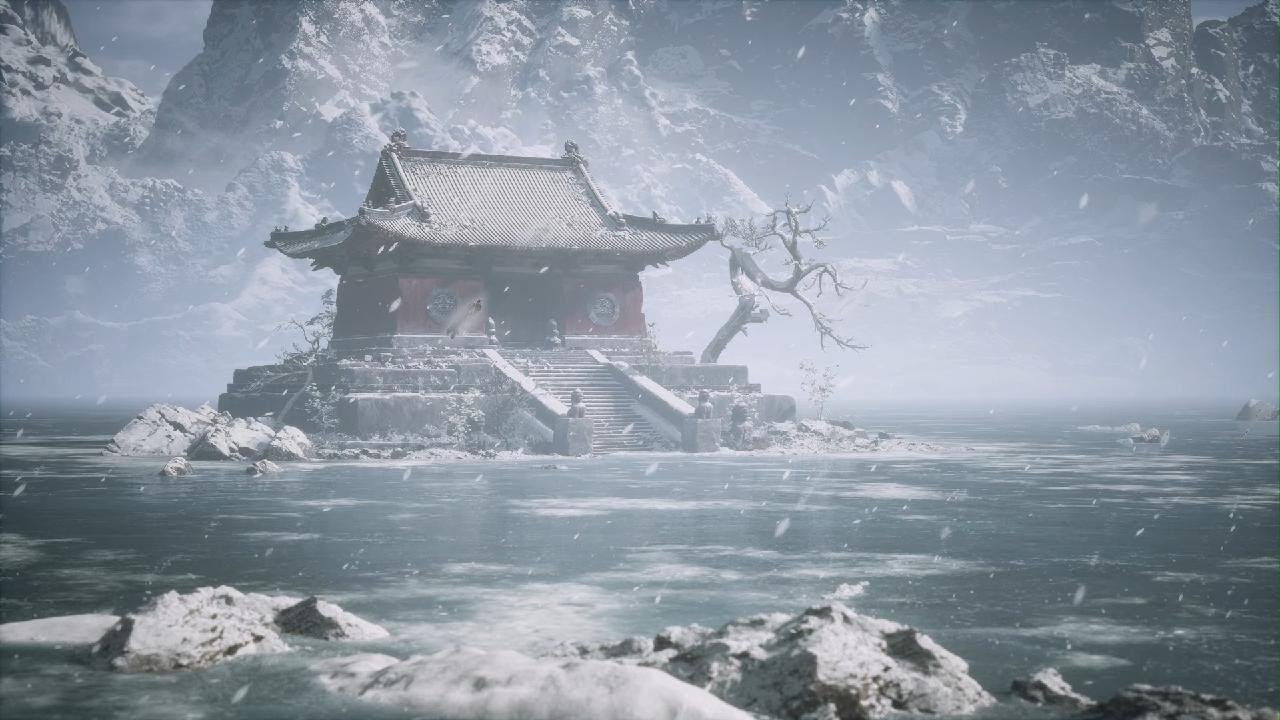
Black Myth: Wukong has been out for nearly two years now. During this time, Shanxi Province has experienced an unexpected cultural boom. Once a relatively overlooked domestic travel destination, it has become crowded with visitors, including international tourists drawn by Shanxi’s unique tradition of wooden temple architecture.
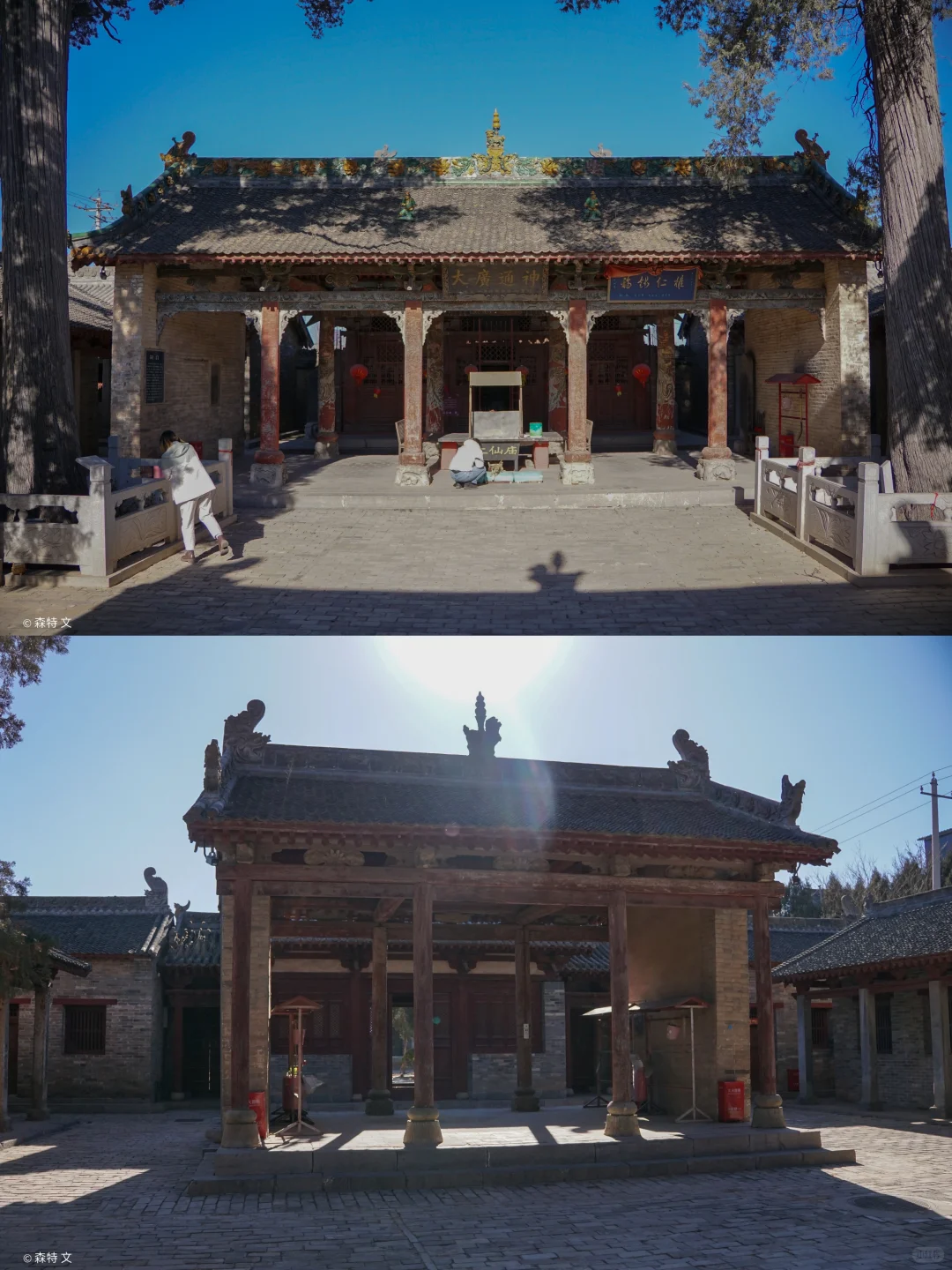
Among these sites stands Erxian Temple (二仙庙), a shrine whose worship tradition mainly survives in southeastern Shanxi and in border regions between Shanxi and neighboring Henan. But did you know that the erxian (二仙, literally meaning “two immortals”) enshrined here are believed to have been two young girls who became deities after being killed by their stepmother?
The legend dates back to the Tang Dynasty. At the time, social customs were highly patriarchal. If a man’s wife died, remarriage was considered necessary to maintain the household. According to local folklore, the two girls were born from their father’s first marriage. After their mother passed away, their father remarried, and the new wife treated them harshly.
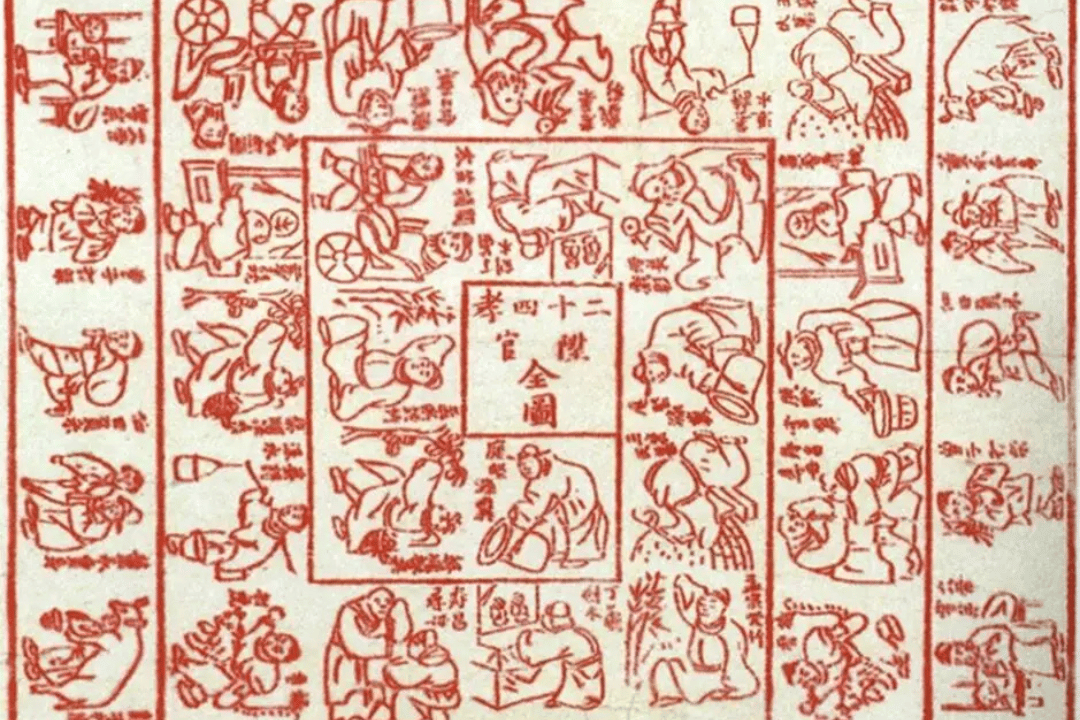
One of the most well-known stories tells how, even in the middle of winter, the stepmother forced the girls to climb mountains to gather mushrooms. Despite this cruelty, the sisters endured quietly, believing that filial piety was a fundamental virtue deeply rooted in Chinese culture. They continued to respect and obey their parents, and one day, while descending the mountain, they were said to have ascended into immortality. This moment marks the origin of the legend.
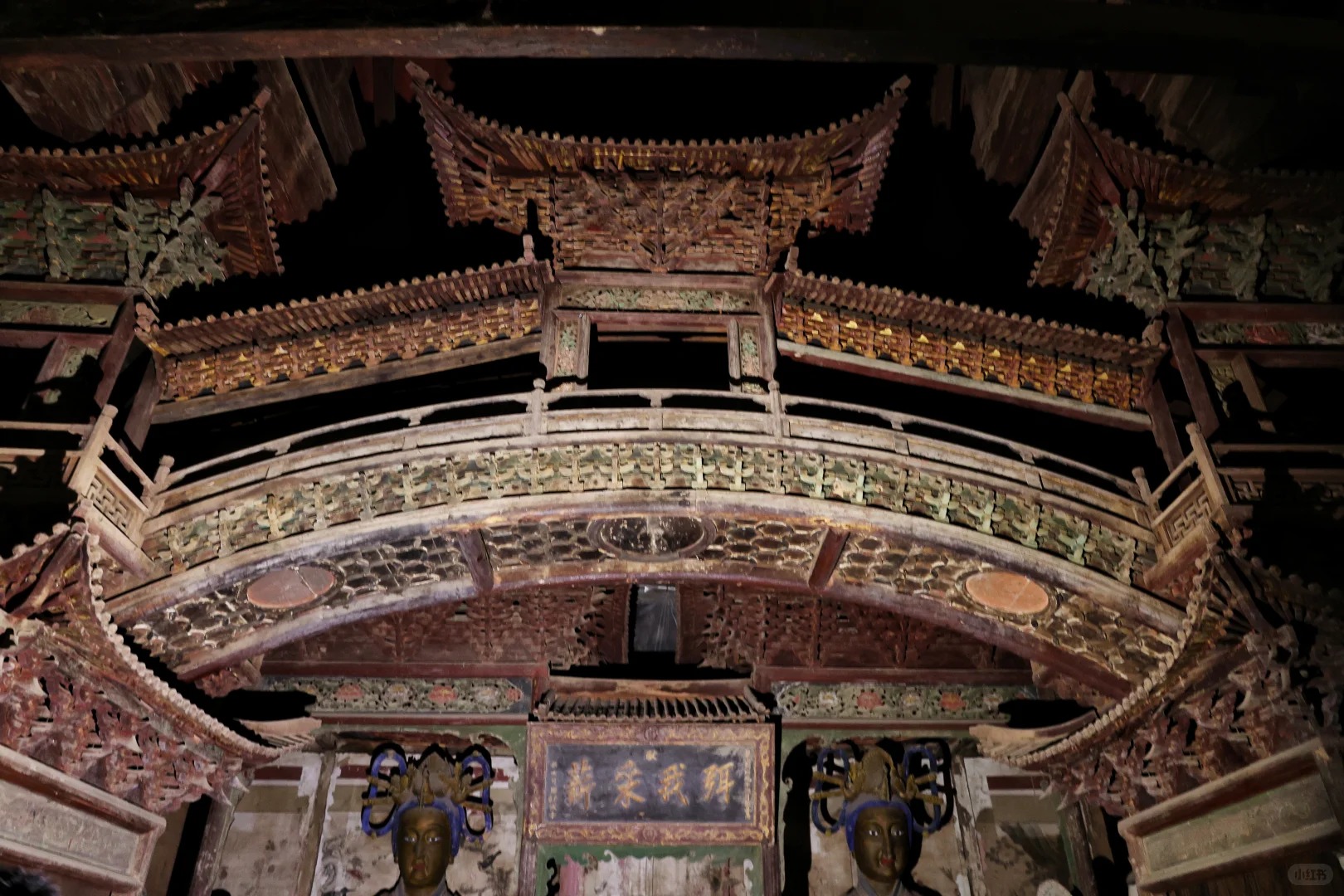
Whether these two girls ever truly existed remains unknown. However, similar moral narratives appear frequently throughout China’s long historical tradition. During the Northern Song Dynasty, the emperor sought to promote filial piety as a governing ideology. In traditional Chinese thought, the “small family”—the household—and the “greater family”—the state—were closely linked. Loyalty to the nation was believed to begin with obedience within the family.
Having just established a new regime, the Northern Song court aimed to consolidate political authority by promoting models of filial virtue among the population, and the story of the two girls became an ideal example.
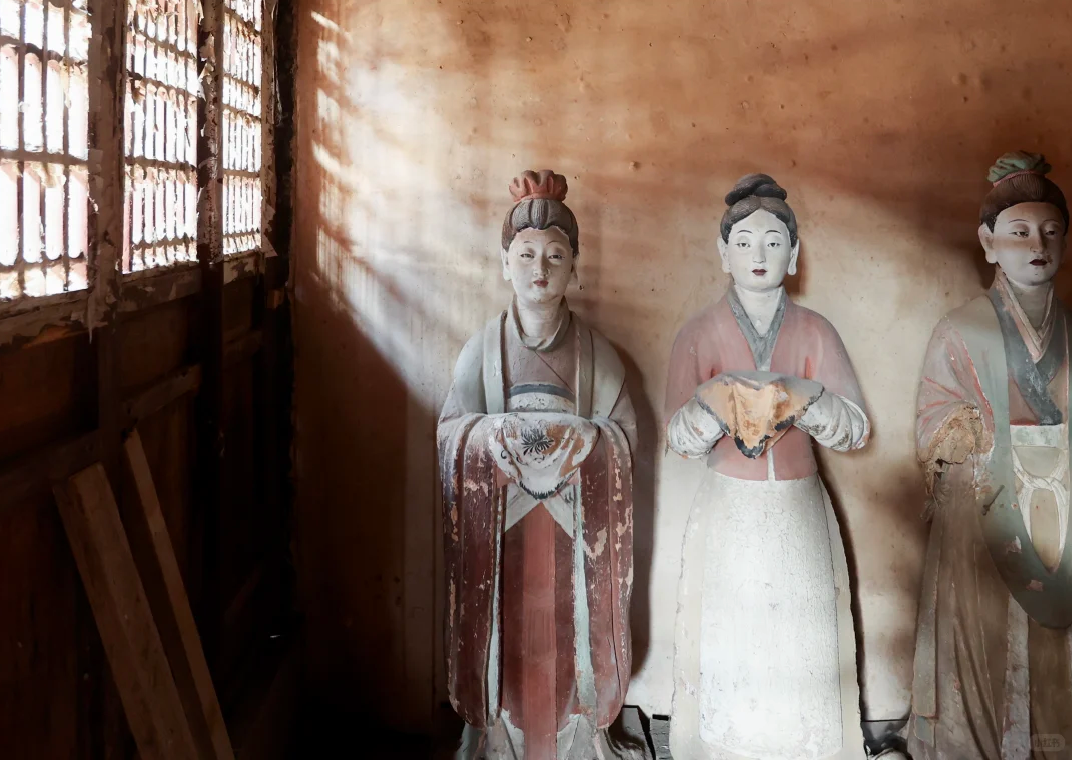
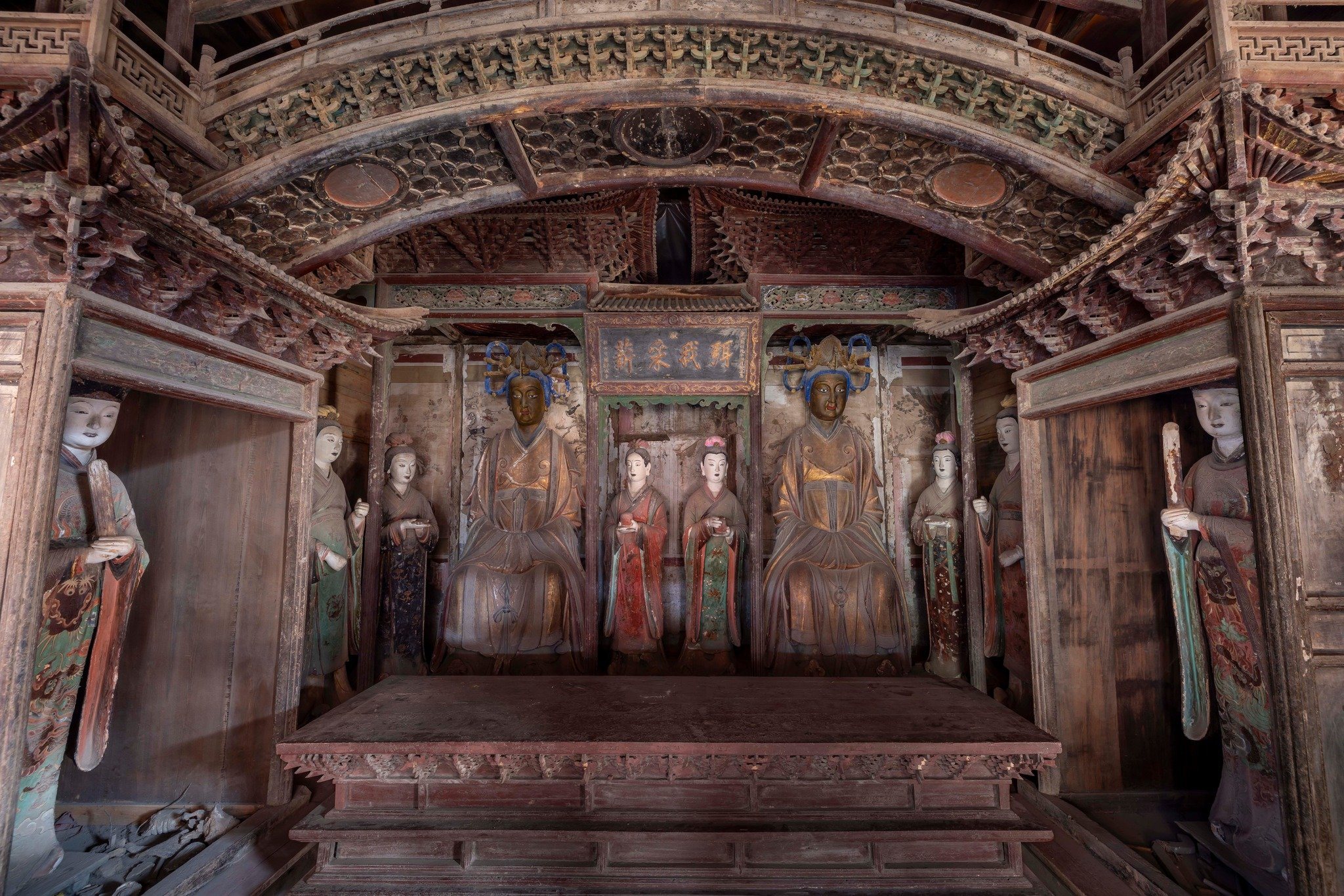
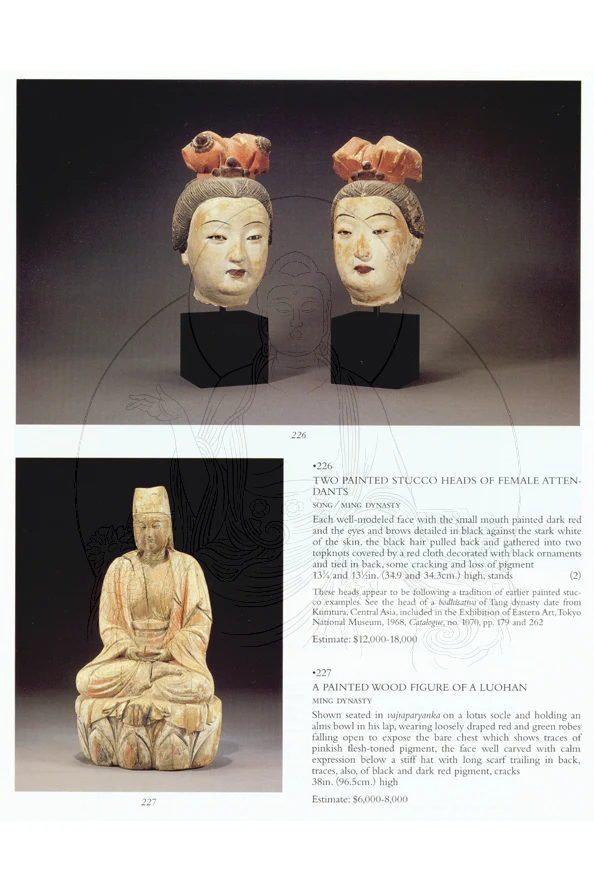
The Daoism-supporting emperor therefore granted them official titles: the First Immortal, Chonghui Zhenren (大仙 冲惠真人), and the Second Immortal, Chongshu Zhenren (二仙 冲淑真人). Inside the temple hall, they are typically depicted seated side by side as young women with gentle expressions.
Local worshippers regard them as “all-purpose deities,” responsible not only for filial devotion but also for rainmaking, healing illness, protecting marriages, and ensuring the safety of descendants. This reflects a distinctive feature of Chinese religious culture: clear boundaries between religions are often absent. Folk legends merge naturally with local religious practice.
Although the two immortals are associated with Daoism, visitors do not need to be Daoist believers. Buddhists and followers of other traditions also freely offer incense here.
Many Erxian temples still survive across Shanxi today. The province’s dry climate and mountainous southeastern terrain have historically experienced relatively little warfare. As a result, numerous wooden structures dating from the Song, Jin, and Yuan dynasties remain preserved, while local folk beliefs have also continued largely uninterrupted for nearly a millennium.
Many Erxian temples include a rear hall known as the Sacred Parents Hall. Because the two immortals were celebrated for their filial devotion, people believed they would continue to care for their parents after becoming divine. Ironically, although the legend portrays the stepmother as cruel, she is often worshipped alongside the family within this hall.
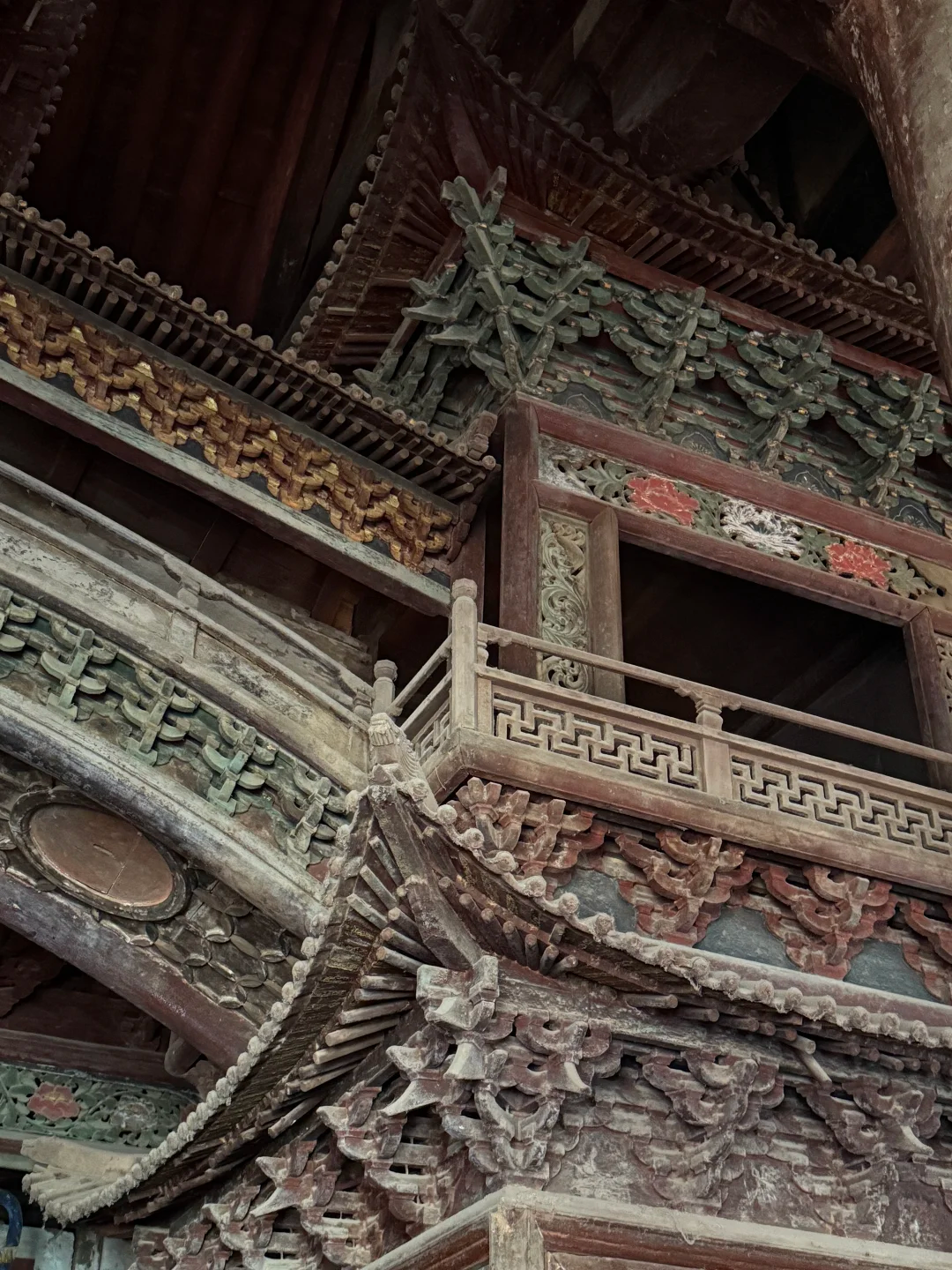
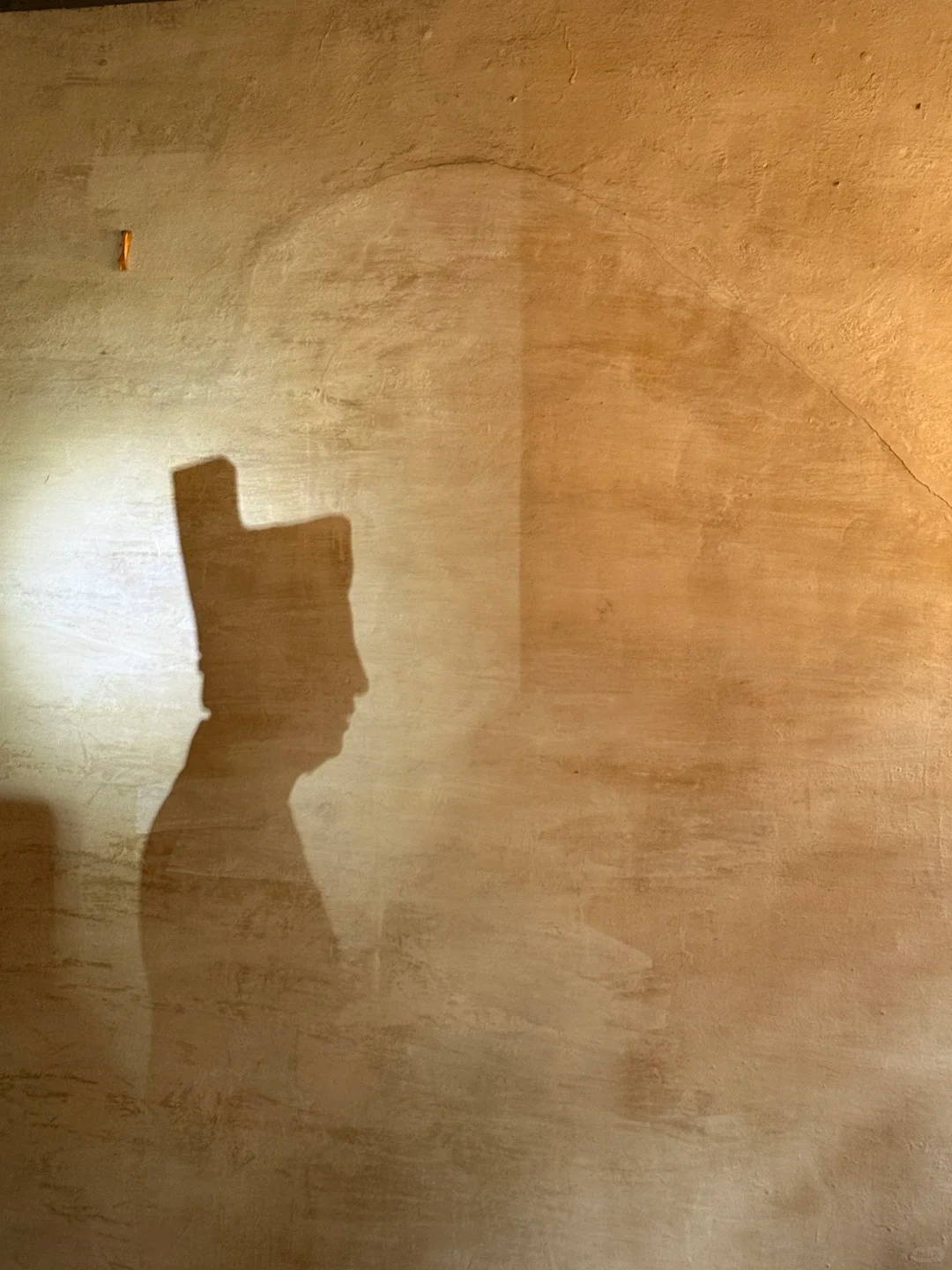
In 2023, a sociologist visited this nationally protected cultural heritage site. According to his account, aside from occasional government inspections, very few visitors came. Even the taxi driver who brought him there did not understand why anyone would travel to such a remote place.
Yet only a year later, after four years of development, Black Myth: Wukong transformed public attention.
This transformation invites reflection. When the two girls in the Tang Dynasty devoted themselves to filial obedience, could anyone have imagined that centuries later a Northern Song emperor would elevate them to immortals, or that modern players inspired by a video game would travel across the world to visit their shrine?
History often unfolds in unexpected ways. What remains certain is the enduring value of Shanxi—a land that continues to preserve layers of Chinese cultural memory.
Cover image via Wuwei.