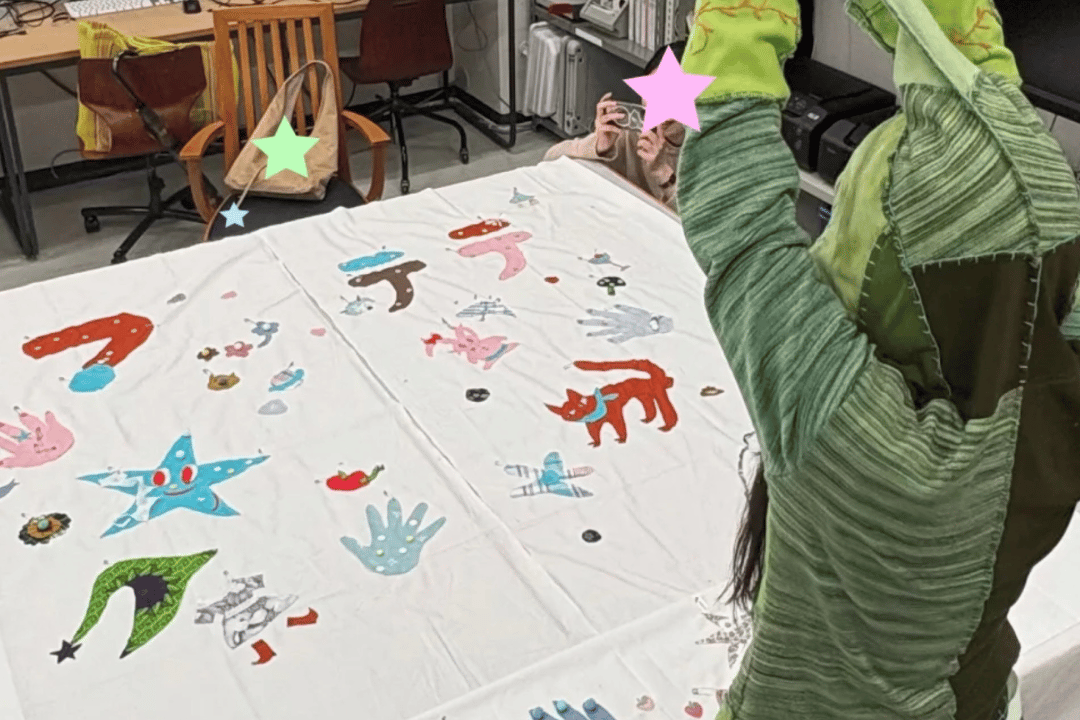
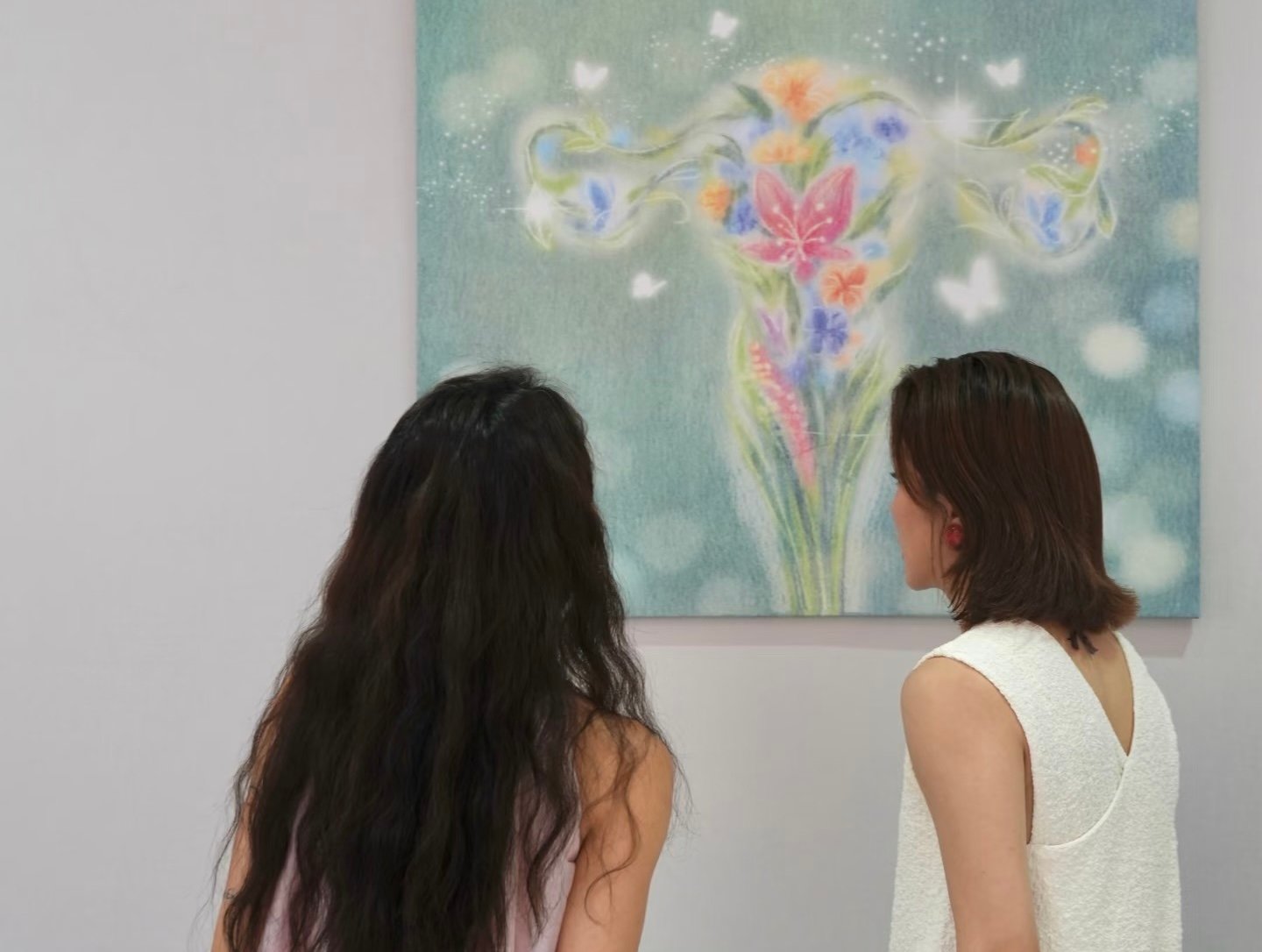
Shenzhen’s CDAC (Design Capital Art Center) recently hosted a 13-day menstrual-themed art exhibition that sought to promote self-love and challenge period stigma.
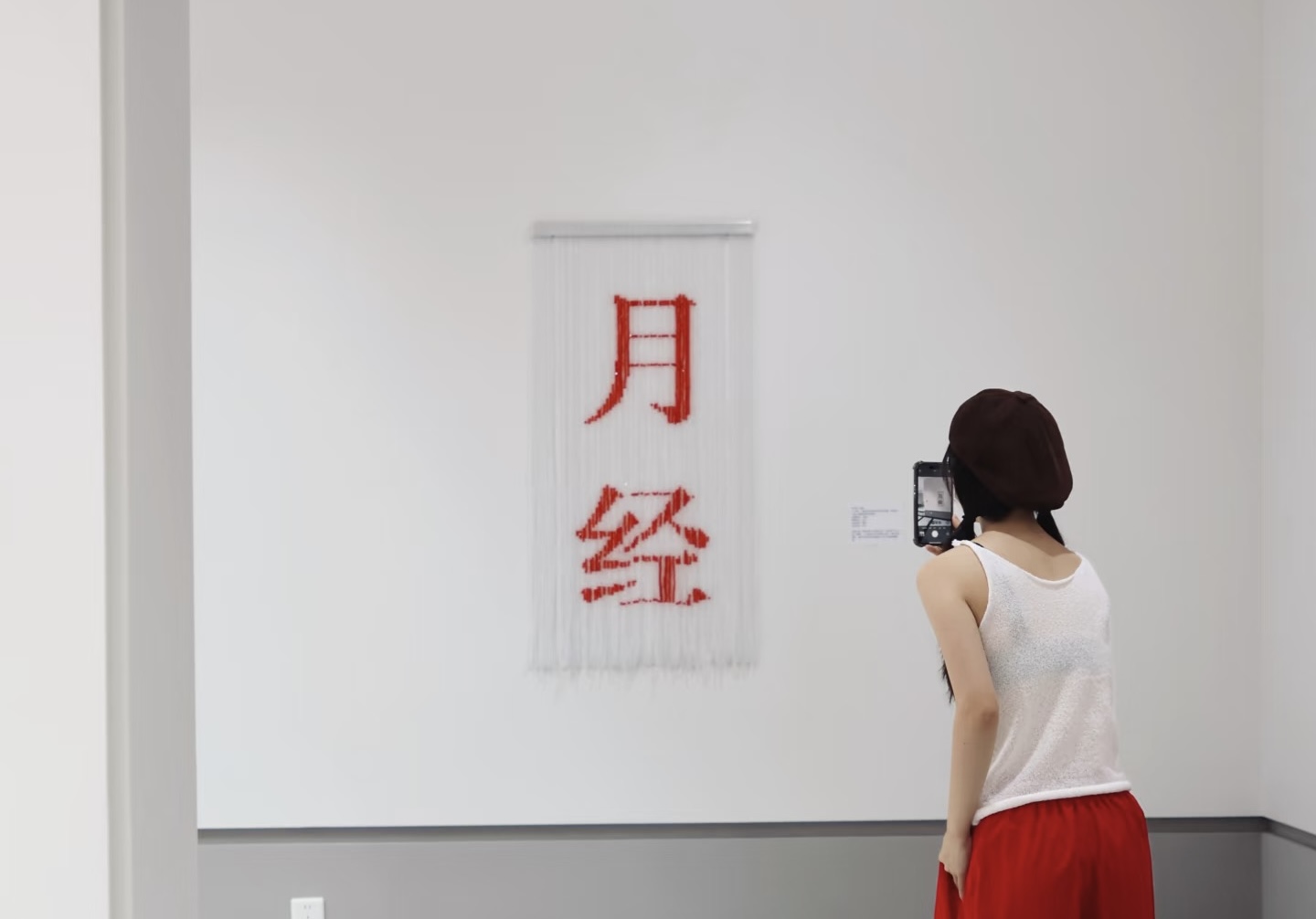
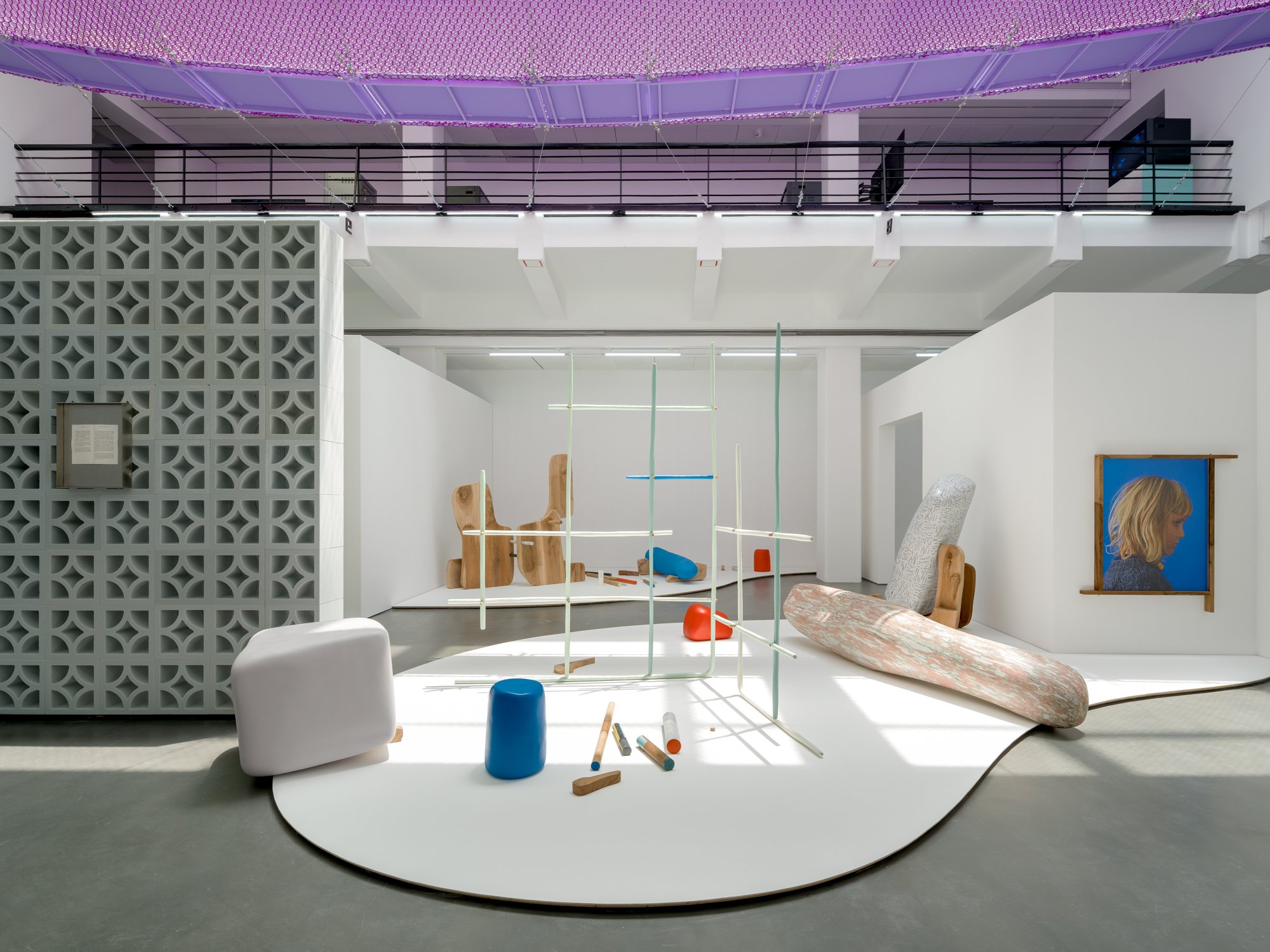
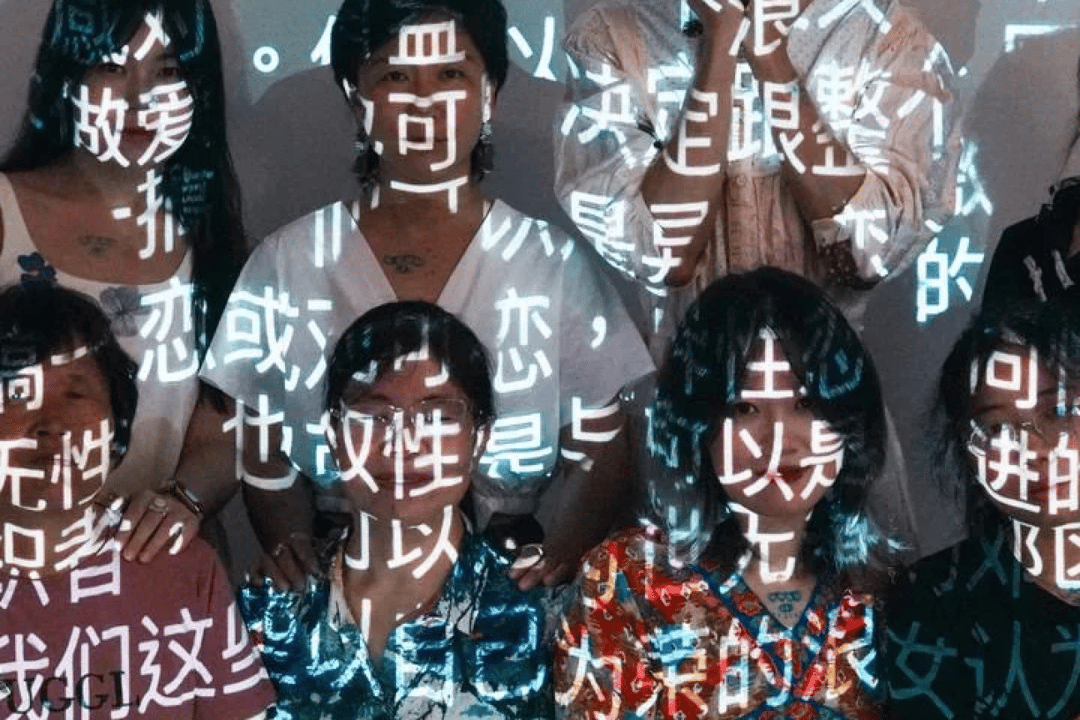
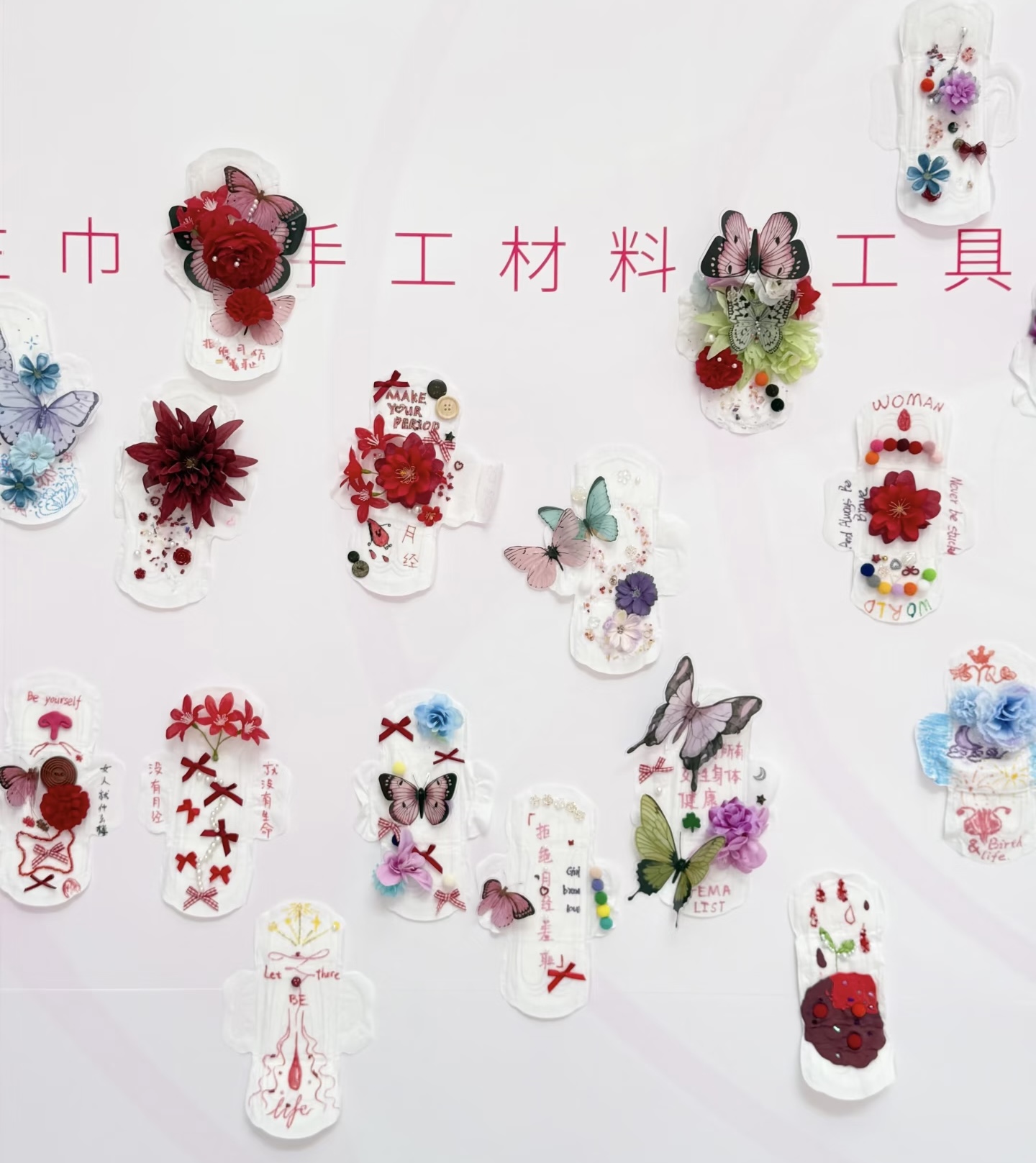
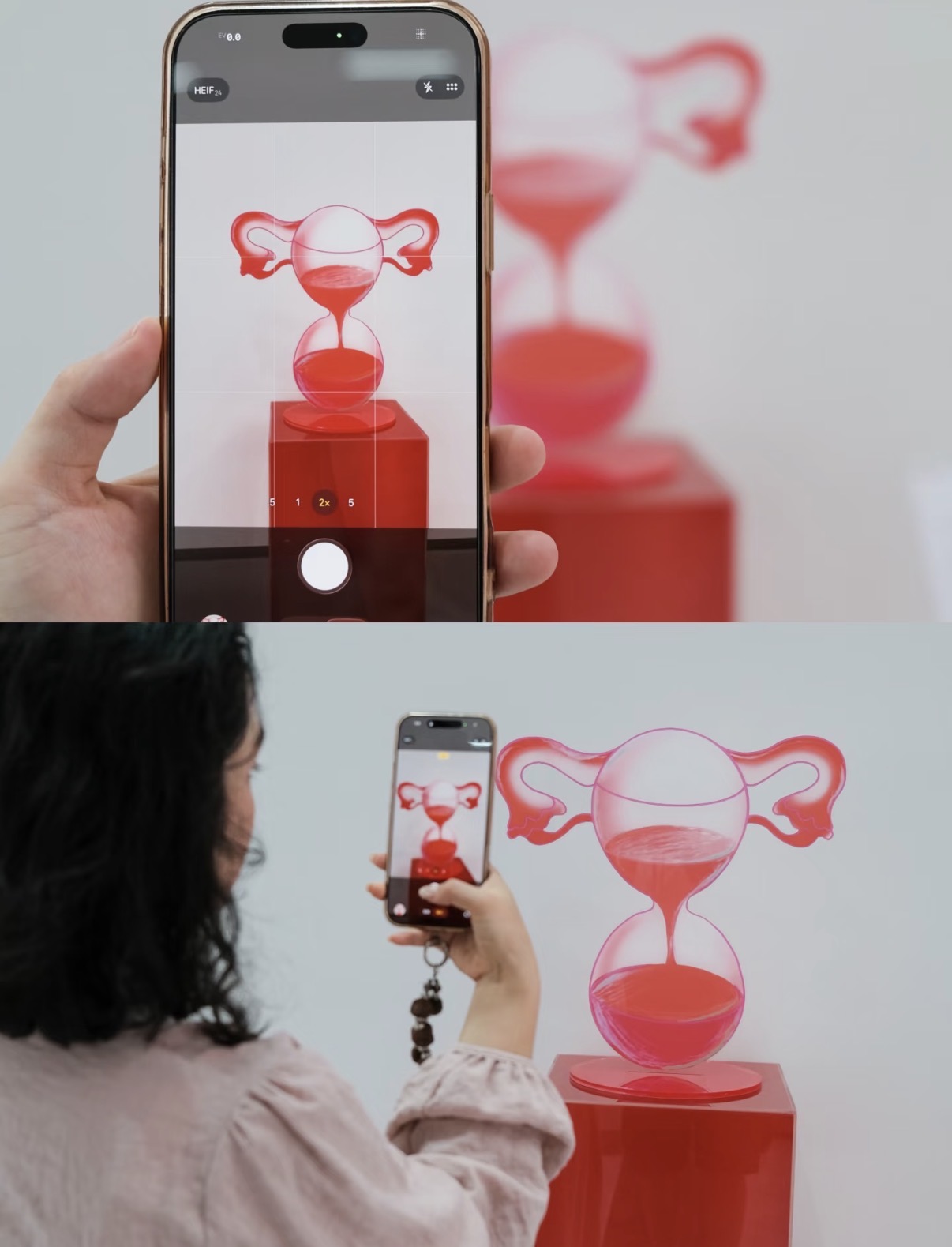
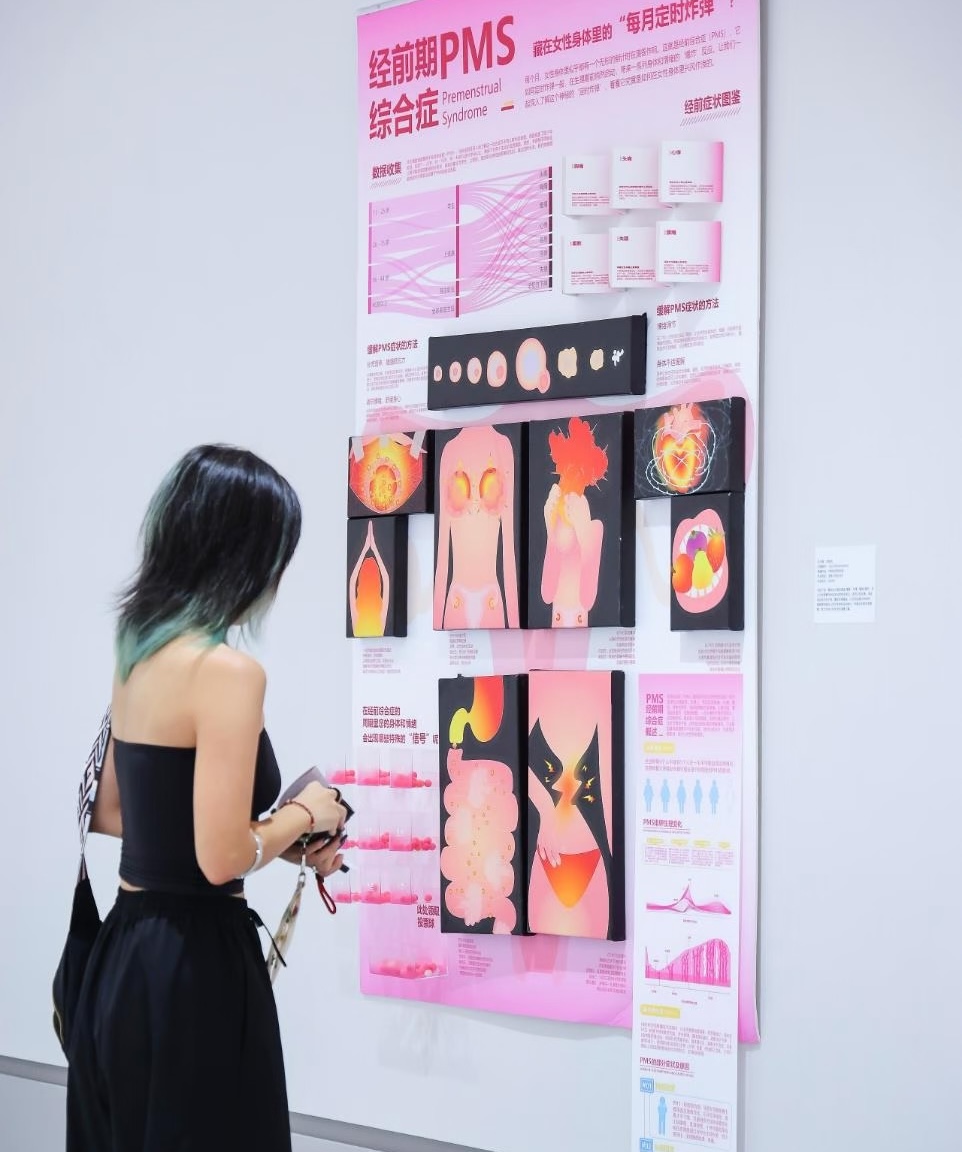
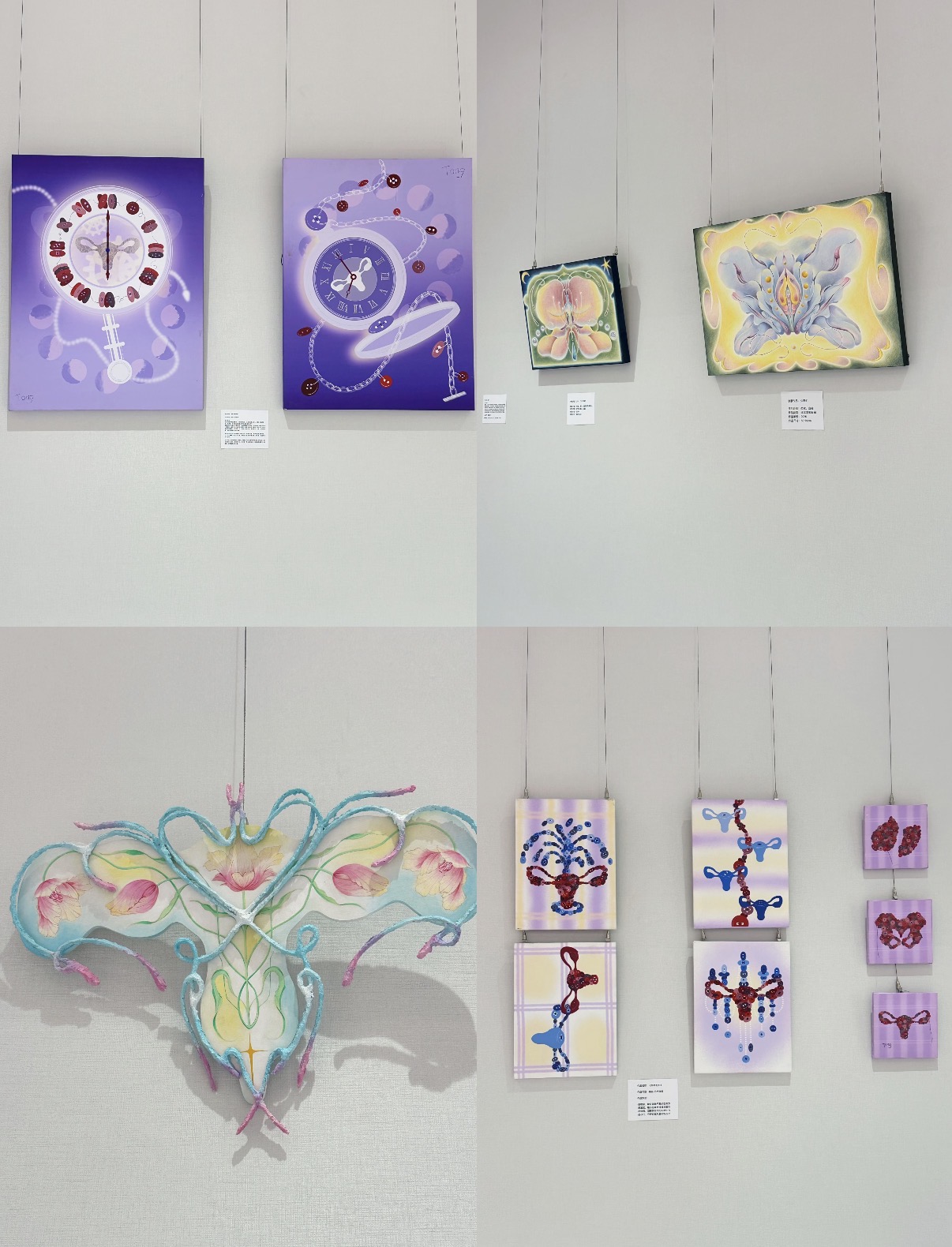
The exhibition was organized by Swedish menstrual hygiene brand Libresse (薇尔) and is the third annual installment of the brand’s exhibition series titled “Moonlight Openness” (月色坦荡), with “moonlight” (月色/yuèsè) being a play on the Chinese term for menstruation (月经/yuèjīng). On display were a range of mixed-media works, sculptures, prints, and paintings, as well as awareness posters about premenstrual syndrome (PMS) and even an interactive sanitary pad art wall.
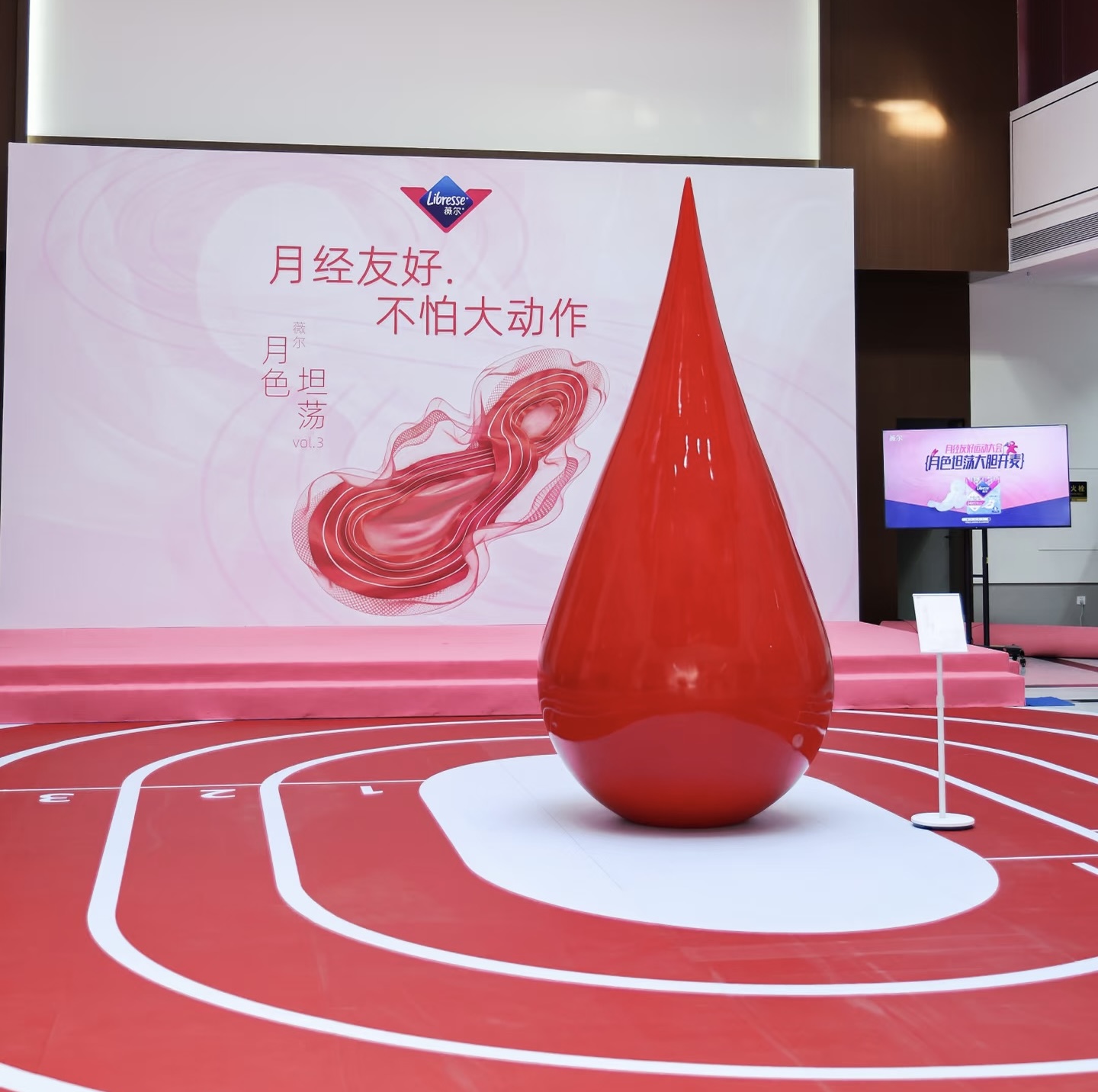
Libresse’s brand theme of “Don’t Be Afraid of Big Movement” (不怕大动作) was also reflected in the exhibition, with one of the key art installations featuring a giant drop of blood surrounded by a running track. A panel discussion about “period-friendly sports” was also held, featuring former OB/GYN and current women’s health blogger Liu Cenglou (known online as “Mr. Six Floors”), Malaysian Chinese debater Yan Rujing, fitness blogger AMEI, and the hosts of the Heartbeast (心都野了) podcast.
Like in many places around the world, menstruation in China is still often viewed as a private matter that can feel awkward or even shameful to bring up. Common Chinese-language euphemisms for menstruation include “Aunt Flo” (大姨妈), “monthly holiday” (例假), and even “that thing” (那个). Various other cultural beliefs and habits shape the conversation around menstruation, including traditional medicinal advice against cold exposure and strenuous exercise during one’s period, as well as a popular preference for external hygiene products over internal ones (such as tampons).

Thus, the exhibition’s public celebration of menstruation and reproductive health was well received by attendees and netizens alike, who praised it for using art to help break down these taboos. Among the positive reactions online, some Xiaohongshu commenters even called for a national tour of the exhibition, reflecting both the resonance it had with audiences and the growing enthusiasm in China for overcoming period shame through open conversations.
All image via Xiaohongshu.