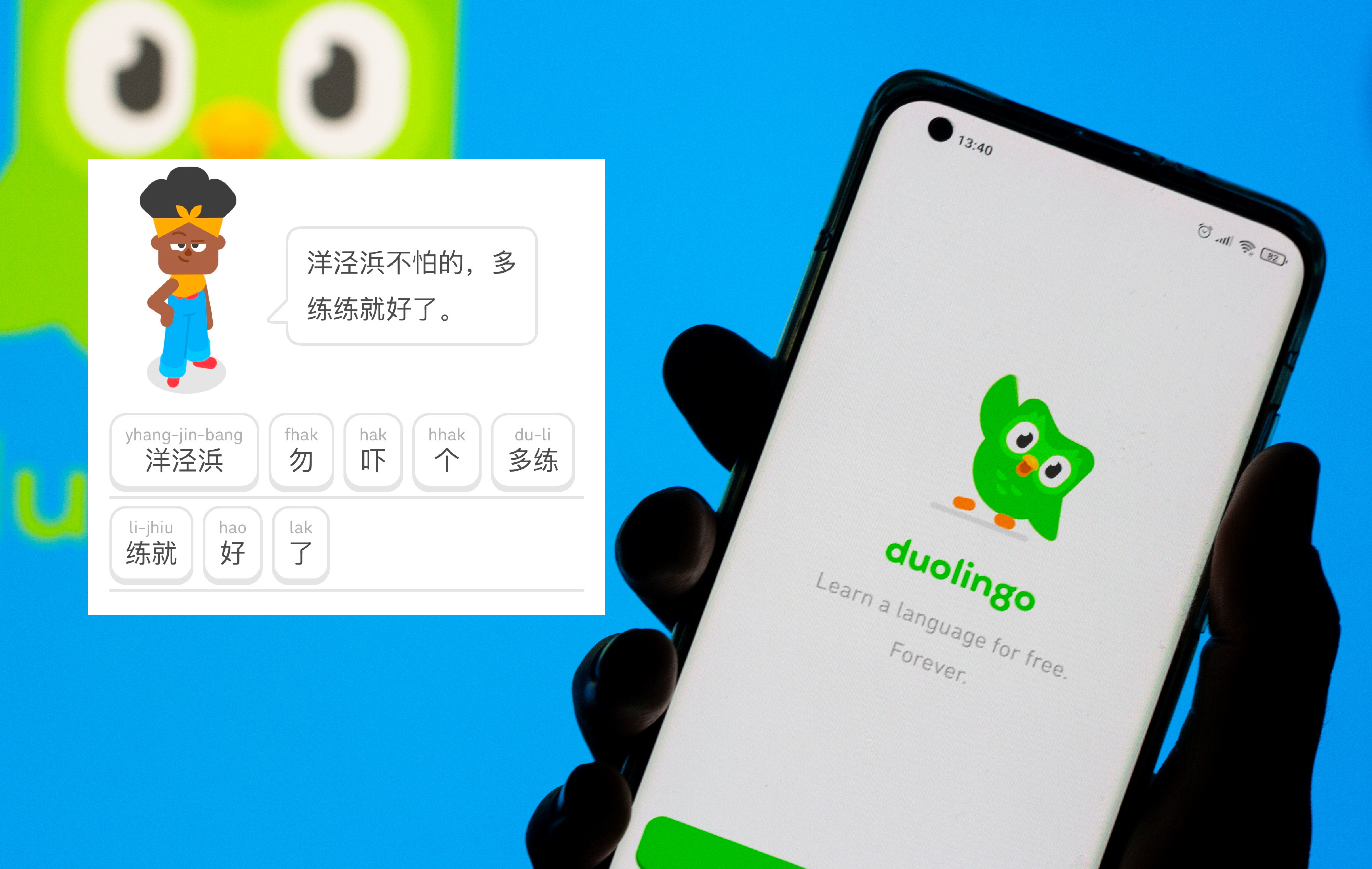

Tired of your parents or grandparents tutting at you for not understanding their Shanghainese? Rest easy, Duolingo has finally brought the dialect to its platform after more than a year of preparation. Launched just last month, the course has 50 units covering everyday situations and local expressions in the dialect.
The lessons are even more fun than expected. Traditional textbooks can feel rigid or outdated, but Duolingo instead uses content that younger learners can relate to, from modern city life to familiar social situations.
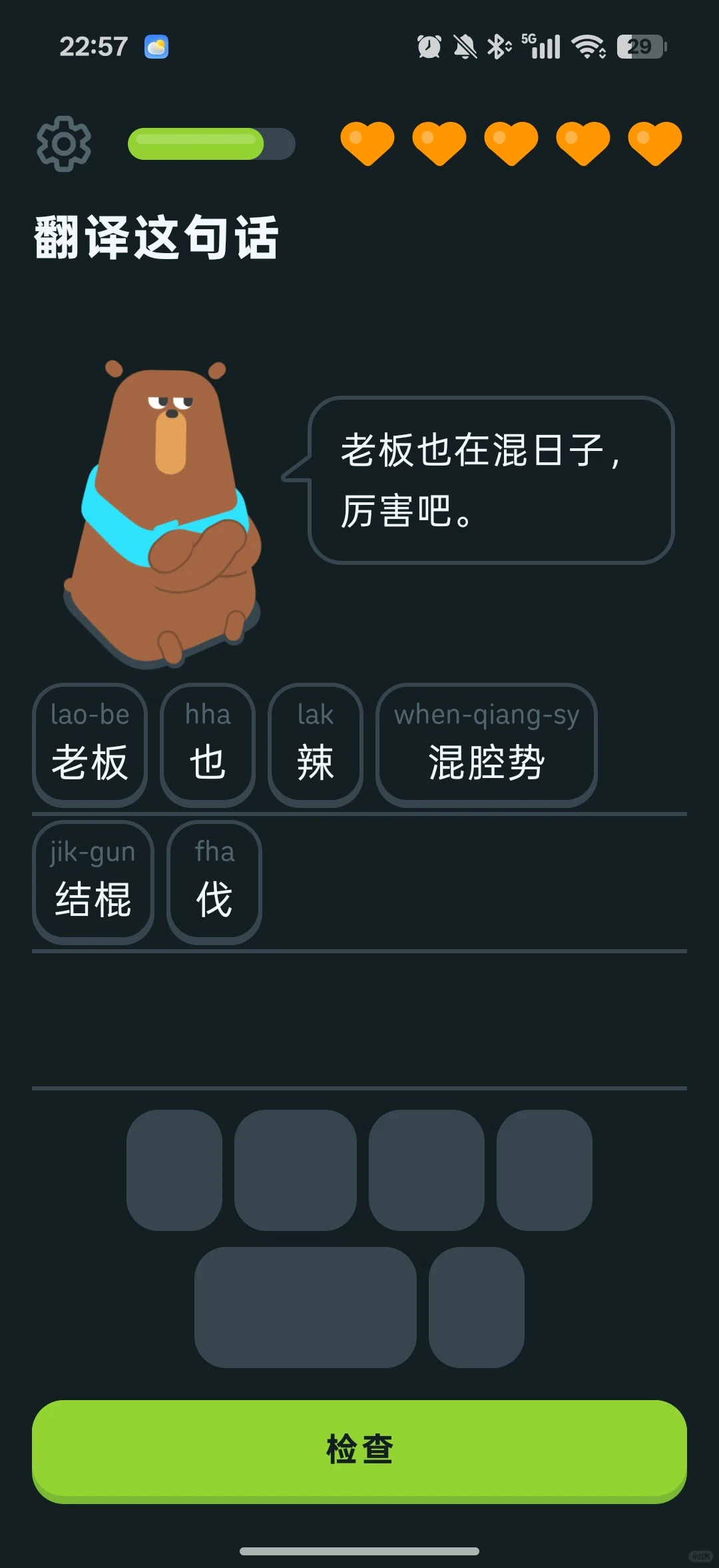
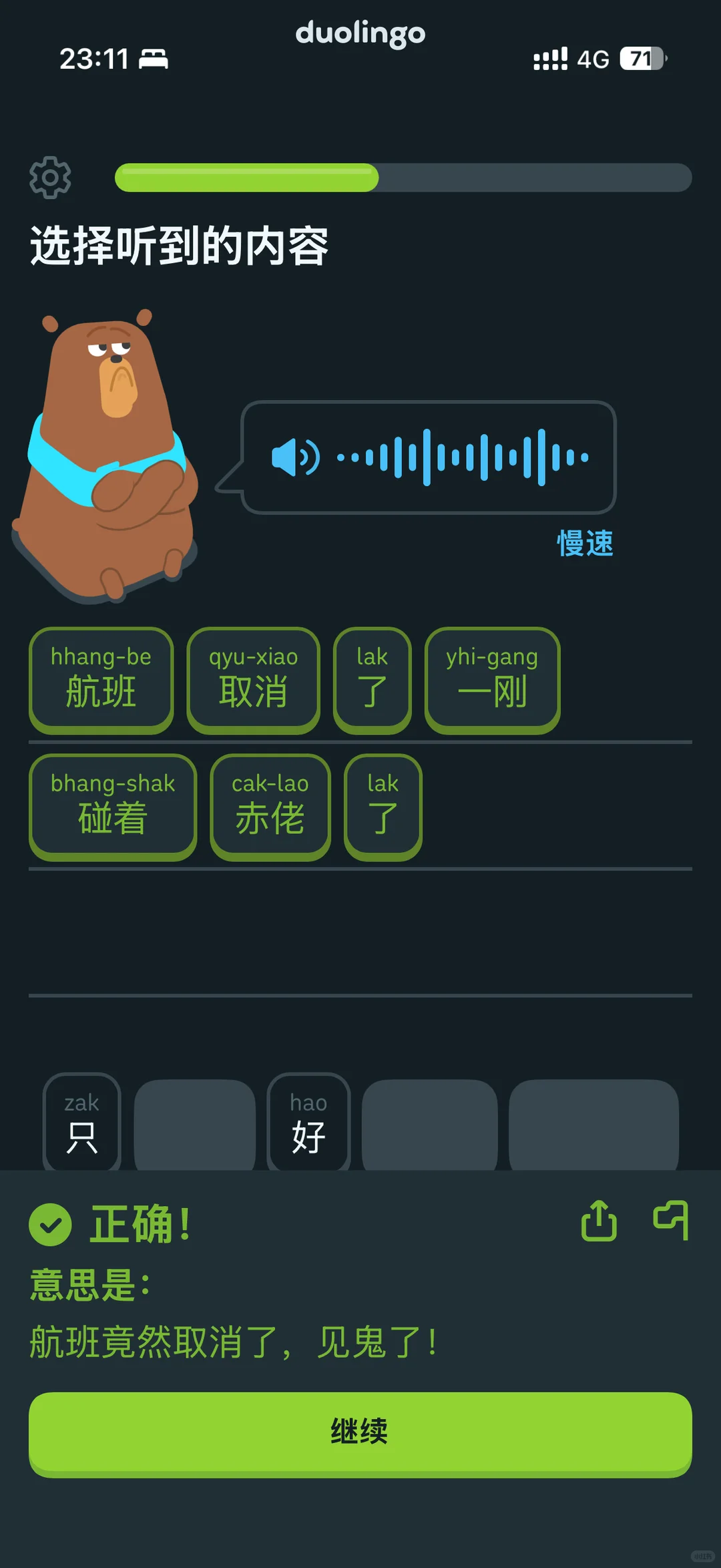
But the appeal goes beyond the lessons themselves. Shanghainese is known for delivering sharp remarks in an understated tone. Local expressions such as “一刚” (a colloquial expression of surprise, roughly meaning “really?”) and “赤佬” (a derogatory term) also make their way into the course. Some of the content even draws on local inside jokes, including references to the Japanese and Korean communities in Changning District.

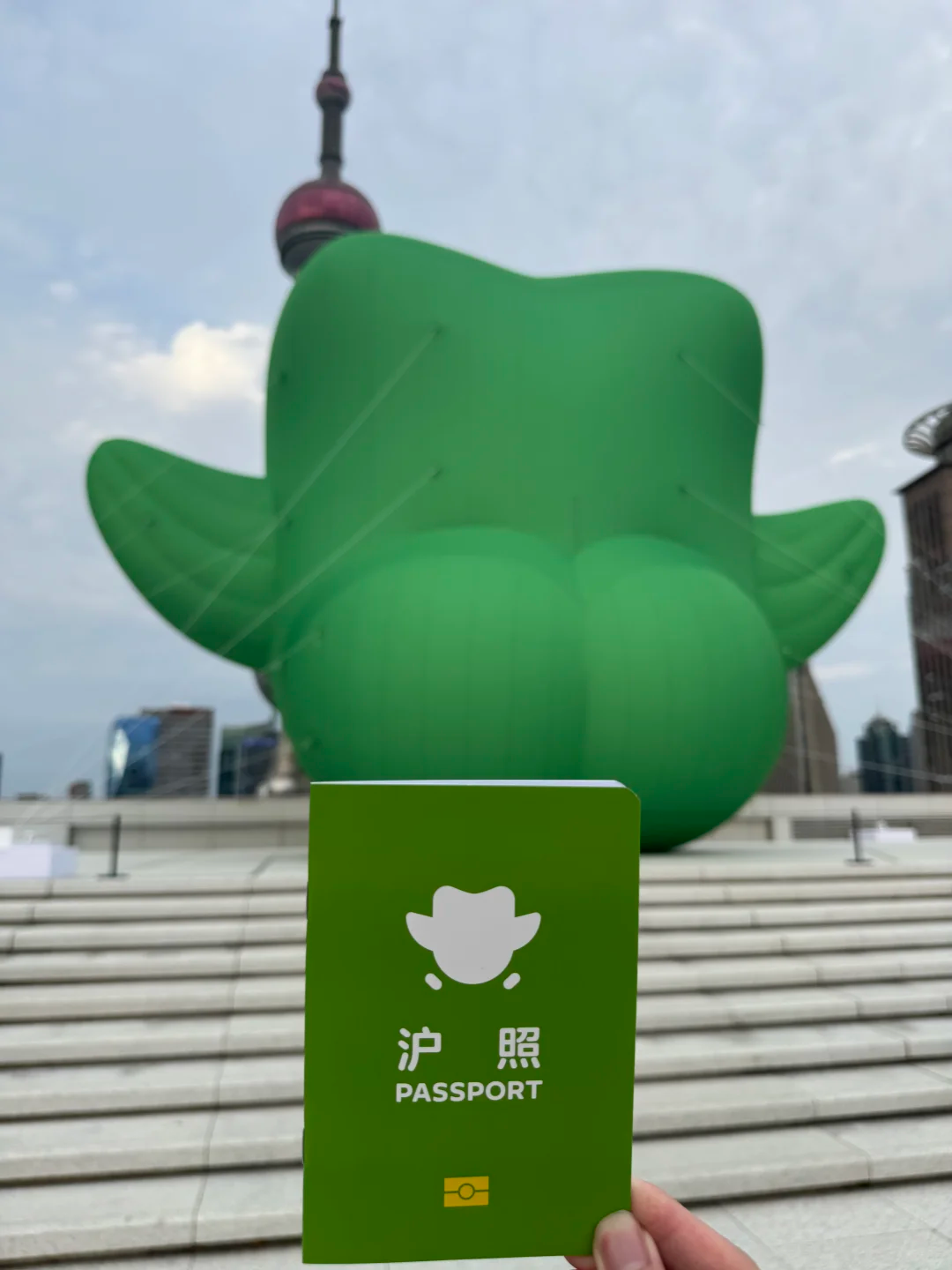
As usual, Duolingo’s marketing has gone beyond the app, with offline activities and cultural collaborations popping up around the city. For example, users who show their in-app page at the Museum of Art Pudong can get a “Shanghai Passport (沪照).” Duo, the brand’s playful mascot, seems to have brought a little extra energy to the city.
Of course, the course matters much more than just linguistic entertainment. It also helps keep local culture alive. Shanghainese has been in decline, and fewer young residents speak it fluently. Some users find the app’s pronunciation inauthentic and call it “洋泾浜” (pidgin-like, awkwardly non-native). Even so, the course gives younger generations an accessible way into the dialect’s heritage at risk of fading. Duolingo’s message to them is simple: speaking a local dialect is cool. So let’s end with a question that generations of Shanghai children know well: “侬今朝功课做了伐?” (Have you done your homework today?)

Cover Image Radii.