
Check out more articles relating to our July editorial theme of “Music & Movement,” like the one below, here.
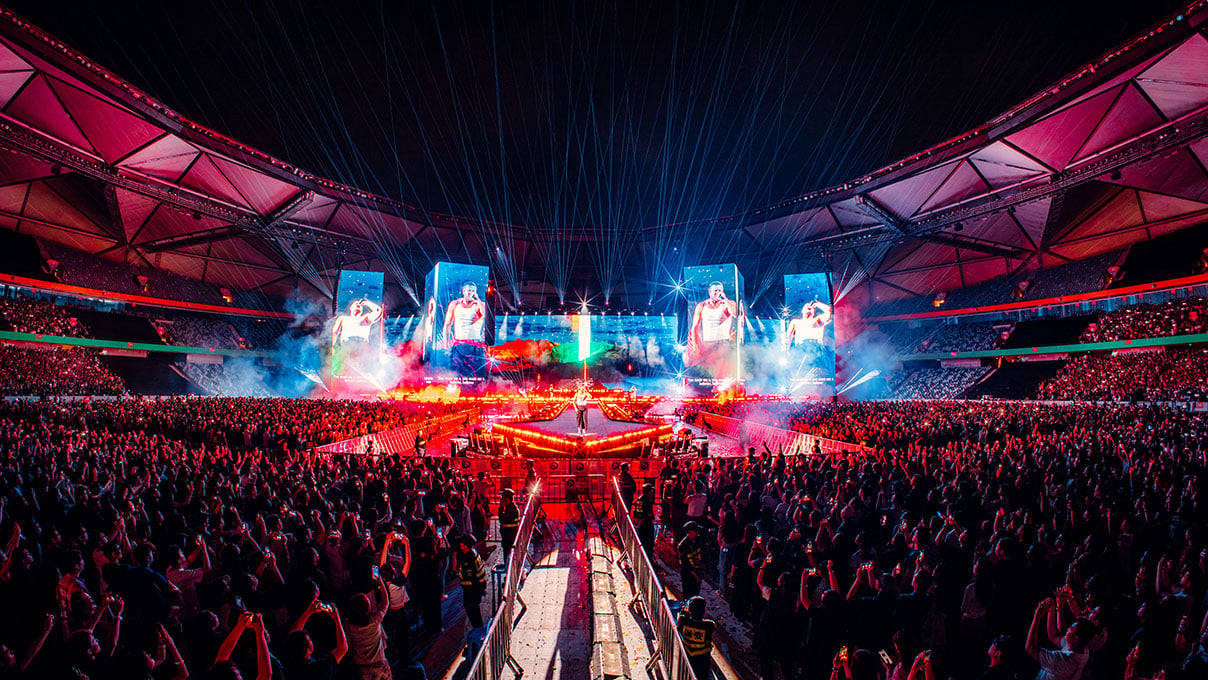
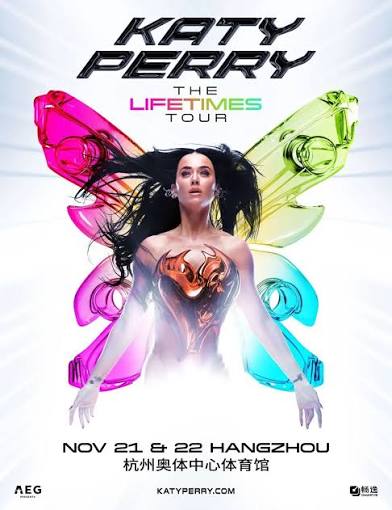
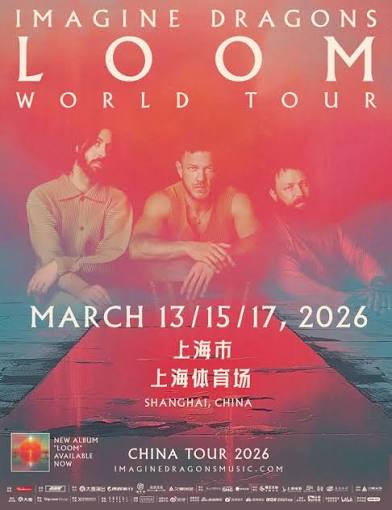
China is now the world’s fourth-largest music market, growing 20.1% in a single year—the fastest of any major market. The live performance sector is booming too, with total box office revenues crossing 10 billion RMB (1.39 billion USD) in 2025, attracting more than 350 overseas musicians and bands. Emerging post-pandemic, there has been a resurgence. Just last year, massive acts like Imagine Dragons played eight stadium shows across Shanghai, Guangzhou, and Chengdu, and Katy Perry hit Hangzhou for two nights as part of her Lifetimes tour.
And yet, all that considered, if you live in Shanghai, one of the most international cities on earth—or any major city in the Chinese mainland for that matter—the calendar of international DJs, club bookings, and mid-tier touring acts looks quite sparse compared to what you’d encounter in London, Berlin, or Seoul. This gap is the result of a complex system—legally, bureaucratically, geopolitically, and financially—that determines who makes it into China in the first place.
For a foreign artist to legally perform in the Chinese mainland for a paid gig, they need to tackle five separate administrative processes. First, a Chinese promoter must sponsor the tour; then, the concert event itself, setlist, and performance must all be approved by the Chinese authorities. A Z visa (work visa) must also be issued for the performer and their team, and lastly, there are all the logistics and customs. If one mistake is made, those involved can be subject to fines of up to 50,000 RMB per person and potential bans on future entry for the artists.
However, the Z visa can’t be applied for independently. A licensed Chinese entity—such as a venue, a promoter, or a performance agency—must first obtain a “Notification Letter of Foreigner’s Work Permit” from the State Administration of Foreign Experts Affairs on behalf of the artist, a process that takes between four and eight weeks. Is your head spinning yet? For commercial performances specifically, the promoter must also secure a separate Commercial Performance Approval Document from the local cultural administrative department, ensuring that it is venue-specific, date-specific, and lineup-specific. If anything changes, the process may need to be restarted. The visa fees alone can run around $500–$1,200 USD. It’s just not financially possible for many. A 90-minute DJ set in Shanghai can involve more steps and uncertainty than most touring artists deal with across an entire European tour.
In general, stadium-sized performances are often backed by major label infrastructure and resources, plus experienced local promoters with established government relationships and the financial means to absorb losses caused by the bureaucracy. For everyone below that level, the risk soars dramatically. And globally, production costs, accommodation, and transport are rising faster than ticket sales can keep up with. China is no different. Not to mention, indie promoters operating in a gray zone often lack the formal licensing needed to sponsor a foreign act at all. Just a few years ago, in 2023, a raid on a Beijing jazz club saw foreign performers get their visas revoked, and the venue itself fined 20,000 RMB.
Shanghai’s underground has continuously thrived in its own unique way—producing a world-class circuit of clubs, artists, and communities like SVBKVLT, System, Abyss, and the newly minted Reactor. But the weekly programming skews heavily domestic, which is what is most viable. Even acts that clear every logistical hurdle face one unavoidable reality—shudder politics. In November last year, Japan’s prime minister made comments indicating support for Taiwan, potentially militarily, and a week and a half later, Japanese jazz musician Yoshio Suzuki arrived in Beijing. On the night of the first show, a plainclothes officer walked in during soundcheck, and, boom, the show was canceled. Multiple other Japanese artists lost their shows that same week, including rapper KID FRESINO, whose China tour was postponed indefinitely.
Music agent Christian Petersen-Clausen, who had organized more than 70 concerts in China in the previous year, was quite direct: “Foreign musicians have refused bookings from us because they said we don’t know if it will actually go ahead or be canceled.” China has form here: Korean pop acts were effectively banned for nearly a decade following a missile defense dispute. Kraftwerk was denied visas in 2013 over a 1999 festival affiliation. Therefore, a performance approval is not a guarantee but a conditional permission that exists downstream of foreign policy.
This uncertainty hurts the industry. Many foreign labels and artists just aren’t willing or able to take the risk. The paradox of China’s music scene nowadays is that it has never been bigger, and yet never harder to enter from the outside. So, until the barriers come down, we will keep begrudgingly booking our flights to Singapore to see our favorite artists on tour.
Cover image via AML Lighting.