
The fortune cookie comes from Japan, and yet it’s one of the most recognizable symbols in Chinese diaspora cooking. Matcha, on the other hand, traces its origins to China. Who would’ve thought?
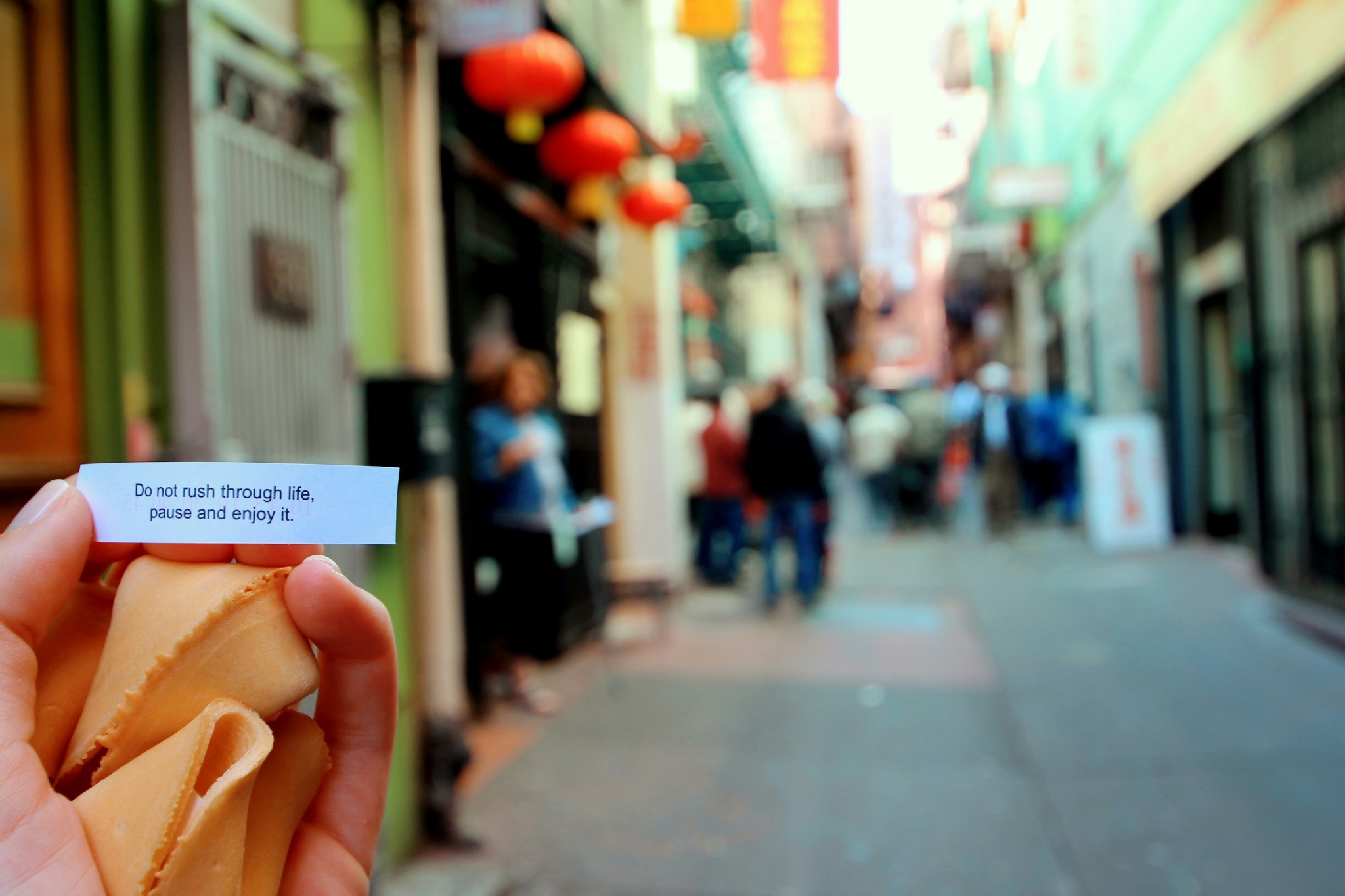
This folded little wafer, cracked open at the end of millions of meals every year, its short and sweet prophecy tucked inside—most likely originated in Japan, around the late 19th century. Bakeries near Kyoto were known to make a sesame- and miso-flavored folded cracker called ‘tsujiura senbei,’ which Japanese immigrants then brought with them to California in the late 1800s. The vanilla-flavored and mass-produced American version came quite some time later, thanks to a Californian bakery called Benkyodo. When Japanese Americans in California were forced into internment camps during WWII, Chinese businessmen stepped in to fill the supply gap and started selling the cookies to Chinese restaurants, setting the backdrop for a cross-cultural love affair that has only grown since its inception.
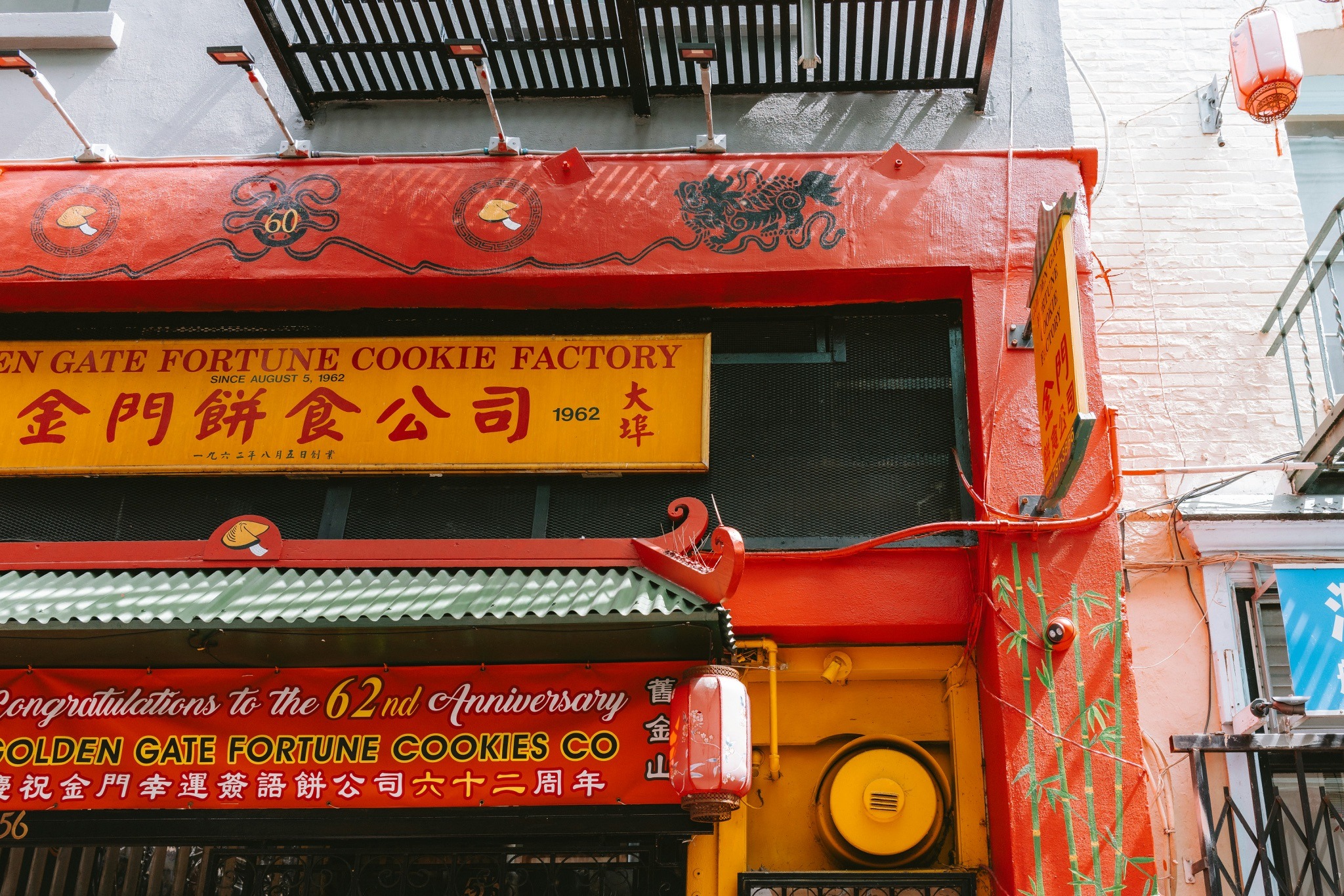
But the fortune cookie is only the most famous amongst a long ledger of other strange dishes that have come to define “Chinese food” globally, all while bearing little or no relationship to the cuisines and cooking styles that actually exist in past or present-day China.
Now let’s look at the egg roll—蛋卷 (dànjuǎn). This also isn’t a straightforward story, but it does have a genuine ancestor: the spring roll, dating back to the Jin Dynasty, which was originally a seasonal dish made to celebrate the arrival of spring, filled with the first fresh vegetables of the new season. The American egg roll took that concept and Americanized it {eagle screech}—making it thicker, heavier, fried, and stuffing it with cabbage. Food historians trace the invention back to the 1930s, to Port Arthur, a Chinese restaurant in New York City, with another restaurant in the city, Lum Fong, later claiming credit too. If you served an egg roll in Shanghai and called it a spring roll, it would surely raise an eyebrow or two.
General Tso’s chicken—左宗棠鸡 (zuǒ zōngtáng jī). This dish has a more traceable lineage, but it’s still strange nonetheless. The dish was invented by Peng Chang-kuei, a chef from Hunan province who had overseen grand banquets for the Chinese Nationalist government up until 1949. He eventually brought his creation to New York City, where it was then adapted to the local palate. Peng told food scholar Fuchsia Dunlop, a British food writer, that the original flavors were “typically Hunanese—heavy, sour, hot, and salty,” while the added sweetness is, of course, noticeably American. However, until fairly recently, many Hunanese had never even heard of the dish. Dunlop was among the first to document the gap, having lived in Hunan in 2003 and been met with blank stares when asking about it. Upon traveling to Taiwan the following year and tracking down Peng himself, the full origin story came to light. When Peng tried to repatriate the dish by opening a restaurant in Hunan in the 1990s, locals found it too sweet, and it quickly closed.
Crossing the sea over to the UK and Ireland, the story is more of a reimagining of what Chinese food even is at its core. In the UK, “getting a Chinese” on a Friday night has been a weekly ritual for many for years. For Brits in particular, one specific dish probably comes to mind: salt and pepper chips and curry sauce, with a side of egg fried rice. What the bloody hell is that?
Salt and pepper chips are thick-cut British fries tossed in a wok with Sichuan pepper, garlic, chili, and spring onion—an arranged marriage between the chip shop and takeaway that has, of course, zero links to any real Chinese cuisine. The decision to apply the Cantonese blend of spices to British chips came from immigrant restaurateurs trying to blend their flavors with dishes their customers already loved. However, the curry sauce is another invention entirely: a mild, sweet, turmeric-yellow gravy thickened with cornstarch and five-spice that bears practically no resemblance to any curry found in India, China, or elsewhere.
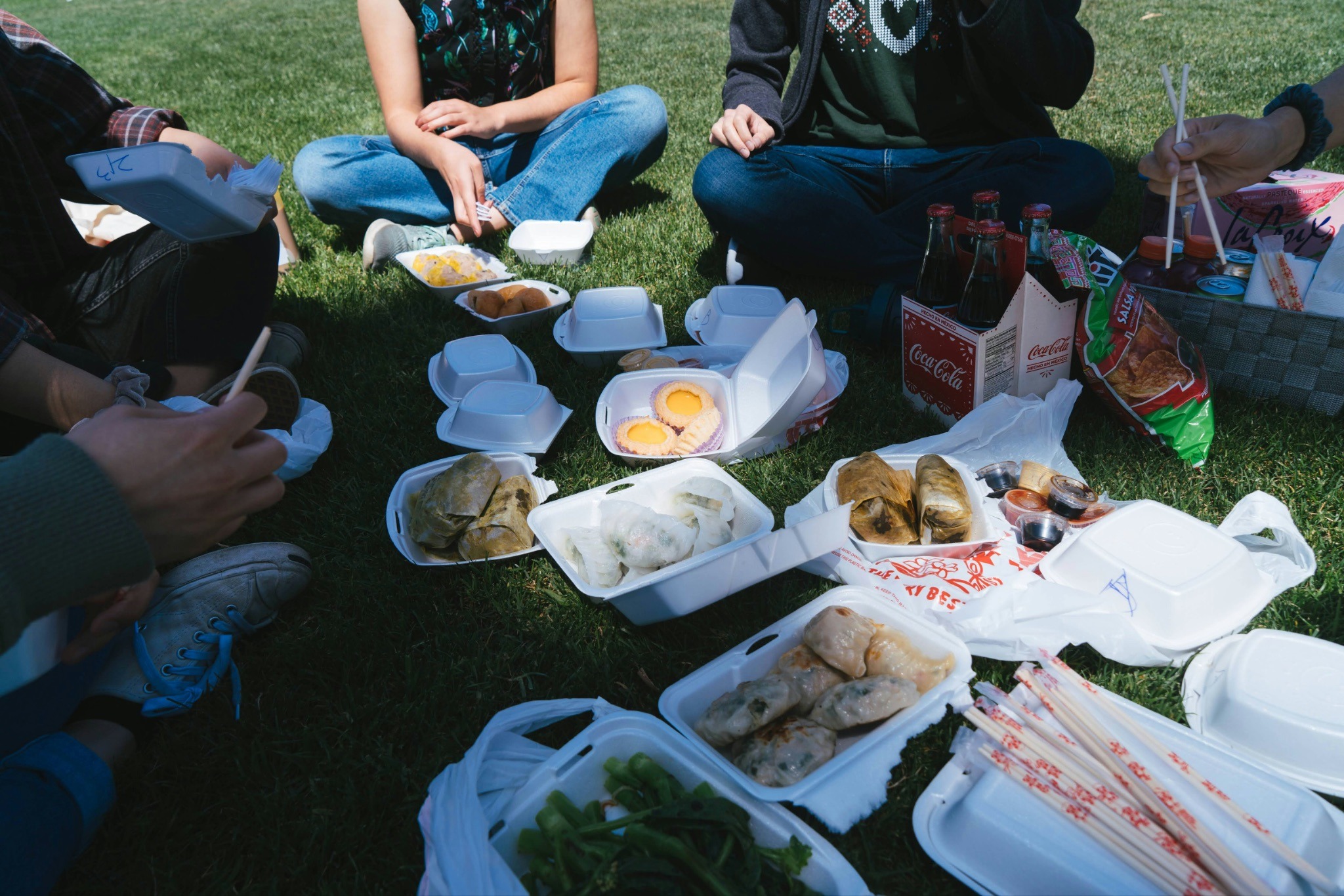
And you can’t forget the spice bag—brace yourself. This dish is composed of shredded fried chicken, chips, peppers, onions, and a blend of spices and chili, shaken together in a paper bag. What first started as an off-menu staff meal quickly became a national obsession. In 2020, it was voted Ireland’s favorite takeaway dish and is served almost exclusively at Chinese restaurants. Yet, as the common theme has shown, it is not even remotely Chinese. However, this isn’t unique to just Chinese cuisine. Stateside, Italian-American food also diverged from authentic Italian food generations ago, and the beloved Japanese curry barely resembles that of its South Asian origin.
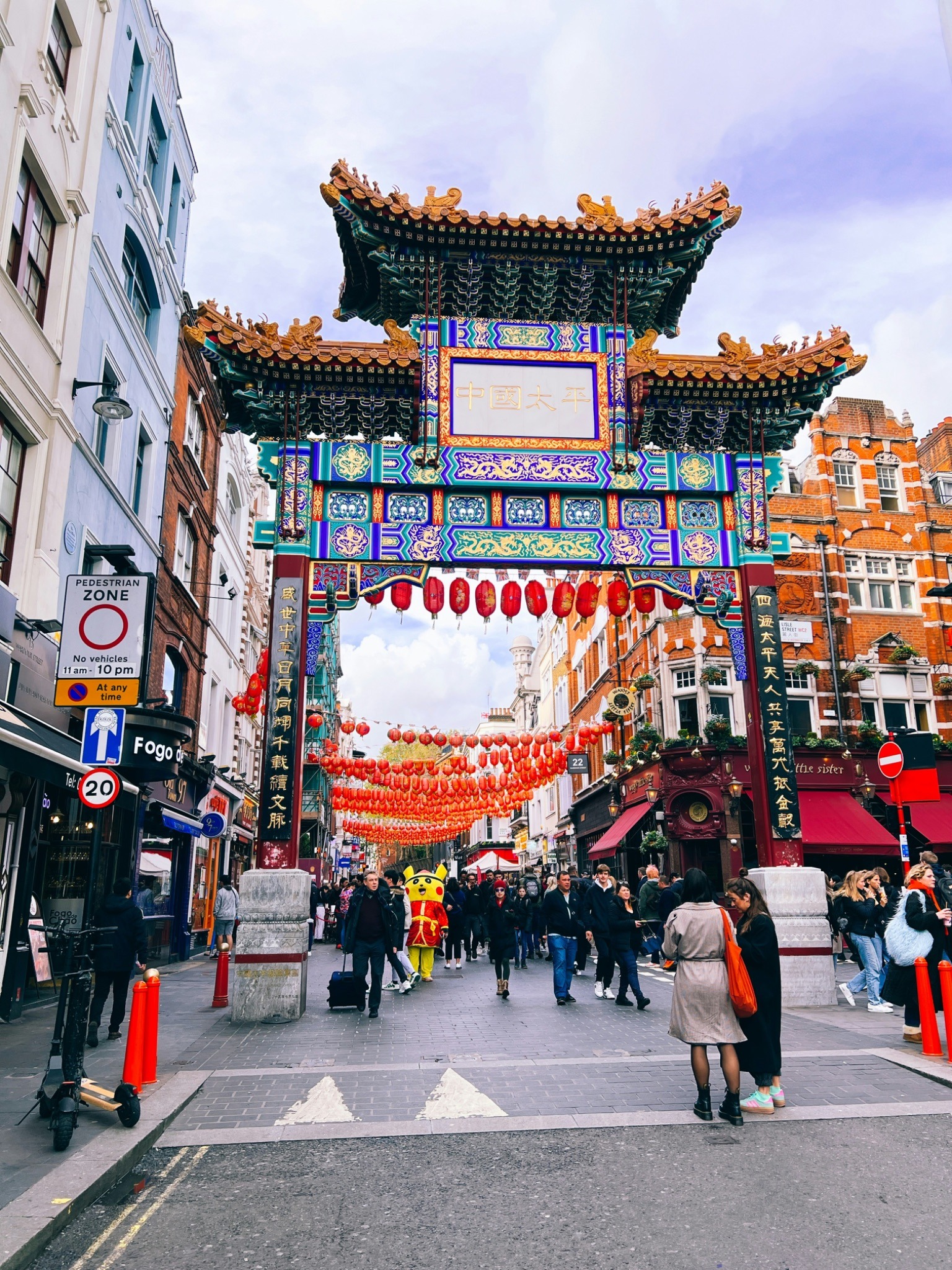
People move, food moves, and it brings culture along with it. Nothing exists inside a bubble, nor should it. This can be seen through the stories of cuisine, tea, clothing, and culture across nations. And while much of Chinese food across the world may simply be local inventions wearing a borrowed flag, that doesn’t make it any less a part of the global Chinese story. So eat that spice bag—even if the ancestors roll in their graves.
All images via Unsplash.