Shanghai has always had a tradition of inviting in the foreign but making it uniquely its own, and a new genre of restaurants is pushing that even further, building menus where the East-West binary evaporates and something entirely new is born. Touch down in the city, and you can experience an abundance of new flavors—how about a 麻 (má—numbing spice) pasta for starters?
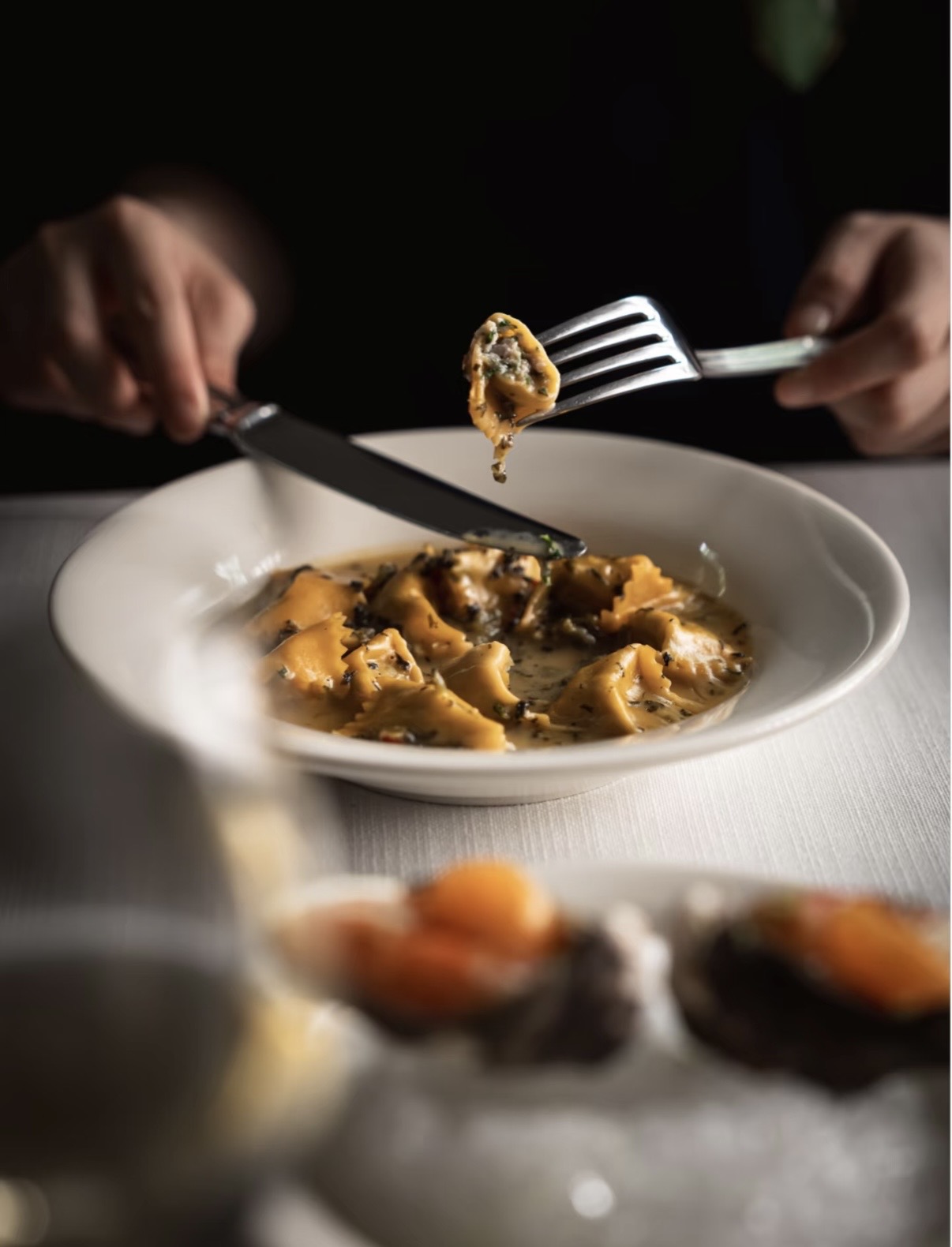
But if you really want to understand the Shanghai post-fusion scene, you must understand those who make it what it is.
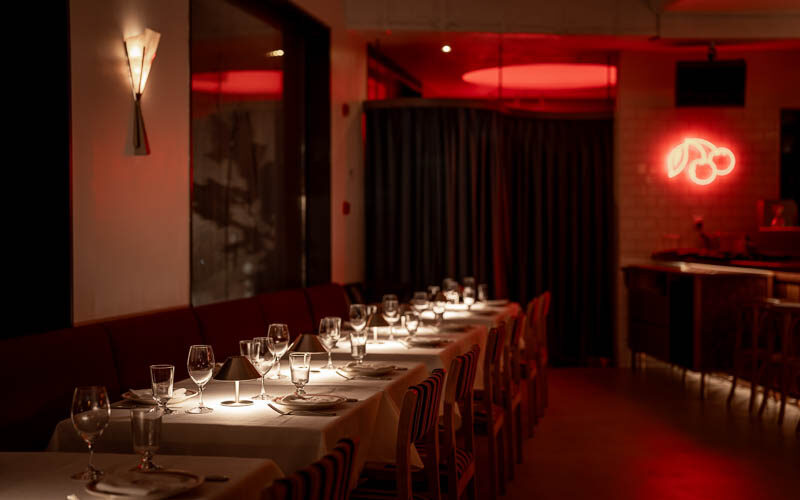
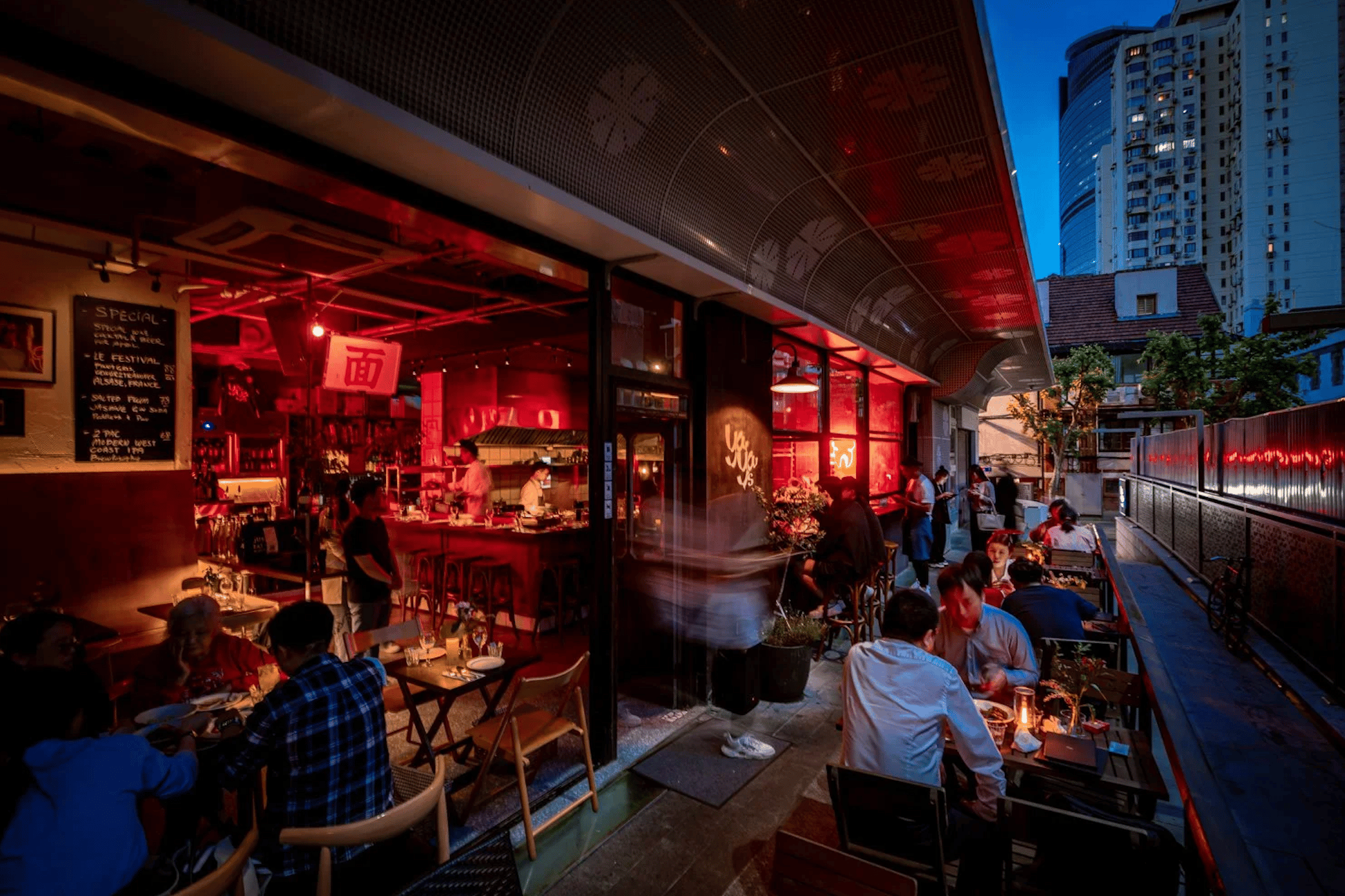
Yaya’s, a restaurant tucked away on Tongren Lu in Jing’an, operates on a simple premise: Italian techniques, Chinese flavor. The team behind it—chefs Dan Li and Andrew Moo—are explicit about the fact that this isn’t just about novelty for its own sake. That same team has since launched Nono’s as a standalone spinoff concept, this time with chef Chris Zhu (formerly of canteen/wine bar Blaz) at the helm, doubling down on the Chinese-Italian axis. Here you’ll find spectacles such as house-made charcuterie with a Chinese twist, and claypot-roasted Chongming yellow chicken that has emerged as a signature dish. Nono’s first surfaced as a nomadic pop-up in April 2025, followed by a cameo at Bunch Wine Fest, before locking in its permanent home perched on the second floor, overlooking the tree-lined Yongfu Lu.
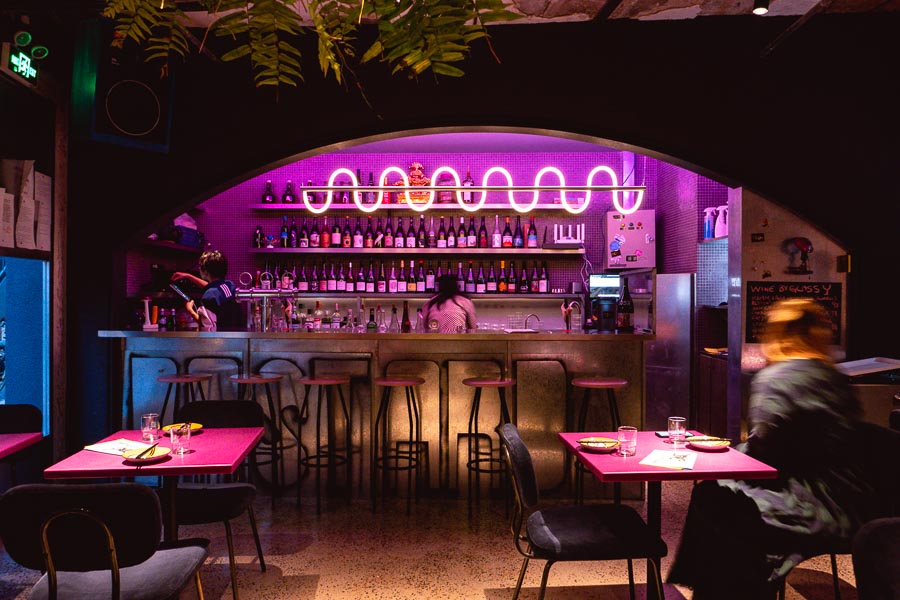
To tuck right into the scene, we interviewed Andrew Moo to get a deeper perspective on this shift.
RADII: What gap did Yaya’s—and subsequently Nono’s—fill in the local scene?
With Yaya’s, we felt there was room for a pasta bar that was casual, high-quality, and affordable. At the time, great pasta in Shanghai was usually either very high-end, very traditional, or treated as a side note on a café menu. We wanted to put pasta at the center while keeping it relaxed and accessible.
There also wasn’t much focus on truly al dente pasta, cooked “to the tooth,” which is where the name Yaya’s comes from. Pasta and noodles are both deeply comforting, and in China, that connection made sense immediately. Since opening, it’s been exciting to see more pasta-focused places appear.
With Nono’s, the gap was different. Shanghai has many serious dining rooms, but we wanted to create somewhere celebratory, generous, and fun. A place for birthdays, reunions, big nights out, or just because it’s Monday and you want a good martini and pizza.
Nono’s also lets us explore Chinese produce through an Italian lens. The meat, seafood, vegetables, and local ingredients here are incredible. We wanted to show that Italian food in China doesn’t need to rely only on imported traditions. It can be rooted in what’s around us.
What was the inspiration behind your projects in Shanghai? And what continues to inspire you?
Mostly, we’re inspired by what’s around us. Shanghai has this amazing tension between nostalgia and constant reinvention, which gives us a lot to work with.
We’re also inspired by travel whenever we can, not just restaurants, but the feeling of places. A great café, a neighborhood bar, a back-alley dumpling joint, a loud family meal, a quiet bowl of noodles at midnight. We’re always collecting small references and asking how they could make sense here.
For us, the goal is not to copy Italy or anywhere else. It’s about building spaces and menus that feel emotionally familiar, but still specific to Shanghai.
What excites you the most about developments in Shanghai’s restaurant scene?
The most exciting thing right now is the confidence in local craft and how quickly diners’ tastes are evolving. Chinese ingredients, producers, wine, coffee, spirits, ceramics, and design are all having a moment. It feels less like people are trying to imitate an overseas idea of quality, and more like we’re defining our own.
Guests are also more discerning than ever, which pushes everyone forward. A good product is important, but now people also care about the story, the sourcing, the feeling, and the point of view behind it.
There are also a lot of young people doing genuinely cool things: smaller venues, more personal concepts, and places with a strong point of view. I love restaurants and bars that transport you somewhere, not in a theme-park way, but through atmosphere, music, service, food, and the crowd.
Shanghai, when it’s at its best, is very good at that. A place can feel global, local, nostalgic, and completely new all at once. That’s what keeps it exciting.
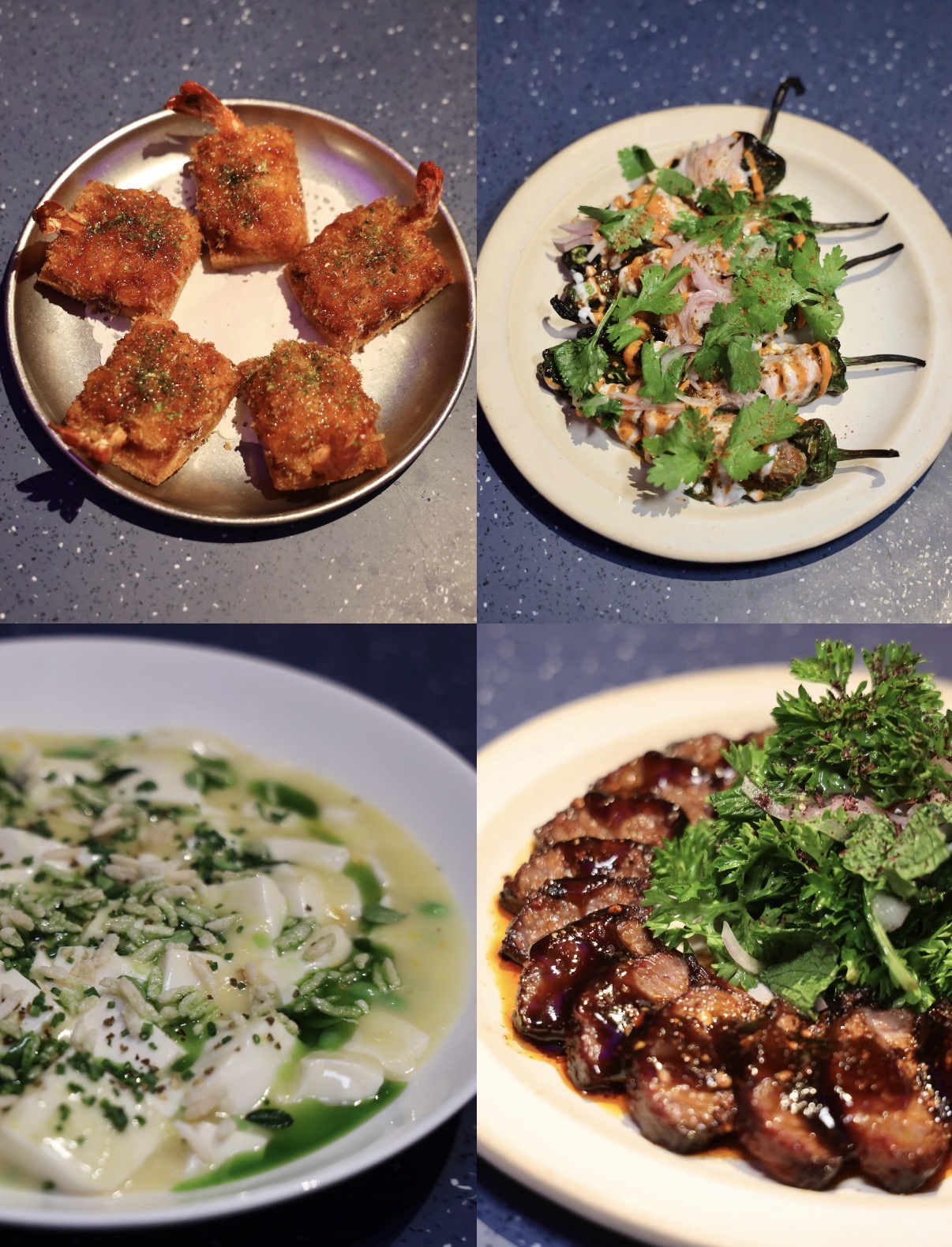
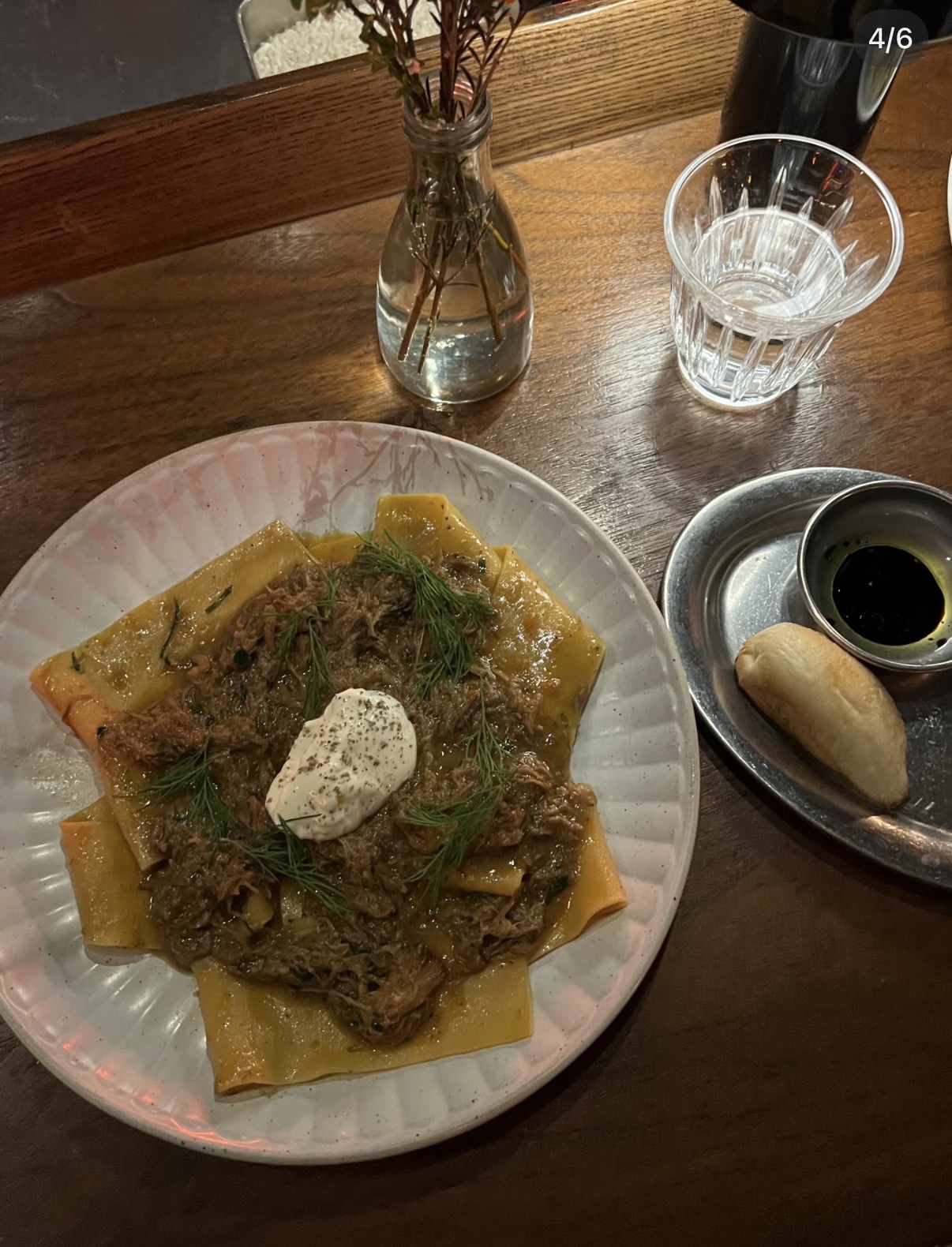
Across town in Jing’an, Bastard operates from a hard-to-find alley off Jiaozhou Lu with a harder-to-classify menu. Opened in 2022 by Jiro H and Polish chef Michael Janczewski during the city’s infamous lockdowns, Bastard has built itself an international reputation, all in a space seating just around 25 people, eventually taking the concept on tour with pop-ups in London, Paris, and Bangkok. Janczewski’s cooking pairs contrasting regional Chinese cuisines, distorting them further with traditional and Western techniques in a way that makes straightforward interpretation impossible. Take a peek at the menu: a hairy crab spring roll finished with Shaoxing wine sabayon, deconstructing the classic ginger-vinegar pairing and reassembling it; and a white mapo tofu built from house-fermented lantern chilies, marrow broth, Sichuan peppercorns, and crispy rice—spicy, aromatic, and deeply layered. Bastard doesn’t call itself fusion, but it also doesn’t really have to—it’s almost a new category in and of itself.
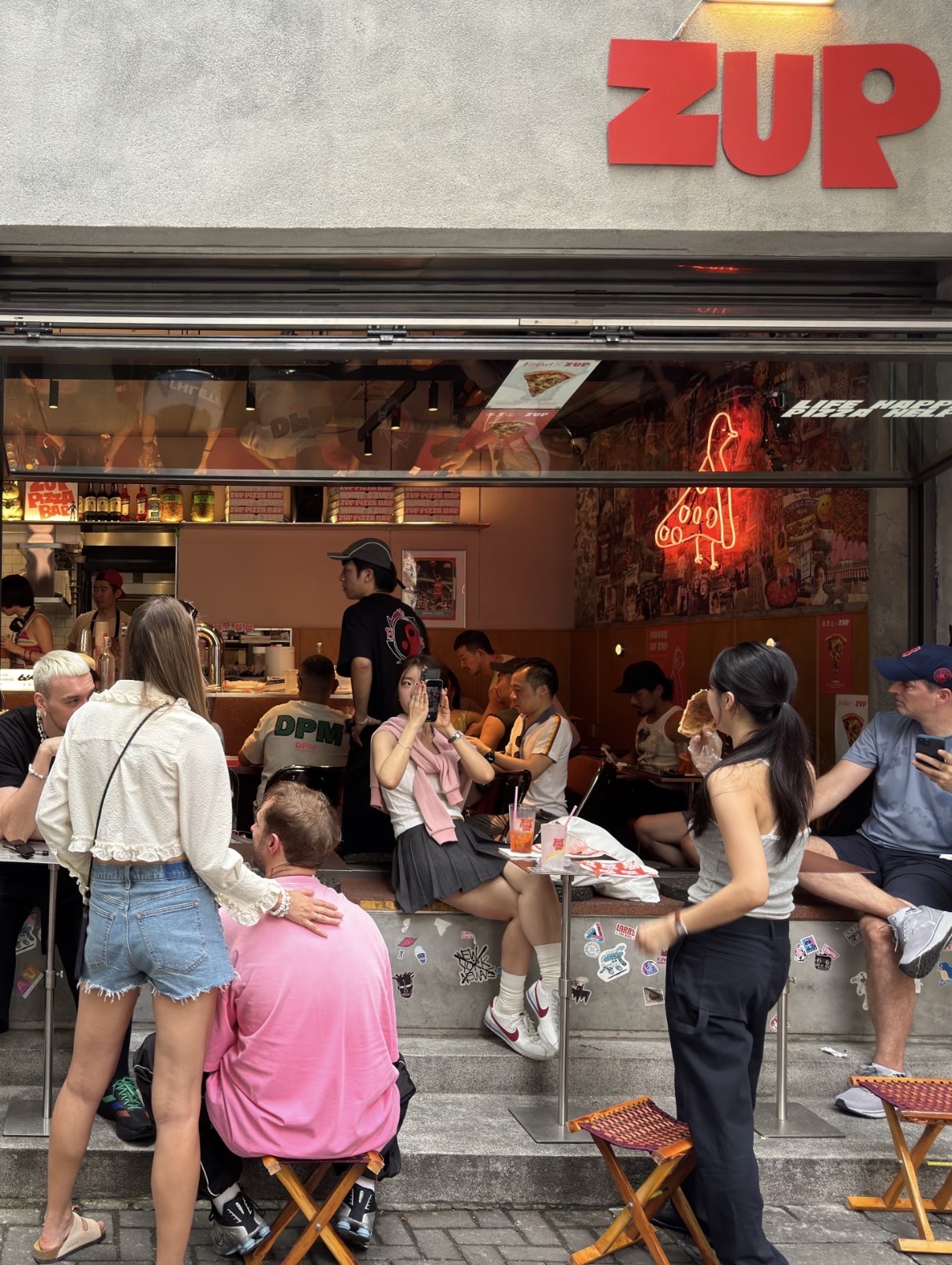
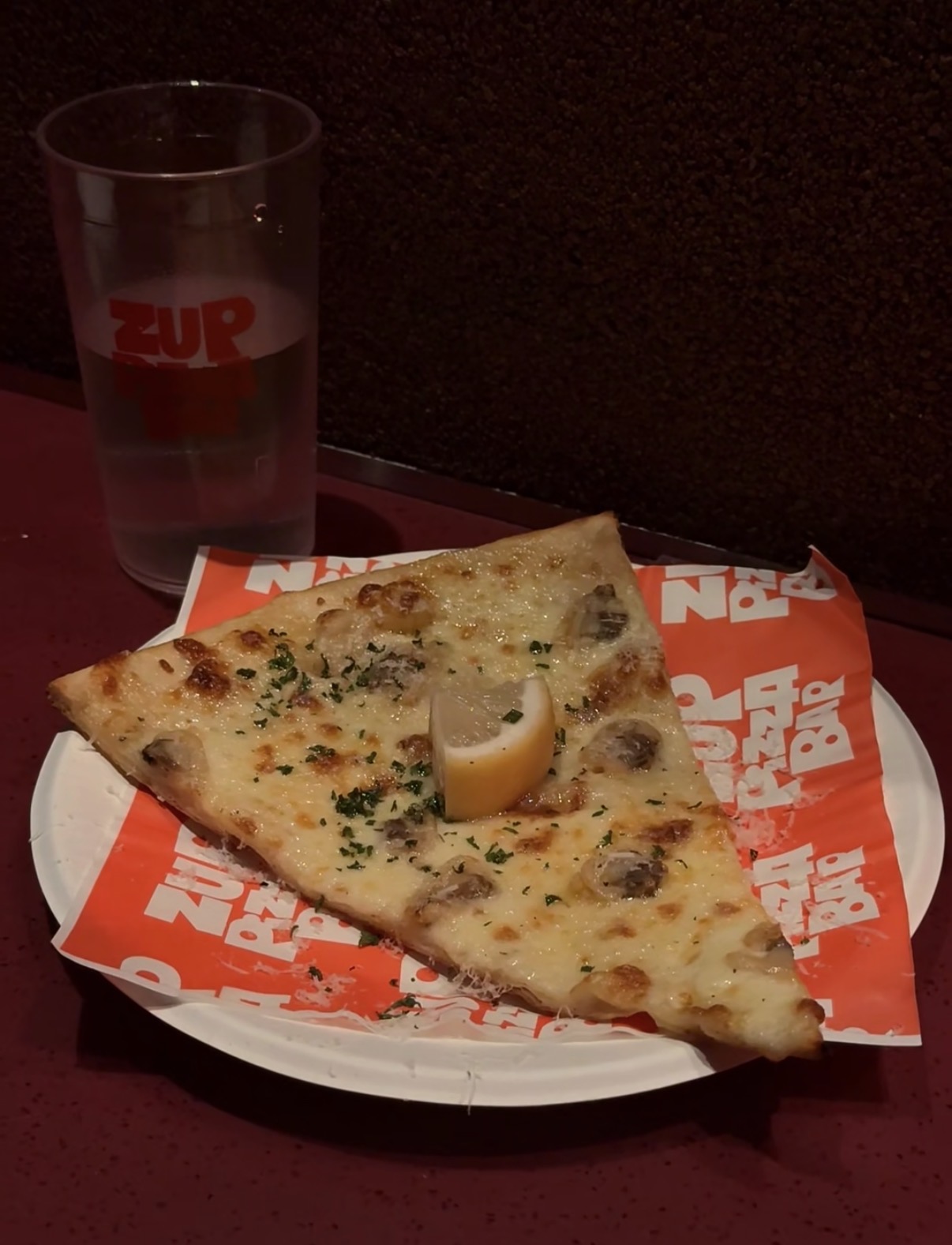
Semi-recently, Zup Pizza Bar was born. The brainchild of Chicago-born Wayne Hou—who has spent 19 years in China—it introduced the city’s first tavern-style pizza bar, arriving with fusion toppings like barbecue pork and scallion alongside arancini filled with Taiwanese-style braised pork. New spots like this are constantly opening; it’s in the DNA of the city.
What’s notable about these restaurants isn’t only the food—it’s the confidence in it. Earlier generations of Shanghai fusion often felt more like a local palate adaptation rather than an exciting experiment. These restaurants feel like they’ve anchored somewhere different. As a cosmopolitan city, Shanghai has always absorbed international influence through its own filter; what’s different now is that the chefs are looking outside the confines of what “fusion” is and should be. What could the city be cooking up next?
Cover image via Yaya’s.