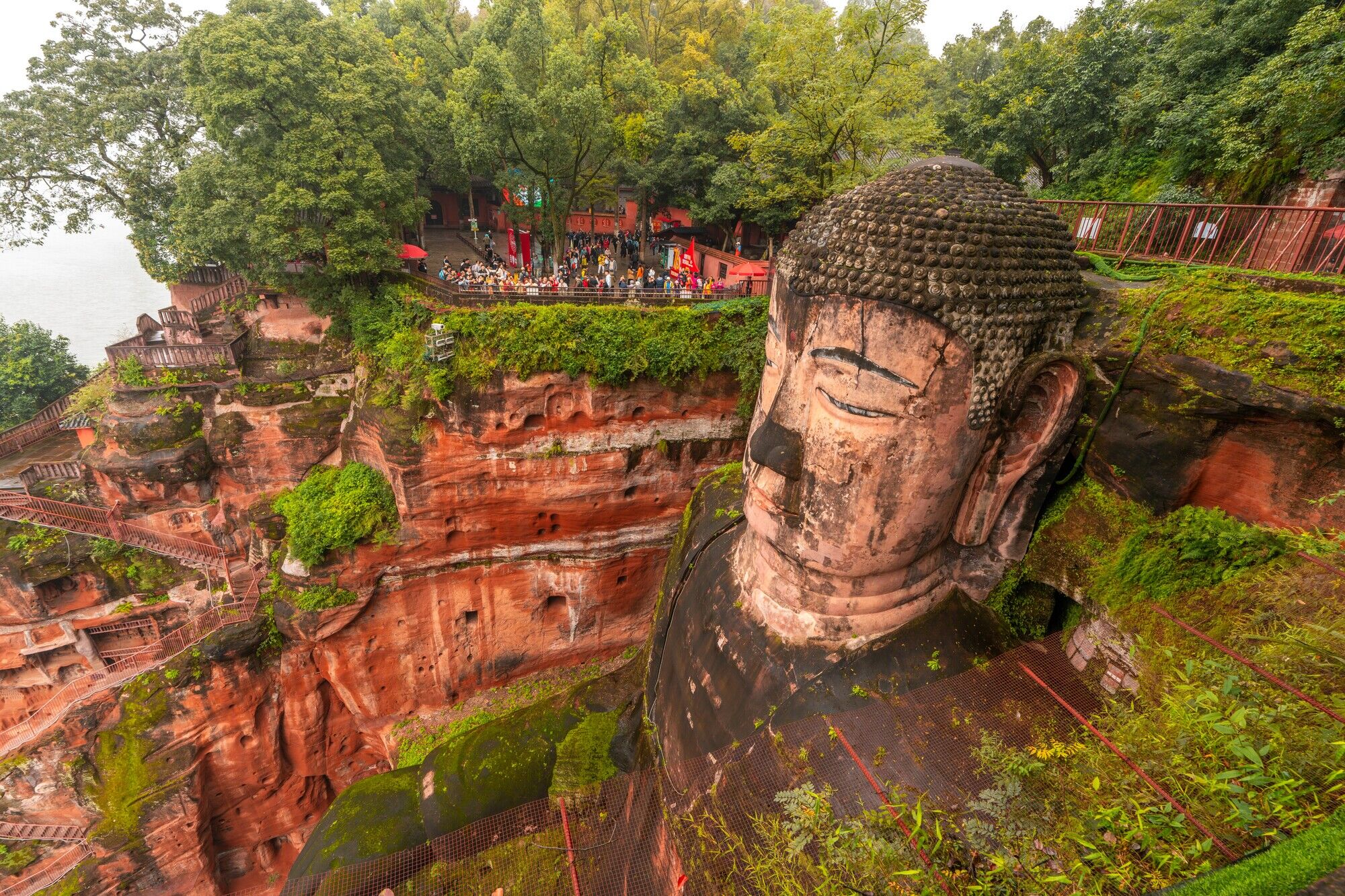

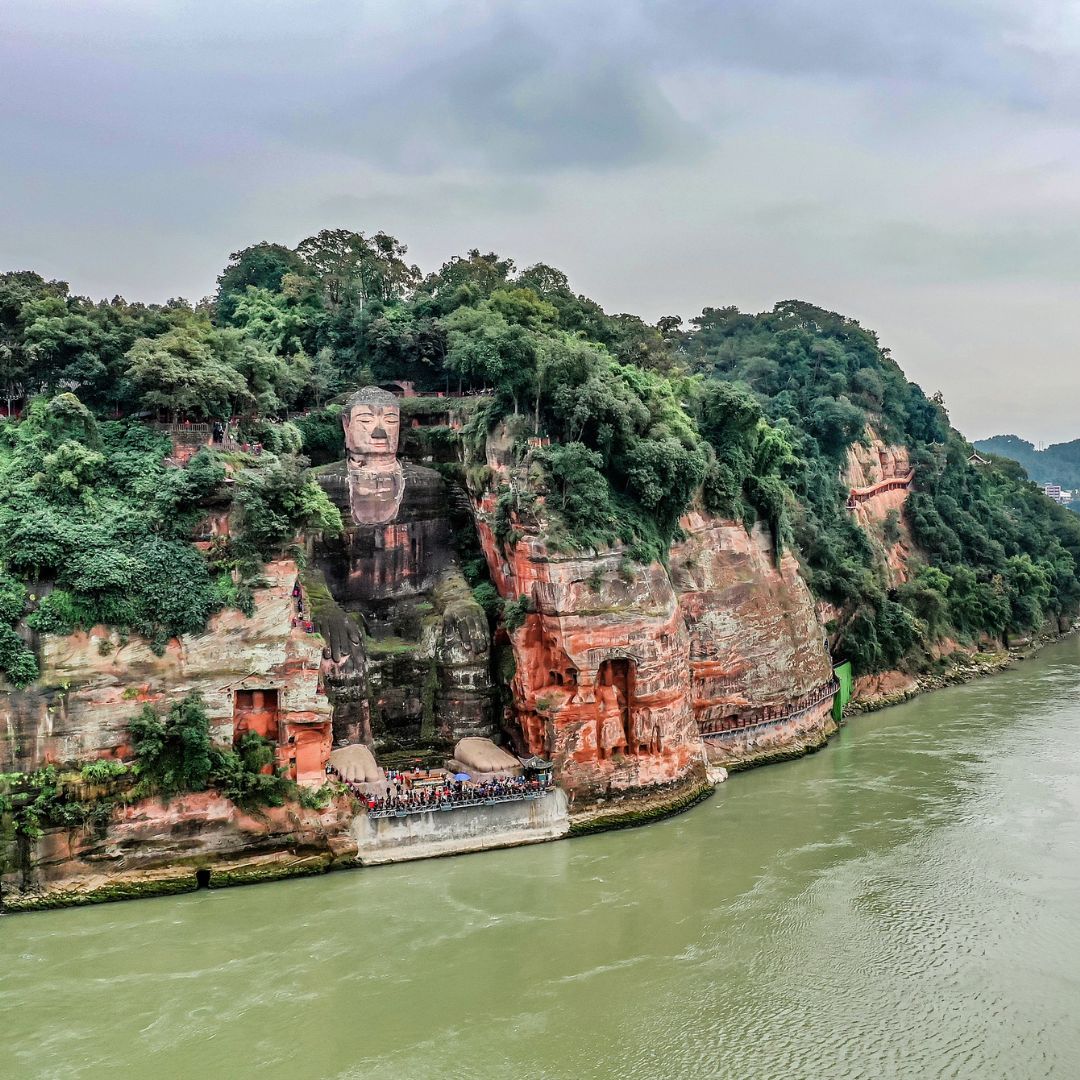
Carved out of a cliff face during the Tang dynasty, the Leshan Giant Buddha is a marvel of ancient engineering. Sitting 71 meters (233 feet) tall at the confluence of the Min, Dadu, and Qingyi rivers in Sichuan, China, it is the largest and tallest stone Buddha statue in the world. Naturally, an undertaking like cleaning a monument of this scale sounds fascinating.
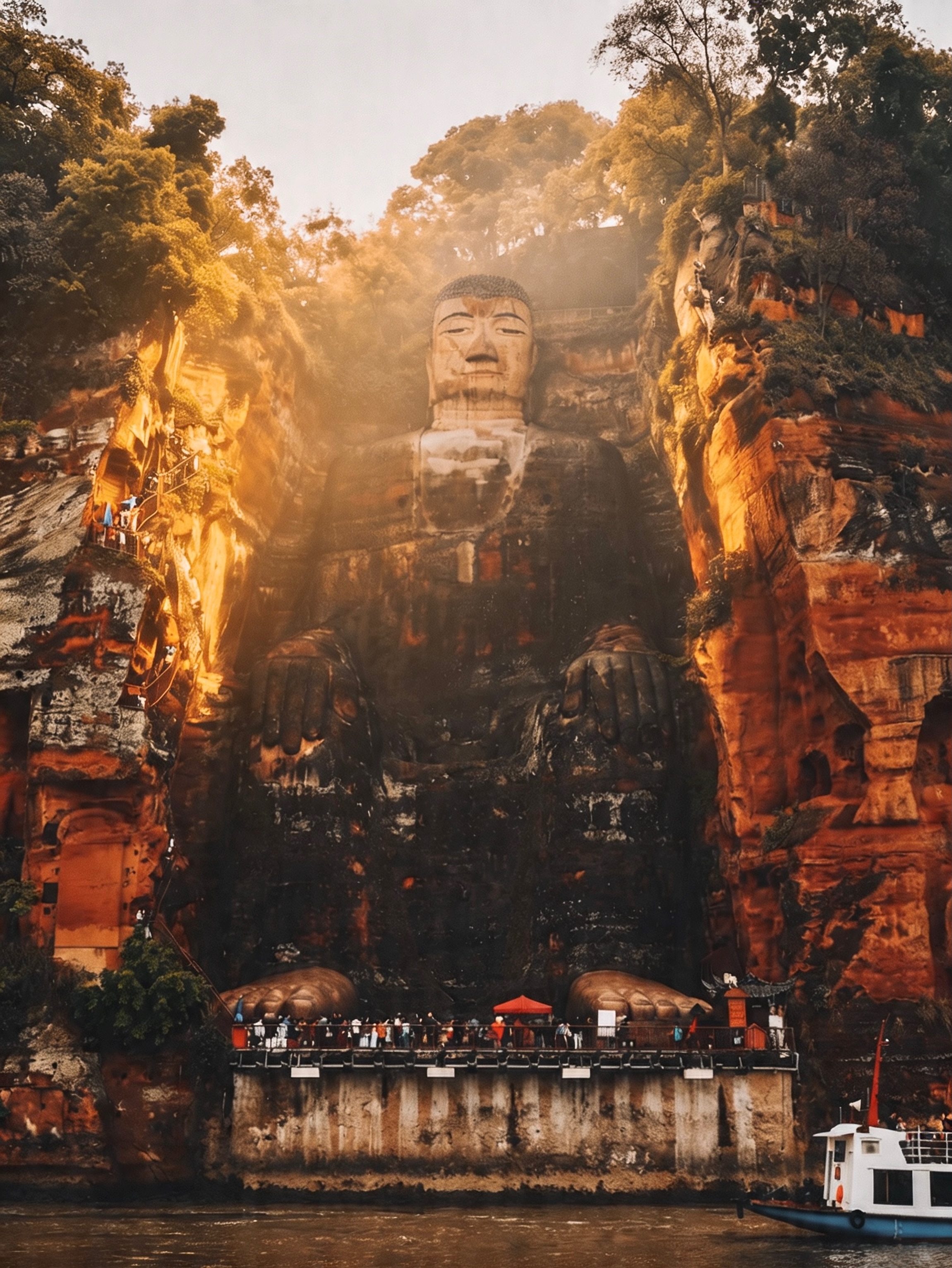
Recently, a short video began circulating across social media platforms showing maintenance workers dangling from ropes, seemingly “picking” the ears and nose of the Giant Buddha. The clips showed workers pulling out pigeons, leaves, and debris from the statue’s massive crevices, with monkeys playfully stealing hard hats nearby. The footage quickly went viral, captivating viewers with its hyper-realistic look.
There’s just one problem: none of it is real.
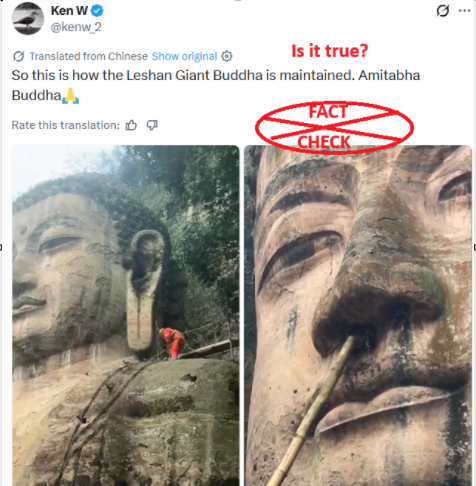
The Leshan Giant Buddha Management Committee swiftly debunked the video, confirming that the entire clip was generated by AI. It’s a glaring example of a troubling trend in digital culture: the rise of “AI slop.” As artificial intelligence tools become more advanced and accessible, it is becoming increasingly difficult for the average user to distinguish authentic footage from fabricated content.
This phenomenon is exacerbated by the explosion of bot accounts that churn out fake, clickbait videos masquerading as cultural or educational content. Designed purely for engagement farming and doomscrolling, these short clips offer no genuine historical context or benefit. Instead, they warp reality and exploit heritage sites for cheap views. As we navigate this new digital landscape, keeping a critical eye on our feeds has never been more essential.
Cover image via BucketListly Blog.