Feature image of Move Over — Nike Just Showed Brands What Real Cultural Fluency Is

Move Over — Nike Just Showed Brands What Real Cultural Fluency Is

3 mins read

3 mins read

Feature image of Move Over — Nike Just Showed Brands What Real Cultural Fluency Is
This pop-up in Shanghai was a masterclass in market adaptation. What lessons can other Western brands take from it?

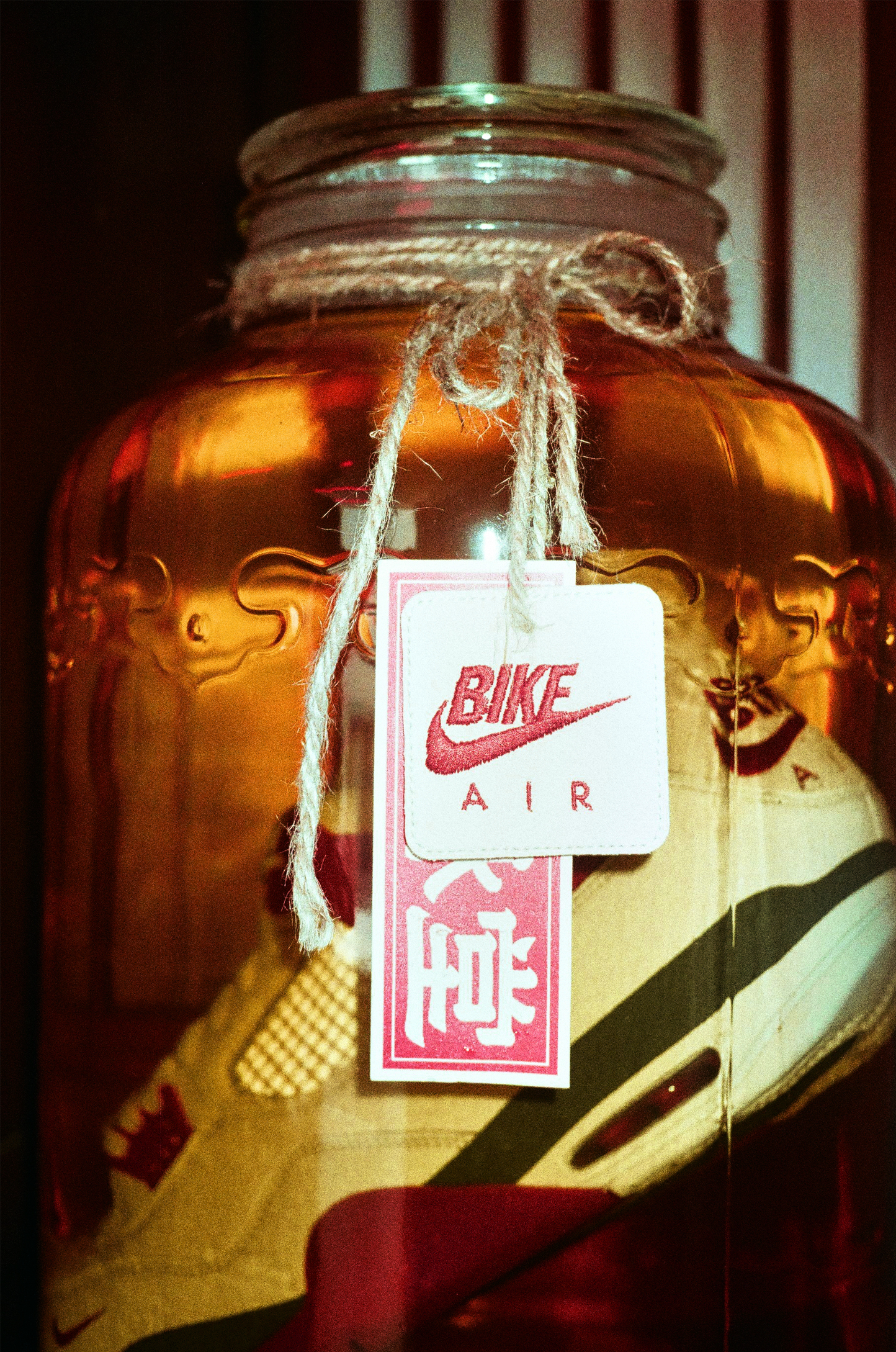
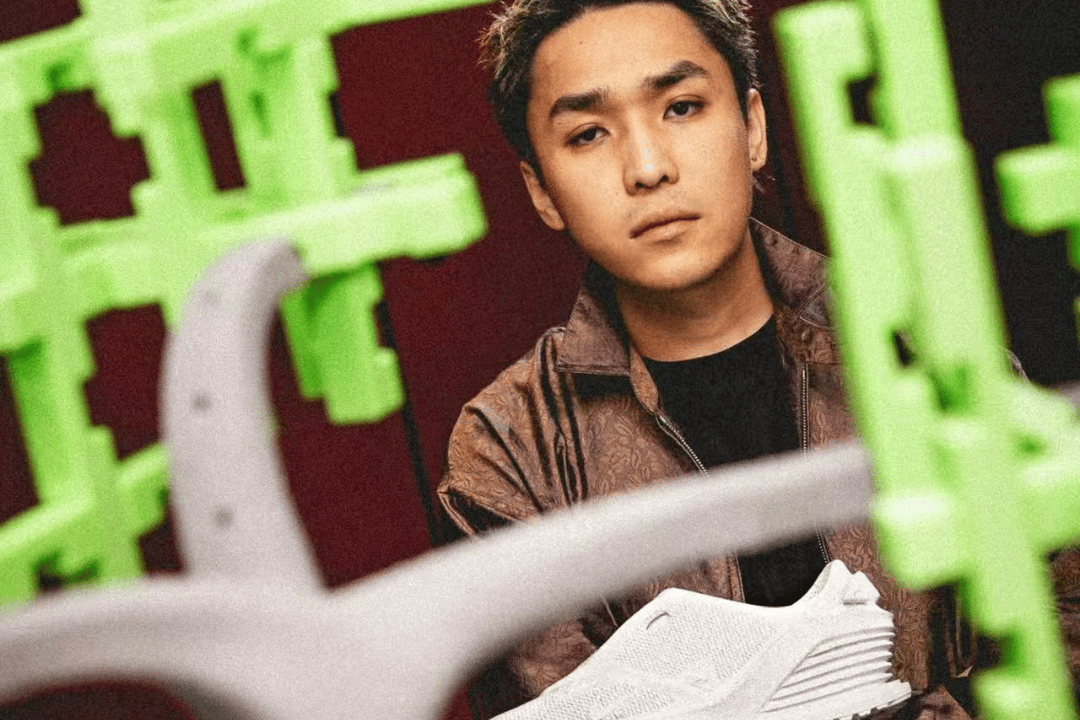
When Nike touched down in Shanghai last week for its Brick After Brick / 承脉堂 (chéng mái táng) pop-up—which can be loosely translated as “Hall of Living Tradition”—the team, thankfully, didn’t just pull up, slap a red colorway on a pair of AF1s, and call it a day. It was a real example of cultural understanding within a Western brand—quite a rarity. The pop-up included elements such as live pulse readings with a TCM doctor, a variety of TCM concoctions, and woodlock medicated oil up for grabs, placed neatly alongside BMX bikes and other Nike hardware.
RADII talks about the recent Nike x Ugly collaboration pop-up in Shanghai featuring pro BMX Nigel Sylvester with TCM elements.

The event, which was born in collaboration with Shanghai-based indie creative agency Ugly in affiliation with BMX legend Nigel Sylvester, took over BLOCK23—Nike’s industrial-feeling community space in the heart of the city—for three days beginning on May 21. What unfolded inside these walls was one of the most thoughtful brand experiences to hit the city in recent history. So, what else made the experience so special?
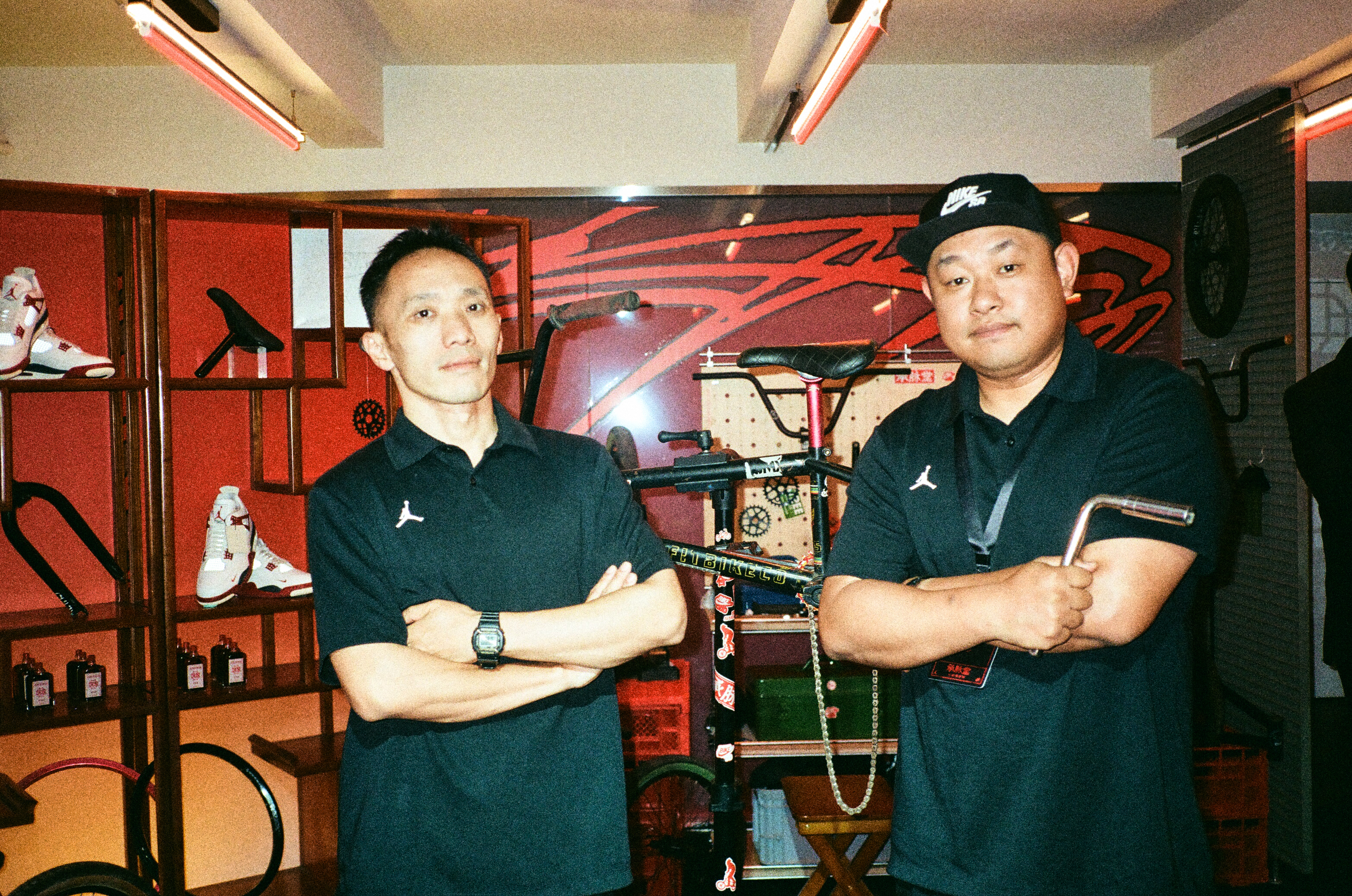
RADII talks about the recent Nike x Ugly collaboration pop-up in Shanghai featuring pro BMX Nigel Sylvester with TCM elements.

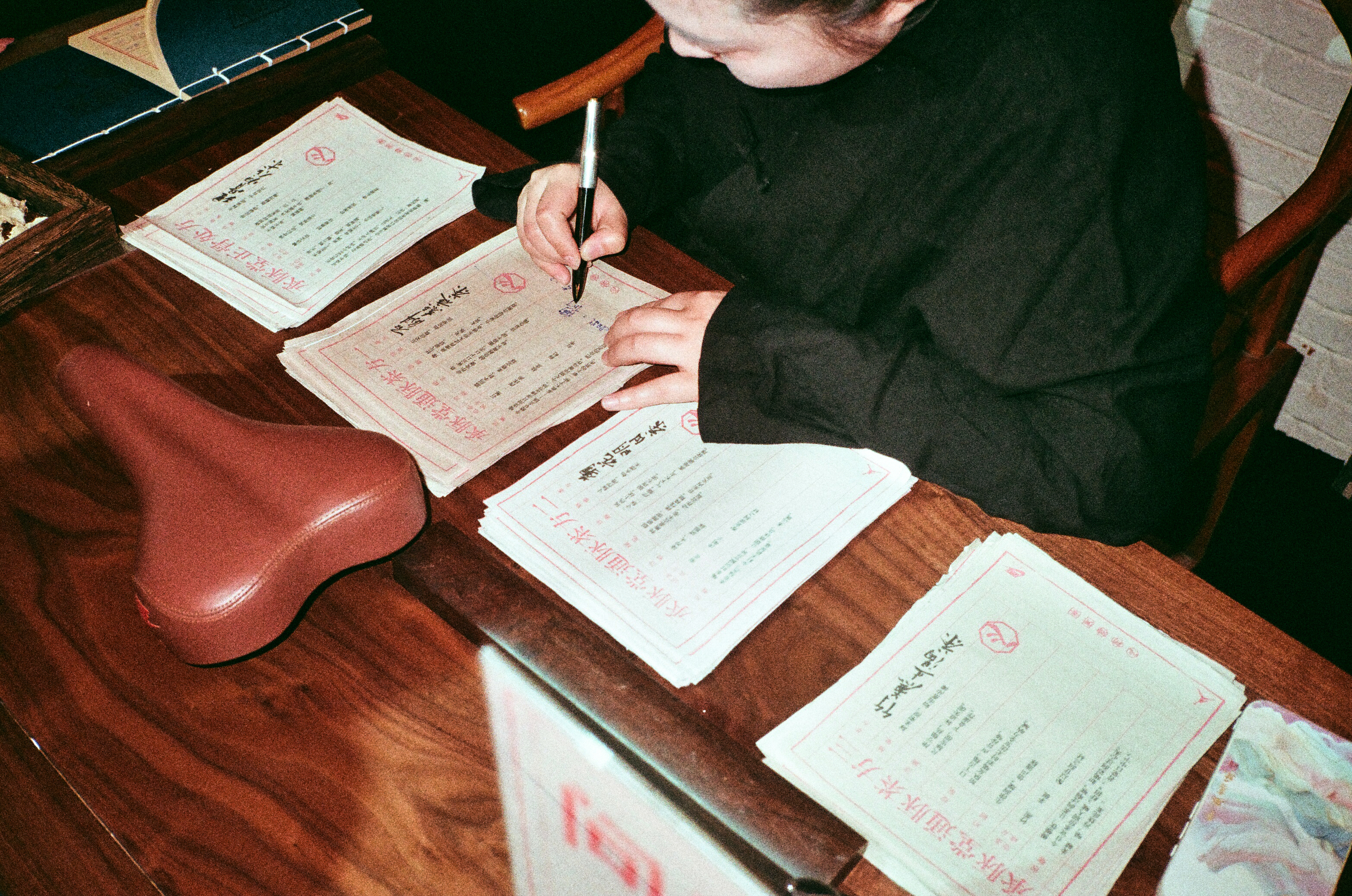
As you arrive, you enter through an open-air corridor lined with actual BMX bikes and action-shot posters bathed in a red fluorescent hue. The entryway held a table with stacked branded bricks, a bar inside served both free-flowing wine and TCM-inspired non-alcoholic cocktails, and an LED screen cycling through BMX action footage sat behind the DJ booth. While the event was energetic, it contrasted with an oasis of healing. An actual TCM doctor was tucked into a side room, providing pulse readings using an outfitted bike seat as the armrest. Without feeling forced, the event wove the story of Nike, BMX, and traditional Chinese medicine together into a beautiful tapestry.
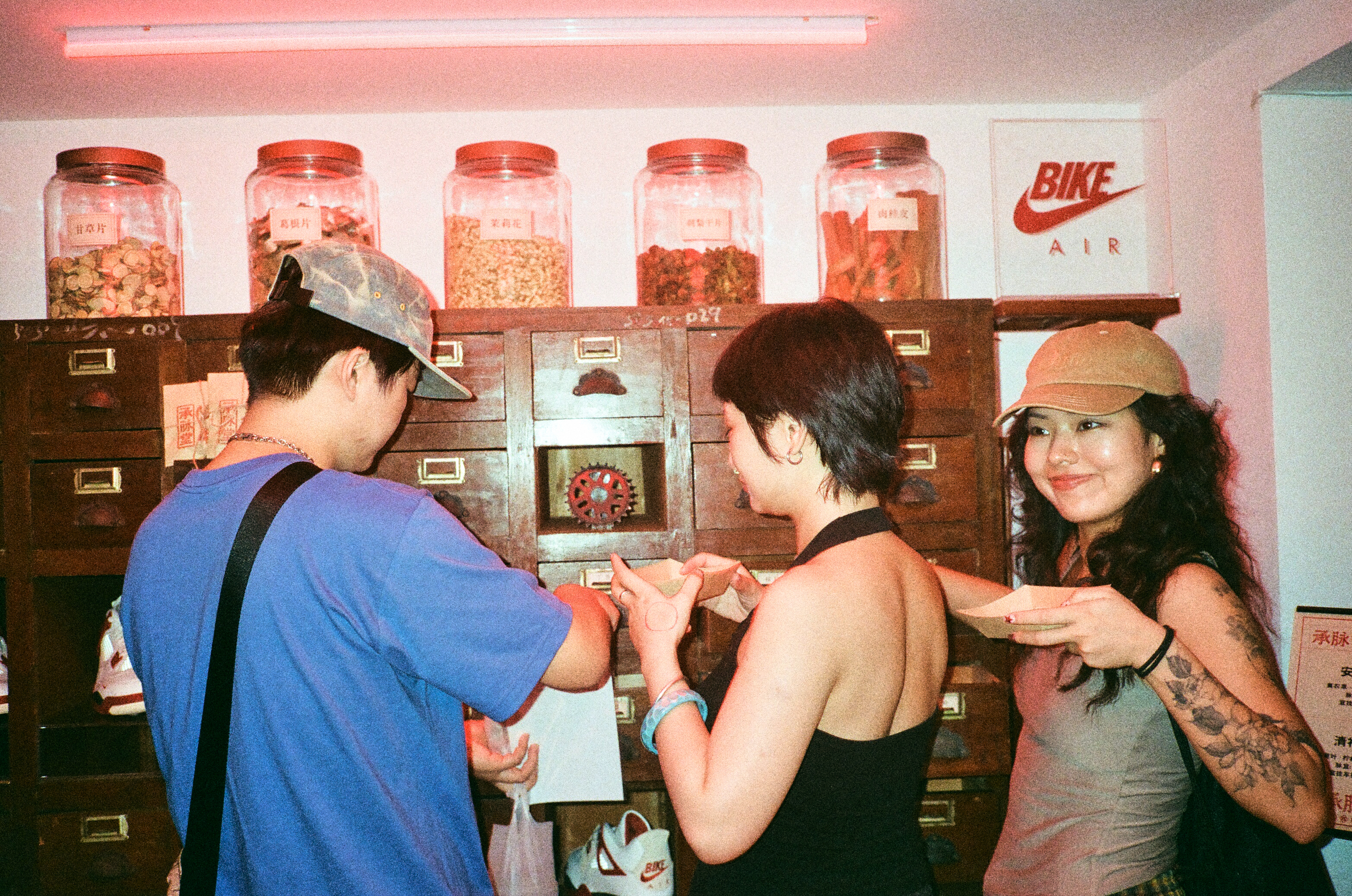
RADII talks about the recent Nike x Ugly collaboration pop-up in Shanghai featuring pro BMX Nigel Sylvester with TCM elements.

Not many brands have seen this type of hyper-success in China. In fact, the graveyard of Western brands that have fumbled over the years is quite long. Dolce & Gabbana’s 2018 campaign—which depicted a Chinese model struggling to eat Italian food with chopsticks—triggered a Weibo firestorm, leading to a canceled Shanghai runway show and years of reputational damage that the brand is still trying to claw back from. More recently, in the summer of last year, Swatch ran an ad featuring an Asian model pulling his eyes back at the corners, prompting immediate boycott calls on Chinese social media, a 2.7% share price drop, and a bilingual apology that didn’t do much to contain the fallout. So when Swatch and Audemars Piguet dropped their collab earlier this month, demand failed to live up to what was seen abroad.
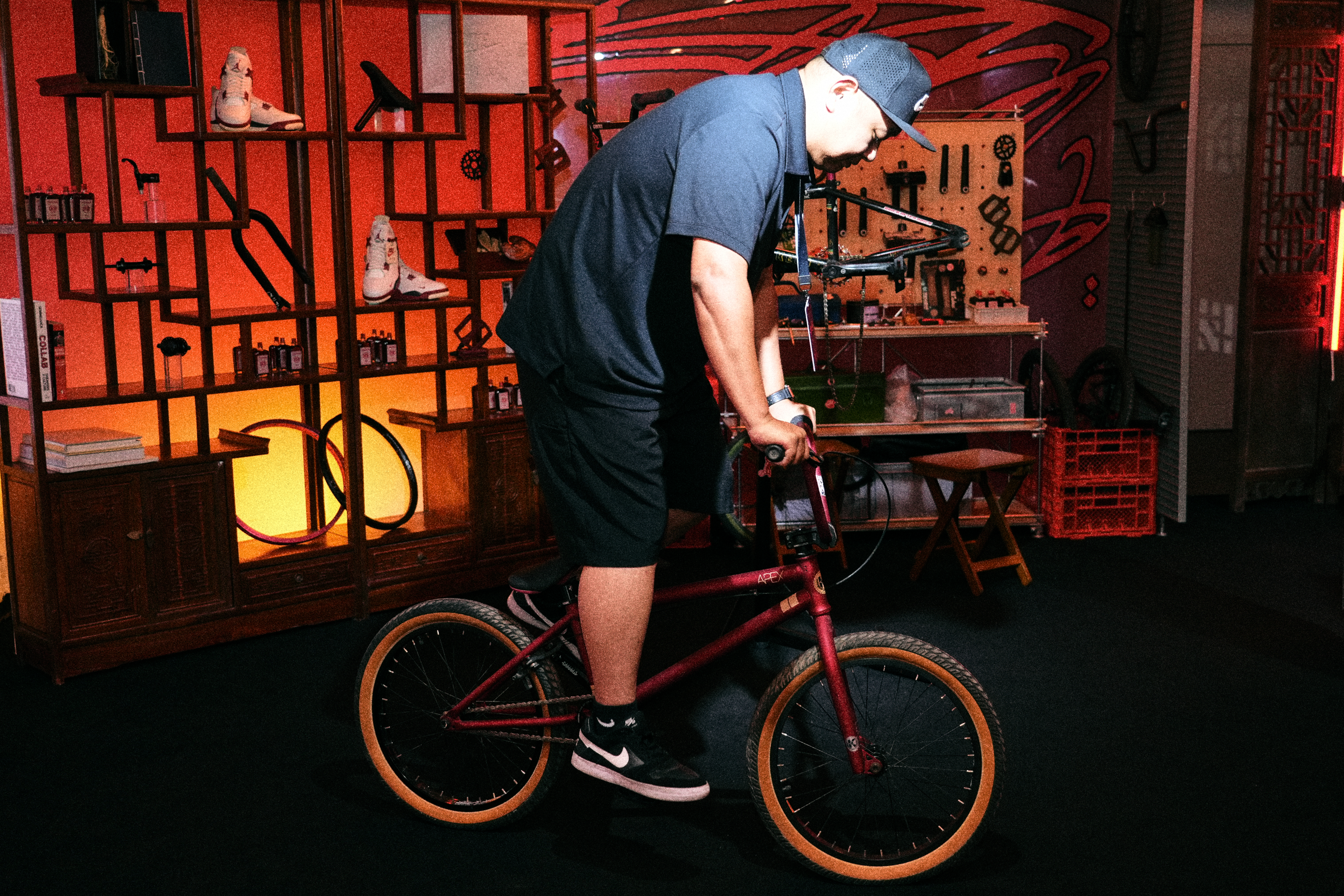
RADII talks about the recent Nike x Ugly collaboration pop-up in Shanghai featuring pro BMX Nigel Sylvester with TCM elements.

The pattern across these failures is quite evident: brands treating Chinese culture and people with disrespect or a type of “modern orientalism.” They’ll reach for what’s easy—chopsticks, dragon motifs, hanfu, or lucky red—without understanding the history behind them or what makes them important in modern society. The outcome is these campaigns feeling inauthentic, lazily assembled, and, in the worst cases, downright offensive. This is the importance of including team members or agencies that actually understand China, rather than relying solely on the opinions of executives in London or Paris.
RADII talks about the recent Nike x Ugly collaboration pop-up in Shanghai featuring pro BMX Nigel Sylvester with TCM elements.

What Nike and Ugly did with their latest event was undoubtedly intentional. TCM wasn’t a half-baked inclusion, but essentially the focus of the entire event, integrated in a way that felt organic—no boardroom slop. The connection between BMX’s intensity and physical nature and traditional Chinese medicine’s focus on recovery, flow, and bodily maintenance meshes smoothly. “Brand experiences are moving beyond simply creating social media-worthy photo moments,” said Hubert Mou, founder and strategy director of Ugly. “Culture responds when brands can offer a fresh perspective on something authentic to our world.”
RADII talks about the recent Nike x Ugly collaboration pop-up in Shanghai featuring pro BMX Nigel Sylvester with TCM elements.

For any Western brand planning an entry, or re-entry, into the Chinese market, Brick After Brick is without a doubt a case study worth analyzing. It’s necessary to nail down the formula: finding collaborators who come from inside the culture you’re aiming to attract, building out concepts with real-world relevance, and showing consumers you understand the difference between consideration and cosplay. And trust, they will notice.

All images via Nike Shanghai.
NEWSLETTER

Get weekly top picks and exclusive, newsletter only content delivered straight to you inbox.

NEWSLETTER

Get weekly top picks and exclusive, newsletter only content delivered straight to you inbox.

RADII NEWSLETTER

Get weekly top picks and exclusive, newsletter only content delivered straight to you inbox

Feature image of Move Over — Nike Just Showed Brands What Real Cultural Fluency Is

Move Over — Nike Just Showed Brands What Real Cultural Fluency Is

3 mins read

This pop-up in Shanghai was a masterclass in market adaptation. What lessons can other Western brands take from it?

When Nike touched down in Shanghai last week for its Brick After Brick / 承脉堂 (chéng mái táng) pop-up—which can be loosely translated as “Hall of Living Tradition”—the team, thankfully, didn’t just pull up, slap a red colorway on a pair of AF1s, and call it a day. It was a real example of cultural understanding within a Western brand—quite a rarity. The pop-up included elements such as live pulse readings with a TCM doctor, a variety of TCM concoctions, and woodlock medicated oil up for grabs, placed neatly alongside BMX bikes and other Nike hardware.

RADII talks about the recent Nike x Ugly collaboration pop-up in Shanghai featuring pro BMX Nigel Sylvester with TCM elements.

The event, which was born in collaboration with Shanghai-based indie creative agency Ugly in affiliation with BMX legend Nigel Sylvester, took over BLOCK23—Nike’s industrial-feeling community space in the heart of the city—for three days beginning on May 21. What unfolded inside these walls was one of the most thoughtful brand experiences to hit the city in recent history. So, what else made the experience so special?

RADII talks about the recent Nike x Ugly collaboration pop-up in Shanghai featuring pro BMX Nigel Sylvester with TCM elements.

As you arrive, you enter through an open-air corridor lined with actual BMX bikes and action-shot posters bathed in a red fluorescent hue. The entryway held a table with stacked branded bricks, a bar inside served both free-flowing wine and TCM-inspired non-alcoholic cocktails, and an LED screen cycling through BMX action footage sat behind the DJ booth. While the event was energetic, it contrasted with an oasis of healing. An actual TCM doctor was tucked into a side room, providing pulse readings using an outfitted bike seat as the armrest. Without feeling forced, the event wove the story of Nike, BMX, and traditional Chinese medicine together into a beautiful tapestry.

RADII talks about the recent Nike x Ugly collaboration pop-up in Shanghai featuring pro BMX Nigel Sylvester with TCM elements.

Not many brands have seen this type of hyper-success in China. In fact, the graveyard of Western brands that have fumbled over the years is quite long. Dolce & Gabbana’s 2018 campaign—which depicted a Chinese model struggling to eat Italian food with chopsticks—triggered a Weibo firestorm, leading to a canceled Shanghai runway show and years of reputational damage that the brand is still trying to claw back from. More recently, in the summer of last year, Swatch ran an ad featuring an Asian model pulling his eyes back at the corners, prompting immediate boycott calls on Chinese social media, a 2.7% share price drop, and a bilingual apology that didn’t do much to contain the fallout. So when Swatch and Audemars Piguet dropped their collab earlier this month, demand failed to live up to what was seen abroad.

RADII talks about the recent Nike x Ugly collaboration pop-up in Shanghai featuring pro BMX Nigel Sylvester with TCM elements.

The pattern across these failures is quite evident: brands treating Chinese culture and people with disrespect or a type of “modern orientalism.” They’ll reach for what’s easy—chopsticks, dragon motifs, hanfu, or lucky red—without understanding the history behind them or what makes them important in modern society. The outcome is these campaigns feeling inauthentic, lazily assembled, and, in the worst cases, downright offensive. This is the importance of including team members or agencies that actually understand China, rather than relying solely on the opinions of executives in London or Paris.

RADII talks about the recent Nike x Ugly collaboration pop-up in Shanghai featuring pro BMX Nigel Sylvester with TCM elements.

What Nike and Ugly did with their latest event was undoubtedly intentional. TCM wasn’t a half-baked inclusion, but essentially the focus of the entire event, integrated in a way that felt organic—no boardroom slop. The connection between BMX’s intensity and physical nature and traditional Chinese medicine’s focus on recovery, flow, and bodily maintenance meshes smoothly. “Brand experiences are moving beyond simply creating social media-worthy photo moments,” said Hubert Mou, founder and strategy director of Ugly. “Culture responds when brands can offer a fresh perspective on something authentic to our world.”

RADII talks about the recent Nike x Ugly collaboration pop-up in Shanghai featuring pro BMX Nigel Sylvester with TCM elements.

For any Western brand planning an entry, or re-entry, into the Chinese market, Brick After Brick is without a doubt a case study worth analyzing. It’s necessary to nail down the formula: finding collaborators who come from inside the culture you’re aiming to attract, building out concepts with real-world relevance, and showing consumers you understand the difference between consideration and cosplay. And trust, they will notice.

All images via Nike Shanghai.
NEWSLETTER

Get weekly top picks and exclusive, newsletter only content delivered straight to you inbox.

RADII NEWSLETTER

Get weekly top picks and exclusive, newsletter only content delivered straight to you inbox

RELATED POSTS

Feature image of Move Over — Nike Just Showed Brands What Real Cultural Fluency Is

Move Over — Nike Just Showed Brands What Real Cultural Fluency Is

3 mins read

3 mins read

Feature image of Move Over — Nike Just Showed Brands What Real Cultural Fluency Is
This pop-up in Shanghai was a masterclass in market adaptation. What lessons can other Western brands take from it?

When Nike touched down in Shanghai last week for its Brick After Brick / 承脉堂 (chéng mái táng) pop-up—which can be loosely translated as “Hall of Living Tradition”—the team, thankfully, didn’t just pull up, slap a red colorway on a pair of AF1s, and call it a day. It was a real example of cultural understanding within a Western brand—quite a rarity. The pop-up included elements such as live pulse readings with a TCM doctor, a variety of TCM concoctions, and woodlock medicated oil up for grabs, placed neatly alongside BMX bikes and other Nike hardware.

RADII talks about the recent Nike x Ugly collaboration pop-up in Shanghai featuring pro BMX Nigel Sylvester with TCM elements.

The event, which was born in collaboration with Shanghai-based indie creative agency Ugly in affiliation with BMX legend Nigel Sylvester, took over BLOCK23—Nike’s industrial-feeling community space in the heart of the city—for three days beginning on May 21. What unfolded inside these walls was one of the most thoughtful brand experiences to hit the city in recent history. So, what else made the experience so special?

RADII talks about the recent Nike x Ugly collaboration pop-up in Shanghai featuring pro BMX Nigel Sylvester with TCM elements.

As you arrive, you enter through an open-air corridor lined with actual BMX bikes and action-shot posters bathed in a red fluorescent hue. The entryway held a table with stacked branded bricks, a bar inside served both free-flowing wine and TCM-inspired non-alcoholic cocktails, and an LED screen cycling through BMX action footage sat behind the DJ booth. While the event was energetic, it contrasted with an oasis of healing. An actual TCM doctor was tucked into a side room, providing pulse readings using an outfitted bike seat as the armrest. Without feeling forced, the event wove the story of Nike, BMX, and traditional Chinese medicine together into a beautiful tapestry.

RADII talks about the recent Nike x Ugly collaboration pop-up in Shanghai featuring pro BMX Nigel Sylvester with TCM elements.

Not many brands have seen this type of hyper-success in China. In fact, the graveyard of Western brands that have fumbled over the years is quite long. Dolce & Gabbana’s 2018 campaign—which depicted a Chinese model struggling to eat Italian food with chopsticks—triggered a Weibo firestorm, leading to a canceled Shanghai runway show and years of reputational damage that the brand is still trying to claw back from. More recently, in the summer of last year, Swatch ran an ad featuring an Asian model pulling his eyes back at the corners, prompting immediate boycott calls on Chinese social media, a 2.7% share price drop, and a bilingual apology that didn’t do much to contain the fallout. So when Swatch and Audemars Piguet dropped their collab earlier this month, demand failed to live up to what was seen abroad.

RADII talks about the recent Nike x Ugly collaboration pop-up in Shanghai featuring pro BMX Nigel Sylvester with TCM elements.

The pattern across these failures is quite evident: brands treating Chinese culture and people with disrespect or a type of “modern orientalism.” They’ll reach for what’s easy—chopsticks, dragon motifs, hanfu, or lucky red—without understanding the history behind them or what makes them important in modern society. The outcome is these campaigns feeling inauthentic, lazily assembled, and, in the worst cases, downright offensive. This is the importance of including team members or agencies that actually understand China, rather than relying solely on the opinions of executives in London or Paris.

RADII talks about the recent Nike x Ugly collaboration pop-up in Shanghai featuring pro BMX Nigel Sylvester with TCM elements.

What Nike and Ugly did with their latest event was undoubtedly intentional. TCM wasn’t a half-baked inclusion, but essentially the focus of the entire event, integrated in a way that felt organic—no boardroom slop. The connection between BMX’s intensity and physical nature and traditional Chinese medicine’s focus on recovery, flow, and bodily maintenance meshes smoothly. “Brand experiences are moving beyond simply creating social media-worthy photo moments,” said Hubert Mou, founder and strategy director of Ugly. “Culture responds when brands can offer a fresh perspective on something authentic to our world.”

RADII talks about the recent Nike x Ugly collaboration pop-up in Shanghai featuring pro BMX Nigel Sylvester with TCM elements.

For any Western brand planning an entry, or re-entry, into the Chinese market, Brick After Brick is without a doubt a case study worth analyzing. It’s necessary to nail down the formula: finding collaborators who come from inside the culture you’re aiming to attract, building out concepts with real-world relevance, and showing consumers you understand the difference between consideration and cosplay. And trust, they will notice.

All images via Nike Shanghai.
NEWSLETTER

Get weekly top picks and exclusive, newsletter only content delivered straight to you inbox.

NEWSLETTER

Get weekly top picks and exclusive, newsletter only content delivered straight to you inbox.

RADII NEWSLETTER

Get weekly top picks and exclusive, newsletter only content delivered straight to you inbox

Feature image of Move Over — Nike Just Showed Brands What Real Cultural Fluency Is

Move Over — Nike Just Showed Brands What Real Cultural Fluency Is

3 mins read

This pop-up in Shanghai was a masterclass in market adaptation. What lessons can other Western brands take from it?

When Nike touched down in Shanghai last week for its Brick After Brick / 承脉堂 (chéng mái táng) pop-up—which can be loosely translated as “Hall of Living Tradition”—the team, thankfully, didn’t just pull up, slap a red colorway on a pair of AF1s, and call it a day. It was a real example of cultural understanding within a Western brand—quite a rarity. The pop-up included elements such as live pulse readings with a TCM doctor, a variety of TCM concoctions, and woodlock medicated oil up for grabs, placed neatly alongside BMX bikes and other Nike hardware.

RADII talks about the recent Nike x Ugly collaboration pop-up in Shanghai featuring pro BMX Nigel Sylvester with TCM elements.

The event, which was born in collaboration with Shanghai-based indie creative agency Ugly in affiliation with BMX legend Nigel Sylvester, took over BLOCK23—Nike’s industrial-feeling community space in the heart of the city—for three days beginning on May 21. What unfolded inside these walls was one of the most thoughtful brand experiences to hit the city in recent history. So, what else made the experience so special?

RADII talks about the recent Nike x Ugly collaboration pop-up in Shanghai featuring pro BMX Nigel Sylvester with TCM elements.

As you arrive, you enter through an open-air corridor lined with actual BMX bikes and action-shot posters bathed in a red fluorescent hue. The entryway held a table with stacked branded bricks, a bar inside served both free-flowing wine and TCM-inspired non-alcoholic cocktails, and an LED screen cycling through BMX action footage sat behind the DJ booth. While the event was energetic, it contrasted with an oasis of healing. An actual TCM doctor was tucked into a side room, providing pulse readings using an outfitted bike seat as the armrest. Without feeling forced, the event wove the story of Nike, BMX, and traditional Chinese medicine together into a beautiful tapestry.

RADII talks about the recent Nike x Ugly collaboration pop-up in Shanghai featuring pro BMX Nigel Sylvester with TCM elements.

Not many brands have seen this type of hyper-success in China. In fact, the graveyard of Western brands that have fumbled over the years is quite long. Dolce & Gabbana’s 2018 campaign—which depicted a Chinese model struggling to eat Italian food with chopsticks—triggered a Weibo firestorm, leading to a canceled Shanghai runway show and years of reputational damage that the brand is still trying to claw back from. More recently, in the summer of last year, Swatch ran an ad featuring an Asian model pulling his eyes back at the corners, prompting immediate boycott calls on Chinese social media, a 2.7% share price drop, and a bilingual apology that didn’t do much to contain the fallout. So when Swatch and Audemars Piguet dropped their collab earlier this month, demand failed to live up to what was seen abroad.

RADII talks about the recent Nike x Ugly collaboration pop-up in Shanghai featuring pro BMX Nigel Sylvester with TCM elements.

The pattern across these failures is quite evident: brands treating Chinese culture and people with disrespect or a type of “modern orientalism.” They’ll reach for what’s easy—chopsticks, dragon motifs, hanfu, or lucky red—without understanding the history behind them or what makes them important in modern society. The outcome is these campaigns feeling inauthentic, lazily assembled, and, in the worst cases, downright offensive. This is the importance of including team members or agencies that actually understand China, rather than relying solely on the opinions of executives in London or Paris.

RADII talks about the recent Nike x Ugly collaboration pop-up in Shanghai featuring pro BMX Nigel Sylvester with TCM elements.

What Nike and Ugly did with their latest event was undoubtedly intentional. TCM wasn’t a half-baked inclusion, but essentially the focus of the entire event, integrated in a way that felt organic—no boardroom slop. The connection between BMX’s intensity and physical nature and traditional Chinese medicine’s focus on recovery, flow, and bodily maintenance meshes smoothly. “Brand experiences are moving beyond simply creating social media-worthy photo moments,” said Hubert Mou, founder and strategy director of Ugly. “Culture responds when brands can offer a fresh perspective on something authentic to our world.”

RADII talks about the recent Nike x Ugly collaboration pop-up in Shanghai featuring pro BMX Nigel Sylvester with TCM elements.

For any Western brand planning an entry, or re-entry, into the Chinese market, Brick After Brick is without a doubt a case study worth analyzing. It’s necessary to nail down the formula: finding collaborators who come from inside the culture you’re aiming to attract, building out concepts with real-world relevance, and showing consumers you understand the difference between consideration and cosplay. And trust, they will notice.

All images via Nike Shanghai.
NEWSLETTER

Get weekly top picks and exclusive, newsletter only content delivered straight to you inbox.

RADII NEWSLETTER

Get weekly top picks and exclusive, newsletter only content delivered straight to you inbox

RADII newsletter pop up visual

NEWSLETTER​

Get weekly top picks and exclusive, newsletter only content delivered straight to you inbox

RADII Newsletter Pop Up small banner

NEWSLETTER

Get weekly top picks and exclusive, newsletter only content delivered straight to you inbox.

Link Copied!

Share

Feature image of Move Over — Nike Just Showed Brands What Real Cultural Fluency Is

Move Over — Nike Just Showed Brands What Real Cultural Fluency Is

This pop-up in Shanghai was a masterclass in market adaptation. What lessons can other Western brands take from it?

PULSE

Tap into the latest in music, fashion, art, design, entertainment, pop culture, celebrity news, and contemporary culture

DISCOVER

Embark on a journey through food, travel, wellness, heritage, traditional culture, and lifestyle

STYLE

An insider’s look at the intersection of fashion, art, and design

FEAST

Titillate your taste buds with coverage of the best food and drink trends from China and beyond.

FUTURE

Explore the cutting edge in tech, AI, gadgets, gaming, and innovative tech-related products

FEAST

Titillate your taste buds with coverage of the best food and drink trends from China and beyond

STYLE

An insider’s look at the intersection of fashion, art, and design

PULSE

Unpacking Chinese youth culture through coverage of nightlife, film, sports, celebrities, and the hottest new music