

Ask someone to mime making a phone call: do they extend their thumb and little finger or tap an imaginary screen? The answer may immediately reveal a digital generational divide—and it is far from the only one. Before smartphones took over today’s childhood, summer holidays for Millennials in China often unfolded inside browser windows filled with colorful banners, animated buttons, and Flash games.
Whether played alone or with a friend sharing the same keyboard, these websites shaped the childhood memories of a generation, including my own.
1. 4399
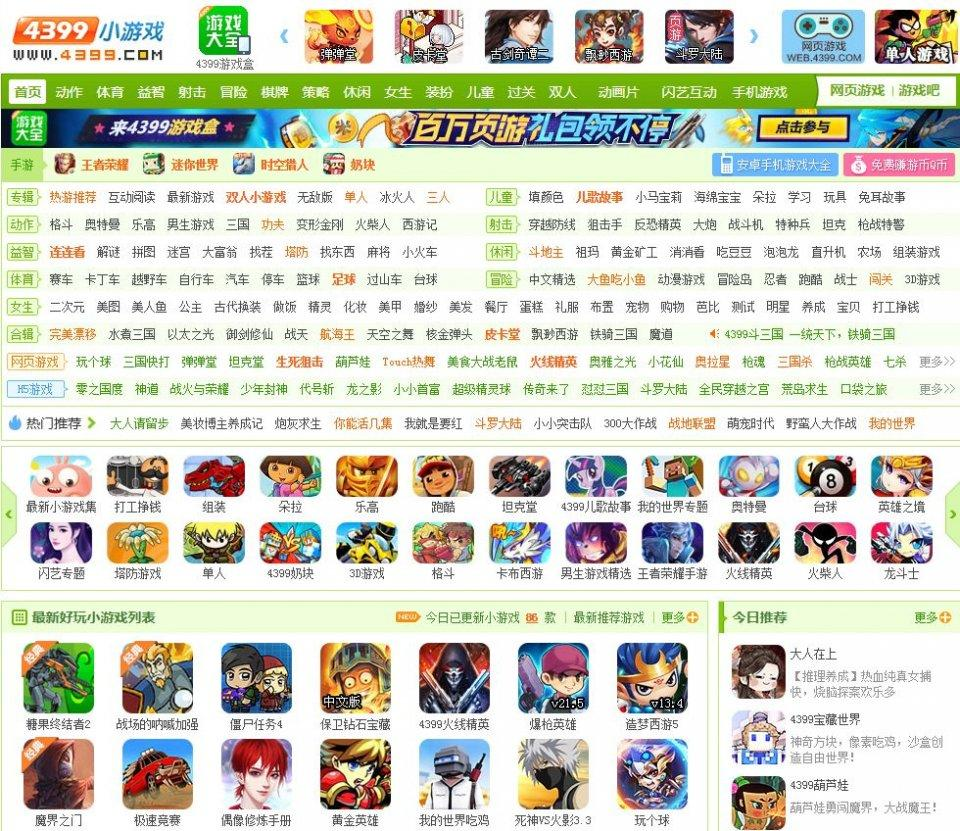
Perhaps the best-known Chinese browser-game portal, 4399 offered an enormous collection of domestic and international games. For many children, it was where they first encountered Fireboy and Watergirl (森林冰火人), the cooperative puzzle game that tested both friendship and keyboard coordination.
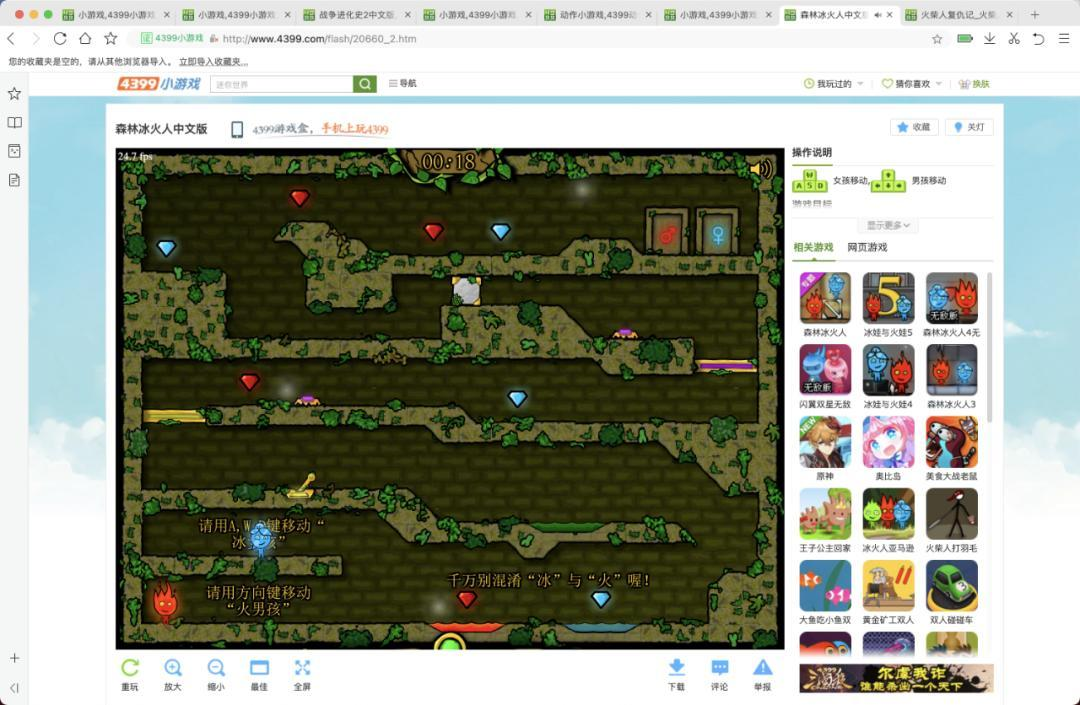
The platform also hosted Dream Journey to the West (造梦西游), a Chinese side-scrolling action series inspired by the classical novel Journey to the West. Its mythology, combat, and progression system made it one of the portal’s most recognizable homegrown franchises.

2. 7K7K
7K7K was one of 4399’s closest competitors. Some children preferred it because its interface appeared cleaner and easier to navigate, although “minimalist” was always a relative term in the visually crowded internet landscape of the 2000s.

Like 4399, it gathered thousands of puzzle, action, dress-up, and two-player games in one place. Choosing between the two portals could feel almost like declaring an allegiance.

3. Caihongtang
Caihongtang (彩虹堂), literally “Rainbow Hall,” was widely perceived as a website for girls. Some of my male classmates were embarrassed to admit that they had accounts there.
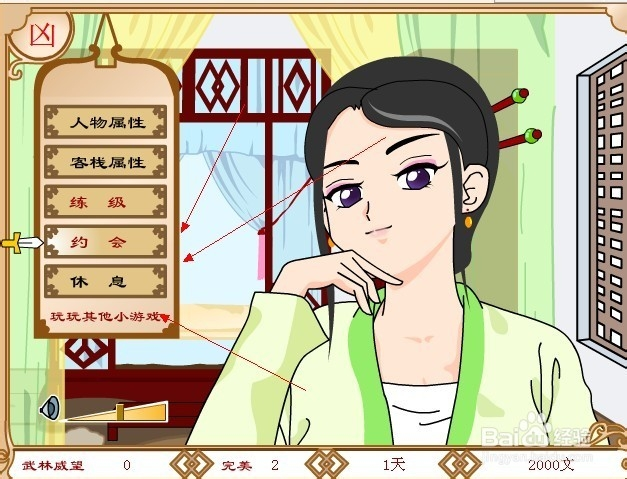
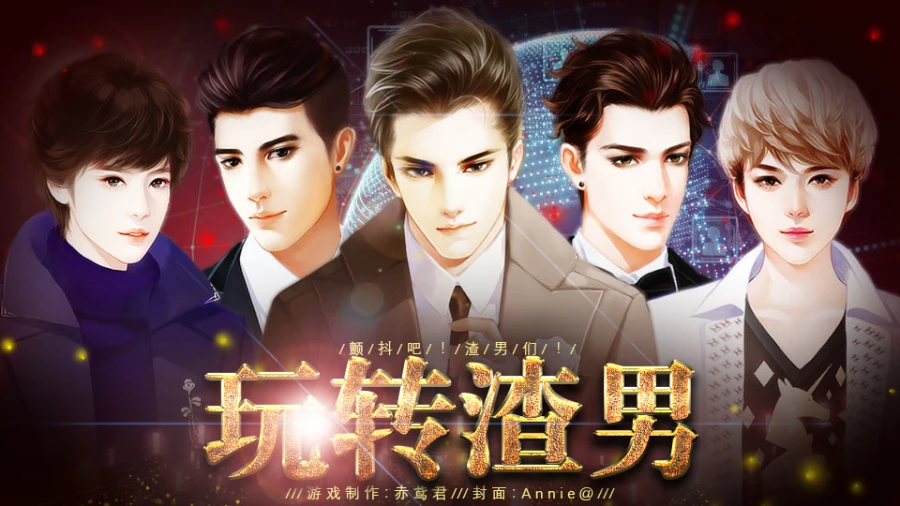
The platform featured dress-up and yangcheng games (养成游戏), or character-development simulations. One of the best known was TapTap’s Beautiful Girl Growth Plan (美少女成长计划). Players acted as a young girl’s guardian, choosing her classes, work, and activities to shape her attributes and determine her ending.
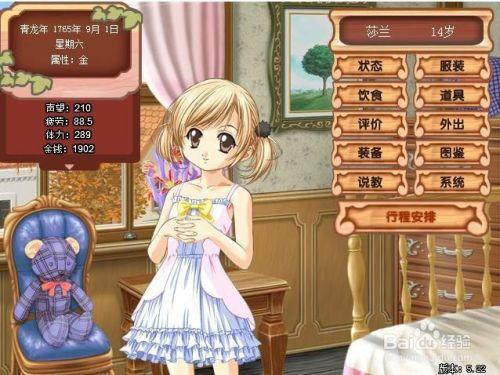
For many players, games like this provided an early introduction to choice-based storytelling. The format later became more visible on Orange Light (橙光), a platform devoted to interactive fiction and branching narratives.
4. Kaixin001 and Renren
Before “screen time” became a parental concern, many of our parents were already busy tending virtual crops. Happy Farm (开心农场) first appeared on Renren and was later available through other Chinese social networks, including Kaixin001. Parents taught children how to harvest crops and “steal” vegetables from their friends’ farms. What better lesson could the early social internet offer?
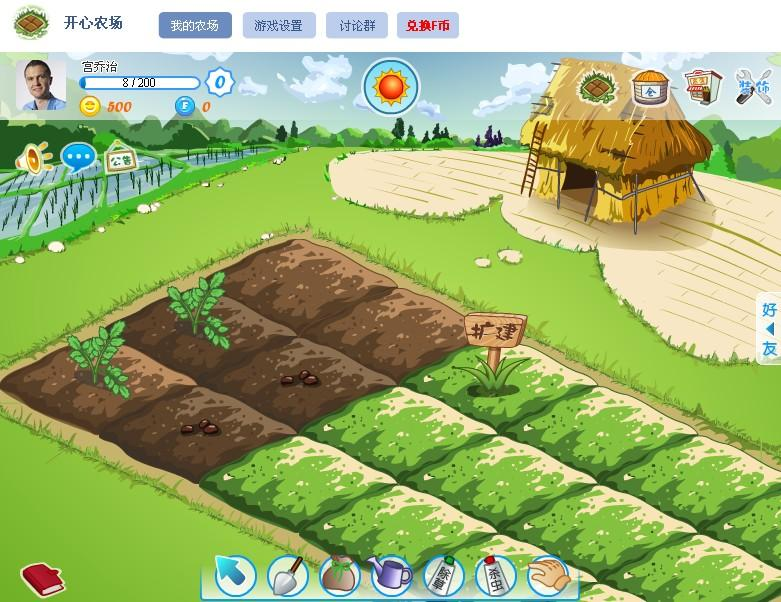
These farming games turned routine actions such as planting, waiting, and harvesting into social rituals. Visiting a friend’s farm and mischievously stealing a few vegetables became a playful expression of closeness. Think Stardew Valley, but more social and slightly more devious.
5. Baidu Tieba and Tianya
Baidu Tieba and Tianya were not game portals but two of China’s most influential online forum communities. Organized around topics and shared interests, they resembled enormous collections of message boards rather than a single centralized social feed. Simply put: it was the early Chinese version of Reddit.
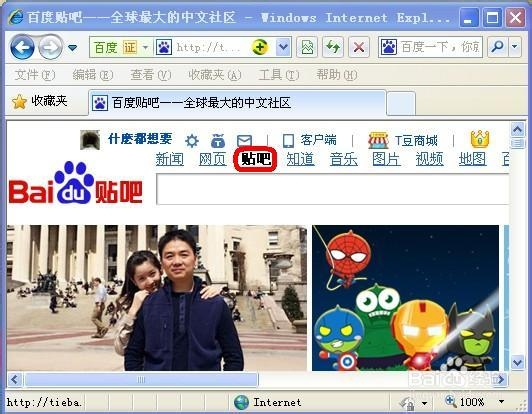

Their text-based format also generated its own forms of play. One memorable example was the survival game (生存游戏): a serialized interactive story in which an author presented a scenario, and readers helped decide what the protagonist should do next. Many were set in apocalyptic worlds, with readers collectively guiding the central character toward survival.

These threads showed the creativity of Chinese netizens. Online play did not require sophisticated graphics. A premise, a set of choices, and an active community could be enough.
6. QQ Zone
QQ Zone (QQ空间) combined personal profiles, decoration, blogging, music, and social games. Its best-remembered titles included QQ Farm (QQ农场), Parking Space (抢车位), QQ Restaurant (QQ餐厅), and Friends for Sale (好友买卖).
These games transformed existing friendships into playful competition. Players visited one another’s pages to steal vegetables, occupy parking spaces, or compare virtual possessions. The games were simple, but their connection to real social networks made them difficult to ignore.
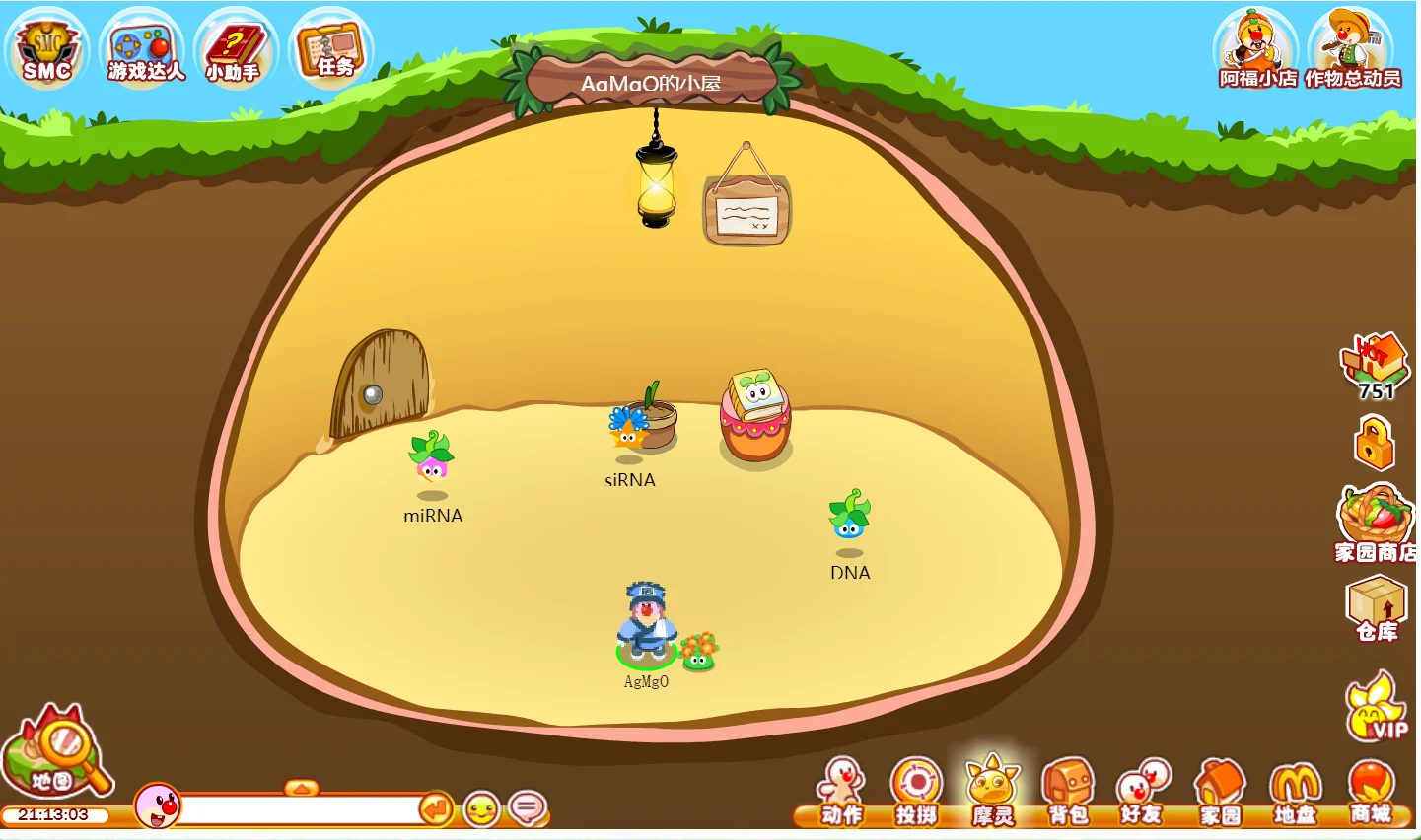
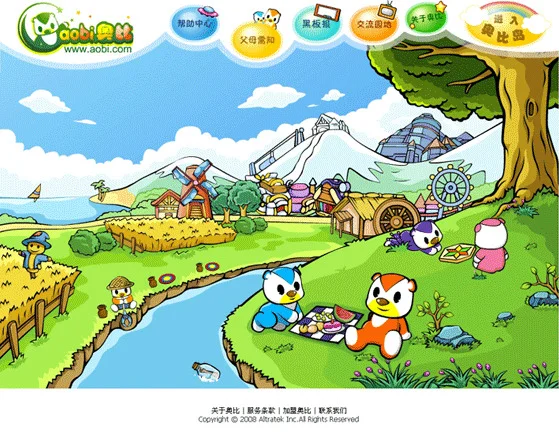
Adobe ended support for Flash Player in 2020, disrupting the technology behind much of this browser-game culture. Some websites disappeared; others converted games to newer formats or developed mobile versions. Major childhood franchises such as Mole’s World (摩尔庄园) and Aobi Island (奥比岛) also migrated to mobile platforms rather than simply vanishing.
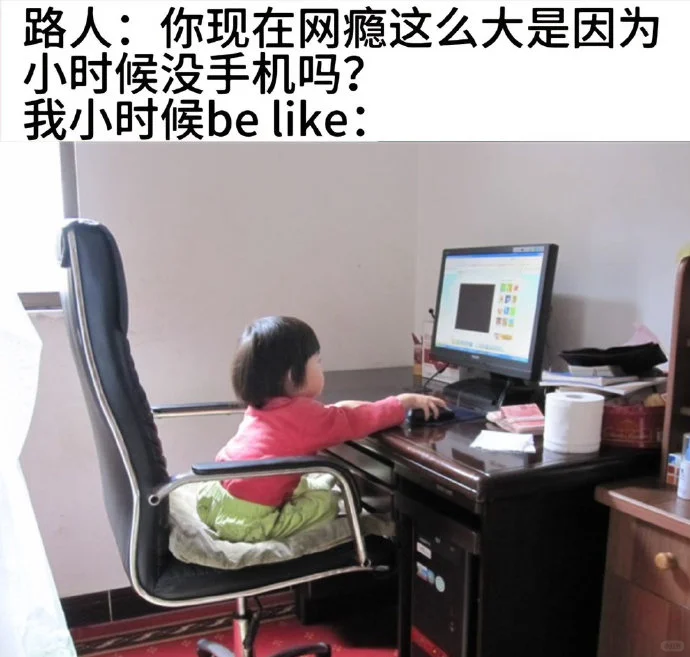
The websites may have changed, but the memories remain preserved. We may no longer have school summer holidays, and we may have lost touch with the friends who once shared our keyboards and virtual farms. Yet those childhood worlds continue to accompany us, carrying traces of the courage, playfulness, and happiness with which we first explored the internet.
Cover image via Getty Images.