
Feature image of How Yunnan Tea Became a Symbol of Polish Culture

How Yunnan Tea Became a Symbol of Polish Culture

2 mins read

2 mins read

Feature image of How Yunnan Tea Became a Symbol of Polish Culture
RADII explores the unlikely history of Yunnan specialty tea Dianhong, communist-era trade in the 20th century, and Poland’s enduring taste for Chinese black tea.

Did you know that since the last century, Yunnan tea has become synonymous with high-quality tea in Poland?
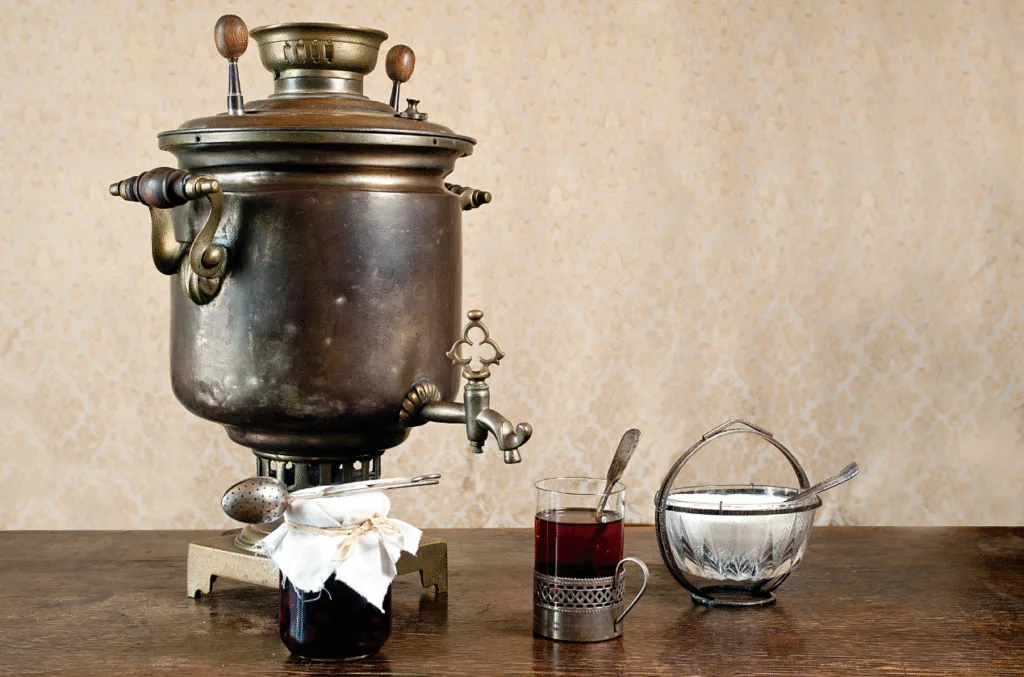
A traditional metal samovar in the post-World War II classic Eastern European tea ritual. Photo via Wega Import.

The story can be traced back to the 17th century, when Europe first became fascinated with tea through missionary accounts and trade networks. Although Poland was not among the first European countries to encounter tea, it developed its own preference for darker, stronger varieties. This laid the foundation for a later connection with Yunnan tea.
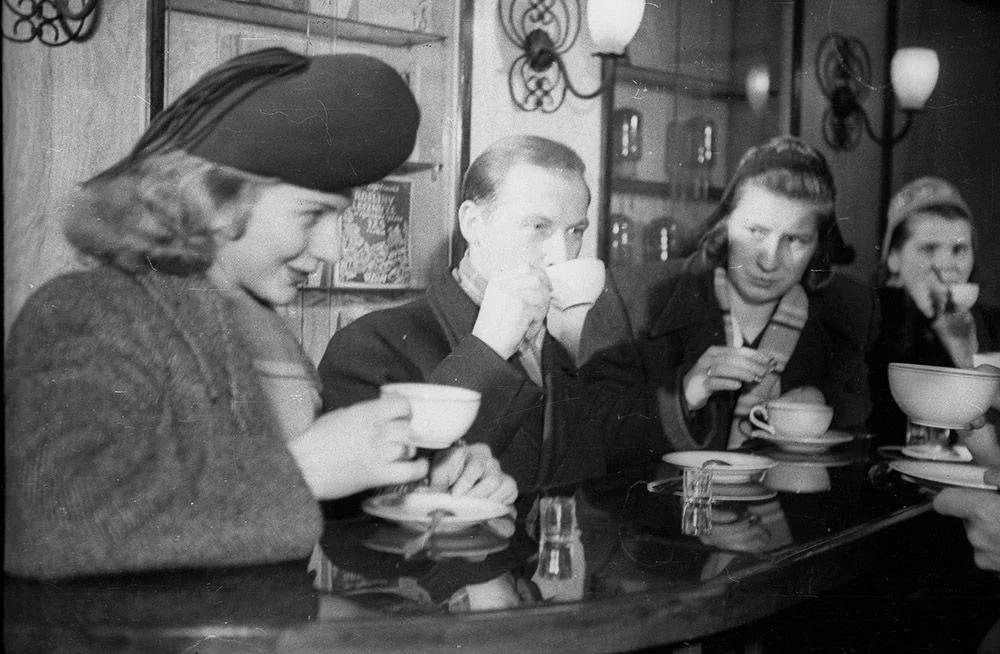
Herb-drinking room, Złota Street in Warsaw, 1949. Photo via PAP.

Three centuries later, as trade connections within the Eastern Bloc—including the Soviet Union, East Germany, and Czechoslovakia—strengthened between the 1960s and 1990s, the Polish People’s Republic (PRL) gained greater access to Asian tea. While other countries consumed larger quantities of Georgian and Chinese teas, often distinguished from lower-quality Turkish and Vietnamese imports, many Polish consumers developed a particular affection for Yunnan tea, written as “Junnan” in Polish, because Dianhong matched their preference for a richer, darker flavor.
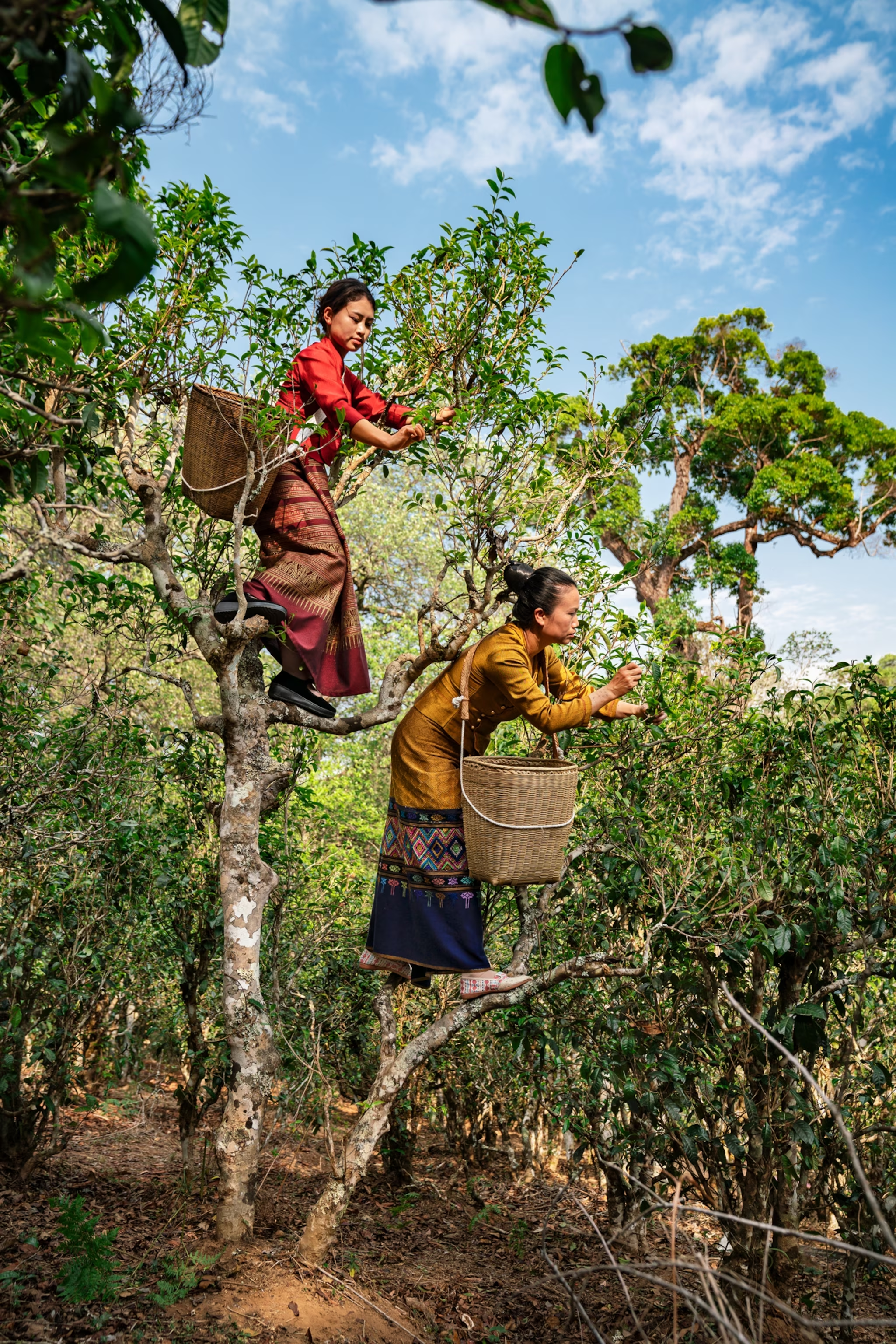
Tea farmers in Yunnan picking tea leaves from tea trees. Photo via National Geographic.

But what exactly is Dianhong (滇红)? “Dian” is the abbreviation for Yunnan Province, so the name literally means “Yunnan red.” It is a high-quality Chinese black tea strongly associated with its place of origin.

Unlike most black teas around the world, which are produced from short, carefully maintained tea bushes, Dianhong can be made from larger-leaf tea plants and ancient tea trees native to Yunnan. These leaves contain abundant natural compounds that contribute to a smooth, sweet flavor profile while reducing the bitterness often associated with ordinary black tea. The plants grow in Yunnan’s mountainous regions, often at elevations above 1,000 meters, where fertile forest soil and frequent mist create favorable conditions for tea cultivation. The cool, humid climate helps preserve the tenderness of the leaves and contributes to the tea’s distinctive character.
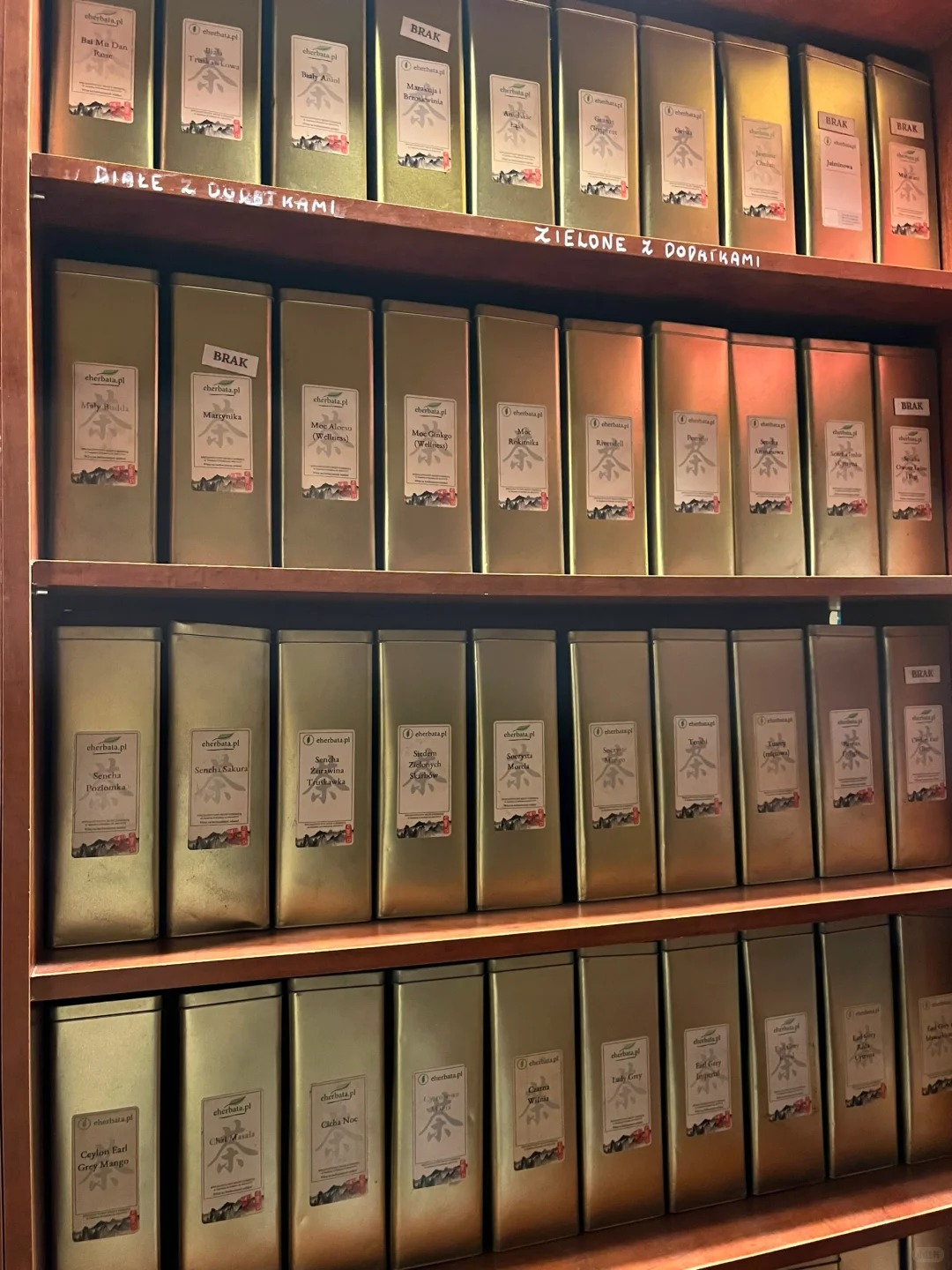
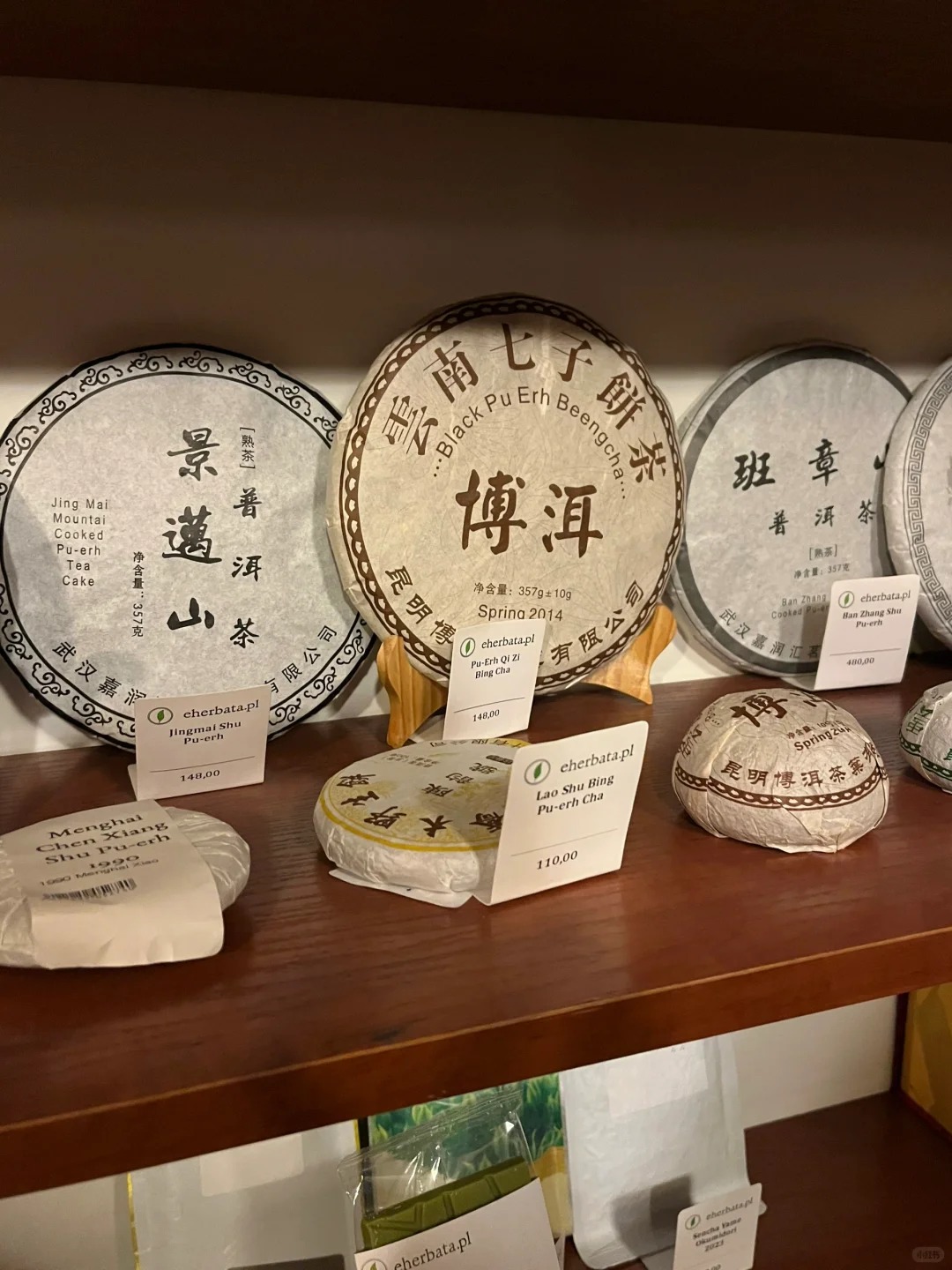
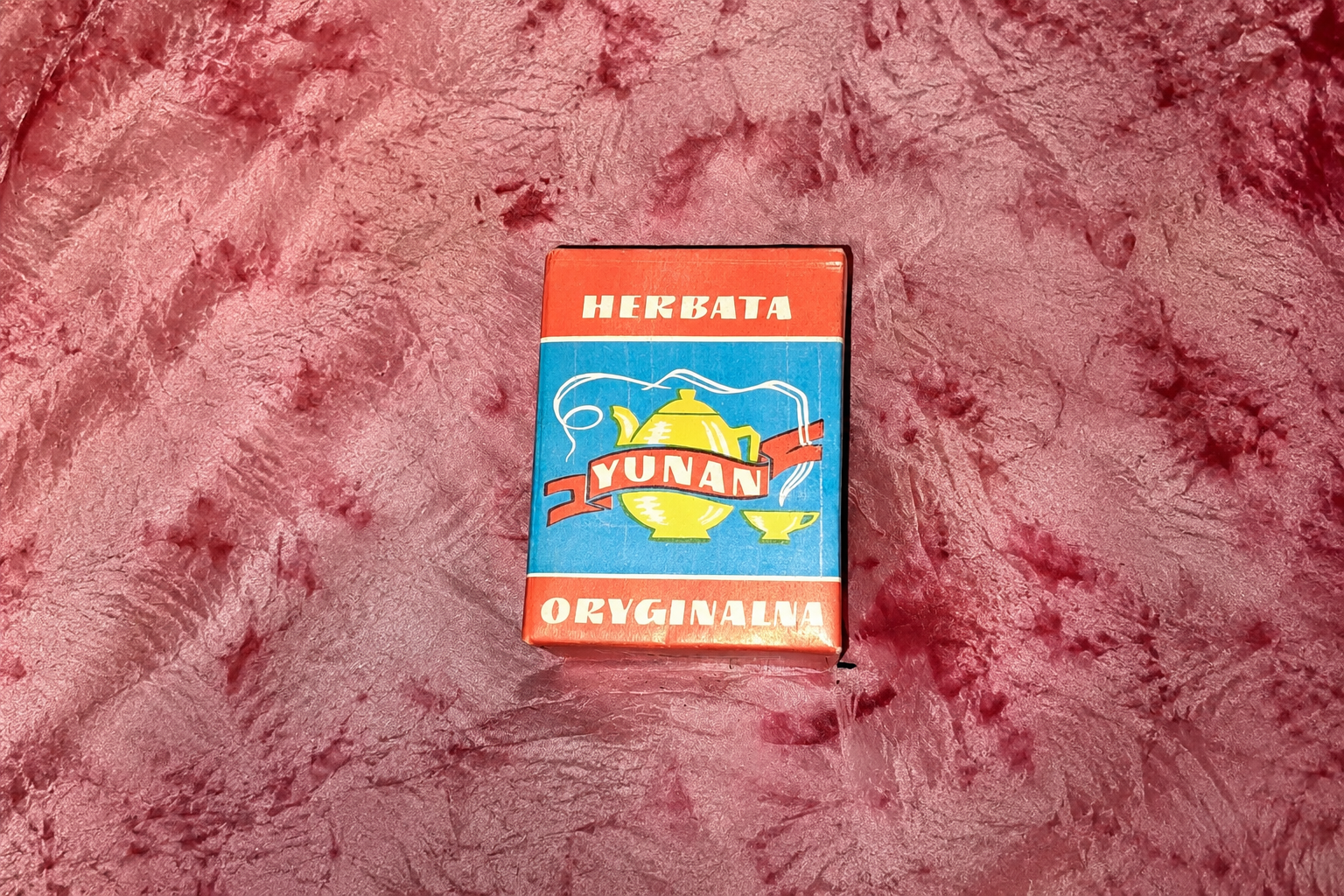
Today, a walk through a Polish supermarket can still reveal loose-leaf teas packaged with the word “Yunnan.” Poles traditionally brew it as an esencja (essence): a highly concentrated infusion kept in a small teapot, then poured into a glass set inside a metal or plastic holder, diluted with boiling water, generously sweetened with sugar, and finished with a slice of lemon.

Many people in Yunnan may not realize that, while their home province has gained global fame for Pu’er tea, there is another country where Dianhong holds a special place in local tea culture.

Cover Image via MoTE.

NEWSLETTER

Get weekly top picks and exclusive, newsletter only content delivered straight to you inbox.

NEWSLETTER

Get weekly top picks and exclusive, newsletter only content delivered straight to you inbox.

RADII NEWSLETTER

Get weekly top picks and exclusive, newsletter only content delivered straight to you inbox

Feature image of How Yunnan Tea Became a Symbol of Polish Culture

How Yunnan Tea Became a Symbol of Polish Culture

2 mins read

RADII explores the unlikely history of Yunnan specialty tea Dianhong, communist-era trade in the 20th century, and Poland’s enduring taste for Chinese black tea.

Did you know that since the last century, Yunnan tea has become synonymous with high-quality tea in Poland?

A traditional metal samovar in the post-World War II classic Eastern European tea ritual. Photo via Wega Import.

The story can be traced back to the 17th century, when Europe first became fascinated with tea through missionary accounts and trade networks. Although Poland was not among the first European countries to encounter tea, it developed its own preference for darker, stronger varieties. This laid the foundation for a later connection with Yunnan tea.

Herb-drinking room, Złota Street in Warsaw, 1949. Photo via PAP.

Three centuries later, as trade connections within the Eastern Bloc—including the Soviet Union, East Germany, and Czechoslovakia—strengthened between the 1960s and 1990s, the Polish People’s Republic (PRL) gained greater access to Asian tea. While other countries consumed larger quantities of Georgian and Chinese teas, often distinguished from lower-quality Turkish and Vietnamese imports, many Polish consumers developed a particular affection for Yunnan tea, written as “Junnan” in Polish, because Dianhong matched their preference for a richer, darker flavor.

Tea farmers in Yunnan picking tea leaves from tea trees. Photo via National Geographic.

But what exactly is Dianhong (滇红)? “Dian” is the abbreviation for Yunnan Province, so the name literally means “Yunnan red.” It is a high-quality Chinese black tea strongly associated with its place of origin.

Unlike most black teas around the world, which are produced from short, carefully maintained tea bushes, Dianhong can be made from larger-leaf tea plants and ancient tea trees native to Yunnan. These leaves contain abundant natural compounds that contribute to a smooth, sweet flavor profile while reducing the bitterness often associated with ordinary black tea. The plants grow in Yunnan’s mountainous regions, often at elevations above 1,000 meters, where fertile forest soil and frequent mist create favorable conditions for tea cultivation. The cool, humid climate helps preserve the tenderness of the leaves and contributes to the tea’s distinctive character.

Today, a walk through a Polish supermarket can still reveal loose-leaf teas packaged with the word “Yunnan.” Poles traditionally brew it as an esencja (essence): a highly concentrated infusion kept in a small teapot, then poured into a glass set inside a metal or plastic holder, diluted with boiling water, generously sweetened with sugar, and finished with a slice of lemon.

Many people in Yunnan may not realize that, while their home province has gained global fame for Pu’er tea, there is another country where Dianhong holds a special place in local tea culture.

Cover Image via MoTE.
NEWSLETTER

Get weekly top picks and exclusive, newsletter only content delivered straight to you inbox.

RADII NEWSLETTER

Get weekly top picks and exclusive, newsletter only content delivered straight to you inbox

RELATED POSTS

Feature image of How Yunnan Tea Became a Symbol of Polish Culture

How Yunnan Tea Became a Symbol of Polish Culture

2 mins read

2 mins read

Feature image of How Yunnan Tea Became a Symbol of Polish Culture
RADII explores the unlikely history of Yunnan specialty tea Dianhong, communist-era trade in the 20th century, and Poland’s enduring taste for Chinese black tea.

Did you know that since the last century, Yunnan tea has become synonymous with high-quality tea in Poland?

A traditional metal samovar in the post-World War II classic Eastern European tea ritual. Photo via Wega Import.

The story can be traced back to the 17th century, when Europe first became fascinated with tea through missionary accounts and trade networks. Although Poland was not among the first European countries to encounter tea, it developed its own preference for darker, stronger varieties. This laid the foundation for a later connection with Yunnan tea.

Herb-drinking room, Złota Street in Warsaw, 1949. Photo via PAP.

Three centuries later, as trade connections within the Eastern Bloc—including the Soviet Union, East Germany, and Czechoslovakia—strengthened between the 1960s and 1990s, the Polish People’s Republic (PRL) gained greater access to Asian tea. While other countries consumed larger quantities of Georgian and Chinese teas, often distinguished from lower-quality Turkish and Vietnamese imports, many Polish consumers developed a particular affection for Yunnan tea, written as “Junnan” in Polish, because Dianhong matched their preference for a richer, darker flavor.

Tea farmers in Yunnan picking tea leaves from tea trees. Photo via National Geographic.

But what exactly is Dianhong (滇红)? “Dian” is the abbreviation for Yunnan Province, so the name literally means “Yunnan red.” It is a high-quality Chinese black tea strongly associated with its place of origin.

Unlike most black teas around the world, which are produced from short, carefully maintained tea bushes, Dianhong can be made from larger-leaf tea plants and ancient tea trees native to Yunnan. These leaves contain abundant natural compounds that contribute to a smooth, sweet flavor profile while reducing the bitterness often associated with ordinary black tea. The plants grow in Yunnan’s mountainous regions, often at elevations above 1,000 meters, where fertile forest soil and frequent mist create favorable conditions for tea cultivation. The cool, humid climate helps preserve the tenderness of the leaves and contributes to the tea’s distinctive character.

Today, a walk through a Polish supermarket can still reveal loose-leaf teas packaged with the word “Yunnan.” Poles traditionally brew it as an esencja (essence): a highly concentrated infusion kept in a small teapot, then poured into a glass set inside a metal or plastic holder, diluted with boiling water, generously sweetened with sugar, and finished with a slice of lemon.

Many people in Yunnan may not realize that, while their home province has gained global fame for Pu’er tea, there is another country where Dianhong holds a special place in local tea culture.

Cover Image via MoTE.
NEWSLETTER

Get weekly top picks and exclusive, newsletter only content delivered straight to you inbox.

NEWSLETTER

Get weekly top picks and exclusive, newsletter only content delivered straight to you inbox.

RADII NEWSLETTER

Get weekly top picks and exclusive, newsletter only content delivered straight to you inbox

Feature image of How Yunnan Tea Became a Symbol of Polish Culture

How Yunnan Tea Became a Symbol of Polish Culture

2 mins read

RADII explores the unlikely history of Yunnan specialty tea Dianhong, communist-era trade in the 20th century, and Poland’s enduring taste for Chinese black tea.

Did you know that since the last century, Yunnan tea has become synonymous with high-quality tea in Poland?

A traditional metal samovar in the post-World War II classic Eastern European tea ritual. Photo via Wega Import.

The story can be traced back to the 17th century, when Europe first became fascinated with tea through missionary accounts and trade networks. Although Poland was not among the first European countries to encounter tea, it developed its own preference for darker, stronger varieties. This laid the foundation for a later connection with Yunnan tea.

Herb-drinking room, Złota Street in Warsaw, 1949. Photo via PAP.

Three centuries later, as trade connections within the Eastern Bloc—including the Soviet Union, East Germany, and Czechoslovakia—strengthened between the 1960s and 1990s, the Polish People’s Republic (PRL) gained greater access to Asian tea. While other countries consumed larger quantities of Georgian and Chinese teas, often distinguished from lower-quality Turkish and Vietnamese imports, many Polish consumers developed a particular affection for Yunnan tea, written as “Junnan” in Polish, because Dianhong matched their preference for a richer, darker flavor.

Tea farmers in Yunnan picking tea leaves from tea trees. Photo via National Geographic.

But what exactly is Dianhong (滇红)? “Dian” is the abbreviation for Yunnan Province, so the name literally means “Yunnan red.” It is a high-quality Chinese black tea strongly associated with its place of origin.

Unlike most black teas around the world, which are produced from short, carefully maintained tea bushes, Dianhong can be made from larger-leaf tea plants and ancient tea trees native to Yunnan. These leaves contain abundant natural compounds that contribute to a smooth, sweet flavor profile while reducing the bitterness often associated with ordinary black tea. The plants grow in Yunnan’s mountainous regions, often at elevations above 1,000 meters, where fertile forest soil and frequent mist create favorable conditions for tea cultivation. The cool, humid climate helps preserve the tenderness of the leaves and contributes to the tea’s distinctive character.

Today, a walk through a Polish supermarket can still reveal loose-leaf teas packaged with the word “Yunnan.” Poles traditionally brew it as an esencja (essence): a highly concentrated infusion kept in a small teapot, then poured into a glass set inside a metal or plastic holder, diluted with boiling water, generously sweetened with sugar, and finished with a slice of lemon.

Many people in Yunnan may not realize that, while their home province has gained global fame for Pu’er tea, there is another country where Dianhong holds a special place in local tea culture.

Cover Image via MoTE.
NEWSLETTER

Get weekly top picks and exclusive, newsletter only content delivered straight to you inbox.

RADII NEWSLETTER

Get weekly top picks and exclusive, newsletter only content delivered straight to you inbox

RADII newsletter pop up visual

NEWSLETTER​

Get weekly top picks and exclusive, newsletter only content delivered straight to you inbox

RADII Newsletter Pop Up small banner

NEWSLETTER

Get weekly top picks and exclusive, newsletter only content delivered straight to you inbox.

Link Copied!

Share

Feature image of How Yunnan Tea Became a Symbol of Polish Culture

How Yunnan Tea Became a Symbol of Polish Culture

RADII explores the unlikely history of Yunnan specialty tea Dianhong, communist-era trade in the 20th century, and Poland’s enduring taste for Chinese black tea.

PULSE

Tap into the latest in music, fashion, art, design, entertainment, pop culture, celebrity news, and contemporary culture

DISCOVER

Embark on a journey through food, travel, wellness, heritage, traditional culture, and lifestyle

STYLE

An insider’s look at the intersection of fashion, art, and design

FEAST

Titillate your taste buds with coverage of the best food and drink trends from China and beyond.

FUTURE

Explore the cutting edge in tech, AI, gadgets, gaming, and innovative tech-related products

FEAST

Titillate your taste buds with coverage of the best food and drink trends from China and beyond

STYLE

An insider’s look at the intersection of fashion, art, and design

PULSE

Unpacking Chinese youth culture through coverage of nightlife, film, sports, celebrities, and the hottest new music