
Feature image of Where Winds Meet: Why China’s Wuxia RPG Is Winning Over Global Gamers

Where Winds Meet: Why China’s Wuxia RPG Is Winning Over Global Gamers

2 mins read

2 mins read

Feature image of Where Winds Meet: Why China’s Wuxia RPG Is Winning Over Global Gamers
We look at how the epic Chinese RPG published by NetEase is challenging Western critics while captivating players worldwide.

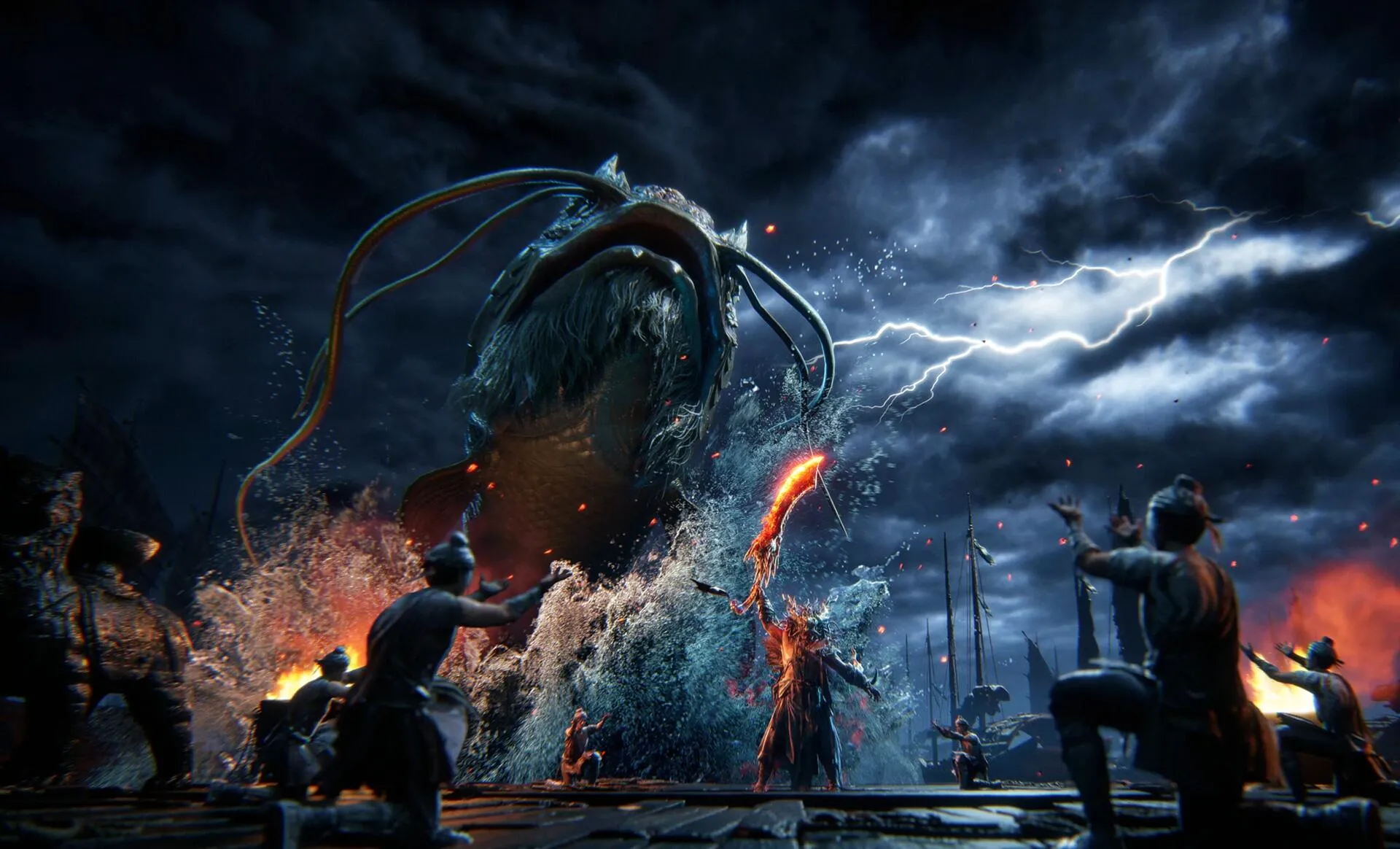
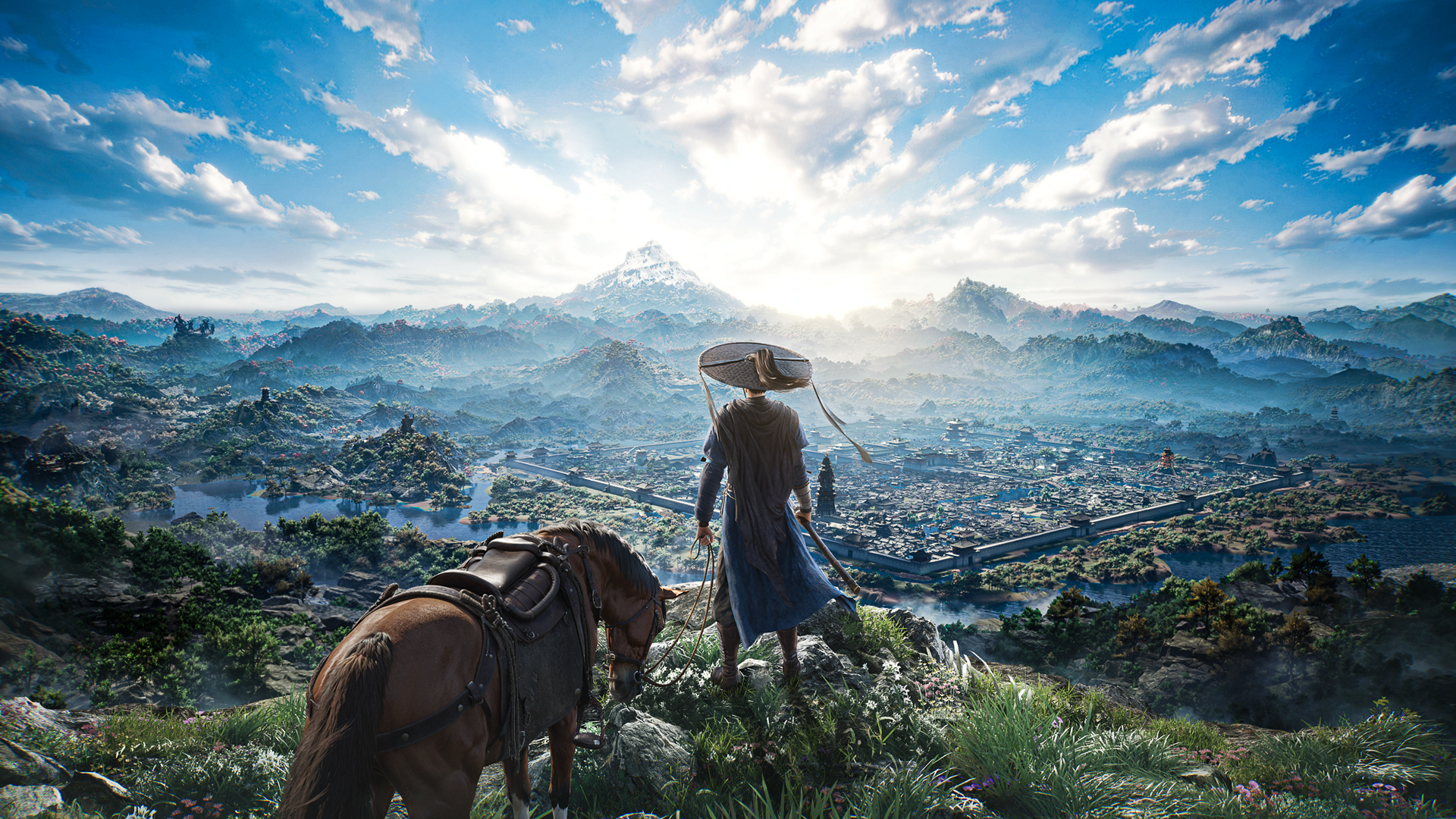
Where Winds Meet, developed by Everstone Studio and published by NetEase Games, is a sprawling wuxia action-adventure RPG that thrusts players into the chaotic Five Dynasties and Ten Kingdoms period of ancient China. Launched globally for Windows and PS5 on November 14, 2025, this free-to-play title boasts a massive open world, 150+ hours of story content, customizable characters, and a deep Soulslike combat system. Players can delve into various professions, join different sects, and experience a world rich with dynamic weather, crime mechanics, and intricate environmental puzzles, offering both single-player and multiplayer adventures.
RADII discusses the recent conversation about western game critics and Chinese-developed games like Where Winds Meet.
Image via Epic Games.

However, the game’s reception has sparked a broader conversation about cultural context in game criticism. While many Western critics praised its ambitious scope, stunning visuals, and engaging combat, some reviews were notably more critical. IGN, for instance, delivered a 6/10 rating, which ignited discussions within the community about potential biases.
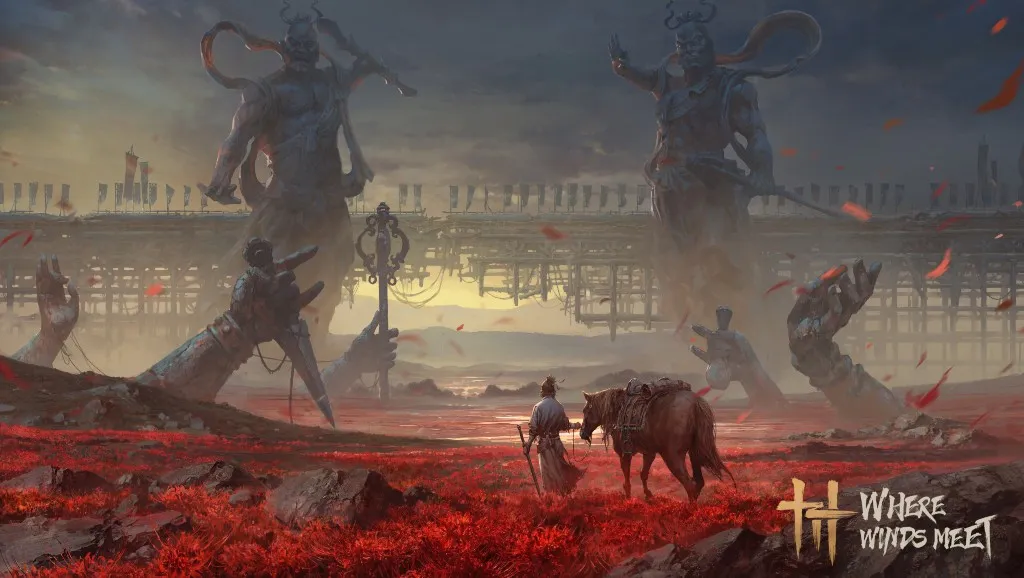
RADII discusses the recent conversation about western game critics and Chinese-developed games like Where Winds Meet.
Image via QooApp.

Many argue that some Western reviewers inadvertently apply Western game design principles and narrative expectations to Eastern games, creating a “cultural blind spot” that misinterprets core elements. Critics of this approach point out that narratives, like the protagonist’s journey from sheltered aristocrat to wandering adventurer, are deeply rooted in wuxia tradition and can be misunderstood when viewed through a purely Western lens.
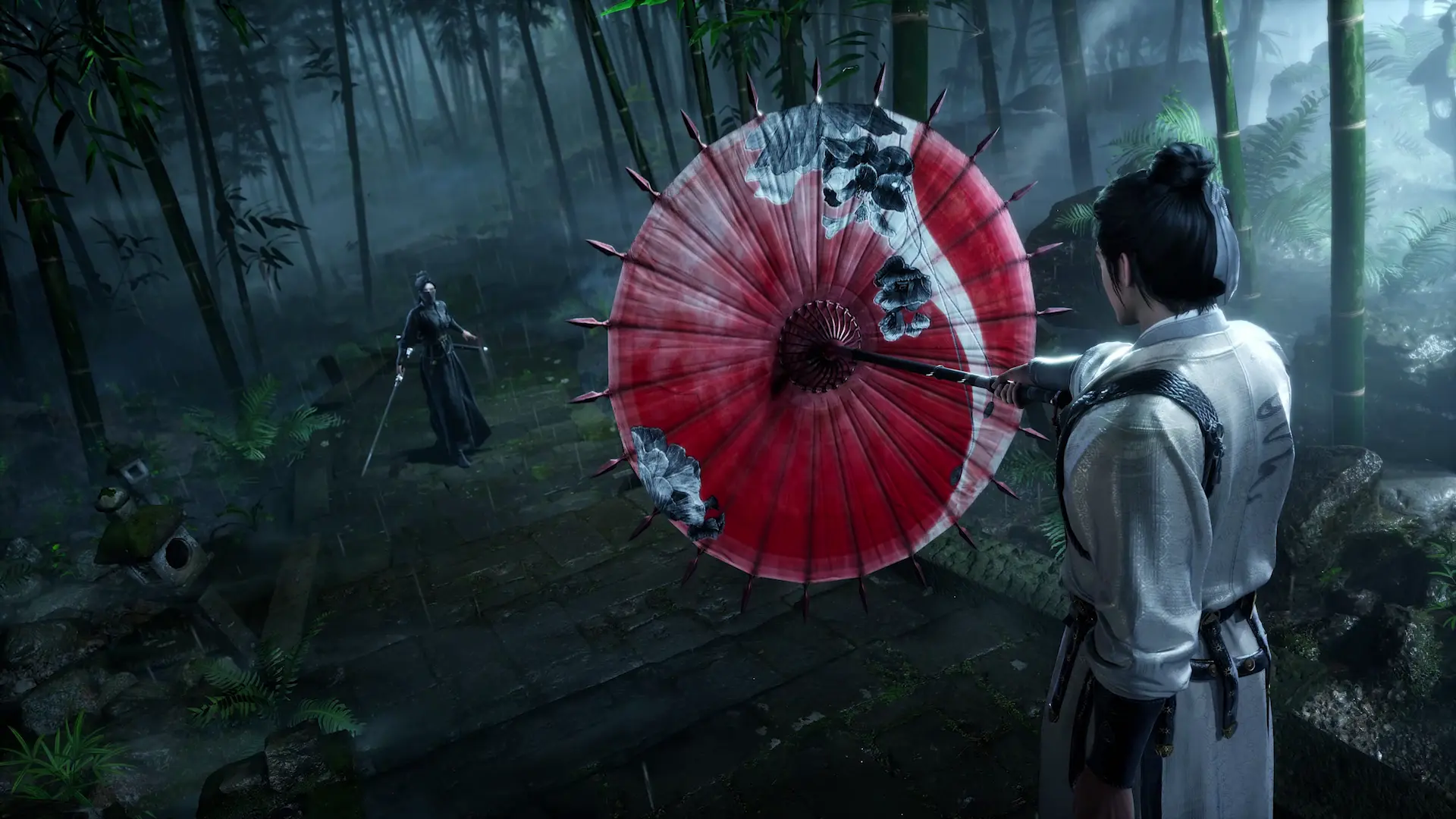
RADII discusses the recent conversation about western game critics and Chinese-developed games like Where Winds Meet.
Image via Icy Veins.

Despite these critical concerns, the player base has overwhelmingly embraced Where Winds Meet, demonstrating generally positive and highly engaged feedback. Players laud the freedom of choice, the depth of character interaction, and the quality of combat. While some acknowledge confusing systems and occasional grindy progression due to its free-to-play model, these criticisms are often overshadowed by the sheer breadth of content and the immersive open-world experience. The strong player response underscores a growing trend: a global audience eager for diverse gaming narratives, often valuing authentic cultural experiences over a homogenous critical perspective.

Catch the trailer and gameplay for Where Winds Meet below:

Where Winds Meet launch trailer.
Where Winds Meet gameplay trailer.

Cover image via Icy Veins.

NEWSLETTER

Get weekly top picks and exclusive, newsletter only content delivered straight to you inbox.

NEWSLETTER

Get weekly top picks and exclusive, newsletter only content delivered straight to you inbox.

RADII NEWSLETTER

Get weekly top picks and exclusive, newsletter only content delivered straight to you inbox

Feature image of Where Winds Meet: Why China’s Wuxia RPG Is Winning Over Global Gamers

Where Winds Meet: Why China’s Wuxia RPG Is Winning Over Global Gamers

2 mins read

We look at how the epic Chinese RPG published by NetEase is challenging Western critics while captivating players worldwide.

Where Winds Meet, developed by Everstone Studio and published by NetEase Games, is a sprawling wuxia action-adventure RPG that thrusts players into the chaotic Five Dynasties and Ten Kingdoms period of ancient China. Launched globally for Windows and PS5 on November 14, 2025, this free-to-play title boasts a massive open world, 150+ hours of story content, customizable characters, and a deep Soulslike combat system. Players can delve into various professions, join different sects, and experience a world rich with dynamic weather, crime mechanics, and intricate environmental puzzles, offering both single-player and multiplayer adventures.

RADII discusses the recent conversation about western game critics and Chinese-developed games like Where Winds Meet.
Image via Epic Games.

However, the game’s reception has sparked a broader conversation about cultural context in game criticism. While many Western critics praised its ambitious scope, stunning visuals, and engaging combat, some reviews were notably more critical. IGN, for instance, delivered a 6/10 rating, which ignited discussions within the community about potential biases.

RADII discusses the recent conversation about western game critics and Chinese-developed games like Where Winds Meet.
Image via QooApp.

Many argue that some Western reviewers inadvertently apply Western game design principles and narrative expectations to Eastern games, creating a “cultural blind spot” that misinterprets core elements. Critics of this approach point out that narratives, like the protagonist’s journey from sheltered aristocrat to wandering adventurer, are deeply rooted in wuxia tradition and can be misunderstood when viewed through a purely Western lens.

RADII discusses the recent conversation about western game critics and Chinese-developed games like Where Winds Meet.
Image via Icy Veins.

Despite these critical concerns, the player base has overwhelmingly embraced Where Winds Meet, demonstrating generally positive and highly engaged feedback. Players laud the freedom of choice, the depth of character interaction, and the quality of combat. While some acknowledge confusing systems and occasional grindy progression due to its free-to-play model, these criticisms are often overshadowed by the sheer breadth of content and the immersive open-world experience. The strong player response underscores a growing trend: a global audience eager for diverse gaming narratives, often valuing authentic cultural experiences over a homogenous critical perspective.

Catch the trailer and gameplay for Where Winds Meet below:

Where Winds Meet launch trailer.
Where Winds Meet gameplay trailer.

Cover image via Icy Veins.

NEWSLETTER

Get weekly top picks and exclusive, newsletter only content delivered straight to you inbox.

RADII NEWSLETTER

Get weekly top picks and exclusive, newsletter only content delivered straight to you inbox

RELATED POSTS

Feature image of Where Winds Meet: Why China’s Wuxia RPG Is Winning Over Global Gamers

Where Winds Meet: Why China’s Wuxia RPG Is Winning Over Global Gamers

2 mins read

2 mins read

Feature image of Where Winds Meet: Why China’s Wuxia RPG Is Winning Over Global Gamers
We look at how the epic Chinese RPG published by NetEase is challenging Western critics while captivating players worldwide.

Where Winds Meet, developed by Everstone Studio and published by NetEase Games, is a sprawling wuxia action-adventure RPG that thrusts players into the chaotic Five Dynasties and Ten Kingdoms period of ancient China. Launched globally for Windows and PS5 on November 14, 2025, this free-to-play title boasts a massive open world, 150+ hours of story content, customizable characters, and a deep Soulslike combat system. Players can delve into various professions, join different sects, and experience a world rich with dynamic weather, crime mechanics, and intricate environmental puzzles, offering both single-player and multiplayer adventures.

RADII discusses the recent conversation about western game critics and Chinese-developed games like Where Winds Meet.
Image via Epic Games.

However, the game’s reception has sparked a broader conversation about cultural context in game criticism. While many Western critics praised its ambitious scope, stunning visuals, and engaging combat, some reviews were notably more critical. IGN, for instance, delivered a 6/10 rating, which ignited discussions within the community about potential biases.

RADII discusses the recent conversation about western game critics and Chinese-developed games like Where Winds Meet.
Image via QooApp.

Many argue that some Western reviewers inadvertently apply Western game design principles and narrative expectations to Eastern games, creating a “cultural blind spot” that misinterprets core elements. Critics of this approach point out that narratives, like the protagonist’s journey from sheltered aristocrat to wandering adventurer, are deeply rooted in wuxia tradition and can be misunderstood when viewed through a purely Western lens.

RADII discusses the recent conversation about western game critics and Chinese-developed games like Where Winds Meet.
Image via Icy Veins.

Despite these critical concerns, the player base has overwhelmingly embraced Where Winds Meet, demonstrating generally positive and highly engaged feedback. Players laud the freedom of choice, the depth of character interaction, and the quality of combat. While some acknowledge confusing systems and occasional grindy progression due to its free-to-play model, these criticisms are often overshadowed by the sheer breadth of content and the immersive open-world experience. The strong player response underscores a growing trend: a global audience eager for diverse gaming narratives, often valuing authentic cultural experiences over a homogenous critical perspective.

Catch the trailer and gameplay for Where Winds Meet below:

Where Winds Meet launch trailer.
Where Winds Meet gameplay trailer.

Cover image via Icy Veins.

NEWSLETTER

Get weekly top picks and exclusive, newsletter only content delivered straight to you inbox.

NEWSLETTER

Get weekly top picks and exclusive, newsletter only content delivered straight to you inbox.

RADII NEWSLETTER

Get weekly top picks and exclusive, newsletter only content delivered straight to you inbox

Feature image of Where Winds Meet: Why China’s Wuxia RPG Is Winning Over Global Gamers

Where Winds Meet: Why China’s Wuxia RPG Is Winning Over Global Gamers

2 mins read

We look at how the epic Chinese RPG published by NetEase is challenging Western critics while captivating players worldwide.

Where Winds Meet, developed by Everstone Studio and published by NetEase Games, is a sprawling wuxia action-adventure RPG that thrusts players into the chaotic Five Dynasties and Ten Kingdoms period of ancient China. Launched globally for Windows and PS5 on November 14, 2025, this free-to-play title boasts a massive open world, 150+ hours of story content, customizable characters, and a deep Soulslike combat system. Players can delve into various professions, join different sects, and experience a world rich with dynamic weather, crime mechanics, and intricate environmental puzzles, offering both single-player and multiplayer adventures.

RADII discusses the recent conversation about western game critics and Chinese-developed games like Where Winds Meet.
Image via Epic Games.

However, the game’s reception has sparked a broader conversation about cultural context in game criticism. While many Western critics praised its ambitious scope, stunning visuals, and engaging combat, some reviews were notably more critical. IGN, for instance, delivered a 6/10 rating, which ignited discussions within the community about potential biases.

RADII discusses the recent conversation about western game critics and Chinese-developed games like Where Winds Meet.
Image via QooApp.

Many argue that some Western reviewers inadvertently apply Western game design principles and narrative expectations to Eastern games, creating a “cultural blind spot” that misinterprets core elements. Critics of this approach point out that narratives, like the protagonist’s journey from sheltered aristocrat to wandering adventurer, are deeply rooted in wuxia tradition and can be misunderstood when viewed through a purely Western lens.

RADII discusses the recent conversation about western game critics and Chinese-developed games like Where Winds Meet.
Image via Icy Veins.

Despite these critical concerns, the player base has overwhelmingly embraced Where Winds Meet, demonstrating generally positive and highly engaged feedback. Players laud the freedom of choice, the depth of character interaction, and the quality of combat. While some acknowledge confusing systems and occasional grindy progression due to its free-to-play model, these criticisms are often overshadowed by the sheer breadth of content and the immersive open-world experience. The strong player response underscores a growing trend: a global audience eager for diverse gaming narratives, often valuing authentic cultural experiences over a homogenous critical perspective.

Catch the trailer and gameplay for Where Winds Meet below:

Where Winds Meet launch trailer.
Where Winds Meet gameplay trailer.

Cover image via Icy Veins.

NEWSLETTER

Get weekly top picks and exclusive, newsletter only content delivered straight to you inbox.

RADII NEWSLETTER

Get weekly top picks and exclusive, newsletter only content delivered straight to you inbox

NEWSLETTER​

Get weekly top picks and exclusive, newsletter only content delivered straight to you inbox

RADII Newsletter Pop Up small banner

NEWSLETTER

Get weekly top picks and exclusive, newsletter only content delivered straight to you inbox.

Link Copied!

Share

Feature image of Where Winds Meet: Why China’s Wuxia RPG Is Winning Over Global Gamers

Where Winds Meet: Why China’s Wuxia RPG Is Winning Over Global Gamers

We look at how the epic Chinese RPG published by NetEase is challenging Western critics while captivating players worldwide.

PULSE

Tap into the latest in music, fashion, art, design, entertainment, pop culture, celebrity news, and contemporary culture

DISCOVER

Embark on a journey through food, travel, wellness, heritage, traditional culture, and lifestyle

STYLE

An insider’s look at the intersection of fashion, art, and design

FEAST

Titillate your taste buds with coverage of the best food and drink trends from China and beyond.

FUTURE

Explore the cutting edge in tech, AI, gadgets, gaming, and innovative tech-related products

FEAST

Titillate your taste buds with coverage of the best food and drink trends from China and beyond

STYLE

An insider’s look at the intersection of fashion, art, and design

PULSE

Unpacking Chinese youth culture through coverage of nightlife, film, sports, celebrities, and the hottest new music