
Feature image of Tichu: The Swiss-Made, Chinese-Themed Card Game That’s Popular in Greece

Tichu: The Swiss-Made, Chinese-Themed Card Game That’s Popular in Greece

2 mins read

2 mins read

Feature image of Tichu: The Swiss-Made, Chinese-Themed Card Game That’s Popular in Greece
It's a game filled with Chinese design elements that most Chinese people won't even know about, and apparently it's super fun.

In Greece, there is a must-play card game among college students. Its package features a Chinese dragon, with cards categorized as Jade, Sword, Pagoda, and Star. The design alone makes people associate it with Chinese culture. However, if you ask your Chinese friends, 99% of them won’t recognize the game. So what is it?
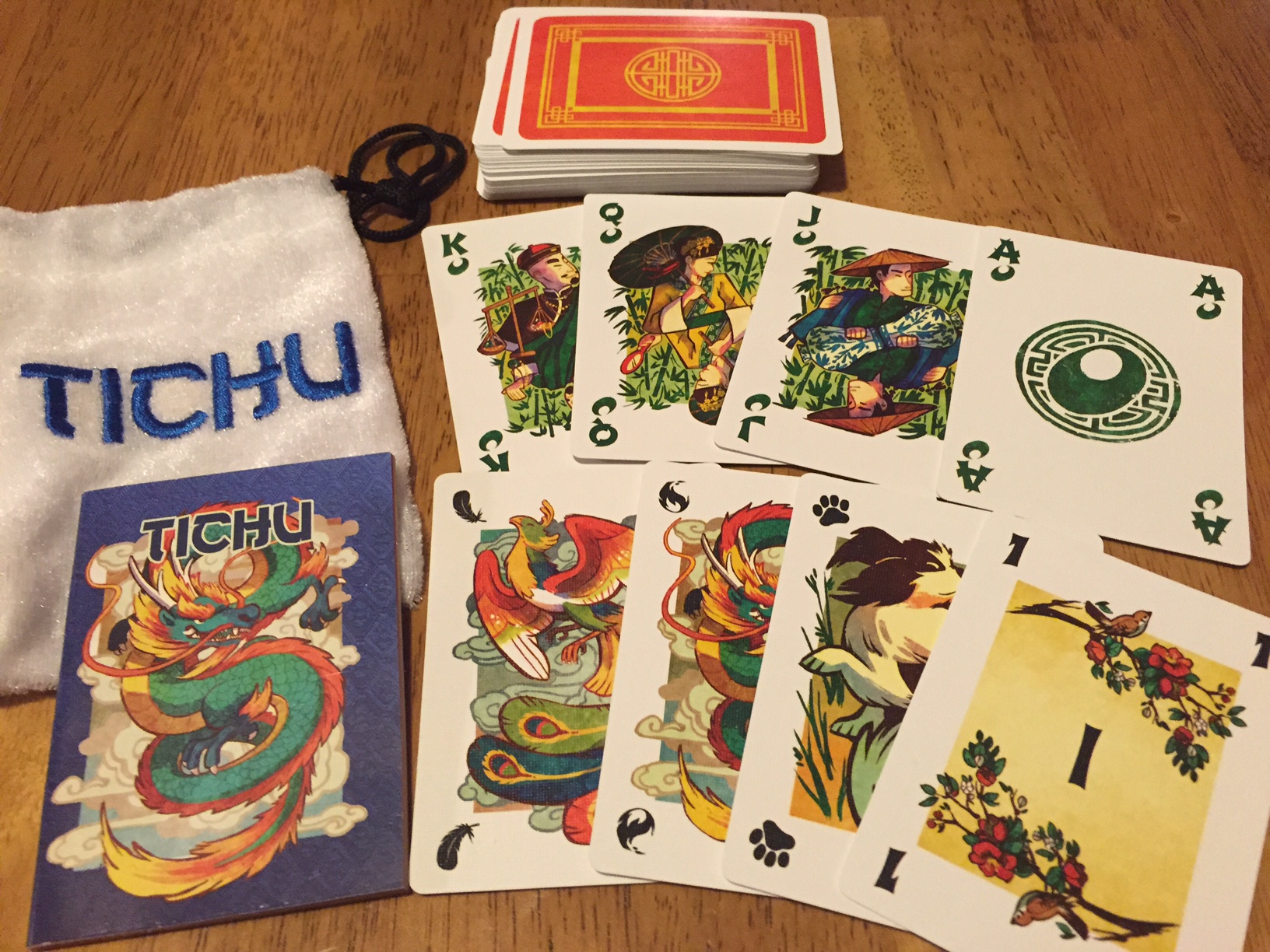
The whole pack of the card/board game Tichu.
The whole pack of the card/board game Tichu. Photo via The Opinionated Gamers.

It’s called Tichu, and it was invented by Swiss game designer Urs Hostettler, who once lived in Nanjing, China. It is generally played as a 2v2 card game, with each team competing for the right to play first by calling out “Tichu!” at the beginning of each round. Players then use combinations of cards to advance the game, while special combinations—such as bombs—can override previous plays.
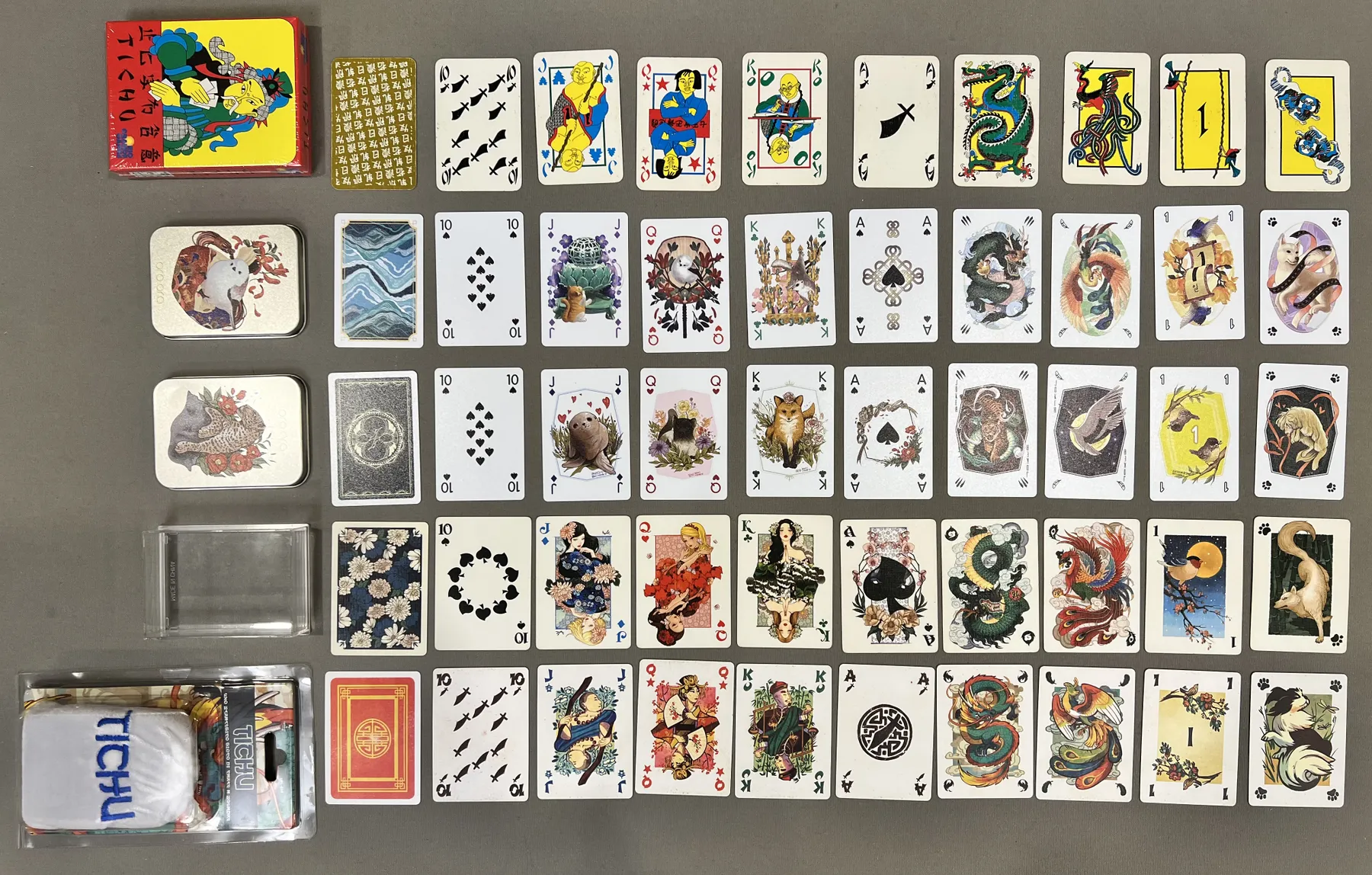
The whole set of Tichu.
The whole set of Tichu. Photo via Board Game Geek.

Anyone with a deep knowledge of Chinese games might recognize the influence found in Tichu from several traditional Chinese card games. The name “Tichu” itself is a variation of “Di Zhu (地主).” Dou Di Zhu is a widely played three-player card game in China, best known for its landlord role and fast-paced competitive structure. Tichu also combines elements from other Chinese climbing-style card games, such as Zheng Shangyou (争上游), which are popular across China and vary by region. These games are popular enough to have televised tournaments on local TV programs.
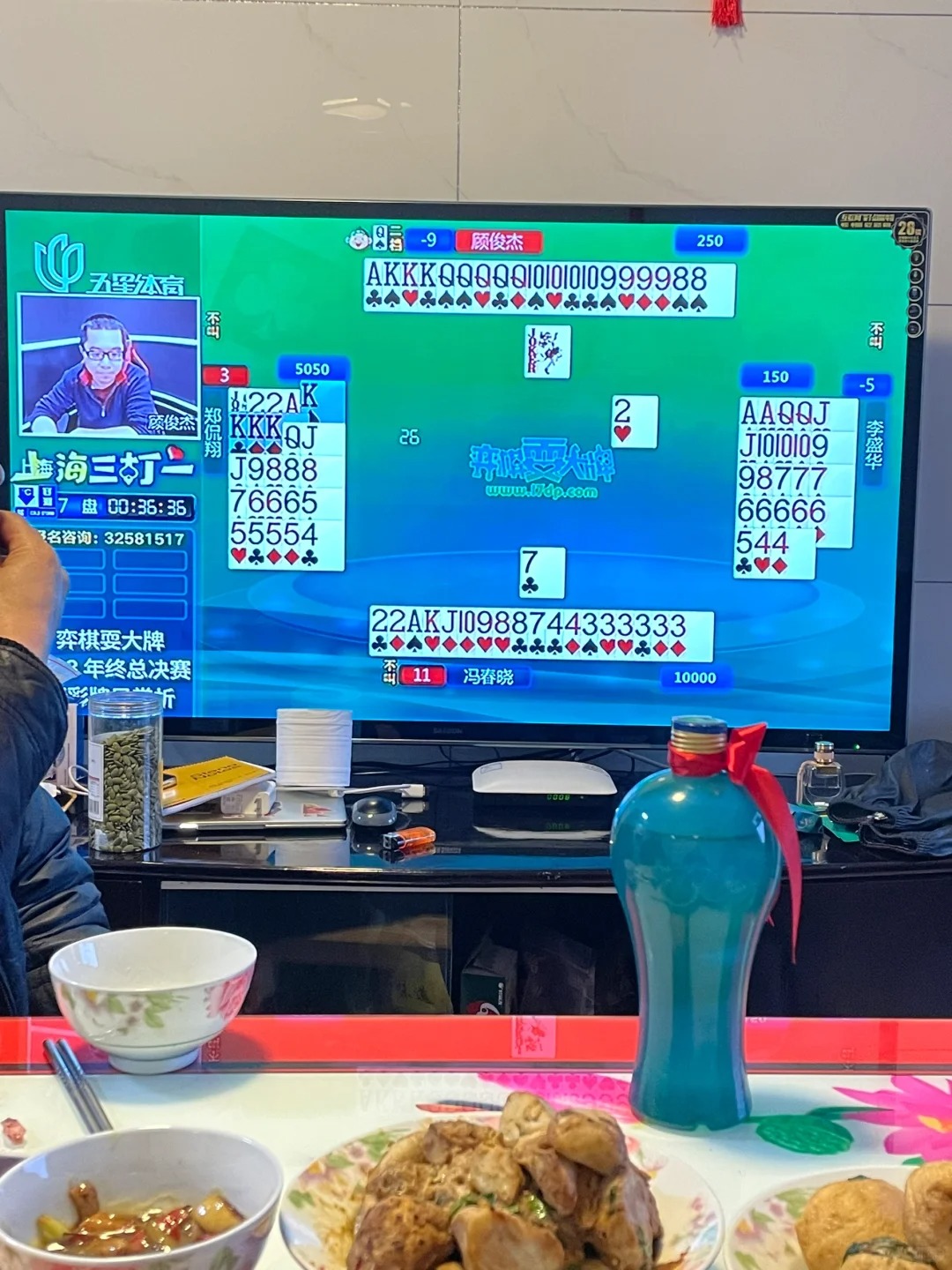
The typical afternoon in a Shanghai family would be spending time together watching Dou Di Zhu program on TV.
The typical afternoon in a Shanghai family would be spent together watching Dou Di Zhu program on TV. Photo via Xiaohongshu.

Today, Tichu is especially popular in European countries, including Switzerland and Germany, but most of all, Greece. People gather for long game nights, gaining a small taste of Chinese culture through play. The collage-like cultural references are also visible in the card design. For example, while a standard Dou Di Zhu deck uses either 54 or 108 cards, Tichu includes four additional special cards—an example of one being called Mah Jong, clearly inspired by the Chinese tile game Mahjong.
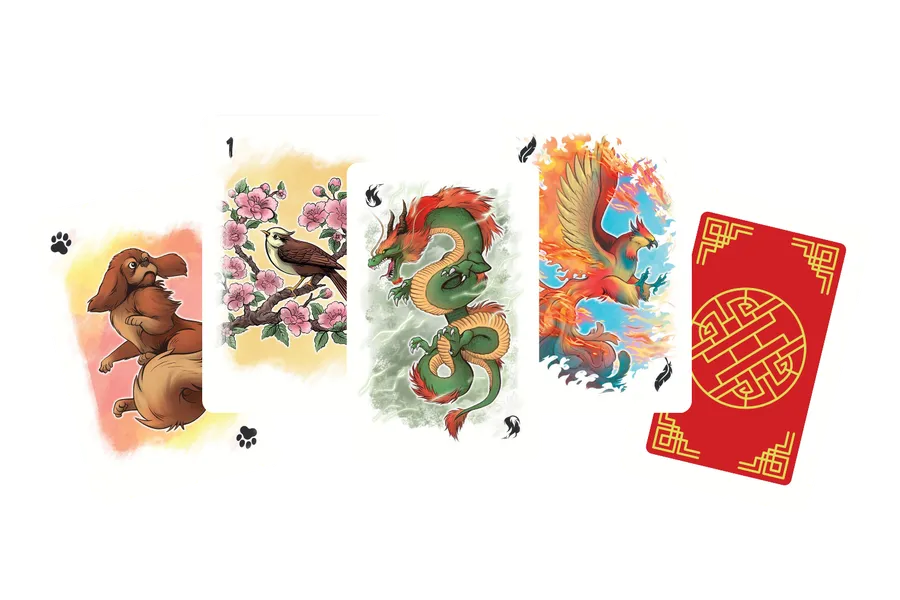
Special cards from Tichu: Mah Jong, Dog, Phoenix, Dragon.
Special cards from Tichu: Mah Jong, Dog, Phoenix, Dragon. Photo via Board Game Geek.

No matter its origins, Tichu continues to conquer European youth with its aesthetics and addictive gameplay more than 35 years after its birth—turning a hybrid cultural product into a lasting social ritual.
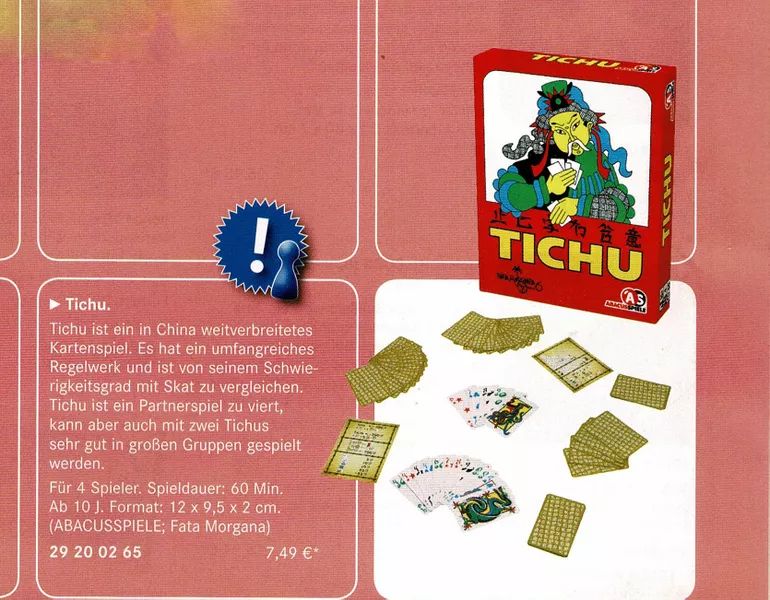
The Swiss version of Tichu with its German description.
The Swiss version of Tichu with its German description. Photo via Xiaohongshu.

Cover Image via Board Game Geek.

NEWSLETTER

Get weekly top picks and exclusive, newsletter only content delivered straight to you inbox.

NEWSLETTER

Get weekly top picks and exclusive, newsletter only content delivered straight to you inbox.

RADII NEWSLETTER

Get weekly top picks and exclusive, newsletter only content delivered straight to you inbox

Feature image of Tichu: The Swiss-Made, Chinese-Themed Card Game That’s Popular in Greece

Tichu: The Swiss-Made, Chinese-Themed Card Game That’s Popular in Greece

2 mins read

It's a game filled with Chinese design elements that most Chinese people won't even know about, and apparently it's super fun.

In Greece, there is a must-play card game among college students. Its package features a Chinese dragon, with cards categorized as Jade, Sword, Pagoda, and Star. The design alone makes people associate it with Chinese culture. However, if you ask your Chinese friends, 99% of them won’t recognize the game. So what is it?

The whole pack of the card/board game Tichu.
The whole pack of the card/board game Tichu. Photo via The Opinionated Gamers.

It’s called Tichu, and it was invented by Swiss game designer Urs Hostettler, who once lived in Nanjing, China. It is generally played as a 2v2 card game, with each team competing for the right to play first by calling out “Tichu!” at the beginning of each round. Players then use combinations of cards to advance the game, while special combinations—such as bombs—can override previous plays.

The whole set of Tichu.
The whole set of Tichu. Photo via Board Game Geek.

Anyone with a deep knowledge of Chinese games might recognize the influence found in Tichu from several traditional Chinese card games. The name “Tichu” itself is a variation of “Di Zhu (地主).” Dou Di Zhu is a widely played three-player card game in China, best known for its landlord role and fast-paced competitive structure. Tichu also combines elements from other Chinese climbing-style card games, such as Zheng Shangyou (争上游), which are popular across China and vary by region. These games are popular enough to have televised tournaments on local TV programs.

The typical afternoon in a Shanghai family would be spending time together watching Dou Di Zhu program on TV.
The typical afternoon in a Shanghai family would be spent together watching Dou Di Zhu program on TV. Photo via Xiaohongshu.

Today, Tichu is especially popular in European countries, including Switzerland and Germany, but most of all, Greece. People gather for long game nights, gaining a small taste of Chinese culture through play. The collage-like cultural references are also visible in the card design. For example, while a standard Dou Di Zhu deck uses either 54 or 108 cards, Tichu includes four additional special cards—an example of one being called Mah Jong, clearly inspired by the Chinese tile game Mahjong.

Special cards from Tichu: Mah Jong, Dog, Phoenix, Dragon.
Special cards from Tichu: Mah Jong, Dog, Phoenix, Dragon. Photo via Board Game Geek.

No matter its origins, Tichu continues to conquer European youth with its aesthetics and addictive gameplay more than 35 years after its birth—turning a hybrid cultural product into a lasting social ritual.

The Swiss version of Tichu with its German description.
The Swiss version of Tichu with its German description. Photo via Xiaohongshu.

Cover Image via Board Game Geek.

NEWSLETTER

Get weekly top picks and exclusive, newsletter only content delivered straight to you inbox.

RADII NEWSLETTER

Get weekly top picks and exclusive, newsletter only content delivered straight to you inbox

RELATED POSTS

Feature image of Tichu: The Swiss-Made, Chinese-Themed Card Game That’s Popular in Greece

Tichu: The Swiss-Made, Chinese-Themed Card Game That’s Popular in Greece

2 mins read

2 mins read

Feature image of Tichu: The Swiss-Made, Chinese-Themed Card Game That’s Popular in Greece
It's a game filled with Chinese design elements that most Chinese people won't even know about, and apparently it's super fun.

In Greece, there is a must-play card game among college students. Its package features a Chinese dragon, with cards categorized as Jade, Sword, Pagoda, and Star. The design alone makes people associate it with Chinese culture. However, if you ask your Chinese friends, 99% of them won’t recognize the game. So what is it?

The whole pack of the card/board game Tichu.
The whole pack of the card/board game Tichu. Photo via The Opinionated Gamers.

It’s called Tichu, and it was invented by Swiss game designer Urs Hostettler, who once lived in Nanjing, China. It is generally played as a 2v2 card game, with each team competing for the right to play first by calling out “Tichu!” at the beginning of each round. Players then use combinations of cards to advance the game, while special combinations—such as bombs—can override previous plays.

The whole set of Tichu.
The whole set of Tichu. Photo via Board Game Geek.

Anyone with a deep knowledge of Chinese games might recognize the influence found in Tichu from several traditional Chinese card games. The name “Tichu” itself is a variation of “Di Zhu (地主).” Dou Di Zhu is a widely played three-player card game in China, best known for its landlord role and fast-paced competitive structure. Tichu also combines elements from other Chinese climbing-style card games, such as Zheng Shangyou (争上游), which are popular across China and vary by region. These games are popular enough to have televised tournaments on local TV programs.

The typical afternoon in a Shanghai family would be spending time together watching Dou Di Zhu program on TV.
The typical afternoon in a Shanghai family would be spent together watching Dou Di Zhu program on TV. Photo via Xiaohongshu.

Today, Tichu is especially popular in European countries, including Switzerland and Germany, but most of all, Greece. People gather for long game nights, gaining a small taste of Chinese culture through play. The collage-like cultural references are also visible in the card design. For example, while a standard Dou Di Zhu deck uses either 54 or 108 cards, Tichu includes four additional special cards—an example of one being called Mah Jong, clearly inspired by the Chinese tile game Mahjong.

Special cards from Tichu: Mah Jong, Dog, Phoenix, Dragon.
Special cards from Tichu: Mah Jong, Dog, Phoenix, Dragon. Photo via Board Game Geek.

No matter its origins, Tichu continues to conquer European youth with its aesthetics and addictive gameplay more than 35 years after its birth—turning a hybrid cultural product into a lasting social ritual.

The Swiss version of Tichu with its German description.
The Swiss version of Tichu with its German description. Photo via Xiaohongshu.

Cover Image via Board Game Geek.

NEWSLETTER

Get weekly top picks and exclusive, newsletter only content delivered straight to you inbox.

NEWSLETTER

Get weekly top picks and exclusive, newsletter only content delivered straight to you inbox.

RADII NEWSLETTER

Get weekly top picks and exclusive, newsletter only content delivered straight to you inbox

Feature image of Tichu: The Swiss-Made, Chinese-Themed Card Game That’s Popular in Greece

Tichu: The Swiss-Made, Chinese-Themed Card Game That’s Popular in Greece

2 mins read

It's a game filled with Chinese design elements that most Chinese people won't even know about, and apparently it's super fun.

In Greece, there is a must-play card game among college students. Its package features a Chinese dragon, with cards categorized as Jade, Sword, Pagoda, and Star. The design alone makes people associate it with Chinese culture. However, if you ask your Chinese friends, 99% of them won’t recognize the game. So what is it?

The whole pack of the card/board game Tichu.
The whole pack of the card/board game Tichu. Photo via The Opinionated Gamers.

It’s called Tichu, and it was invented by Swiss game designer Urs Hostettler, who once lived in Nanjing, China. It is generally played as a 2v2 card game, with each team competing for the right to play first by calling out “Tichu!” at the beginning of each round. Players then use combinations of cards to advance the game, while special combinations—such as bombs—can override previous plays.

The whole set of Tichu.
The whole set of Tichu. Photo via Board Game Geek.

Anyone with a deep knowledge of Chinese games might recognize the influence found in Tichu from several traditional Chinese card games. The name “Tichu” itself is a variation of “Di Zhu (地主).” Dou Di Zhu is a widely played three-player card game in China, best known for its landlord role and fast-paced competitive structure. Tichu also combines elements from other Chinese climbing-style card games, such as Zheng Shangyou (争上游), which are popular across China and vary by region. These games are popular enough to have televised tournaments on local TV programs.

The typical afternoon in a Shanghai family would be spending time together watching Dou Di Zhu program on TV.
The typical afternoon in a Shanghai family would be spent together watching Dou Di Zhu program on TV. Photo via Xiaohongshu.

Today, Tichu is especially popular in European countries, including Switzerland and Germany, but most of all, Greece. People gather for long game nights, gaining a small taste of Chinese culture through play. The collage-like cultural references are also visible in the card design. For example, while a standard Dou Di Zhu deck uses either 54 or 108 cards, Tichu includes four additional special cards—an example of one being called Mah Jong, clearly inspired by the Chinese tile game Mahjong.

Special cards from Tichu: Mah Jong, Dog, Phoenix, Dragon.
Special cards from Tichu: Mah Jong, Dog, Phoenix, Dragon. Photo via Board Game Geek.

No matter its origins, Tichu continues to conquer European youth with its aesthetics and addictive gameplay more than 35 years after its birth—turning a hybrid cultural product into a lasting social ritual.

The Swiss version of Tichu with its German description.
The Swiss version of Tichu with its German description. Photo via Xiaohongshu.

Cover Image via Board Game Geek.

NEWSLETTER

Get weekly top picks and exclusive, newsletter only content delivered straight to you inbox.

RADII NEWSLETTER

Get weekly top picks and exclusive, newsletter only content delivered straight to you inbox

NEWSLETTER​

Get weekly top picks and exclusive, newsletter only content delivered straight to you inbox

RADII Newsletter Pop Up small banner

NEWSLETTER

Get weekly top picks and exclusive, newsletter only content delivered straight to you inbox.

Link Copied!

Share

Feature image of Tichu: The Swiss-Made, Chinese-Themed Card Game That’s Popular in Greece

Tichu: The Swiss-Made, Chinese-Themed Card Game That’s Popular in Greece

It's a game filled with Chinese design elements that most Chinese people won't even know about, and apparently it's super fun.

PULSE

Tap into the latest in music, fashion, art, design, entertainment, pop culture, celebrity news, and contemporary culture

DISCOVER

Embark on a journey through food, travel, wellness, heritage, traditional culture, and lifestyle

STYLE

An insider’s look at the intersection of fashion, art, and design

FEAST

Titillate your taste buds with coverage of the best food and drink trends from China and beyond.

FUTURE

Explore the cutting edge in tech, AI, gadgets, gaming, and innovative tech-related products

FEAST

Titillate your taste buds with coverage of the best food and drink trends from China and beyond

STYLE

An insider’s look at the intersection of fashion, art, and design

PULSE

Unpacking Chinese youth culture through coverage of nightlife, film, sports, celebrities, and the hottest new music