

Feature image of Why Are Painted Wall Advertisements Back in China?

Why Are Painted Wall Advertisements Back in China?

2 mins read

2 mins read

Feature image of Why Are Painted Wall Advertisements Back in China?
RADII looks at the surprising return of traditional wall advertising, reimagined by contemporary brands and amplified by online meme culture in China

Once a ubiquitous sight across China (and around the world, for that matter), serving as an informal bulletin board for public notices and everyday messages, the humble “village wall slogan” has experienced a surprising resurgence in contemporary culture. What was once purely functional is now a canvas reimagined, particularly captivating a digitally native Generation Z.

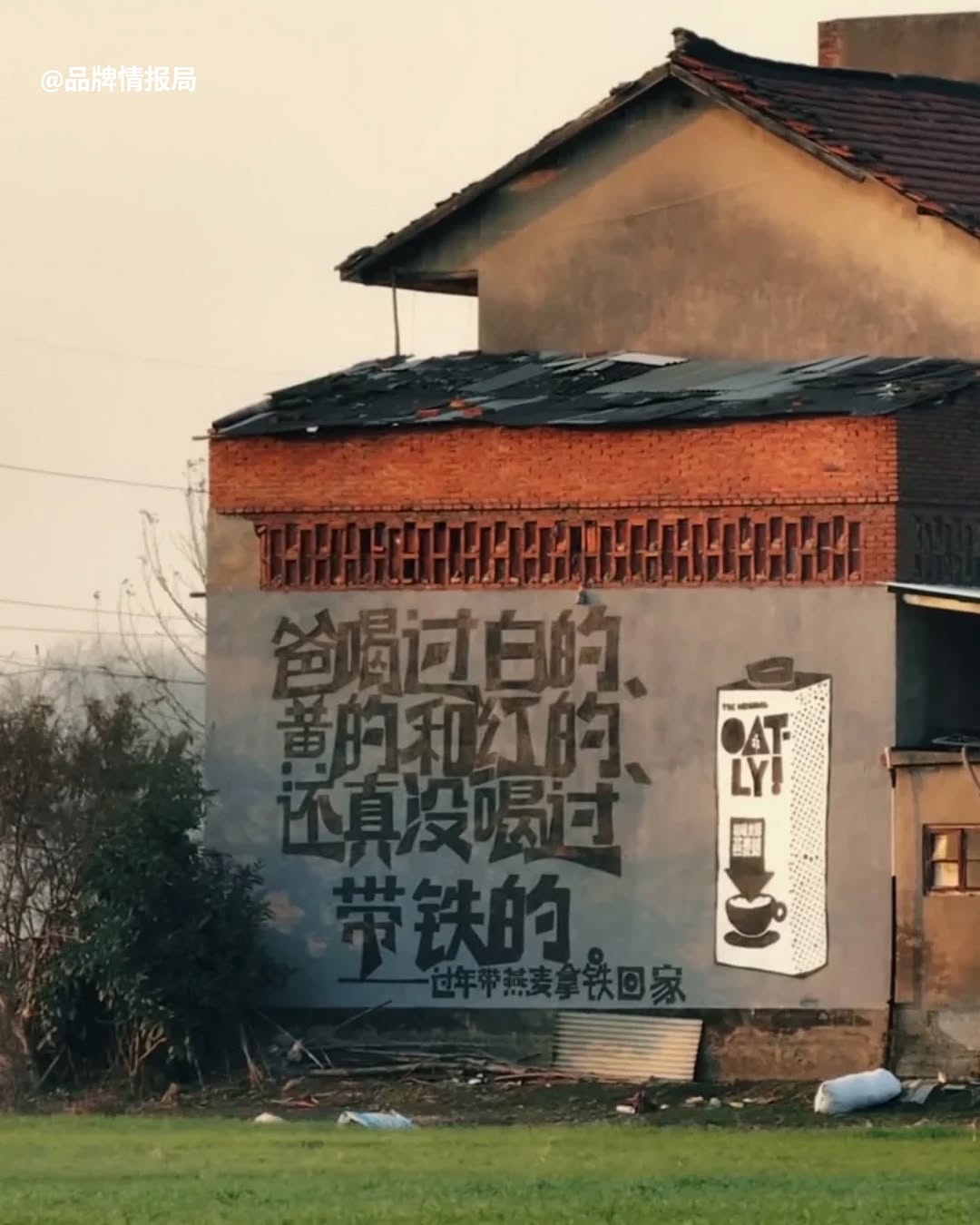
By the way, we’re not talking about long-standing bread companies or old school newspapers. We’re talking about brands like MINISO and OATLY who are exploring village walls as an alternative, cost-effective, and highly visible media space., As such, this “comeback” is more multifaceted. It’s less about a widespread return to direct brand-commissioned physical wall paintings by global giants and more about the aesthetic and concept being reappropriated, especially online.
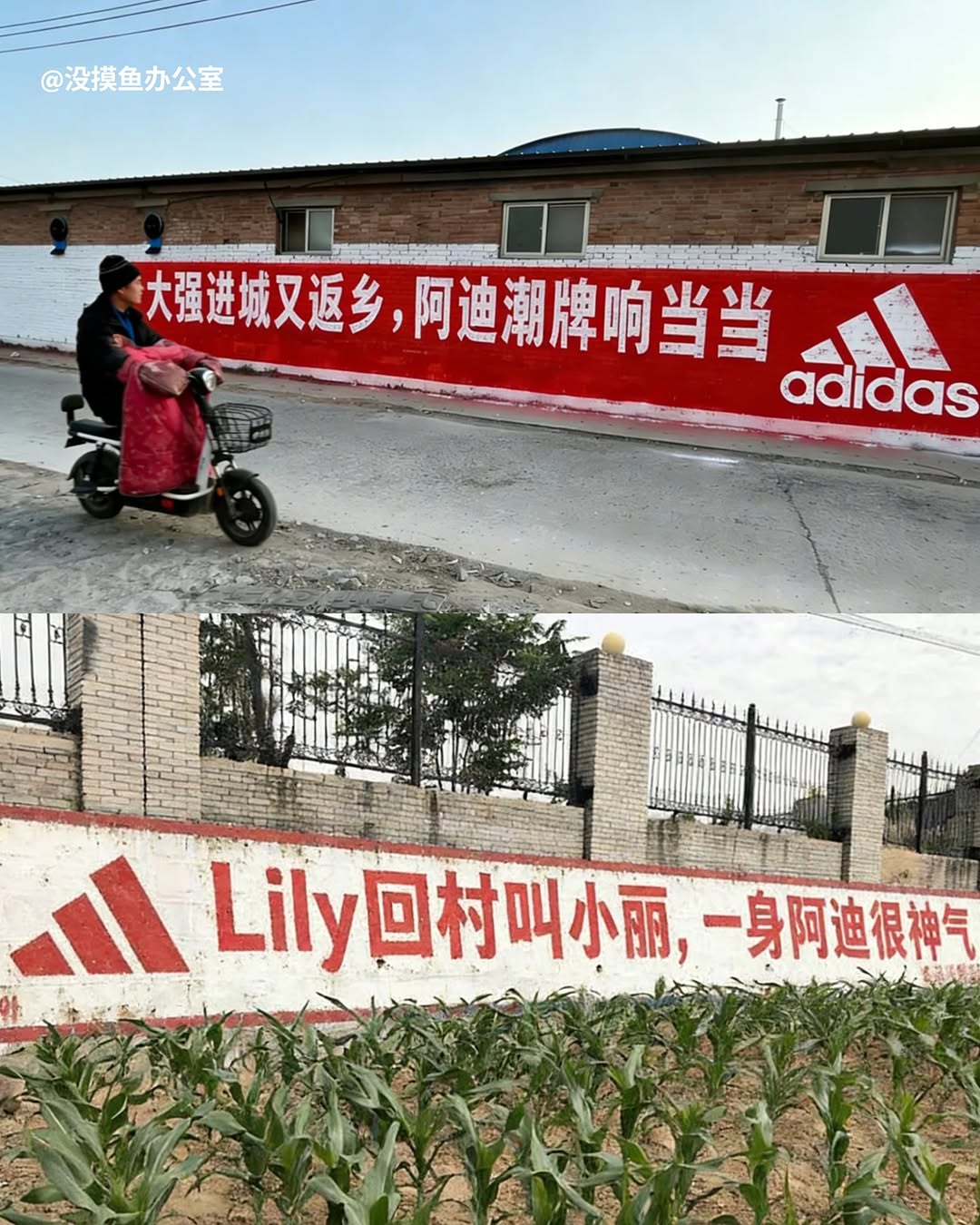
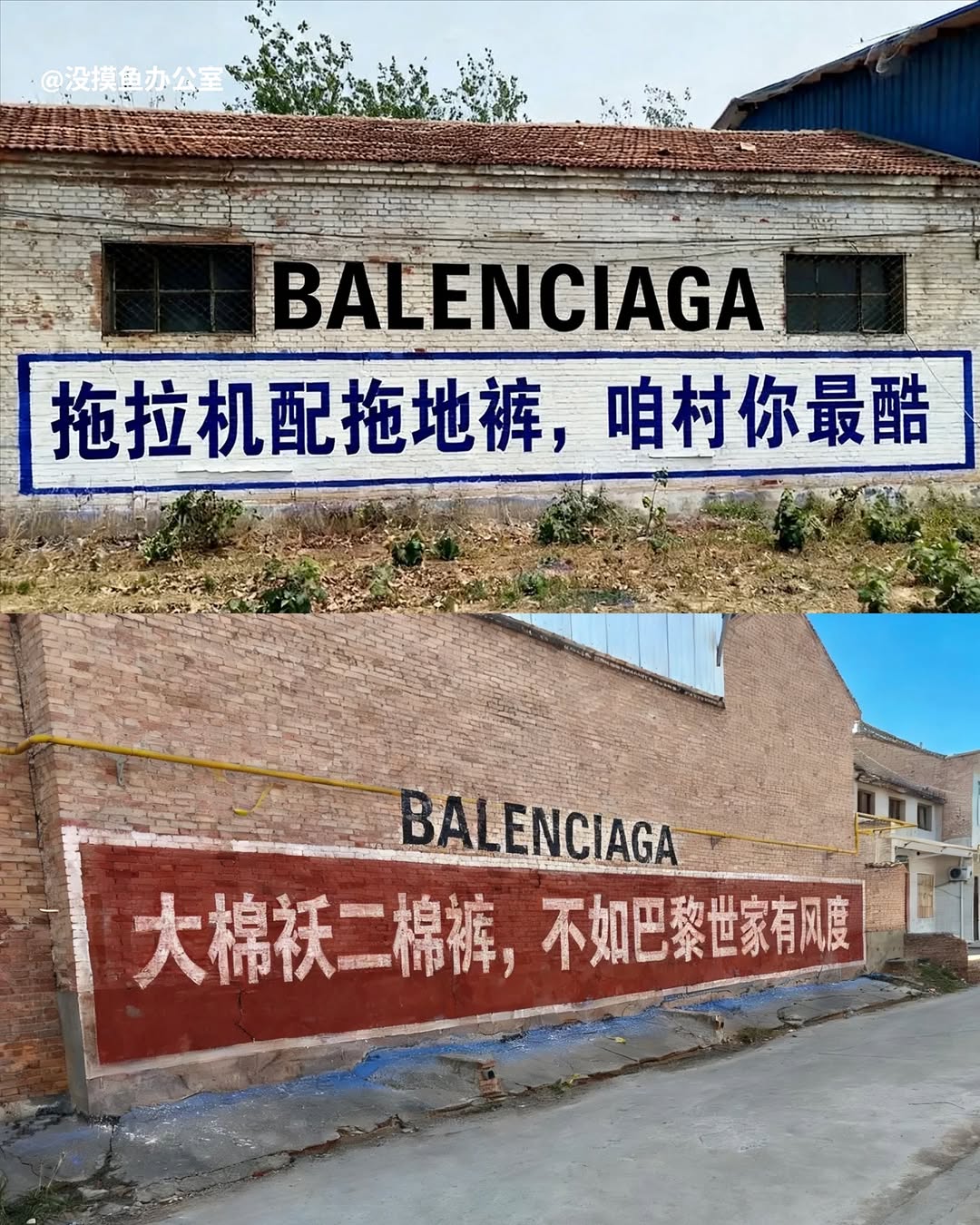
On platforms like Xiaohongshu, users have propelled this trend into a vibrant, often ironic, “visual joke.” Luxury logos from Balenciaga, Louis Vuitton, and adidas are photoshopped onto rustic rural backdrops, creating a jarring yet humorous juxtaposition. Balenciaga China, in particular, saw its own attempts at a “rural aesthetic” campaign met with a similar, albeit sometimes critical, online reception, demonstrating how traditional visuals can be co-opted and reinterpreted by internet culture.

This phenomenon is a powerful blend of nostalgia, humor, and internet-native creativity. In an era where everything online often feels meticulously crafted and “overdesigned,” the raw authenticity of the village wall offers a refreshing counter-narrative. It taps into a collective longing for simpler times, while simultaneously providing fertile ground for meme culture and shared online amusement. For brands, understanding this nuanced re-emergence—whether through exploring tangible rural outreach or engaging with the online aesthetic—means recognizing a dynamic space where tradition meets trend, shaped by the discerning eye of youth culture.

All images via Xiaohongshu.

NEWSLETTER

Get weekly top picks and exclusive, newsletter only content delivered straight to you inbox.

NEWSLETTER

Get weekly top picks and exclusive, newsletter only content delivered straight to you inbox.

RADII NEWSLETTER

Get weekly top picks and exclusive, newsletter only content delivered straight to you inbox

Feature image of Why Are Painted Wall Advertisements Back in China?

Why Are Painted Wall Advertisements Back in China?

2 mins read

RADII looks at the surprising return of traditional wall advertising, reimagined by contemporary brands and amplified by online meme culture in China

Once a ubiquitous sight across China (and around the world, for that matter), serving as an informal bulletin board for public notices and everyday messages, the humble “village wall slogan” has experienced a surprising resurgence in contemporary culture. What was once purely functional is now a canvas reimagined, particularly captivating a digitally native Generation Z.

By the way, we’re not talking about long-standing bread companies or old school newspapers. We’re talking about brands like MINISO and OATLY who are exploring village walls as an alternative, cost-effective, and highly visible media space., As such, this “comeback” is more multifaceted. It’s less about a widespread return to direct brand-commissioned physical wall paintings by global giants and more about the aesthetic and concept being reappropriated, especially online.

On platforms like Xiaohongshu, users have propelled this trend into a vibrant, often ironic, “visual joke.” Luxury logos from Balenciaga, Louis Vuitton, and adidas are photoshopped onto rustic rural backdrops, creating a jarring yet humorous juxtaposition. Balenciaga China, in particular, saw its own attempts at a “rural aesthetic” campaign met with a similar, albeit sometimes critical, online reception, demonstrating how traditional visuals can be co-opted and reinterpreted by internet culture.

This phenomenon is a powerful blend of nostalgia, humor, and internet-native creativity. In an era where everything online often feels meticulously crafted and “overdesigned,” the raw authenticity of the village wall offers a refreshing counter-narrative. It taps into a collective longing for simpler times, while simultaneously providing fertile ground for meme culture and shared online amusement. For brands, understanding this nuanced re-emergence—whether through exploring tangible rural outreach or engaging with the online aesthetic—means recognizing a dynamic space where tradition meets trend, shaped by the discerning eye of youth culture.

All images via Xiaohongshu.

NEWSLETTER

Get weekly top picks and exclusive, newsletter only content delivered straight to you inbox.

RADII NEWSLETTER

Get weekly top picks and exclusive, newsletter only content delivered straight to you inbox

RELATED POSTS

Feature image of Why Are Painted Wall Advertisements Back in China?

Why Are Painted Wall Advertisements Back in China?

2 mins read

2 mins read

Feature image of Why Are Painted Wall Advertisements Back in China?
RADII looks at the surprising return of traditional wall advertising, reimagined by contemporary brands and amplified by online meme culture in China

Once a ubiquitous sight across China (and around the world, for that matter), serving as an informal bulletin board for public notices and everyday messages, the humble “village wall slogan” has experienced a surprising resurgence in contemporary culture. What was once purely functional is now a canvas reimagined, particularly captivating a digitally native Generation Z.

By the way, we’re not talking about long-standing bread companies or old school newspapers. We’re talking about brands like MINISO and OATLY who are exploring village walls as an alternative, cost-effective, and highly visible media space., As such, this “comeback” is more multifaceted. It’s less about a widespread return to direct brand-commissioned physical wall paintings by global giants and more about the aesthetic and concept being reappropriated, especially online.

On platforms like Xiaohongshu, users have propelled this trend into a vibrant, often ironic, “visual joke.” Luxury logos from Balenciaga, Louis Vuitton, and adidas are photoshopped onto rustic rural backdrops, creating a jarring yet humorous juxtaposition. Balenciaga China, in particular, saw its own attempts at a “rural aesthetic” campaign met with a similar, albeit sometimes critical, online reception, demonstrating how traditional visuals can be co-opted and reinterpreted by internet culture.

This phenomenon is a powerful blend of nostalgia, humor, and internet-native creativity. In an era where everything online often feels meticulously crafted and “overdesigned,” the raw authenticity of the village wall offers a refreshing counter-narrative. It taps into a collective longing for simpler times, while simultaneously providing fertile ground for meme culture and shared online amusement. For brands, understanding this nuanced re-emergence—whether through exploring tangible rural outreach or engaging with the online aesthetic—means recognizing a dynamic space where tradition meets trend, shaped by the discerning eye of youth culture.

All images via Xiaohongshu.

NEWSLETTER

Get weekly top picks and exclusive, newsletter only content delivered straight to you inbox.

NEWSLETTER

Get weekly top picks and exclusive, newsletter only content delivered straight to you inbox.

RADII NEWSLETTER

Get weekly top picks and exclusive, newsletter only content delivered straight to you inbox

Feature image of Why Are Painted Wall Advertisements Back in China?

Why Are Painted Wall Advertisements Back in China?

2 mins read

RADII looks at the surprising return of traditional wall advertising, reimagined by contemporary brands and amplified by online meme culture in China

Once a ubiquitous sight across China (and around the world, for that matter), serving as an informal bulletin board for public notices and everyday messages, the humble “village wall slogan” has experienced a surprising resurgence in contemporary culture. What was once purely functional is now a canvas reimagined, particularly captivating a digitally native Generation Z.

By the way, we’re not talking about long-standing bread companies or old school newspapers. We’re talking about brands like MINISO and OATLY who are exploring village walls as an alternative, cost-effective, and highly visible media space., As such, this “comeback” is more multifaceted. It’s less about a widespread return to direct brand-commissioned physical wall paintings by global giants and more about the aesthetic and concept being reappropriated, especially online.

On platforms like Xiaohongshu, users have propelled this trend into a vibrant, often ironic, “visual joke.” Luxury logos from Balenciaga, Louis Vuitton, and adidas are photoshopped onto rustic rural backdrops, creating a jarring yet humorous juxtaposition. Balenciaga China, in particular, saw its own attempts at a “rural aesthetic” campaign met with a similar, albeit sometimes critical, online reception, demonstrating how traditional visuals can be co-opted and reinterpreted by internet culture.
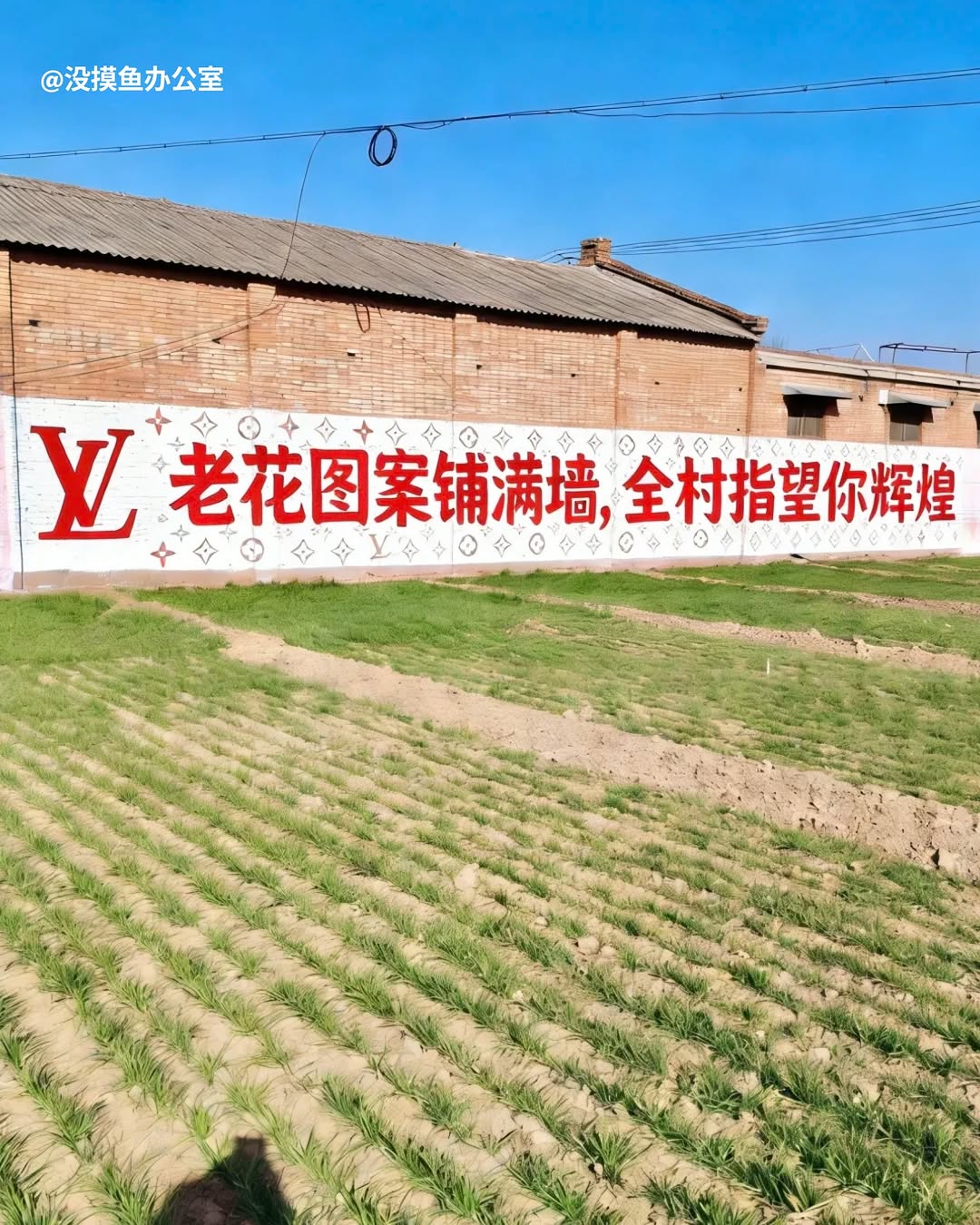
This phenomenon is a powerful blend of nostalgia, humor, and internet-native creativity. In an era where everything online often feels meticulously crafted and “overdesigned,” the raw authenticity of the village wall offers a refreshing counter-narrative. It taps into a collective longing for simpler times, while simultaneously providing fertile ground for meme culture and shared online amusement. For brands, understanding this nuanced re-emergence—whether through exploring tangible rural outreach or engaging with the online aesthetic—means recognizing a dynamic space where tradition meets trend, shaped by the discerning eye of youth culture.


All images via Xiaohongshu.

NEWSLETTER

Get weekly top picks and exclusive, newsletter only content delivered straight to you inbox.

RADII NEWSLETTER

Get weekly top picks and exclusive, newsletter only content delivered straight to you inbox

NEWSLETTER​

Get weekly top picks and exclusive, newsletter only content delivered straight to you inbox

RADII Newsletter Pop Up small banner

NEWSLETTER

Get weekly top picks and exclusive, newsletter only content delivered straight to you inbox.

Link Copied!

Share

Feature image of Why Are Painted Wall Advertisements Back in China?

Why Are Painted Wall Advertisements Back in China?

RADII looks at the surprising return of traditional wall advertising, reimagined by contemporary brands and amplified by online meme culture in China

PULSE

Tap into the latest in music, fashion, art, design, entertainment, pop culture, celebrity news, and contemporary culture

DISCOVER

Embark on a journey through food, travel, wellness, heritage, traditional culture, and lifestyle

STYLE

An insider’s look at the intersection of fashion, art, and design

FEAST

Titillate your taste buds with coverage of the best food and drink trends from China and beyond.

FUTURE

Explore the cutting edge in tech, AI, gadgets, gaming, and innovative tech-related products

FEAST

Titillate your taste buds with coverage of the best food and drink trends from China and beyond

STYLE

An insider’s look at the intersection of fashion, art, and design

PULSE

Unpacking Chinese youth culture through coverage of nightlife, film, sports, celebrities, and the hottest new music