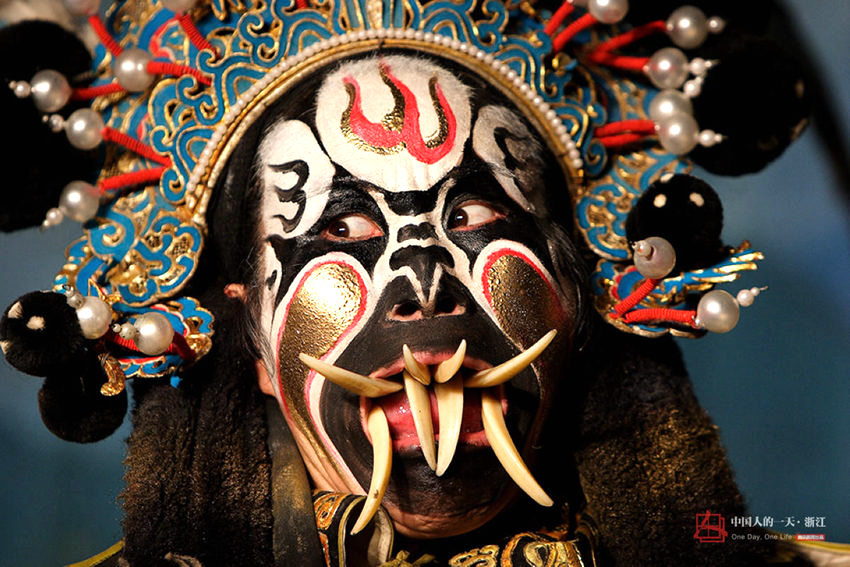
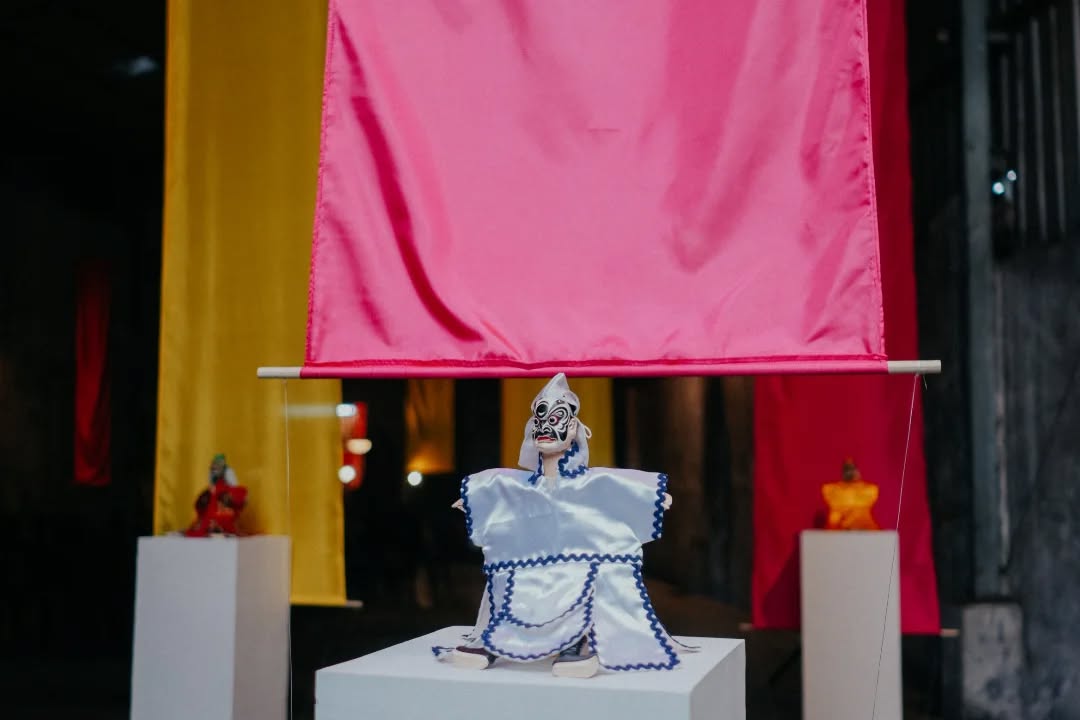
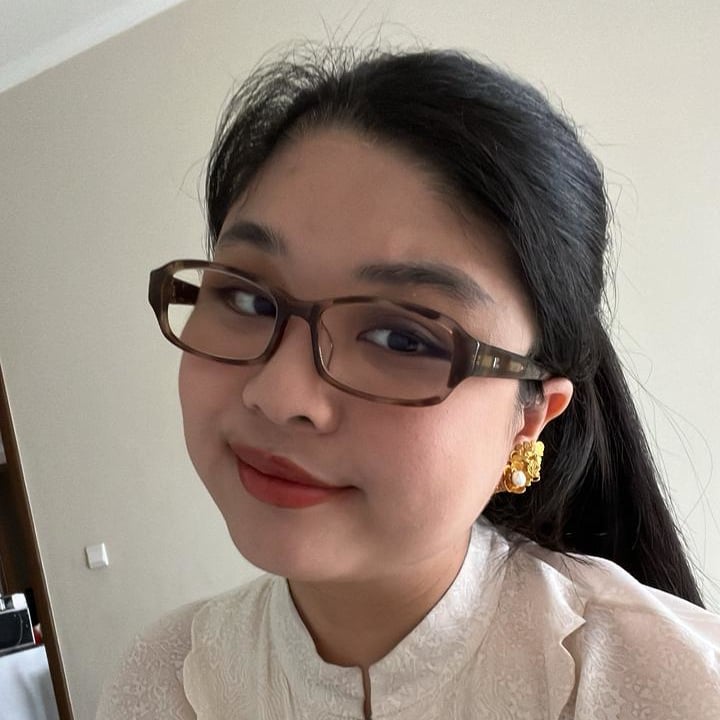
Indonesia stands as a vibrant testament to cultural fusion, and nowhere is this alchemy more captivating than on the stage of Wayang Potehi. This centuries-old Chinese glove puppetry tradition is a premier example of profound acculturation. Despite confronting historical decline, its flame continues to burn, kept alive by dedicated Indonesian custodians, with Javanese artists often at the forefront. Deeply rooted in Chinese lore, Wayang Potehi has evolved into a living bridge, actively connecting a new generation to the rich, complex layers of their Chinese-Indonesian heritage.
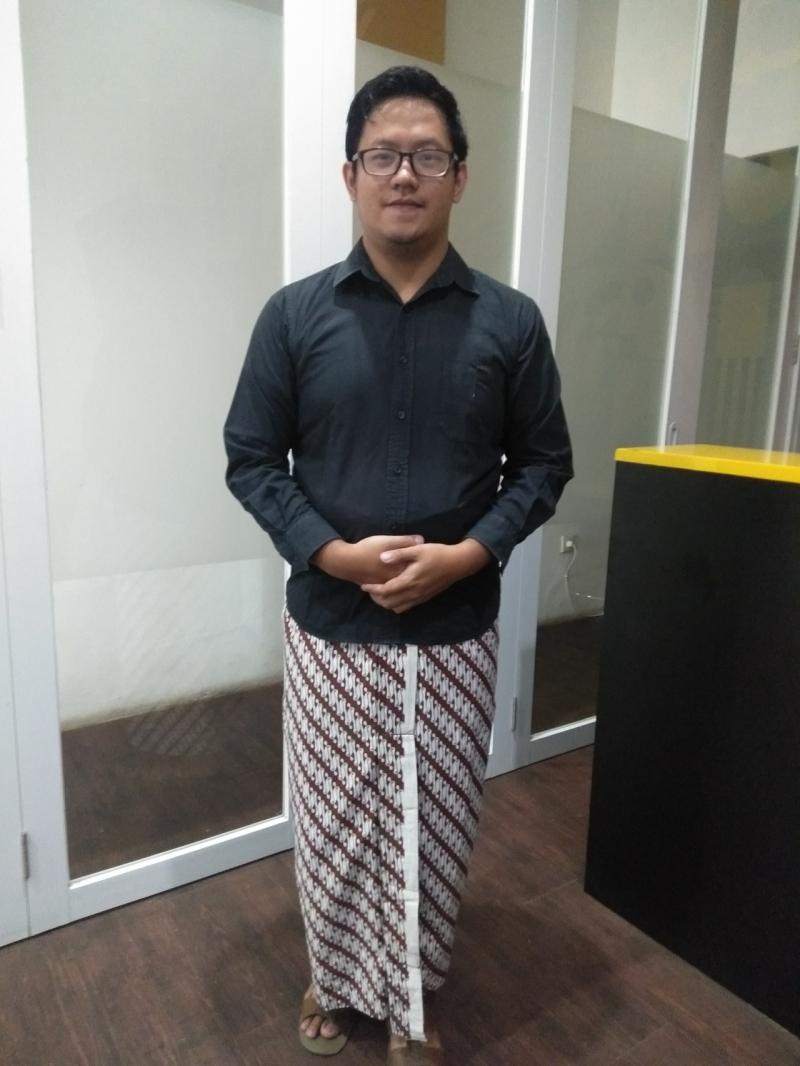
Forging a new path for tradition is Gen Z puppeteer Andhika Pratama of the Siauw Pek San Cultural Studio. He founded his community in 2023, driven by a passion first ignited during his Indonesian literature studies. This academic pursuit served as the catalyst, launching him onto a path of total dedication. His mission is to modernize the art form by writing and performing original stories that explore and affirm contemporary Chinese-Indonesian identity.
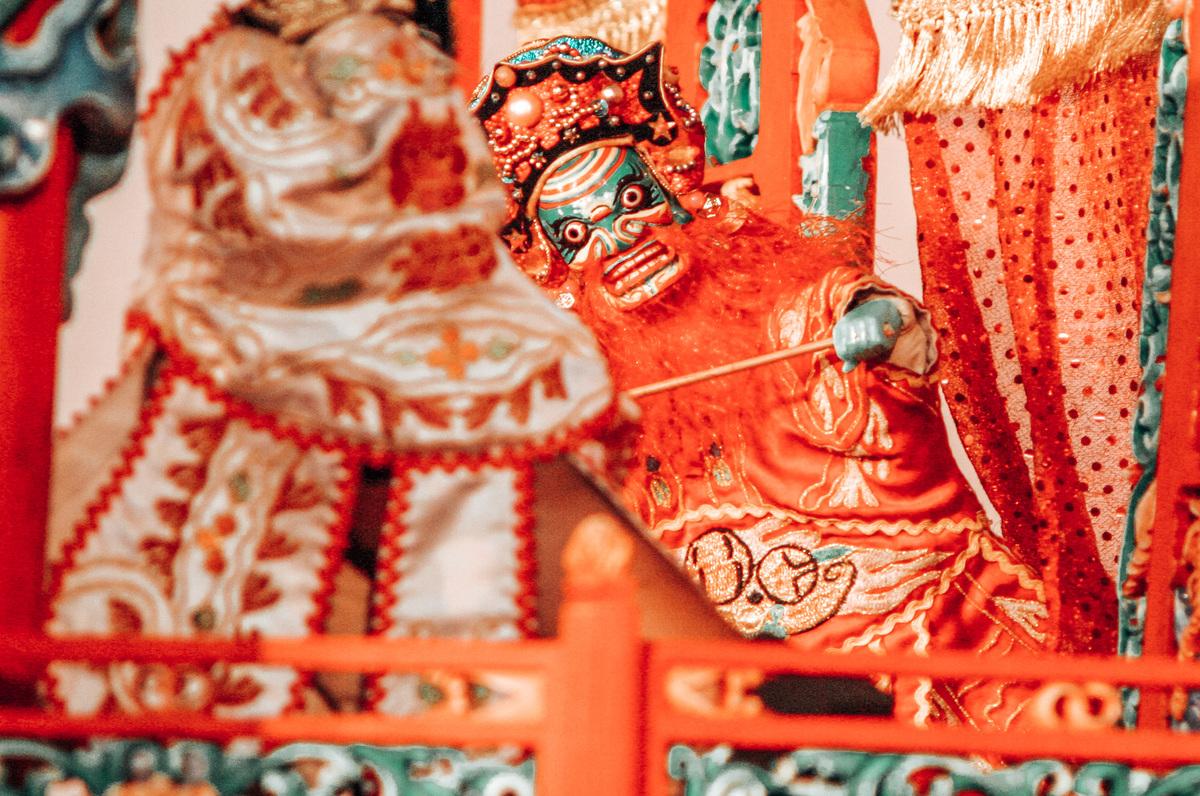
Wayang Potehi’s journey began in South China’s Fujian province, arriving in the Indonesian archipelago with 16th-century immigrants and flourishing along Java’s northern coast. Far more than entertainment, it became a sacred ritual—a vibrant medium for expressing gratitude and offering prayers to deities and ancestors. That is why its heart has always beaten within the walls of Chinese temples, or klenteng.
“My mission is to keep this tradition alive, so we never enter an era where Wayang Potehi is just a memory and people are left wishing they had done more to preserve it,” he tells RADII.
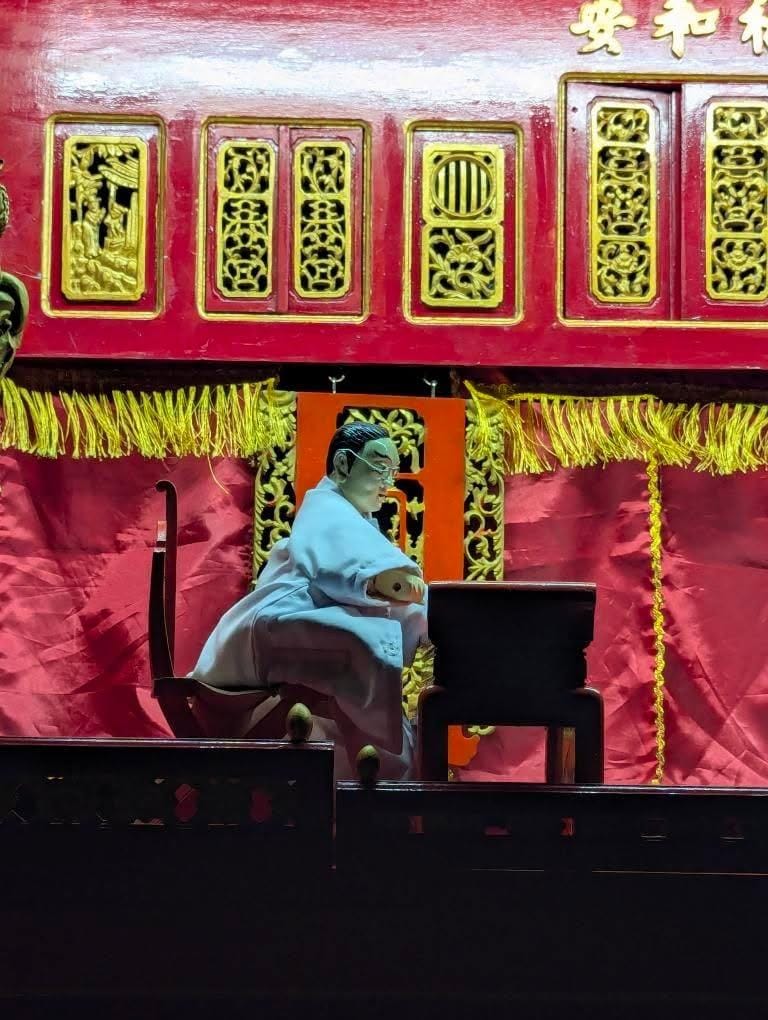
This ethos of service directly inspired one of Andhika’s most powerful adaptations: Dr. Oen Boen Ing: Becoming Indonesian. The story charts the remarkable journey of a man born into a wealthy tobacco-trading family who became a legend for treating the poor free of charge. His dedication was so profound that in 1975, Sri Mangkunegoro VIII honored him with the noble title, Kanjeng Raden Tumenggung Haryo Obi Darmohoesodo. More than a palace physician since 1944, Dr. Oen was also a quiet patriot, playing a significant role in Indonesia’s struggle for independence.
Pushing the boundaries of tradition further, Pratama is now adapting the legendary romance of Barong Landung—a tale of a Chinese princess who falls in love with a Balinese king—marking his mission to weave the rich, interconnected threads of Chinese and Indonesian heritage directly into the fabric of Wayang Potehi for a new generation.
Beyond the stage, Pratama’s vision is deeply practical. To forge a direct, relatable connection with fellow Chinese-Indonesians, he uses Wayang Potehi as a powerful storytelling tool to make shared heritage tangible and accessible. Yet his strategy to attract younger generations extends beyond performance: Pratama and his community regularly host hands-on Wayang Potehi puppet-making workshops, transforming passive viewers into active creators and ensuring the craft itself is passed forward.
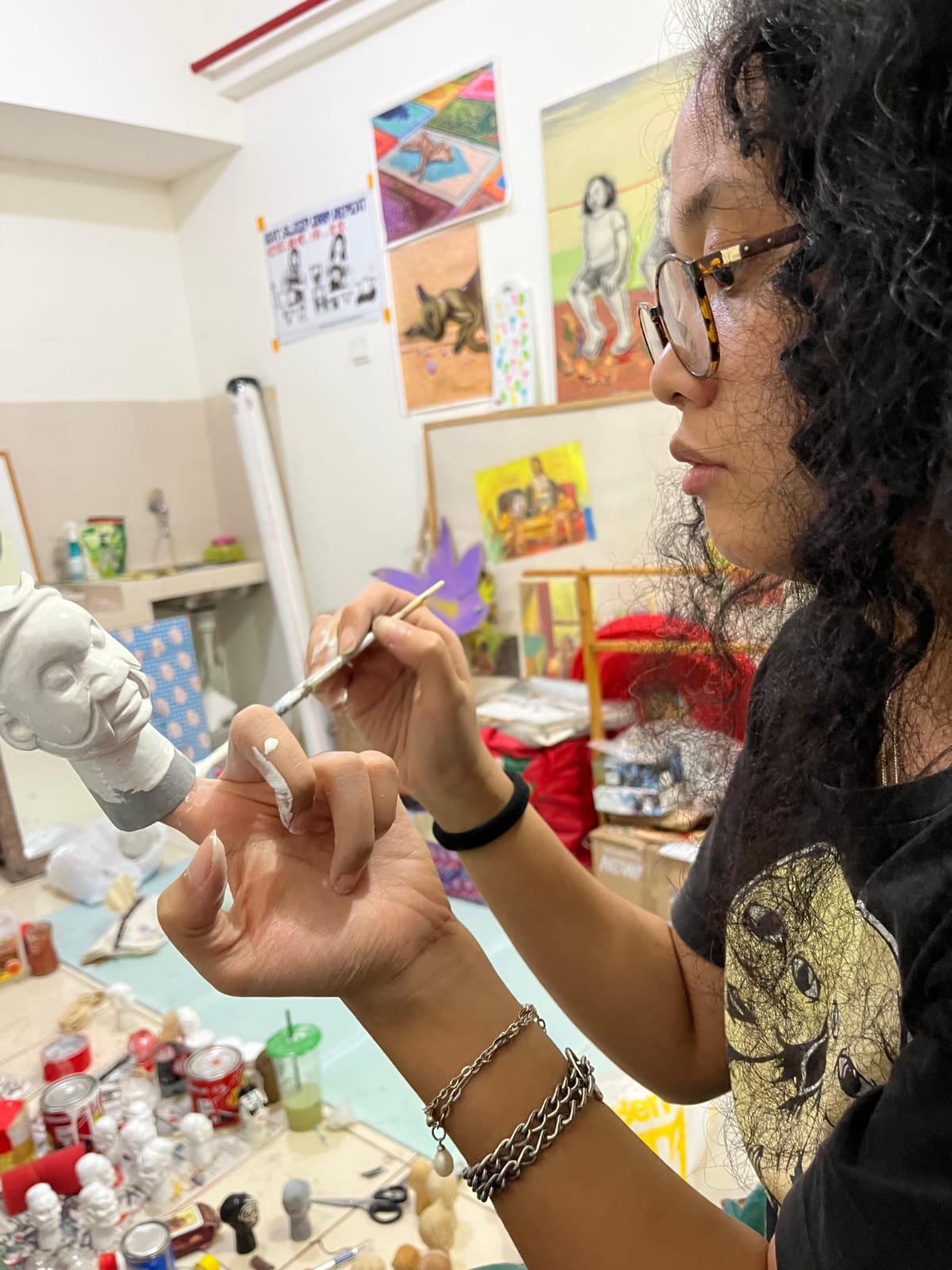
“Seeing a bit of your own story in a culture naturally draws you closer to it. That’s why we focus on two things: first, designing costumes with historical accuracy; and second, creating our own distinctive style for painting the puppets’ faces,” he said, adding that this revival is vital because Wayang Potehi represents a frozen piece of Indonesia’s cultural history that must be actively thawed and reclaimed for the present day.
For Pratama, however, modernization never means leaving the past behind. He emphasizes that the goal is not for people to forget the tradition, but to reconnect with it—a philosophy that drives his continuous experimentation and skillful adaptation of the art form to tell relatable contemporary stories.
The very language of the performance tells a story of adaptation and resilience. Traditionally performed in Hokkien, Wayang Potehi now primarily uses Indonesian, with only certain key phrases retained in the Southern Min dialect. This linguistic shift is a direct legacy of a dark chapter: the oppressive policies of President Suharto’s New Order regime from the 1970s to 1990s, which systematically suppressed Chinese cultural expression. The crackdown forced the centuries-old, deeply localized art into the shadows, compelling it to adapt strategically in order to survive.
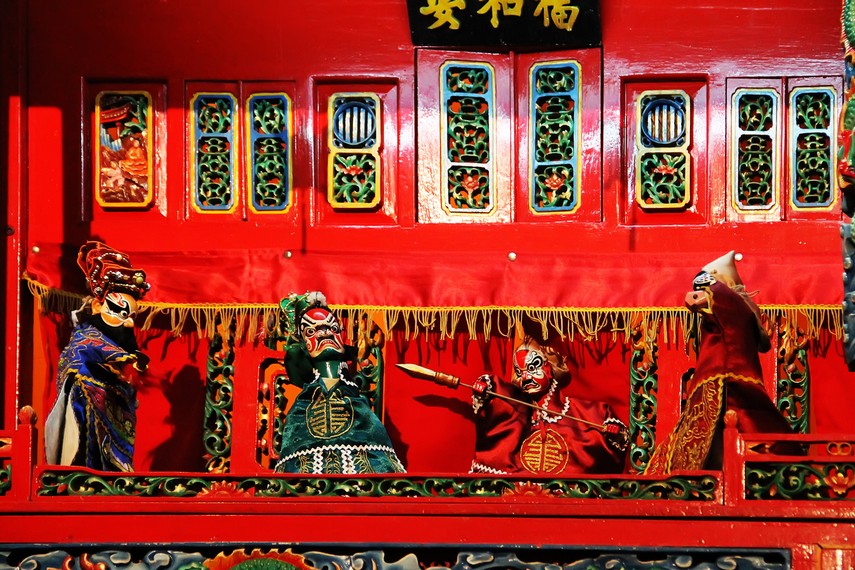
While fewer Chinese-Indonesians are entering the traditional arts, a dedicated and diverse group of Indonesians from various backgrounds has stepped forward. They are now the vital force honoring its legacy and actively ensuring its preservation as part of the nation’s collective heritage.
Hailing from Jombang, Widodo Santoso is one of Wayang Potehi’s most renowned puppeteers, having carried the art to global stages from Japan (2010) and Taiwan (2014) to Penang, the Netherlands (2022), and most recently, UNESCO headquarters in 2024. At home, he is a cornerstone of the Museum Potehi Gudo in East Java, where he dedicates himself to training the next generation, solidifying his role as a key guardian of this living heritage.
“Growing up, my house was right beside the temple, giving me a front-row seat to every Wayang Potehi show. Perhaps it was destiny that pulled me in. The performances were a rare annual event, which made them extraordinary. Yet the true enchantment came from the audience. Witnessing the pure joy and captivated excitement on every villager’s face is what transformed the performance into something truly meaningful,” the Jombang native reflected. He added that his deep connection to the art now takes him across the archipelago, as he is frequently invited as a master puppeteer to showcase his skills in cities including Malang, Central Java, and Jakarta.
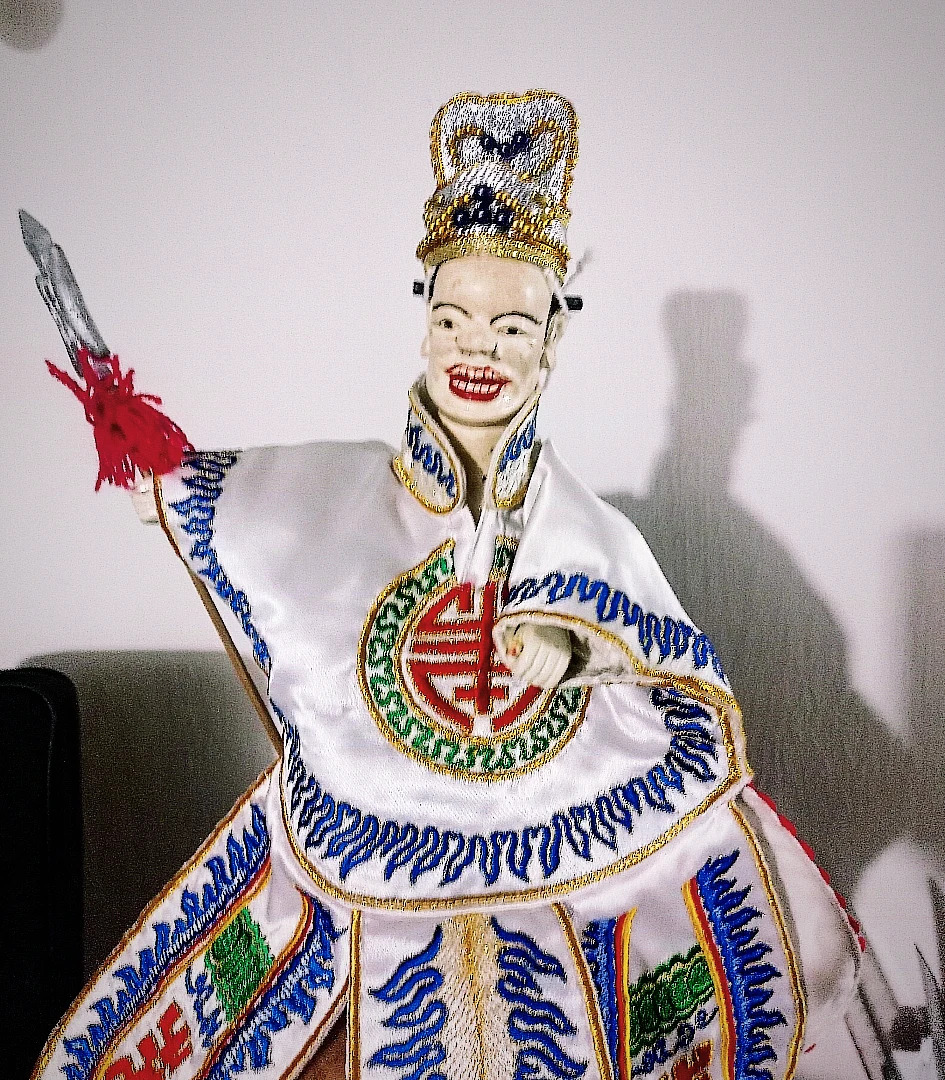
“Starting in the early 2000s up to today, it’s true that Wayang Potehi has drawn fewer enthusiasts. I think the key difference is that in the past, with far fewer entertainment options, a performance was a major community event. I remember it vividly — whenever we had Wayang Potehi, the grounds would fill with food vendors. It was a bustling, deeply nostalgic gathering, not just a simple show.”
Further, the Jombang master highlighted that the Reform Era marked a crucial renaissance for Wayang Potehi — a period when the art form genuinely regained its popularity. For practitioners, it was an era of profound liberation and joy, as they could finally perform their craft openly and without the fear that had once shadowed the tradition.
“During that era [Suharto’s New Order], they would let a performance last maybe two days at most before shutting it down because Wayang Potehi was labeled a ‘foreign’ culture. The genuine turning point came with the presidency of Gus Dur. It was only after Gus Dur’s inauguration that we could finally present Wayang Potehi freely again,” he shared, his voice still carrying the joy of being able to fully reclaim the art form he loved.
“Although we are Javanese, we perform and cherish Wayang Potehi with deep love. It has become our culture, too.”
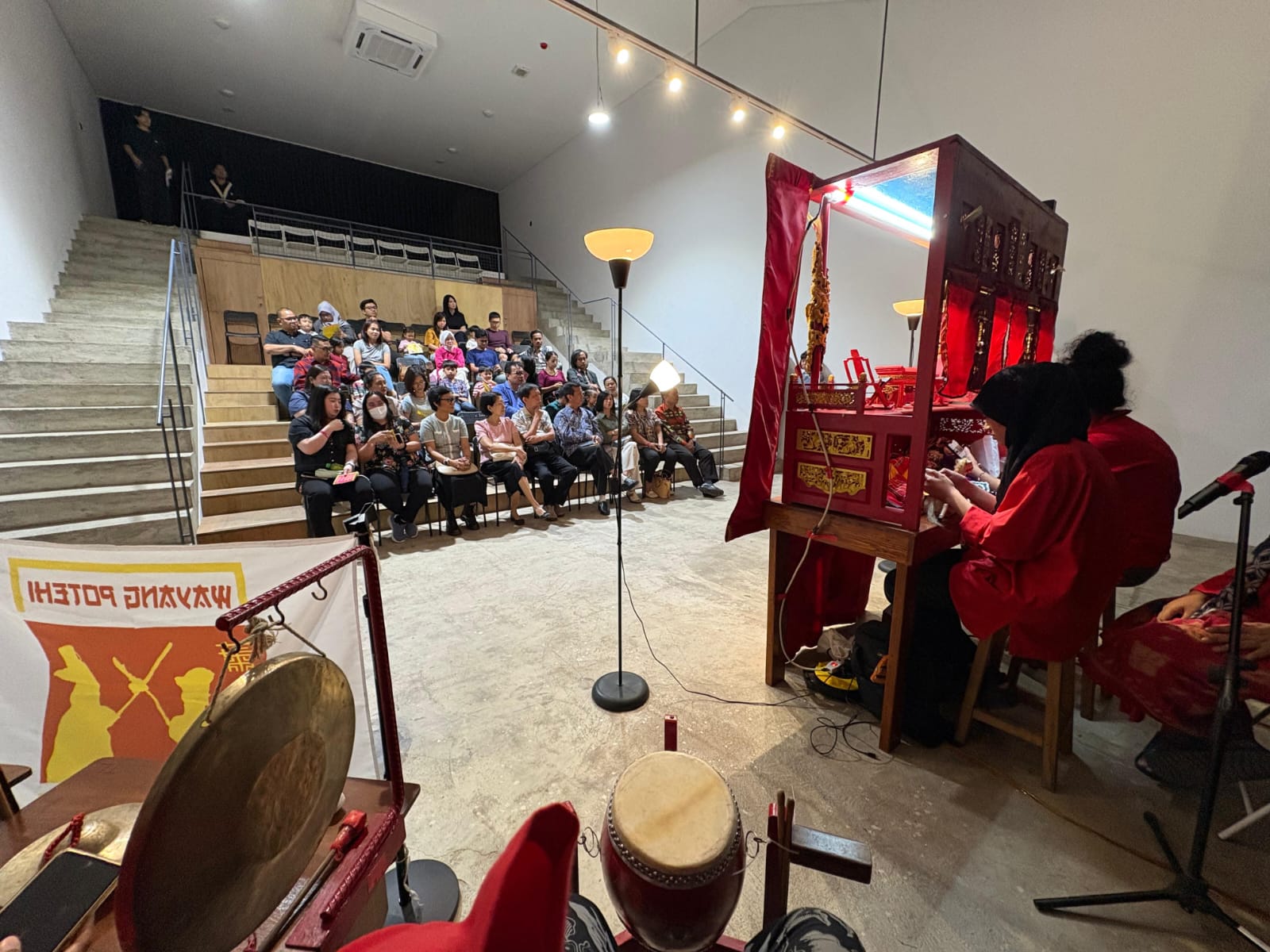
Today, it is precisely through the dedication of individuals such as Santoso and Pratama that this centuries-old tradition is being kept vibrantly alive and thoughtfully adapted for the next generation.
“If our generation doesn’t step up to preserve this heritage now, then who will be left to do it later?” Pratama concluded.
Cover image via Instagram/capcipcupfest.