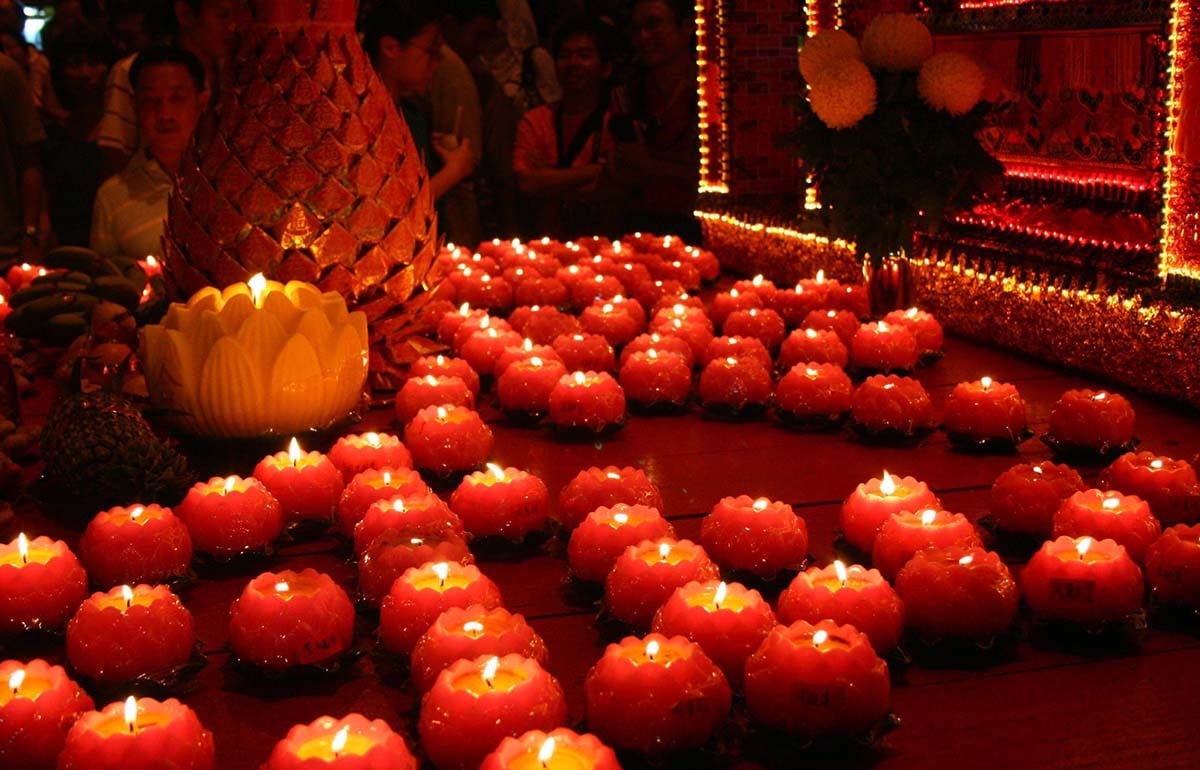

Feature image of Pai Ti Kong: When Penang’s Hokkiens Light Up The Sky

Pai Ti Kong: When Penang’s Hokkiens Light Up The Sky

3 mins read

3 mins read

Feature image of Pai Ti Kong: When Penang’s Hokkiens Light Up The Sky
Loud firecrackers, offerings strewed on makeshift altars, and a tale of survival and divinity - find out more about this vibrant Malaysian tradition.

At the stroke of midnight on the ninth day of the Chinese New Year, the sky over George Town, the capital of Penang, erupted.

Firecrackers light up every corner of the city. Smoke gathers thick in the humid air. Families dressed in red stand before makeshift altars that spill over with sugarcane stalks, roasted pigs, offerings, and towering effigies.
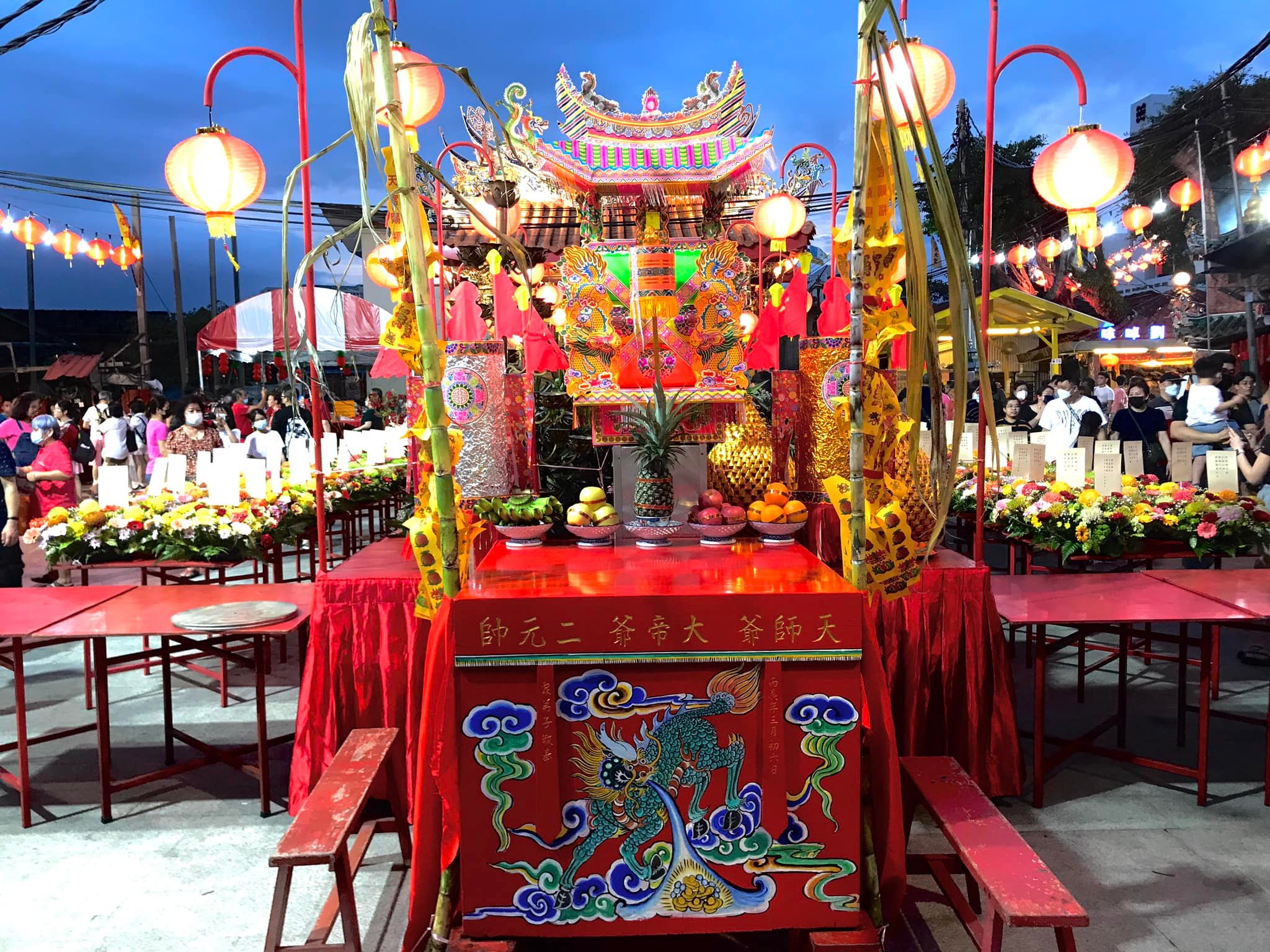
RADII talks about Pai Ti Kong to Celebrate Jade Emperor's Birthday ninth day of Chinese New Year for Malaysian Chinese.
Image via Penang Walkabouts.

This is Pai Ti Kong, known in Hokkien as Thnee Kong Seh, and it celebrates the birthday of the Jade Emperor, the supreme deity in Chinese cosmology. It’s also the ninth day of the Chinese New Year, when devotees across Chinese communities set up altars and make offerings for the Jade Emperor’s birthday.

But in Penang, among its large Hokkien population, this particular celebration also feels personal and deeply rooted in a collective story of survival.

The Legend of the Ninth Night

The origins of Pai Ti Kong in Penang hinge on a story passed down through generations of Hokkiens.
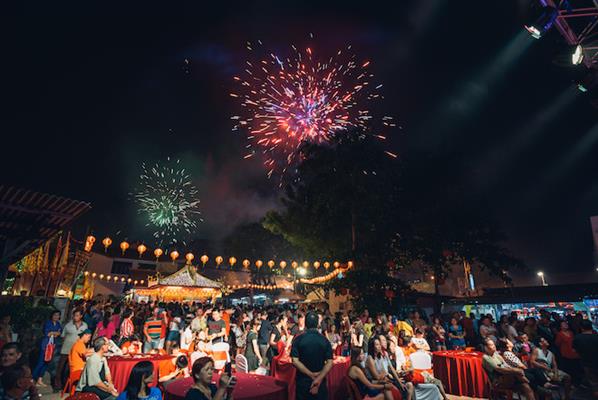
RADII talks about Pai Ti Kong to Celebrate Jade Emperor's Birthday ninth day of Chinese New Year for Malaysian Chinese.
Image via Penang Events.

According to Hokkien oral tradition, during a period of persecution in ancient China, villagers from Fujian province fled from invading forces or bandits. They hid amid tall sugarcane fields, fearing massacre, and desperately prayed to the Jade Emperor for protection. On the ninth day of CNY, the danger had miraculously passed, and they emerged unharmed. With the date also coinciding with the Jade Emperor’s birthday, this further reinforced the community’s belief that divine intervention had spared them.

Because of this association, sugarcane is a central symbol of the festival, representing both shelter and thanksgiving.

Historians note many variations in the story. Some tie it to the Tang Dynasty, others to pirate raids or Mongol pressure on southern coastal regions. The precise historical event may be debated, but the core narrative of survival and divine protection remains a defining part of the festival’s meaning.

Why Penang?

To understand why Pai Ti Kong is especially significant in Penang, let’s look at migration patterns.

When the British East India Company established Penang as a trading post in 1786 under Francis Light, the island became a magnet for migrants from southern China, particularly from Fujian province. Over the 19th century, waves of Hokkiens arrived seeking opportunity in trade, port labor, and commerce.
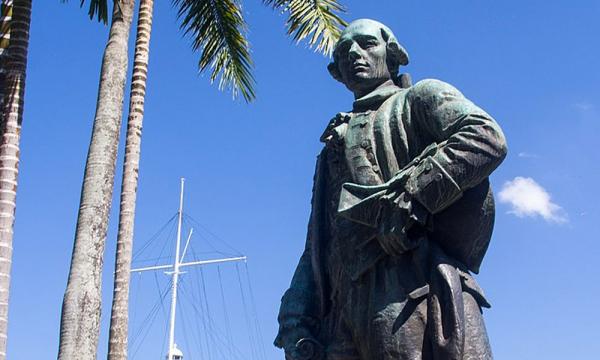
RADII talks about Pai Ti Kong to Celebrate Jade Emperor's Birthday ninth day of Chinese New Year for Malaysian Chinese.
A statue of British trader Francis Light. Image via Malaysiakini.

By the early 20th century, Hokkiens dominated a large share of the Chinese community in Penang. Hokkien became the island’s dominant Chinese dialect, and clan associations and temples proliferated, anchoring the community culturally and socially.

Though not all sources specify detailed migration statistics, contemporary Malaysian festival guides note that Penang’s Hokkien community has made Pai Ti Kong a central local tradition, celebrated much more elaborately here than in other regions of Malaysia.

A Night of Noise and Offerings

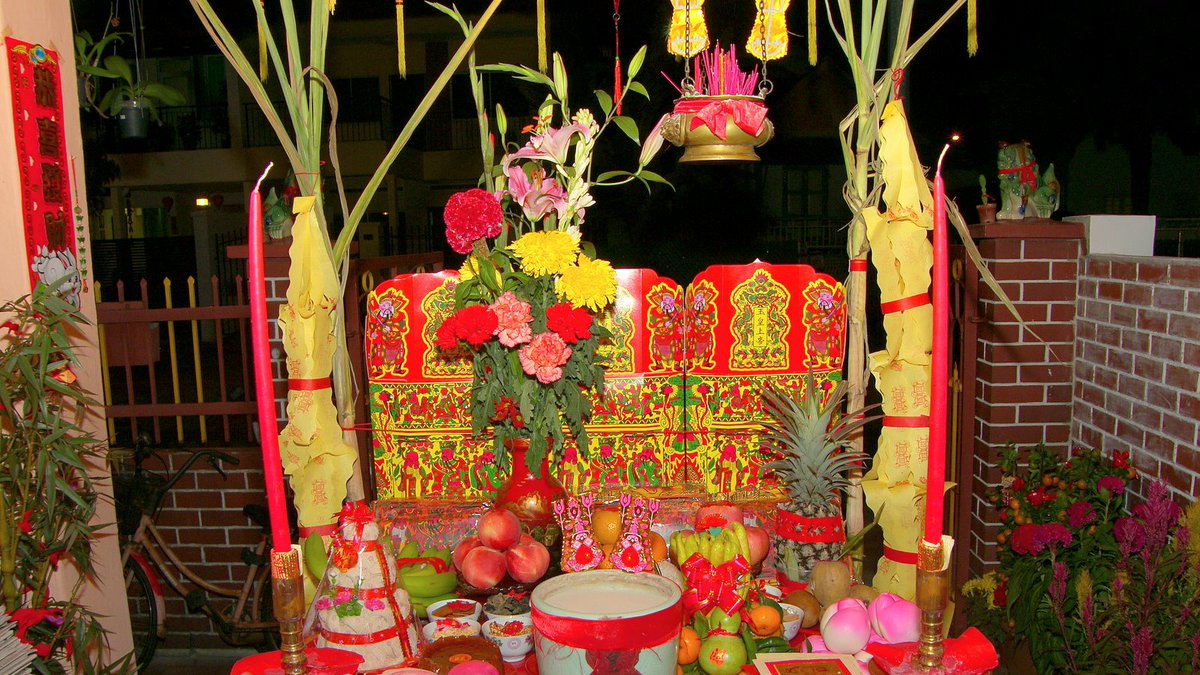
In the hours or sometimes days before the festival, families begin preparations by setting up temporary altars outside homes and shophouses, preparing long tables draped in red cloth that are then stacked with offerings. There are also elaborate paper effigies of servants, gold ingots, and symbolic luxury items that sit ready to be burned.
RADII talks about Pai Ti Kong to Celebrate Jade Emperor's Birthday ninth day of Chinese New Year for Malaysian Chinese.
Image via X.

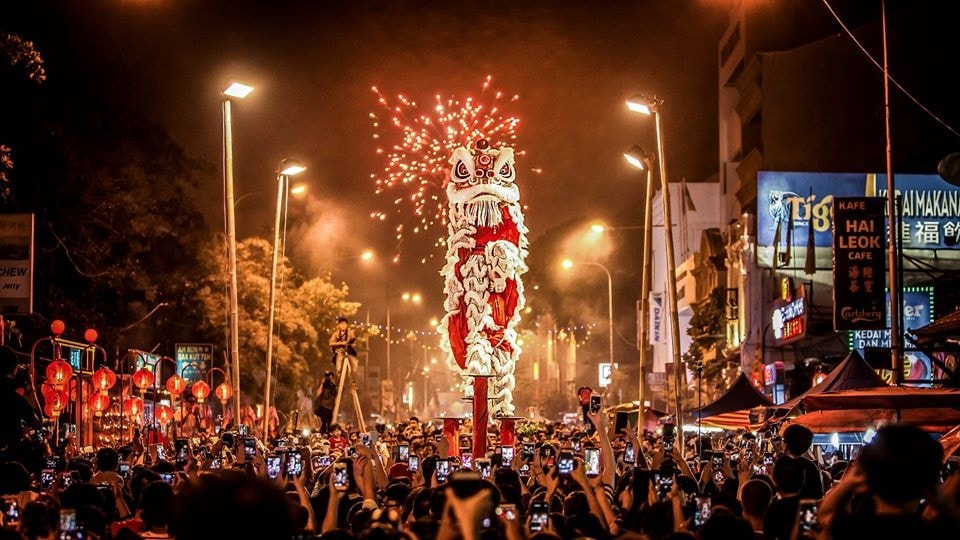
At midnight, on the night between the eighth and ninth day of CNY, firecrackers are lit, and prayers begin. The noise is intentional. In traditional belief, loud sounds chase away evil spirits.
RADII talks about Pai Ti Kong to Celebrate Jade Emperor's Birthday ninth day of Chinese New Year for Malaysian Chinese.
Image via The Patroits.

In Penang, crowds gather especially around waterfront sites like the Chew Jetty near Weld Quay, where temples and clan communities put up long offering tables, and thousands gather to pay homage.

The Sky God Watches

As dawn breaks on the ninth day, the noise and cheer are over, but the firecracker remnants carpet the streets as altars are dismantled and folks return to their daily lives.

But for many Hokkiens in Penang, Pai Ti Kong serves as a reaffirmation of identity, community, and collective memory—the fun and games of a celebration is the bonus. On one night of the year, beneath a sky thick with incense and firecracker smoke, generations stand together and remember gratefulness, divinity, and entertain the question: “What if we weren’t spared on that fateful day?”

Cover Image via Pipeaway.

NEWSLETTER

Get weekly top picks and exclusive, newsletter only content delivered straight to you inbox.

NEWSLETTER

Get weekly top picks and exclusive, newsletter only content delivered straight to you inbox.

RADII NEWSLETTER

Get weekly top picks and exclusive, newsletter only content delivered straight to you inbox

Feature image of Pai Ti Kong: When Penang’s Hokkiens Light Up The Sky

Pai Ti Kong: When Penang’s Hokkiens Light Up The Sky

3 mins read

Loud firecrackers, offerings strewed on makeshift altars, and a tale of survival and divinity - find out more about this vibrant Malaysian tradition.

At the stroke of midnight on the ninth day of the Chinese New Year, the sky over George Town, the capital of Penang, erupted.

Firecrackers light up every corner of the city. Smoke gathers thick in the humid air. Families dressed in red stand before makeshift altars that spill over with sugarcane stalks, roasted pigs, offerings, and towering effigies.

RADII talks about Pai Ti Kong to Celebrate Jade Emperor's Birthday ninth day of Chinese New Year for Malaysian Chinese.
Image via Penang Walkabouts.

This is Pai Ti Kong, known in Hokkien as Thnee Kong Seh, and it celebrates the birthday of the Jade Emperor, the supreme deity in Chinese cosmology. It’s also the ninth day of the Chinese New Year, when devotees across Chinese communities set up altars and make offerings for the Jade Emperor’s birthday.

But in Penang, among its large Hokkien population, this particular celebration also feels personal and deeply rooted in a collective story of survival.

The Legend of the Ninth Night

The origins of Pai Ti Kong in Penang hinge on a story passed down through generations of Hokkiens.

RADII talks about Pai Ti Kong to Celebrate Jade Emperor's Birthday ninth day of Chinese New Year for Malaysian Chinese.
Image via Penang Events.

According to Hokkien oral tradition, during a period of persecution in ancient China, villagers from Fujian province fled from invading forces or bandits. They hid amid tall sugarcane fields, fearing massacre, and desperately prayed to the Jade Emperor for protection. On the ninth day of CNY, the danger had miraculously passed, and they emerged unharmed. With the date also coinciding with the Jade Emperor’s birthday, this further reinforced the community’s belief that divine intervention had spared them.

Because of this association, sugarcane is a central symbol of the festival, representing both shelter and thanksgiving.

Historians note many variations in the story. Some tie it to the Tang Dynasty, others to pirate raids or Mongol pressure on southern coastal regions. The precise historical event may be debated, but the core narrative of survival and divine protection remains a defining part of the festival’s meaning.

Why Penang?

To understand why Pai Ti Kong is especially significant in Penang, let’s look at migration patterns.

When the British East India Company established Penang as a trading post in 1786 under Francis Light, the island became a magnet for migrants from southern China, particularly from Fujian province. Over the 19th century, waves of Hokkiens arrived seeking opportunity in trade, port labor, and commerce.

RADII talks about Pai Ti Kong to Celebrate Jade Emperor's Birthday ninth day of Chinese New Year for Malaysian Chinese.
A statue of British trader Francis Light. Image via Malaysiakini.

By the early 20th century, Hokkiens dominated a large share of the Chinese community in Penang. Hokkien became the island’s dominant Chinese dialect, and clan associations and temples proliferated, anchoring the community culturally and socially.

Though not all sources specify detailed migration statistics, contemporary Malaysian festival guides note that Penang’s Hokkien community has made Pai Ti Kong a central local tradition, celebrated much more elaborately here than in other regions of Malaysia.

A Night of Noise and Offerings

In the hours or sometimes days before the festival, families begin preparations by setting up temporary altars outside homes and shophouses, preparing long tables draped in red cloth that are then stacked with offerings. There are also elaborate paper effigies of servants, gold ingots, and symbolic luxury items that sit ready to be burned.

RADII talks about Pai Ti Kong to Celebrate Jade Emperor's Birthday ninth day of Chinese New Year for Malaysian Chinese.
Image via X.

At midnight, on the night between the eighth and ninth day of CNY, firecrackers are lit, and prayers begin. The noise is intentional. In traditional belief, loud sounds chase away evil spirits.

RADII talks about Pai Ti Kong to Celebrate Jade Emperor's Birthday ninth day of Chinese New Year for Malaysian Chinese.
Image via The Patroits.

In Penang, crowds gather especially around waterfront sites like the Chew Jetty near Weld Quay, where temples and clan communities put up long offering tables, and thousands gather to pay homage.

The Sky God Watches

As dawn breaks on the ninth day, the noise and cheer are over, but the firecracker remnants carpet the streets as altars are dismantled and folks return to their daily lives.

But for many Hokkiens in Penang, Pai Ti Kong serves as a reaffirmation of identity, community, and collective memory—the fun and games of a celebration is the bonus. On one night of the year, beneath a sky thick with incense and firecracker smoke, generations stand together and remember gratefulness, divinity, and entertain the question: “What if we weren’t spared on that fateful day?”

Cover Image via Pipeaway.
NEWSLETTER

Get weekly top picks and exclusive, newsletter only content delivered straight to you inbox.

RADII NEWSLETTER

Get weekly top picks and exclusive, newsletter only content delivered straight to you inbox

RELATED POSTS

Feature image of Pai Ti Kong: When Penang’s Hokkiens Light Up The Sky

Pai Ti Kong: When Penang’s Hokkiens Light Up The Sky

3 mins read

3 mins read

Feature image of Pai Ti Kong: When Penang’s Hokkiens Light Up The Sky
Loud firecrackers, offerings strewed on makeshift altars, and a tale of survival and divinity - find out more about this vibrant Malaysian tradition.

At the stroke of midnight on the ninth day of the Chinese New Year, the sky over George Town, the capital of Penang, erupted.

Firecrackers light up every corner of the city. Smoke gathers thick in the humid air. Families dressed in red stand before makeshift altars that spill over with sugarcane stalks, roasted pigs, offerings, and towering effigies.

RADII talks about Pai Ti Kong to Celebrate Jade Emperor's Birthday ninth day of Chinese New Year for Malaysian Chinese.
Image via Penang Walkabouts.

This is Pai Ti Kong, known in Hokkien as Thnee Kong Seh, and it celebrates the birthday of the Jade Emperor, the supreme deity in Chinese cosmology. It’s also the ninth day of the Chinese New Year, when devotees across Chinese communities set up altars and make offerings for the Jade Emperor’s birthday.

But in Penang, among its large Hokkien population, this particular celebration also feels personal and deeply rooted in a collective story of survival.

The Legend of the Ninth Night

The origins of Pai Ti Kong in Penang hinge on a story passed down through generations of Hokkiens.

RADII talks about Pai Ti Kong to Celebrate Jade Emperor's Birthday ninth day of Chinese New Year for Malaysian Chinese.
Image via Penang Events.

According to Hokkien oral tradition, during a period of persecution in ancient China, villagers from Fujian province fled from invading forces or bandits. They hid amid tall sugarcane fields, fearing massacre, and desperately prayed to the Jade Emperor for protection. On the ninth day of CNY, the danger had miraculously passed, and they emerged unharmed. With the date also coinciding with the Jade Emperor’s birthday, this further reinforced the community’s belief that divine intervention had spared them.

Because of this association, sugarcane is a central symbol of the festival, representing both shelter and thanksgiving.

Historians note many variations in the story. Some tie it to the Tang Dynasty, others to pirate raids or Mongol pressure on southern coastal regions. The precise historical event may be debated, but the core narrative of survival and divine protection remains a defining part of the festival’s meaning.

Why Penang?

To understand why Pai Ti Kong is especially significant in Penang, let’s look at migration patterns.

When the British East India Company established Penang as a trading post in 1786 under Francis Light, the island became a magnet for migrants from southern China, particularly from Fujian province. Over the 19th century, waves of Hokkiens arrived seeking opportunity in trade, port labor, and commerce.

RADII talks about Pai Ti Kong to Celebrate Jade Emperor's Birthday ninth day of Chinese New Year for Malaysian Chinese.
A statue of British trader Francis Light. Image via Malaysiakini.

By the early 20th century, Hokkiens dominated a large share of the Chinese community in Penang. Hokkien became the island’s dominant Chinese dialect, and clan associations and temples proliferated, anchoring the community culturally and socially.

Though not all sources specify detailed migration statistics, contemporary Malaysian festival guides note that Penang’s Hokkien community has made Pai Ti Kong a central local tradition, celebrated much more elaborately here than in other regions of Malaysia.

A Night of Noise and Offerings

In the hours or sometimes days before the festival, families begin preparations by setting up temporary altars outside homes and shophouses, preparing long tables draped in red cloth that are then stacked with offerings. There are also elaborate paper effigies of servants, gold ingots, and symbolic luxury items that sit ready to be burned.

RADII talks about Pai Ti Kong to Celebrate Jade Emperor's Birthday ninth day of Chinese New Year for Malaysian Chinese.
Image via X.

At midnight, on the night between the eighth and ninth day of CNY, firecrackers are lit, and prayers begin. The noise is intentional. In traditional belief, loud sounds chase away evil spirits.

RADII talks about Pai Ti Kong to Celebrate Jade Emperor's Birthday ninth day of Chinese New Year for Malaysian Chinese.
Image via The Patroits.

In Penang, crowds gather especially around waterfront sites like the Chew Jetty near Weld Quay, where temples and clan communities put up long offering tables, and thousands gather to pay homage.

The Sky God Watches

As dawn breaks on the ninth day, the noise and cheer are over, but the firecracker remnants carpet the streets as altars are dismantled and folks return to their daily lives.

But for many Hokkiens in Penang, Pai Ti Kong serves as a reaffirmation of identity, community, and collective memory—the fun and games of a celebration is the bonus. On one night of the year, beneath a sky thick with incense and firecracker smoke, generations stand together and remember gratefulness, divinity, and entertain the question: “What if we weren’t spared on that fateful day?”

Cover Image via Pipeaway.

NEWSLETTER

Get weekly top picks and exclusive, newsletter only content delivered straight to you inbox.

NEWSLETTER

Get weekly top picks and exclusive, newsletter only content delivered straight to you inbox.

RADII NEWSLETTER

Get weekly top picks and exclusive, newsletter only content delivered straight to you inbox

Feature image of Pai Ti Kong: When Penang’s Hokkiens Light Up The Sky

Pai Ti Kong: When Penang’s Hokkiens Light Up The Sky

3 mins read

Loud firecrackers, offerings strewed on makeshift altars, and a tale of survival and divinity - find out more about this vibrant Malaysian tradition.

At the stroke of midnight on the ninth day of the Chinese New Year, the sky over George Town, the capital of Penang, erupted.

Firecrackers light up every corner of the city. Smoke gathers thick in the humid air. Families dressed in red stand before makeshift altars that spill over with sugarcane stalks, roasted pigs, offerings, and towering effigies.

RADII talks about Pai Ti Kong to Celebrate Jade Emperor's Birthday ninth day of Chinese New Year for Malaysian Chinese.
Image via Penang Walkabouts.

This is Pai Ti Kong, known in Hokkien as Thnee Kong Seh, and it celebrates the birthday of the Jade Emperor, the supreme deity in Chinese cosmology. It’s also the ninth day of the Chinese New Year, when devotees across Chinese communities set up altars and make offerings for the Jade Emperor’s birthday.

But in Penang, among its large Hokkien population, this particular celebration also feels personal and deeply rooted in a collective story of survival.

The Legend of the Ninth Night

The origins of Pai Ti Kong in Penang hinge on a story passed down through generations of Hokkiens.

RADII talks about Pai Ti Kong to Celebrate Jade Emperor's Birthday ninth day of Chinese New Year for Malaysian Chinese.
Image via Penang Events.

According to Hokkien oral tradition, during a period of persecution in ancient China, villagers from Fujian province fled from invading forces or bandits. They hid amid tall sugarcane fields, fearing massacre, and desperately prayed to the Jade Emperor for protection. On the ninth day of CNY, the danger had miraculously passed, and they emerged unharmed. With the date also coinciding with the Jade Emperor’s birthday, this further reinforced the community’s belief that divine intervention had spared them.

Because of this association, sugarcane is a central symbol of the festival, representing both shelter and thanksgiving.

Historians note many variations in the story. Some tie it to the Tang Dynasty, others to pirate raids or Mongol pressure on southern coastal regions. The precise historical event may be debated, but the core narrative of survival and divine protection remains a defining part of the festival’s meaning.

Why Penang?

To understand why Pai Ti Kong is especially significant in Penang, let’s look at migration patterns.

When the British East India Company established Penang as a trading post in 1786 under Francis Light, the island became a magnet for migrants from southern China, particularly from Fujian province. Over the 19th century, waves of Hokkiens arrived seeking opportunity in trade, port labor, and commerce.

RADII talks about Pai Ti Kong to Celebrate Jade Emperor's Birthday ninth day of Chinese New Year for Malaysian Chinese.
A statue of British trader Francis Light. Image via Malaysiakini.

By the early 20th century, Hokkiens dominated a large share of the Chinese community in Penang. Hokkien became the island’s dominant Chinese dialect, and clan associations and temples proliferated, anchoring the community culturally and socially.

Though not all sources specify detailed migration statistics, contemporary Malaysian festival guides note that Penang’s Hokkien community has made Pai Ti Kong a central local tradition, celebrated much more elaborately here than in other regions of Malaysia.

A Night of Noise and Offerings

In the hours or sometimes days before the festival, families begin preparations by setting up temporary altars outside homes and shophouses, preparing long tables draped in red cloth that are then stacked with offerings. There are also elaborate paper effigies of servants, gold ingots, and symbolic luxury items that sit ready to be burned.

RADII talks about Pai Ti Kong to Celebrate Jade Emperor's Birthday ninth day of Chinese New Year for Malaysian Chinese.
Image via X.

At midnight, on the night between the eighth and ninth day of CNY, firecrackers are lit, and prayers begin. The noise is intentional. In traditional belief, loud sounds chase away evil spirits.

RADII talks about Pai Ti Kong to Celebrate Jade Emperor's Birthday ninth day of Chinese New Year for Malaysian Chinese.
Image via The Patroits.

In Penang, crowds gather especially around waterfront sites like the Chew Jetty near Weld Quay, where temples and clan communities put up long offering tables, and thousands gather to pay homage.

The Sky God Watches

As dawn breaks on the ninth day, the noise and cheer are over, but the firecracker remnants carpet the streets as altars are dismantled and folks return to their daily lives.

But for many Hokkiens in Penang, Pai Ti Kong serves as a reaffirmation of identity, community, and collective memory—the fun and games of a celebration is the bonus. On one night of the year, beneath a sky thick with incense and firecracker smoke, generations stand together and remember gratefulness, divinity, and entertain the question: “What if we weren’t spared on that fateful day?”

Cover Image via Pipeaway.
NEWSLETTER

Get weekly top picks and exclusive, newsletter only content delivered straight to you inbox.

RADII NEWSLETTER

Get weekly top picks and exclusive, newsletter only content delivered straight to you inbox

NEWSLETTER​

Get weekly top picks and exclusive, newsletter only content delivered straight to you inbox

RADII Newsletter Pop Up small banner

NEWSLETTER

Get weekly top picks and exclusive, newsletter only content delivered straight to you inbox.

Link Copied!

Share

Feature image of Pai Ti Kong: When Penang’s Hokkiens Light Up The Sky

Pai Ti Kong: When Penang’s Hokkiens Light Up The Sky

Loud firecrackers, offerings strewed on makeshift altars, and a tale of survival and divinity - find out more about this vibrant Malaysian tradition.

PULSE

Tap into the latest in music, fashion, art, design, entertainment, pop culture, celebrity news, and contemporary culture

DISCOVER

Embark on a journey through food, travel, wellness, heritage, traditional culture, and lifestyle

STYLE

An insider’s look at the intersection of fashion, art, and design

FEAST

Titillate your taste buds with coverage of the best food and drink trends from China and beyond.

FUTURE

Explore the cutting edge in tech, AI, gadgets, gaming, and innovative tech-related products

FEAST

Titillate your taste buds with coverage of the best food and drink trends from China and beyond

STYLE

An insider’s look at the intersection of fashion, art, and design

PULSE

Unpacking Chinese youth culture through coverage of nightlife, film, sports, celebrities, and the hottest new music