

The AI race shows no sign of slowing down, and Chinese AI startups are picking up pace, building products that don’t just stay within domestic ecosystems. These AI platforms, from conversational chatbots to task-oriented AI agents, are quietly positioning themselves for a more global audience through clean interfaces, multilingual capabilities, and fewer barriers to entry than before.
This list spotlights four such startups. While three of them lean toward chatbot-style search and conversation, the other is experimenting with AI agents designed to help users execute tasks and workflows.
If you’re familiar with AI developments, you’d know that they’re not the only players in China’s crowded AI race. But they stand out because they’re among the easiest to try if you’re outside China, requiring fewer workarounds and offering more intuitive onboarding for international users.
Taken together, these platforms show the range of what AI tools are becoming today: from chat-based search engines that answer questions in seconds to more advanced agentic systems that can do almost everything for you. Let’s plug in.
Stepfun
Among the new wave of Chinese AI tools, Stepfun feels the most immediately familiar. Its interface mirrors the now-standard chatbot format: a clean prompt box, quick responses, and a focus on everyday usability. Ask it to summarize an article, explain a concept, or brainstorm ideas, and it delivers with speed and clarity.
That familiarity is part of its appeal. Rather than reinventing how users interact with AI, Stepfun leans into what already works, refining the experience with responsive outputs and a growing set of capabilities that extend beyond text. Like many of its peers, it is also moving toward multimodal interactions, hinting at a future where users can seamlessly switch between text, images, and possibly other formats.
Stepfun is part of a broader push by Chinese startups to match global incumbents feature-for-feature while competing on speed, accessibility, and iteration.
Z.ai
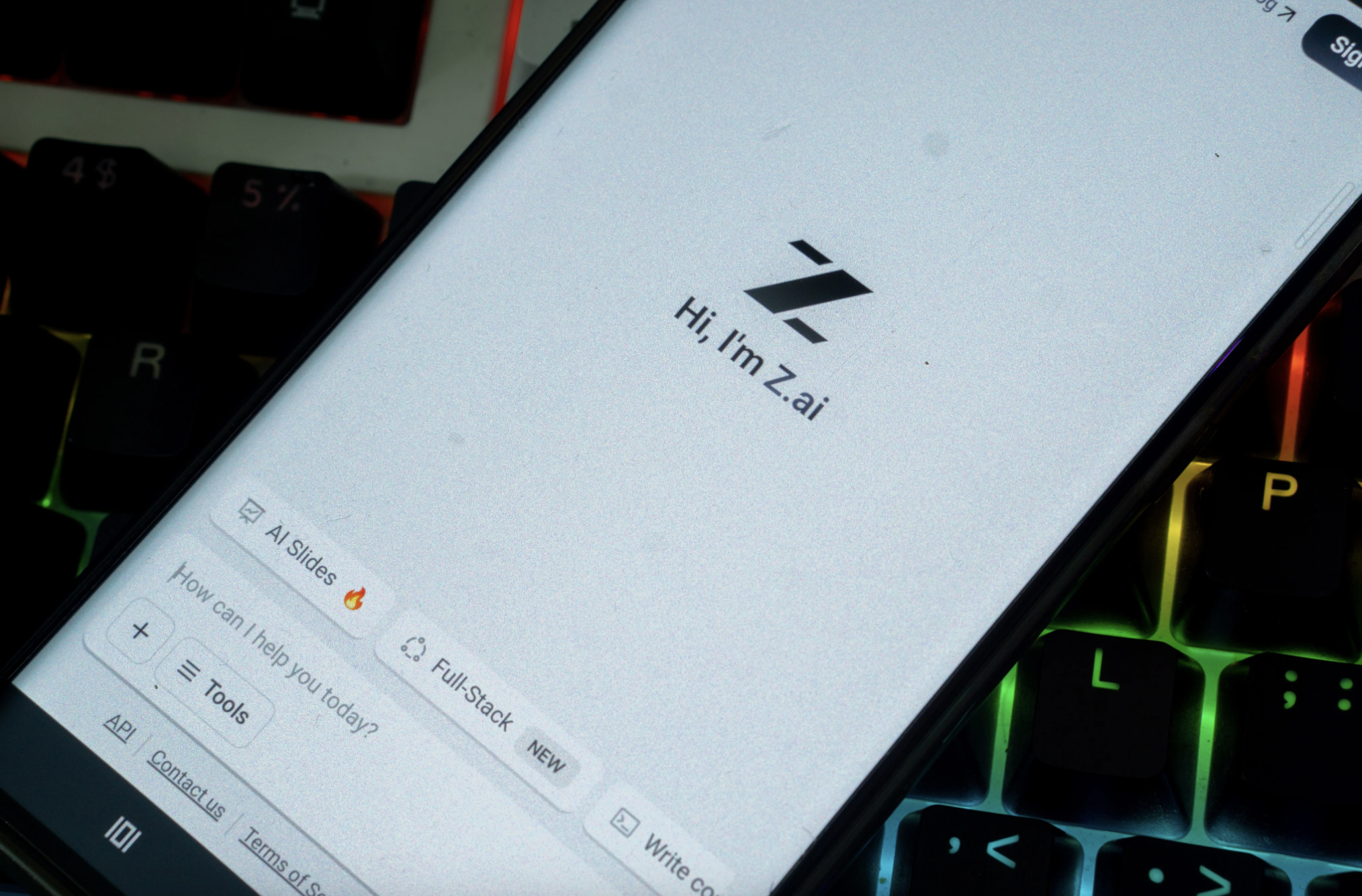
If Stepfun feels like a productivity-first assistant, Z.ai leans a little more into the experience of chatting with AI. Its interface is similarly conversational, but the emphasis here is on fluid interaction, making it just as suited for casual exploration as it is for task-oriented queries.
Z.ai reflects a growing trend among AI platforms: the idea that usefulness doesn’t always have to come at the expense of personality. Whether you’re asking for recommendations, explanations, or creative prompts, the platform positions itself as something closer to a digital companion than a purely functional tool.
That balance matters. As AI becomes more embedded in daily life, the line between utility and interaction continues to blur, and platforms like Z.ai are experimenting with where that boundary should sit.
Moonshot AI (Kimi)
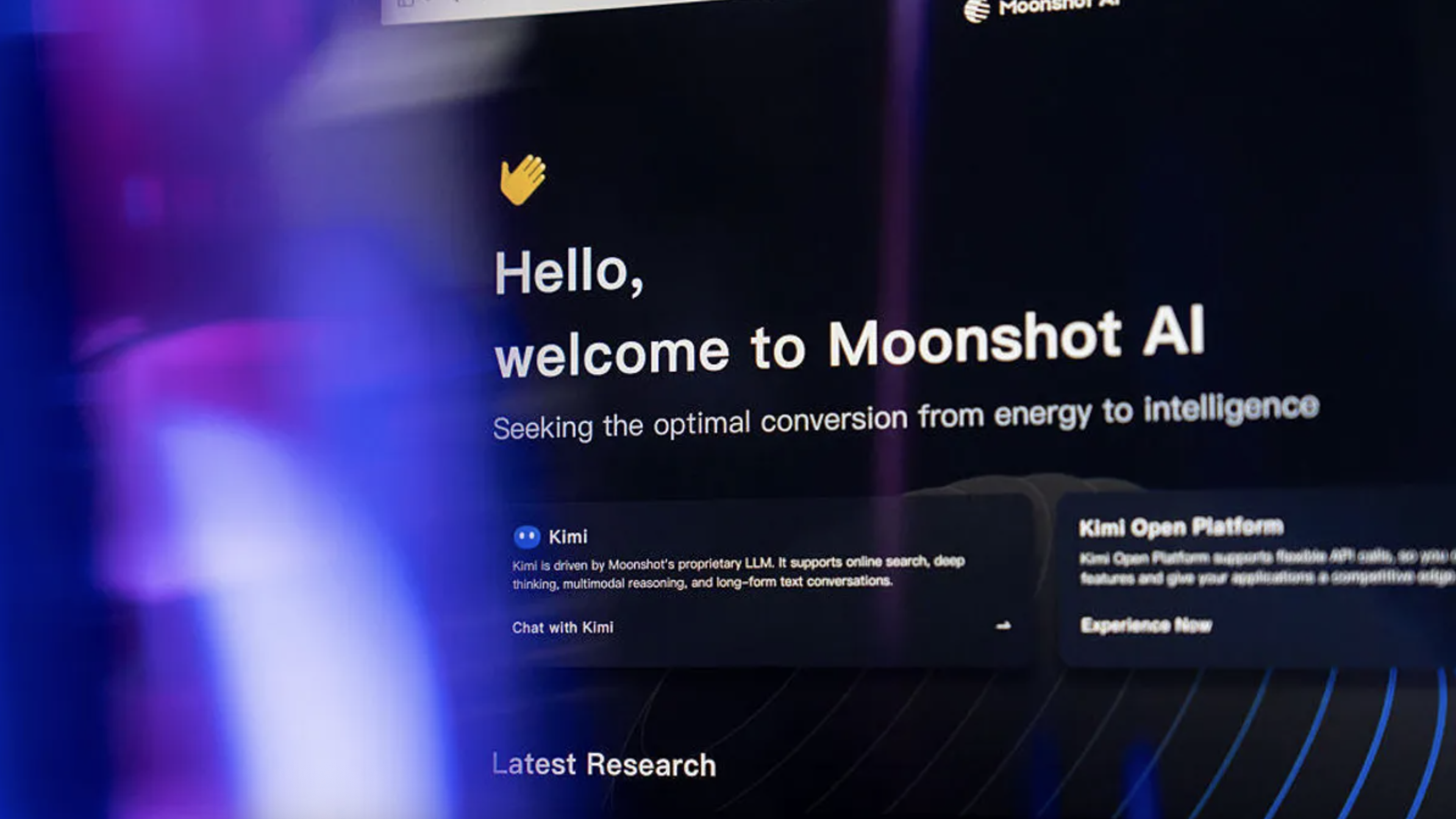
Moonshot AI has gained significant traction in China through its flagship product, Kimi, a chatbot designed with long-context comprehension in mind. Where many AI tools struggle with extended documents, Kimi is built to handle longer inputs, making it particularly useful for research-heavy tasks.
Students, analysts, and knowledge workers have gravitated toward it for this reason. Upload a dense report or paste in a lengthy article, and Kimi can parse, summarize, and extract key points without losing the thread. In an era where information overload is the norm, that ability to manage scale becomes a defining feature.
Moonshot AI’s approach reflects a shift in how chatbots are being positioned. Rather than just answering quick questions, they are increasingly framed as research companions, capable of working through complexity alongside the user.
MiniMax
Unlike the others on this list, MiniMax moves beyond chat. Its focus is less on answering questions and more on enabling users to build AI-powered agents that can carry out structured tasks, predominantly in text, speech, video, and music.
That distinction is subtle but important. While chatbots respond, agents can act, whether that means organizing workflows, generating content pipelines, or assisting with more complex, multi-step processes. For creators, teams, or anyone looking to integrate AI more deeply into their daily, creative work, this opens up a different layer of utility.
MiniMax points to where AI may be heading next. Instead of a single prompt-response loop, the emphasis shifts toward systems that can plan, iterate, and execute with a degree of autonomy.
Cautionary Snapshot of What’s Next
As these tools become more capable, they’re also becoming harder to evaluate. Many AI chatbots today are designed to be helpful, polite, and agreeable, but that can sometimes tip into what critics call “sycophantic” behavior, in which models prioritize affirmation over accuracy.
There are also familiar and predictable concerns. Questions around data privacy and model transparency continue to surface. The more these tools are used for research, decision-making, and creative work, the higher the stakes become when they get things wrong.

At the same time, their appeal is difficult to ignore. For students, marketers, and everyday users, AI tools can compress hours of research into minutes, generate ideas on demand, and lower the barrier to entry for everything from coding to content creation. It’s instant gratification at lightning speed — it sounds like an oxymoron, but it makes sense in the context of AI.
Taken together, these four startups offer a snapshot of where Chinese AI is heading: outward-facing, increasingly user-friendly, and experimenting across different formats, from chat to agents. It’ll be a challenge to replace the tools people already rely on, such as ChatGPT and Claude, but they are hard to ignore, especially for those curious about how AI is evolving beyond the usual names.
Cover image via Claude/John Lim.