Did you know there is still a language that was created and used exclusively by one gender? It’s called nüshu 女书, which literally means “women’s writing”—a language by women, for women. When the female gender in China was still seen as affiliates of men within the social unit, a group of women from the Yao ethnicity banded together and created a secret script, nüshu, in Jiangyong County, a small town in Hunan Province.
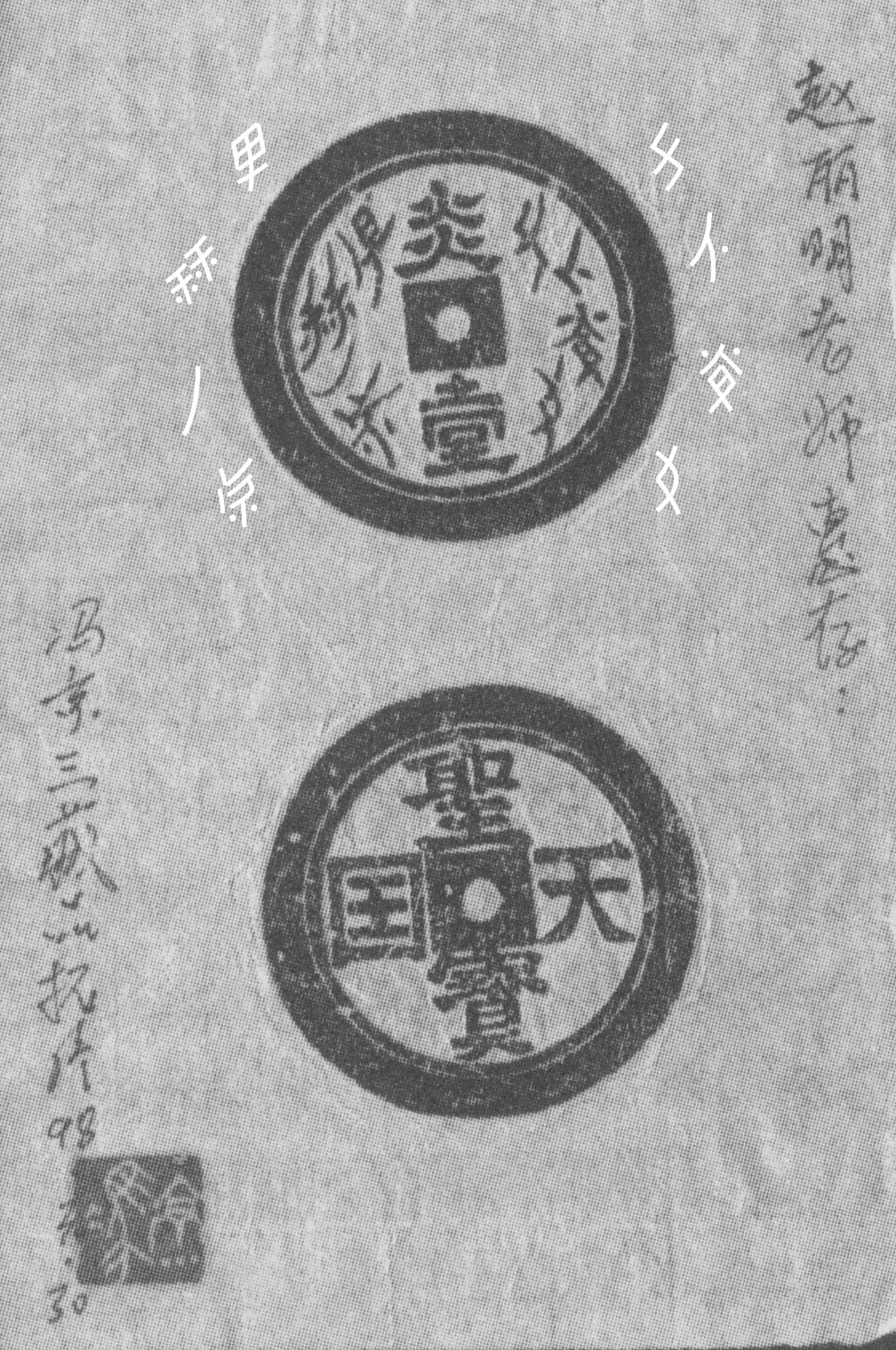
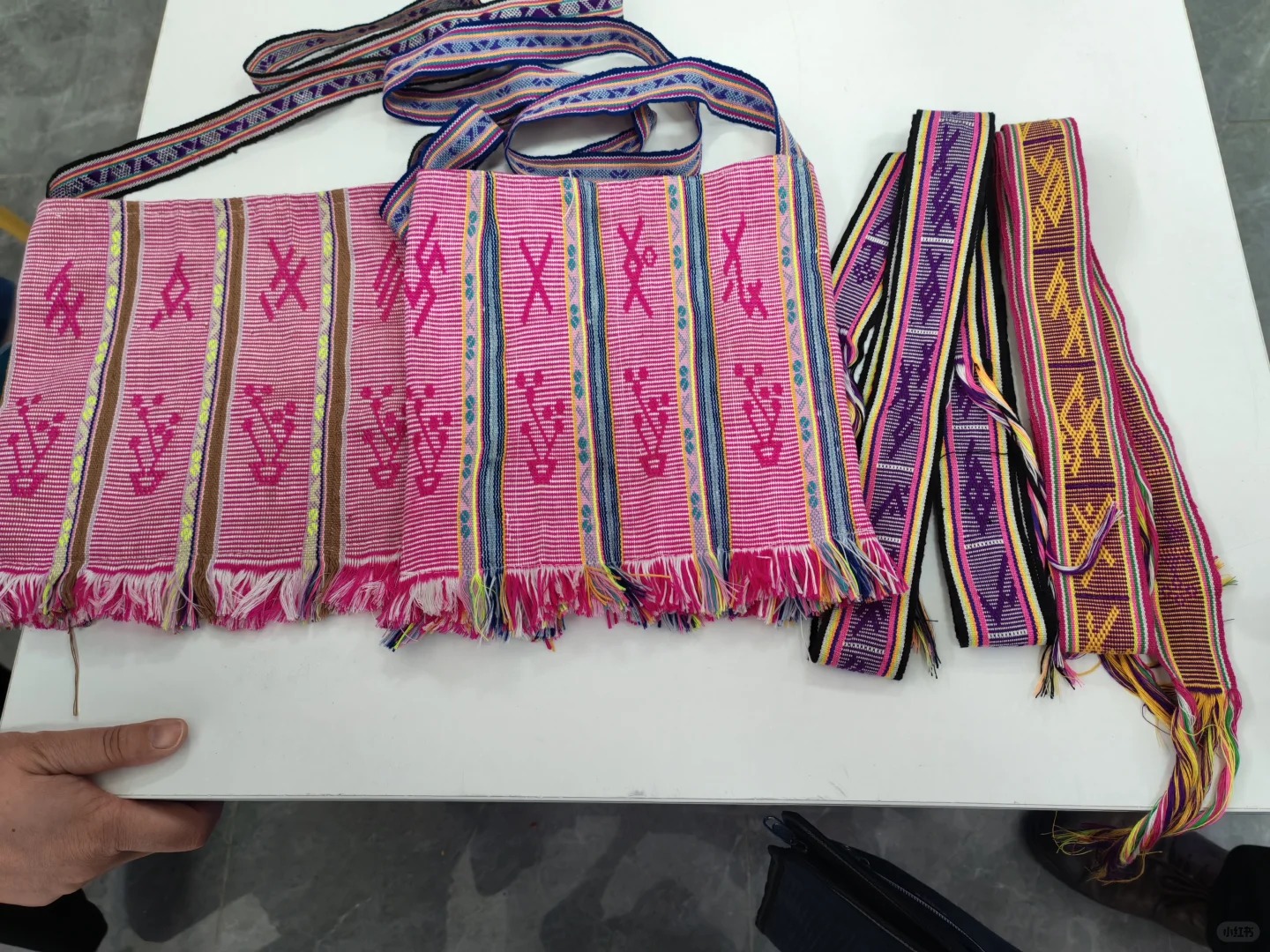
Back in feudal China, women did not have the right or access to learn to read and write. Unlike logographic standard written Chinese, nüshu is phonetic, based on and adapted to the southern language habits of that region. This simplified the Chinese language and made it more accessible. What’s even more poetic is that this beautiful, butterfly-like script was actually embroidered and sung by women. While skills like these were often seen as “soft” or “powerless,” they were used by Yao women as a tool to create their own community.
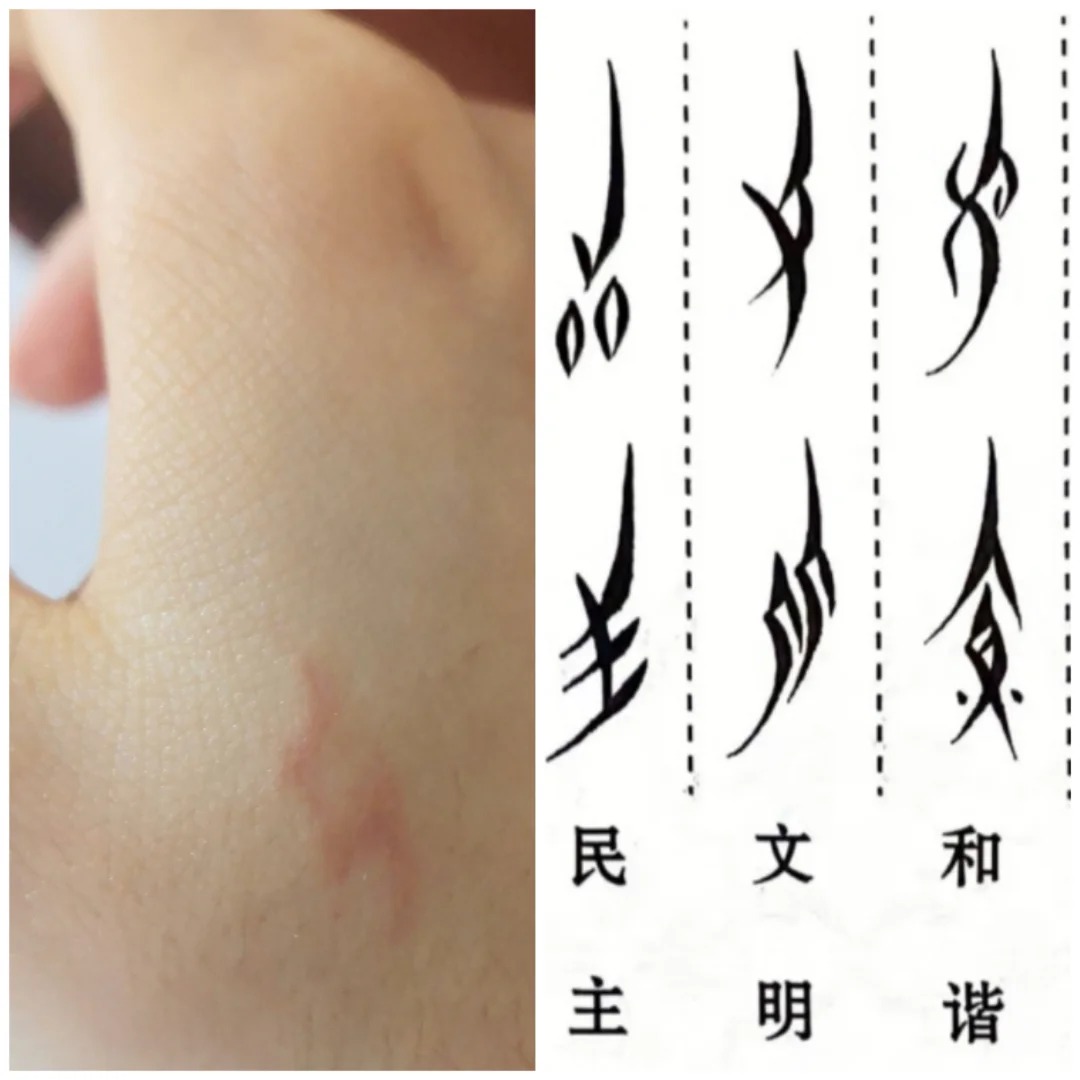
Although there has been a lot of research and studies on the origin of nüshu, because it’s a secret community “code language,” it was difficult to preserve historical records back then that could verify its origins. Still, people are persevering in trying to unearth this wonderful piece of linguistic history. Recently, a Chinese woman shared her experience in discovering nüshu online. After pricking her hand with nails to help override the pain she was feeling elsewhere, she noticed that the prick marks resembled nüshu. This resonated with one popular assumption about the origin of the script’s shape: nail marks.
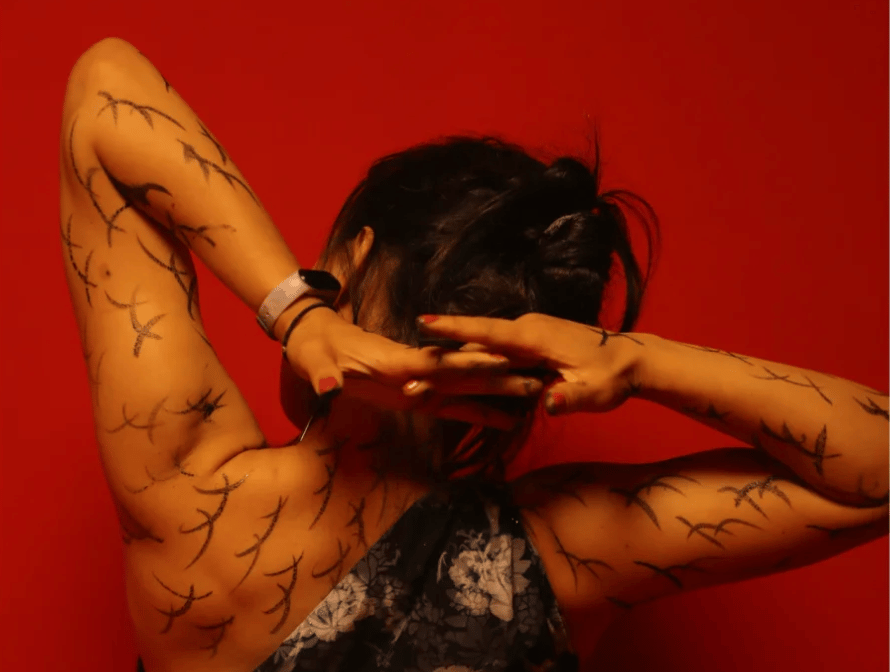
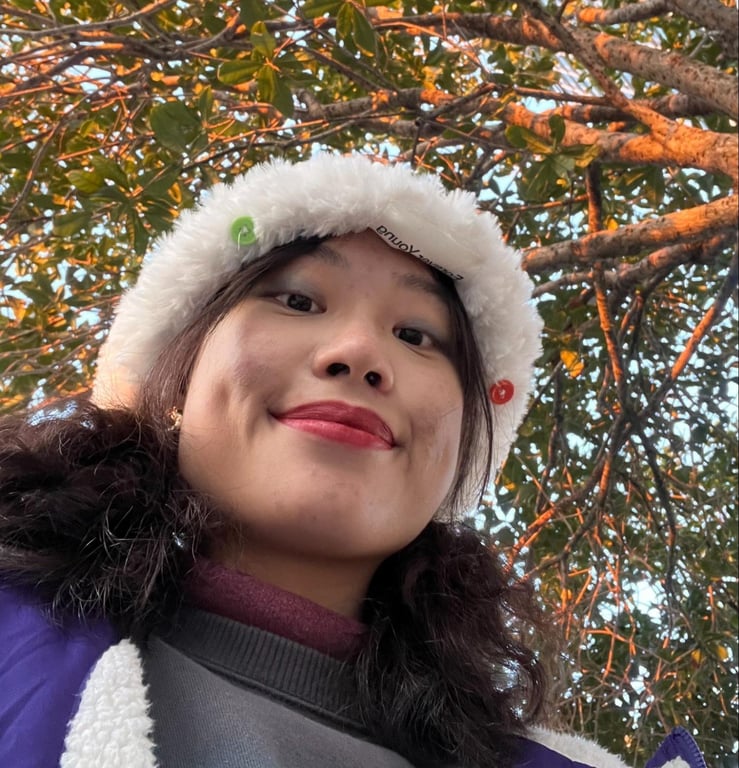
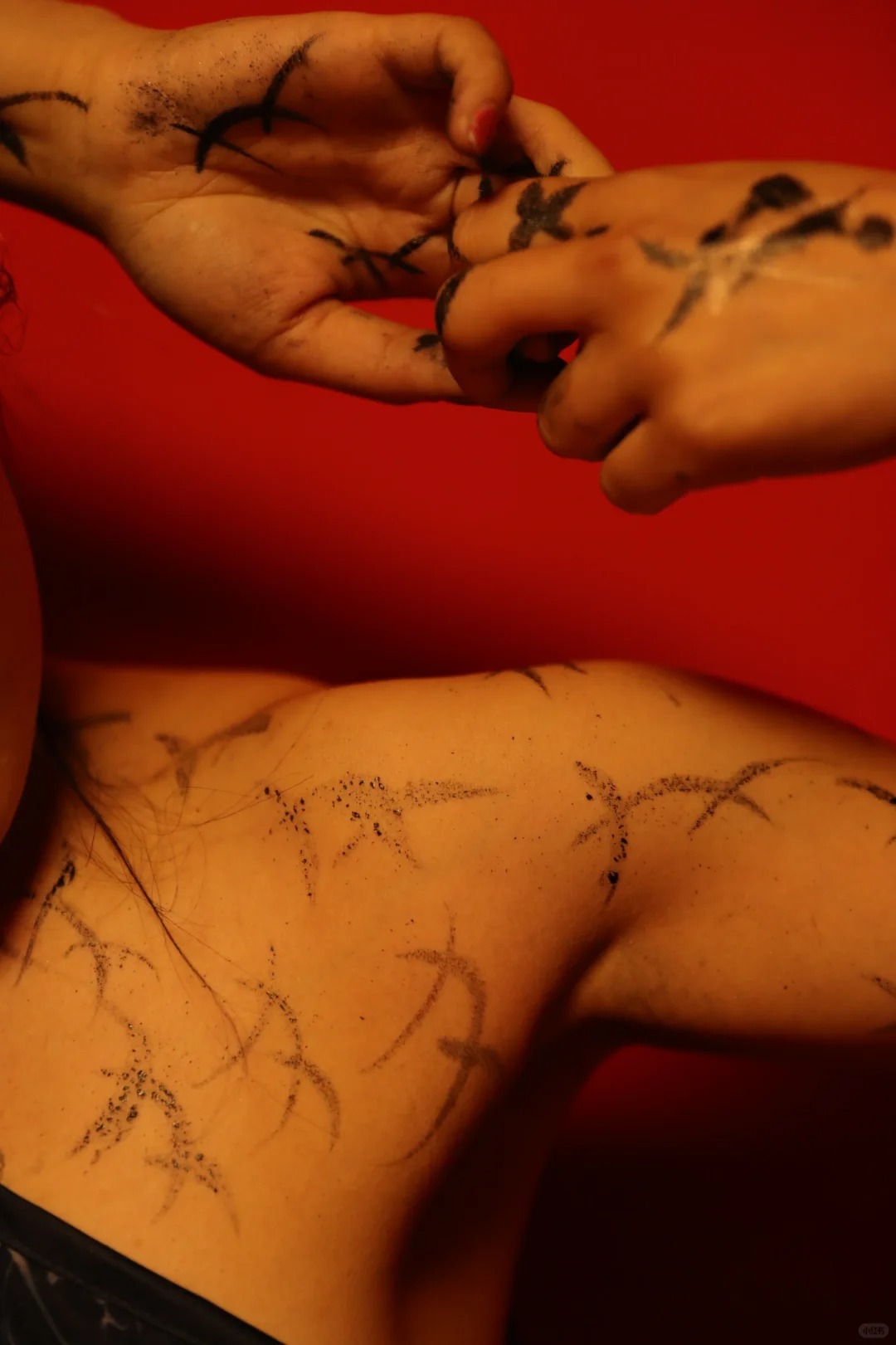
This is not an isolated case. A Chinese nüshu practitioner, Jiayi Chen, explored similar themes through photography in the UK. Jiayi uses photography to tell the story of the intimacy between nüshu and the female body. She writes nüshu calligraphy on her own body and intentionally removes her own identity in the images, conveying a sense of collective female identity: this is a language for her, and for thousands like her.
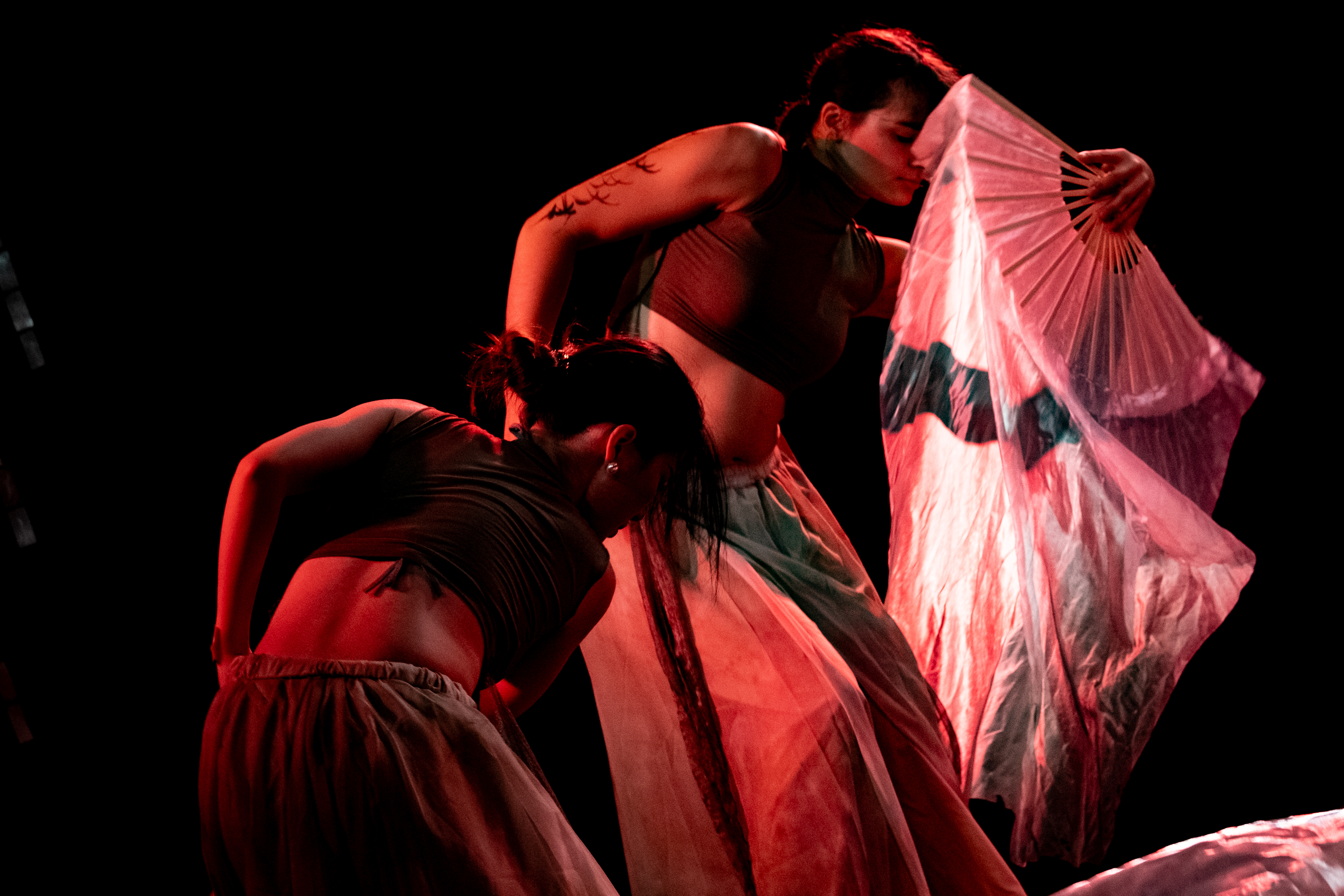
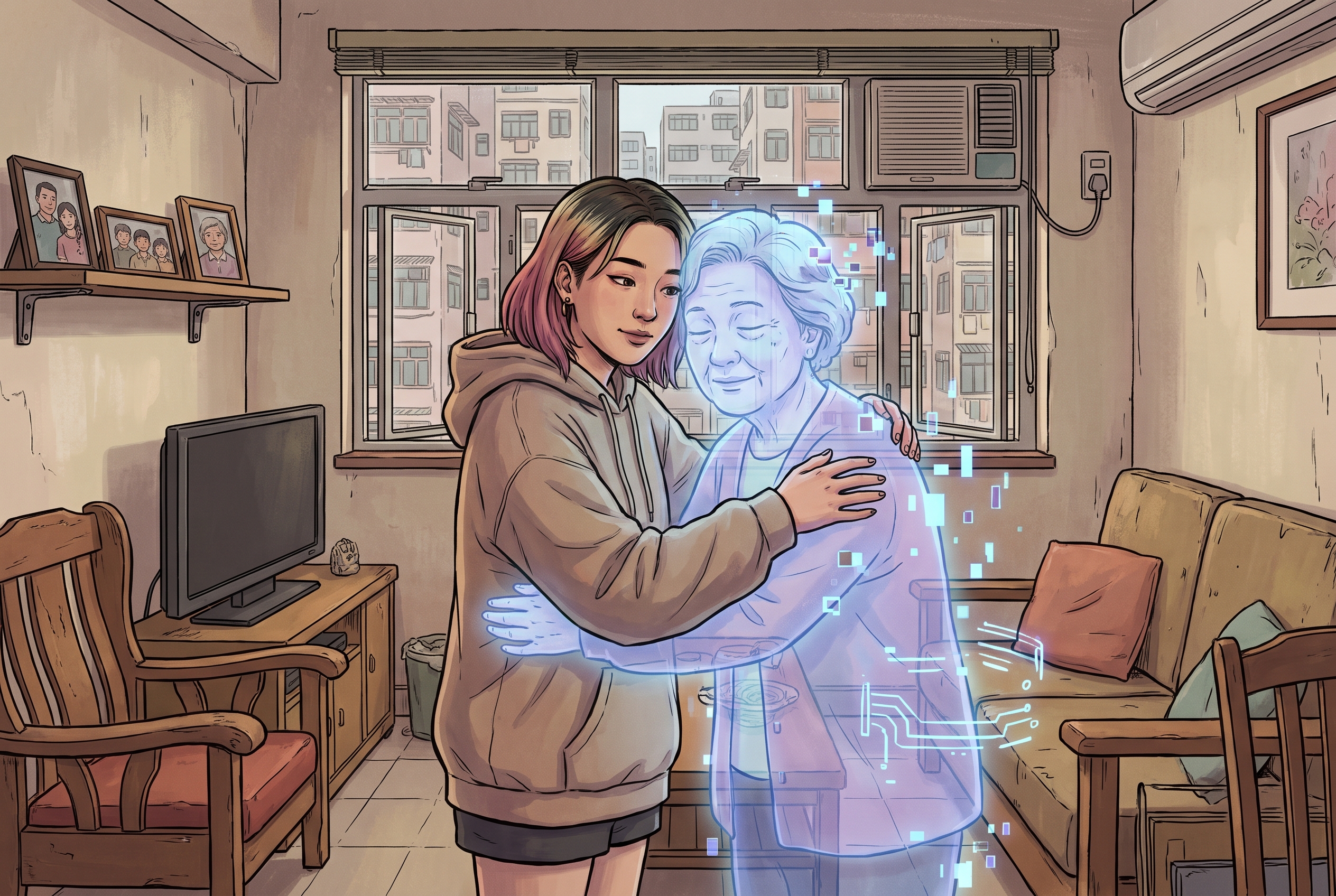
Jiayi is not only working with photography; theater is another medium through which she expresses deep emotions. Her theatre piece is a tribute to her grandmother, who has been diagnosed with Alzheimer’s, while also serving as a gateway for audiences in different cultural contexts to learn about the existence of nüshu. From centuries ago to today, women have consistently used beauty and creativity to express emotion and transform it into strength.
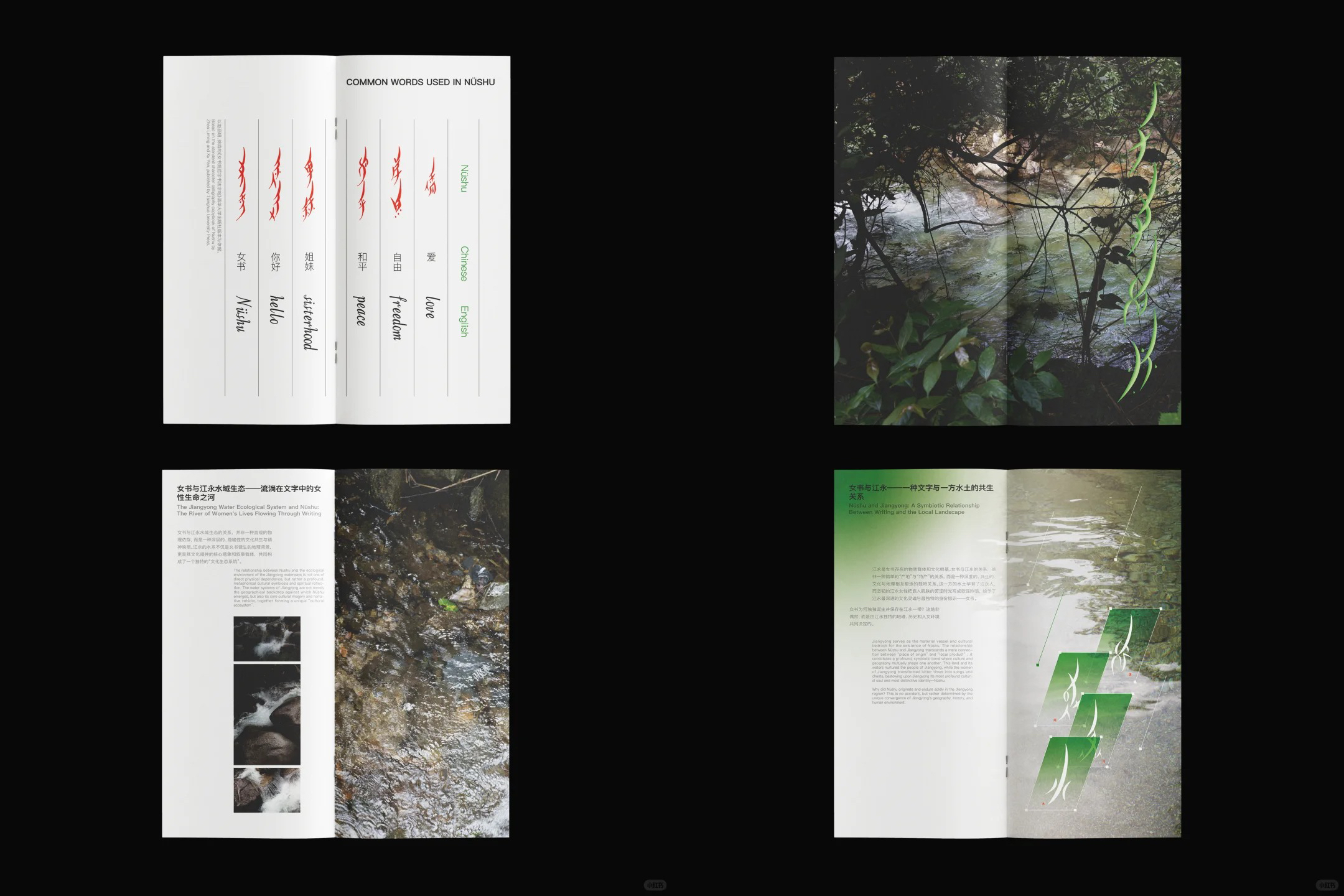
In Jiayi’s account, her journey of inheriting nüshu is a relay among women. She was motivated by other women’s posts criticizing the homogenization of feminist-themed art within today’s cultural landscape, and her exhibition on nüshu was coincidentally visited by another Chinese student traveling in the UK. This encounter prompted her to promote her work on Xiaohongshu. Stories like this are common in female communities. Across centuries, women have used their talents to write their own stories, with a persistent hope for peace, freedom, and love.
Cover Image via Jiayi Chen.