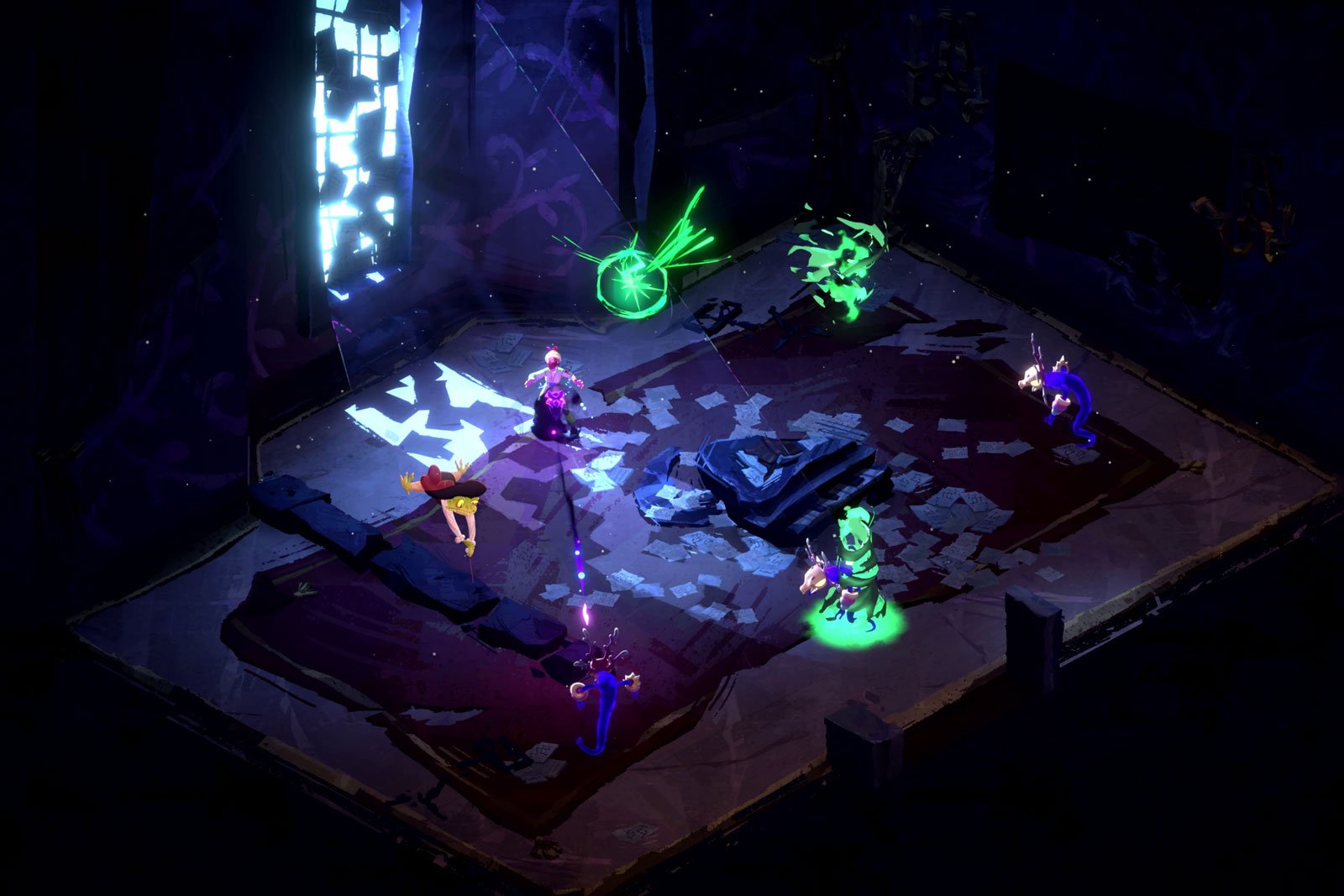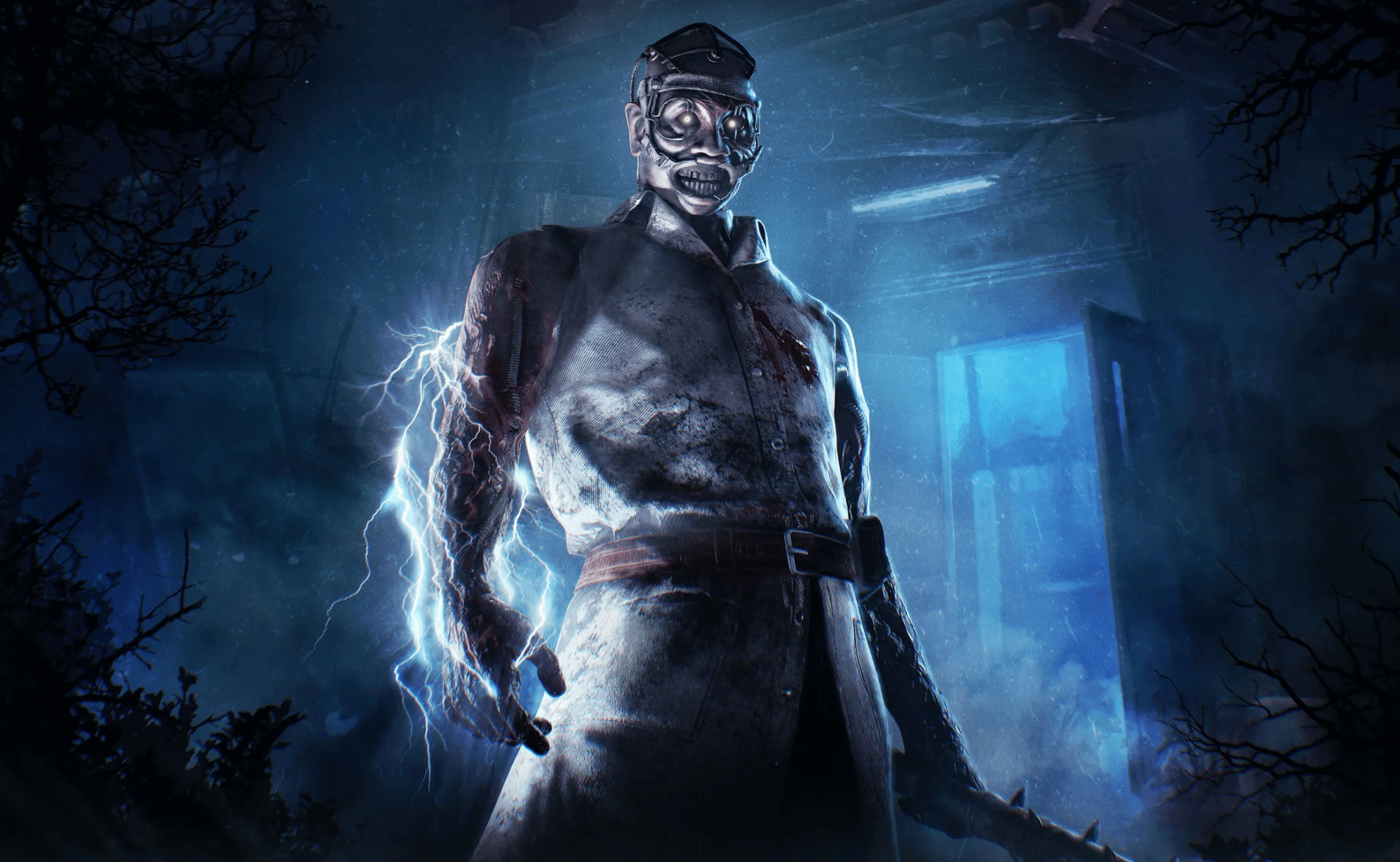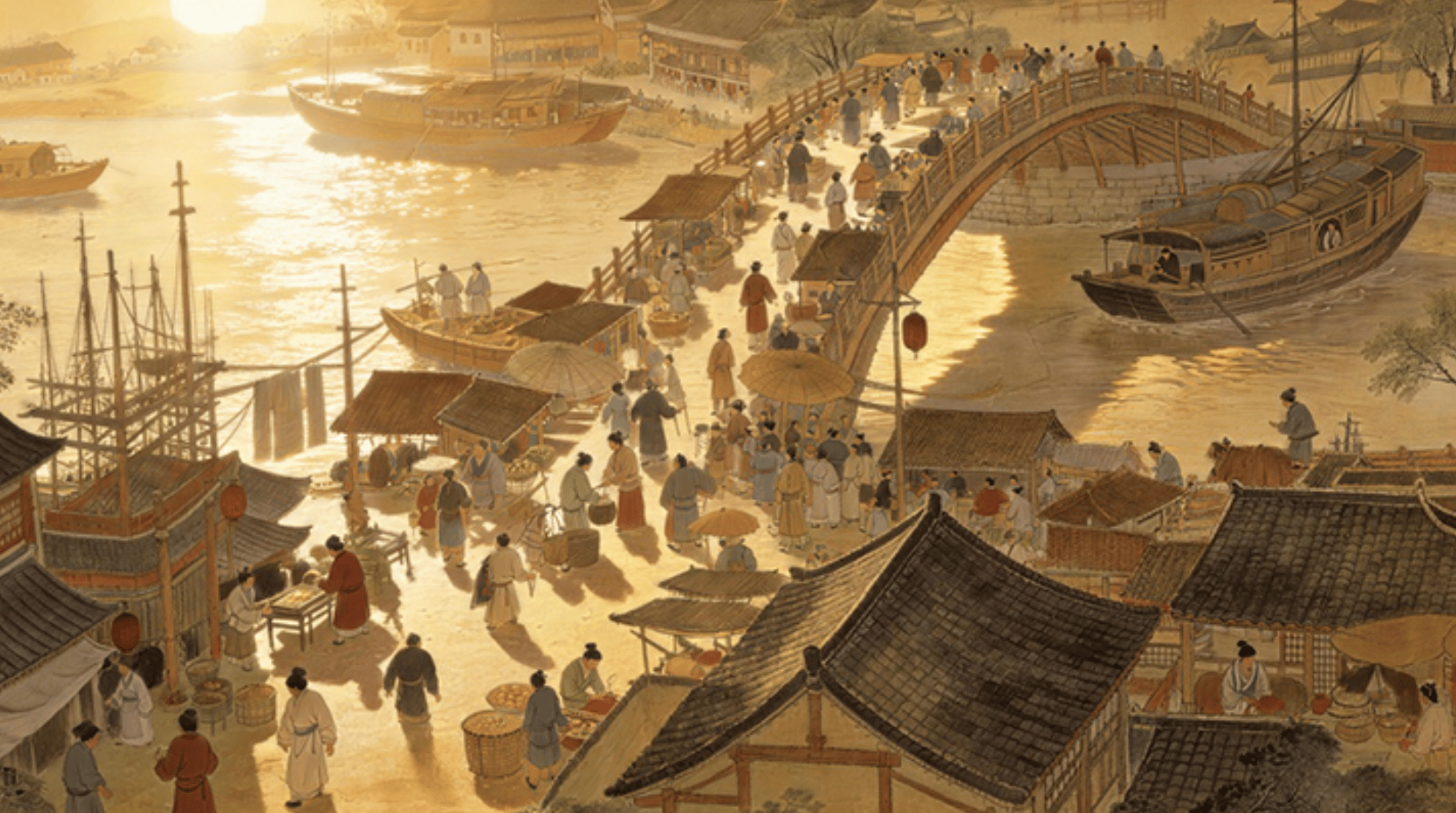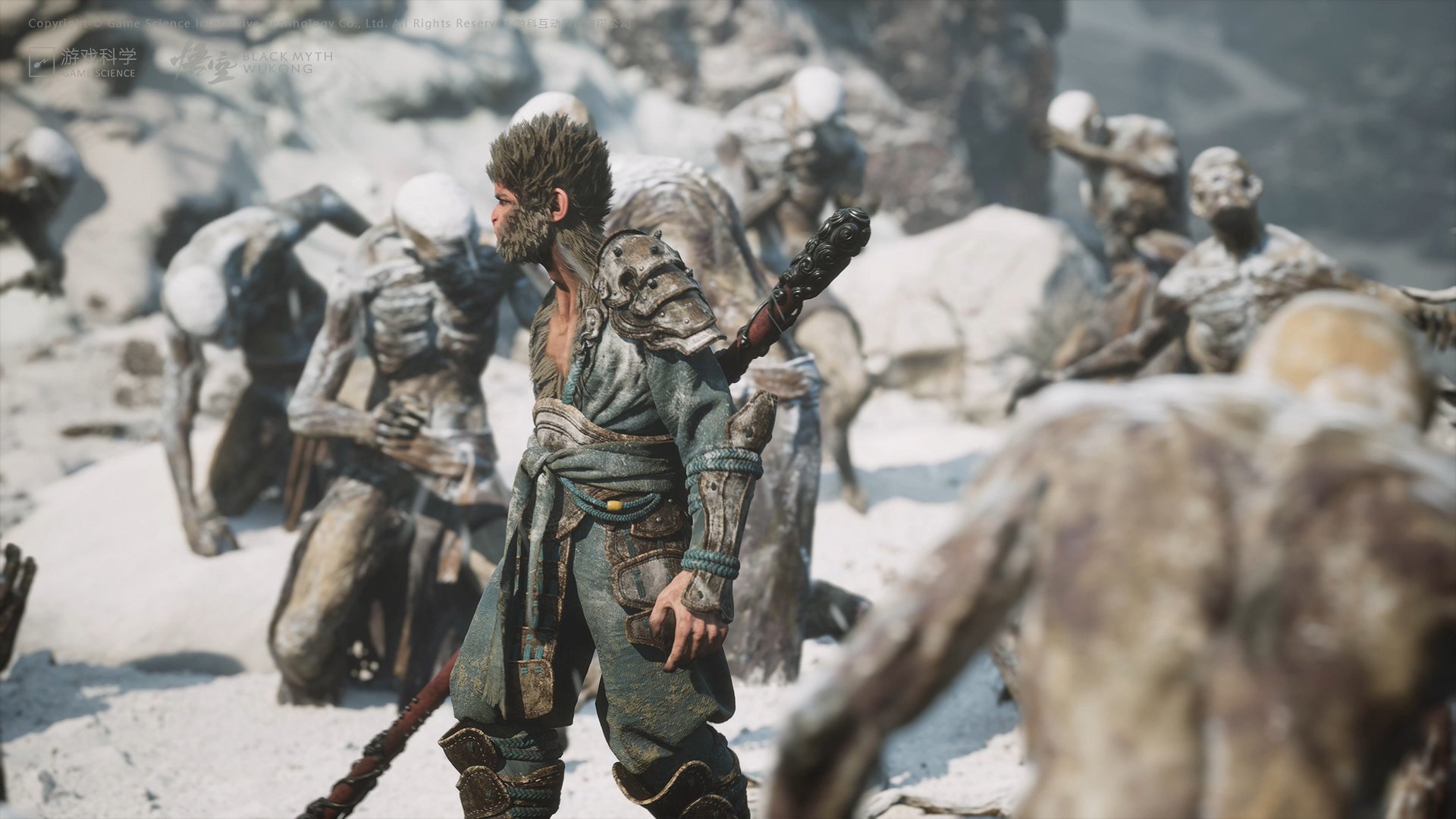
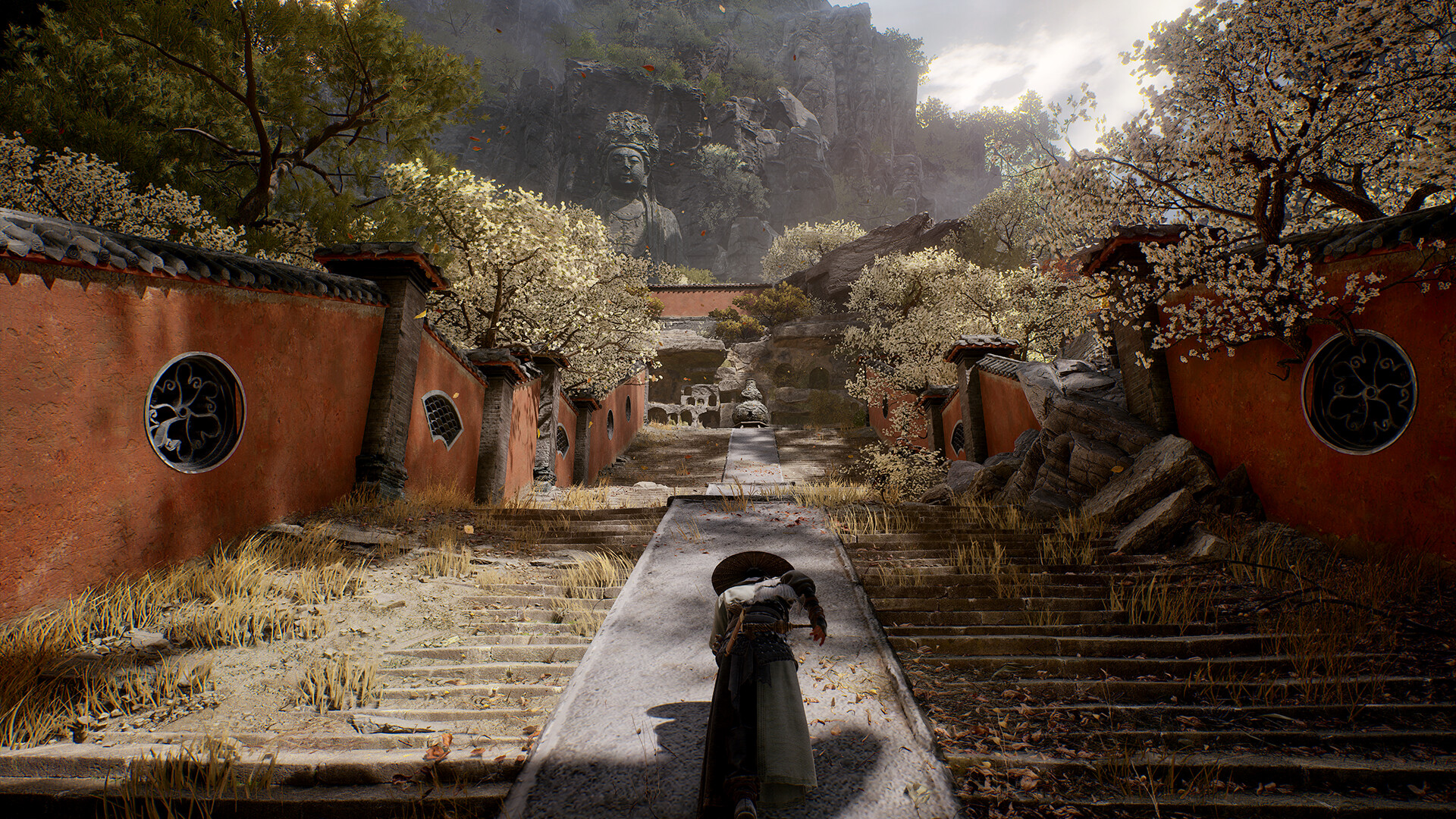

In recent years, Chinese indie developers have been quietly carving out a space in the global gaming scene. While blockbuster titles from large studios often dominate headlines and sales numbers, smaller teams across China and the wider Chinese-speaking world have been experimenting with striking visual styles. These inspiring titles blend traditional aesthetics, pixel art, and anime-inspired design with stories rooted in familiar folklore, philosophy, and futuristic urban worlds.
For players, that means games that don’t just play well but also look remarkably distinct. By pulling from Chinese ink painting, wuxia mythology, or cyberpunk cityscapes, these games show how visual storytelling has become a defining trait of China’s indie game movement. Here are six indie Chinese games where art and design are just as important as gameplay.
Nine Sols
Few recent indie games look as visually bold as Nine Sols. Developed by Taiwanese studio Red Candle Games, the action-platformer combines hand-drawn animation with a futuristic sci-fi world inspired by Taoist philosophy. The developers call its aesthetic “taopunk,” a mix of cyberpunk architecture and mythological symbolism that results in glowing temples, towering machines, and anime-like combat sequences.
The game follows a hero seeking revenge against nine ancient rulers in a mysterious technological kingdom. Combat is precise, fast-paced, and challenging, drawing comparisons to games like Sekiro, though the visuals remain its standout feature. Characters move fluidly through environments that feel like animated concept art.
Nine Sols has also become one of the most celebrated indie releases from the region in recent years, gaining global attention for both its gameplay and visual style.
Where to play: PC (Steam), PlayStation, Xbox, Nintendo Switch
Release year: 2024
Latest development: The game continues to sell strongly worldwide, with Red Candle Games releasing patches and additional behind-the-scenes art materials since launch.
The Rewinder
If most indie games borrow from Western fantasy or retro pixel aesthetics, The Rewinder takes a different approach. Developed by MistyMountainStudio, the puzzle adventure draws heavily from traditional Chinese folklore and ink painting.
Players take on the role of Yun, a mystical “rewinder” capable of entering people’s memories and altering past events. As Yun travels through villages haunted by spirits and unresolved regrets, the game’s visuals resemble moving ink paintings, with landscapes that evoke classical Chinese scroll art. The storytelling also draws from Chinese mythological traditions, introducing players to spirits, ancestral rituals, and folk legends rarely explored in mainstream gaming.
Where to play: PC (Steam) and Nintendo Switch
Release year: 2021
Latest development: The series expanded with a sequel, The Rewinder 2, released in 2025, cementing the studio’s distinctive folklore-inspired art direction.
Tales of the Neon Sea
Cyberpunk worlds often feel dominated by Western or Japanese influences, but Tales of the Neon Sea brings a Chinese perspective to the genre. Developed by Chengdu-based Palm Pioneer, the game is a pixel-art detective story set in a futuristic metropolis where humans and robots coexist on uneasy terms.
Players take on the role of a hard-boiled detective investigating crimes across grimy, rain-soaked alleys, neon-lit apartments, and towering industrial districts. Every environment is packed with detail, from flickering billboards to crowded streets that evoke the density of many Asian metropolises.
The game’s retro pixel style might appear simple at first glance, but the environments are meticulously layered, creating a vibrant cityscape that underlies its diverse settings and scenes.
Where to play: PC, PlayStation, Xbox, Nintendo Switch
Release year: 2019
Latest development: While the game is considered a completed release, it remains widely playable and continues to attract new players through digital storefronts.
Eastward
Developed by Shanghai indie studio Pixpil, Eastward quickly became one of the most visually admired indie games to come out of China. Its lush pixel art recalls classic 16-bit games but pushes the style much further, filling its world with dense towns, colorful characters, and animated environments.
The story follows John, a quiet miner, and Sam, a mysterious girl with unusual powers, as they travel through a strange post-apocalyptic world filled with quirky settlements and eccentric inhabitants. Part of the game’s charm comes from its visual storytelling. Each town feels unique, with lively streets, markets, and interiors that reward exploration. It’s a reminder that pixel art, when done right, can feel just as immersive as modern 3D graphics.
Where to play: PC (Steam) and Nintendo Switch
Release year: 2021
Latest development: A farming-life expansion called Octopia was released in 2024, introducing a relaxed new mode and renewing interest in the game.
ICEY
At first glance, ICEY looks like a stylish anime action game. Sleek sci-fi environments, glowing enemies, and hack-and-slash combat dominate the screen. But the real twist comes from its narrator, who constantly talks to the player and reacts when they stray from the intended path.
Developed by Shanghai-based indie studio FantaBlade Network, the game quickly became one of the earliest Chinese indie hits to gain international recognition. Its visual style leans heavily into anime influences, with crisp character designs and dramatic combat animations. The result is a game that feels both playful and experimental, breaking the fourth wall while delivering stylish action.
Where to play: PC, PlayStation 4, Nintendo Switch, and mobile
Release year: 2016
Latest development: The game remains widely available across platforms and continues to attract players discovering it through indie game catalogs.
A Whisper of Fall: Jinyiwei
Still in development, A Whisper of Fall: Jinyiwei is one of several emerging indie projects exploring historical Chinese settings. The game draws inspiration from the Jinyiwei, the imperial secret police that served the Ming dynasty.
Early previews suggest a visually striking action RPG that combines wuxia-style martial arts with historical Chinese architecture and costume design. Characters wear flowing robes reminiscent of period dramas, while environments evoke palace corridors, ancient towns, and mist-covered landscapes. If the final game matches the promise of its trailers, it could become another example of how indie developers are turning Chinese history into visually compelling interactive worlds—potentially rivaling AAA titles.
Where to play: Planned for PC and PlayStation 5
Release year: TBA
Latest development: The game remains in active development, with developers periodically releasing new trailers and updates showcasing its evolving art direction.
From cyberpunk detectives to mythological adventures and wuxia-inspired action, these indie games highlight how Chinese developers are experimenting with visual storytelling. Whether through ink-painting aesthetics or richly detailed pixel art, each title showcases art as something just as important as gameplay itself.
As China’s indie game scene continues to grow, it’s likely that even more visually daring projects will emerge—proving that some of the most exciting ideas in gaming often come from smaller studios willing to take creative risks.
Cover image via Steam.