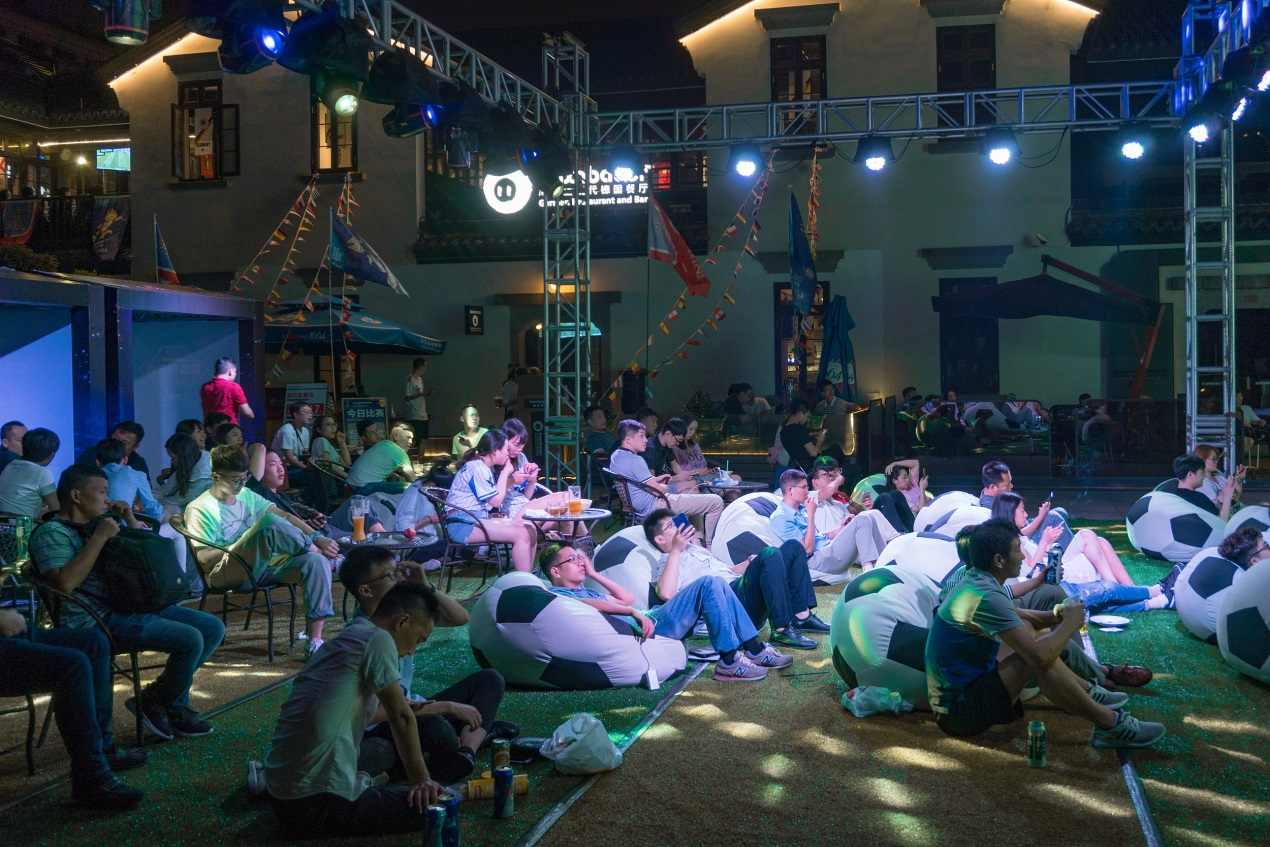

During the last FIFA World Cup, China’s viewers accounted for a whopping 49.8% of all hours of viewing on digital and social platforms globally. Nearly half the world’s digital audience—and for a tournament the Chinese national team wasn’t even in, no less. The country has an estimated 200 million football enthusiasts, and when the World Cup comes around, they show up big-time. On the first day of Qatar 2022, hotel reservations surged 30 times month-on-month, with chains launching dedicated “World Cup streaming rooms” fitted with massive screens, and jersey sales on JD Mall exploding in the weeks following. Fans stayed up until 3 AM, fueled by hotpot and Tsingtao, all locked in.
So it was shocking that until just a week ago, none of them would have had any legal way to watch the 2026 edition.
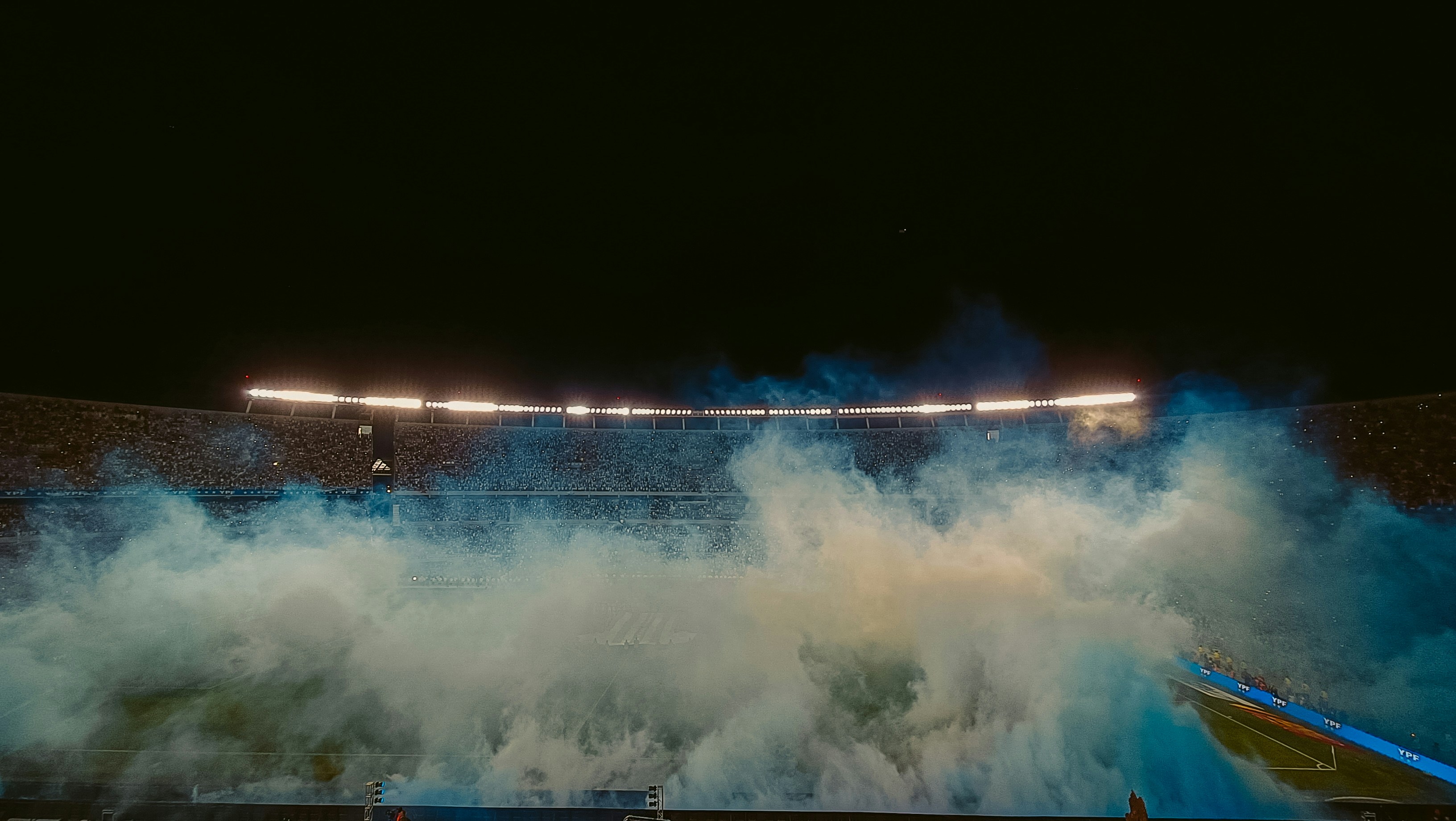
With the tournament only five weeks away, negotiations between FIFA and Chinese state broadcaster CCTV had stalled badly over rights fees. FIFA’s initial asking price was reportedly USD 250–300 million—an eye-watering figure, even for an event like the World Cup. Even after dropping to around USD 120–150 million, a substantial gap between the two sides remained, and neither was looking likely to budge. FIFA had already wrapped up agreements with broadcasters in at least 175 territories globally—yet shockingly, not in the country that represented roughly half of its digital viewership. For Chinese fans who had been hyped all year for this tournament, the prospect of it simply not being available through any legal channel was absurd.

The situation exposed an uncomfortable truth about how FIFA values its largest non-competing market. Chinese fans don’t need a national team on the field to generate viewership numbers that dwarf most of the world—and yet the governing body was willing to let negotiations drag until just a month from kickoff. On May 15, with just 27 days to go, FIFA finally sealed a USD 60 million deal with China Media Group, giving the broadcaster exclusive rights across television, internet, and mobile within the Chinese mainland. Crisis averted—barely.
Another display of the money and power dynamics at play brings us to a recent pop-up. In March, adidas turned a historic primary school in Shanghai’s Xintiandi into a three-day retro football playground to launch its 2026 World Cup kits for 25 national teams. It was a fashion show in the schoolyard—vintage kit archives lining the corridors, screen-printing workshops, vinyl records, a street dance flash mob filling the old canteen, and a live performance by Chinese star Dylan Wang. However, with no Chinese team in the finals, no domestic jerseys were part of the showcase.
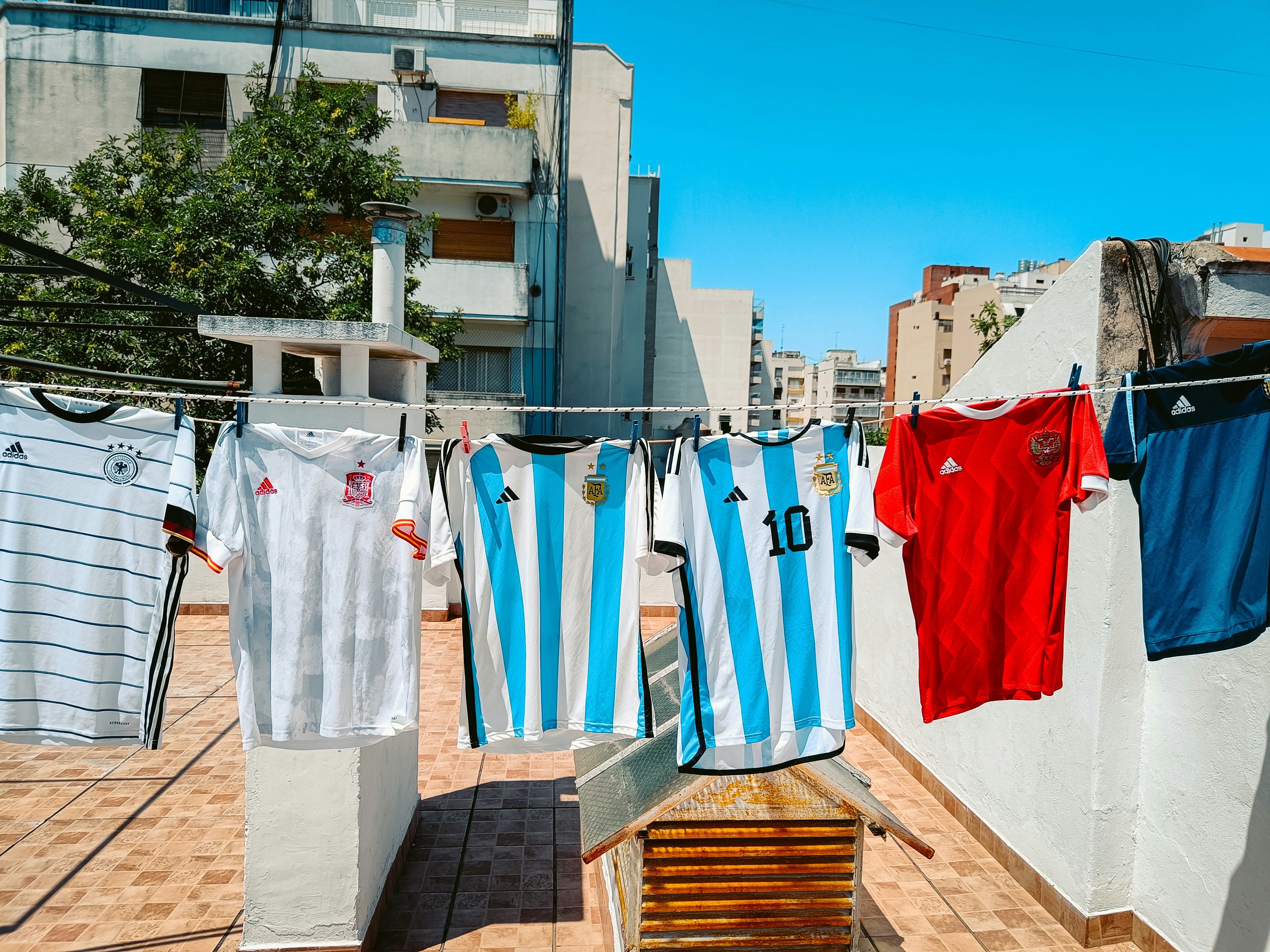
Speaking of jerseys, here’s a fun fact. Yiwu, a small city in Zhejiang Province that most foreigners have never heard of, captures roughly 70% of the global World Cup merchandise market share. It’s the engine powering the products on the backs of millions across the globe, in secret. In the first quarter of 2026 alone, exports of sports goods and equipment from the city hit USD 416 million—up 12% year-on-year.
China makes the jerseys the world wears to watch the tournament, drives half the traffic, and fills half the seats in the global e-stadium—it just won’t have any skin in the game this time around. But for the 200 million+ fans who will stay up until 3 AM to watch, that’s never really been the point. Some relationships don’t need reciprocal love—just a big enough screen and somewhere comfy to watch.
Cover image via CGTN.