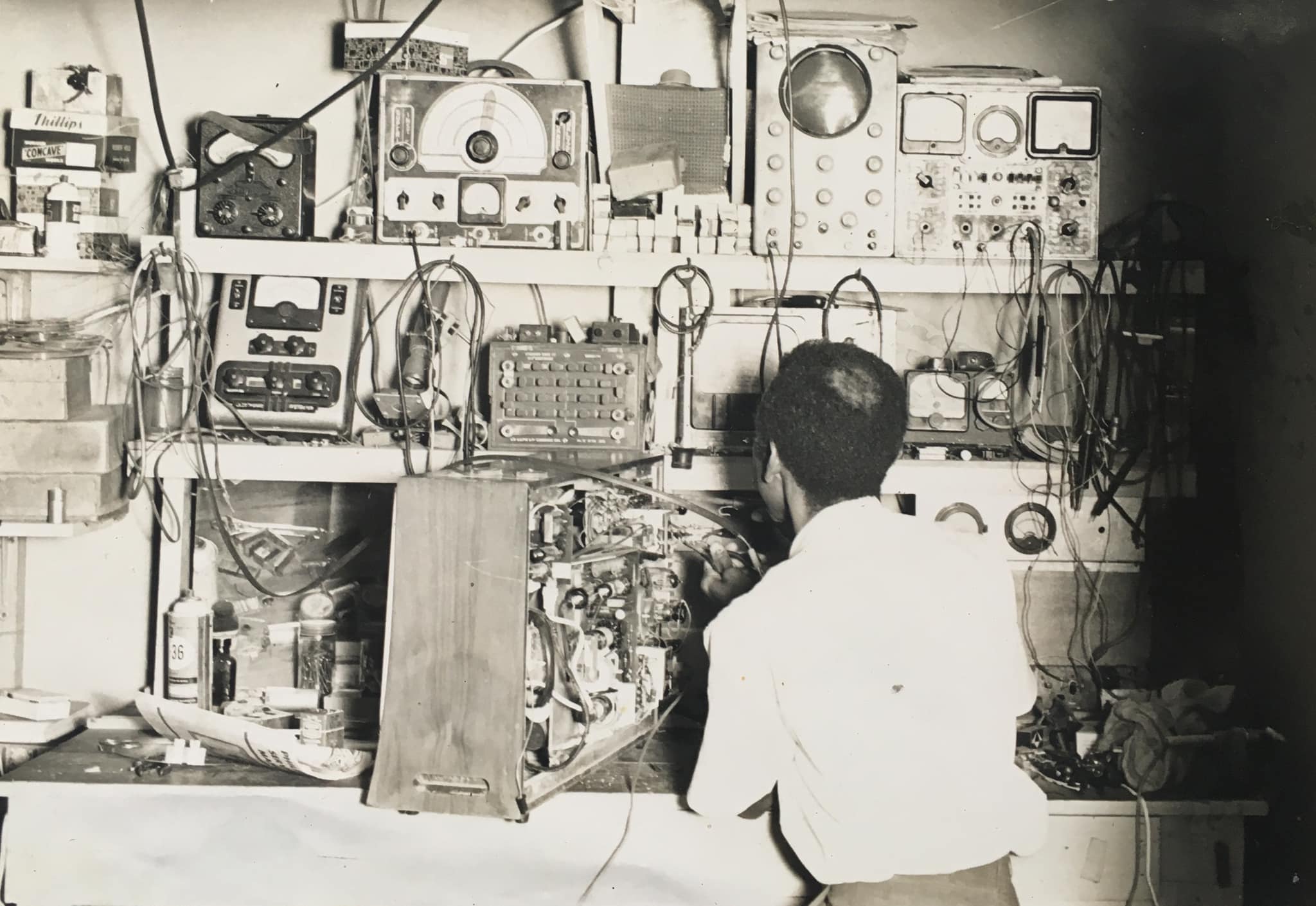

Even if electronic music isn’t your cup of tea, you’ve most likely seen a sound system at some point in your life. And if you are indeed into the heavy bass of UK dubstep, the looping grooves of Detroit techno, or the unstoppable rhythm of reggaeton, you might not know that you’re actually listening to the legacy of a Chinese-Jamaican engineer/pioneer who helped shape the sound system culture since the 1940s.

During that time, the United Kingdom was experiencing a labor shortage, as many countries did after WWII. To address this, the country began importing laborers from its colonies. This wave of migration is commonly referred to as “Windrush,” named after the boat that ferried the migrants over. Like other migration movements, it also brought a vibrant music culture.

At the time, British society remained largely indifferent—and often unwelcoming—toward these migrants. Jamaican immigrants arrived with little space for integration, so they built their own music communities in basements, hosting “blues parties,” playing the music they had carried in their suitcases to the UK.
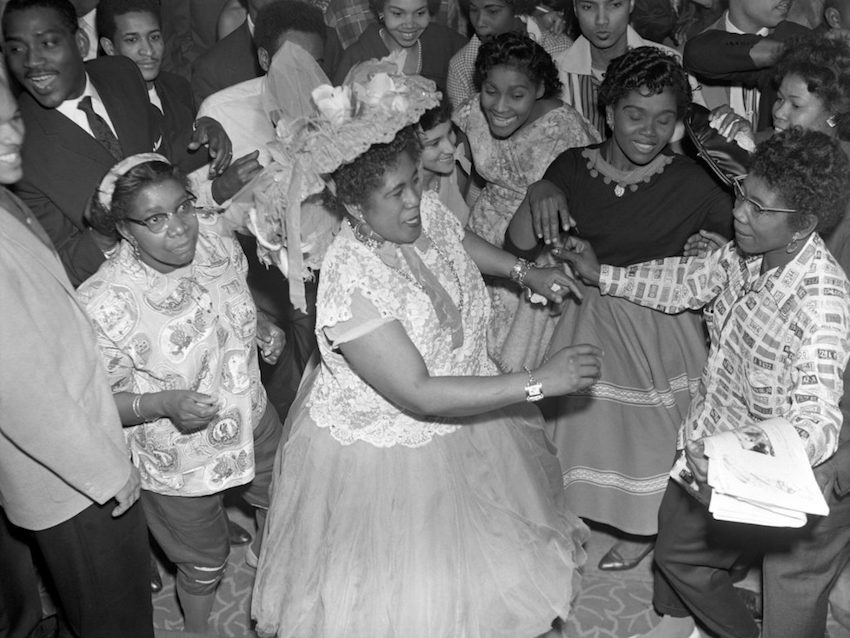
Throughout the 1940s, the streets of Kingston became a sonic battleground. As local entrepreneurs realized that stacking massive, custom-built speakers—the music speaker was first brought to the UK market in 1932—could draw larger crowds than live bands, sound system culture began to dominate the urban landscape. At the center of this technological arms race was a man who bridged two worlds: Tom Wong.
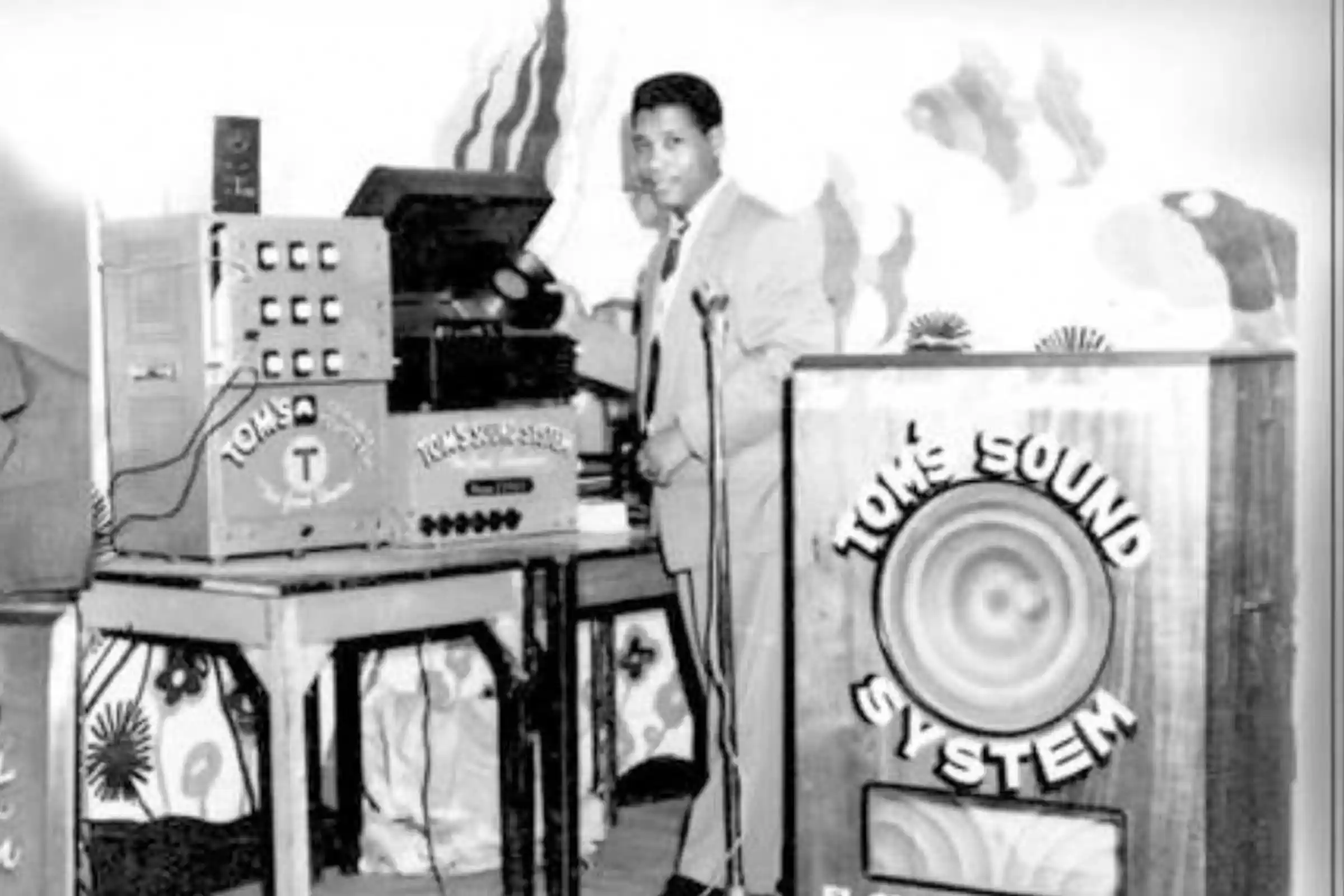
Tom Wong was a Chinese-Jamaican whose father had migrated from Hong Kong. This migration was possible because, in the 19th century, the United Kingdom ruled both Hong Kong and Jamaica. After Jamaican laborers were freed from plantations, the British sought indentured workers and merchants to sustain local economies. Wong’s father was among them. Born in 1899, Wong grew up immersed in both Chinese and Jamaican cultures. He went on to develop one of the first professional sound systems, won the first “sound clash”—a competition where the loudest and clearest sound prevails—and went on to lead the scene for years.
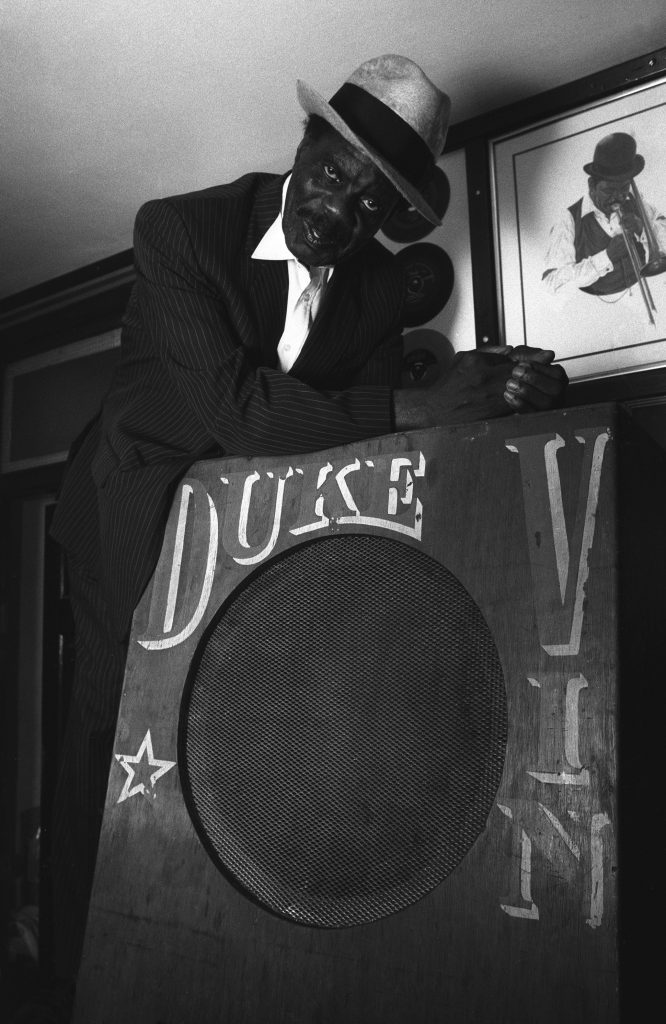
Wong was more than a businessman; he was a visionary talent scout. He hired two young men who would go on to change music history: Duke Vin, who later moved to London to establish one of the first official sound systems in the UK, and Count Machuki. Machuki is widely regarded as the world’s first “toaster” (MC), as he began talking over records to hype the crowd—a technique that would later evolve into rap and hip-hop.
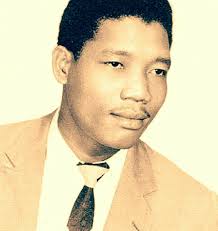
Nearly a century later, the youth are still spending their nights on the dancefloor. When the dub hits and the rhythm shifts, don’t forget that a Chinese-Jamaican named Tom Wong helped bring this vibrant culture to life.
Cover Image via Facebook/Blue Beat & Ska.