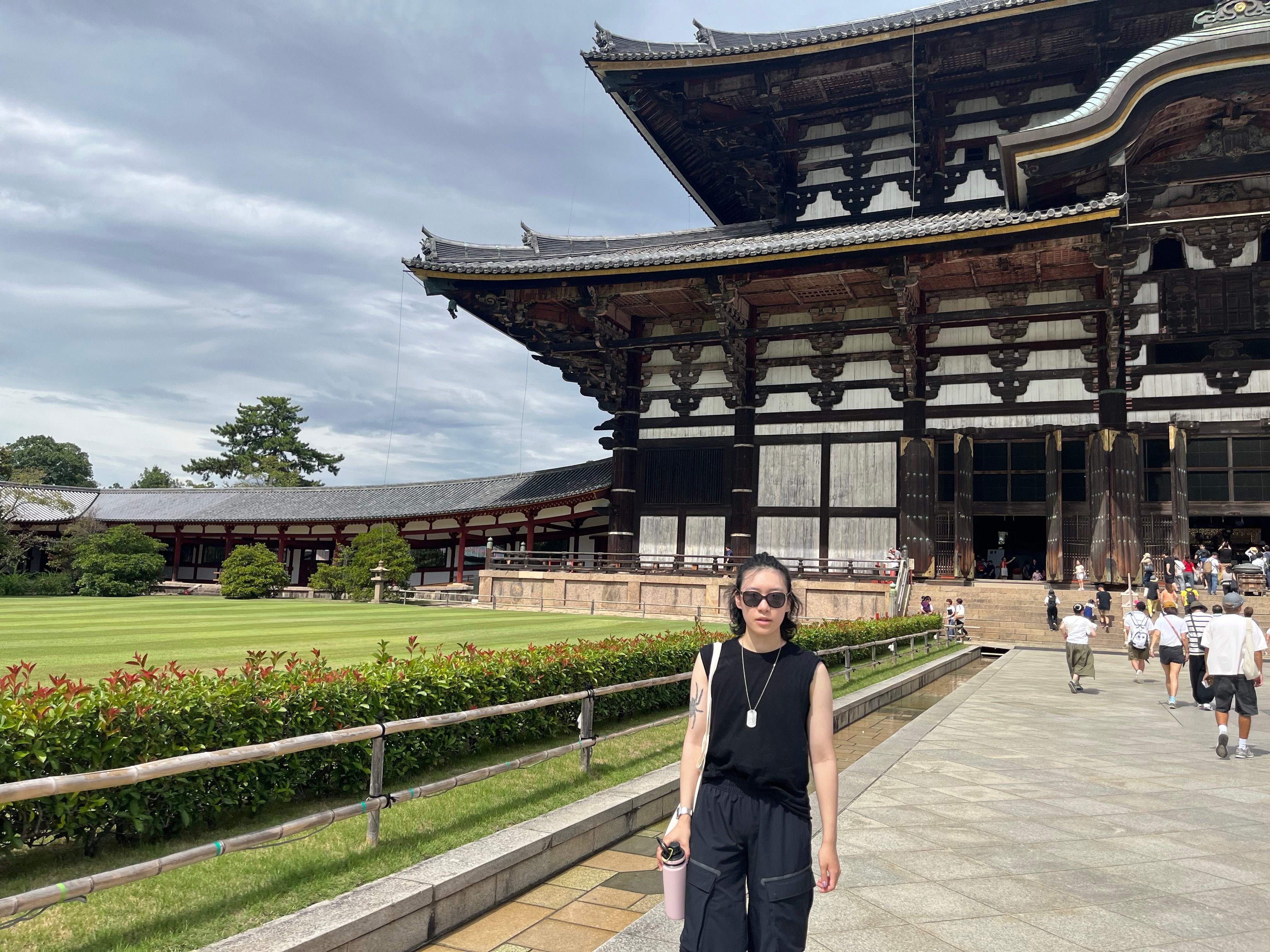
There’s a saying on the Chinese internet: “一代人有一代人的垃圾” – every generation has its own trash to hoard. Visit your grandparents’ house, and you’ll probably find stacks of grocery bags, old receipts, and mysterious tin boxes. Some are kept for sentimental reasons, others because they might come in handy one day. What looked like junk to you was treasure to them. And it’s not called hoarding; it’s called collecting.
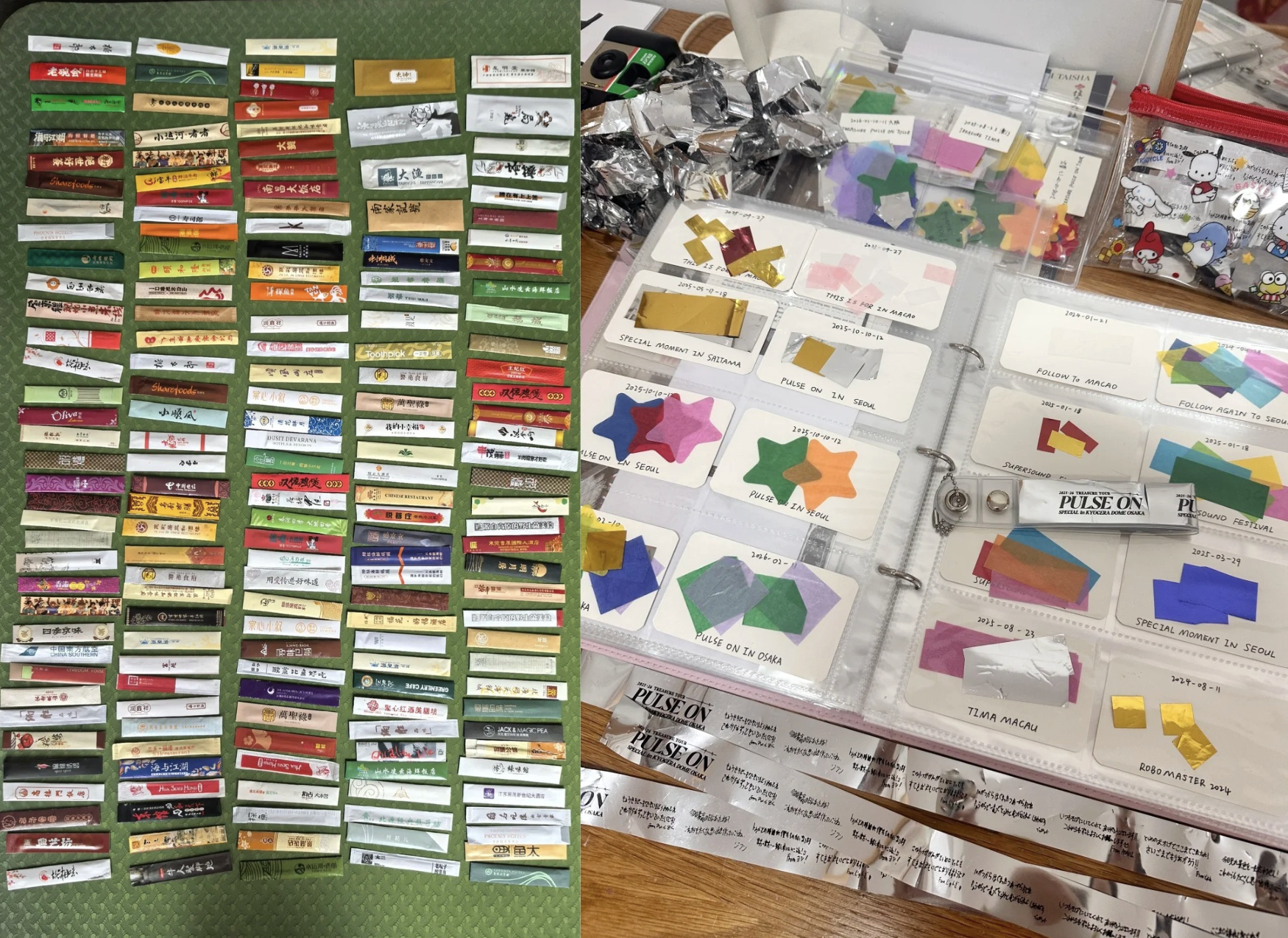
Now, Gen Z has inherited the tradition, just arguably with better aesthetics. From trendy blind box figurines and fridge magnets to hyper-niche items like individually wrapped toothpick packets and confetti caught at concerts, there’s an entire corner of the Chinese internet reserved for showing off oddly specific collections that would leave older generations completely baffled. “One man’s trash is another man’s treasure” has become a full-fledged lifestyle.
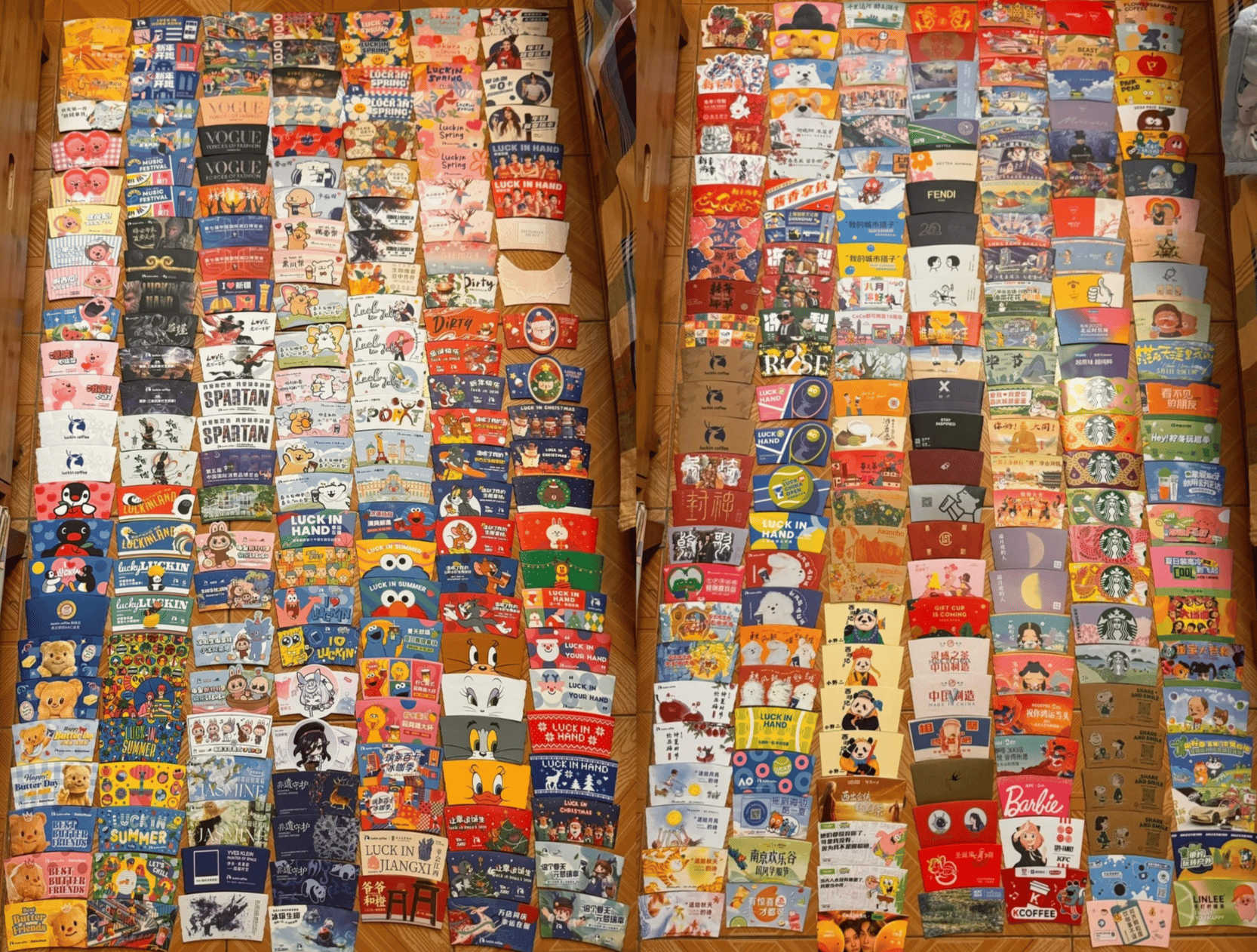
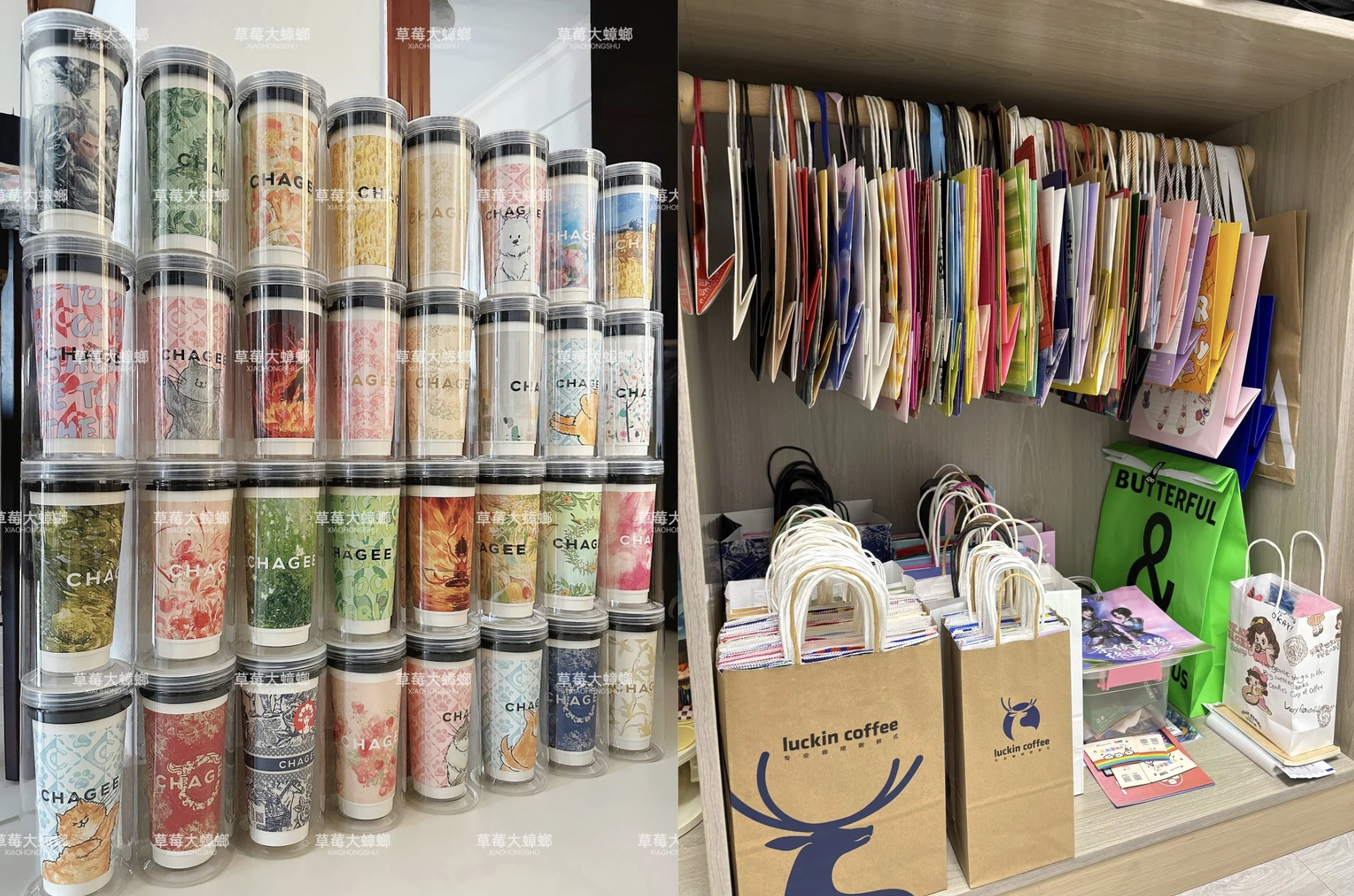
There’s one category that stands out in particular, though: beverage takeout bags and cup sleeves. Scroll through RedNote, and you’ll quickly find users posting their meticulously organized collections of drink packaging. To be fair, the collectors aren’t entirely to blame. Chinese beverage giants like HEYTEA, Luckin Coffee, and CHAGEE have turned packaging design into an art form, sometimes even including label stickers and receipts. Anything the customer interacts with needs to be visually pleasing.
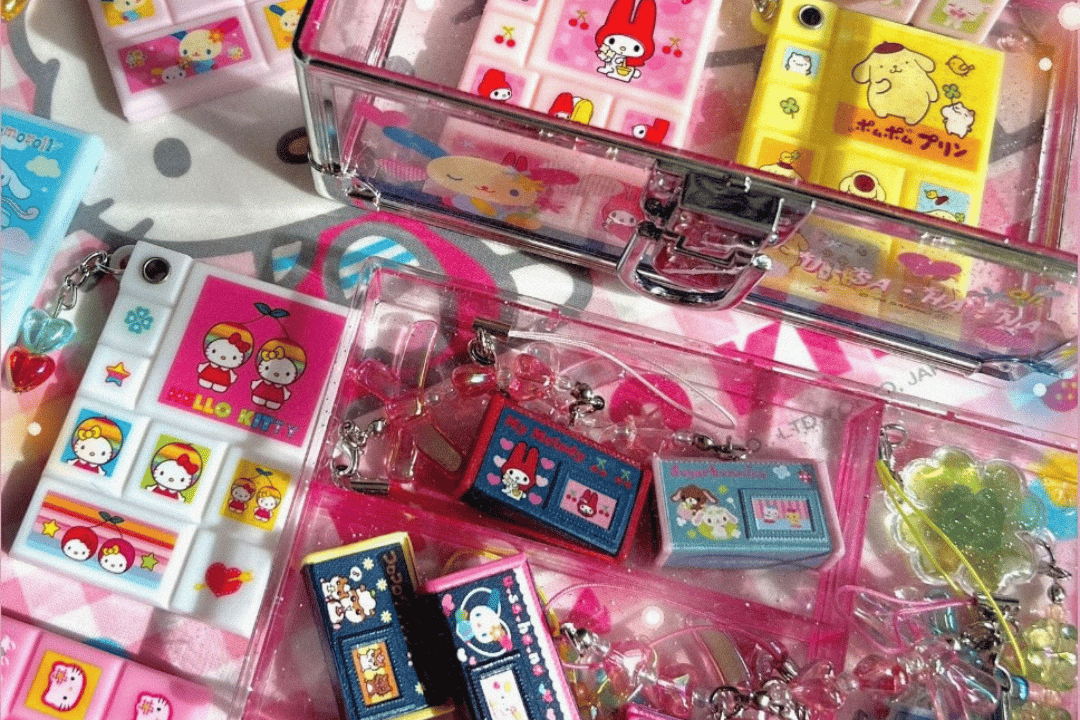
The strategy makes sense. China’s tea and coffee market is brutally competitive, with brands launching relentless seasonal specials and collaborations just to generate buzz and stay relevant online. We’ve seen collaborations with popular IPs like Sanrio, Zootopia, and Black Myth: Wukong. These limited-edition packaging designs spread across the internet far faster than advertising a new tea flavor ever could.
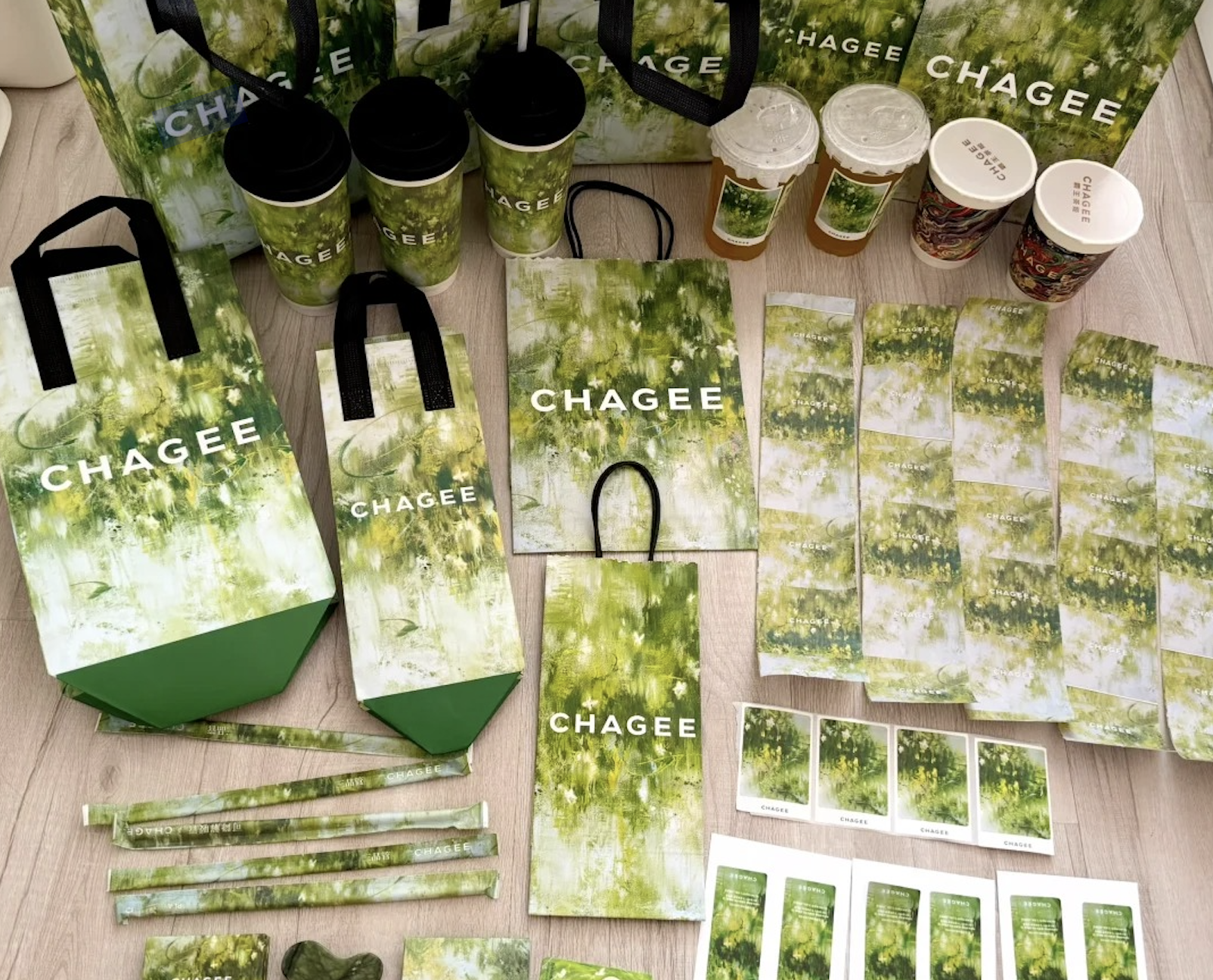
CHAGEE’s recent “Color Walk” campaign is a perfect example of capitalizing on viral trends. Three new drinks were released with packaging inspired by Henri Matisse, Vincent van Gogh, and Claude Monet. With light flavors of peach, yuzu, and mandarin orange, the drinks offer a refreshing taste of summer. But it’s the packaging that takes center stage. From removable stickers to illustrated paper bags, every detail was designed to become a keepsake rather than be discarded.
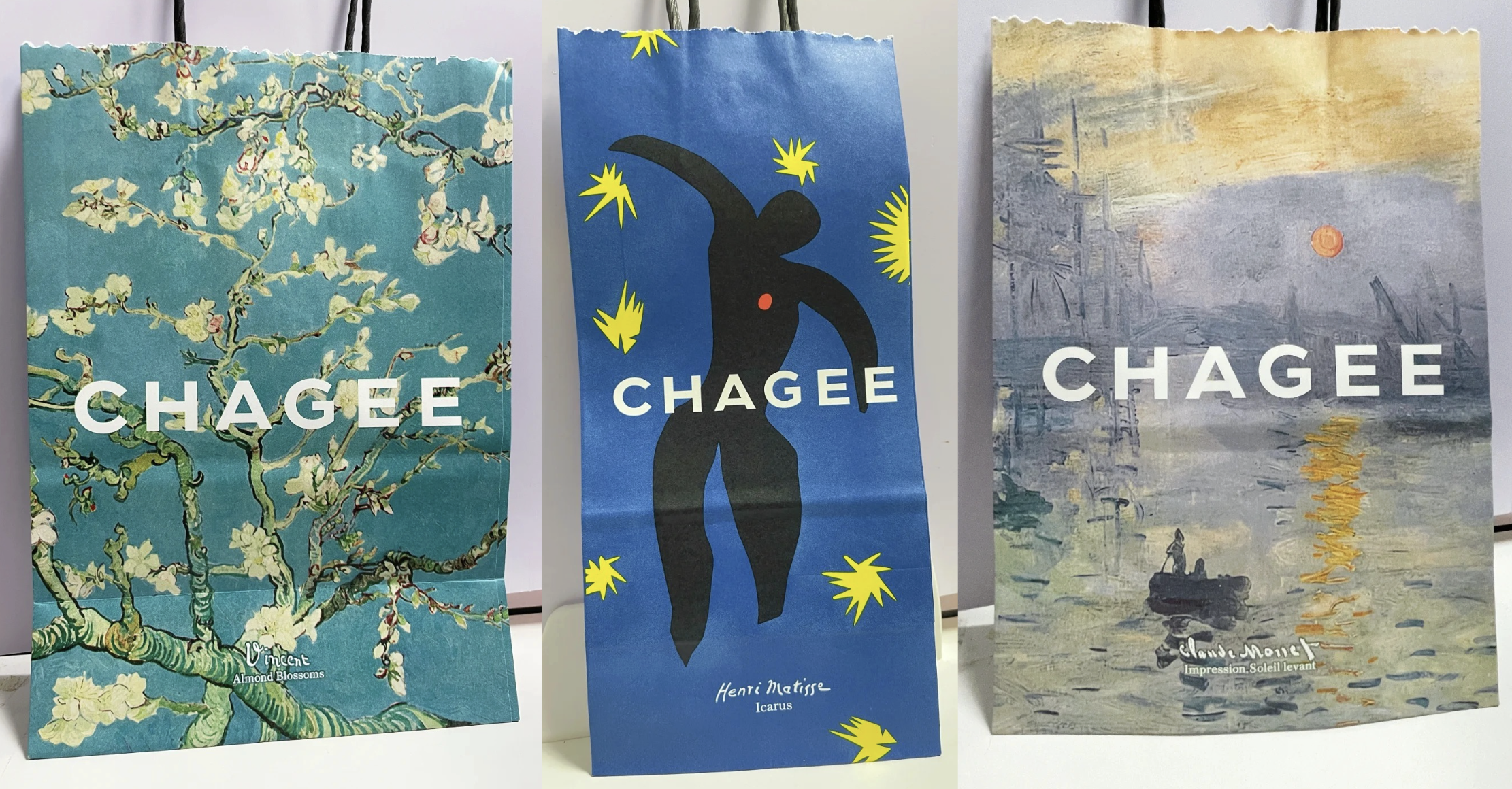
And that’s exactly what people have been doing with their collections, finding creative ways to preserve their “trash.” Some put items into protective covers or display cases, while others turn bags and stickers into junk journals, collages, or cut particularly interesting designs into fake postage stamps. An online community dedicated to drink packaging has also emerged; enthusiasts trade discontinued designs like Pokémon cards. It’s the perfect marketing strategy; artificial scarcity creates value. If you miss it, it’s gone.
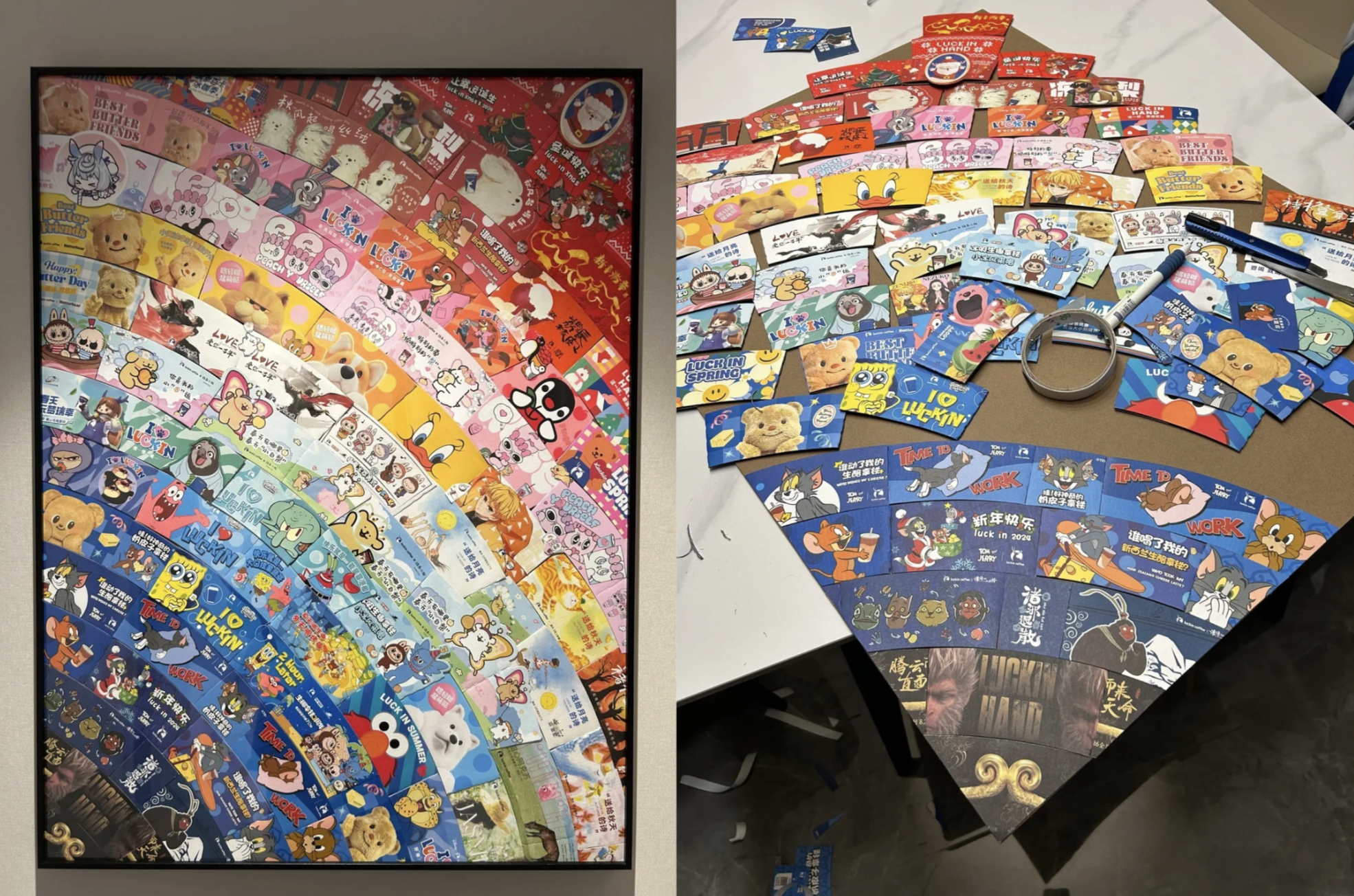
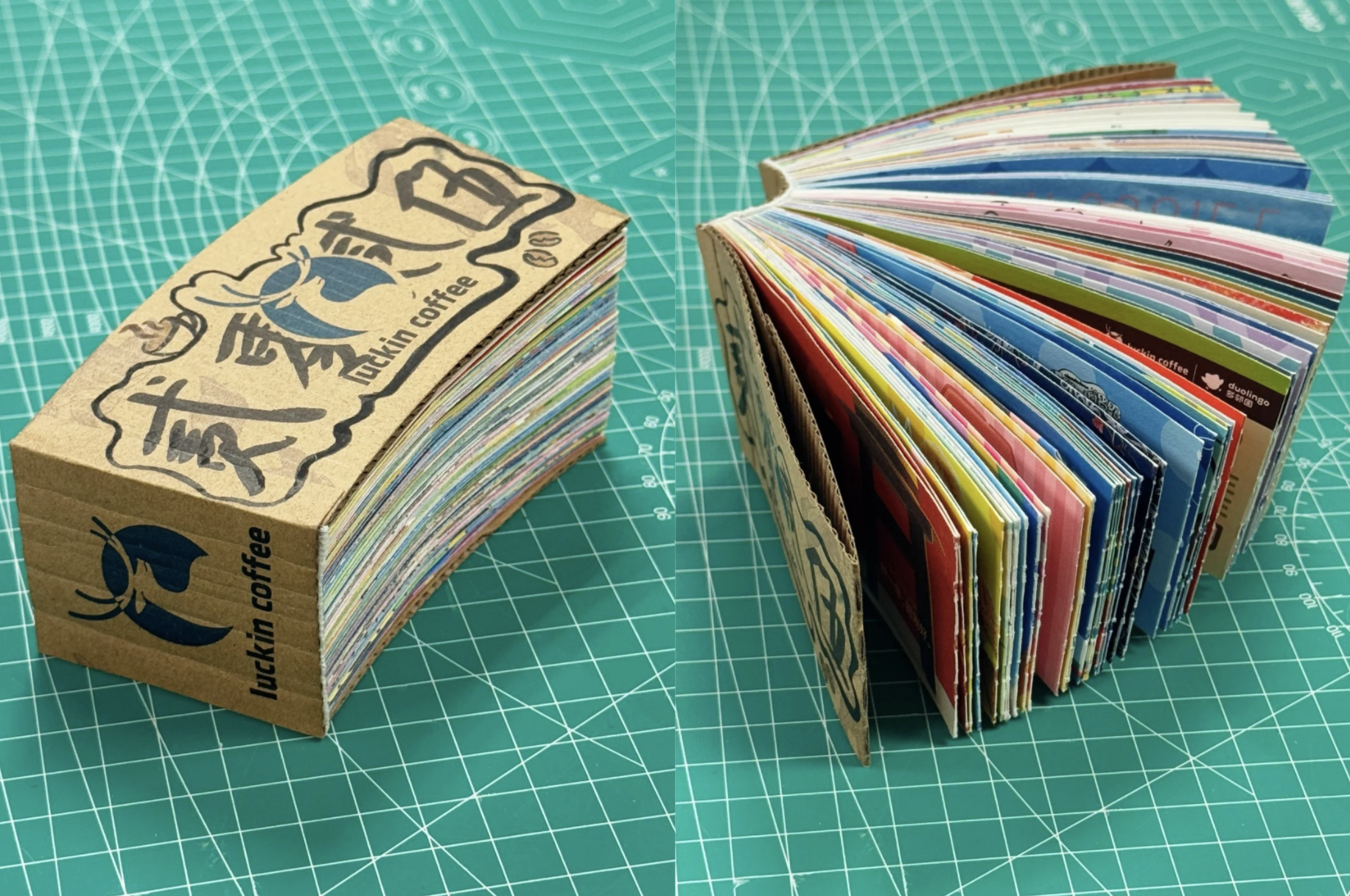
The point is, bubble tea has long since drifted beyond just being a sugary drink. In urban China, carrying an aesthetically pleasing cup of tea has become a subtle social signal, reflecting taste, hobbies, and even personal aesthetics. Combine that with thousands of people joining the conversation online, and of course, it leaves you wondering what itch the trend is scratching.
Unlike collectibles such as Pokémon cards or Labubus, there’s no nostalgia factor or investment value. And most collectors know perfectly well that they’re just holding onto disposable paper materials. But maybe that’s precisely the appeal – something low-stakes, replaceable, and inexpensive.
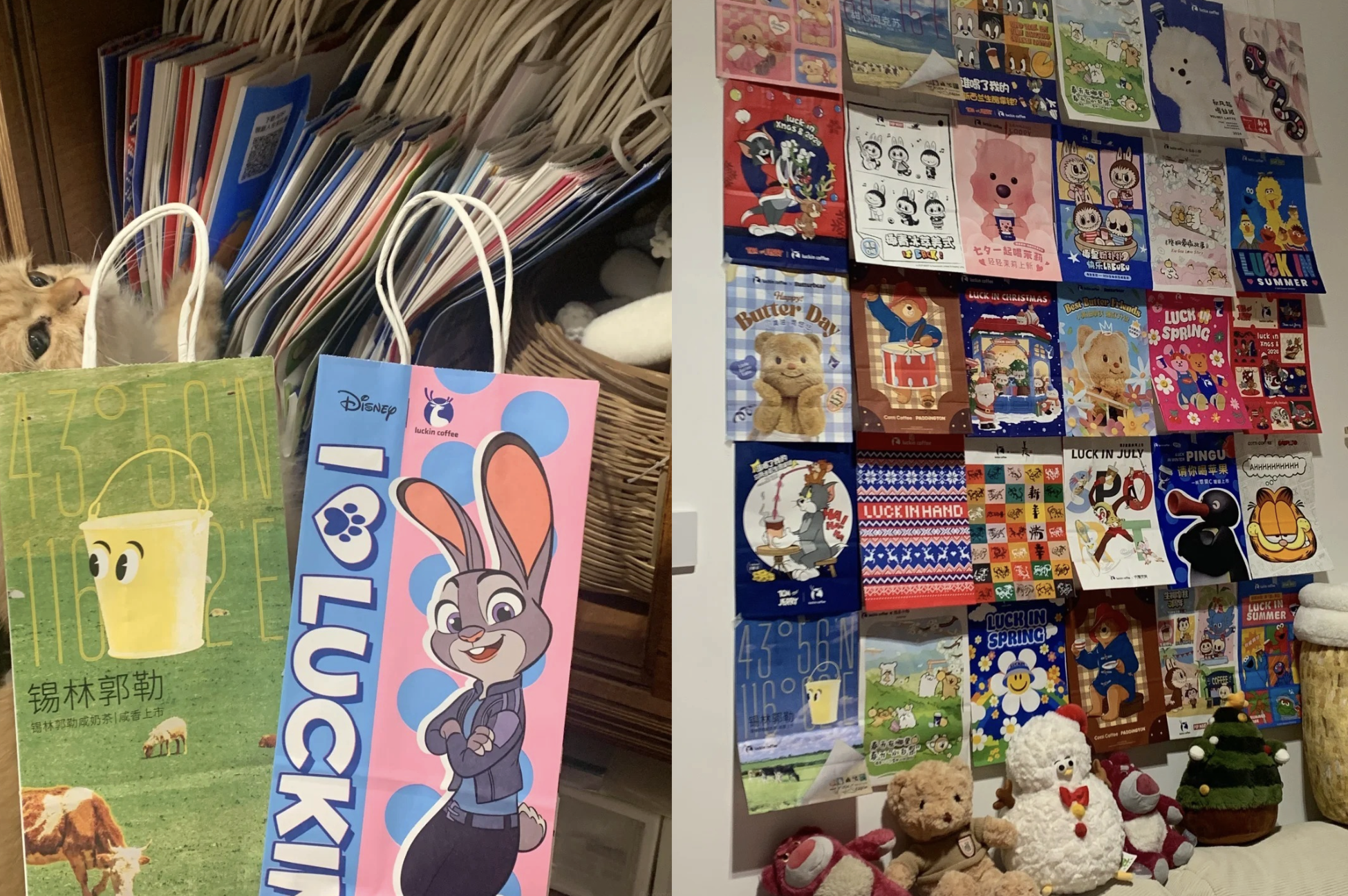
Cover image via RedNote.