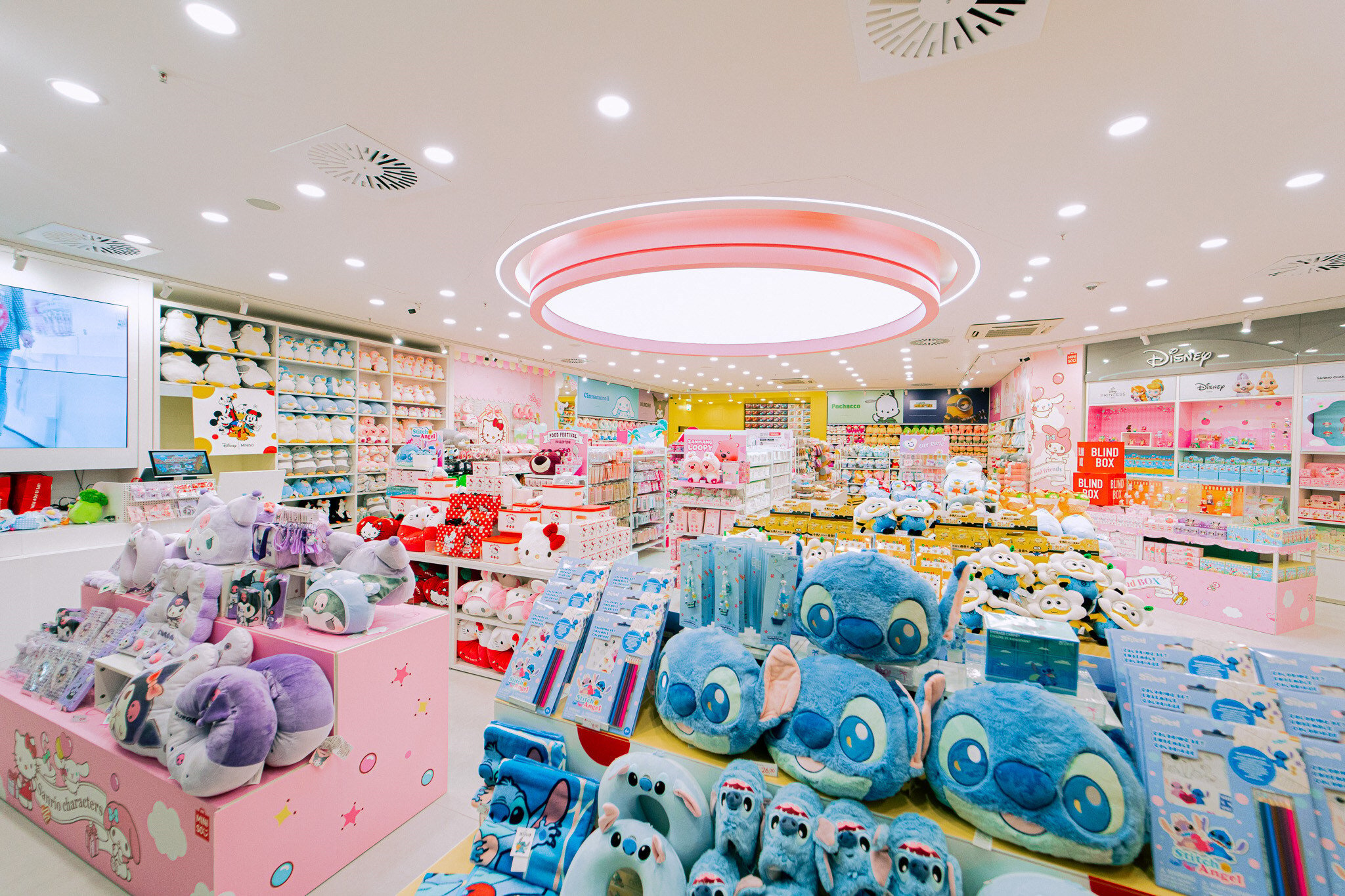

It’s a common weekend sight in Sunway Pyramid, one of Malaysia’s busiest malls: curious shoppers stopping to take photos with a giant Stitch statue before making their way through aisles stacked with Sanrio plushies, Snoopy mugs, Chiikawa keychains, Star Wars collectibles, and a plethora of IP-coded collectibles from almost all corners of pop culture. Near the entrance, crowds gather around shelves of blind boxes, consciously shaking them in the hope of increasing their chances of getting their preferred toys.
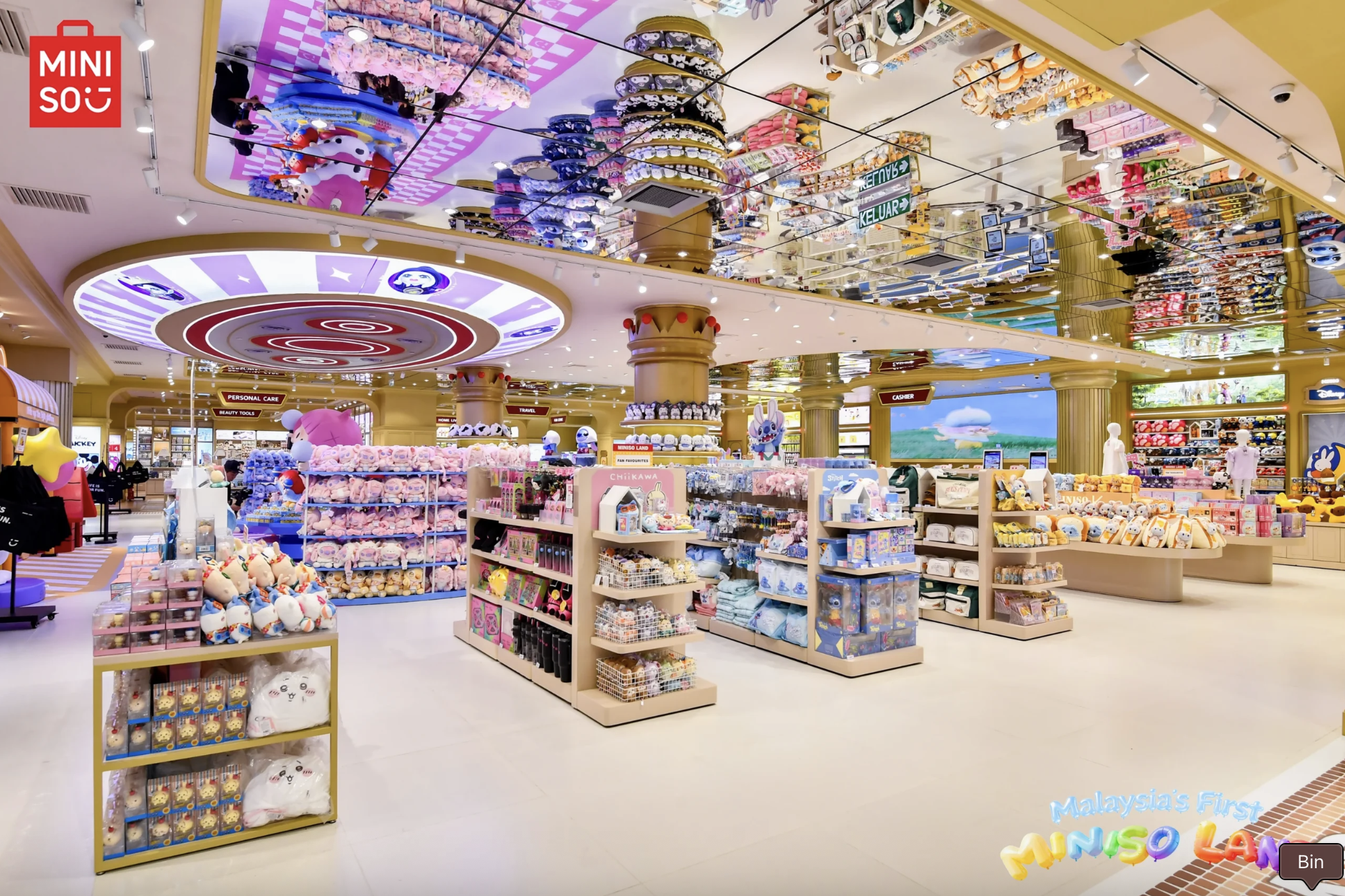
Opened earlier this year, this is the new MINISO LAND outlet in Sunway Pyramid, which is also the largest MINISO store in Southeast Asia. Spanning more than 10,000 square feet and carrying over 8,000 products, it’s more complex than a store. There’s so much product to see, sounds to hear, and visuals to take in that the onslaught of sensations is almost immediate the moment you step into the sprawling space. But beyond functioning as another retail attraction in Kuala Lumpur’s ever-expanding (and often exhausting) mall culture, the store also points to something larger: China’s growing battle for Southeast Asia’s fandom economy.
For a moment in time, Chinese toy giant POP MART dominated conversations around collectible culture thanks to viral designer toys like Labubu, Molly, and Skullpanda. Its stores, often packed with blind boxes and resale-driven hype, have transformed art toys into a global phenomenon. But while POP MART built its empire through original characters and scarcity-fueled collecting, MINISO has taken a different route, one centered around familiarity, accessibility, and licensed intellectual properties.
The result is an increasingly visible rivalry between two Chinese retail giants competing for the same generation of young Asian consumers.
MINISO’s Strategy: Selling Familiarity
MINISO’s strategy is difficult to miss the moment one steps into MINISO LAND. Nearly every corner of the store is built around recognizable franchises, most of them hinged on nostalgia and significant pop culture characters. Shelves dedicated to Sanrio characters sit beside Disney products, Harry Potter merchandise, We Bare Bears accessories, and anime-adjacent collectibles. The giant installations and themed zones turn the store into pockets of experiential retail, leaping from one IP to another in a matter of five steps.
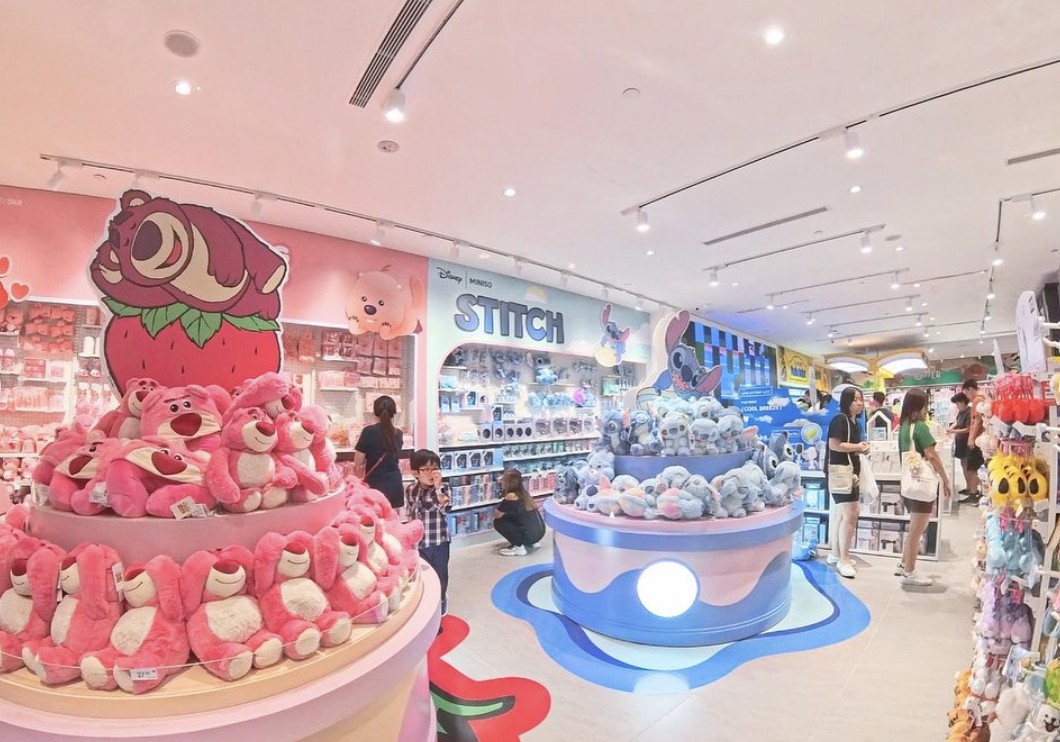
That aggressive strategy of licensed IP has become central to MINISO’s global expansion. The company has increasingly leaned into partnerships with globally recognizable brands to attract younger shoppers already immersed in online fandom. According to the company, more than 70% of products at MINISO LAND are tied to IP collaborations.
That strategy makes particular sense in Southeast Asia, where fandom culture has exploded across social media platforms like TikTok, Instagram, and Xiaohongshu. Anime conventions regularly draw massive crowds in Malaysia, Singapore, and Thailand, while K-pop fandoms dominate online discourse among Gen Z and Gen Alpha consumers. In many ways, MINISO functions less like a toy company and more like a physical extension of pop culture.
POP MART and the Rise of Collectible Culture
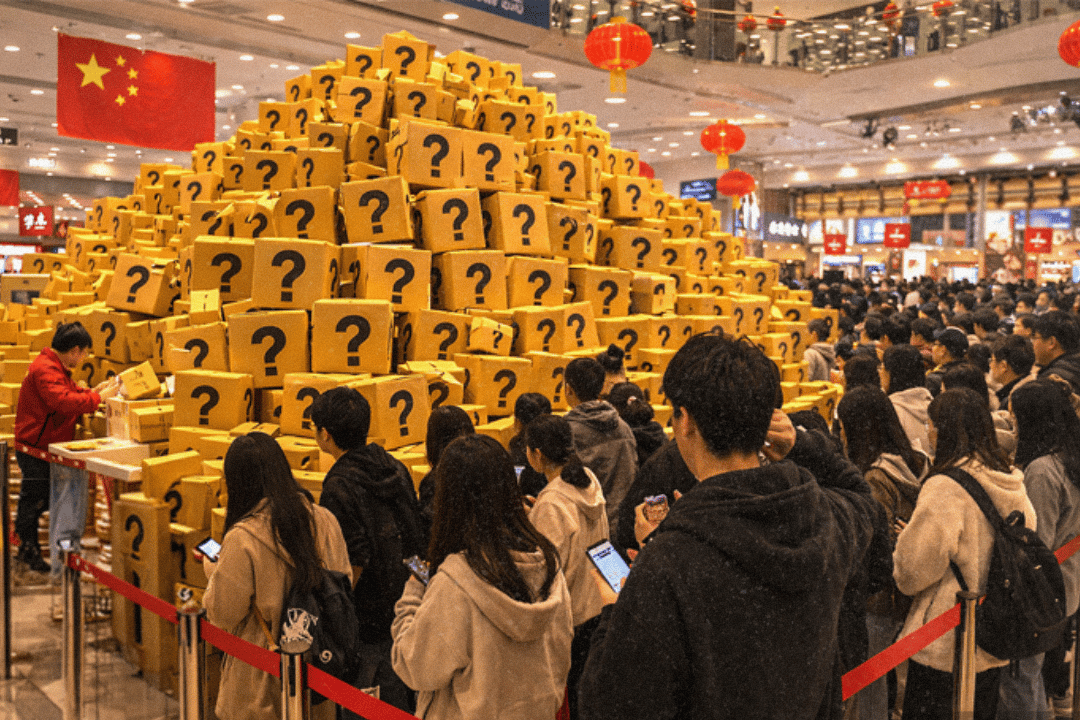
Unlike POP MART, however, MINISO doesn’t rely—or at least not aggressively—on consumers becoming emotionally attached to original characters it created itself. POP MART’s rise was driven by the cult-like popularity of characters such as Labubu and Molly, which became status symbols as resale prices skyrocketed online. Limited-edition drops and blind-box mechanics helped turn the company into one of China’s most recognizable consumer brands, especially among shoppers drawn to collectible culture and the thrill of scarcity.
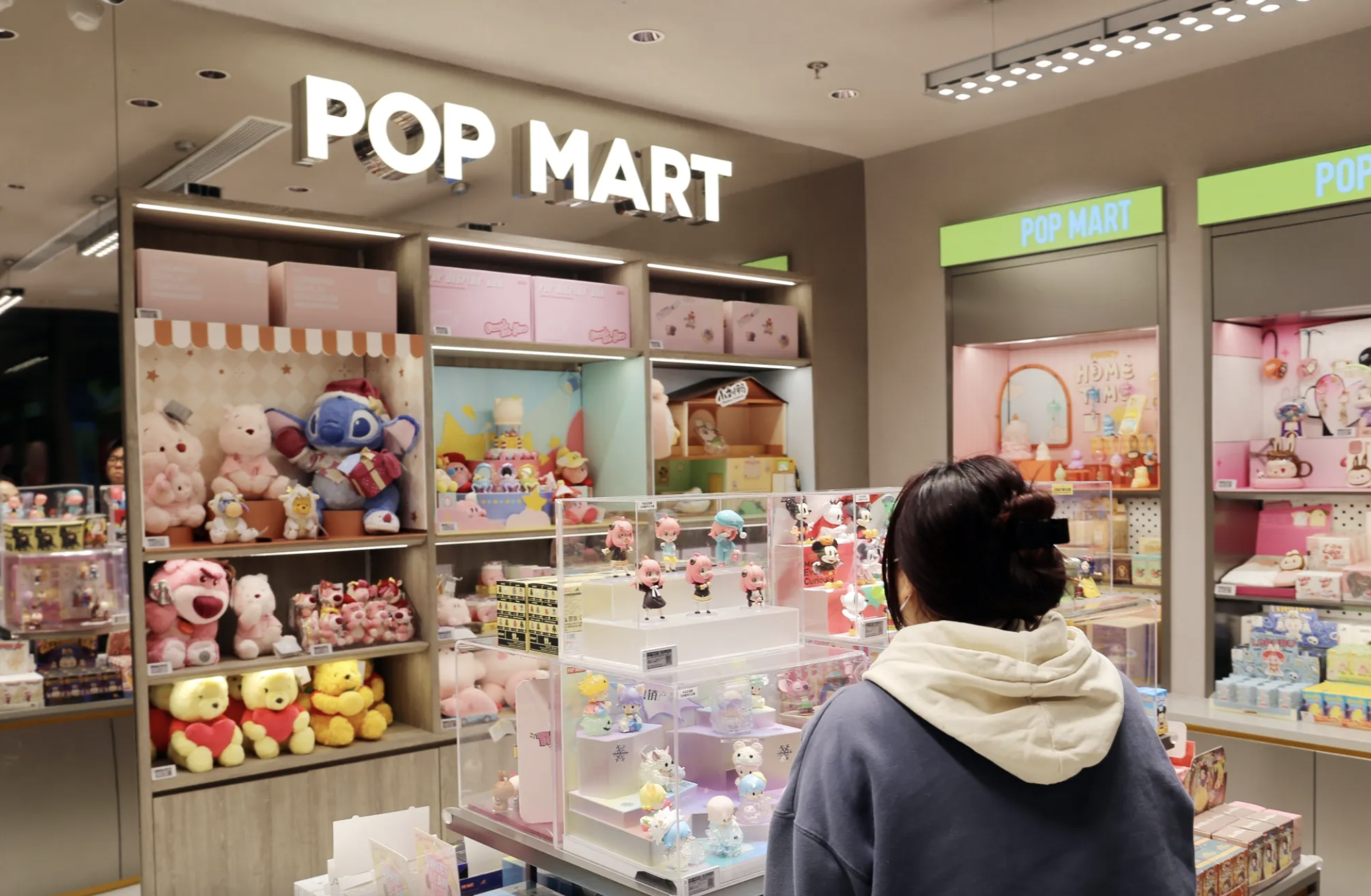
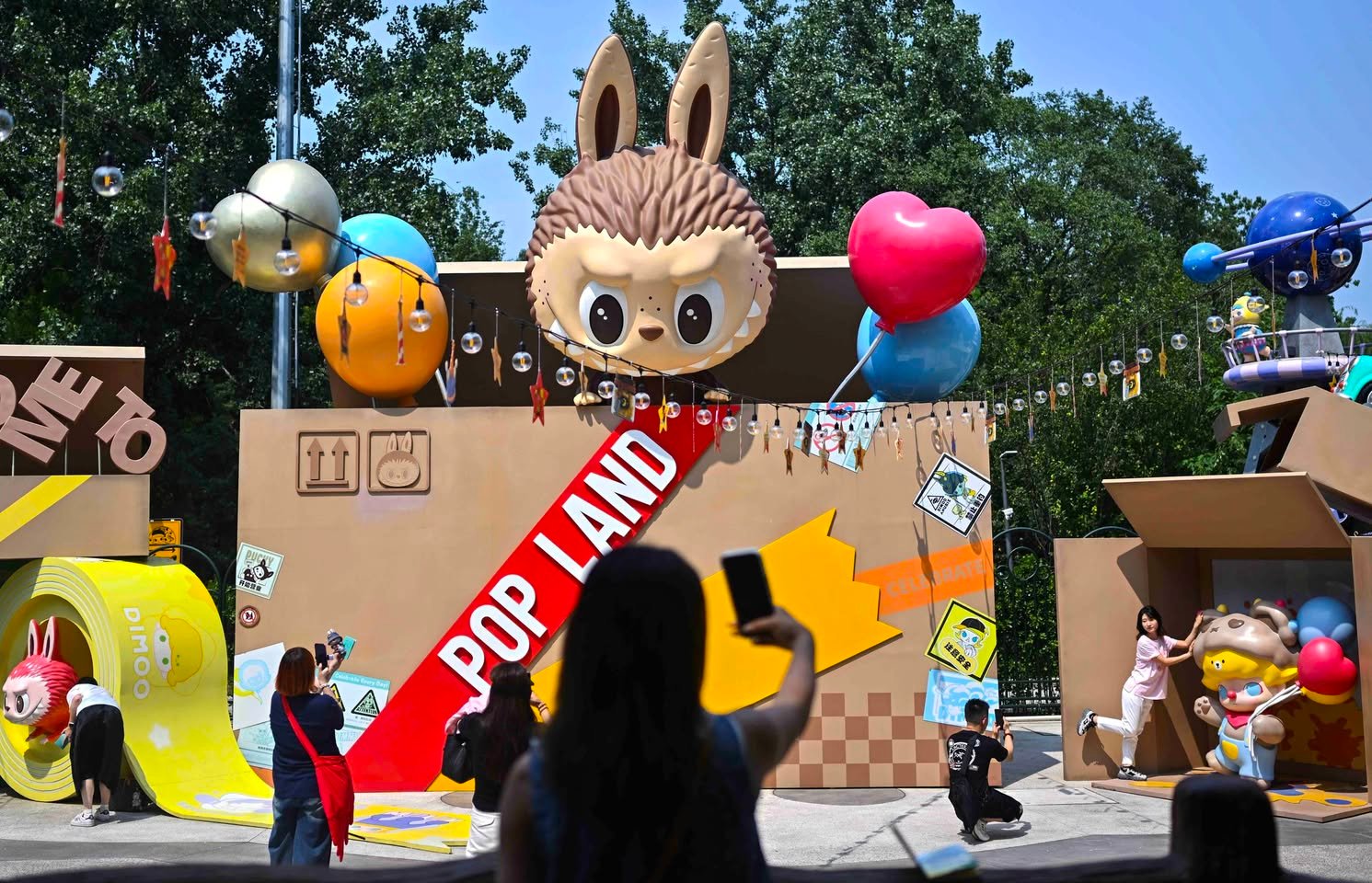
Walking into a POP MART store often feels closer to entering a gallery or sneaker boutique. The products are displayed almost like designer objects, with collectors chasing rare figures that can later appear on resale platforms for several times their original retail prices.
MINISO operates differently. Rather than building entirely new characters, it monetizes emotional familiarity that already exists. Consumers don’t need to learn who Hello Kitty or Stitch are before making a purchase. The connection is immediate, and often far more affordable. A shopper might enter MINISO without intending to buy anything, only to leave with a Sanrio tote bag, a Disney blind box, and a handful of inexpensive accessories tied to characters they already love.
Why Southeast Asia Has Become the Battleground
The brand’s approach to accessibility has helped MINISO scale rapidly across Southeast Asia. It now operates thousands of stores globally and has aggressively expanded across markets, including Malaysia, Thailand, Singapore, Indonesia, and the Philippines. MINISO LAND stores have also opened in cities across Asia and Europe, positioning the brand as more than simply a budget lifestyle retailer.
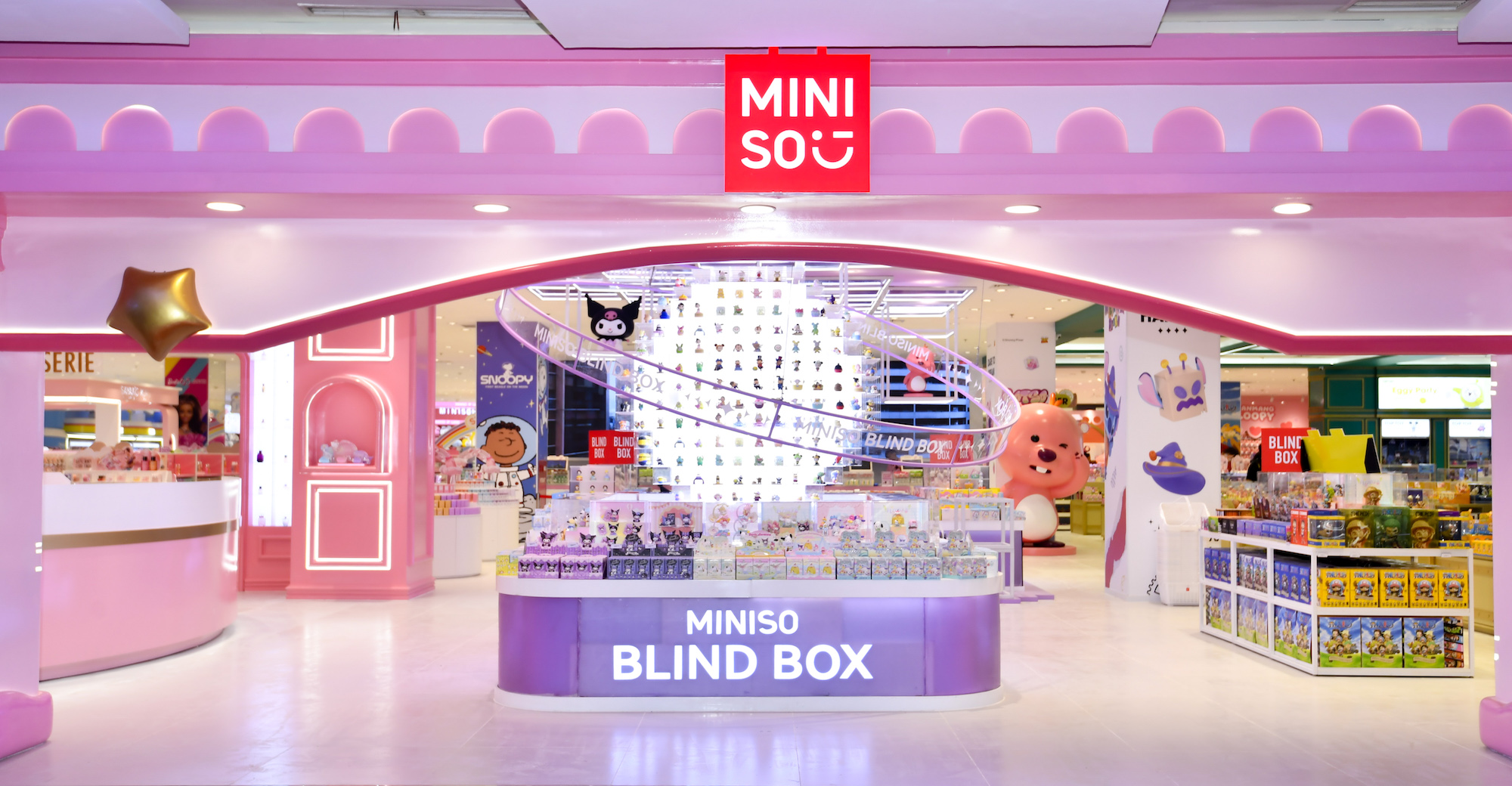
At the same time, both MINISO and POP MART increasingly overlap in how they market products. Blind boxes, once strongly associated with POP MART, now appear prominently throughout MINISO stores. Both companies rely heavily on impulse buying, collectible culture, and the dopamine rush of surprise purchases. Both also understand that modern retail needs to function as content and experience hubs. Their brightly lit stores, oversized installations, and photogenic layouts are designed as much for TikTok videos and Instagram stories as they are for shopping.
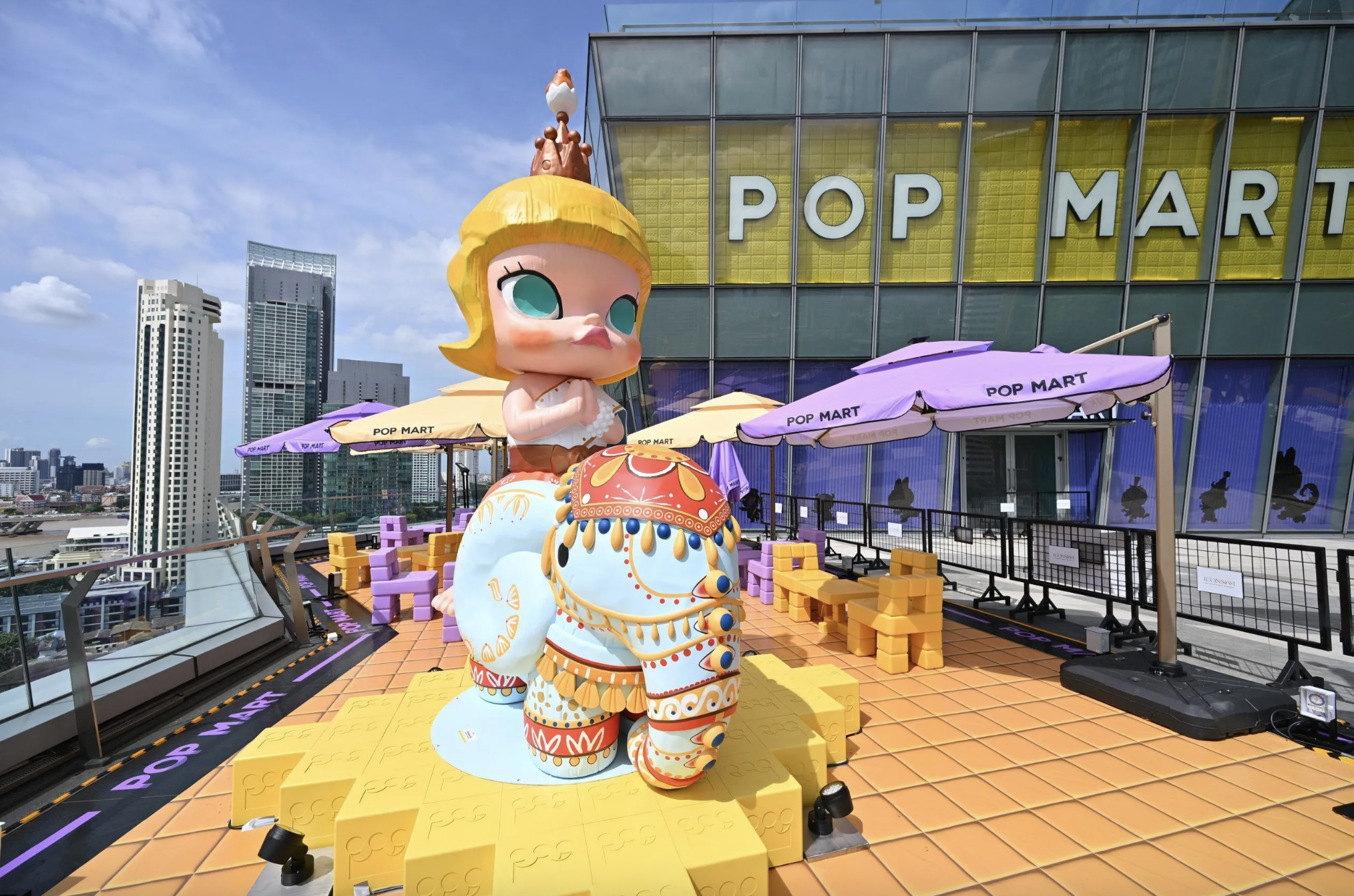
This battle is playing out especially intensely in Southeast Asia, where mall culture remains deeply embedded in urban life. In cities like Kuala Lumpur, Bangkok, Manila, and Jakarta, shopping malls are not simply retail spaces but social destinations where younger consumers spend entire afternoons eating, browsing, and filming content. That environment makes the region fertile ground for brands like MINISO and POP MART, which thrive on experience-driven retail. And in the most obvious sense, Southeast Asia has become especially lucrative terrain. One market estimate valued the region’s blind box market at roughly US 226 million in 2024, with projections expecting it to surpass US 500 million within the next decade.
Who Will Reign?
More broadly, the rise of companies like MINISO and POP MART also reflects how Chinese consumer brands are becoming increasingly influential beyond mainland China. Still, despite their similarities, the two brands ultimately represent different visions of consumer culture. POP MART sells exclusivity and discovery. MINISO sells familiarity and abundance. POP MART creates original worlds for collectors to immerse themselves in, while MINISO transforms existing pop culture fandoms into an endlessly rotating retail loop.
For MINISO and POP MART alike, the battle is no longer just about toys, and they know it. The greater—and perhaps most significant—prize is about who can better transform emotional attachment into an immersive consumer experience, and who can dominate the rapidly growing business of modern fandom.
Cover image via Chain Store Age.