
Feature image of Eating in China Be Like: Spend Money to Earn Money, Get Rewards for Waiting

Eating in China Be Like: Spend Money to Earn Money, Get Rewards for Waiting

2 mins read

2 mins read

Feature image of Eating in China Be Like: Spend Money to Earn Money, Get Rewards for Waiting
From prepaid memberships to queue rewards, chains across China are finding new ways to keep diners coming back — and make long waits feel a little less painful.

For many young diners in China, time is currency. Restaurants know it, and increasingly they’re building entire customer-retention strategies around that fact.

Two concepts have become particularly common at major chain restaurants: Chǔ Zhí Suǒ Kè (储值锁客, “stored value, locking customers”) and Pái Duì Yíng Xiāo (排队营销, “waiting marketing”). Together, they offer a glimpse into how China’s highly competitive restaurant industry is finding new ways to keep customers coming back.

The first strategy, Chǔ Zhí Suǒ Kè, revolves around prepaid membership accounts. Rather than offering traditional loyalty points, restaurants encourage customers to load money onto their accounts in exchange for immediate bonuses. Top up 500 RMB, for example, and the restaurant might add another 50 RMB in credit. The catch is simple: that money can only be spent within the brand’s ecosystem.
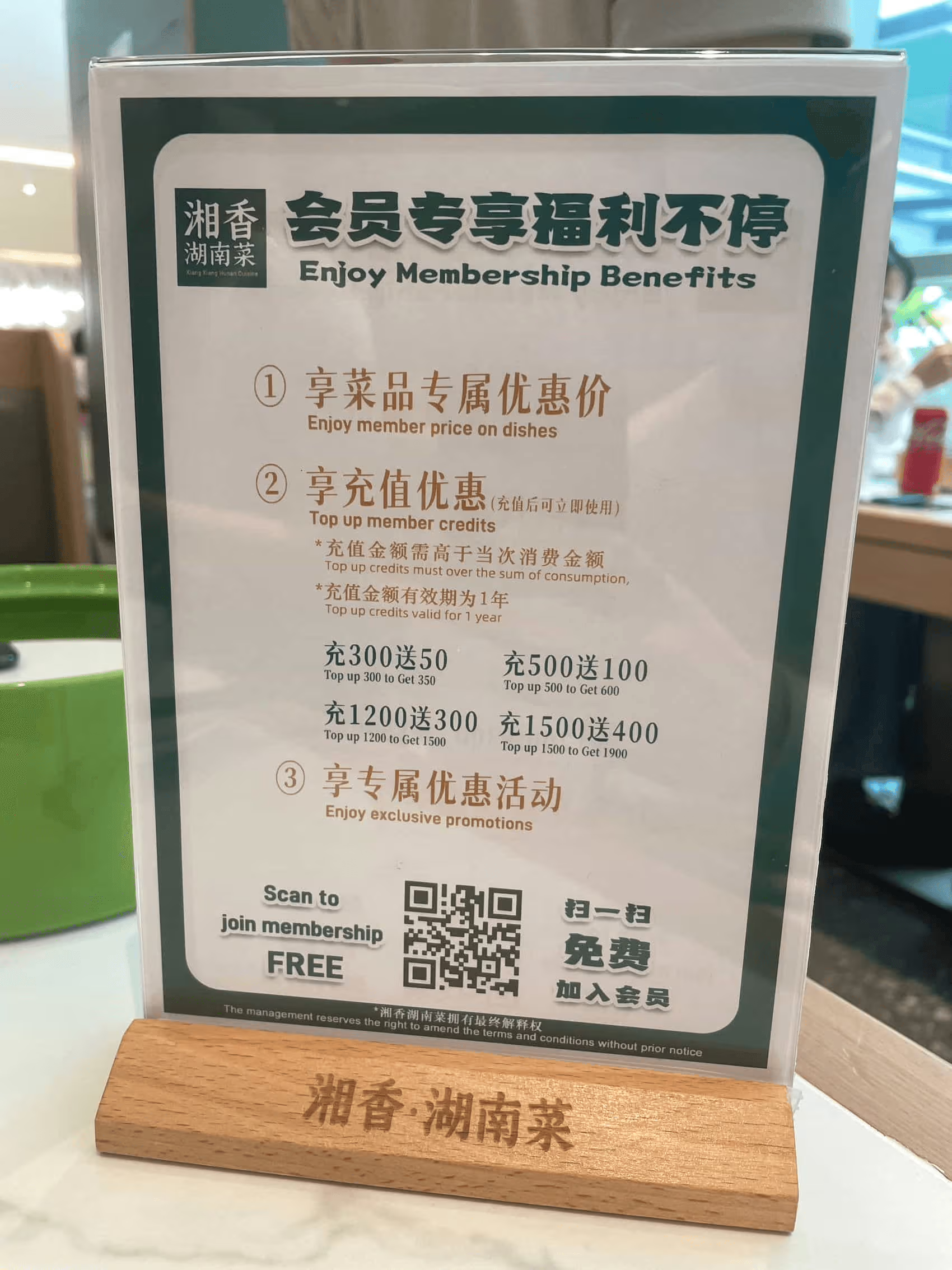
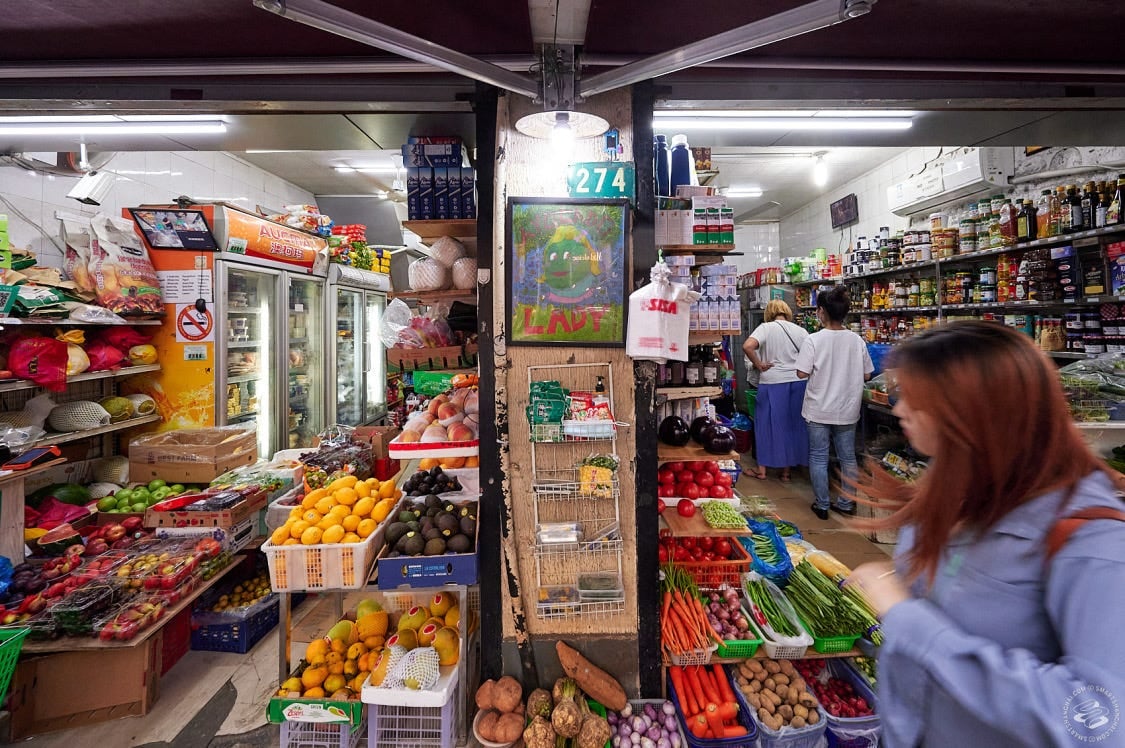
RADII talks about Chǔ Zhí Suǒ Kè and Pái Duì Yíng Xiāo new incentives for customer retention at restaurant chains in China.
Image via Oddle.

It’s hardly a new idea—gift cards and prepaid memberships have existed for decades—but Chinese restaurant chains have refined the model into something far more aggressive. The rewards are often substantial enough that customers feel they’re leaving money on the table if they don’t participate. In return, restaurants secure future spending before diners have even ordered their next meal.

Then there’s Pái Duì Yíng Xiāo, a response to another reality of urban dining: long waits.

Rather than treating queues as an unavoidable inconvenience, some restaurants have turned them into part of the experience. Customers waiting for a table may receive complimentary drinks, snacks, desserts, merch, or discount vouchers depending on how long they’ve been standing in line. The longer the wait, the better the reward.
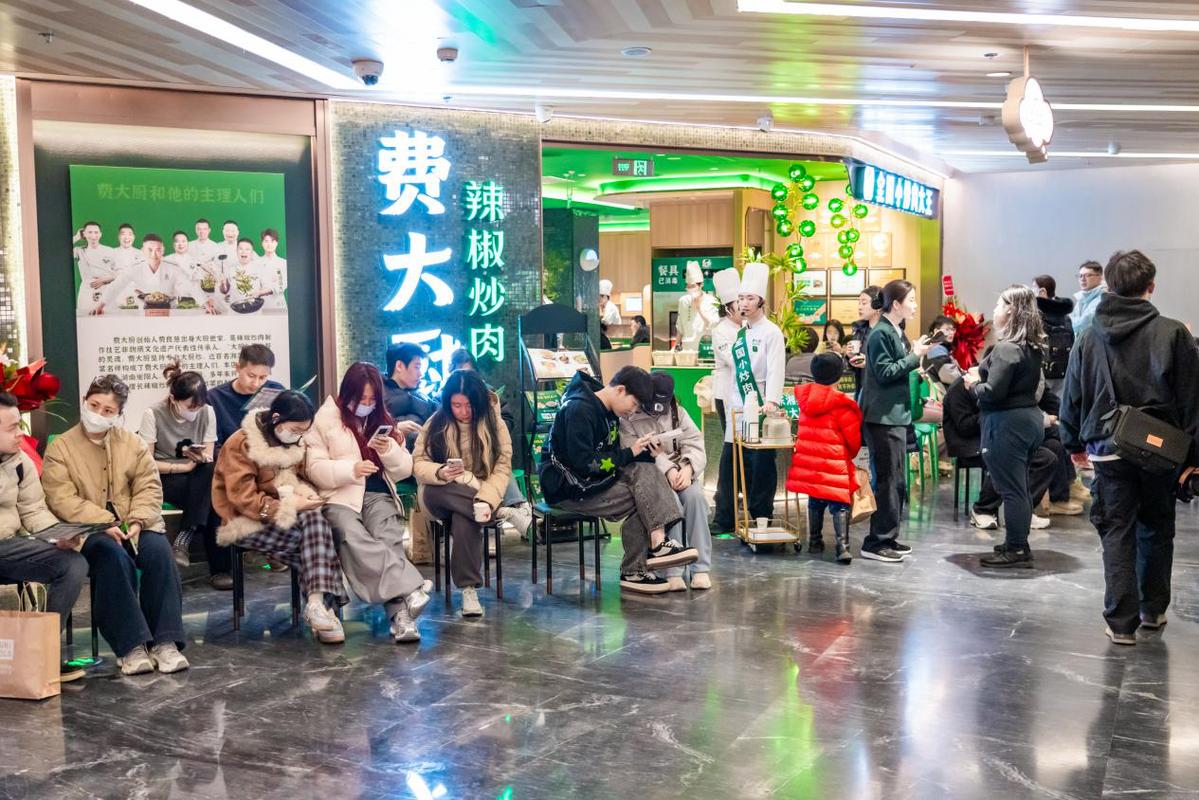
RADII talks about Chǔ Zhí Suǒ Kè and Pái Duì Yíng Xiāo new incentives for customer retention at restaurant chains in China.
Image via China Daily.

The result is a subtle shift in psychology. A packed restaurant no longer signals frustration alone when it also creates the possibility of a small payoff. In some cases, diners find themselves calculating whether an extra 20 minutes might be worth sticking around for the next reward tier.

None of this eliminates the inconvenience of waiting, of course. But it does help explain why some of China‘s busiest restaurant chains continue to attract crowds despite notoriously long queues.

More broadly, these strategies reflect a wider trend in Chinese consumer culture, where businesses increasingly compete not only on price or product quality, but on the feeling of getting a good deal. Whether through prepaid credits, queue rewards, or app-based promotions, the goal is the same: make customers feel like they’re gaining something extra.

The food still matters, but for many diners, the experience now extends well beyond what’s on the table. And if you’d like to be rewarded by waiting around a tad longer on this subject, watch Sharlyn Seet’s video below to get another great explainer on Chǔ Zhí Suǒ Kè and Pái Duì Yíng Xiāo.

Cover image via China Daily.

NEWSLETTER

Get weekly top picks and exclusive, newsletter only content delivered straight to you inbox.

NEWSLETTER

Get weekly top picks and exclusive, newsletter only content delivered straight to you inbox.

RADII NEWSLETTER

Get weekly top picks and exclusive, newsletter only content delivered straight to you inbox

Feature image of Eating in China Be Like: Spend Money to Earn Money, Get Rewards for Waiting

Eating in China Be Like: Spend Money to Earn Money, Get Rewards for Waiting

2 mins read

From prepaid memberships to queue rewards, chains across China are finding new ways to keep diners coming back — and make long waits feel a little less painful.

For many young diners in China, time is currency. Restaurants know it, and increasingly they’re building entire customer-retention strategies around that fact.

Two concepts have become particularly common at major chain restaurants: Chǔ Zhí Suǒ Kè (储值锁客, “stored value, locking customers”) and Pái Duì Yíng Xiāo (排队营销, “waiting marketing”). Together, they offer a glimpse into how China’s highly competitive restaurant industry is finding new ways to keep customers coming back.

The first strategy, Chǔ Zhí Suǒ Kè, revolves around prepaid membership accounts. Rather than offering traditional loyalty points, restaurants encourage customers to load money onto their accounts in exchange for immediate bonuses. Top up 500 RMB, for example, and the restaurant might add another 50 RMB in credit. The catch is simple: that money can only be spent within the brand’s ecosystem.

RADII talks about Chǔ Zhí Suǒ Kè and Pái Duì Yíng Xiāo new incentives for customer retention at restaurant chains in China.
Image via Oddle.

It’s hardly a new idea—gift cards and prepaid memberships have existed for decades—but Chinese restaurant chains have refined the model into something far more aggressive. The rewards are often substantial enough that customers feel they’re leaving money on the table if they don’t participate. In return, restaurants secure future spending before diners have even ordered their next meal.

Then there’s Pái Duì Yíng Xiāo, a response to another reality of urban dining: long waits.

Rather than treating queues as an unavoidable inconvenience, some restaurants have turned them into part of the experience. Customers waiting for a table may receive complimentary drinks, snacks, desserts, merch, or discount vouchers depending on how long they’ve been standing in line. The longer the wait, the better the reward.

RADII talks about Chǔ Zhí Suǒ Kè and Pái Duì Yíng Xiāo new incentives for customer retention at restaurant chains in China.
Image via China Daily.

The result is a subtle shift in psychology. A packed restaurant no longer signals frustration alone when it also creates the possibility of a small payoff. In some cases, diners find themselves calculating whether an extra 20 minutes might be worth sticking around for the next reward tier.

None of this eliminates the inconvenience of waiting, of course. But it does help explain why some of China‘s busiest restaurant chains continue to attract crowds despite notoriously long queues.

More broadly, these strategies reflect a wider trend in Chinese consumer culture, where businesses increasingly compete not only on price or product quality, but on the feeling of getting a good deal. Whether through prepaid credits, queue rewards, or app-based promotions, the goal is the same: make customers feel like they’re gaining something extra.

The food still matters, but for many diners, the experience now extends well beyond what’s on the table. And if you’d like to be rewarded by waiting around a tad longer on this subject, watch Sharlyn Seet’s video below to get another great explainer on Chǔ Zhí Suǒ Kè and Pái Duì Yíng Xiāo.

Cover image via China Daily.
NEWSLETTER

Get weekly top picks and exclusive, newsletter only content delivered straight to you inbox.

RADII NEWSLETTER

Get weekly top picks and exclusive, newsletter only content delivered straight to you inbox

RELATED POSTS

Feature image of Eating in China Be Like: Spend Money to Earn Money, Get Rewards for Waiting

Eating in China Be Like: Spend Money to Earn Money, Get Rewards for Waiting

2 mins read

2 mins read

Feature image of Eating in China Be Like: Spend Money to Earn Money, Get Rewards for Waiting
From prepaid memberships to queue rewards, chains across China are finding new ways to keep diners coming back — and make long waits feel a little less painful.

For many young diners in China, time is currency. Restaurants know it, and increasingly they’re building entire customer-retention strategies around that fact.

Two concepts have become particularly common at major chain restaurants: Chǔ Zhí Suǒ Kè (储值锁客, “stored value, locking customers”) and Pái Duì Yíng Xiāo (排队营销, “waiting marketing”). Together, they offer a glimpse into how China’s highly competitive restaurant industry is finding new ways to keep customers coming back.

The first strategy, Chǔ Zhí Suǒ Kè, revolves around prepaid membership accounts. Rather than offering traditional loyalty points, restaurants encourage customers to load money onto their accounts in exchange for immediate bonuses. Top up 500 RMB, for example, and the restaurant might add another 50 RMB in credit. The catch is simple: that money can only be spent within the brand’s ecosystem.

RADII talks about Chǔ Zhí Suǒ Kè and Pái Duì Yíng Xiāo new incentives for customer retention at restaurant chains in China.
Image via Oddle.

It’s hardly a new idea—gift cards and prepaid memberships have existed for decades—but Chinese restaurant chains have refined the model into something far more aggressive. The rewards are often substantial enough that customers feel they’re leaving money on the table if they don’t participate. In return, restaurants secure future spending before diners have even ordered their next meal.

Then there’s Pái Duì Yíng Xiāo, a response to another reality of urban dining: long waits.

Rather than treating queues as an unavoidable inconvenience, some restaurants have turned them into part of the experience. Customers waiting for a table may receive complimentary drinks, snacks, desserts, merch, or discount vouchers depending on how long they’ve been standing in line. The longer the wait, the better the reward.

RADII talks about Chǔ Zhí Suǒ Kè and Pái Duì Yíng Xiāo new incentives for customer retention at restaurant chains in China.
Image via China Daily.

The result is a subtle shift in psychology. A packed restaurant no longer signals frustration alone when it also creates the possibility of a small payoff. In some cases, diners find themselves calculating whether an extra 20 minutes might be worth sticking around for the next reward tier.

None of this eliminates the inconvenience of waiting, of course. But it does help explain why some of China‘s busiest restaurant chains continue to attract crowds despite notoriously long queues.

More broadly, these strategies reflect a wider trend in Chinese consumer culture, where businesses increasingly compete not only on price or product quality, but on the feeling of getting a good deal. Whether through prepaid credits, queue rewards, or app-based promotions, the goal is the same: make customers feel like they’re gaining something extra.

The food still matters, but for many diners, the experience now extends well beyond what’s on the table. And if you’d like to be rewarded by waiting around a tad longer on this subject, watch Sharlyn Seet’s video below to get another great explainer on Chǔ Zhí Suǒ Kè and Pái Duì Yíng Xiāo.

Cover image via China Daily.
NEWSLETTER

Get weekly top picks and exclusive, newsletter only content delivered straight to you inbox.

NEWSLETTER

Get weekly top picks and exclusive, newsletter only content delivered straight to you inbox.

RADII NEWSLETTER

Get weekly top picks and exclusive, newsletter only content delivered straight to you inbox

Feature image of Eating in China Be Like: Spend Money to Earn Money, Get Rewards for Waiting

Eating in China Be Like: Spend Money to Earn Money, Get Rewards for Waiting

2 mins read

From prepaid memberships to queue rewards, chains across China are finding new ways to keep diners coming back — and make long waits feel a little less painful.

For many young diners in China, time is currency. Restaurants know it, and increasingly they’re building entire customer-retention strategies around that fact.

Two concepts have become particularly common at major chain restaurants: Chǔ Zhí Suǒ Kè (储值锁客, “stored value, locking customers”) and Pái Duì Yíng Xiāo (排队营销, “waiting marketing”). Together, they offer a glimpse into how China’s highly competitive restaurant industry is finding new ways to keep customers coming back.

The first strategy, Chǔ Zhí Suǒ Kè, revolves around prepaid membership accounts. Rather than offering traditional loyalty points, restaurants encourage customers to load money onto their accounts in exchange for immediate bonuses. Top up 500 RMB, for example, and the restaurant might add another 50 RMB in credit. The catch is simple: that money can only be spent within the brand’s ecosystem.

RADII talks about Chǔ Zhí Suǒ Kè and Pái Duì Yíng Xiāo new incentives for customer retention at restaurant chains in China.
Image via Oddle.

It’s hardly a new idea—gift cards and prepaid memberships have existed for decades—but Chinese restaurant chains have refined the model into something far more aggressive. The rewards are often substantial enough that customers feel they’re leaving money on the table if they don’t participate. In return, restaurants secure future spending before diners have even ordered their next meal.

Then there’s Pái Duì Yíng Xiāo, a response to another reality of urban dining: long waits.

Rather than treating queues as an unavoidable inconvenience, some restaurants have turned them into part of the experience. Customers waiting for a table may receive complimentary drinks, snacks, desserts, merch, or discount vouchers depending on how long they’ve been standing in line. The longer the wait, the better the reward.

RADII talks about Chǔ Zhí Suǒ Kè and Pái Duì Yíng Xiāo new incentives for customer retention at restaurant chains in China.
Image via China Daily.

The result is a subtle shift in psychology. A packed restaurant no longer signals frustration alone when it also creates the possibility of a small payoff. In some cases, diners find themselves calculating whether an extra 20 minutes might be worth sticking around for the next reward tier.

None of this eliminates the inconvenience of waiting, of course. But it does help explain why some of China‘s busiest restaurant chains continue to attract crowds despite notoriously long queues.

More broadly, these strategies reflect a wider trend in Chinese consumer culture, where businesses increasingly compete not only on price or product quality, but on the feeling of getting a good deal. Whether through prepaid credits, queue rewards, or app-based promotions, the goal is the same: make customers feel like they’re gaining something extra.

The food still matters, but for many diners, the experience now extends well beyond what’s on the table. And if you’d like to be rewarded by waiting around a tad longer on this subject, watch Sharlyn Seet’s video below to get another great explainer on Chǔ Zhí Suǒ Kè and Pái Duì Yíng Xiāo.

Cover image via China Daily.

NEWSLETTER

Get weekly top picks and exclusive, newsletter only content delivered straight to you inbox.

RADII NEWSLETTER

Get weekly top picks and exclusive, newsletter only content delivered straight to you inbox

RADII newsletter pop up visual

NEWSLETTER​

Get weekly top picks and exclusive, newsletter only content delivered straight to you inbox

RADII Newsletter Pop Up small banner

NEWSLETTER

Get weekly top picks and exclusive, newsletter only content delivered straight to you inbox.

Link Copied!

Share

Feature image of Eating in China Be Like: Spend Money to Earn Money, Get Rewards for Waiting

Eating in China Be Like: Spend Money to Earn Money, Get Rewards for Waiting

From prepaid memberships to queue rewards, chains across China are finding new ways to keep diners coming back — and make long waits feel a little less painful.

PULSE

Tap into the latest in music, fashion, art, design, entertainment, pop culture, celebrity news, and contemporary culture

DISCOVER

Embark on a journey through food, travel, wellness, heritage, traditional culture, and lifestyle

STYLE

An insider’s look at the intersection of fashion, art, and design

FEAST

Titillate your taste buds with coverage of the best food and drink trends from China and beyond.

FUTURE

Explore the cutting edge in tech, AI, gadgets, gaming, and innovative tech-related products

FEAST

Titillate your taste buds with coverage of the best food and drink trends from China and beyond

STYLE

An insider’s look at the intersection of fashion, art, and design

PULSE

Unpacking Chinese youth culture through coverage of nightlife, film, sports, celebrities, and the hottest new music