After Givenchy’s three-day breakfast pop-up wrapped in Shanghai last month, there was a bit of a joke that made the rounds. Fan Chengcheng—the actor and singer whose face was literally splashed across the campaign’s main rollout, who was photographed on branded soy milk cups and youtiao (油条, fried dough sticks)—never even showed up to the event. Netizens echoed the same message: “He didn’t come, but his breakfast did.”
It’s just one of the misses of this campaign, but it highlights the underlying fragility of its structure.
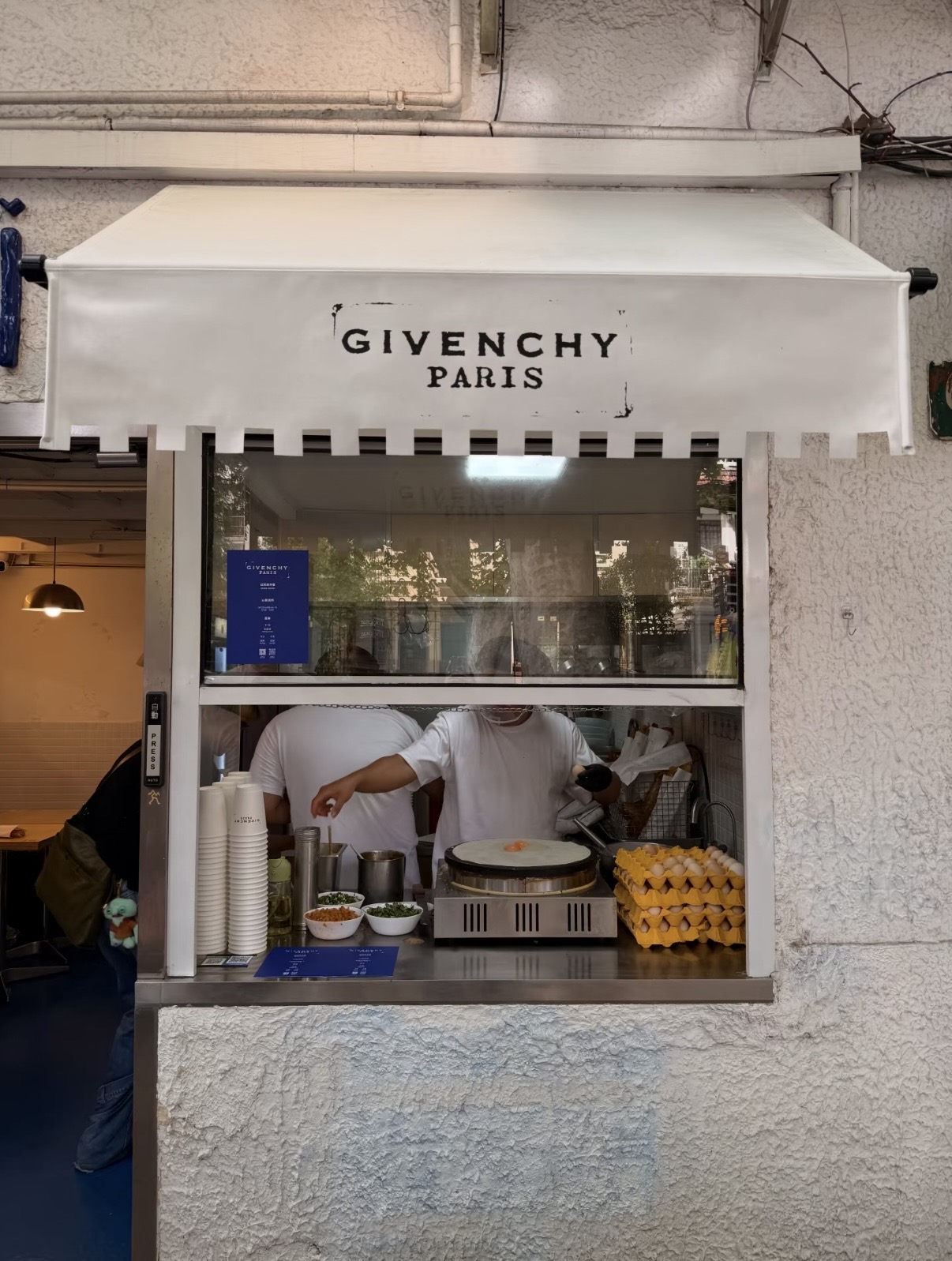
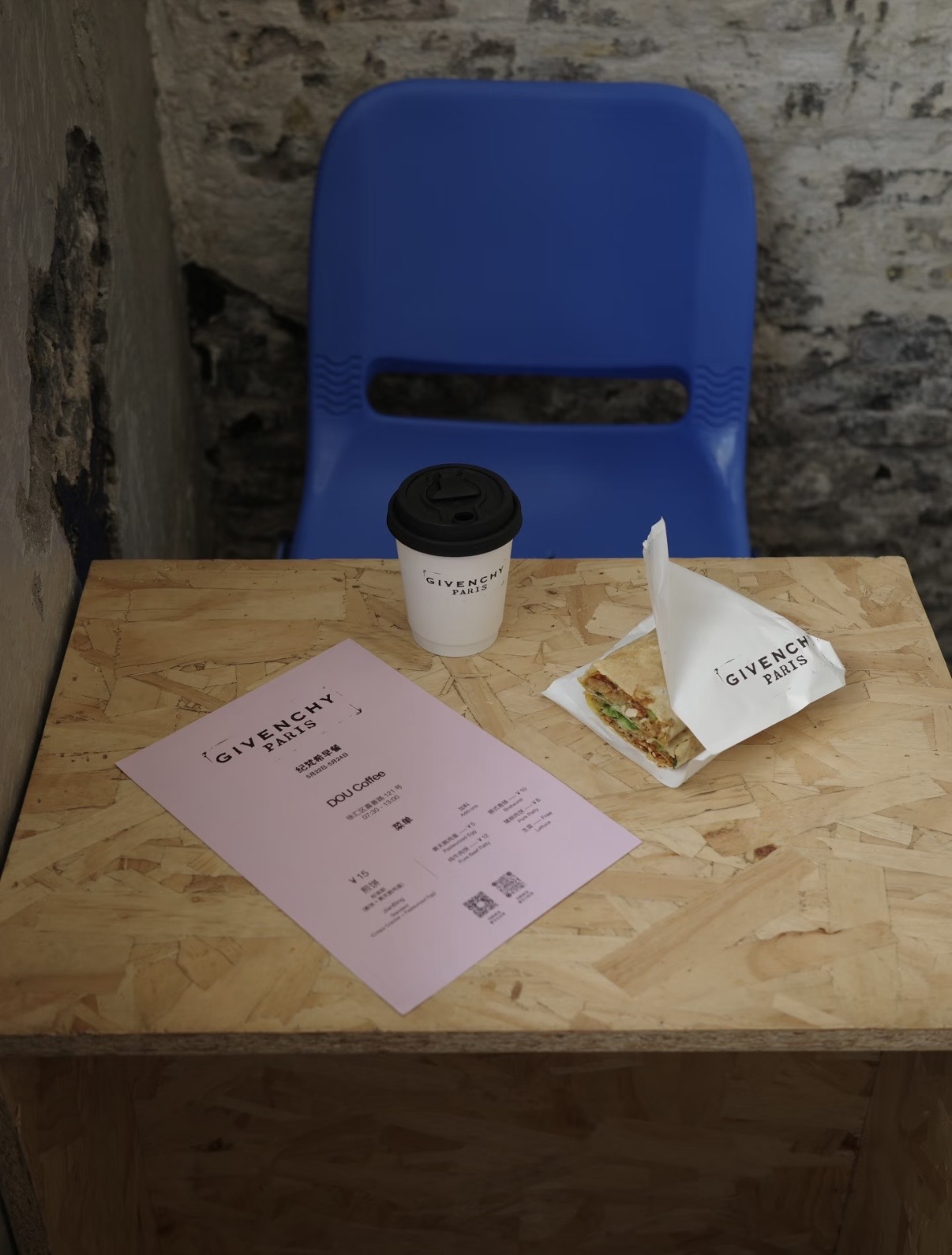
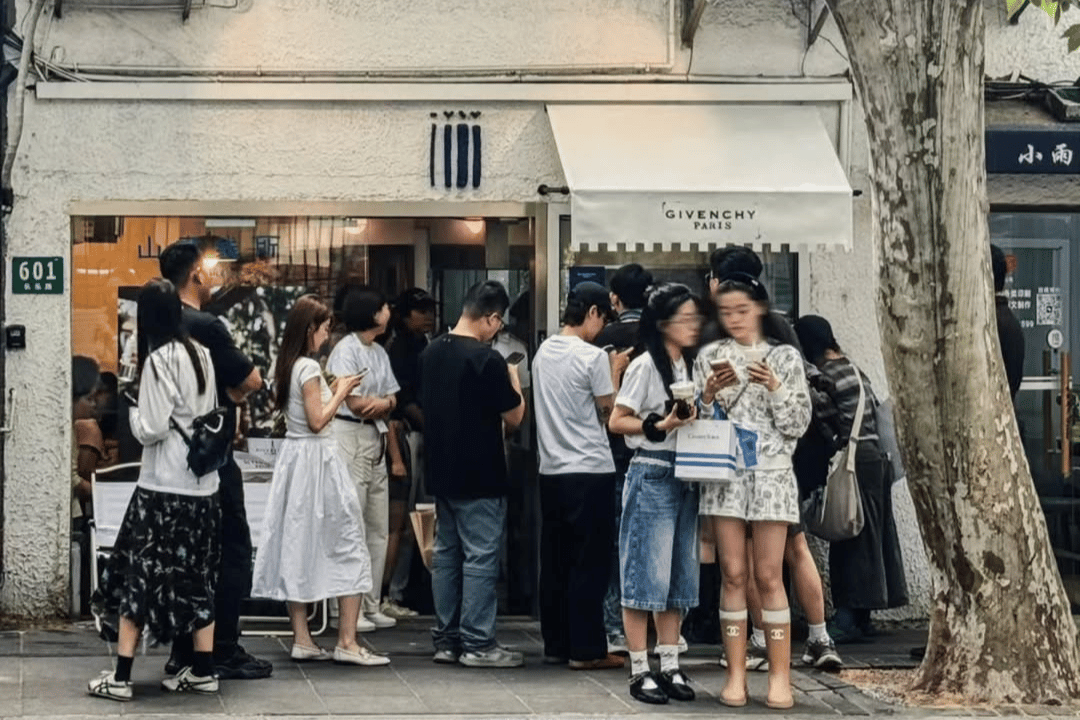
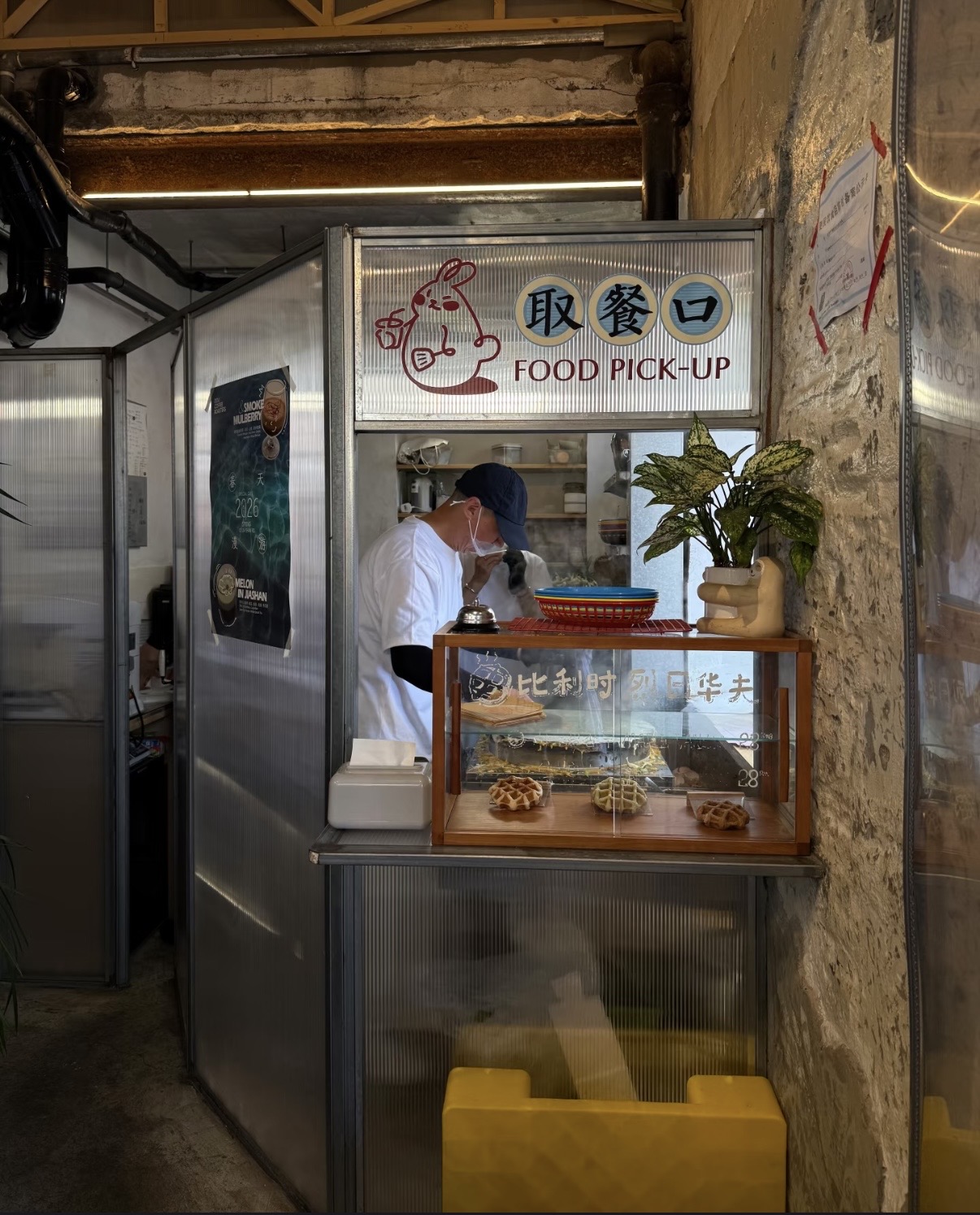
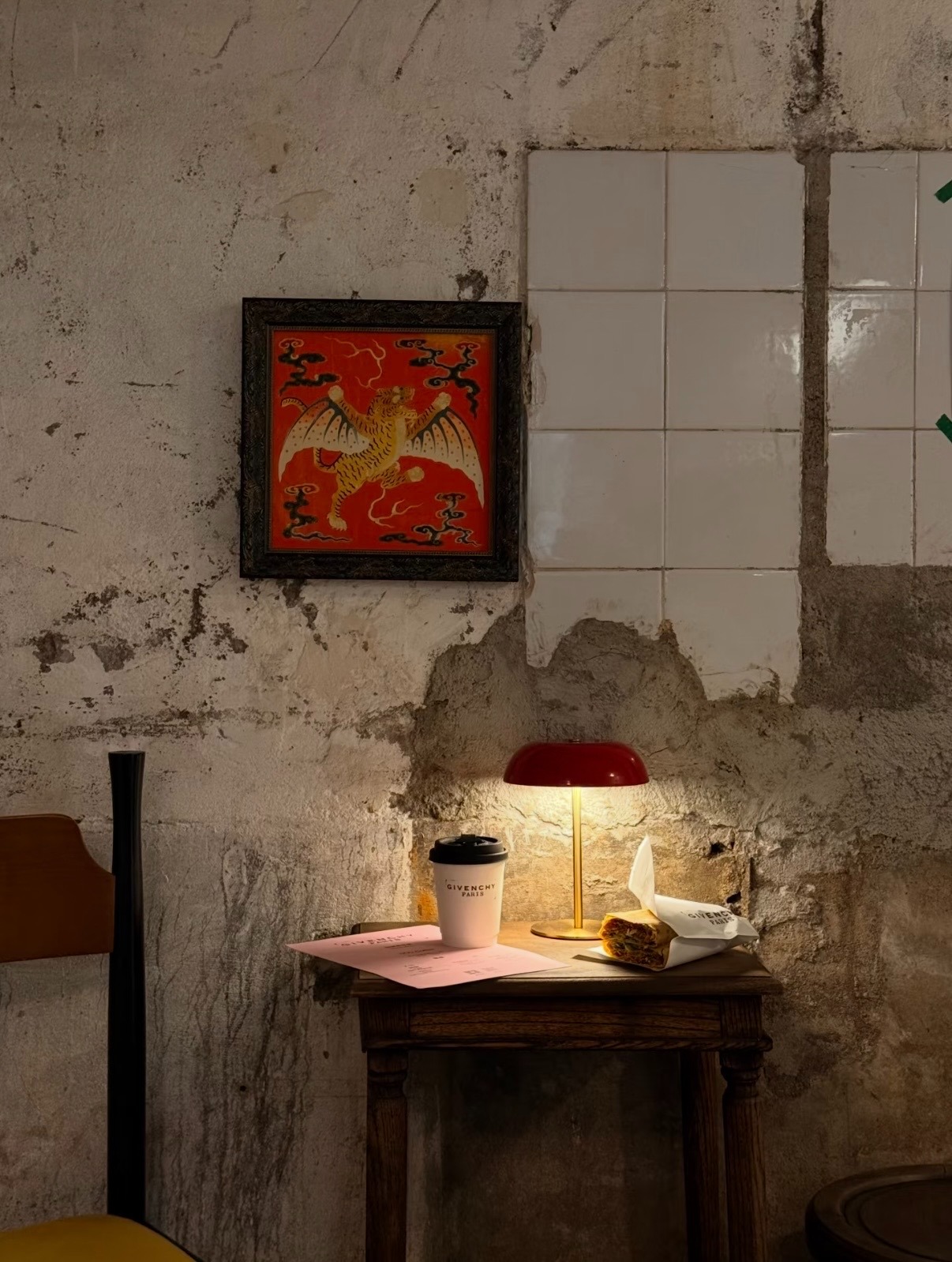
Between May 22 and 24, the brand took over three Shanghainese breakfast spots and one nightclub across the city, serving up the classics: youtiao, soy milk, sticky rice wraps, and crispy pancakes alongside xiaolongbao and egg pancakes, all wrapped up in the Givenchy logo. Prices ran from 3 RMB (around 0.41 USD) to 38 RMB (5.25 USD) for the full combo. The main venue was open from 10 PM to 5 AM, which many joked was just “breakfast for young people,” since it appeared to be more of an after-clubbing snack.
On the surface, everything seemed to go to plan: there were long queues, a healthy amount of social media buzz, and Givenchy was in the press. Some on Xiaohongshu were genuinely excited. One wrote: “I can finally afford Givenchy.”
But the concept behind the pop-up—”Breakfast at Givenchy”—was built around a reference that flew right over the heads of most attendees. The campaign was intended as a nod to Breakfast at Tiffany’s, the 1961 film in which Audrey Hepburn famously wore a Givenchy gown. In Paris or New York, that nod might have landed neatly. However, in China, the film doesn’t carry the same cultural significance. I mean, aside from Wong Kar-wai films, could most Westerners name even one or two prominent Chinese flicks?
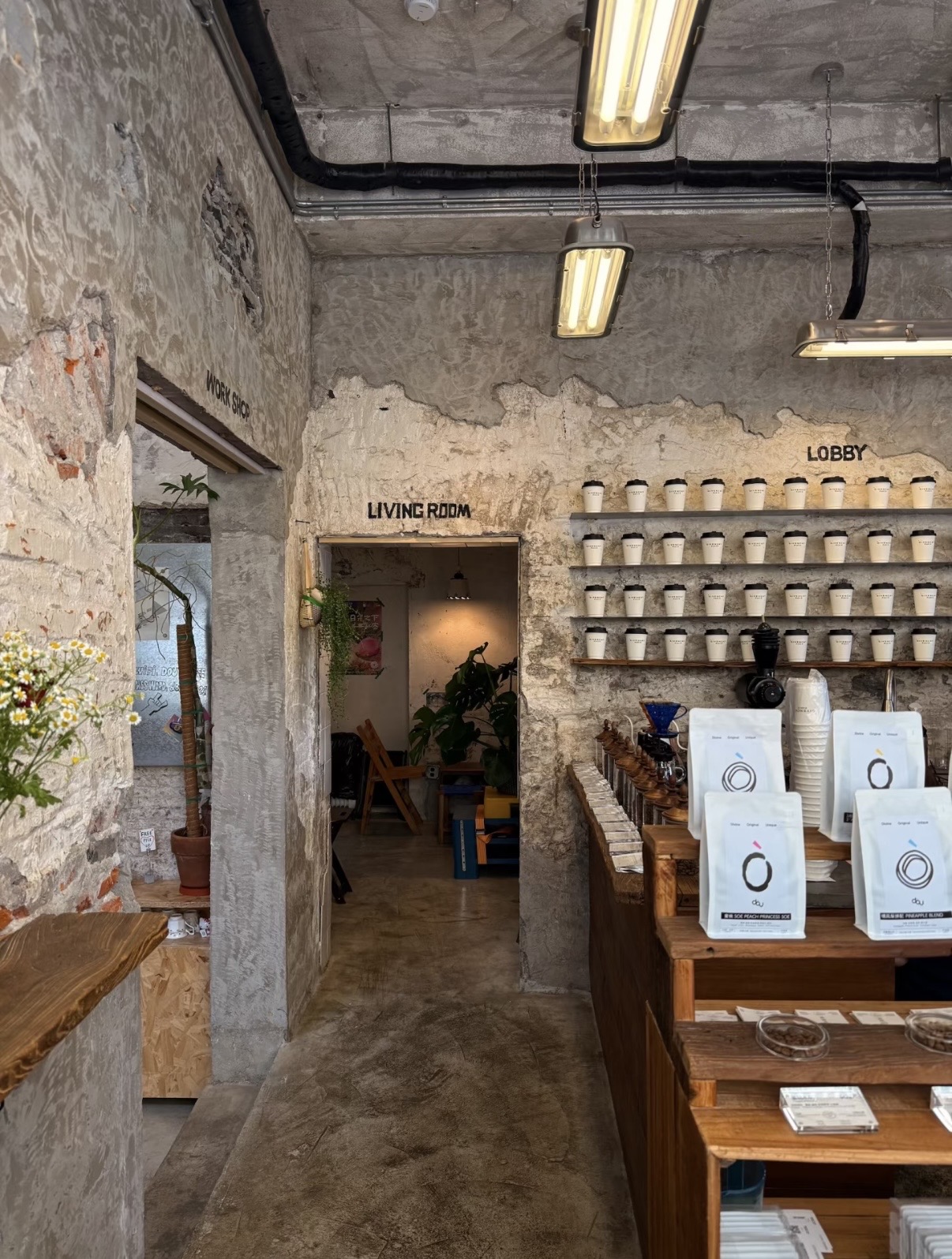
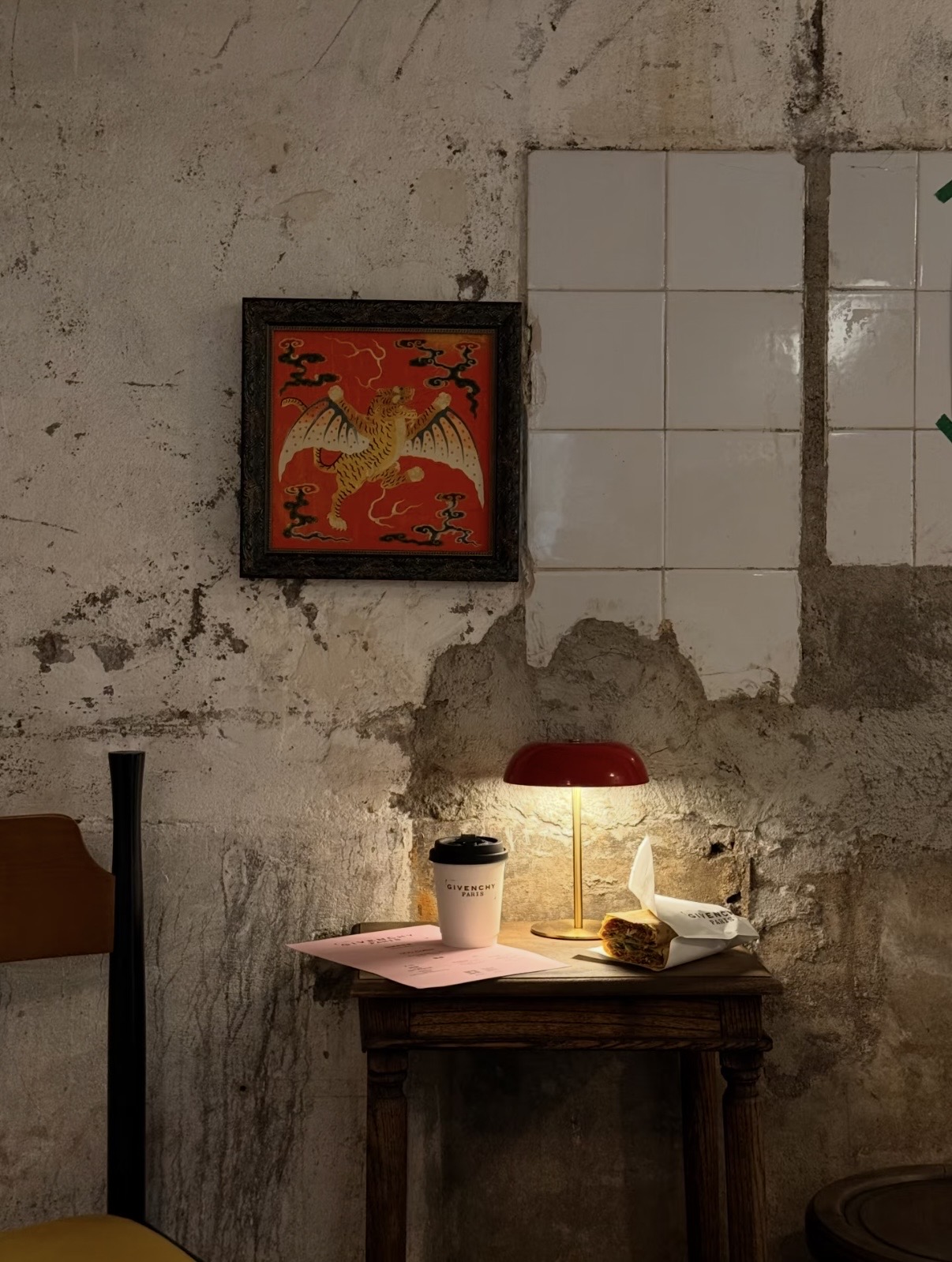
The gap between the initial concept and what was delivered was wide enough that critics dogpiled. “Marketing people are so full of themselves,” food critic Mozhijie wrote on Xiaohongshu. Shanghai-based creative director Alex Slavycz was more direct on Instagram: “Slapping your logo on dumplings is not cultural relevance. European and American brands are so lost.” It’s harsh criticism, but it may not be too far from the truth.
That’s a harder landing than Givenchy probably anticipated — especially given that the pop-up wasn’t offensive, just weak. It’s another classic example of a brand reaching for local culture without doing the work to actually understand it. Real localization takes effort, and people in China and abroad have begun to feel the fatigue.
The contrast with how some other brands have approached the market is quite stark. Take this recent example: Within weeks of the Givenchy pop-up, Nike‘s Brick After Brick event in Shanghai showed what it looks like when a brand really rolls up its sleeves. Built in collaboration with local creative agency Ugly, the campaign beautifully merged BMX culture and traditional Chinese medicine without forcing it. The difference between Nike and the typical Western brand’s pop-up in China came down to one crucial thing: finding collaborators who come from the inside. Not to mention how much untapped talent exists in a city like Shanghai.
So, Givenchy’s breakfast pop-up wasn’t by any means a disaster. There were healthy queues, the prices weren’t ridiculous, and for many in Shanghai, it was a fun novelty. But novelty fades fast, and the city tends to remember how it was treated by outsiders—whether it’s as just another option for market expansion or a real priority.
Cover image via Instagram/Chinainsider.