
Feature image of The Zongzi Battle is No Longer Just Sweet VS Savory

The Zongzi Battle is No Longer Just Sweet VS Savory

2 mins read

2 mins read

Feature image of The Zongzi Battle is No Longer Just Sweet VS Savory
Every year, the same debate erupts across the internet when Dragon Boat Festival rolls around. But instead of the classic "Sweet VS Savory," a new debate of "Old VS New" is emerging.

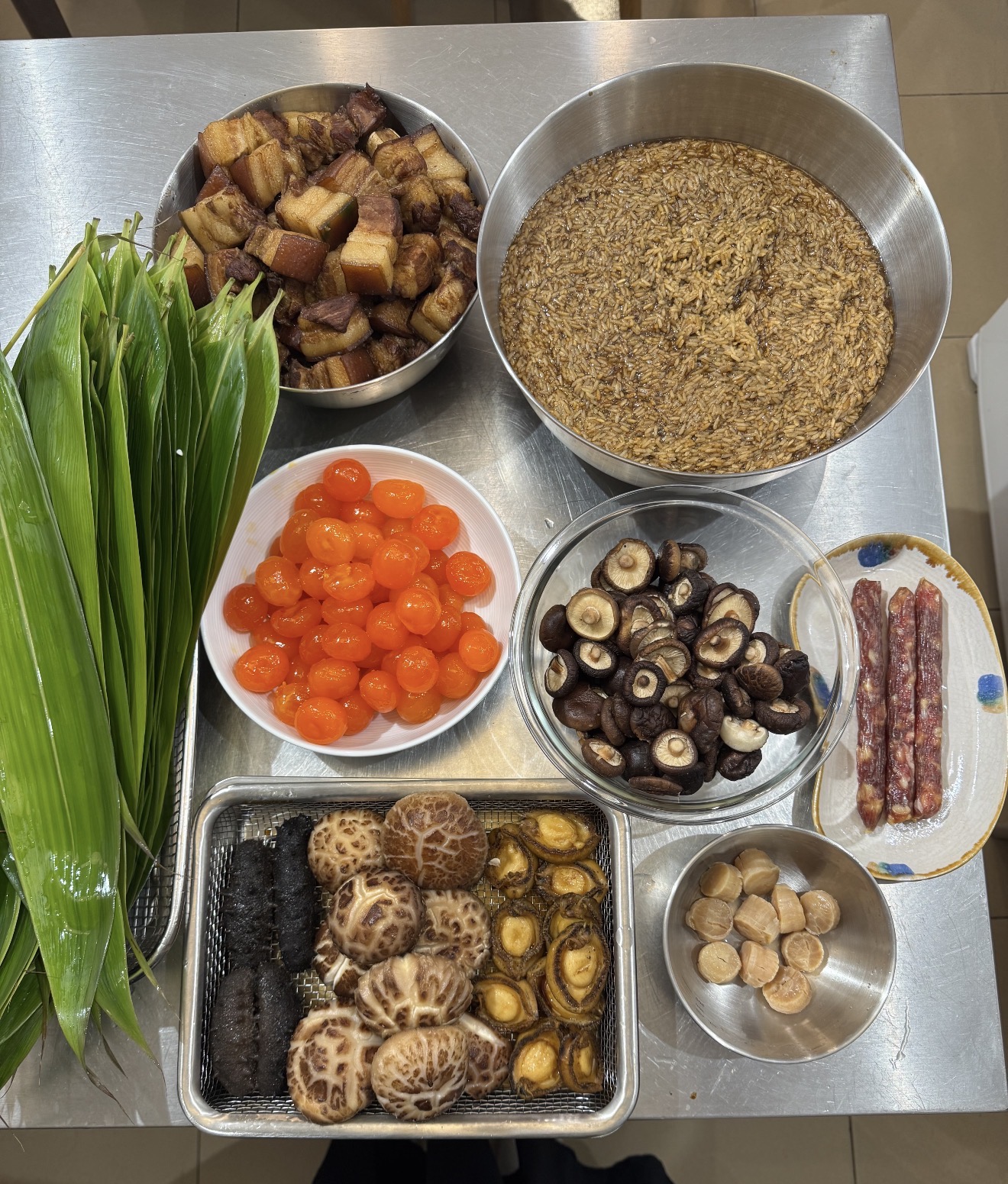
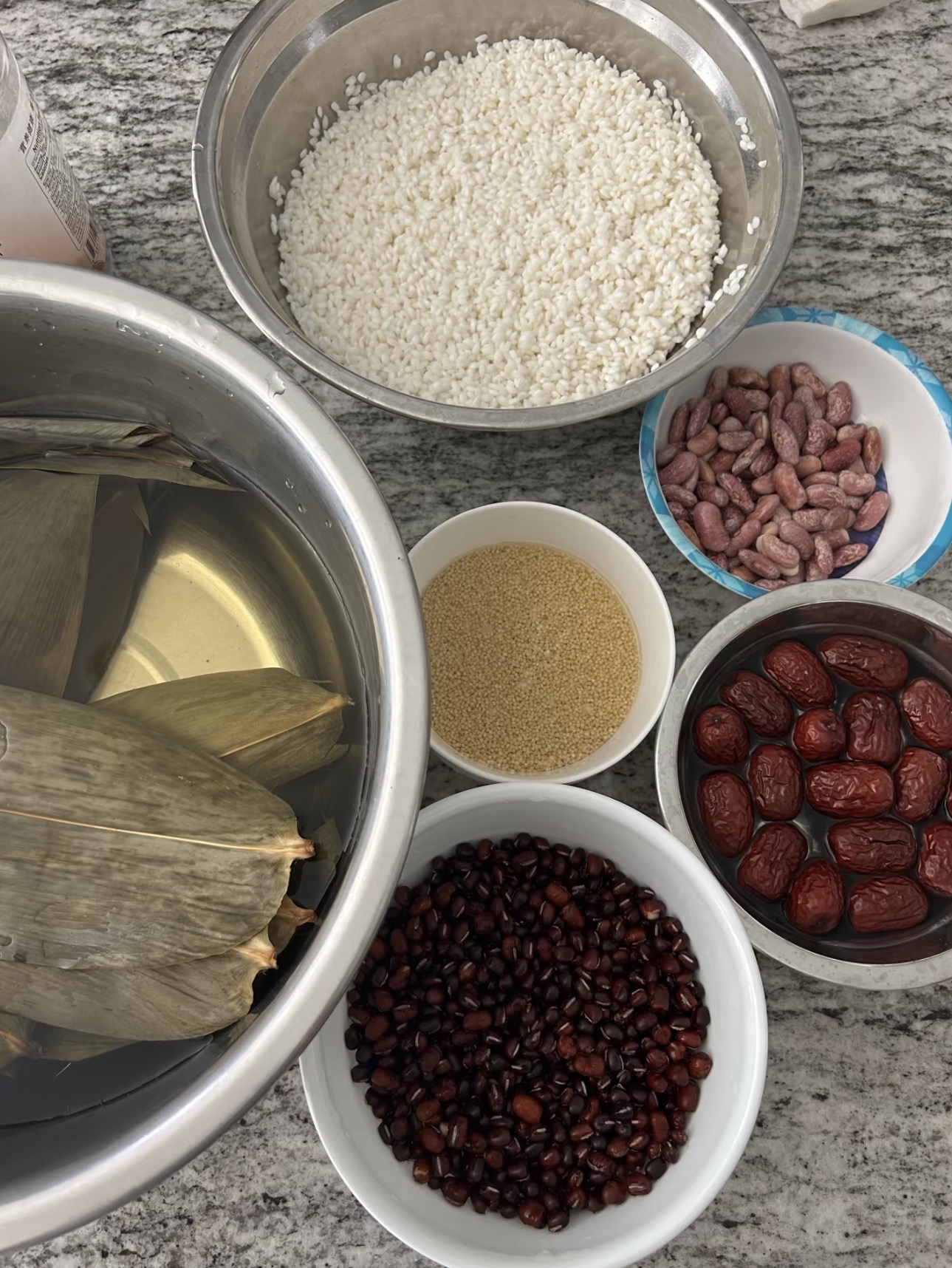
When Duanwu—AKA Dragon Boat Festival—approaches, the battle between savory and sweet becomes impossible to avoid. For most of living memory, savory has won, which comes from the southern part of China. Savory zongzi, filled with pork belly, salted egg yolk, and shiitake mushrooms, slow-boiled in wide bamboo leaves, has long been considered the default. On the other side, sweet zongzi, coming from the northern part of the country, is mostly filled with dates and red beans. However, both share a common historical tradition with roots stretching back to the Spring and Autumn Period (770–476 BC).
And this year, nothing has changed much.

According to 2026 e-commerce data, savory zongzi now accounts for 60% of the national market share. Sweet zongzi holds 34%. On Pinduoduo, savory zongzi outsells sweet zongzi by a ratio of 4:1, with egg yolk pork and five-spice pork belly leading the charts. Several handmade zongzi shops in Jinan, Shandong, reported that the sales ratio of savory zongzi to sweet zongzi has reached 6:4, and shop owners generally said that this trend has been evident since 2025.

It is not entirely surprising. The North and South have always made zongzi differently, and for good reason. Northern provinces have drier climates with intense summer sunshine and mineral-rich soils, conditions better suited to wheat, millet, dates, and red beans. The South, by contrast, has the humidity, the rice paddies, and the coastal access that made rich, layered fillings the obvious choice. For a long time, more filling meant winning the argument. It still does.
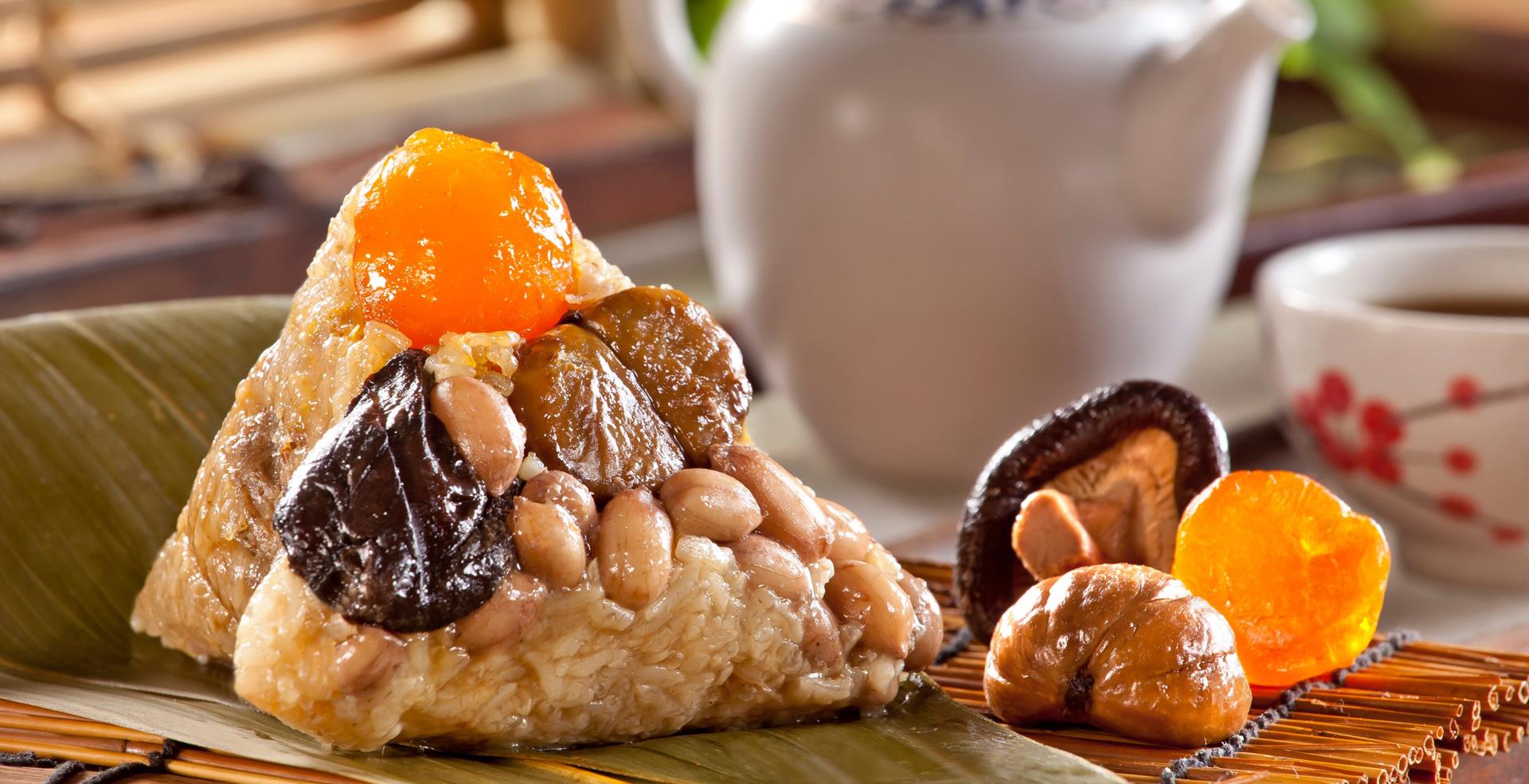
Photo by FOUN.COM.

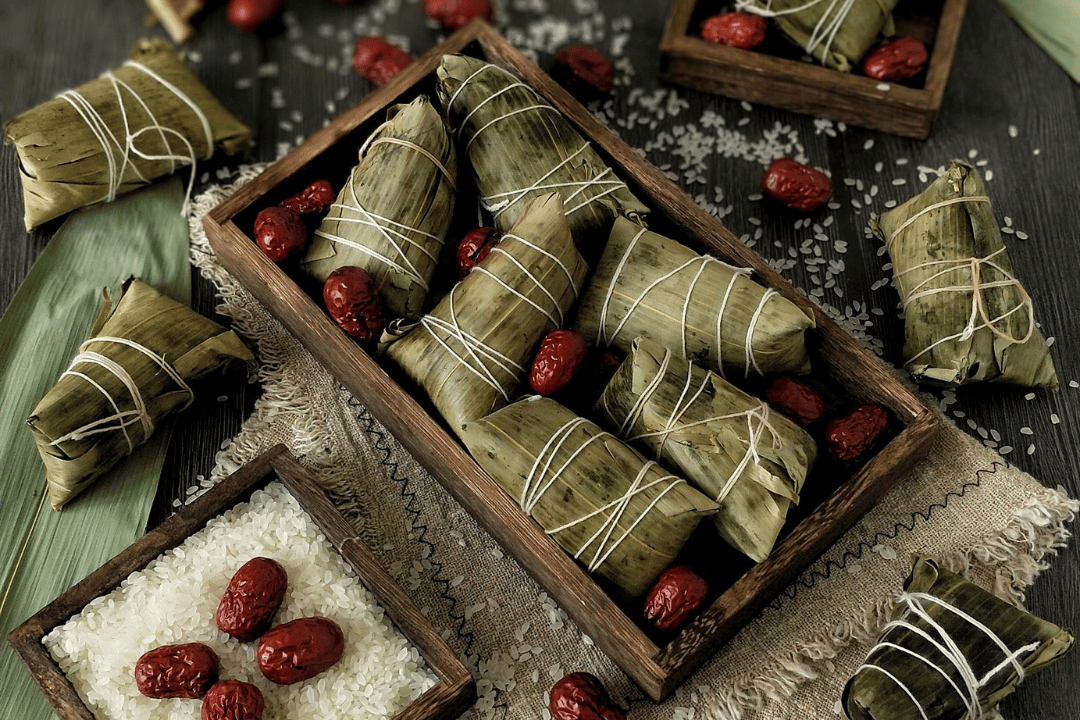
But the most interesting shift is not between North and South. It is between tradition and creativity. During the Dragon Boat Festival, Douyin’s e-commerce data shows that zongzi category sales surged 170% year-on-year, with 8.22 million orders placed across the platform. Riding that wave, Gen Z is now inventing new fillings with honey yogurt, strawberry jam, and ice durian, treating a 2,000-year-old festival food like a blank canvas. The “端午有新粽” campaign did not start the creativity; it simply attracted the audience.
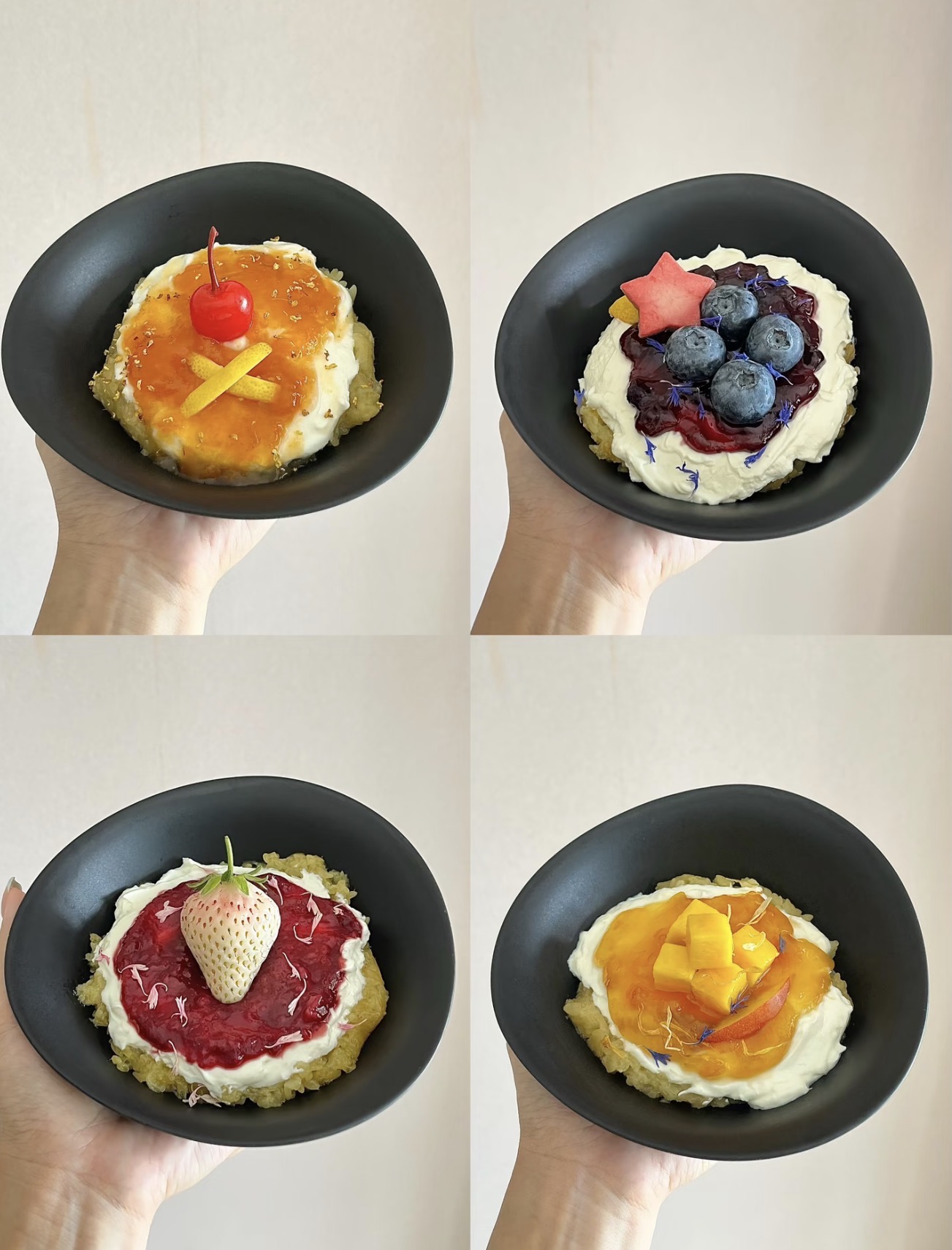
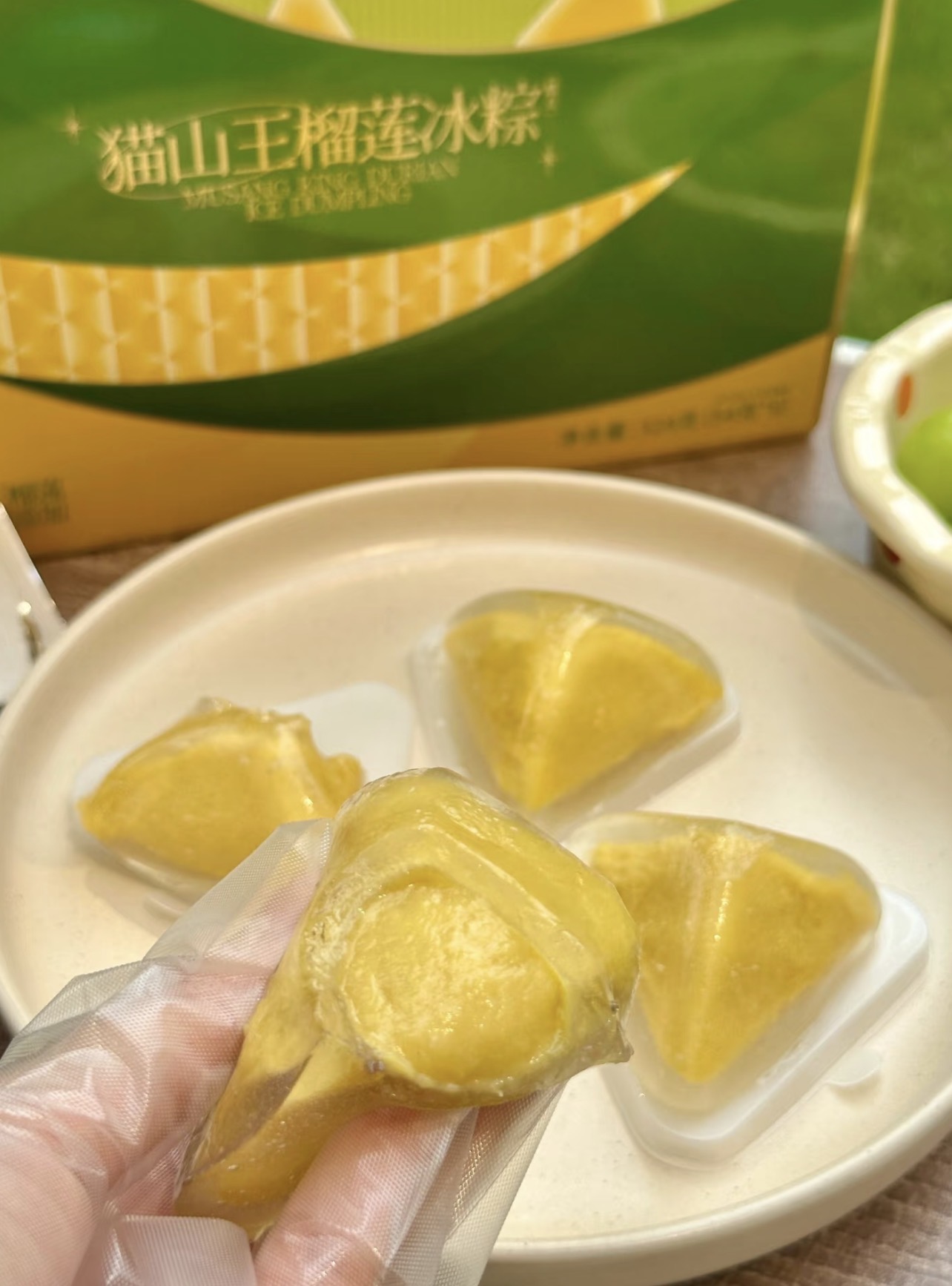
So while the savory South continues to win the original argument, a third camp is quietly rewriting the rules altogether. The wrap battle is no longer just sweet versus savory. It is also old versus new.

Cover image via 视觉中国.

NEWSLETTER

Get weekly top picks and exclusive, newsletter only content delivered straight to you inbox.

NEWSLETTER

Get weekly top picks and exclusive, newsletter only content delivered straight to you inbox.

RADII NEWSLETTER

Get weekly top picks and exclusive, newsletter only content delivered straight to you inbox

Feature image of The Zongzi Battle is No Longer Just Sweet VS Savory

The Zongzi Battle is No Longer Just Sweet VS Savory

2 mins read

Every year, the same debate erupts across the internet when Dragon Boat Festival rolls around. But instead of the classic "Sweet VS Savory," a new debate of "Old VS New" is emerging.

When Duanwu—AKA Dragon Boat Festival—approaches, the battle between savory and sweet becomes impossible to avoid. For most of living memory, savory has won, which comes from the southern part of China. Savory zongzi, filled with pork belly, salted egg yolk, and shiitake mushrooms, slow-boiled in wide bamboo leaves, has long been considered the default. On the other side, sweet zongzi, coming from the northern part of the country, is mostly filled with dates and red beans. However, both share a common historical tradition with roots stretching back to the Spring and Autumn Period (770–476 BC).

And this year, nothing has changed much.

According to 2026 e-commerce data, savory zongzi now accounts for 60% of the national market share. Sweet zongzi holds 34%. On Pinduoduo, savory zongzi outsells sweet zongzi by a ratio of 4:1, with egg yolk pork and five-spice pork belly leading the charts. Several handmade zongzi shops in Jinan, Shandong, reported that the sales ratio of savory zongzi to sweet zongzi has reached 6:4, and shop owners generally said that this trend has been evident since 2025.

It is not entirely surprising. The North and South have always made zongzi differently, and for good reason. Northern provinces have drier climates with intense summer sunshine and mineral-rich soils, conditions better suited to wheat, millet, dates, and red beans. The South, by contrast, has the humidity, the rice paddies, and the coastal access that made rich, layered fillings the obvious choice. For a long time, more filling meant winning the argument. It still does.

Photo by FOUN.COM.

But the most interesting shift is not between North and South. It is between tradition and creativity. During the Dragon Boat Festival, Douyin’s e-commerce data shows that zongzi category sales surged 170% year-on-year, with 8.22 million orders placed across the platform. Riding that wave, Gen Z is now inventing new fillings with honey yogurt, strawberry jam, and ice durian, treating a 2,000-year-old festival food like a blank canvas. The “端午有新粽” campaign did not start the creativity; it simply attracted the audience.

So while the savory South continues to win the original argument, a third camp is quietly rewriting the rules altogether. The wrap battle is no longer just sweet versus savory. It is also old versus new.

Cover image via 视觉中国.
NEWSLETTER

Get weekly top picks and exclusive, newsletter only content delivered straight to you inbox.

RADII NEWSLETTER

Get weekly top picks and exclusive, newsletter only content delivered straight to you inbox

RELATED POSTS

Feature image of The Zongzi Battle is No Longer Just Sweet VS Savory

The Zongzi Battle is No Longer Just Sweet VS Savory

2 mins read

2 mins read

Feature image of The Zongzi Battle is No Longer Just Sweet VS Savory
Every year, the same debate erupts across the internet when Dragon Boat Festival rolls around. But instead of the classic "Sweet VS Savory," a new debate of "Old VS New" is emerging.

When Duanwu—AKA Dragon Boat Festival—approaches, the battle between savory and sweet becomes impossible to avoid. For most of living memory, savory has won, which comes from the southern part of China. Savory zongzi, filled with pork belly, salted egg yolk, and shiitake mushrooms, slow-boiled in wide bamboo leaves, has long been considered the default. On the other side, sweet zongzi, coming from the northern part of the country, is mostly filled with dates and red beans. However, both share a common historical tradition with roots stretching back to the Spring and Autumn Period (770–476 BC).

And this year, nothing has changed much.

According to 2026 e-commerce data, savory zongzi now accounts for 60% of the national market share. Sweet zongzi holds 34%. On Pinduoduo, savory zongzi outsells sweet zongzi by a ratio of 4:1, with egg yolk pork and five-spice pork belly leading the charts. Several handmade zongzi shops in Jinan, Shandong, reported that the sales ratio of savory zongzi to sweet zongzi has reached 6:4, and shop owners generally said that this trend has been evident since 2025.

It is not entirely surprising. The North and South have always made zongzi differently, and for good reason. Northern provinces have drier climates with intense summer sunshine and mineral-rich soils, conditions better suited to wheat, millet, dates, and red beans. The South, by contrast, has the humidity, the rice paddies, and the coastal access that made rich, layered fillings the obvious choice. For a long time, more filling meant winning the argument. It still does.

Photo by FOUN.COM.

But the most interesting shift is not between North and South. It is between tradition and creativity. During the Dragon Boat Festival, Douyin’s e-commerce data shows that zongzi category sales surged 170% year-on-year, with 8.22 million orders placed across the platform. Riding that wave, Gen Z is now inventing new fillings with honey yogurt, strawberry jam, and ice durian, treating a 2,000-year-old festival food like a blank canvas. The “端午有新粽” campaign did not start the creativity; it simply attracted the audience.

So while the savory South continues to win the original argument, a third camp is quietly rewriting the rules altogether. The wrap battle is no longer just sweet versus savory. It is also old versus new.

Cover image via 视觉中国.
NEWSLETTER

Get weekly top picks and exclusive, newsletter only content delivered straight to you inbox.

NEWSLETTER

Get weekly top picks and exclusive, newsletter only content delivered straight to you inbox.

RADII NEWSLETTER

Get weekly top picks and exclusive, newsletter only content delivered straight to you inbox

Feature image of The Zongzi Battle is No Longer Just Sweet VS Savory

The Zongzi Battle is No Longer Just Sweet VS Savory

2 mins read

Every year, the same debate erupts across the internet when Dragon Boat Festival rolls around. But instead of the classic "Sweet VS Savory," a new debate of "Old VS New" is emerging.

When Duanwu—AKA Dragon Boat Festival—approaches, the battle between savory and sweet becomes impossible to avoid. For most of living memory, savory has won, which comes from the southern part of China. Savory zongzi, filled with pork belly, salted egg yolk, and shiitake mushrooms, slow-boiled in wide bamboo leaves, has long been considered the default. On the other side, sweet zongzi, coming from the northern part of the country, is mostly filled with dates and red beans. However, both share a common historical tradition with roots stretching back to the Spring and Autumn Period (770–476 BC).

And this year, nothing has changed much.

According to 2026 e-commerce data, savory zongzi now accounts for 60% of the national market share. Sweet zongzi holds 34%. On Pinduoduo, savory zongzi outsells sweet zongzi by a ratio of 4:1, with egg yolk pork and five-spice pork belly leading the charts. Several handmade zongzi shops in Jinan, Shandong, reported that the sales ratio of savory zongzi to sweet zongzi has reached 6:4, and shop owners generally said that this trend has been evident since 2025.

It is not entirely surprising. The North and South have always made zongzi differently, and for good reason. Northern provinces have drier climates with intense summer sunshine and mineral-rich soils, conditions better suited to wheat, millet, dates, and red beans. The South, by contrast, has the humidity, the rice paddies, and the coastal access that made rich, layered fillings the obvious choice. For a long time, more filling meant winning the argument. It still does.

Photo by FOUN.COM.

But the most interesting shift is not between North and South. It is between tradition and creativity. During the Dragon Boat Festival, Douyin’s e-commerce data shows that zongzi category sales surged 170% year-on-year, with 8.22 million orders placed across the platform. Riding that wave, Gen Z is now inventing new fillings with honey yogurt, strawberry jam, and ice durian, treating a 2,000-year-old festival food like a blank canvas. The “端午有新粽” campaign did not start the creativity; it simply attracted the audience.

So while the savory South continues to win the original argument, a third camp is quietly rewriting the rules altogether. The wrap battle is no longer just sweet versus savory. It is also old versus new.

Cover image via 视觉中国.

NEWSLETTER

Get weekly top picks and exclusive, newsletter only content delivered straight to you inbox.

RADII NEWSLETTER

Get weekly top picks and exclusive, newsletter only content delivered straight to you inbox

RADII newsletter pop up visual

NEWSLETTER​

Get weekly top picks and exclusive, newsletter only content delivered straight to you inbox

RADII Newsletter Pop Up small banner

NEWSLETTER

Get weekly top picks and exclusive, newsletter only content delivered straight to you inbox.

Link Copied!

Share

Feature image of The Zongzi Battle is No Longer Just Sweet VS Savory

The Zongzi Battle is No Longer Just Sweet VS Savory

Every year, the same debate erupts across the internet when Dragon Boat Festival rolls around. But instead of the classic "Sweet VS Savory," a new debate of "Old VS New" is emerging.

PULSE

Tap into the latest in music, fashion, art, design, entertainment, pop culture, celebrity news, and contemporary culture

DISCOVER

Embark on a journey through food, travel, wellness, heritage, traditional culture, and lifestyle

STYLE

An insider’s look at the intersection of fashion, art, and design

FEAST

Titillate your taste buds with coverage of the best food and drink trends from China and beyond.

FUTURE

Explore the cutting edge in tech, AI, gadgets, gaming, and innovative tech-related products

FEAST

Titillate your taste buds with coverage of the best food and drink trends from China and beyond

STYLE

An insider’s look at the intersection of fashion, art, and design

PULSE

Unpacking Chinese youth culture through coverage of nightlife, film, sports, celebrities, and the hottest new music