Feature image of This RedNote Creator is Bringing Back China’s Y2K Dessert Culture

This RedNote Creator is Bringing Back China’s Y2K Dessert Culture

4 mins read

4 mins read

Feature image of This RedNote Creator is Bringing Back China’s Y2K Dessert Culture
From Chinese Dreamcore to dessert parfaits, Y2K nostalgia is reshaping how a generation remembers its childhood.

When someone says “20 years ago,” you probably still default to the 1980s or 1990s rather than the late 2000s. Time, somehow, seems to have stopped around the turn of the millennium. In reality, the 1990s are now nearly four decades behind us. Yet our nostalgia for the past continues to live rent-free in our heads and has even reshaped our cultural zeitgeist.

At RADII, we’ve covered no shortage of Chinese Y2K content. Chinese Dreamcore, perhaps the most recognizable subdivision, has effectively Sinofied the feeling of liminality. Through video edits of AI-enhanced old photographs, deep-fried image filters, and dreamy soundtracks, creators have reconstructed a digital version of their Chinese childhood. Not to mention Yabi and Neo-Chinese fashion trends, along with artists, photographers, and even game developers who have all been eagerly embracing the Y2K movement.

And now, nostalgia has found its way into the kitchen.
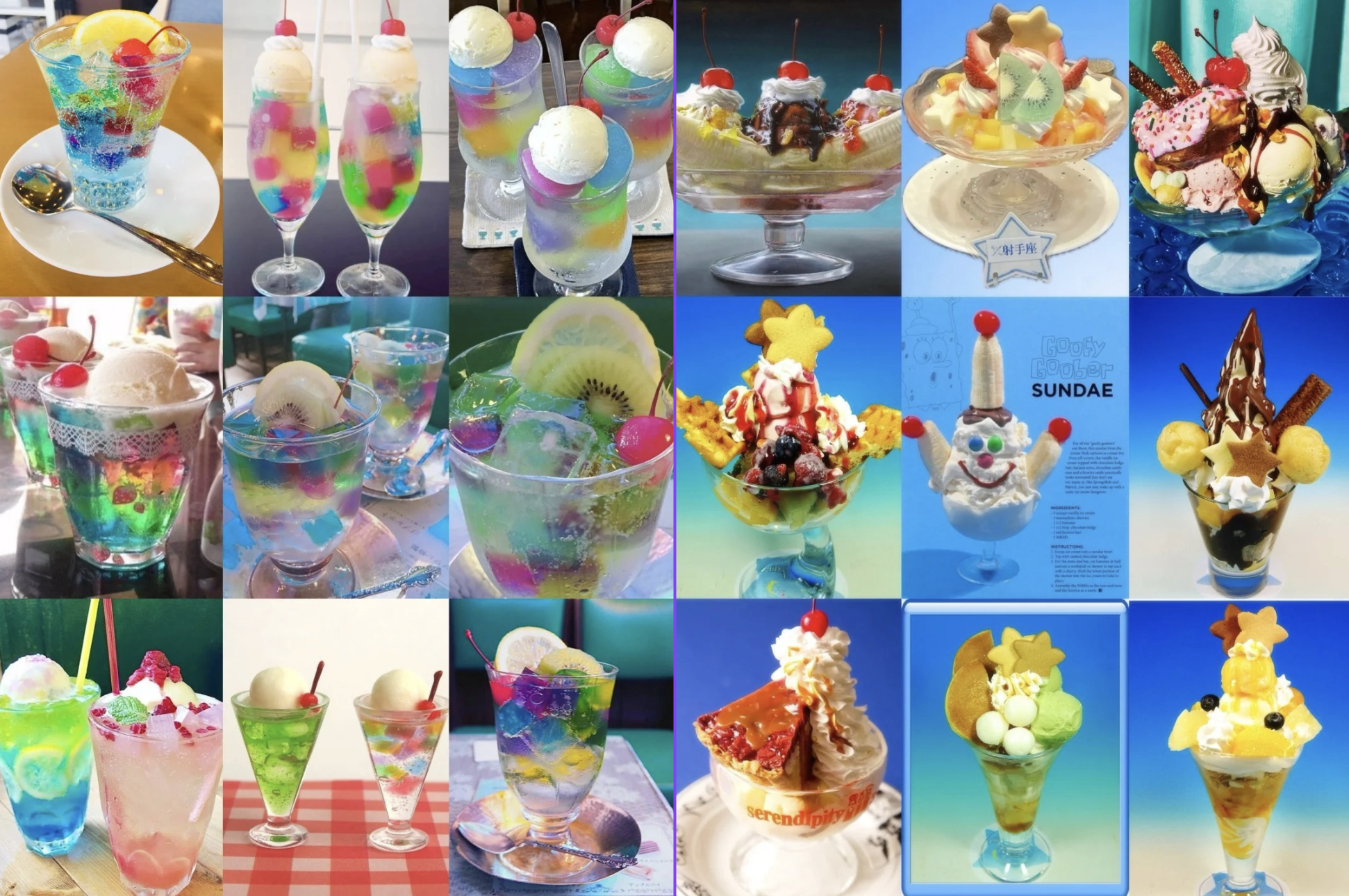
RADII explores the Chinese Y2K dessert culture in an interview with RedNote creator 无糖大鸡腿
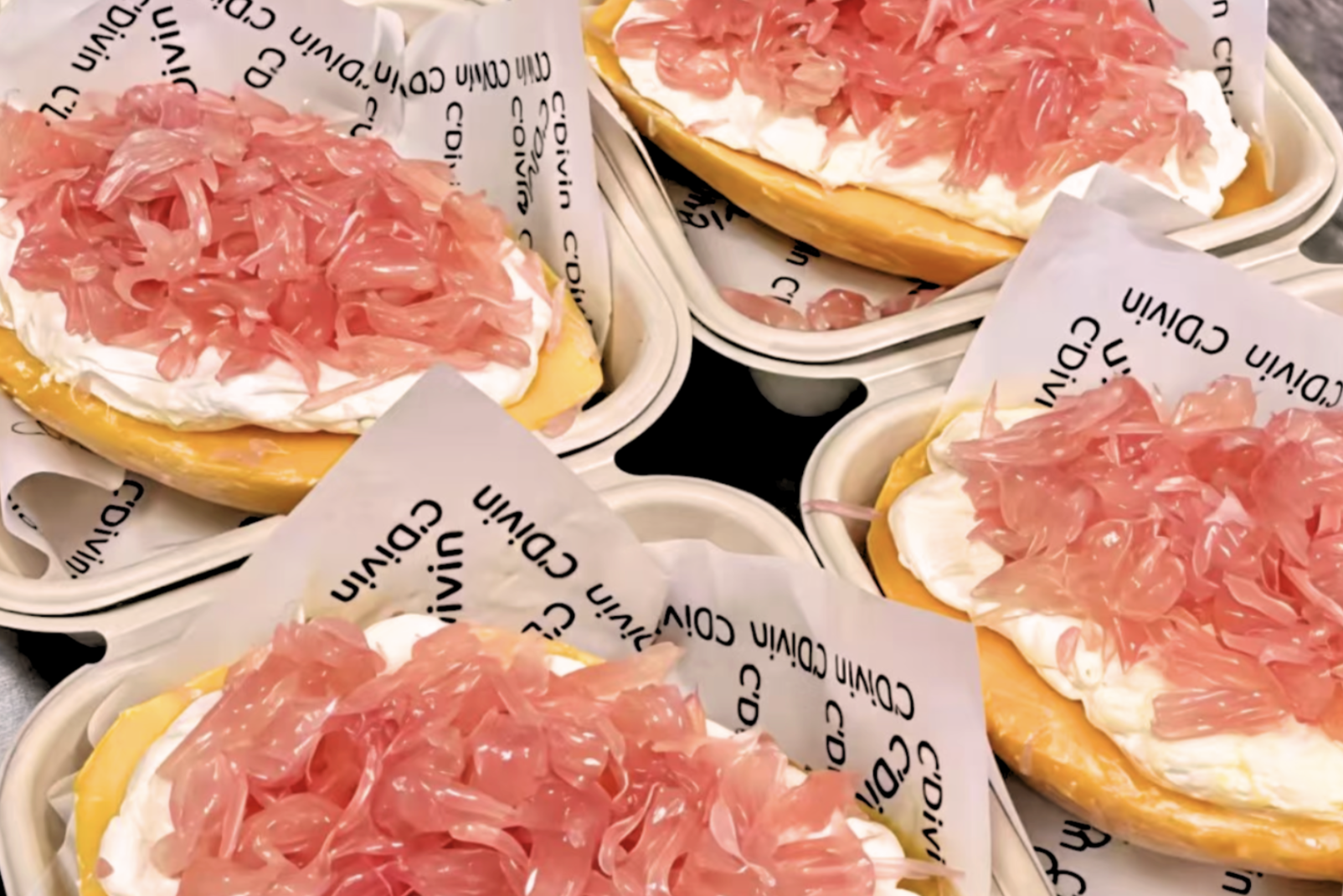
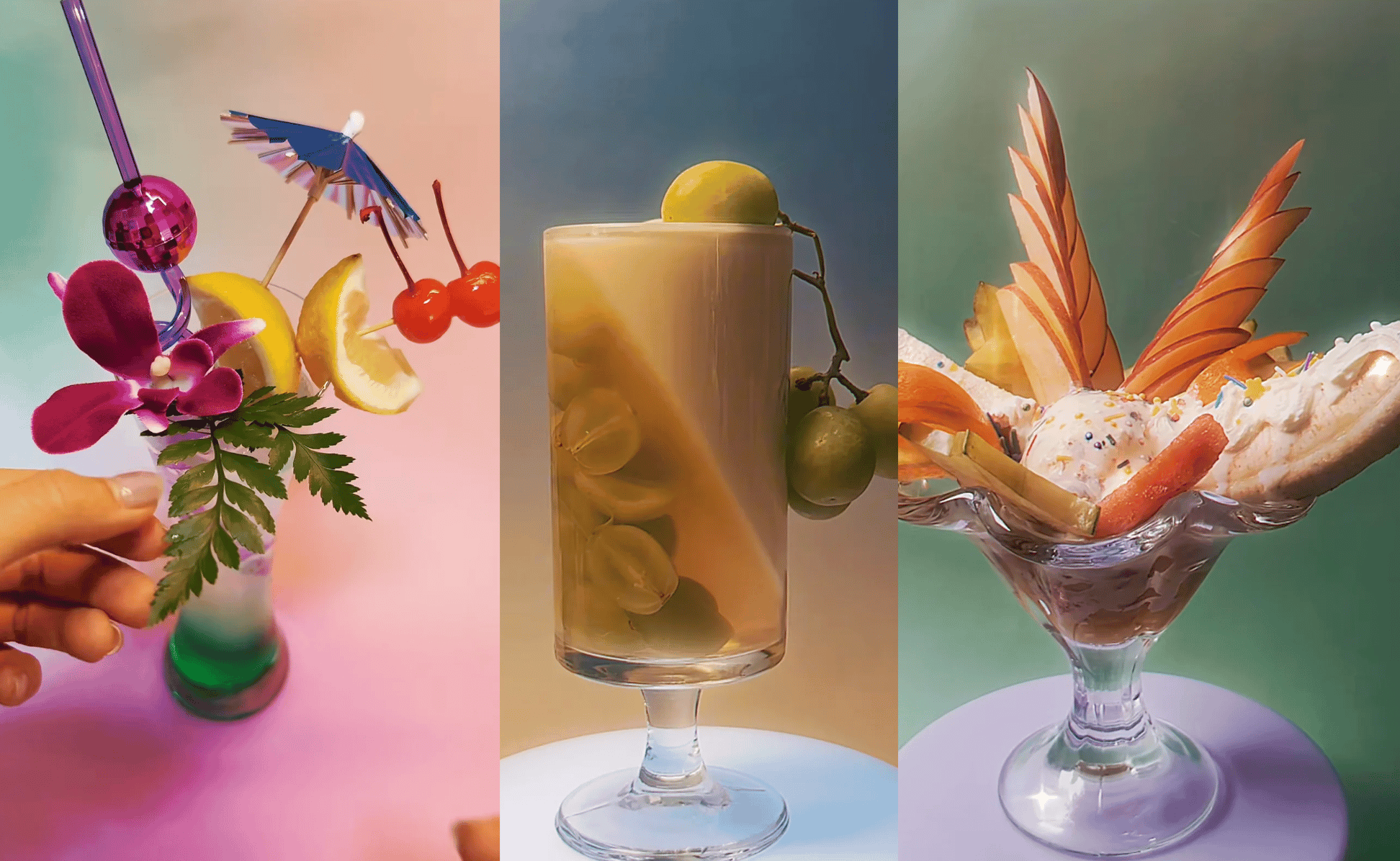
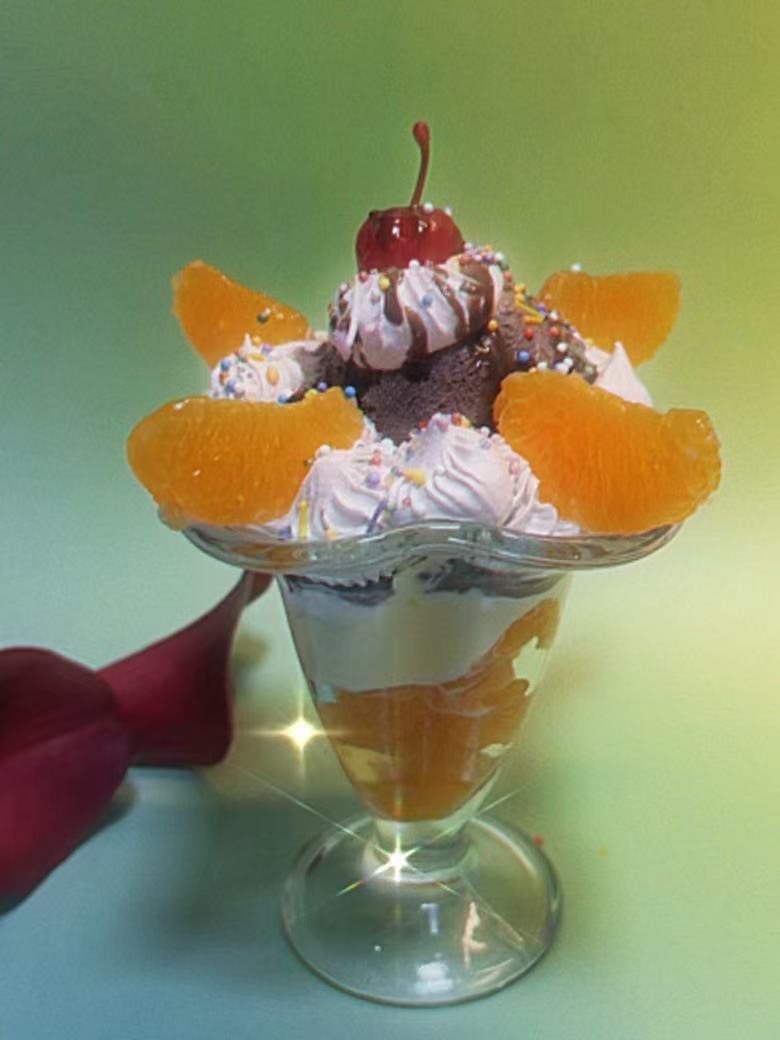
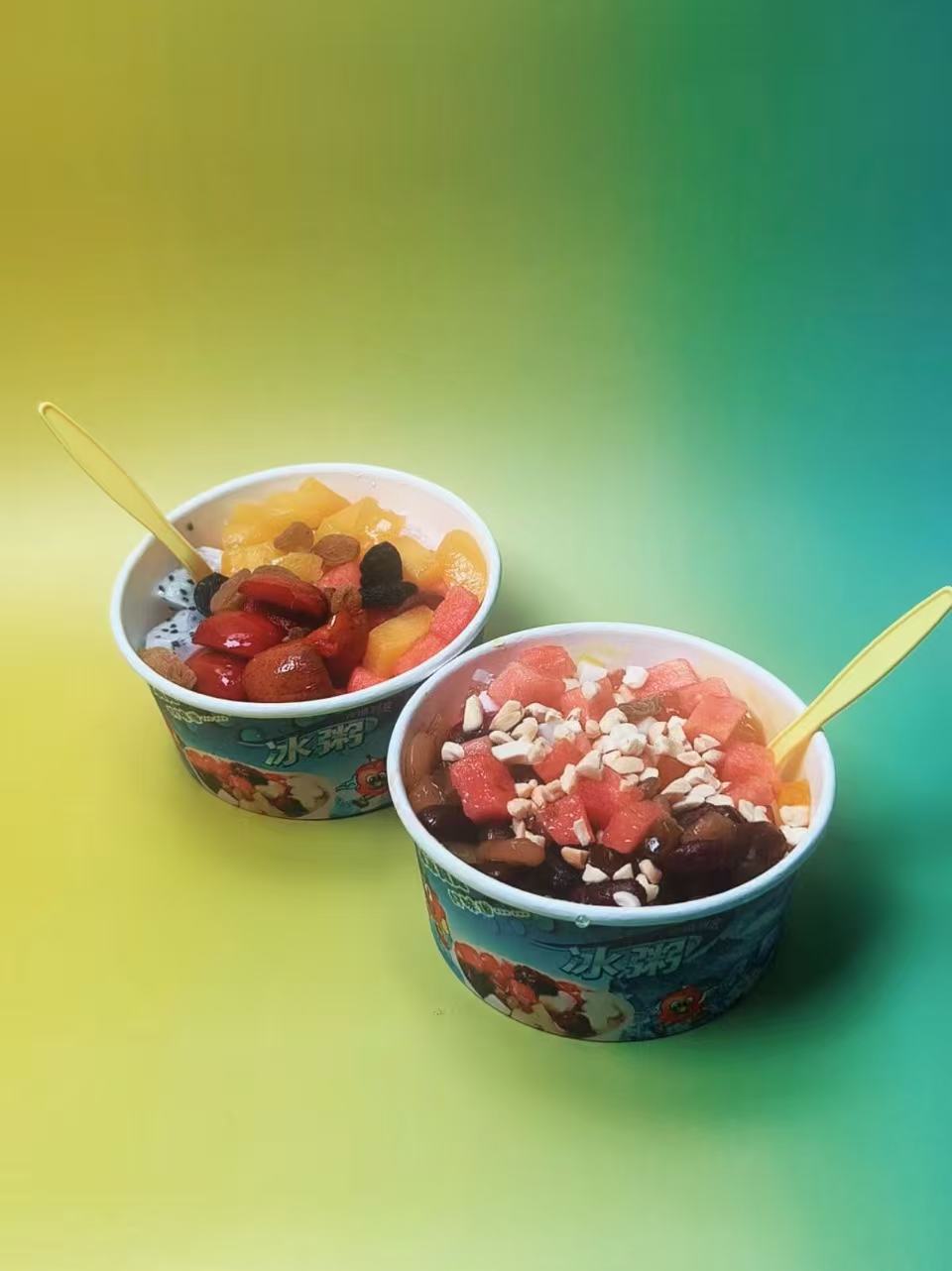
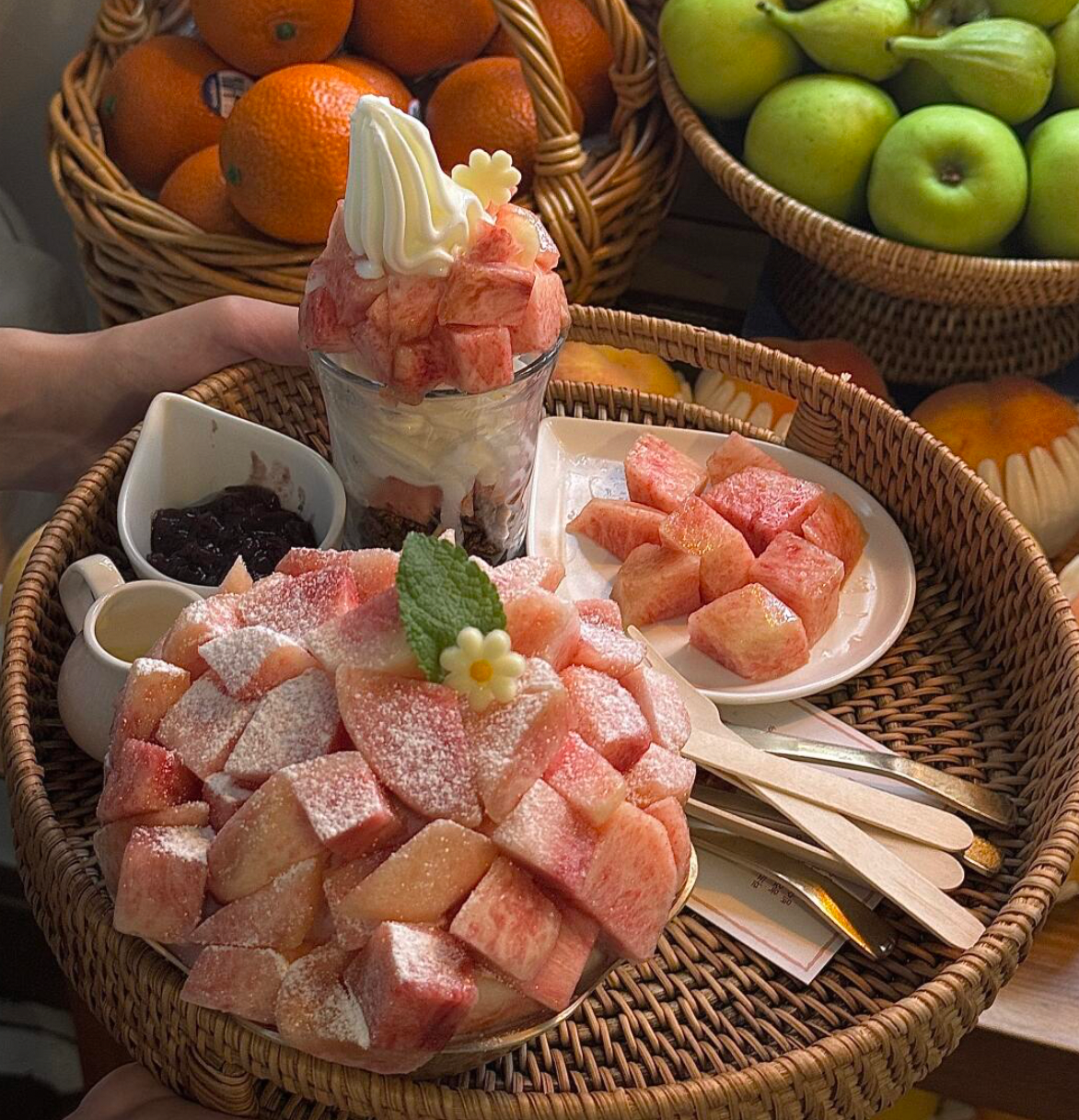
Dreamcore-style desserts. Images via RedNote.

If you grew up in China during the 90s and 00s, you would be familiar with those elaborate dessert cafes serving over-decorated parfaits, banana splits, and colorful fruit cocktails. They often came topped with canned fruit, whipped cream, and an obligatory paper umbrella. Sure, they were overloaded with sugar and food coloring, but they also defined an entire generation’s vocabulary of joy.

The dessert landscape, of course, has changed dramatically since then. The ornate cafes of the early 2000s have largely given way to minimalist milk tea chains decorated in muted palettes that favor clean lines and a sense of quiet luxury. The elaborate serving dishes, unapologetic garnishes, and even the glossy food magazines with oversaturated colors and dramatic lighting have largely disappeared.
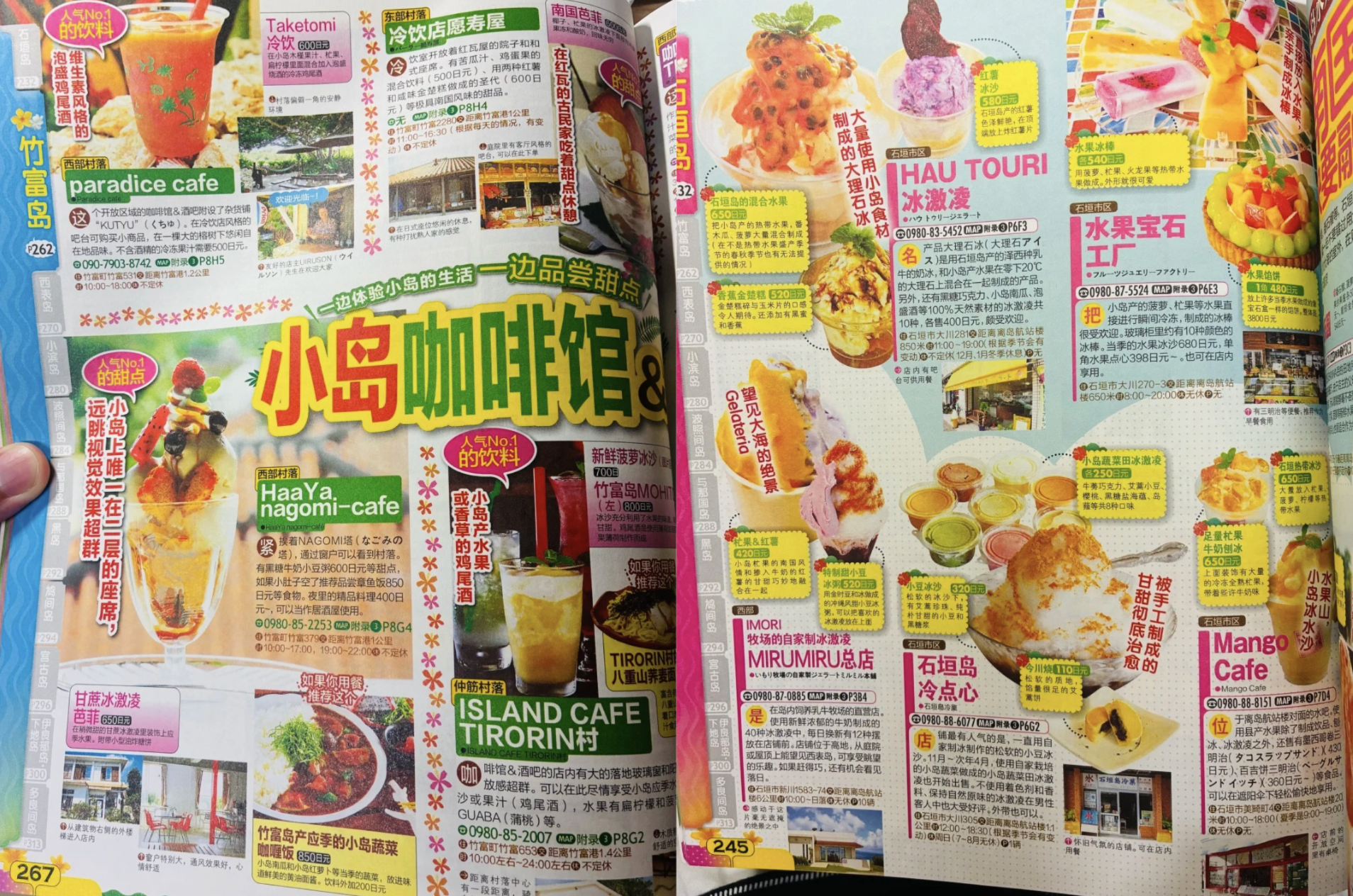
RADII explores the Chinese Y2K dessert culture in an interview with RedNote creator 无糖大鸡腿
A dessert magazine, most of which were imported from Japan or Taiwan. Image via RedNote.


The Resurrection of the Dessert Magazine Aesthetics

Lucky for those who can’t resist the pull of Chinese Y2K, one creator on RedNote is bringing these forgotten desserts back to life. Known online as 无糖大鸡腿 (or Wutang, as we will call her here), she has made it her mission to recreate the kind of extravagant desserts and cocktails once found in upscale cafés.
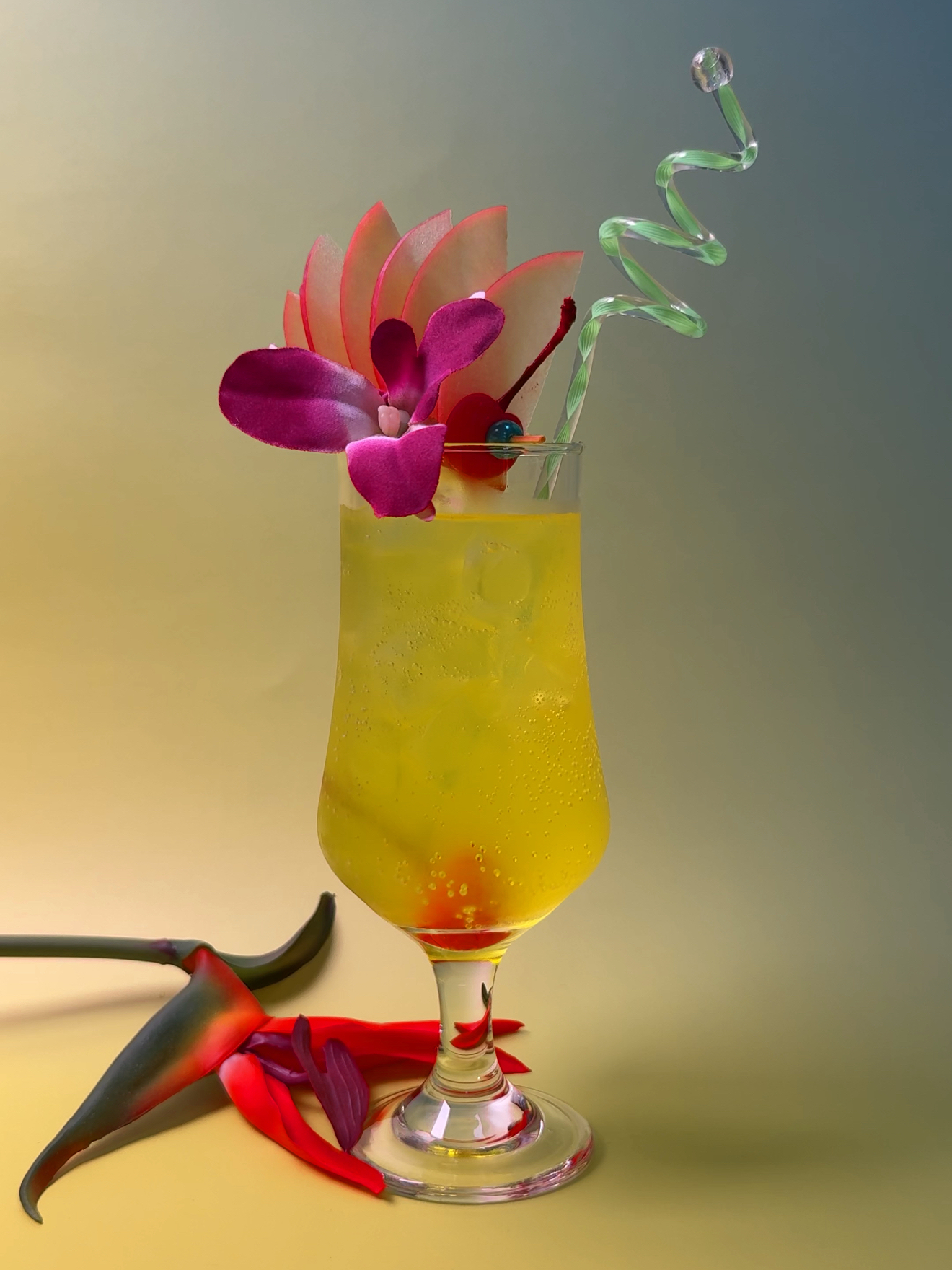
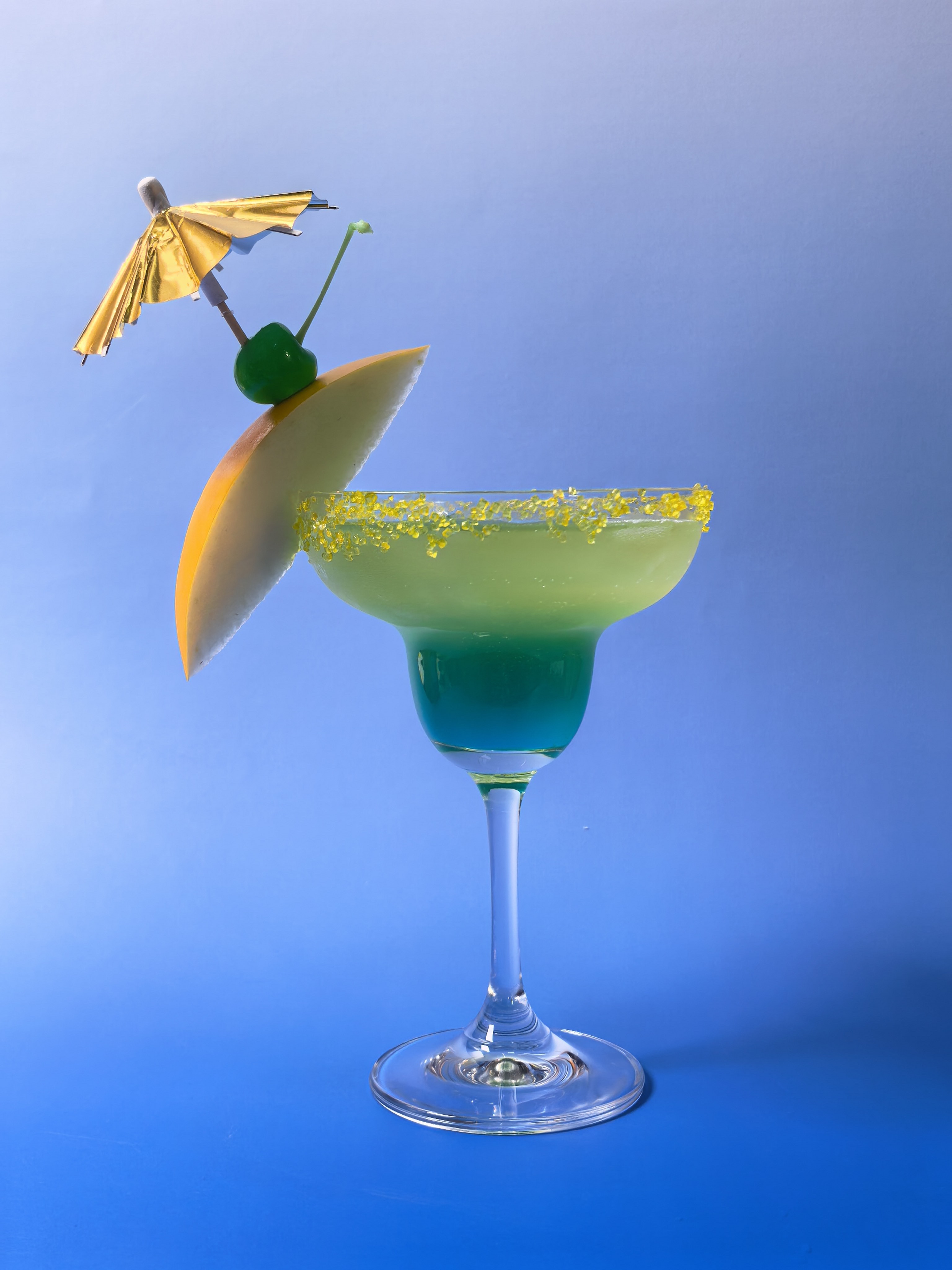
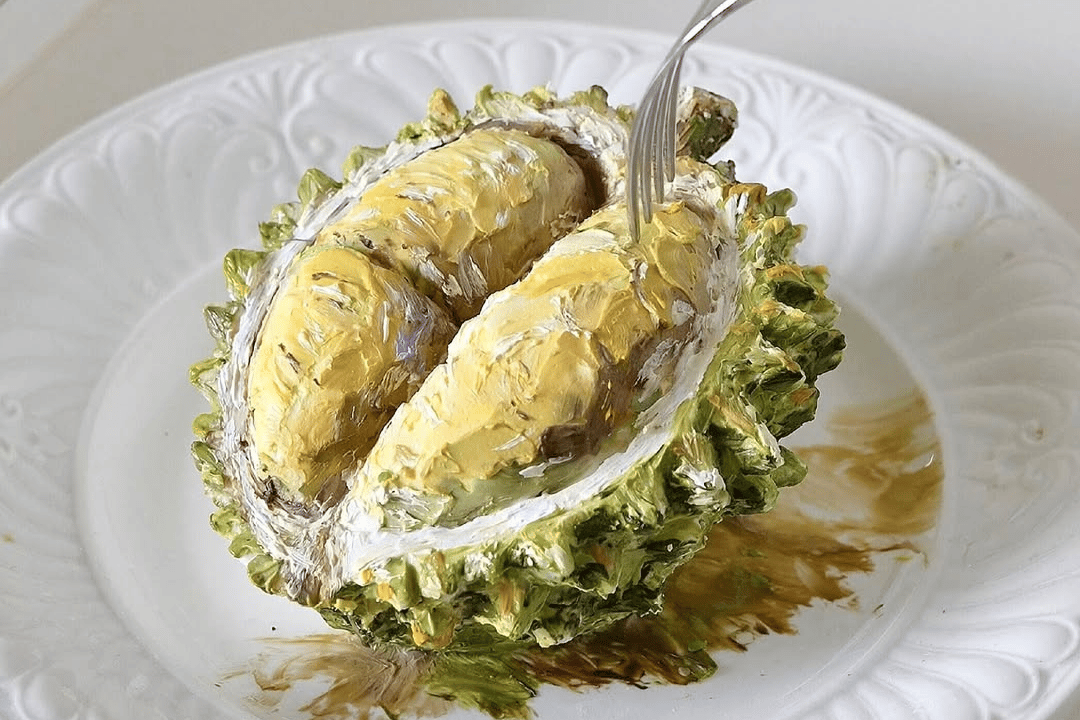
But Wutang’s videos are more than just step-by-step cooking tutorials. They are works of art in themselves, designed to awaken the child hidden inside all of us. Through foggy filters, hyper-saturated color palettes, nostalgic soundtracks, and a keen eye for styling, she recreates the visual language of the early 2000s. The end product is a dessert that looks as if it were pulled directly from the pages of long-discontinued lifestyle magazines.

In her conversation with RADII, Wutang explained that everything about the 90s carried a feeling of “trying too hard.” ‘Yet that is precisely what captured her imagination.
Her inspiration came from childhood memories and her playlist of 90s and 00s music. “Often I would pick a song first, and then decide what dish I should prepare. The background music and the video filters will determine the visuals.” She also drew inspiration from fans who would “place orders” in the comment sections, asking for specific desserts. 

Her fans would reflect on their own childhood memories as well. One comment, in particular, stayed with Wutang: “The 2000s were the future that we’ve arrived at temporarily,” which perfectly captures the complicated emotional relationship we have with the Y2K era. Despite its loud and flashy aesthetics, we continue to associate the period with simplicity because it is inseparable from our childhood memories, when the future still felt optimistic and within reach.
RADII explores the Chinese Y2K dessert culture in an interview with RedNote creator 无糖大鸡腿
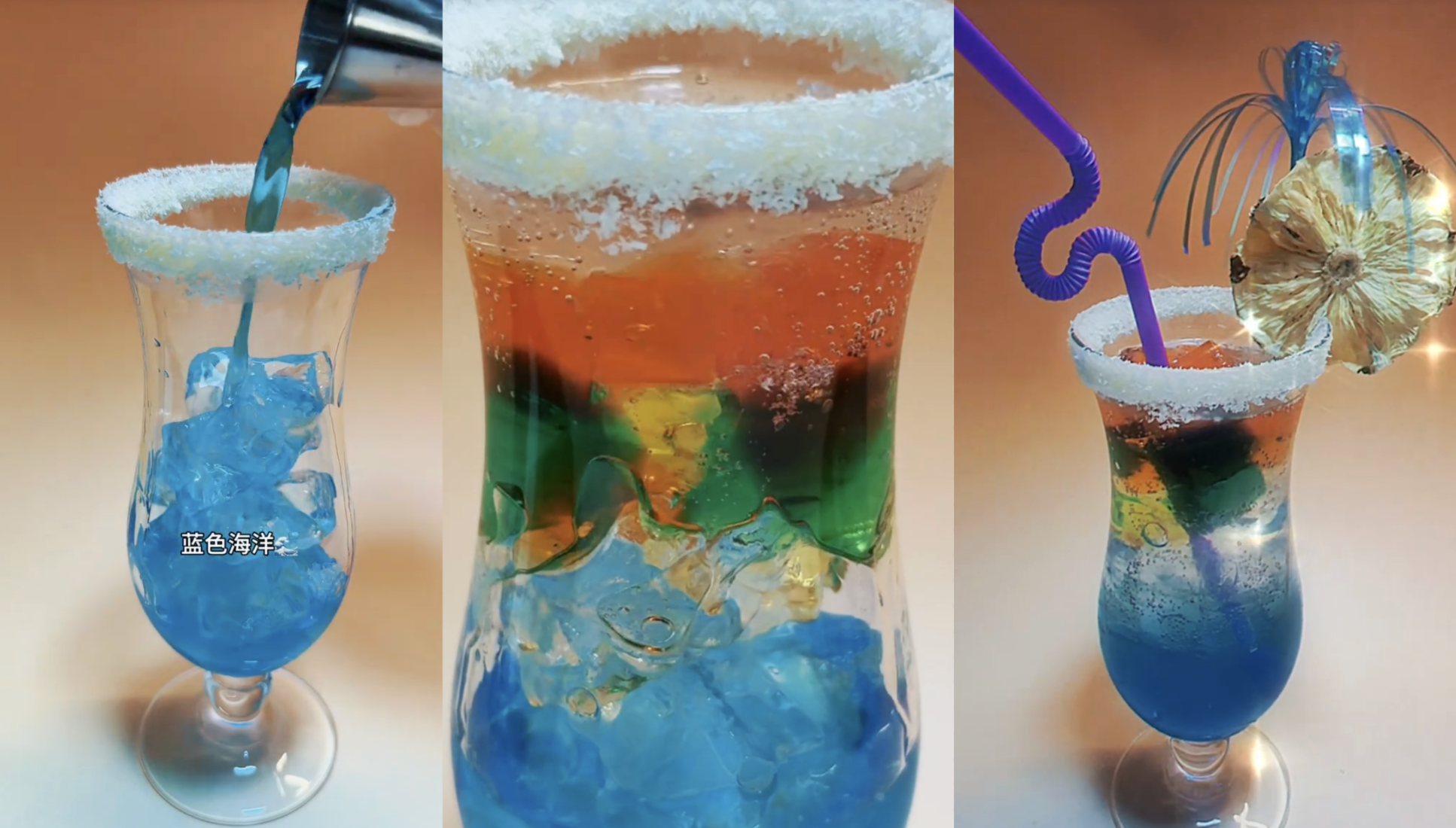
The Bikini cocktail

Wutang shares a similar sentiment. “Honestly, even in middle school, I loved playing pretend bartender,” she recalls. “I would make fake cocktails and desserts with ink, create decorations with dish soap bubbles, and pretend to take orders from customers. Now I can actually do it and share it online. It’s a very lovely thing.”

These carefully reconstructed desserts contain fragments of her childhood, a childhood experience also shared by many Chinese millennials and Gen Zs. They are the sound of QQ notifications, the smell of our grandparents’ home, and memories of elementary school. “They take me back to childhood,” Wutang says, “back to a past where the future held infinite possibilities and where I felt like I had control over my life.”
RADII explores the Chinese Y2K dessert culture in an interview with RedNote creator 无糖大鸡腿
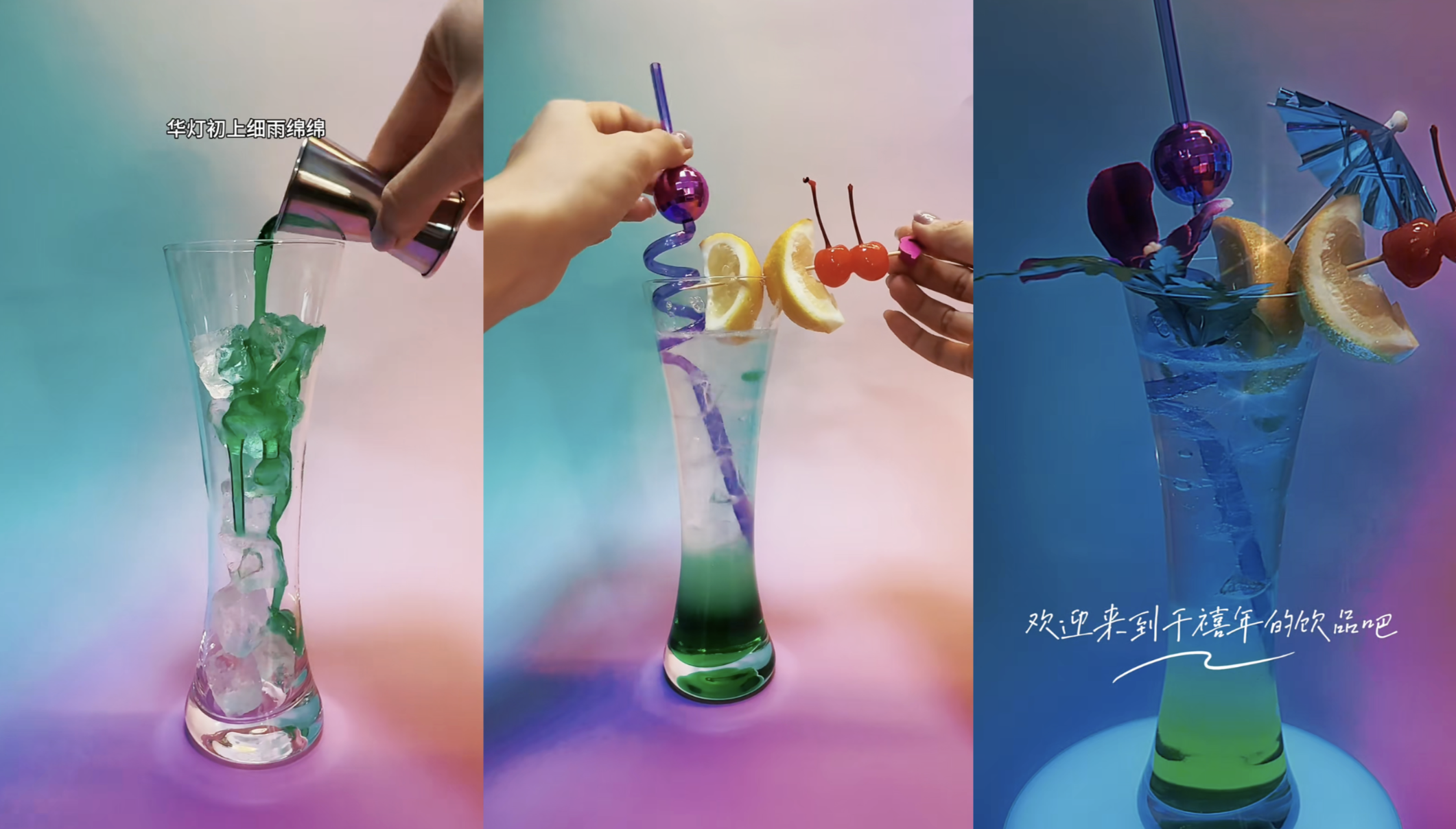
A mocktail called Fountain in the Rain

Whether you actually ate these desserts growing up is almost beside the point. What matters is the emotional response they inevitably evoke. In today’s algorithm-driven world, it’s no surprise that we find comfort in revisiting a past that appears simpler, even if it was very much chaotic and overwhelmingly maximalist in design. Or perhaps our obsession with Y2K nostalgia says something more uncomfortable: that the future we imagined as children somehow felt more hopeful than the present we inherited.

Cover image courtesy of 无糖大鸡腿
NEWSLETTER

Get weekly top picks and exclusive, newsletter only content delivered straight to you inbox.

NEWSLETTER

Get weekly top picks and exclusive, newsletter only content delivered straight to you inbox.

RADII NEWSLETTER

Get weekly top picks and exclusive, newsletter only content delivered straight to you inbox

Feature image of This RedNote Creator is Bringing Back China’s Y2K Dessert Culture

This RedNote Creator is Bringing Back China’s Y2K Dessert Culture

4 mins read

From Chinese Dreamcore to dessert parfaits, Y2K nostalgia is reshaping how a generation remembers its childhood.

When someone says “20 years ago,” you probably still default to the 1980s or 1990s rather than the late 2000s. Time, somehow, seems to have stopped around the turn of the millennium. In reality, the 1990s are now nearly four decades behind us. Yet our nostalgia for the past continues to live rent-free in our heads and has even reshaped our cultural zeitgeist.

At RADII, we’ve covered no shortage of Chinese Y2K content. Chinese Dreamcore, perhaps the most recognizable subdivision, has effectively Sinofied the feeling of liminality. Through video edits of AI-enhanced old photographs, deep-fried image filters, and dreamy soundtracks, creators have reconstructed a digital version of their Chinese childhood. Not to mention Yabi and Neo-Chinese fashion trends, along with artists, photographers, and even game developers who have all been eagerly embracing the Y2K movement.

And now, nostalgia has found its way into the kitchen.

RADII explores the Chinese Y2K dessert culture in an interview with RedNote creator 无糖大鸡腿
Dreamcore-style desserts. Images via RedNote.

If you grew up in China during the 90s and 00s, you would be familiar with those elaborate dessert cafes serving over-decorated parfaits, banana splits, and colorful fruit cocktails. They often came topped with canned fruit, whipped cream, and an obligatory paper umbrella. Sure, they were overloaded with sugar and food coloring, but they also defined an entire generation’s vocabulary of joy.

The dessert landscape, of course, has changed dramatically since then. The ornate cafes of the early 2000s have largely given way to minimalist milk tea chains decorated in muted palettes that favor clean lines and a sense of quiet luxury. The elaborate serving dishes, unapologetic garnishes, and even the glossy food magazines with oversaturated colors and dramatic lighting have largely disappeared.

RADII explores the Chinese Y2K dessert culture in an interview with RedNote creator 无糖大鸡腿
A dessert magazine, most of which were imported from Japan or Taiwan. Image via RedNote.


The Resurrection of the Dessert Magazine Aesthetics

Lucky for those who can’t resist the pull of Chinese Y2K, one creator on RedNote is bringing these forgotten desserts back to life. Known online as 无糖大鸡腿 (or Wutang, as we will call her here), she has made it her mission to recreate the kind of extravagant desserts and cocktails once found in upscale cafés.

But Wutang’s videos are more than just step-by-step cooking tutorials. They are works of art in themselves, designed to awaken the child hidden inside all of us. Through foggy filters, hyper-saturated color palettes, nostalgic soundtracks, and a keen eye for styling, she recreates the visual language of the early 2000s. The end product is a dessert that looks as if it were pulled directly from the pages of long-discontinued lifestyle magazines.

In her conversation with RADII, Wutang explained that everything about the 90s carried a feeling of “trying too hard.” ‘Yet that is precisely what captured her imagination.

Her inspiration came from childhood memories and her playlist of 90s and 00s music. “Often I would pick a song first, and then decide what dish I should prepare. The background music and the video filters will determine the visuals.” She also drew inspiration from fans who would “place orders” in the comment sections, asking for specific desserts. 

Her fans would reflect on their own childhood memories as well. One comment, in particular, stayed with Wutang: “The 2000s were the future that we’ve arrived at temporarily,” which perfectly captures the complicated emotional relationship we have with the Y2K era. Despite its loud and flashy aesthetics, we continue to associate the period with simplicity because it is inseparable from our childhood memories, when the future still felt optimistic and within reach.

RADII explores the Chinese Y2K dessert culture in an interview with RedNote creator 无糖大鸡腿
The Bikini cocktail

Wutang shares a similar sentiment. “Honestly, even in middle school, I loved playing pretend bartender,” she recalls. “I would make fake cocktails and desserts with ink, create decorations with dish soap bubbles, and pretend to take orders from customers. Now I can actually do it and share it online. It’s a very lovely thing.”

These carefully reconstructed desserts contain fragments of her childhood, a childhood experience also shared by many Chinese millennials and Gen Zs. They are the sound of QQ notifications, the smell of our grandparents’ home, and memories of elementary school. “They take me back to childhood,” Wutang says, “back to a past where the future held infinite possibilities and where I felt like I had control over my life.”

RADII explores the Chinese Y2K dessert culture in an interview with RedNote creator 无糖大鸡腿
A mocktail called Fountain in the Rain

Whether you actually ate these desserts growing up is almost beside the point. What matters is the emotional response they inevitably evoke. In today’s algorithm-driven world, it’s no surprise that we find comfort in revisiting a past that appears simpler, even if it was very much chaotic and overwhelmingly maximalist in design. Or perhaps our obsession with Y2K nostalgia says something more uncomfortable: that the future we imagined as children somehow felt more hopeful than the present we inherited.

Cover image courtesy of 无糖大鸡腿
NEWSLETTER

Get weekly top picks and exclusive, newsletter only content delivered straight to you inbox.

RADII NEWSLETTER

Get weekly top picks and exclusive, newsletter only content delivered straight to you inbox

RELATED POSTS

Feature image of This RedNote Creator is Bringing Back China’s Y2K Dessert Culture

This RedNote Creator is Bringing Back China’s Y2K Dessert Culture

4 mins read

4 mins read

Feature image of This RedNote Creator is Bringing Back China’s Y2K Dessert Culture
From Chinese Dreamcore to dessert parfaits, Y2K nostalgia is reshaping how a generation remembers its childhood.

When someone says “20 years ago,” you probably still default to the 1980s or 1990s rather than the late 2000s. Time, somehow, seems to have stopped around the turn of the millennium. In reality, the 1990s are now nearly four decades behind us. Yet our nostalgia for the past continues to live rent-free in our heads and has even reshaped our cultural zeitgeist.

At RADII, we’ve covered no shortage of Chinese Y2K content. Chinese Dreamcore, perhaps the most recognizable subdivision, has effectively Sinofied the feeling of liminality. Through video edits of AI-enhanced old photographs, deep-fried image filters, and dreamy soundtracks, creators have reconstructed a digital version of their Chinese childhood. Not to mention Yabi and Neo-Chinese fashion trends, along with artists, photographers, and even game developers who have all been eagerly embracing the Y2K movement.

And now, nostalgia has found its way into the kitchen.

RADII explores the Chinese Y2K dessert culture in an interview with RedNote creator 无糖大鸡腿
Dreamcore-style desserts. Images via RedNote.

If you grew up in China during the 90s and 00s, you would be familiar with those elaborate dessert cafes serving over-decorated parfaits, banana splits, and colorful fruit cocktails. They often came topped with canned fruit, whipped cream, and an obligatory paper umbrella. Sure, they were overloaded with sugar and food coloring, but they also defined an entire generation’s vocabulary of joy.

The dessert landscape, of course, has changed dramatically since then. The ornate cafes of the early 2000s have largely given way to minimalist milk tea chains decorated in muted palettes that favor clean lines and a sense of quiet luxury. The elaborate serving dishes, unapologetic garnishes, and even the glossy food magazines with oversaturated colors and dramatic lighting have largely disappeared.

RADII explores the Chinese Y2K dessert culture in an interview with RedNote creator 无糖大鸡腿
A dessert magazine, most of which were imported from Japan or Taiwan. Image via RedNote.


The Resurrection of the Dessert Magazine Aesthetics

Lucky for those who can’t resist the pull of Chinese Y2K, one creator on RedNote is bringing these forgotten desserts back to life. Known online as 无糖大鸡腿 (or Wutang, as we will call her here), she has made it her mission to recreate the kind of extravagant desserts and cocktails once found in upscale cafés.

But Wutang’s videos are more than just step-by-step cooking tutorials. They are works of art in themselves, designed to awaken the child hidden inside all of us. Through foggy filters, hyper-saturated color palettes, nostalgic soundtracks, and a keen eye for styling, she recreates the visual language of the early 2000s. The end product is a dessert that looks as if it were pulled directly from the pages of long-discontinued lifestyle magazines.

In her conversation with RADII, Wutang explained that everything about the 90s carried a feeling of “trying too hard.” ‘Yet that is precisely what captured her imagination.

Her inspiration came from childhood memories and her playlist of 90s and 00s music. “Often I would pick a song first, and then decide what dish I should prepare. The background music and the video filters will determine the visuals.” She also drew inspiration from fans who would “place orders” in the comment sections, asking for specific desserts. 

Her fans would reflect on their own childhood memories as well. One comment, in particular, stayed with Wutang: “The 2000s were the future that we’ve arrived at temporarily,” which perfectly captures the complicated emotional relationship we have with the Y2K era. Despite its loud and flashy aesthetics, we continue to associate the period with simplicity because it is inseparable from our childhood memories, when the future still felt optimistic and within reach.

RADII explores the Chinese Y2K dessert culture in an interview with RedNote creator 无糖大鸡腿
The Bikini cocktail

Wutang shares a similar sentiment. “Honestly, even in middle school, I loved playing pretend bartender,” she recalls. “I would make fake cocktails and desserts with ink, create decorations with dish soap bubbles, and pretend to take orders from customers. Now I can actually do it and share it online. It’s a very lovely thing.”

These carefully reconstructed desserts contain fragments of her childhood, a childhood experience also shared by many Chinese millennials and Gen Zs. They are the sound of QQ notifications, the smell of our grandparents’ home, and memories of elementary school. “They take me back to childhood,” Wutang says, “back to a past where the future held infinite possibilities and where I felt like I had control over my life.”

RADII explores the Chinese Y2K dessert culture in an interview with RedNote creator 无糖大鸡腿
A mocktail called Fountain in the Rain

Whether you actually ate these desserts growing up is almost beside the point. What matters is the emotional response they inevitably evoke. In today’s algorithm-driven world, it’s no surprise that we find comfort in revisiting a past that appears simpler, even if it was very much chaotic and overwhelmingly maximalist in design. Or perhaps our obsession with Y2K nostalgia says something more uncomfortable: that the future we imagined as children somehow felt more hopeful than the present we inherited.

Cover image courtesy of 无糖大鸡腿
NEWSLETTER

Get weekly top picks and exclusive, newsletter only content delivered straight to you inbox.

NEWSLETTER

Get weekly top picks and exclusive, newsletter only content delivered straight to you inbox.

RADII NEWSLETTER

Get weekly top picks and exclusive, newsletter only content delivered straight to you inbox

Feature image of This RedNote Creator is Bringing Back China’s Y2K Dessert Culture

This RedNote Creator is Bringing Back China’s Y2K Dessert Culture

4 mins read

From Chinese Dreamcore to dessert parfaits, Y2K nostalgia is reshaping how a generation remembers its childhood.

When someone says “20 years ago,” you probably still default to the 1980s or 1990s rather than the late 2000s. Time, somehow, seems to have stopped around the turn of the millennium. In reality, the 1990s are now nearly four decades behind us. Yet our nostalgia for the past continues to live rent-free in our heads and has even reshaped our cultural zeitgeist.

At RADII, we’ve covered no shortage of Chinese Y2K content. Chinese Dreamcore, perhaps the most recognizable subdivision, has effectively Sinofied the feeling of liminality. Through video edits of AI-enhanced old photographs, deep-fried image filters, and dreamy soundtracks, creators have reconstructed a digital version of their Chinese childhood. Not to mention Yabi and Neo-Chinese fashion trends, along with artists, photographers, and even game developers who have all been eagerly embracing the Y2K movement.

And now, nostalgia has found its way into the kitchen.

RADII explores the Chinese Y2K dessert culture in an interview with RedNote creator 无糖大鸡腿
Dreamcore-style desserts. Images via RedNote.

If you grew up in China during the 90s and 00s, you would be familiar with those elaborate dessert cafes serving over-decorated parfaits, banana splits, and colorful fruit cocktails. They often came topped with canned fruit, whipped cream, and an obligatory paper umbrella. Sure, they were overloaded with sugar and food coloring, but they also defined an entire generation’s vocabulary of joy.

The dessert landscape, of course, has changed dramatically since then. The ornate cafes of the early 2000s have largely given way to minimalist milk tea chains decorated in muted palettes that favor clean lines and a sense of quiet luxury. The elaborate serving dishes, unapologetic garnishes, and even the glossy food magazines with oversaturated colors and dramatic lighting have largely disappeared.

RADII explores the Chinese Y2K dessert culture in an interview with RedNote creator 无糖大鸡腿
A dessert magazine, most of which were imported from Japan or Taiwan. Image via RedNote.


The Resurrection of the Dessert Magazine Aesthetics

Lucky for those who can’t resist the pull of Chinese Y2K, one creator on RedNote is bringing these forgotten desserts back to life. Known online as 无糖大鸡腿 (or Wutang, as we will call her here), she has made it her mission to recreate the kind of extravagant desserts and cocktails once found in upscale cafés.

But Wutang’s videos are more than just step-by-step cooking tutorials. They are works of art in themselves, designed to awaken the child hidden inside all of us. Through foggy filters, hyper-saturated color palettes, nostalgic soundtracks, and a keen eye for styling, she recreates the visual language of the early 2000s. The end product is a dessert that looks as if it were pulled directly from the pages of long-discontinued lifestyle magazines.

In her conversation with RADII, Wutang explained that everything about the 90s carried a feeling of “trying too hard.” ‘Yet that is precisely what captured her imagination.

Her inspiration came from childhood memories and her playlist of 90s and 00s music. “Often I would pick a song first, and then decide what dish I should prepare. The background music and the video filters will determine the visuals.” She also drew inspiration from fans who would “place orders” in the comment sections, asking for specific desserts. 

Her fans would reflect on their own childhood memories as well. One comment, in particular, stayed with Wutang: “The 2000s were the future that we’ve arrived at temporarily,” which perfectly captures the complicated emotional relationship we have with the Y2K era. Despite its loud and flashy aesthetics, we continue to associate the period with simplicity because it is inseparable from our childhood memories, when the future still felt optimistic and within reach.

RADII explores the Chinese Y2K dessert culture in an interview with RedNote creator 无糖大鸡腿
The Bikini cocktail

Wutang shares a similar sentiment. “Honestly, even in middle school, I loved playing pretend bartender,” she recalls. “I would make fake cocktails and desserts with ink, create decorations with dish soap bubbles, and pretend to take orders from customers. Now I can actually do it and share it online. It’s a very lovely thing.”

These carefully reconstructed desserts contain fragments of her childhood, a childhood experience also shared by many Chinese millennials and Gen Zs. They are the sound of QQ notifications, the smell of our grandparents’ home, and memories of elementary school. “They take me back to childhood,” Wutang says, “back to a past where the future held infinite possibilities and where I felt like I had control over my life.”

RADII explores the Chinese Y2K dessert culture in an interview with RedNote creator 无糖大鸡腿
A mocktail called Fountain in the Rain

Whether you actually ate these desserts growing up is almost beside the point. What matters is the emotional response they inevitably evoke. In today’s algorithm-driven world, it’s no surprise that we find comfort in revisiting a past that appears simpler, even if it was very much chaotic and overwhelmingly maximalist in design. Or perhaps our obsession with Y2K nostalgia says something more uncomfortable: that the future we imagined as children somehow felt more hopeful than the present we inherited.

Cover image courtesy of 无糖大鸡腿
NEWSLETTER

Get weekly top picks and exclusive, newsletter only content delivered straight to you inbox.

RADII NEWSLETTER

Get weekly top picks and exclusive, newsletter only content delivered straight to you inbox

RADII newsletter pop up visual

NEWSLETTER​

Get weekly top picks and exclusive, newsletter only content delivered straight to you inbox

RADII Newsletter Pop Up small banner

NEWSLETTER

Get weekly top picks and exclusive, newsletter only content delivered straight to you inbox.

Link Copied!

Share

Feature image of This RedNote Creator is Bringing Back China’s Y2K Dessert Culture

This RedNote Creator is Bringing Back China’s Y2K Dessert Culture

From Chinese Dreamcore to dessert parfaits, Y2K nostalgia is reshaping how a generation remembers its childhood.

PULSE

Tap into the latest in music, fashion, art, design, entertainment, pop culture, celebrity news, and contemporary culture

DISCOVER

Embark on a journey through food, travel, wellness, heritage, traditional culture, and lifestyle

STYLE

An insider’s look at the intersection of fashion, art, and design

FEAST

Titillate your taste buds with coverage of the best food and drink trends from China and beyond.

FUTURE

Explore the cutting edge in tech, AI, gadgets, gaming, and innovative tech-related products

FEAST

Titillate your taste buds with coverage of the best food and drink trends from China and beyond

STYLE

An insider’s look at the intersection of fashion, art, and design

PULSE

Unpacking Chinese youth culture through coverage of nightlife, film, sports, celebrities, and the hottest new music