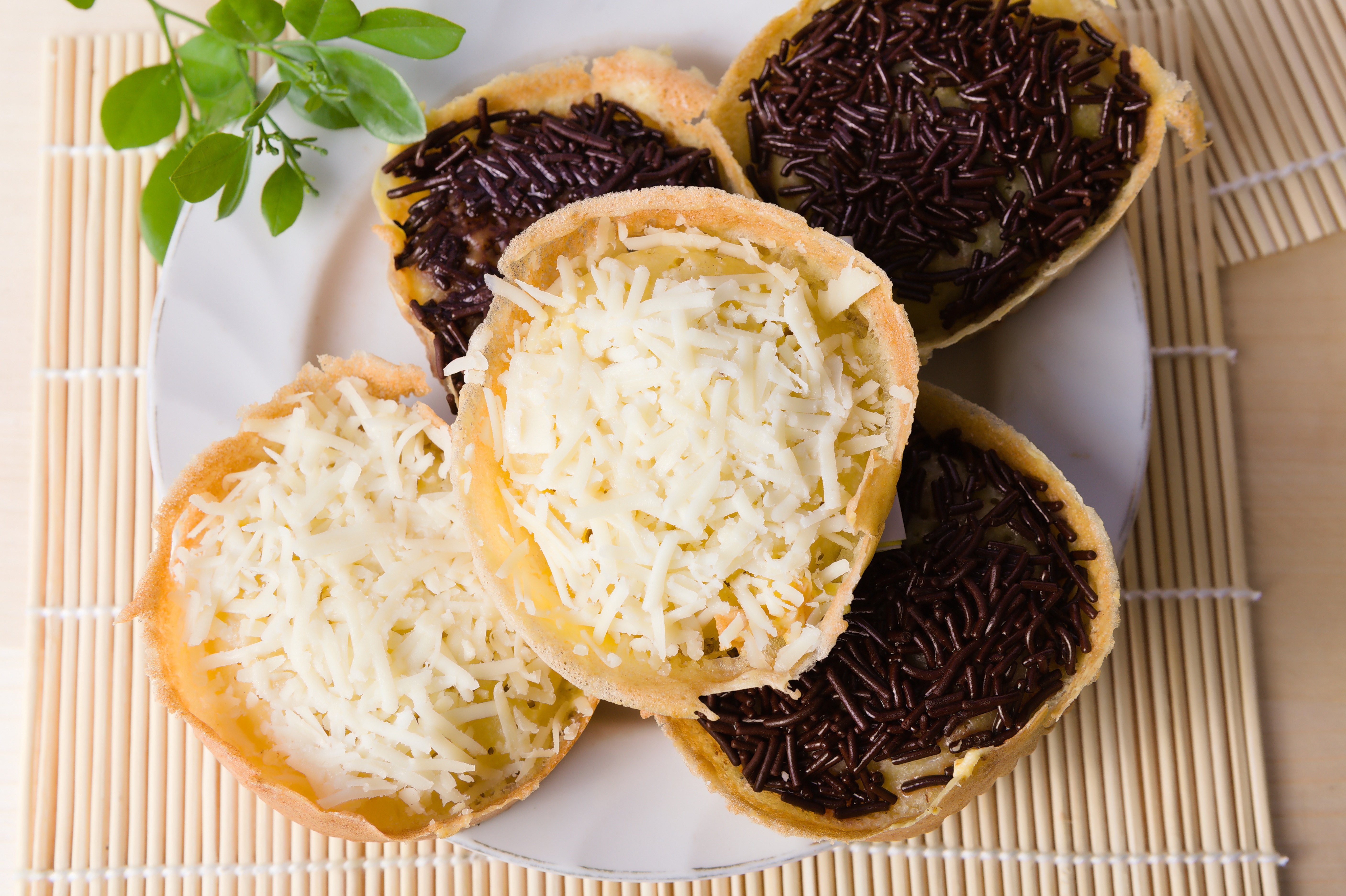
That first golden, butter-laced bite is all it takes. Inside, a flood of chocolate, peanuts, cheese, and condensed milk; Martabak Manis nails the sweet-savory balance, proof that cultural fusion tastes best when served warm and shared. And all it took was one influential figure in the 1950s, his humble cart sparking the sweet revolution that made Martabak Manis famous.
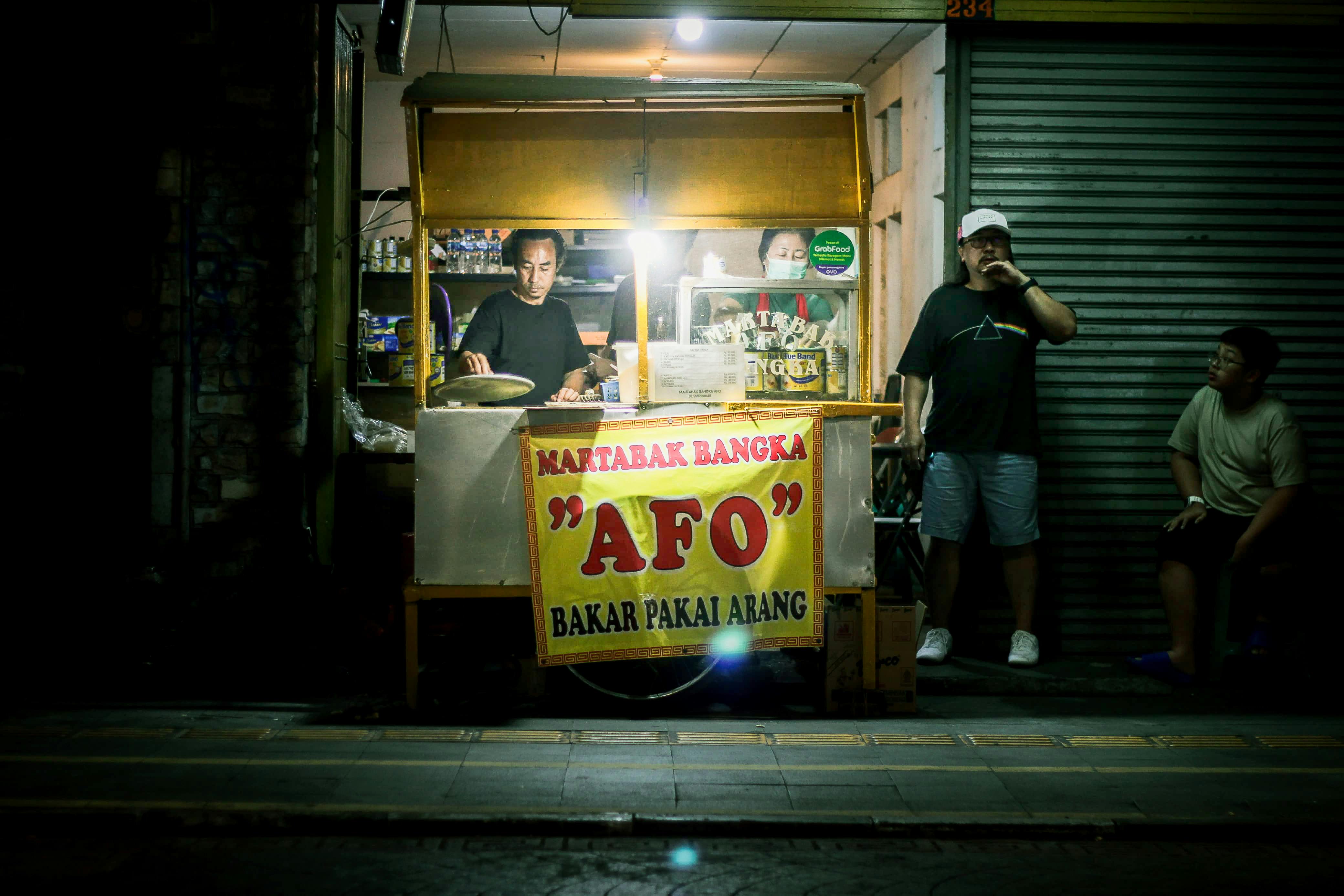
It all started with Hioe Kiew Sem. A Chinese-descended resident in Bandung in the 1950s, Sem served a thick, honeycombed pancake with nothing but sugar and sesame seeds. From that cart, an explosion of flavors followed—chocolate, cheese, matcha, red velvet—each new iteration mirroring the country’s evolving palate. Through it all, the original sugar-and-sesame bite has never lost its pull. For generations of Indonesians, it remains the taste of home.
It travels under another name in Malaysia and Singapore, Apam Balik, but the pancake is unmistakably the same: proof that great taste is a language all its own.
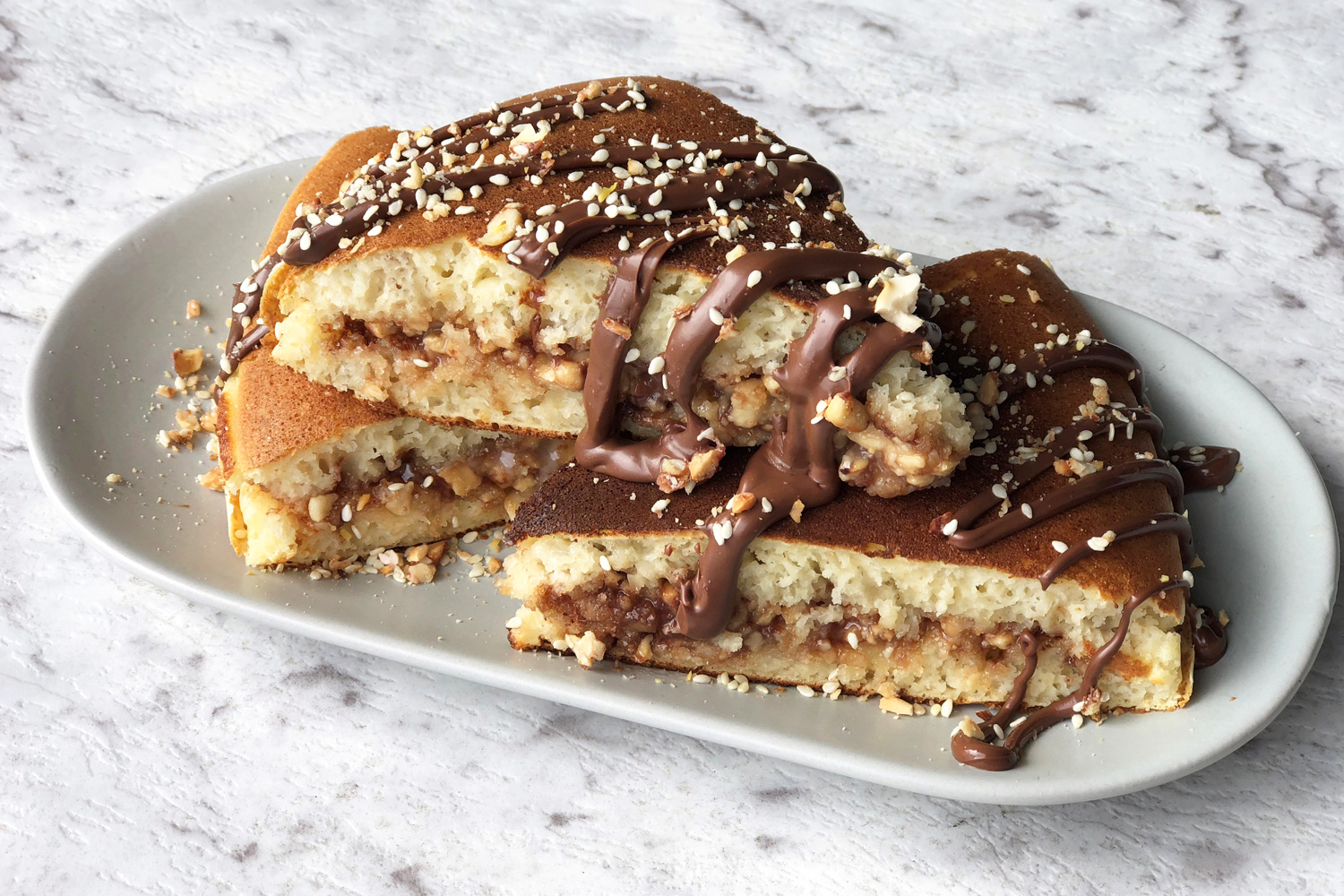
In its layered flavors and cross-border appeal, Martabak Manis embodies a culinary acculturation that brings rich satisfaction, proof that even a thousand-calorie indulgence can tell a deeper story.
Ary Budiyanto, a researcher and lecturer at Brawijaya University, sees Martabak Manis as proof that acculturation creates entirely new tastes, tracing its origins to Chinese influence while noting that later Dutch colonial presence introduced chocolate sprinkles, now an indispensable topping on the modern version.
“Our acculturation has always been global. We absorb outside influences as something natural, almost taken for granted, and then we reinterpret them. Cheese and chocolate together? You won’t find that combination anywhere else. Across the border, you see the same instinct at work, just like Apam Balik in Malaysia, often filled with sweet corn,” Budiyanto added.
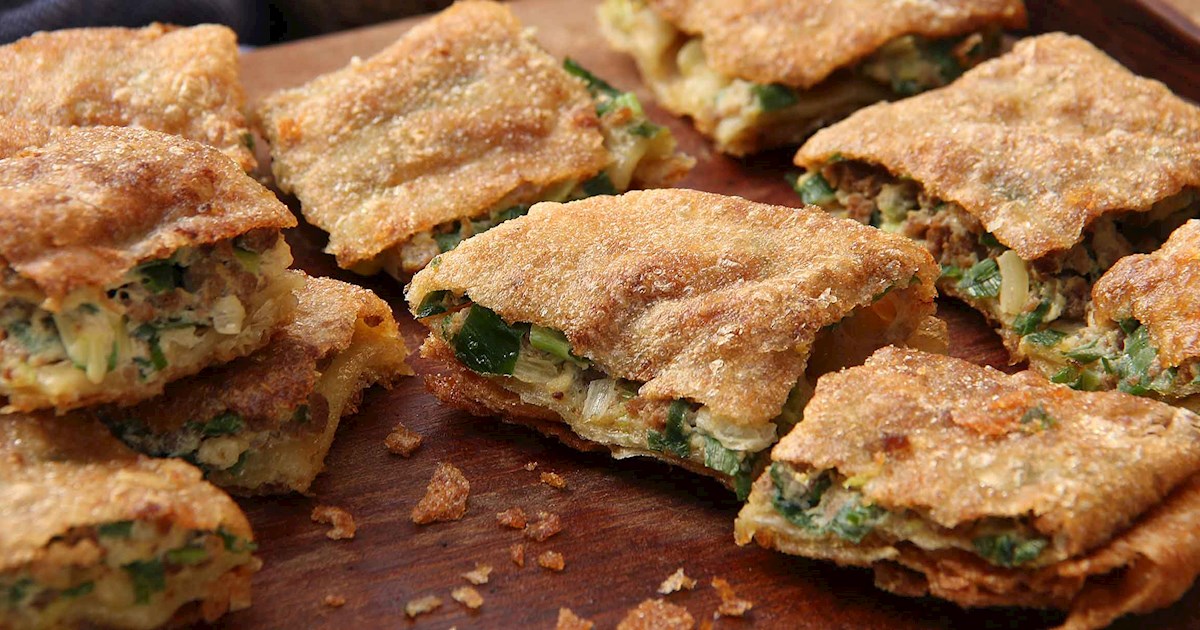
The face of martabak changed during the Sukarno years. Presidential Regulation No. 10 of 1959 barred foreigners from trading below the regency level, sending waves of Chinese and Indian vendors back to their home countries. Martabak asin, the savory version once popularized by Indian Muslims, all but disappeared. But the story found new authors. Former stall assistants stepped forward, opening their own businesses. In time, some began offering both the sweet and the savory, a tradition that continues today.
For Jose Dharmavirya, an independent researcher of Chinese-Indonesian culture, food is something deeper than sustenance. In many Asian traditions, including Chinese, he explains, food is an act of love. Acculturation, then, is simply adding new flavor to that expression. Further, according to Dharmavirya, food also serves as a way to reconnect with his own identity. Chinese influence runs deep in Indonesian food, not just in Martabak Manis but across the traditional cakes still sold in local markets today.
“You know, noodles, fried rice, all the usual market snacks, plenty of seafood, and pork, always pork. Pork’s the undisputed champ. No contest there,” he shared, offering a mouthwatering glimpse into his family’s gathering menu.
Having long transcended its street-cart origins, Martabak Manis now serves as a lifeline for the Indonesian diaspora, sustaining a network of quietly thriving pre-order stalls from New York to Melbourne that cater to homesick students and professionals, each butter-drenched bite a direct line back home.
Bernadus Ratu knows that longing well. An aspiring Indonesian chef who arrived in New York in 2014, he spent years working restaurant kitchens before finding his purpose in Martabak Manis. Today, at his stall Martabak Queens, Ratu replicates the taste he grew up with, folding it fresh for a city of strangers who now line up like locals.
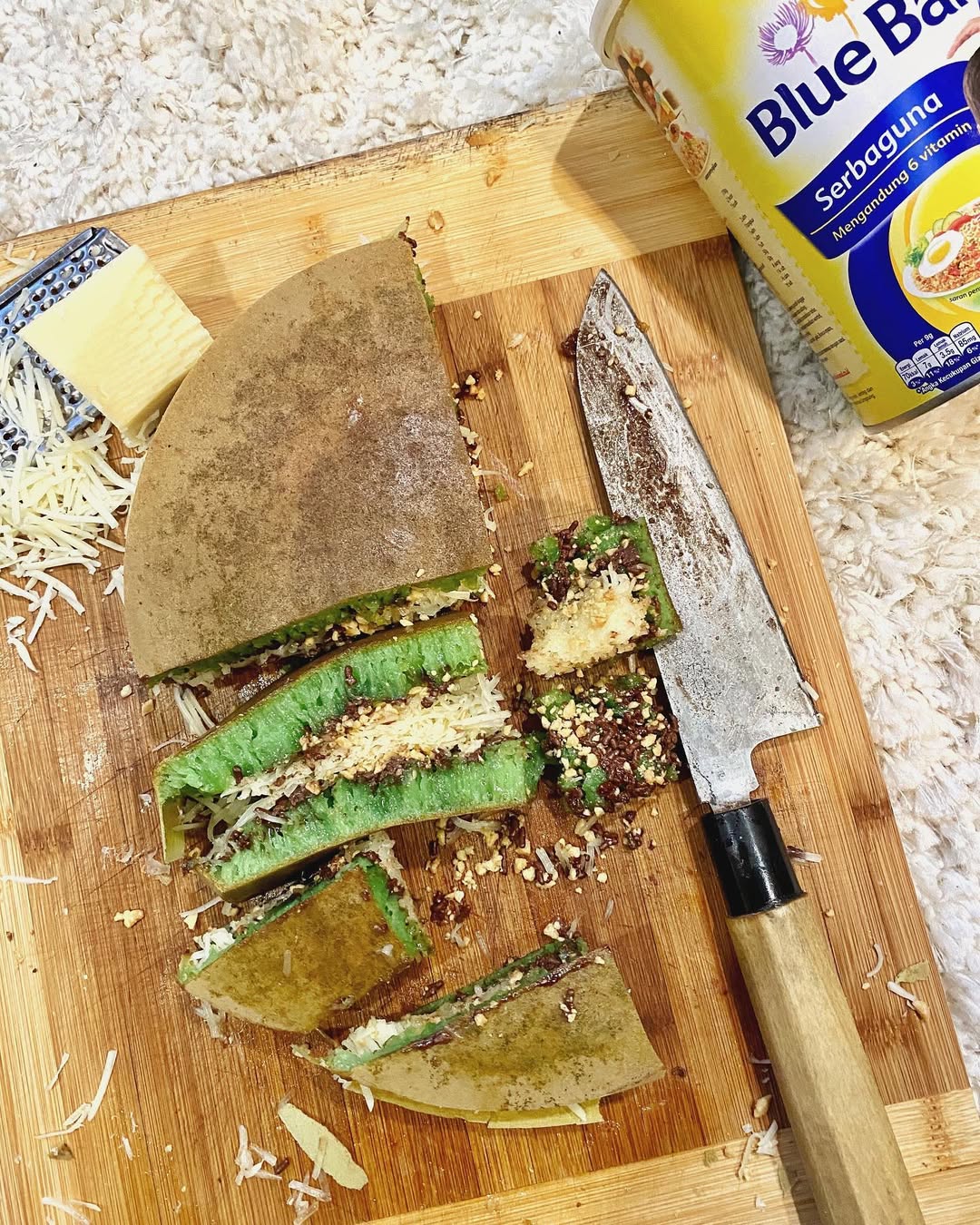
A true devotee, Ratu still eats martabak up to three times a week, sometimes daily. But when he first landed in Los Angeles, he could hardly find the version he grew up with. So, he started making it himself, bringing the recipe to the table from city to city, honing it with every move. By the time New York became home, Martabak Queens was ready to unfold.
“Back then, jobs were scarce when I first arrived. I tried everything. Then it hit me: Why not make Martabak Manis? So, I started with the folks at my church. One order led to another, and it just took off,” Ratu recalled, tracing Martabak Queens to its roots: a craving, a memory, and a decision to recreate both.
Ratu’s path has twisted. He previously worked in a Michelin-starred kitchen, but his regulars aren’t food critics. They’re Indonesian students, homesick and craving the one bite that brings them back.
“This tastes like home. I’m sure of it. Some see a business. I see the thing I crave. How can you make it right if you don’t crave it too?” he added. That devotion, he insists, is the difference. Selling Martabak Manis started as a side hustle. Now, it even supports his family and gives them moments together, a small luxury folded into every bite.
Passion, he admits, can only take him so far. What he needs now is food diplomacy, a push to make key Martabak Manis ingredients more affordable and widely available across the U.S. so that the taste of home doesn’t have to cost so much to recreate.
“Food is how we introduce ourselves. Our food is our story. I just hope the government back home sees that and stands with us, so we can share it with the world together,” he closed.
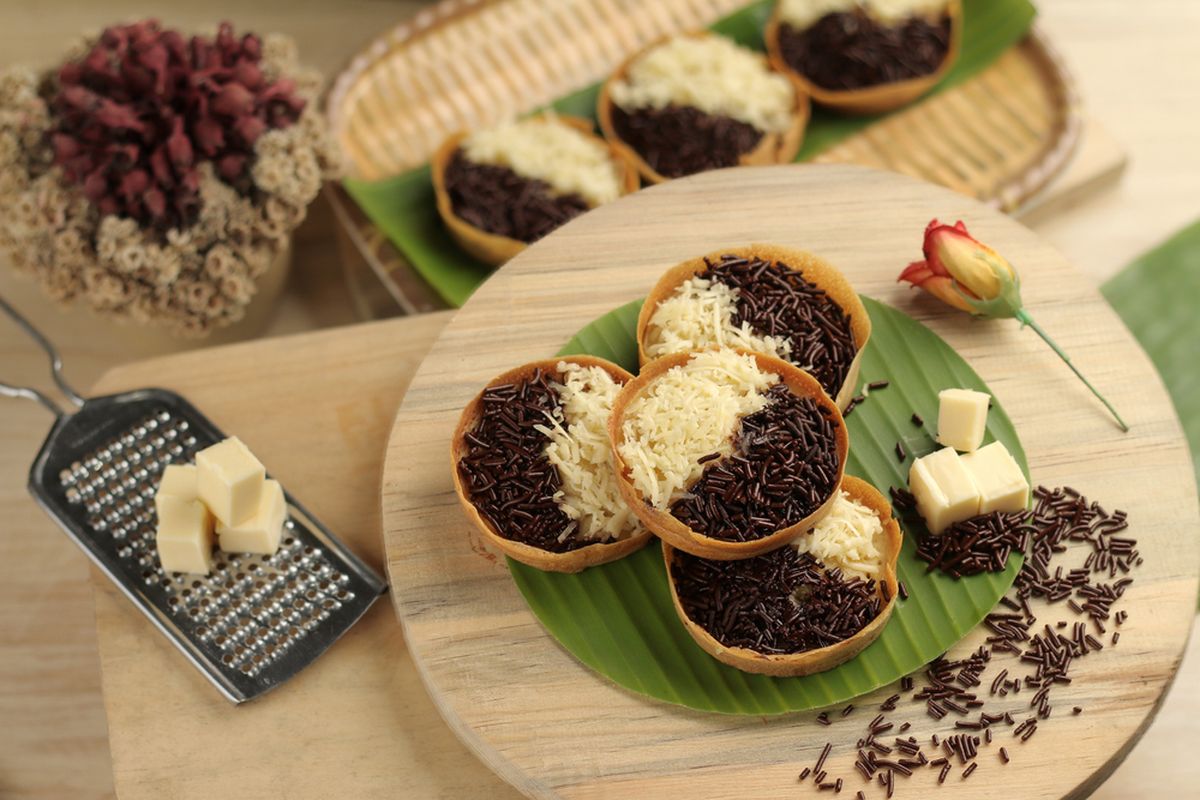
It traveled from Fujian to Jakarta. Then to the streets of New York. Martabak Manis has crossed oceans without a single document—no stamp required. Just one pan, one fold, one bite, and suddenly, strangers aren’t strangers anymore.
Cover image via Pixabay/Yama To.