

Feature image of This New Indie Game Brings Us Back to the Y2K “QQ Show” Glory Days

This New Indie Game Brings Us Back to the Y2K “QQ Show” Glory Days

1 min read

1 min read

Feature image of This New Indie Game Brings Us Back to the Y2K “QQ Show” Glory Days
Artist Kay Zeng revives the iconic Chinese pixel avatar game with her own twist, and we're obsessed.

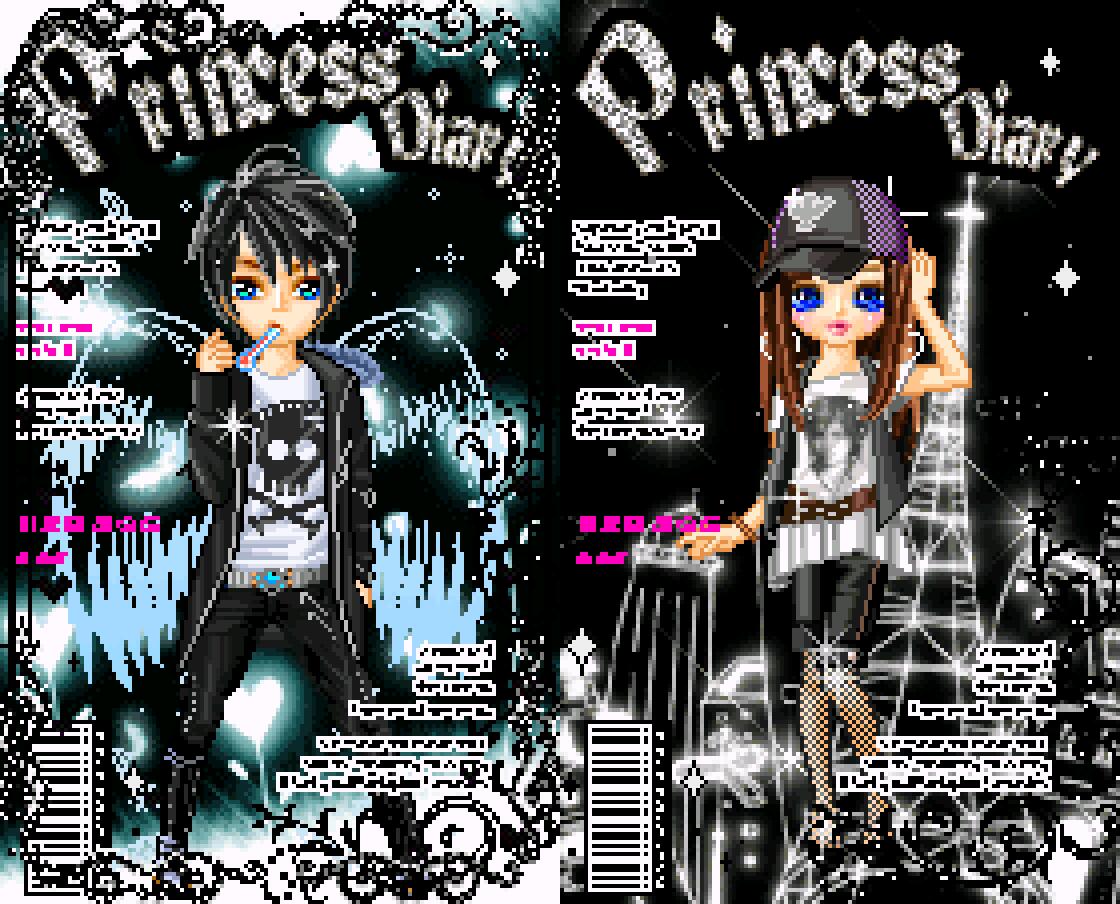
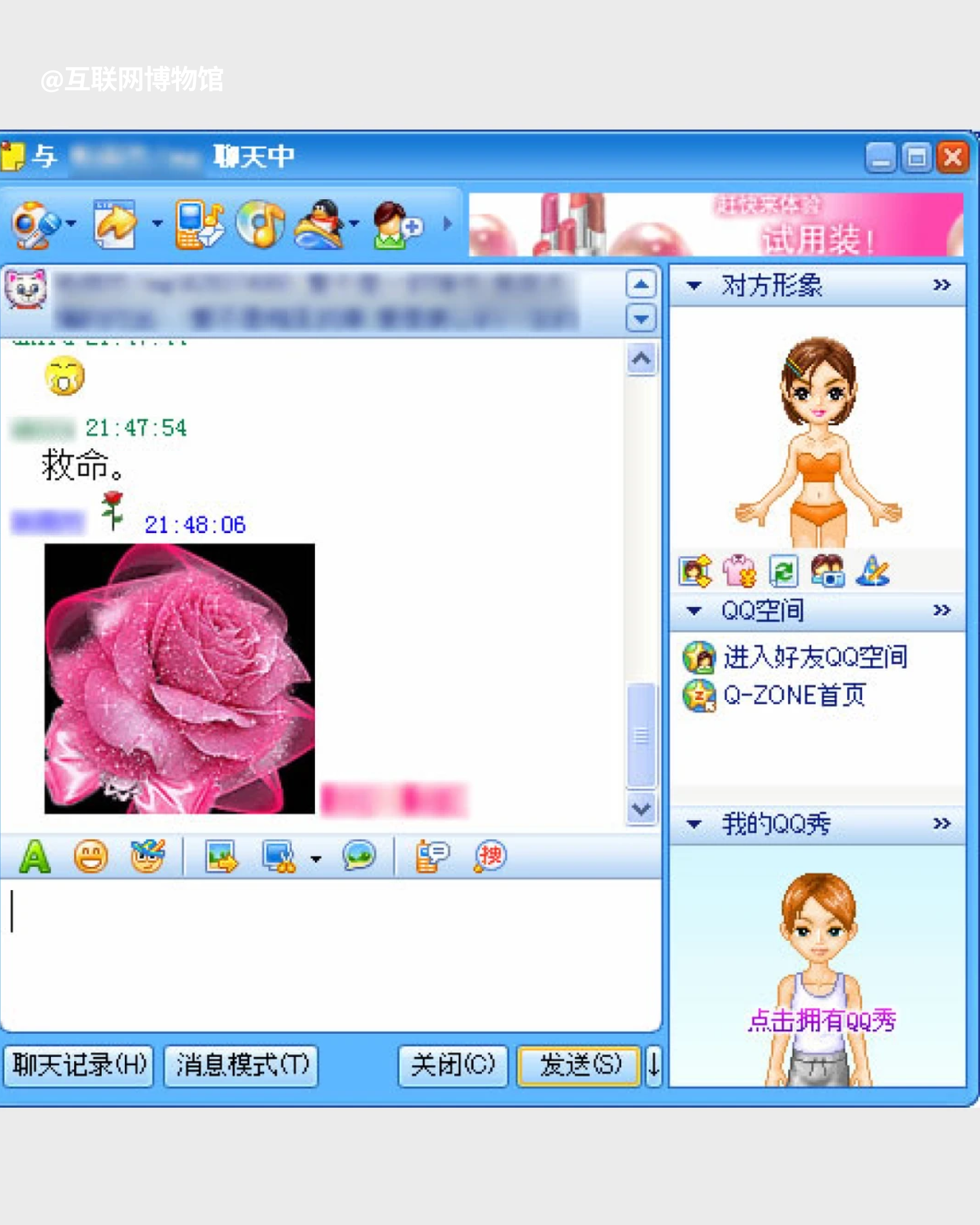
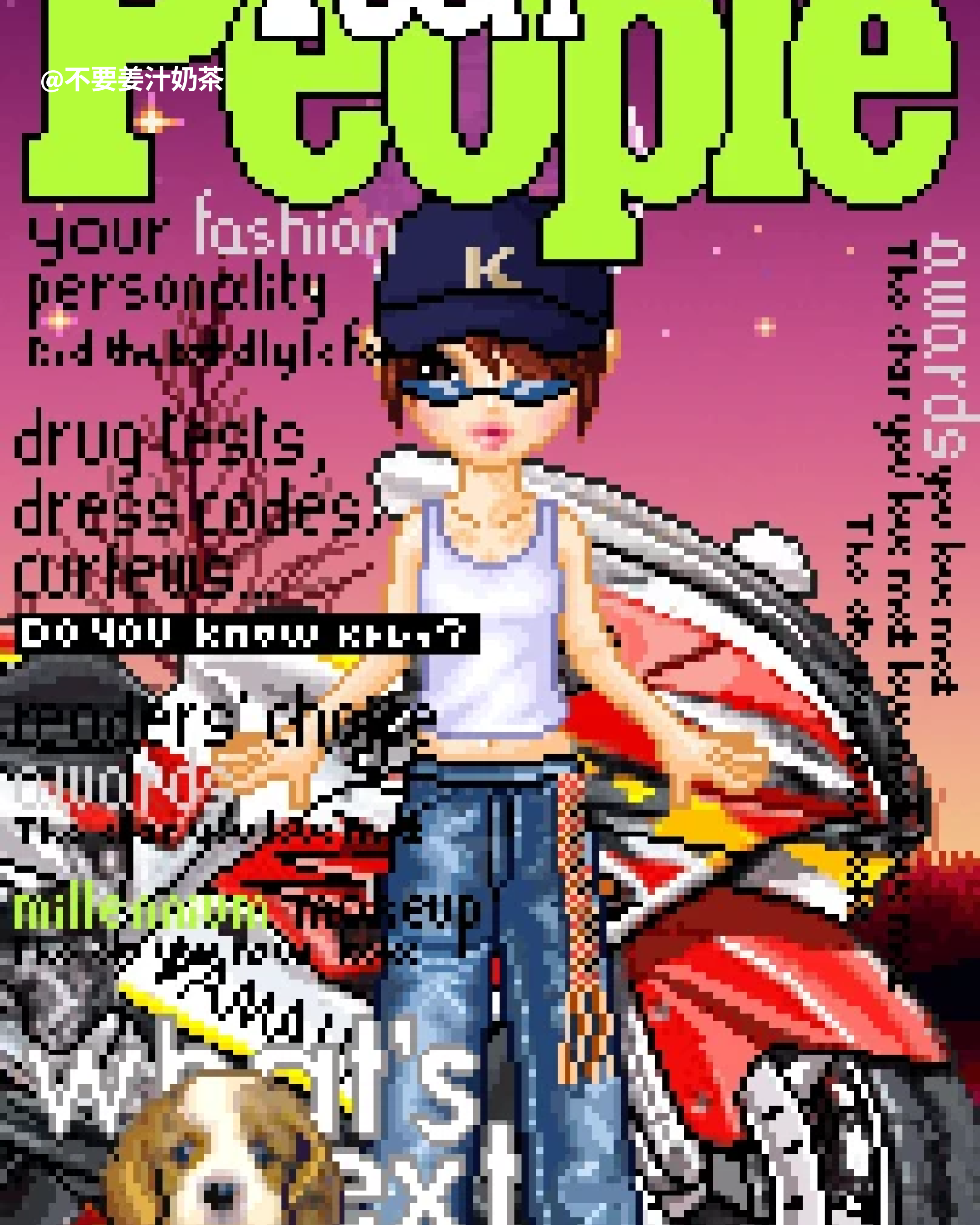
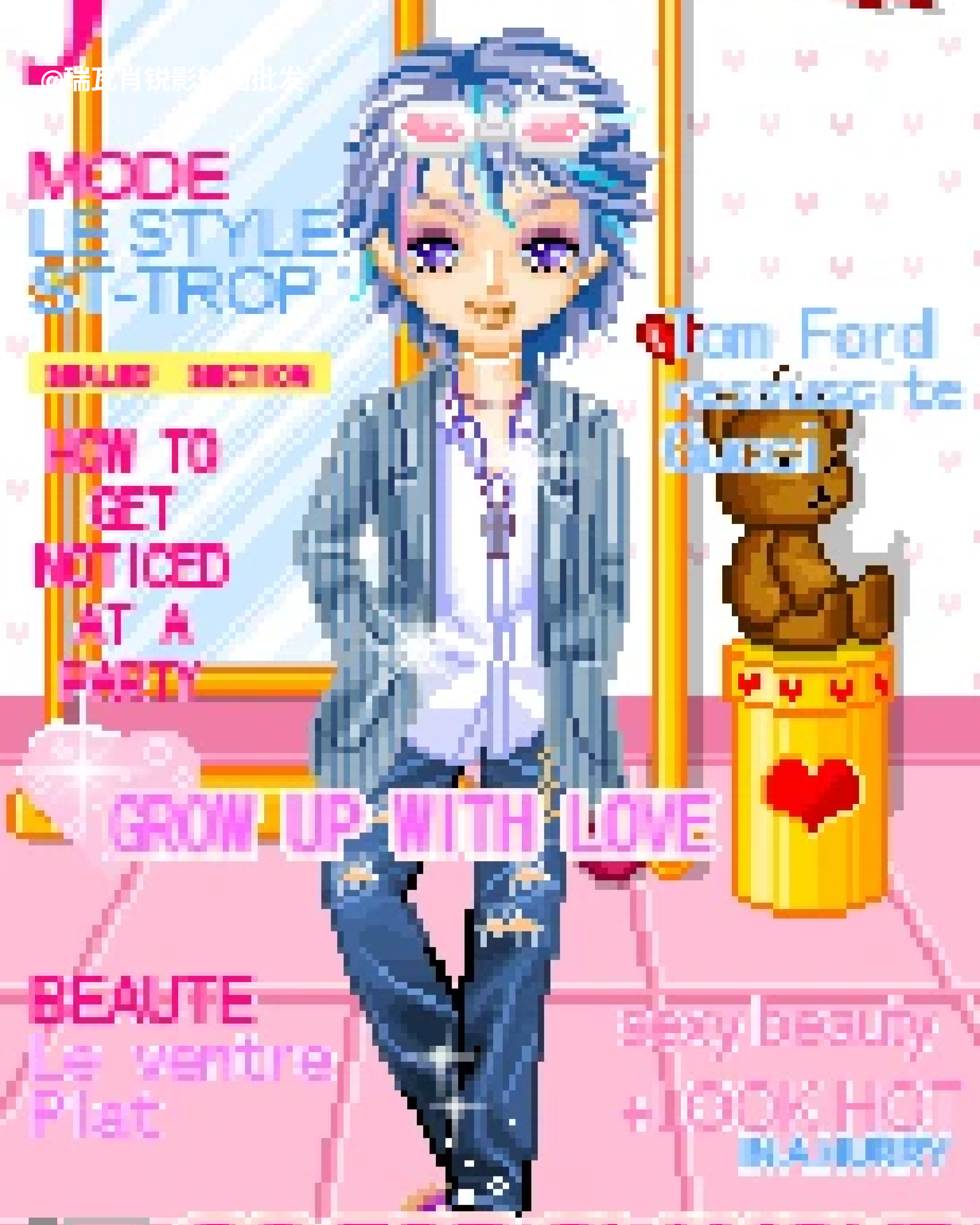
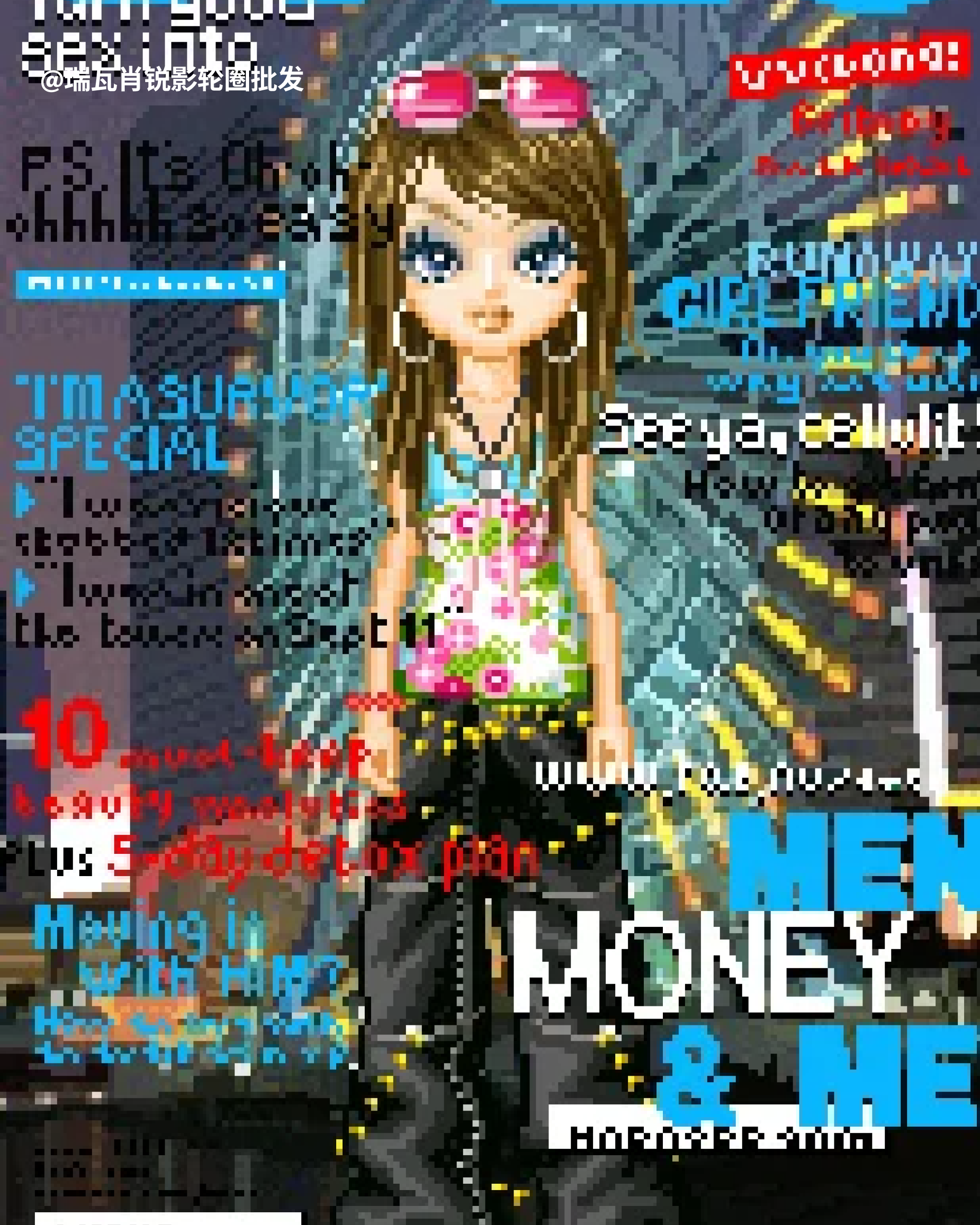
Ready for a trip down internet memory lane? Long before “metaverse” became a buzzword, Chinese youth were already shaping their digital identities on QQ Show. This groundbreaking pixel avatar dress-up game, launched in 2003 on QQ—the dominant Chinese chat platform—was a pioneering force in online self-expression.

It transformed into China’s first monetized digital fashion platform, enabling teens to buy avatar outfits, send virtual gifts, and flaunt styles ranging from blingeecore to edgy streetwear on their tiny pixelated screens. It was a cultural phenomenon where fashion, socializing, and a touch of online swagger beautifully collided.
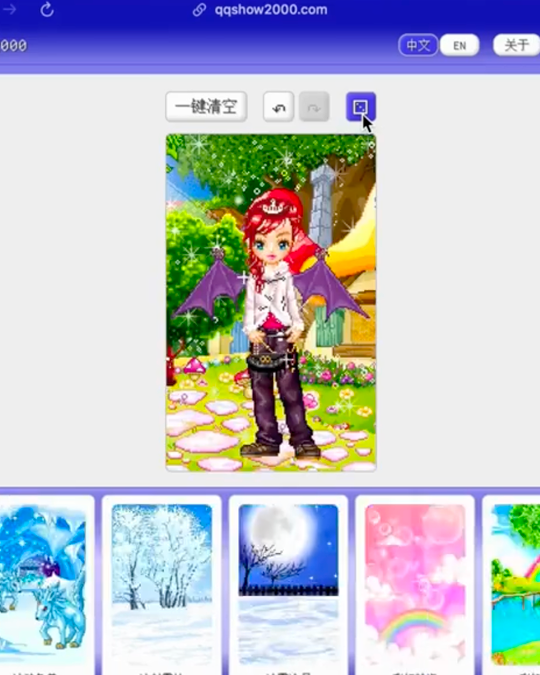
Now, artist and developer Kay Zeng is resurrecting that iconic era with qqshow2000.com. Driven by a heartfelt nostalgia for her Y2K childhood, Zeng meticulously revived the beloved QQ Show feature, which Tencent eventually retired in 2021. Her project infuses the internet with a vibrant purikura and blingee aesthetic, bringing back the charm of early 2000s web culture. All the authentic assets for the game were carefully recovered from the Internet Archive’s Wayback Machine, ensuring a faithful recreation of the original magic.

qqshow2000.com offers more than just a nostalgic throwback. It serves as a compelling reminder that the interplay between fashion, play, and culture has always thrived online. QQ Show empowered a generation to explore identity and trends within a dynamic digital space. Kay Zeng’s revival highlights how, long before sophisticated digital fashion platforms, the fundamental principles of virtual style and community building were being forged.

RADII covers artist and developer Kay Zang and her game qqshow2000.com which brings back Y2K pixel fashion platform QQ Show.

All images via Instagram/Kay Zang & Xiaohongshu.

NEWSLETTER

Get weekly top picks and exclusive, newsletter only content delivered straight to you inbox.

NEWSLETTER

Get weekly top picks and exclusive, newsletter only content delivered straight to you inbox.

RADII NEWSLETTER

Get weekly top picks and exclusive, newsletter only content delivered straight to you inbox

Feature image of This New Indie Game Brings Us Back to the Y2K “QQ Show” Glory Days

This New Indie Game Brings Us Back to the Y2K “QQ Show” Glory Days

1 min read

Artist Kay Zeng revives the iconic Chinese pixel avatar game with her own twist, and we're obsessed.

Ready for a trip down internet memory lane? Long before “metaverse” became a buzzword, Chinese youth were already shaping their digital identities on QQ Show. This groundbreaking pixel avatar dress-up game, launched in 2003 on QQ—the dominant Chinese chat platform—was a pioneering force in online self-expression.

It transformed into China’s first monetized digital fashion platform, enabling teens to buy avatar outfits, send virtual gifts, and flaunt styles ranging from blingeecore to edgy streetwear on their tiny pixelated screens. It was a cultural phenomenon where fashion, socializing, and a touch of online swagger beautifully collided.
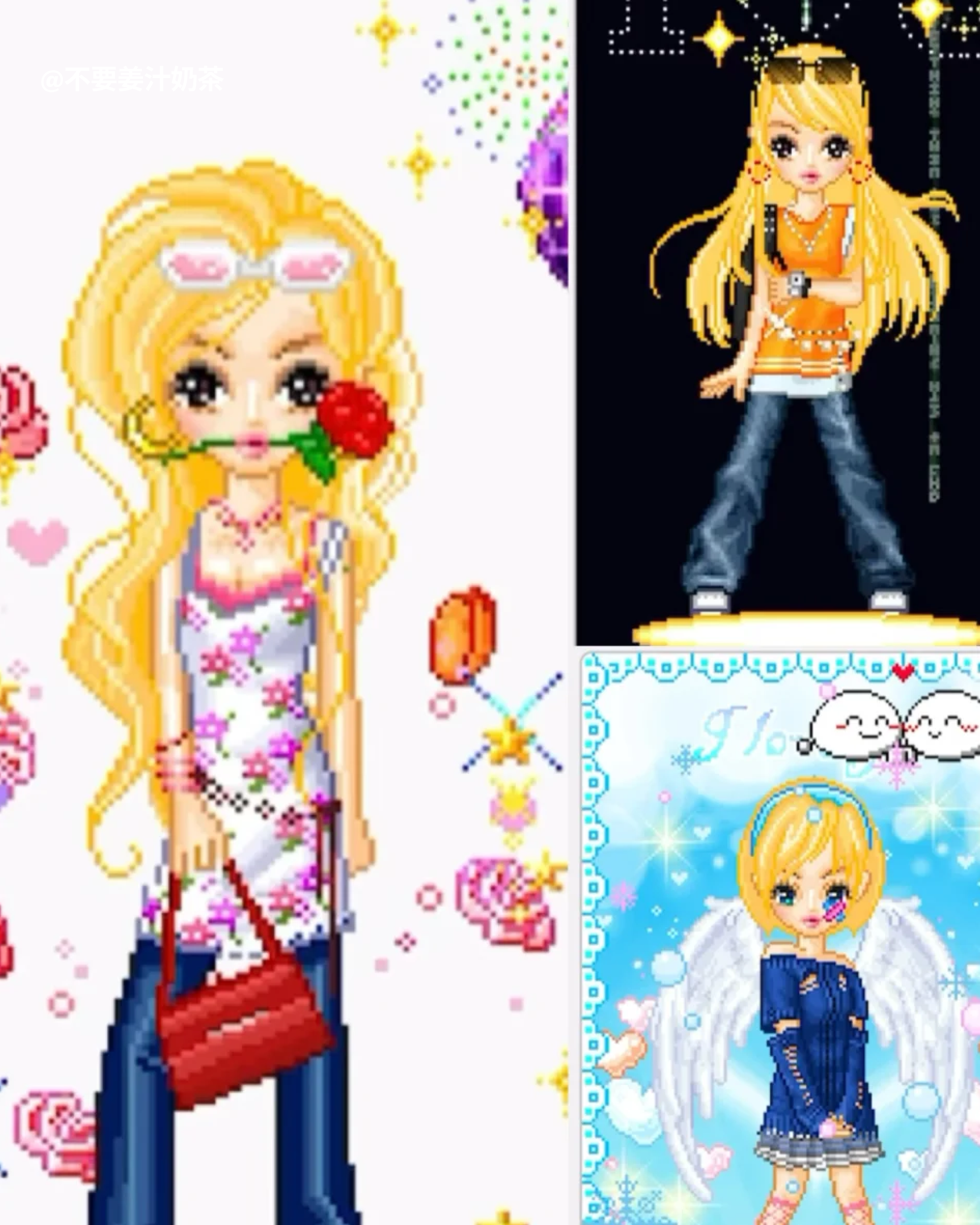
Now, artist and developer Kay Zeng is resurrecting that iconic era with qqshow2000.com. Driven by a heartfelt nostalgia for her Y2K childhood, Zeng meticulously revived the beloved QQ Show feature, which Tencent eventually retired in 2021. Her project infuses the internet with a vibrant purikura and blingee aesthetic, bringing back the charm of early 2000s web culture. All the authentic assets for the game were carefully recovered from the Internet Archive’s Wayback Machine, ensuring a faithful recreation of the original magic.
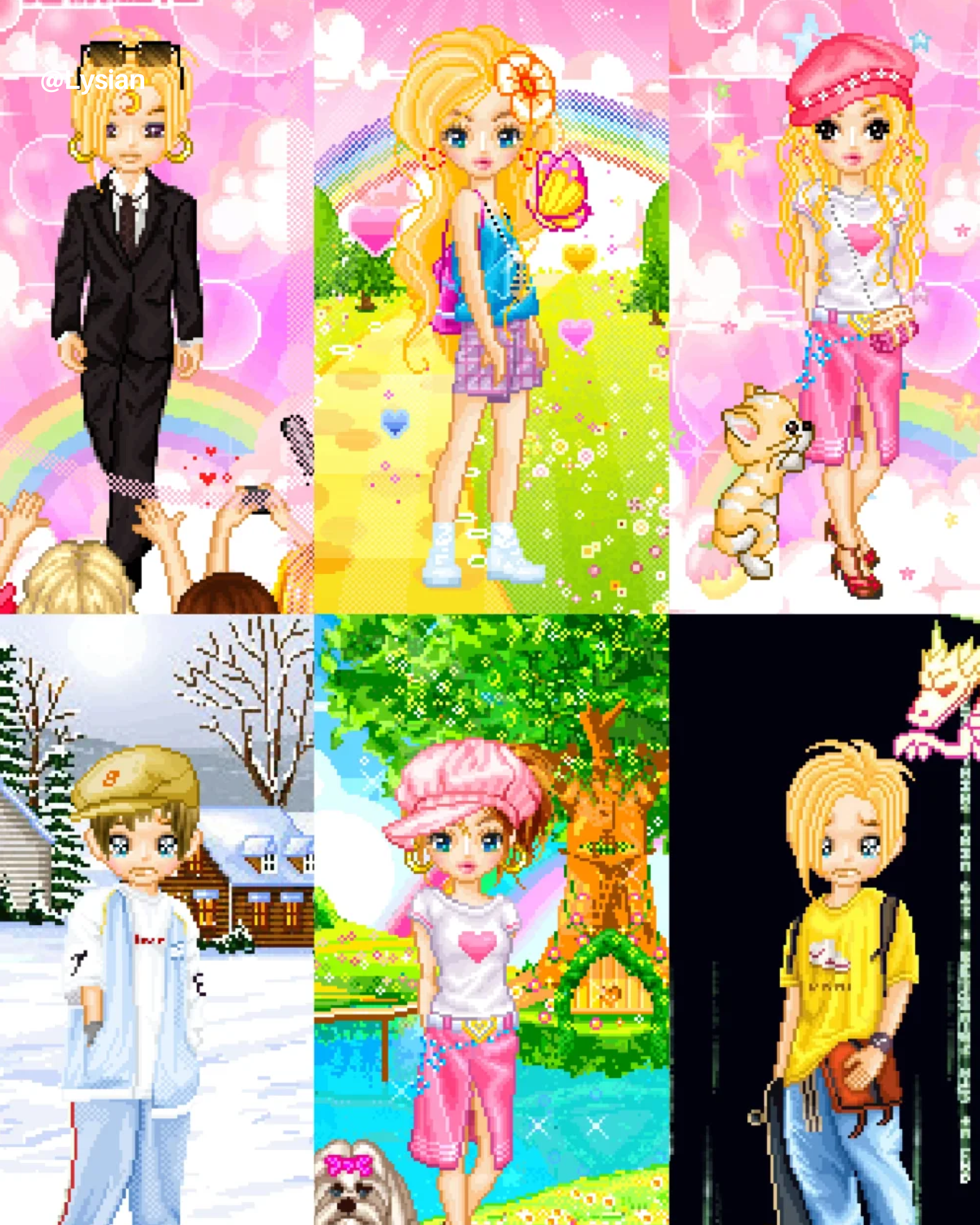
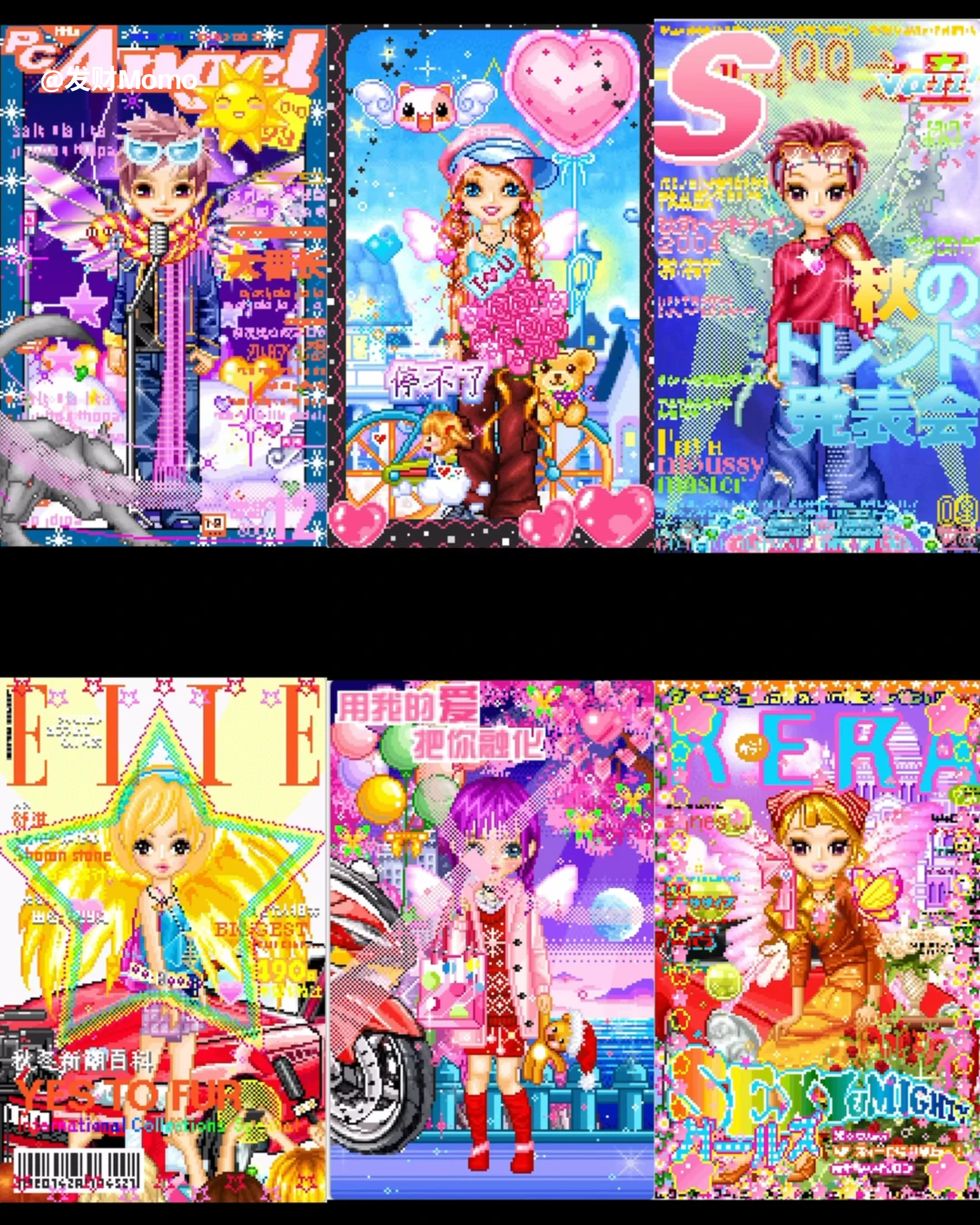
qqshow2000.com offers more than just a nostalgic throwback. It serves as a compelling reminder that the interplay between fashion, play, and culture has always thrived online. QQ Show empowered a generation to explore identity and trends within a dynamic digital space. Kay Zeng’s revival highlights how, long before sophisticated digital fashion platforms, the fundamental principles of virtual style and community building were being forged.

RADII covers artist and developer Kay Zang and her game qqshow2000.com which brings back Y2K pixel fashion platform QQ Show.

All images via Instagram/Kay Zang & Xiaohongshu.

NEWSLETTER

Get weekly top picks and exclusive, newsletter only content delivered straight to you inbox.

RADII NEWSLETTER

Get weekly top picks and exclusive, newsletter only content delivered straight to you inbox

RELATED POSTS

Feature image of This New Indie Game Brings Us Back to the Y2K “QQ Show” Glory Days

This New Indie Game Brings Us Back to the Y2K “QQ Show” Glory Days

1 min read

1 min read

Feature image of This New Indie Game Brings Us Back to the Y2K “QQ Show” Glory Days
Artist Kay Zeng revives the iconic Chinese pixel avatar game with her own twist, and we're obsessed.

Ready for a trip down internet memory lane? Long before “metaverse” became a buzzword, Chinese youth were already shaping their digital identities on QQ Show. This groundbreaking pixel avatar dress-up game, launched in 2003 on QQ—the dominant Chinese chat platform—was a pioneering force in online self-expression.

It transformed into China’s first monetized digital fashion platform, enabling teens to buy avatar outfits, send virtual gifts, and flaunt styles ranging from blingeecore to edgy streetwear on their tiny pixelated screens. It was a cultural phenomenon where fashion, socializing, and a touch of online swagger beautifully collided.

Now, artist and developer Kay Zeng is resurrecting that iconic era with qqshow2000.com. Driven by a heartfelt nostalgia for her Y2K childhood, Zeng meticulously revived the beloved QQ Show feature, which Tencent eventually retired in 2021. Her project infuses the internet with a vibrant purikura and blingee aesthetic, bringing back the charm of early 2000s web culture. All the authentic assets for the game were carefully recovered from the Internet Archive’s Wayback Machine, ensuring a faithful recreation of the original magic.
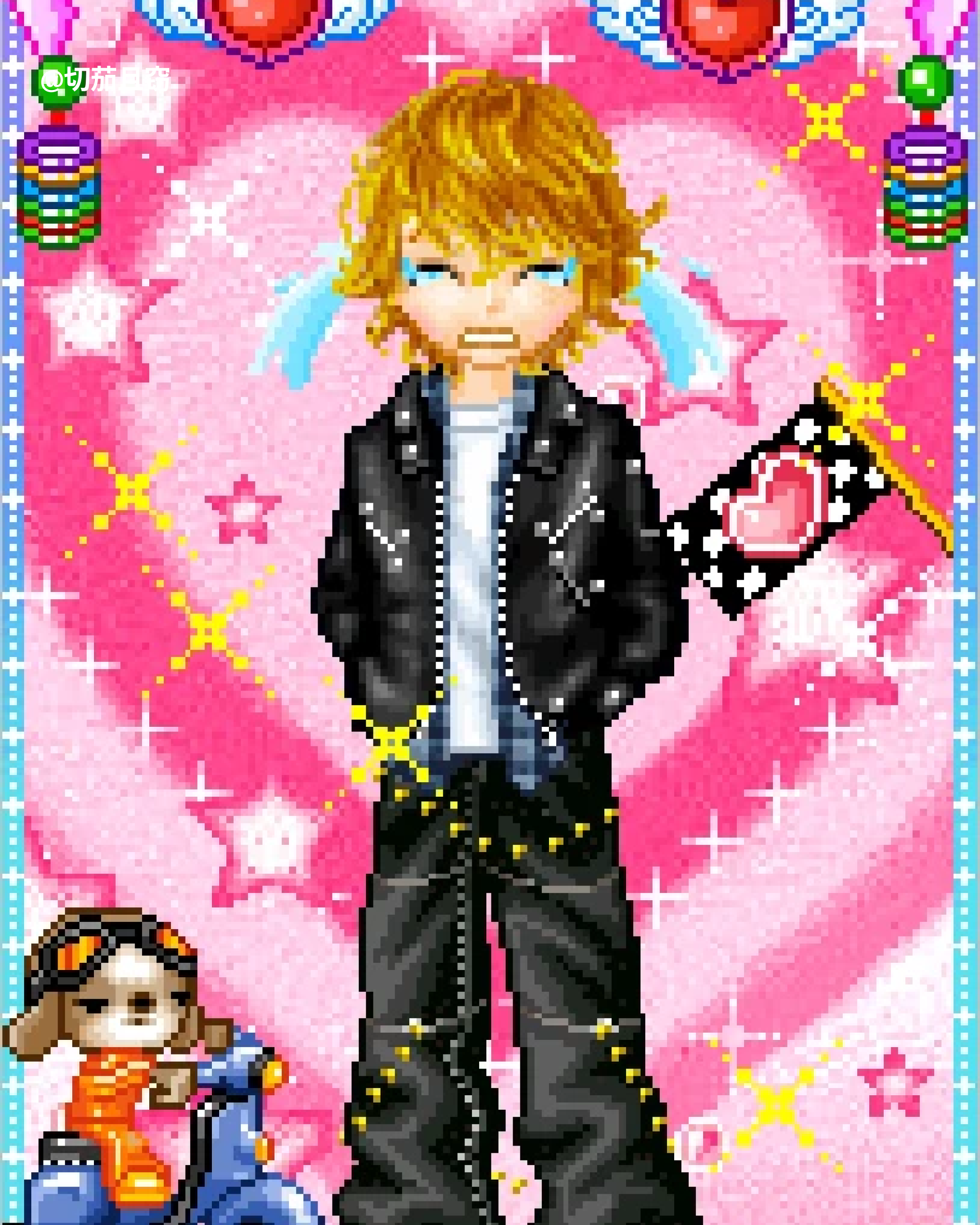
qqshow2000.com offers more than just a nostalgic throwback. It serves as a compelling reminder that the interplay between fashion, play, and culture has always thrived online. QQ Show empowered a generation to explore identity and trends within a dynamic digital space. Kay Zeng’s revival highlights how, long before sophisticated digital fashion platforms, the fundamental principles of virtual style and community building were being forged.

RADII covers artist and developer Kay Zang and her game qqshow2000.com which brings back Y2K pixel fashion platform QQ Show.

All images via Instagram/Kay Zang & Xiaohongshu.

NEWSLETTER

Get weekly top picks and exclusive, newsletter only content delivered straight to you inbox.

NEWSLETTER

Get weekly top picks and exclusive, newsletter only content delivered straight to you inbox.

RADII NEWSLETTER

Get weekly top picks and exclusive, newsletter only content delivered straight to you inbox

Feature image of This New Indie Game Brings Us Back to the Y2K “QQ Show” Glory Days

This New Indie Game Brings Us Back to the Y2K “QQ Show” Glory Days

1 min read

Artist Kay Zeng revives the iconic Chinese pixel avatar game with her own twist, and we're obsessed.

Ready for a trip down internet memory lane? Long before “metaverse” became a buzzword, Chinese youth were already shaping their digital identities on QQ Show. This groundbreaking pixel avatar dress-up game, launched in 2003 on QQ—the dominant Chinese chat platform—was a pioneering force in online self-expression.

It transformed into China’s first monetized digital fashion platform, enabling teens to buy avatar outfits, send virtual gifts, and flaunt styles ranging from blingeecore to edgy streetwear on their tiny pixelated screens. It was a cultural phenomenon where fashion, socializing, and a touch of online swagger beautifully collided.

Now, artist and developer Kay Zeng is resurrecting that iconic era with qqshow2000.com. Driven by a heartfelt nostalgia for her Y2K childhood, Zeng meticulously revived the beloved QQ Show feature, which Tencent eventually retired in 2021. Her project infuses the internet with a vibrant purikura and blingee aesthetic, bringing back the charm of early 2000s web culture. All the authentic assets for the game were carefully recovered from the Internet Archive’s Wayback Machine, ensuring a faithful recreation of the original magic.
qqshow2000.com offers more than just a nostalgic throwback. It serves as a compelling reminder that the interplay between fashion, play, and culture has always thrived online. QQ Show empowered a generation to explore identity and trends within a dynamic digital space. Kay Zeng’s revival highlights how, long before sophisticated digital fashion platforms, the fundamental principles of virtual style and community building were being forged.
RADII covers artist and developer Kay Zang and her game qqshow2000.com which brings back Y2K pixel fashion platform QQ Show.

All images via Instagram/Kay Zang & Xiaohongshu.
NEWSLETTER

Get weekly top picks and exclusive, newsletter only content delivered straight to you inbox.

RADII NEWSLETTER

Get weekly top picks and exclusive, newsletter only content delivered straight to you inbox

NEWSLETTER​

Get weekly top picks and exclusive, newsletter only content delivered straight to you inbox

RADII Newsletter Pop Up small banner

NEWSLETTER

Get weekly top picks and exclusive, newsletter only content delivered straight to you inbox.

Link Copied!

Share

Feature image of This New Indie Game Brings Us Back to the Y2K “QQ Show” Glory Days

This New Indie Game Brings Us Back to the Y2K “QQ Show” Glory Days

Artist Kay Zeng revives the iconic Chinese pixel avatar game with her own twist, and we're obsessed.

PULSE

Tap into the latest in music, fashion, art, design, entertainment, pop culture, celebrity news, and contemporary culture

DISCOVER

Embark on a journey through food, travel, wellness, heritage, traditional culture, and lifestyle

STYLE

An insider’s look at the intersection of fashion, art, and design

FEAST

Titillate your taste buds with coverage of the best food and drink trends from China and beyond.

FUTURE

Explore the cutting edge in tech, AI, gadgets, gaming, and innovative tech-related products

FEAST

Titillate your taste buds with coverage of the best food and drink trends from China and beyond

STYLE

An insider’s look at the intersection of fashion, art, and design

PULSE

Unpacking Chinese youth culture through coverage of nightlife, film, sports, celebrities, and the hottest new music