
Toy Story 5 returns to China in one of the year’s most competitive cinema windows, landing a June 19 release just as the Dragon Boat Festival and summer break collide. After seven years since the last film, the toys have returned to the rituals of contemporary Chinese life, tapping into domestic travel, childhood milestones, and the country’s collectible retail culture.
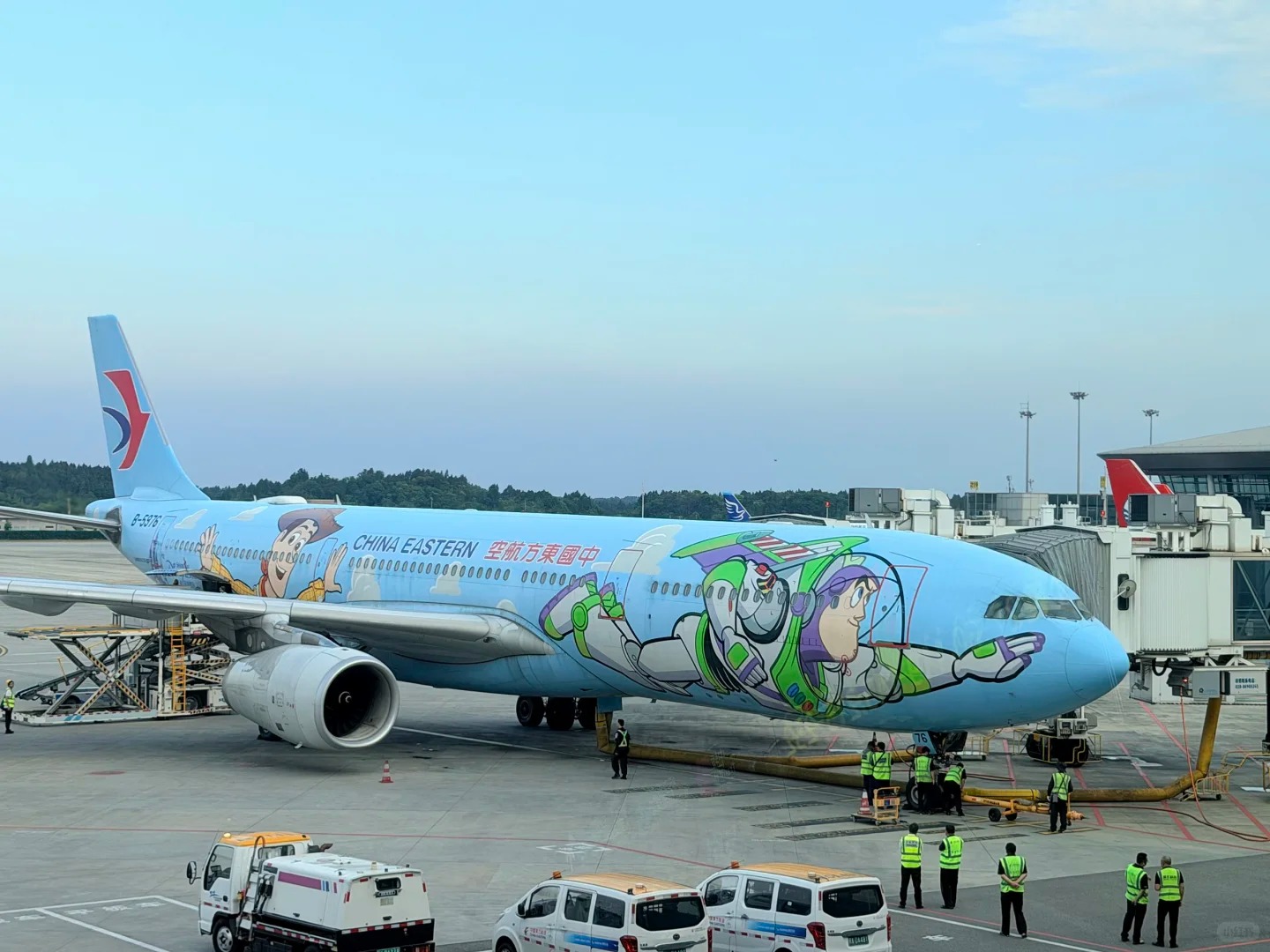
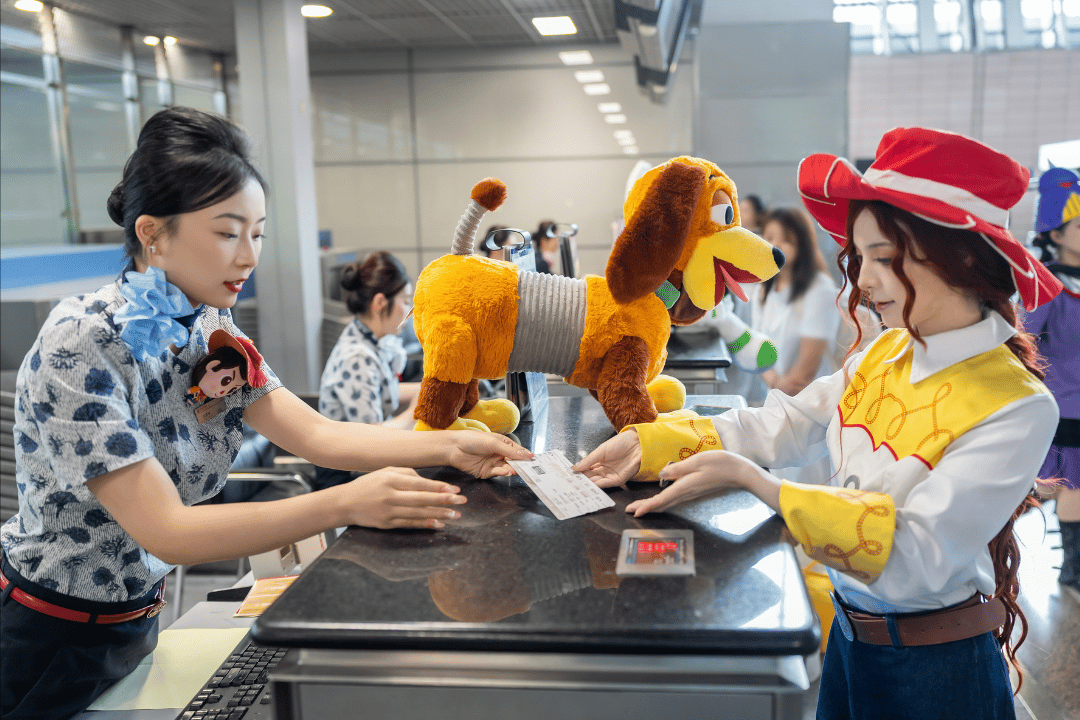
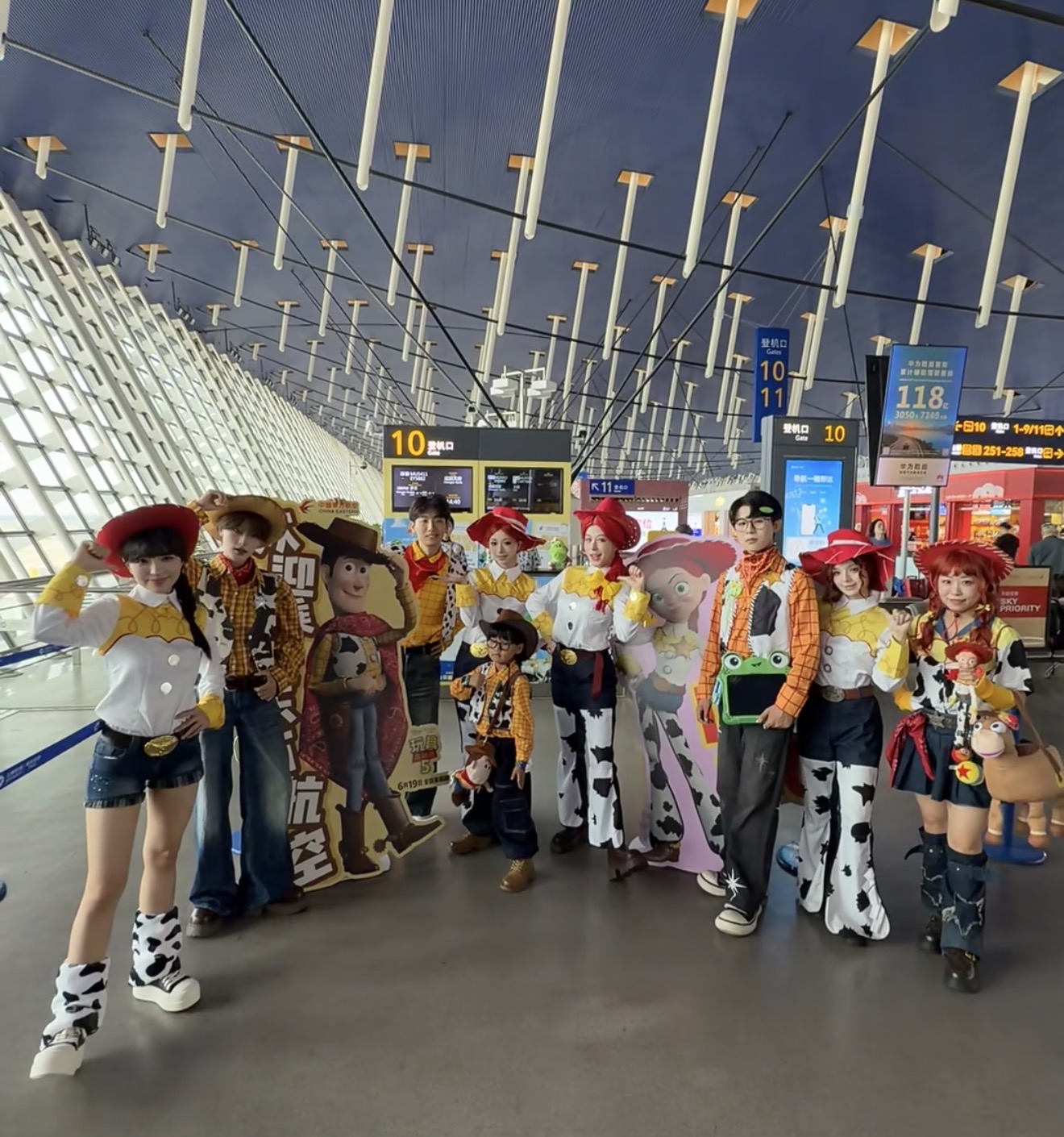
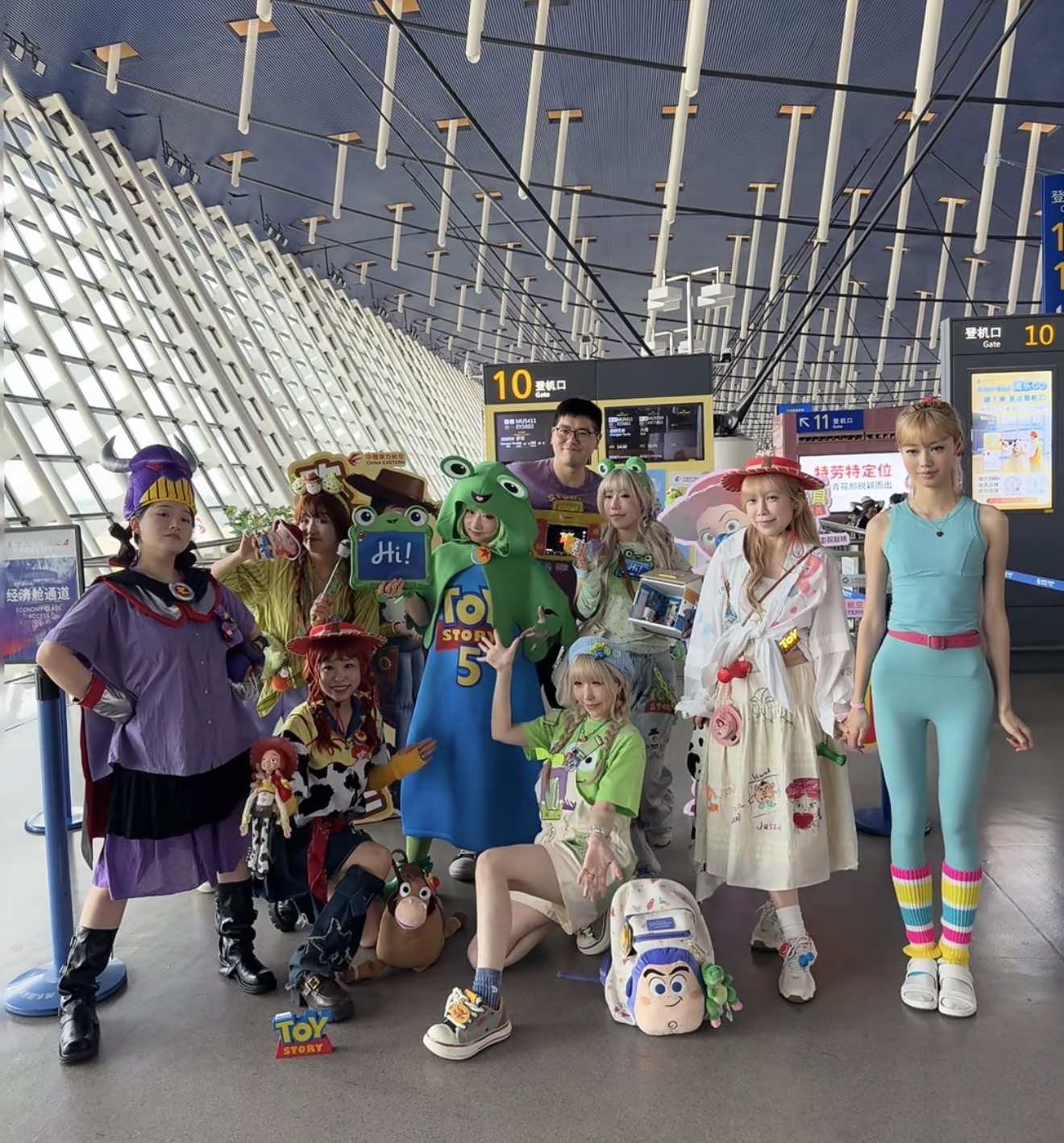
In the sky, China Eastern Airlines relaunched its iconic Toy Story-themed aircraft on flight MU5411 from Shanghai Pudong to Chengdu Tianfu. It is fully decorated, from overhead bins to themed boarding passes, and features Toy Story 5 merchandise handed out to over 210 passengers. Many of them are influencers from the Chinese mainland who documented the journey in real time. Free in-flight Wi-Fi queues up the new trailer midair, turning a two-hour hop into a soft-launch event that lives as much on social media as it does at 30,000 feet up.
On screen, Pixar hands the narrative over to Shanghai Animation Film Studio, a legacy name in Chinese animation, for Zhuazhou (a Chinese traditional celebration held on a baby’s first birthday). The short reimagines the traditional 抓周 ritual, mapping an entire life from a first birthday to adulthood, while Toy Story characters are the companions for each stage. Just like in the original story, the familiar toys somehow never leave the frame. Rather than exporting an American storyline with Chinese subtitles, the film embeds Woody and Buzz into a Chinese rite of passage. It is a franchise that has spent seven years rebuilding its relationship with Chinese audiences, now cashing in on every cultural chip it has earned.
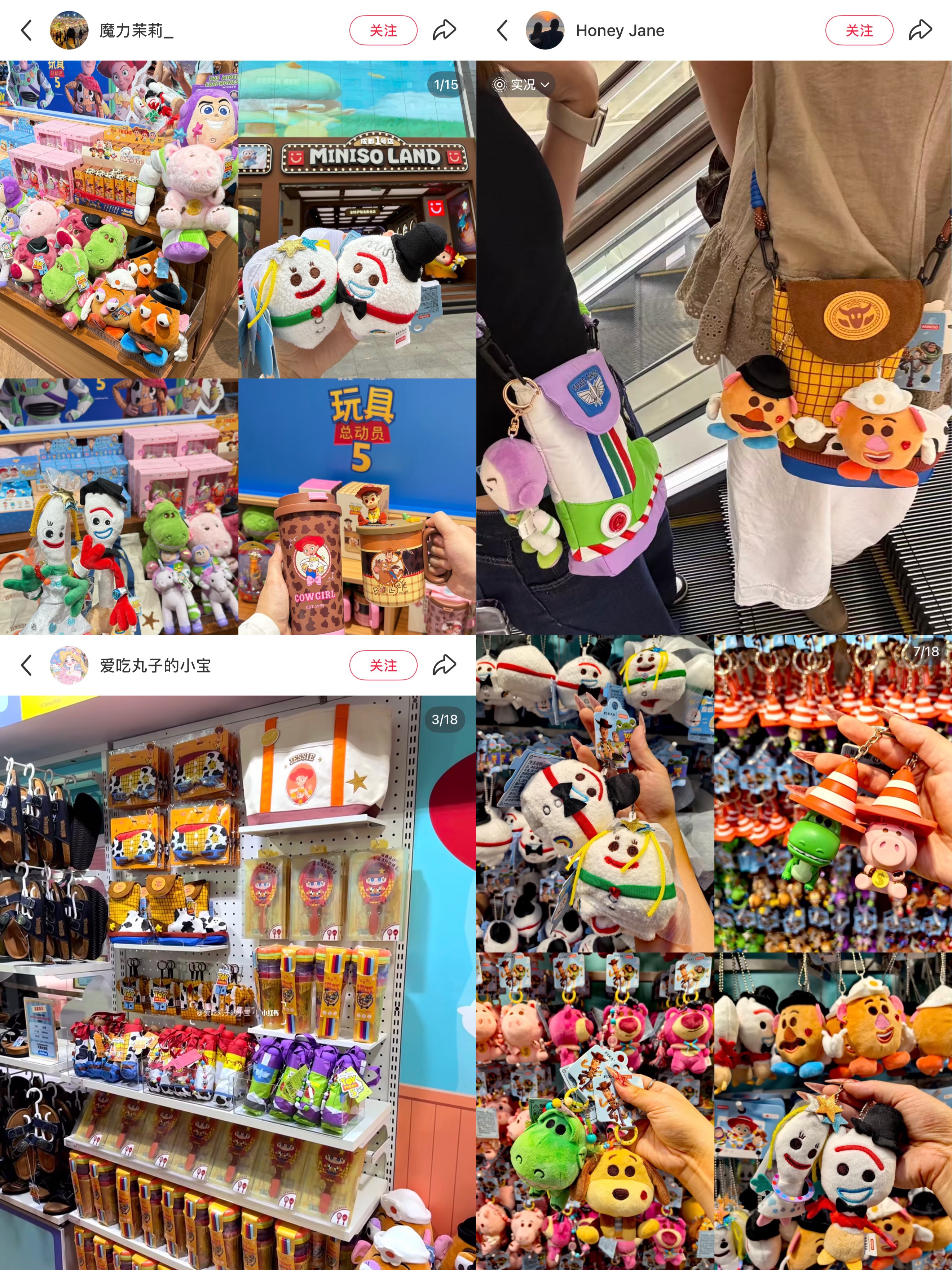
On the street, the trendiest toys—blind boxes—are leading the way. TOP TOY’s “Friends Forever” series emphasizes rarity, with one 1/72-scale “secret” figure designed to encourage repeated draws. Each figure is unique and meticulously made, sparking widespread cultural discussion and resale buzz on the internet. Meanwhile, MINISO is expanding the world of Toy Story into the realm of buildable figures and everyday accessories. Unlike previous years, it’s no longer positioning the brand merely as limited-time movie merchandise, but integrating it into the everyday consumer goods already familiar to Gen Z consumers.
Instead of using generic billboards for advertising, Toy Story 5 cleverly blends three “SSS” elements: sky, screen, and street, conveying the message: “We understand your lifestyle, and we would like to meet you there.”
Cover image via RunyQ.