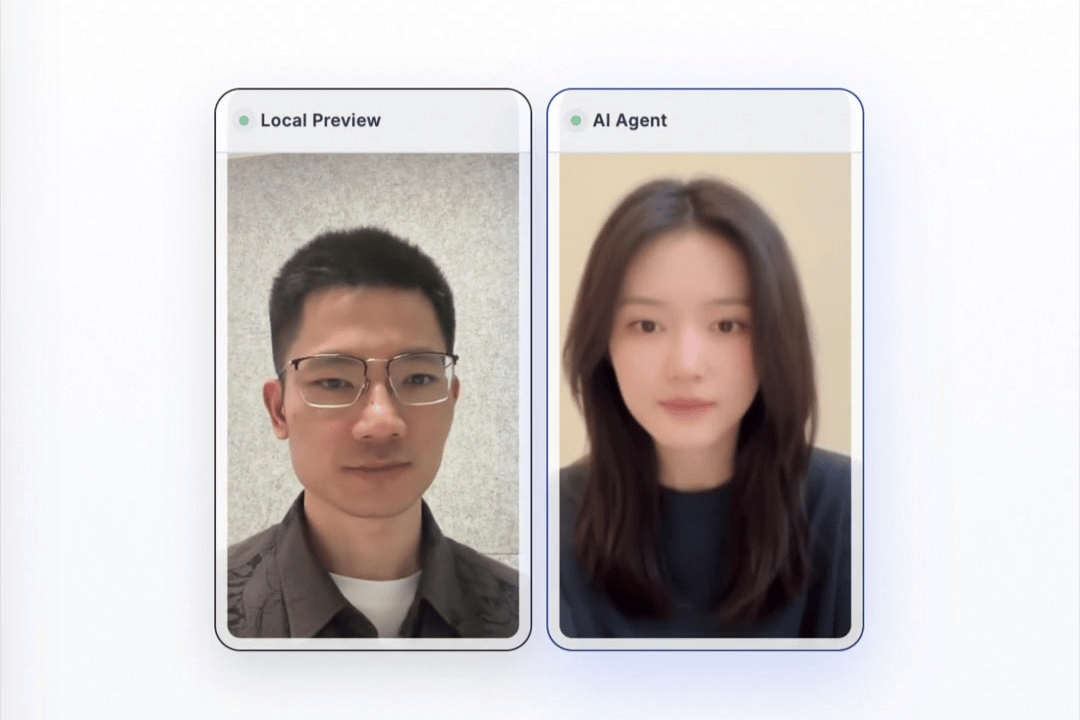

Alibaba has just entered the chat—literally. The tech giant recently unveiled Wan Streamer, an end-to-end AI model that might just blur the line between human and machine forever. Forget the clunky, robotic chatbots of yesteryear; Wan Streamer is designed to see you, hear you, think, and respond with synchronized voice, facial expressions, and hand gestures—all in real time.
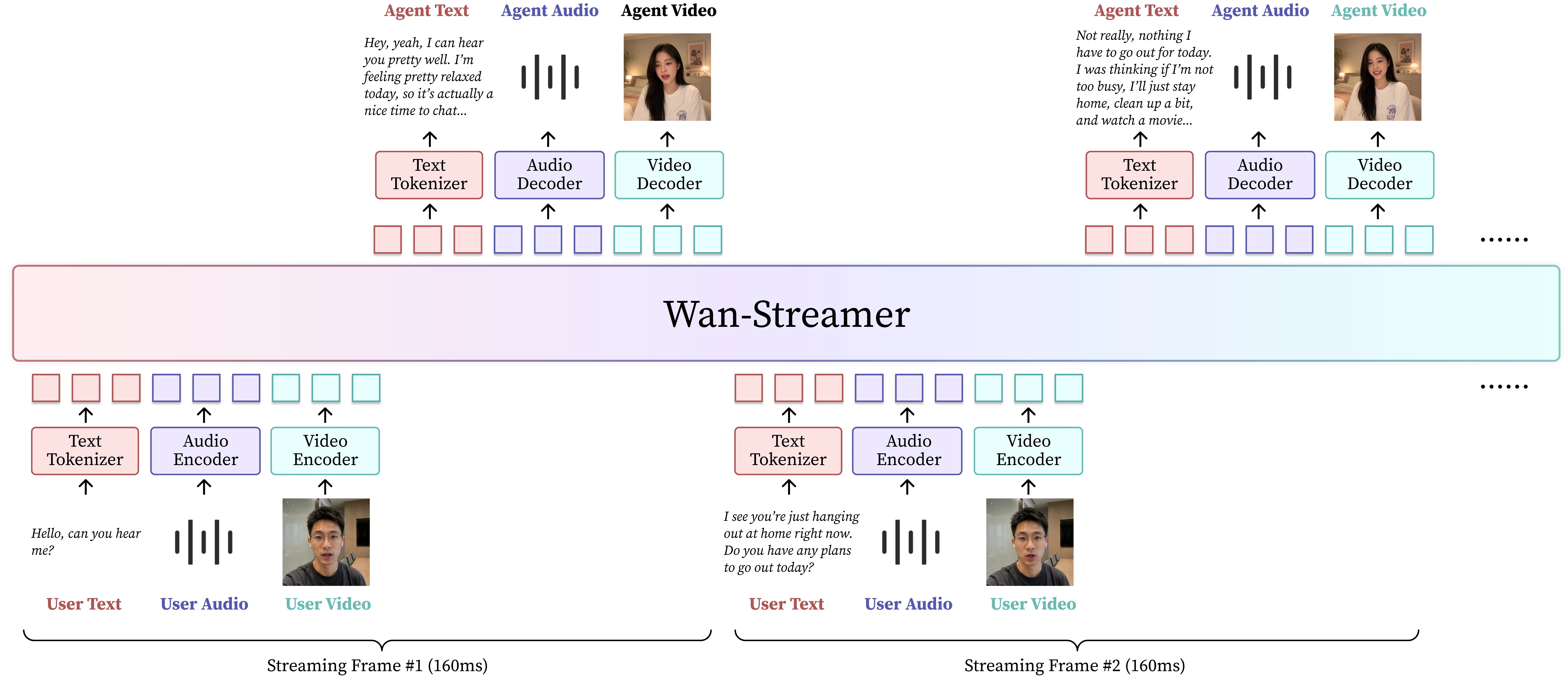
Boasting sub-second latency and full-duplex capabilities (meaning it can listen while speaking, just like your most impatient friend), the AI feels more like a real FaceTime call. In demos that have left the internet both amazed and slightly uneasy, Wan Streamer laughs naturally, maintains eye contact, nods along, and even chats casually about everyday entertainment and Stephen Chow movies. It’s a massive shift from simple Q&A bots to a fully immersive conversational partner.
But this begs the question: as the rest of the world rushes to embrace rapid AI advancement, is this the future Gen Z actually wants?

Today’s youth are chronically online, yet paradoxically, they are craving raw, unfiltered human connection more than ever. We’re seeing a massive resurgence in analog hobbies and authentic in-person community building. While an ultra-realistic AI assistant sounds fascinating for customer service, virtual education, and content creation, it also edges slightly into a dystopian uncanny valley.
Wan Streamer is technically still an early research release, but it boldly signals the dawn of hyper-realistic digital humans. For a generation seeking authenticity in an increasingly synthetic world, having an AI that perfectly mimics human empathy might either be the ultimate cure for loneliness—or the exact opposite of what we truly need.