Feature image of China’s Perfume Brands Are Selling Stories, Not Just Scents

China’s Perfume Brands Are Selling Stories, Not Just Scents

4 mins read

4 mins read

Feature image of China’s Perfume Brands Are Selling Stories, Not Just Scents
China’s perfume industry is being reshaped by a surge of niche, artisanal brands whose storytelling is resonating with experience-driven consumers.

China is in an olfactory renaissance.

Niche, domestic perfume brands have exploded in popularity, and China’s plethora of pedestrian shopping streets are brimming with extravagantly designed, gallery-esque perfume stores and pop-ups. And if your Instagram feed is anything like mine, it’s filled with reels touting various fragrances as “must-buys” while visiting China, bonus points if the video’s caption mentions anything about being in a “Chinese time” of their lives.
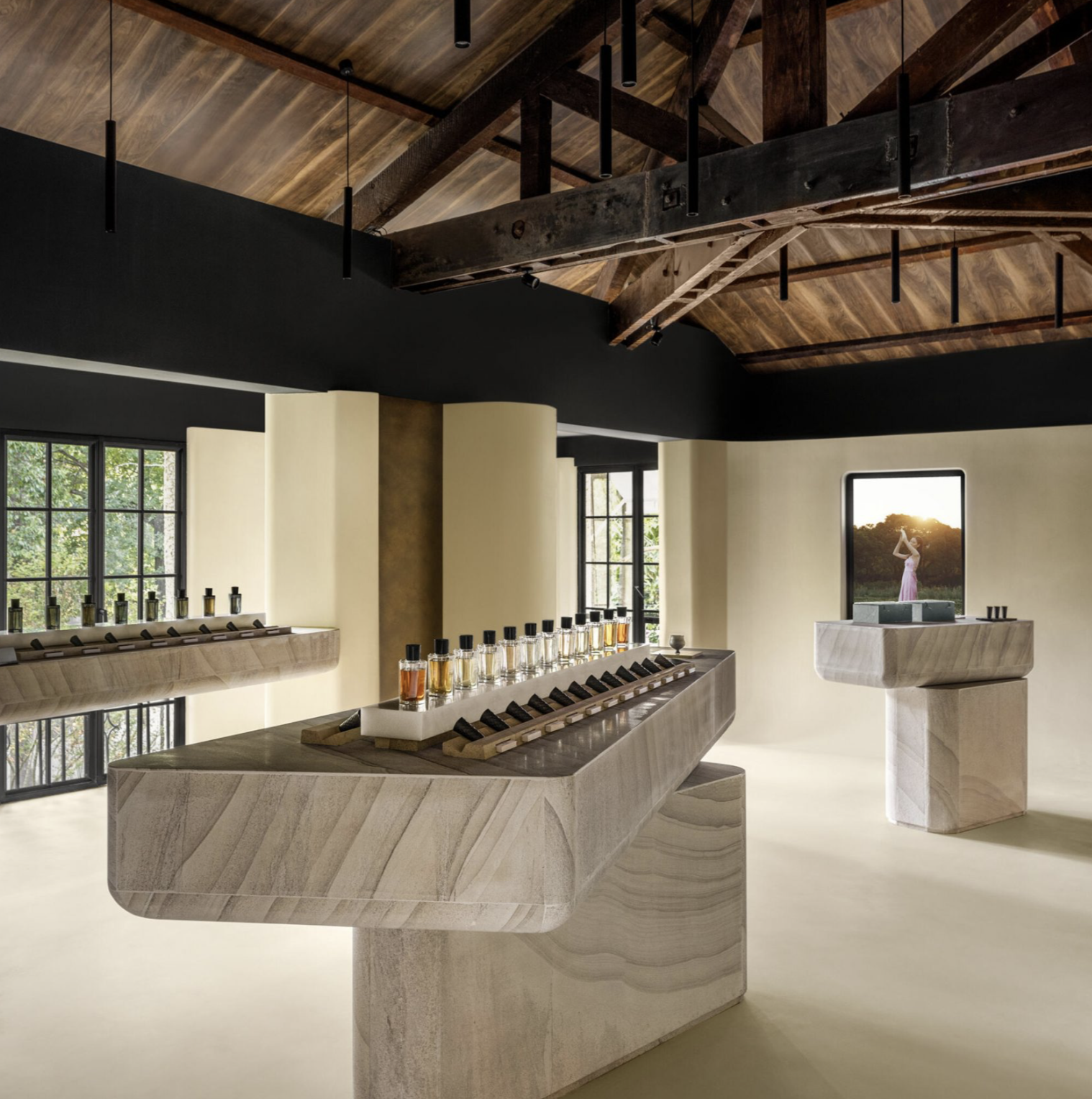
Image via Melt Season

The numbers tell the same story—China’s 2025 Perfume & Fragrance White Paper revealed a robust 14% annual compound growth rate from 2018 to 2024. Despite being the world’s second-largest beauty market, growth has plateaued significantly post-pandemic, but the scent economy has emerged as a rare growth engine.

The renaissance follows an attitude shift among young Chinese consumers, a demographic that is increasingly purchasing for pleasure rather than utility. These savvy spenders view lifestyle purchases such as scent, clothing, and accessories as representatives of their personal aesthetics and perspectives. Propelled by guochao, a sweeping cultural movement celebrating domestic culture, this discerning generation also meets Western brands attempting to cash in on China’s market with skepticism.

As a result, the golden sheen that once coated Western luxury heritage brands is slowly chipping away. Trust in Chinese brands is rising, with domestic houses producing fresh, unique alternatives to Western products rather than pale derivatives. This shift goes hand in hand with a growing self-assurance among the brands themselves—a quiet confidence in the intrinsic resonance of a culture that has stretched back thousands of years.
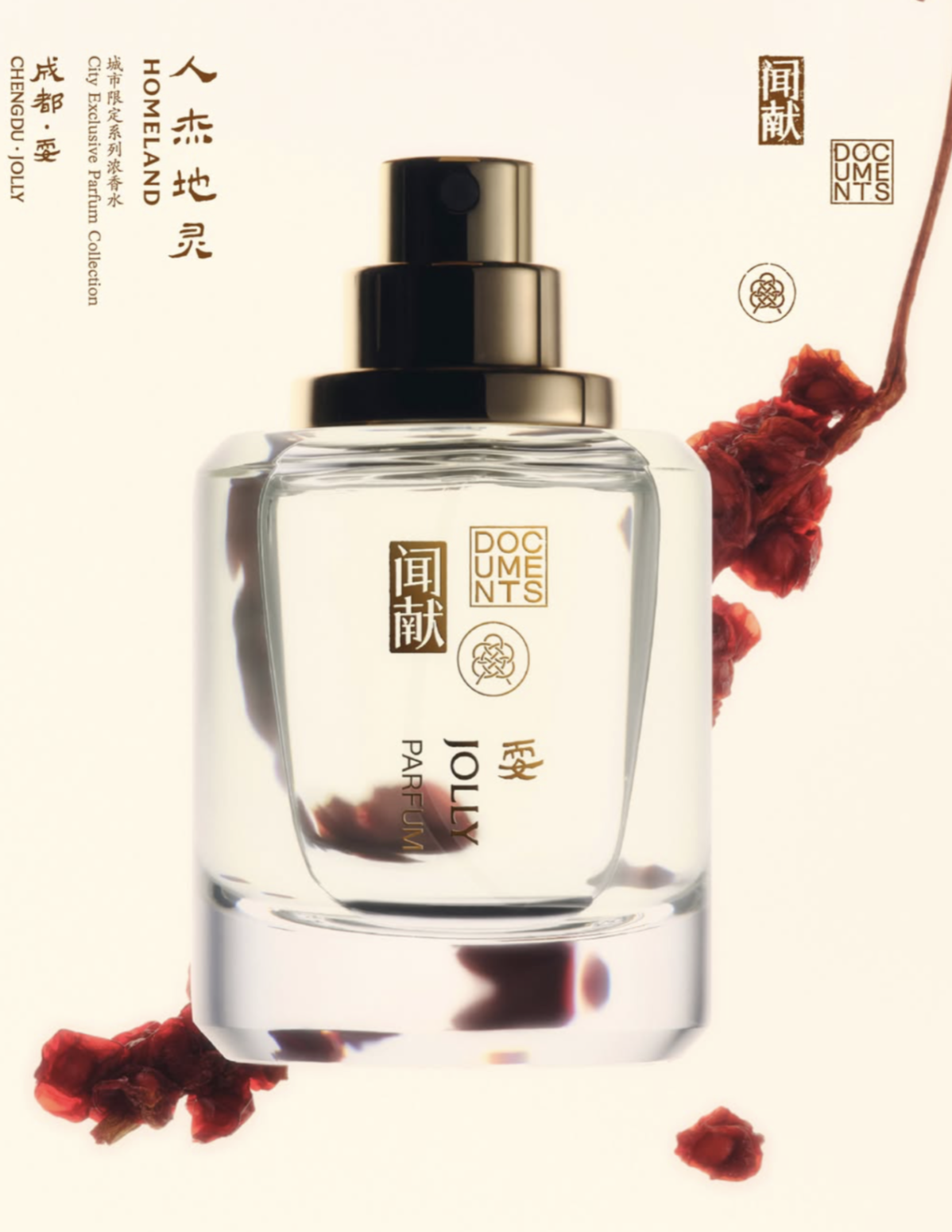
Image via DOCUMENTS

Take breakout brand Documents, for example: its eighth collection featured nine perfumes, each dedicated to an iconic Chinese city, capturing the spirit of each locale and bottling it. Similarly, narrative-driven brand The Beast produced a short film on the indigo plants of Guizhou to support the release of its 2025 Osmanthus Fragrance Series, which featured hand-dyed rabbit sachets. These concepts come from the source itself, made for Chinese lifestyles by Chinese creators.

Here are four standout brands to watch. Some of these brands weave the past into the present, blending literary motifs and traditional scent palettes into their fragrances. Others focus more on bottling the spirit of contemporary Chinese life and translating it into evocative fragrances—but consistent throughout is the top note of intention.


To Summer
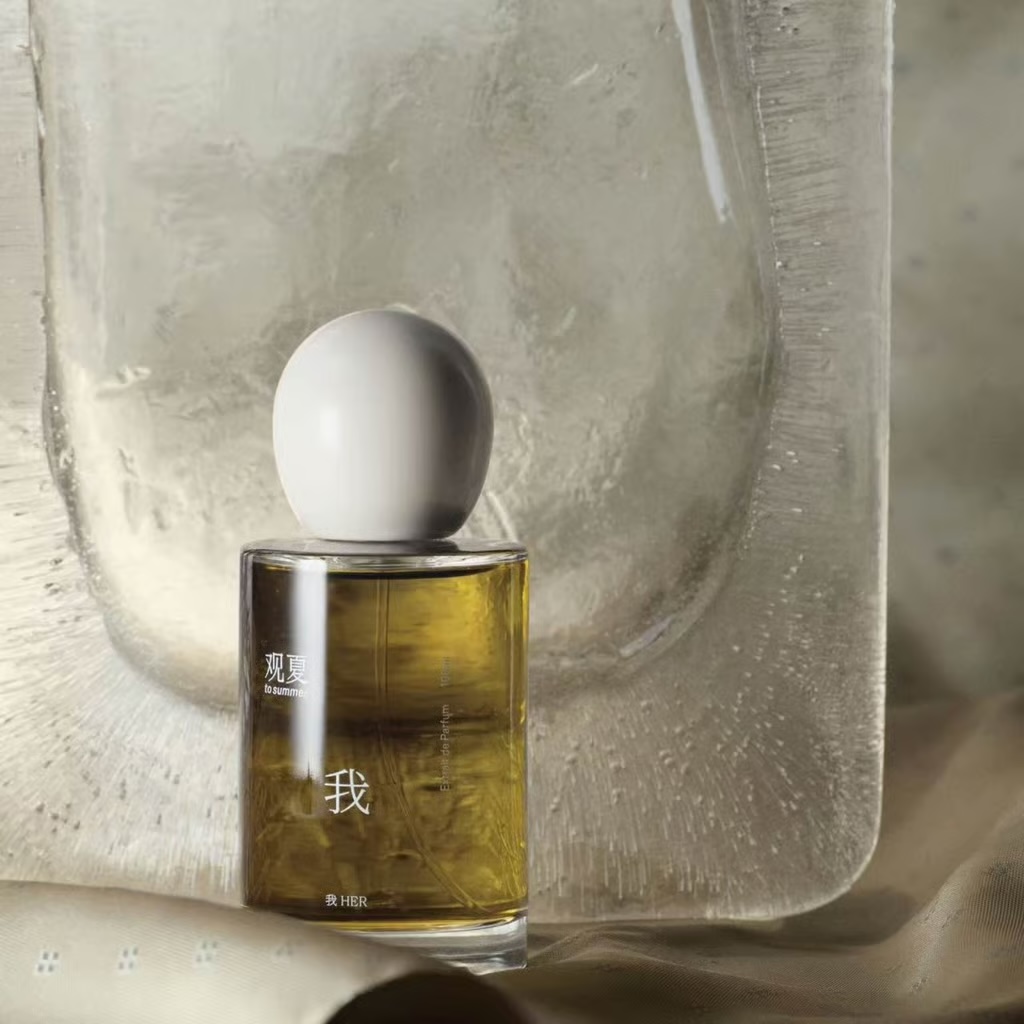
Image via Handout 

Leading the charge of China’s new-age perfume brands is social media phenomenon To Summer. Launched by Li Shen, a former fashion editor focusing on Eastern aesthetics, and Liu Huipu in 2018, To Summer’s crisp visual language has become the gold standard for blending Eastern motifs into modern aesthetics.

Known for its earthy, botanical fragrances, an entire collection is dedicated to the greenery one may encounter while strolling through an Eastern courtyard, featuring signature scents such as Osmanthus and Triple Tea.
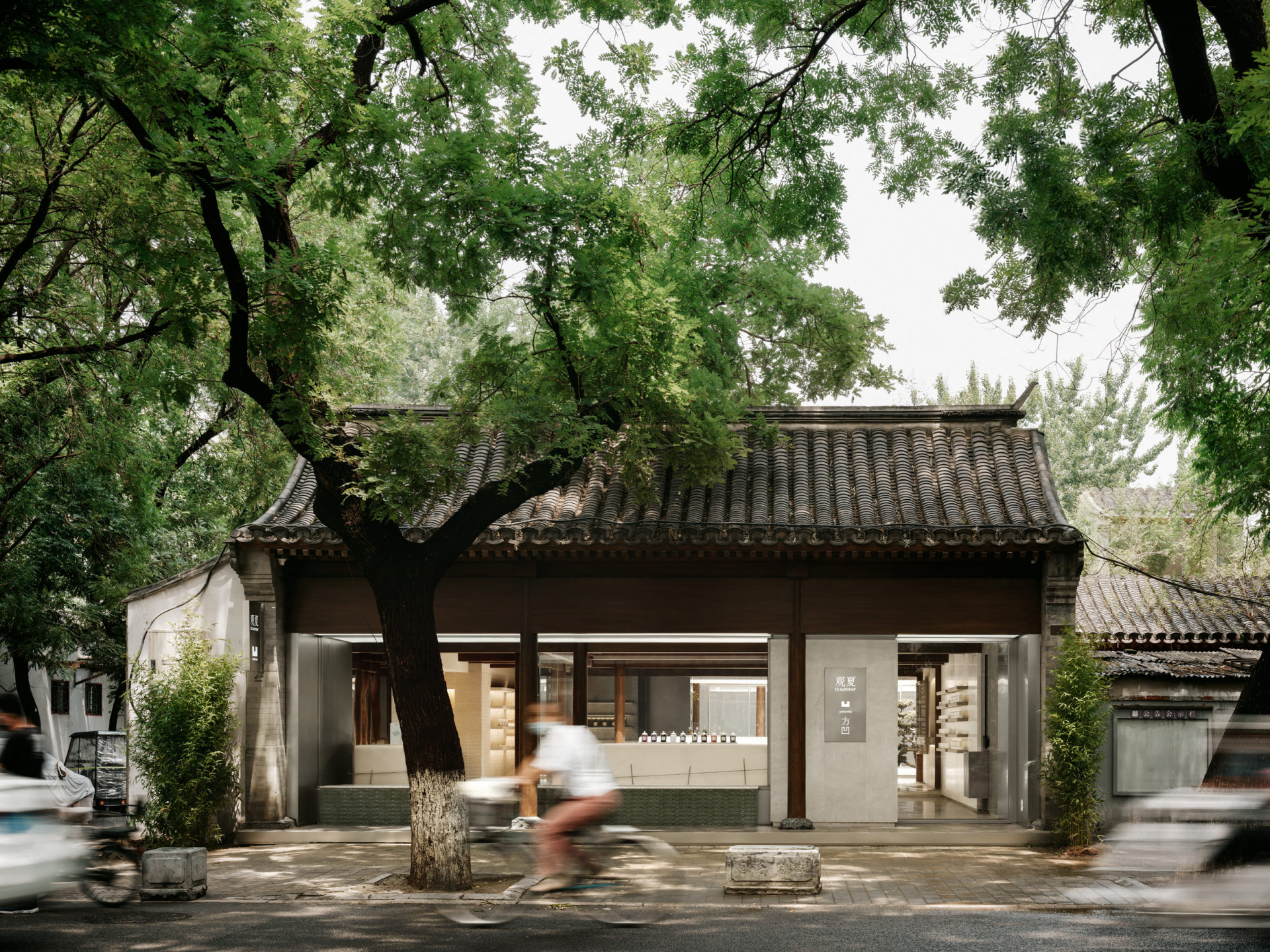
To Summer’s Beijing flagship store. Image via Frame Magazine

To Summer notoriously refuses cookie-cutter retail spaces. Instead, the brand opts for experiential boutiques located in architecturally significant spaces rich in history — like its Beijing flagship store, which is housed in a 280-year-old traditional courtyard house.


Melt Season
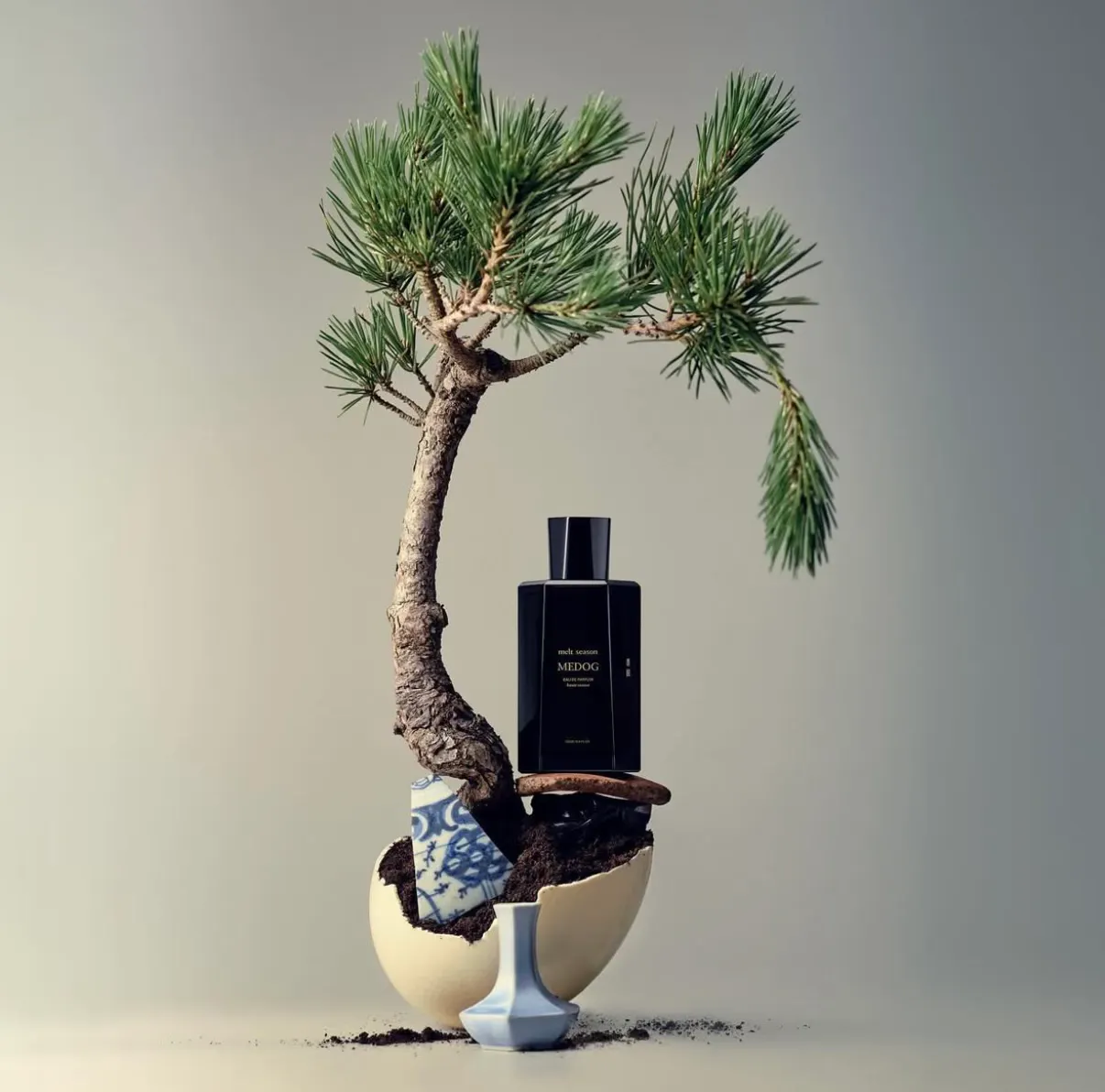
Image via Melt Season

Serene, restrained, and atmospheric, Melt Season founder Lishi Ni set out to create a brand that embodied the Eastern philosophy of “flow.” Rather than viewing perfumes as a cover for one’s natural scent, Melt Season’s clean fragrances strive to capture the natural fluidity of life itself, flowing like water in a stream or the seamless transition between seasons.

Contemplative fragrances such as “Meri” evoke the majestic landscapes of Tibet’s Meili Snow Mountain. Anchored with smoky top notes mimicking burning mulberry branches and a pine base, “Meri” melts the barrier between time and space, drawing urban consumers into the quiet solitude of Meili Snow Mountain.

Not only has the brand captured the attention of the Chinese market, but foreign powerhouses have also taken notice. In 2023, global conglomerate Estée Lauder secured a minority stake in the brand, recognizing Chinese consumers’ demand for personalized beauty experiences and the potential of the rapidly growing Chinese fragrance industry.


Beast

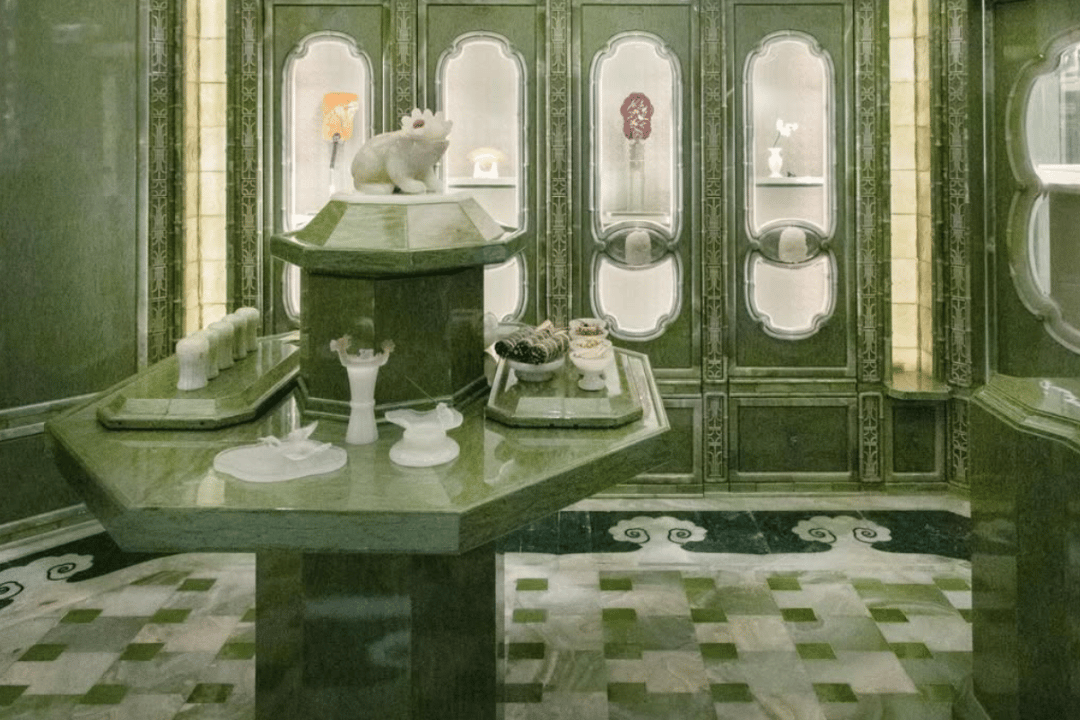
Once a high-end floral shop turned lifestyle brand, Beast’s mantra, “Love like a beast,” encourages customers to embrace their most primal, uninhibited selves. A pattern you might have noticed is the retail-forward strategy domestic perfume brands have taken, and Beast is no exception. Its lavish flagship stores feature Qing Dynasty-style carvings, with gold leaf lining the walls and dynamic floral arrangements nodding to the brand’s origins. Playful details abound, like porcelain bunnies peeking out of cabinet drawers and wooden squirrels lighting hallways.
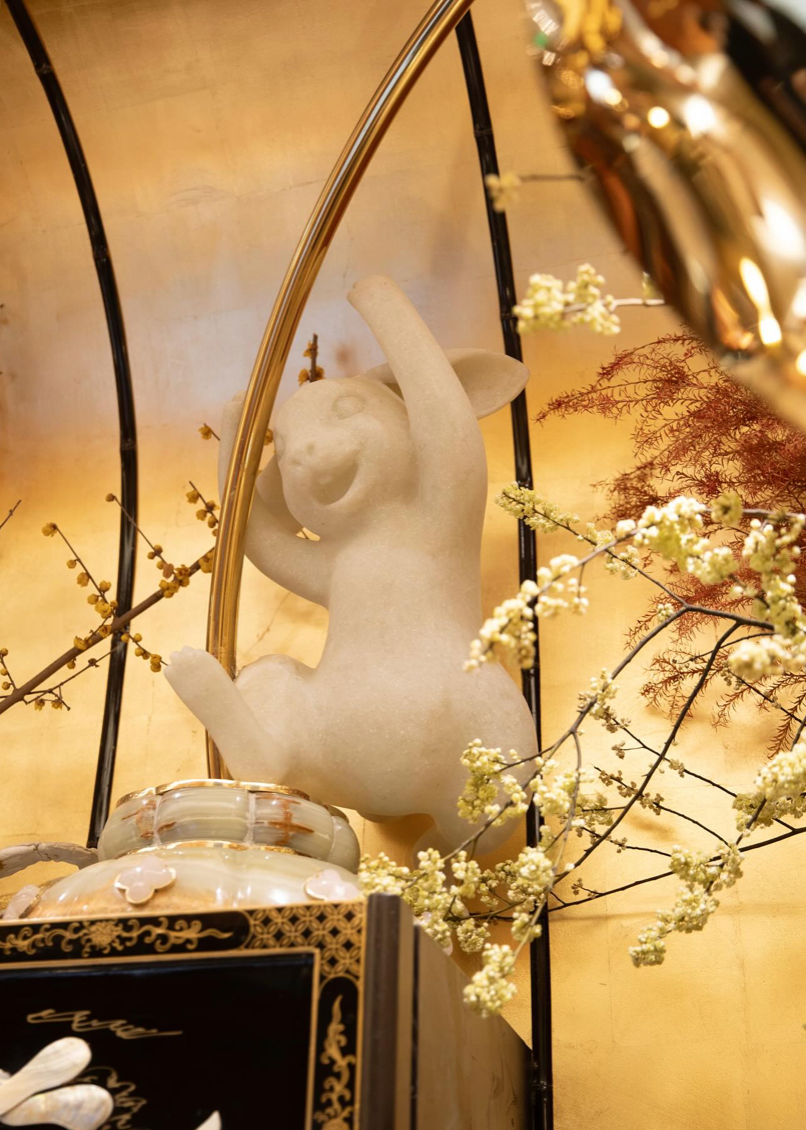
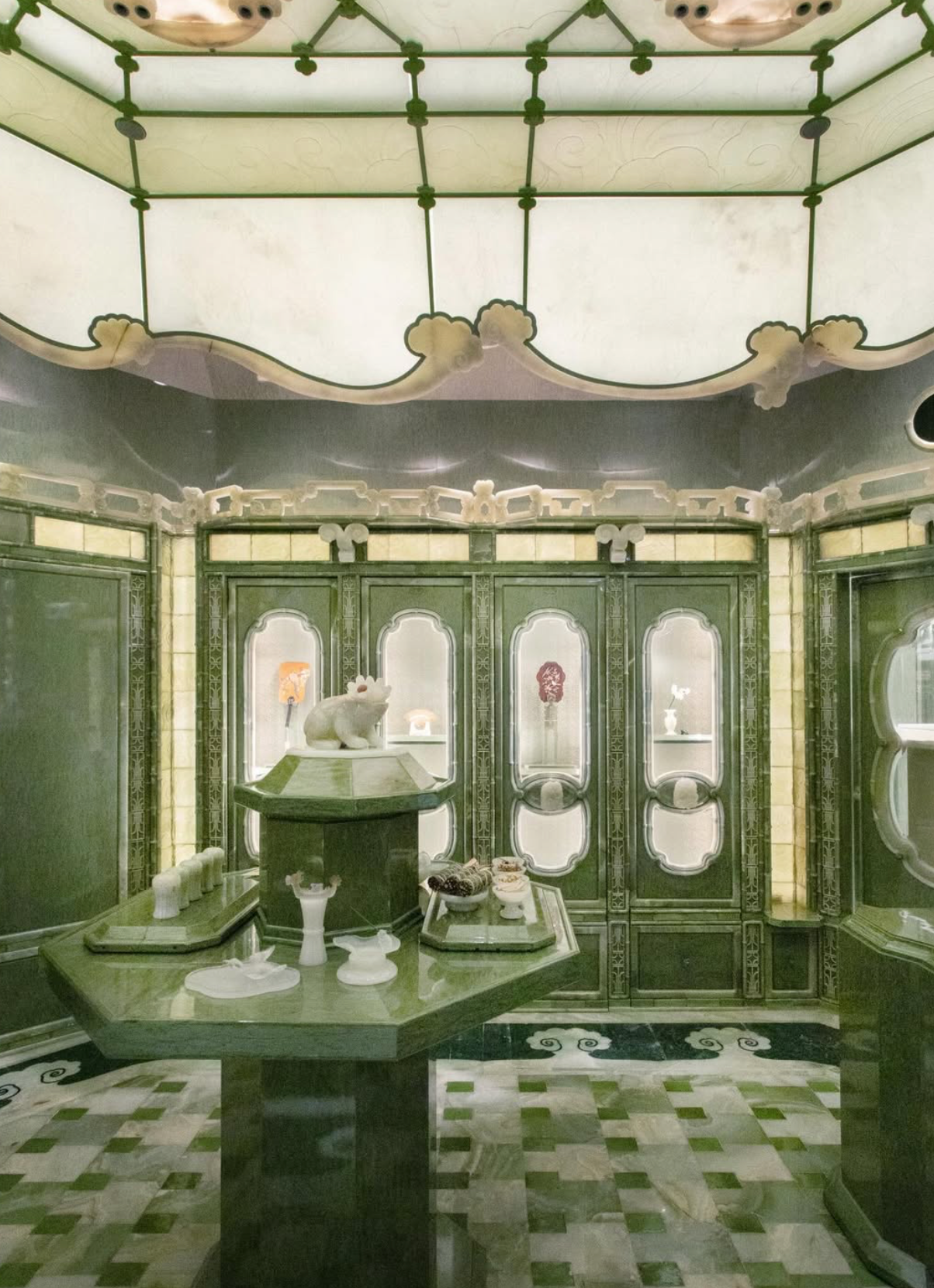
Don’t let the gravitas of its retail spaces fool you: Beast understands its audience. From bestselling scent Osmanthus Oolong to its playful fragrance inspired by the bamboo diet of pandas, the brand centers its scents on classic profiles that Chinese consumers gravitate toward.


Documents
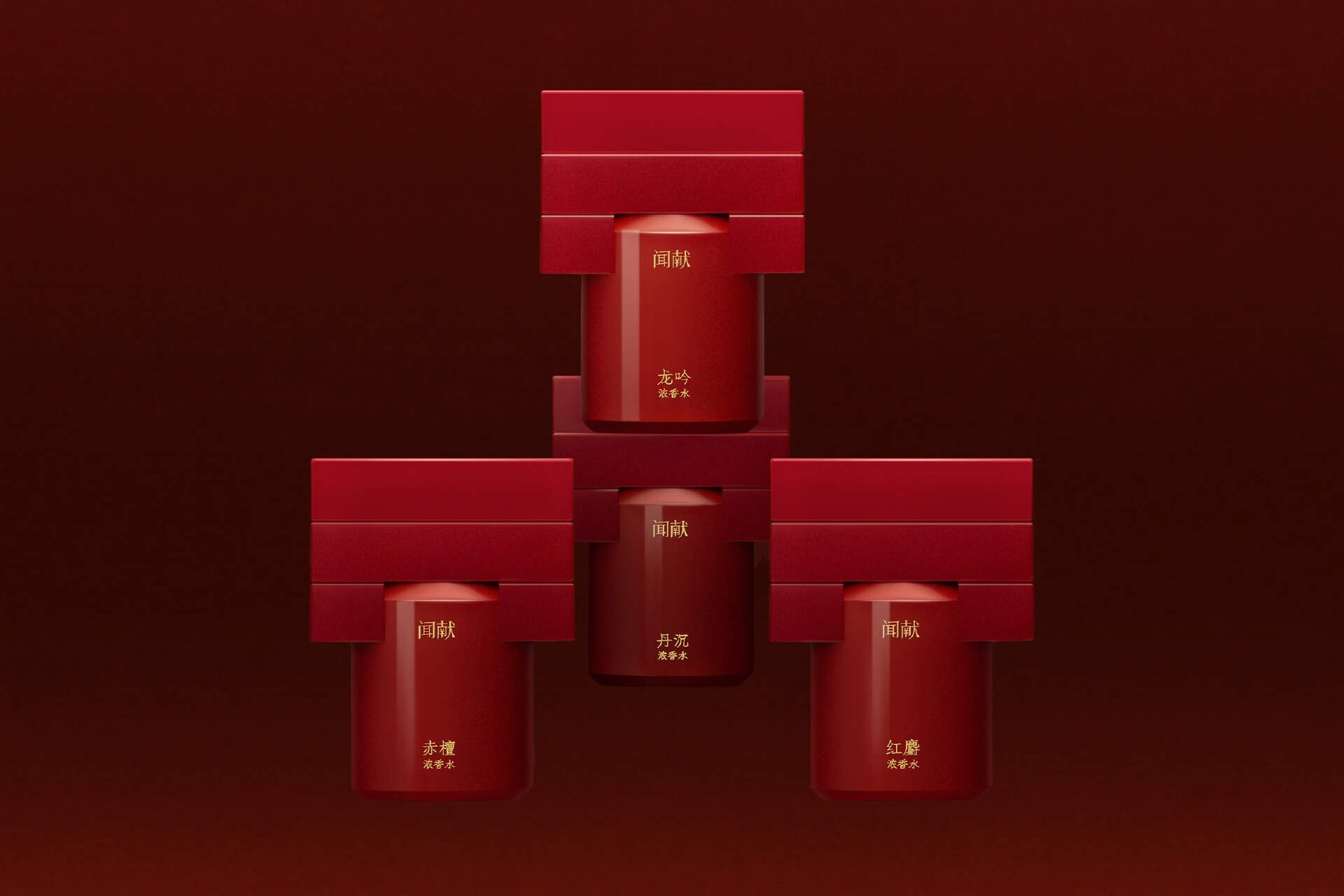
Image via KR Asia

Evocative and striking, Documents is the moody alter ego to the airy aesthetics of its peers. Positioning itself at a higher price point than rival brands, Documents specializes in high-concentration extrait de parfum formulas, boasting double the standard concentration of fragrance oils. The result is an unapologetically bold, long-lasting scent designed for a wearer whose presence lingers in the room long after they’ve left.

In line with the brand’s identity, Documents harbors fearless ambitions to transcend its niche status and scale within the global market. Bolstered by investment and backing from L’Oréal Group, Documents is now available in Sephora and rapidly expanding into international retail.


The world has opened its arms to Chinese perfumery, and the craftsmanship behind domestic brands can no longer be written off as imitation.

Brands that built their reputations on successfully capturing the nuances of Chinese culture and blending them with contemporary or Western motifs now face the challenge of scaling for a global market without losing what made them distinct in the first place.

However, these brands have made it clear that commercialization does not mean compromising their core identity. Rather, authentic storytelling remains the uncompromising foundation of their expansion strategies.

Stories sell. And these brands are damn good storytellers.

Cover image via BEAST.

NEWSLETTER

Get weekly top picks and exclusive, newsletter only content delivered straight to you inbox.

NEWSLETTER

Get weekly top picks and exclusive, newsletter only content delivered straight to you inbox.

RADII NEWSLETTER

Get weekly top picks and exclusive, newsletter only content delivered straight to you inbox

Feature image of China’s Perfume Brands Are Selling Stories, Not Just Scents

China’s Perfume Brands Are Selling Stories, Not Just Scents

4 mins read

China’s perfume industry is being reshaped by a surge of niche, artisanal brands whose storytelling is resonating with experience-driven consumers.

China is in an olfactory renaissance.

Niche, domestic perfume brands have exploded in popularity, and China’s plethora of pedestrian shopping streets are brimming with extravagantly designed, gallery-esque perfume stores and pop-ups. And if your Instagram feed is anything like mine, it’s filled with reels touting various fragrances as “must-buys” while visiting China, bonus points if the video’s caption mentions anything about being in a “Chinese time” of their lives.

Image via Melt Season

The numbers tell the same story—China’s 2025 Perfume & Fragrance White Paper revealed a robust 14% annual compound growth rate from 2018 to 2024. Despite being the world’s second-largest beauty market, growth has plateaued significantly post-pandemic, but the scent economy has emerged as a rare growth engine.

The renaissance follows an attitude shift among young Chinese consumers, a demographic that is increasingly purchasing for pleasure rather than utility. These savvy spenders view lifestyle purchases such as scent, clothing, and accessories as representatives of their personal aesthetics and perspectives. Propelled by guochao, a sweeping cultural movement celebrating domestic culture, this discerning generation also meets Western brands attempting to cash in on China’s market with skepticism.

As a result, the golden sheen that once coated Western luxury heritage brands is slowly chipping away. Trust in Chinese brands is rising, with domestic houses producing fresh, unique alternatives to Western products rather than pale derivatives. This shift goes hand in hand with a growing self-assurance among the brands themselves—a quiet confidence in the intrinsic resonance of a culture that has stretched back thousands of years.

Image via DOCUMENTS

Take breakout brand Documents, for example: its eighth collection featured nine perfumes, each dedicated to an iconic Chinese city, capturing the spirit of each locale and bottling it. Similarly, narrative-driven brand The Beast produced a short film on the indigo plants of Guizhou to support the release of its 2025 Osmanthus Fragrance Series, which featured hand-dyed rabbit sachets. These concepts come from the source itself, made for Chinese lifestyles by Chinese creators.

Here are four standout brands to watch. Some of these brands weave the past into the present, blending literary motifs and traditional scent palettes into their fragrances. Others focus more on bottling the spirit of contemporary Chinese life and translating it into evocative fragrances—but consistent throughout is the top note of intention.


To Summer

Image via Handout 

Leading the charge of China’s new-age perfume brands is social media phenomenon To Summer. Launched by Li Shen, a former fashion editor focusing on Eastern aesthetics, and Liu Huipu in 2018, To Summer’s crisp visual language has become the gold standard for blending Eastern motifs into modern aesthetics.

Known for its earthy, botanical fragrances, an entire collection is dedicated to the greenery one may encounter while strolling through an Eastern courtyard, featuring signature scents such as Osmanthus and Triple Tea.

To Summer’s Beijing flagship store. Image via Frame Magazine

To Summer notoriously refuses cookie-cutter retail spaces. Instead, the brand opts for experiential boutiques located in architecturally significant spaces rich in history — like its Beijing flagship store, which is housed in a 280-year-old traditional courtyard house.


Melt Season

Image via Melt Season

Serene, restrained, and atmospheric, Melt Season founder Lishi Ni set out to create a brand that embodied the Eastern philosophy of “flow.” Rather than viewing perfumes as a cover for one’s natural scent, Melt Season’s clean fragrances strive to capture the natural fluidity of life itself, flowing like water in a stream or the seamless transition between seasons.

Contemplative fragrances such as “Meri” evoke the majestic landscapes of Tibet’s Meili Snow Mountain. Anchored with smoky top notes mimicking burning mulberry branches and a pine base, “Meri” melts the barrier between time and space, drawing urban consumers into the quiet solitude of Meili Snow Mountain.

Not only has the brand captured the attention of the Chinese market, but foreign powerhouses have also taken notice. In 2023, global conglomerate Estée Lauder secured a minority stake in the brand, recognizing Chinese consumers’ demand for personalized beauty experiences and the potential of the rapidly growing Chinese fragrance industry.


Beast

Once a high-end floral shop turned lifestyle brand, Beast’s mantra, “Love like a beast,” encourages customers to embrace their most primal, uninhibited selves. A pattern you might have noticed is the retail-forward strategy domestic perfume brands have taken, and Beast is no exception. Its lavish flagship stores feature Qing Dynasty-style carvings, with gold leaf lining the walls and dynamic floral arrangements nodding to the brand’s origins. Playful details abound, like porcelain bunnies peeking out of cabinet drawers and wooden squirrels lighting hallways.

Don’t let the gravitas of its retail spaces fool you: Beast understands its audience. From bestselling scent Osmanthus Oolong to its playful fragrance inspired by the bamboo diet of pandas, the brand centers its scents on classic profiles that Chinese consumers gravitate toward.


Documents

Image via KR Asia

Evocative and striking, Documents is the moody alter ego to the airy aesthetics of its peers. Positioning itself at a higher price point than rival brands, Documents specializes in high-concentration extrait de parfum formulas, boasting double the standard concentration of fragrance oils. The result is an unapologetically bold, long-lasting scent designed for a wearer whose presence lingers in the room long after they’ve left.

In line with the brand’s identity, Documents harbors fearless ambitions to transcend its niche status and scale within the global market. Bolstered by investment and backing from L’Oréal Group, Documents is now available in Sephora and rapidly expanding into international retail.


The world has opened its arms to Chinese perfumery, and the craftsmanship behind domestic brands can no longer be written off as imitation.

Brands that built their reputations on successfully capturing the nuances of Chinese culture and blending them with contemporary or Western motifs now face the challenge of scaling for a global market without losing what made them distinct in the first place.

However, these brands have made it clear that commercialization does not mean compromising their core identity. Rather, authentic storytelling remains the uncompromising foundation of their expansion strategies.

Stories sell. And these brands are damn good storytellers.

Cover image via BEAST.

NEWSLETTER

Get weekly top picks and exclusive, newsletter only content delivered straight to you inbox.

RADII NEWSLETTER

Get weekly top picks and exclusive, newsletter only content delivered straight to you inbox

RELATED POSTS

Feature image of China’s Perfume Brands Are Selling Stories, Not Just Scents

China’s Perfume Brands Are Selling Stories, Not Just Scents

4 mins read

4 mins read

Feature image of China’s Perfume Brands Are Selling Stories, Not Just Scents
China’s perfume industry is being reshaped by a surge of niche, artisanal brands whose storytelling is resonating with experience-driven consumers.

China is in an olfactory renaissance.

Niche, domestic perfume brands have exploded in popularity, and China’s plethora of pedestrian shopping streets are brimming with extravagantly designed, gallery-esque perfume stores and pop-ups. And if your Instagram feed is anything like mine, it’s filled with reels touting various fragrances as “must-buys” while visiting China, bonus points if the video’s caption mentions anything about being in a “Chinese time” of their lives.

Image via Melt Season

The numbers tell the same story—China’s 2025 Perfume & Fragrance White Paper revealed a robust 14% annual compound growth rate from 2018 to 2024. Despite being the world’s second-largest beauty market, growth has plateaued significantly post-pandemic, but the scent economy has emerged as a rare growth engine.

The renaissance follows an attitude shift among young Chinese consumers, a demographic that is increasingly purchasing for pleasure rather than utility. These savvy spenders view lifestyle purchases such as scent, clothing, and accessories as representatives of their personal aesthetics and perspectives. Propelled by guochao, a sweeping cultural movement celebrating domestic culture, this discerning generation also meets Western brands attempting to cash in on China’s market with skepticism.

As a result, the golden sheen that once coated Western luxury heritage brands is slowly chipping away. Trust in Chinese brands is rising, with domestic houses producing fresh, unique alternatives to Western products rather than pale derivatives. This shift goes hand in hand with a growing self-assurance among the brands themselves—a quiet confidence in the intrinsic resonance of a culture that has stretched back thousands of years.

Image via DOCUMENTS

Take breakout brand Documents, for example: its eighth collection featured nine perfumes, each dedicated to an iconic Chinese city, capturing the spirit of each locale and bottling it. Similarly, narrative-driven brand The Beast produced a short film on the indigo plants of Guizhou to support the release of its 2025 Osmanthus Fragrance Series, which featured hand-dyed rabbit sachets. These concepts come from the source itself, made for Chinese lifestyles by Chinese creators.

Here are four standout brands to watch. Some of these brands weave the past into the present, blending literary motifs and traditional scent palettes into their fragrances. Others focus more on bottling the spirit of contemporary Chinese life and translating it into evocative fragrances—but consistent throughout is the top note of intention.


To Summer

Image via Handout 

Leading the charge of China’s new-age perfume brands is social media phenomenon To Summer. Launched by Li Shen, a former fashion editor focusing on Eastern aesthetics, and Liu Huipu in 2018, To Summer’s crisp visual language has become the gold standard for blending Eastern motifs into modern aesthetics.

Known for its earthy, botanical fragrances, an entire collection is dedicated to the greenery one may encounter while strolling through an Eastern courtyard, featuring signature scents such as Osmanthus and Triple Tea.

To Summer’s Beijing flagship store. Image via Frame Magazine

To Summer notoriously refuses cookie-cutter retail spaces. Instead, the brand opts for experiential boutiques located in architecturally significant spaces rich in history — like its Beijing flagship store, which is housed in a 280-year-old traditional courtyard house.


Melt Season

Image via Melt Season

Serene, restrained, and atmospheric, Melt Season founder Lishi Ni set out to create a brand that embodied the Eastern philosophy of “flow.” Rather than viewing perfumes as a cover for one’s natural scent, Melt Season’s clean fragrances strive to capture the natural fluidity of life itself, flowing like water in a stream or the seamless transition between seasons.

Contemplative fragrances such as “Meri” evoke the majestic landscapes of Tibet’s Meili Snow Mountain. Anchored with smoky top notes mimicking burning mulberry branches and a pine base, “Meri” melts the barrier between time and space, drawing urban consumers into the quiet solitude of Meili Snow Mountain.

Not only has the brand captured the attention of the Chinese market, but foreign powerhouses have also taken notice. In 2023, global conglomerate Estée Lauder secured a minority stake in the brand, recognizing Chinese consumers’ demand for personalized beauty experiences and the potential of the rapidly growing Chinese fragrance industry.


Beast

Once a high-end floral shop turned lifestyle brand, Beast’s mantra, “Love like a beast,” encourages customers to embrace their most primal, uninhibited selves. A pattern you might have noticed is the retail-forward strategy domestic perfume brands have taken, and Beast is no exception. Its lavish flagship stores feature Qing Dynasty-style carvings, with gold leaf lining the walls and dynamic floral arrangements nodding to the brand’s origins. Playful details abound, like porcelain bunnies peeking out of cabinet drawers and wooden squirrels lighting hallways.

Don’t let the gravitas of its retail spaces fool you: Beast understands its audience. From bestselling scent Osmanthus Oolong to its playful fragrance inspired by the bamboo diet of pandas, the brand centers its scents on classic profiles that Chinese consumers gravitate toward.


Documents

Image via KR Asia

Evocative and striking, Documents is the moody alter ego to the airy aesthetics of its peers. Positioning itself at a higher price point than rival brands, Documents specializes in high-concentration extrait de parfum formulas, boasting double the standard concentration of fragrance oils. The result is an unapologetically bold, long-lasting scent designed for a wearer whose presence lingers in the room long after they’ve left.

In line with the brand’s identity, Documents harbors fearless ambitions to transcend its niche status and scale within the global market. Bolstered by investment and backing from L’Oréal Group, Documents is now available in Sephora and rapidly expanding into international retail.


The world has opened its arms to Chinese perfumery, and the craftsmanship behind domestic brands can no longer be written off as imitation.

Brands that built their reputations on successfully capturing the nuances of Chinese culture and blending them with contemporary or Western motifs now face the challenge of scaling for a global market without losing what made them distinct in the first place.

However, these brands have made it clear that commercialization does not mean compromising their core identity. Rather, authentic storytelling remains the uncompromising foundation of their expansion strategies.

Stories sell. And these brands are damn good storytellers.

Cover image via BEAST.
NEWSLETTER

Get weekly top picks and exclusive, newsletter only content delivered straight to you inbox.

NEWSLETTER

Get weekly top picks and exclusive, newsletter only content delivered straight to you inbox.

RADII NEWSLETTER

Get weekly top picks and exclusive, newsletter only content delivered straight to you inbox

Feature image of China’s Perfume Brands Are Selling Stories, Not Just Scents

China’s Perfume Brands Are Selling Stories, Not Just Scents

4 mins read

China’s perfume industry is being reshaped by a surge of niche, artisanal brands whose storytelling is resonating with experience-driven consumers.

China is in an olfactory renaissance.

Niche, domestic perfume brands have exploded in popularity, and China’s plethora of pedestrian shopping streets are brimming with extravagantly designed, gallery-esque perfume stores and pop-ups. And if your Instagram feed is anything like mine, it’s filled with reels touting various fragrances as “must-buys” while visiting China, bonus points if the video’s caption mentions anything about being in a “Chinese time” of their lives.

Image via Melt Season

The numbers tell the same story—China’s 2025 Perfume & Fragrance White Paper revealed a robust 14% annual compound growth rate from 2018 to 2024. Despite being the world’s second-largest beauty market, growth has plateaued significantly post-pandemic, but the scent economy has emerged as a rare growth engine.

The renaissance follows an attitude shift among young Chinese consumers, a demographic that is increasingly purchasing for pleasure rather than utility. These savvy spenders view lifestyle purchases such as scent, clothing, and accessories as representatives of their personal aesthetics and perspectives. Propelled by guochao, a sweeping cultural movement celebrating domestic culture, this discerning generation also meets Western brands attempting to cash in on China’s market with skepticism.

As a result, the golden sheen that once coated Western luxury heritage brands is slowly chipping away. Trust in Chinese brands is rising, with domestic houses producing fresh, unique alternatives to Western products rather than pale derivatives. This shift goes hand in hand with a growing self-assurance among the brands themselves—a quiet confidence in the intrinsic resonance of a culture that has stretched back thousands of years.

Image via DOCUMENTS

Take breakout brand Documents, for example: its eighth collection featured nine perfumes, each dedicated to an iconic Chinese city, capturing the spirit of each locale and bottling it. Similarly, narrative-driven brand The Beast produced a short film on the indigo plants of Guizhou to support the release of its 2025 Osmanthus Fragrance Series, which featured hand-dyed rabbit sachets. These concepts come from the source itself, made for Chinese lifestyles by Chinese creators.

Here are four standout brands to watch. Some of these brands weave the past into the present, blending literary motifs and traditional scent palettes into their fragrances. Others focus more on bottling the spirit of contemporary Chinese life and translating it into evocative fragrances—but consistent throughout is the top note of intention.


To Summer

Image via Handout 

Leading the charge of China’s new-age perfume brands is social media phenomenon To Summer. Launched by Li Shen, a former fashion editor focusing on Eastern aesthetics, and Liu Huipu in 2018, To Summer’s crisp visual language has become the gold standard for blending Eastern motifs into modern aesthetics.

Known for its earthy, botanical fragrances, an entire collection is dedicated to the greenery one may encounter while strolling through an Eastern courtyard, featuring signature scents such as Osmanthus and Triple Tea.

To Summer’s Beijing flagship store. Image via Frame Magazine

To Summer notoriously refuses cookie-cutter retail spaces. Instead, the brand opts for experiential boutiques located in architecturally significant spaces rich in history — like its Beijing flagship store, which is housed in a 280-year-old traditional courtyard house.


Melt Season

Image via Melt Season

Serene, restrained, and atmospheric, Melt Season founder Lishi Ni set out to create a brand that embodied the Eastern philosophy of “flow.” Rather than viewing perfumes as a cover for one’s natural scent, Melt Season’s clean fragrances strive to capture the natural fluidity of life itself, flowing like water in a stream or the seamless transition between seasons.

Contemplative fragrances such as “Meri” evoke the majestic landscapes of Tibet’s Meili Snow Mountain. Anchored with smoky top notes mimicking burning mulberry branches and a pine base, “Meri” melts the barrier between time and space, drawing urban consumers into the quiet solitude of Meili Snow Mountain.

Not only has the brand captured the attention of the Chinese market, but foreign powerhouses have also taken notice. In 2023, global conglomerate Estée Lauder secured a minority stake in the brand, recognizing Chinese consumers’ demand for personalized beauty experiences and the potential of the rapidly growing Chinese fragrance industry.


Beast

Once a high-end floral shop turned lifestyle brand, Beast’s mantra, “Love like a beast,” encourages customers to embrace their most primal, uninhibited selves. A pattern you might have noticed is the retail-forward strategy domestic perfume brands have taken, and Beast is no exception. Its lavish flagship stores feature Qing Dynasty-style carvings, with gold leaf lining the walls and dynamic floral arrangements nodding to the brand’s origins. Playful details abound, like porcelain bunnies peeking out of cabinet drawers and wooden squirrels lighting hallways.

Don’t let the gravitas of its retail spaces fool you: Beast understands its audience. From bestselling scent Osmanthus Oolong to its playful fragrance inspired by the bamboo diet of pandas, the brand centers its scents on classic profiles that Chinese consumers gravitate toward.


Documents

Image via KR Asia

Evocative and striking, Documents is the moody alter ego to the airy aesthetics of its peers. Positioning itself at a higher price point than rival brands, Documents specializes in high-concentration extrait de parfum formulas, boasting double the standard concentration of fragrance oils. The result is an unapologetically bold, long-lasting scent designed for a wearer whose presence lingers in the room long after they’ve left.

In line with the brand’s identity, Documents harbors fearless ambitions to transcend its niche status and scale within the global market. Bolstered by investment and backing from L’Oréal Group, Documents is now available in Sephora and rapidly expanding into international retail.


The world has opened its arms to Chinese perfumery, and the craftsmanship behind domestic brands can no longer be written off as imitation.

Brands that built their reputations on successfully capturing the nuances of Chinese culture and blending them with contemporary or Western motifs now face the challenge of scaling for a global market without losing what made them distinct in the first place.

However, these brands have made it clear that commercialization does not mean compromising their core identity. Rather, authentic storytelling remains the uncompromising foundation of their expansion strategies.

Stories sell. And these brands are damn good storytellers.

Cover image via BEAST.

NEWSLETTER

Get weekly top picks and exclusive, newsletter only content delivered straight to you inbox.

RADII NEWSLETTER

Get weekly top picks and exclusive, newsletter only content delivered straight to you inbox

RADII newsletter pop up visual

NEWSLETTER​

Get weekly top picks and exclusive, newsletter only content delivered straight to you inbox

RADII Newsletter Pop Up small banner

NEWSLETTER

Get weekly top picks and exclusive, newsletter only content delivered straight to you inbox.

Link Copied!

Share

Feature image of China’s Perfume Brands Are Selling Stories, Not Just Scents

China’s Perfume Brands Are Selling Stories, Not Just Scents

China’s perfume industry is being reshaped by a surge of niche, artisanal brands whose storytelling is resonating with experience-driven consumers.

PULSE

Tap into the latest in music, fashion, art, design, entertainment, pop culture, celebrity news, and contemporary culture

DISCOVER

Embark on a journey through food, travel, wellness, heritage, traditional culture, and lifestyle

STYLE

An insider’s look at the intersection of fashion, art, and design

FEAST

Titillate your taste buds with coverage of the best food and drink trends from China and beyond.

FUTURE

Explore the cutting edge in tech, AI, gadgets, gaming, and innovative tech-related products

FEAST

Titillate your taste buds with coverage of the best food and drink trends from China and beyond

STYLE

An insider’s look at the intersection of fashion, art, and design

PULSE

Unpacking Chinese youth culture through coverage of nightlife, film, sports, celebrities, and the hottest new music