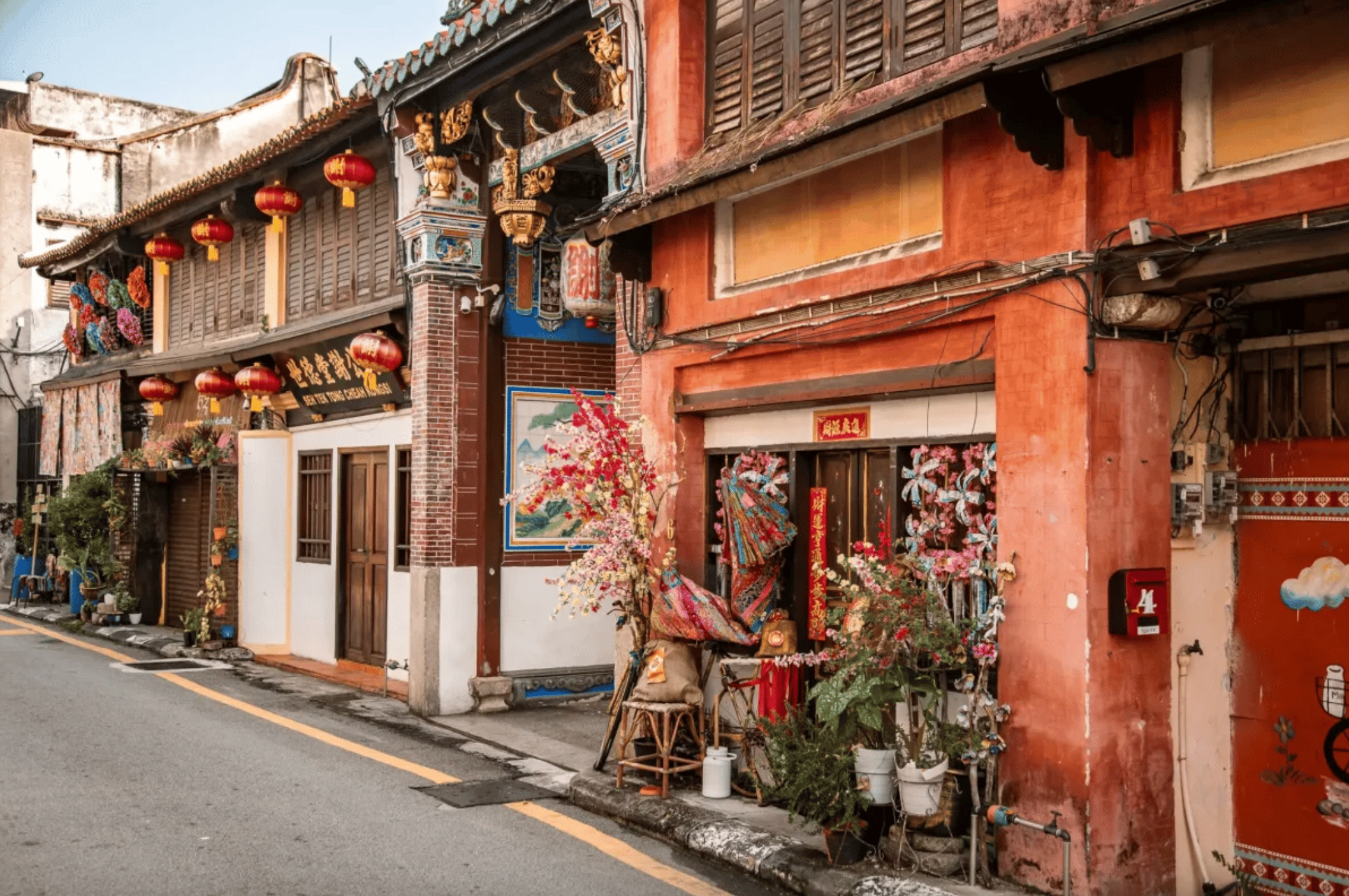

Southeast Asia’s Chinese history is evident in many major cities, and if you look carefully, the hints are obvious.
In Bangkok, a walk through Yaowarat leads into the older lanes of Sampheng and towards Talat Noi. In Manila, Chinese Filipino history is woven through the crowded streets of Binondo. While in Singapore, temples and clan associations still trace the routes taken by migrants who arrived by sea. In Malaysia, Penang’s clan houses and jetties preserve one story of Chinese migration. In the state of Sarawak in East Malaysia, Sibu is a city where the legacy of one migrant community became part of its identity.
These places are more than just “Chinatowns.” They are cities and neighborhoods shaped by generations of migration from different parts of China, where languages, religions, and customs changed as they encountered new surroundings.
For travelers, that makes them particularly rewarding to explore. Instead of simply ticking off temples and heritage buildings, the Chinese diaspora in these cities comes alive through food, language, and culture.
Here are five places where you can experience just that.
Bangkok, Thailand
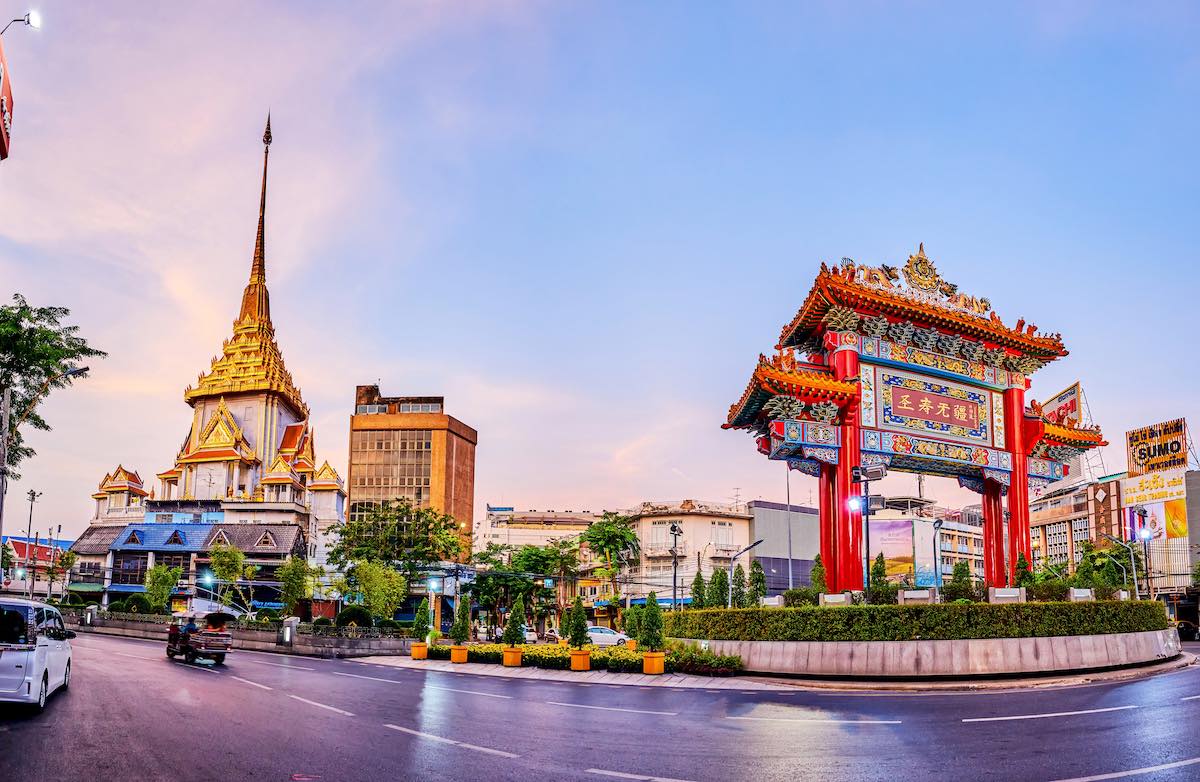
Start in Yaowarat, Bangkok’s Chinatown, but don’t stop at the main road.
The neighborhood grew after Bangkok became the capital of the Rattanakosin Kingdom in 1782, when Chinese residents living around Thailand‘s new royal city were moved to the area that became Sampheng. Teochew migrants eventually became particularly prominent, and the settlement developed into one of Bangkok’s major commercial districts. Today, Yaowarat Road is its most recognizable enclave, but the older history is easier to appreciate once you leave it.
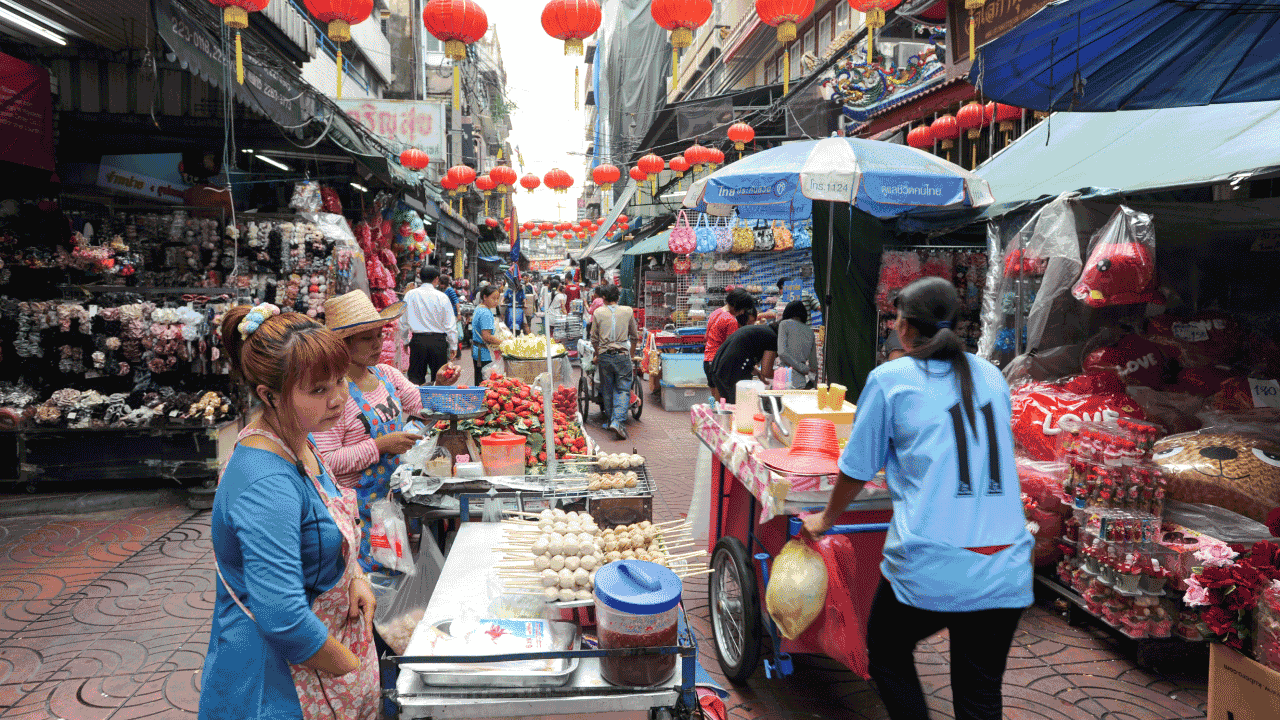
From Yaowarat, walk through Sampeng Lane Market, following the narrow lanes that have been associated with Chinese commerce and wholesale since the neighborhood’s early days. Then make your way towards Wat Mangkon Kamalawat, one of Bangkok’s best-known Chinese temples, before continuing south towards Talat Noi.
Talat Noi feels starkly different from the neon-lit streets of Yaowarat. Old shophouses, shrines, and former Chinese residences sit beside modern cafés and creative spaces, making the neighborhood a useful reminder that Bangkok’s Chinese history is adapting to the current cultural development.
Manila, Philippines
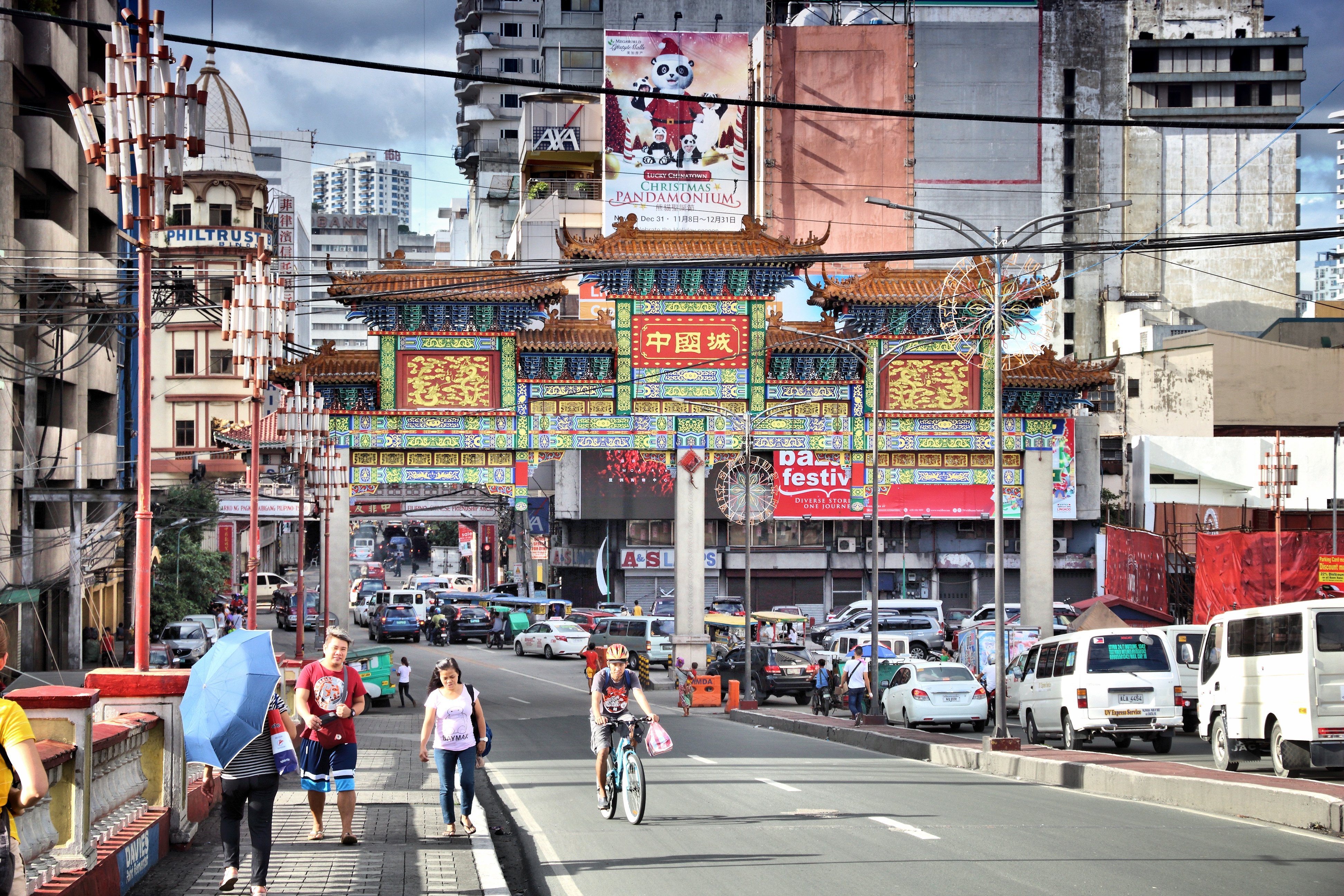
Established in 1594 during Spanish colonial rule, Manila’s Binondo is widely recognized as the world’s oldest Chinatown and has served as a center of Chinese commerce and migration in the Philippines for more than four centuries!
Ongpin Street is one of the best places to start. Chinese restaurants, bakeries, jewelry shops, herbal medicine stores, and businesses crowd the street, while Chinese temples and churches are signs of a juxtaposition of faiths in this community.
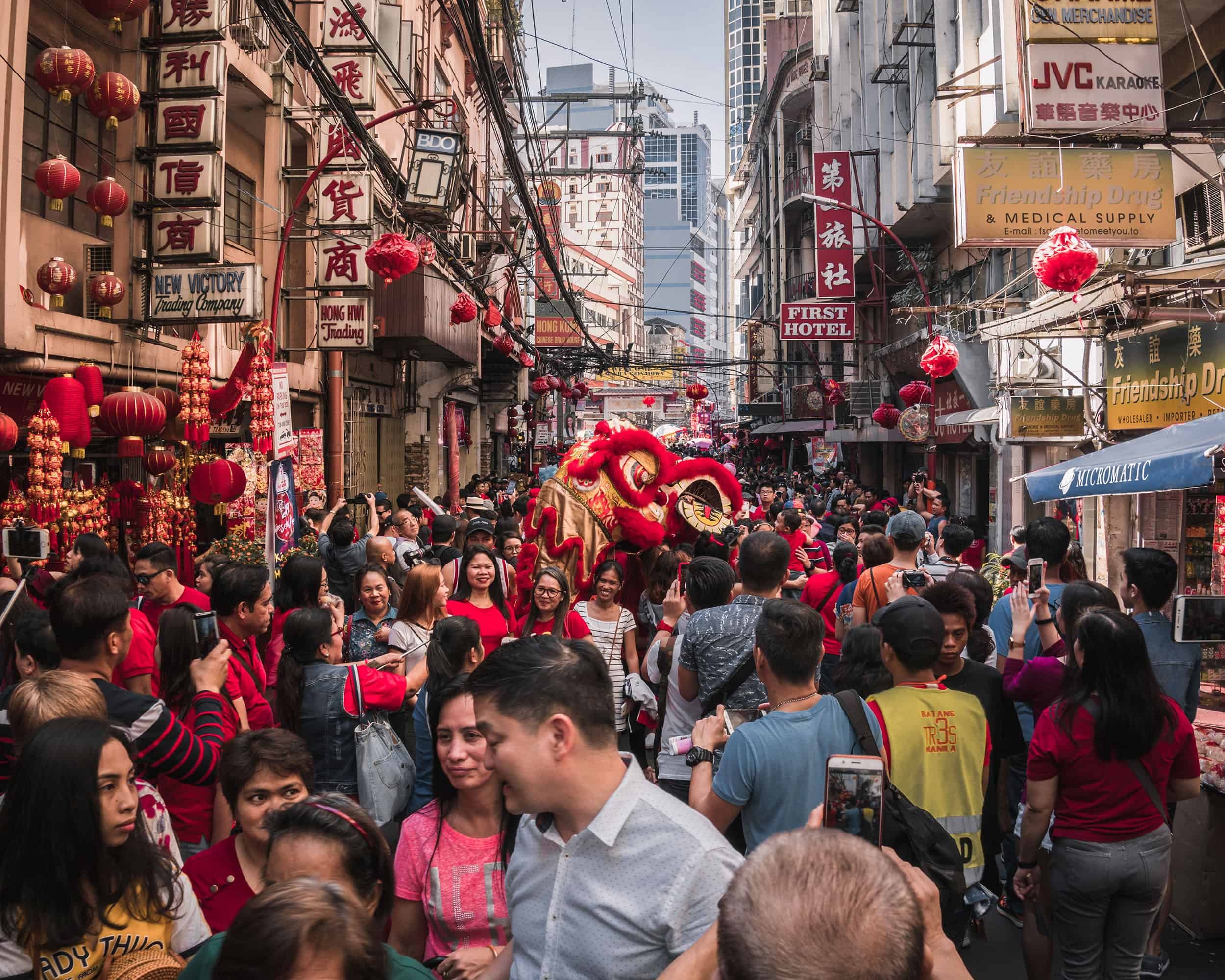
The most interesting part of exploring Binondo is noticing how little of it feels like a typical “Chinatown.” Chinese heritage has developed alongside Spanish colonial history, Filipino culture, Catholicism, and generations of Chinese Filipino families.
In other words, the neighborhood isn’t simply a place where Chinese migrants once lived. It is a place where Chinese and Filipino identities have been mixing for centuries, producing something that belongs specifically to Manila.
Singapore
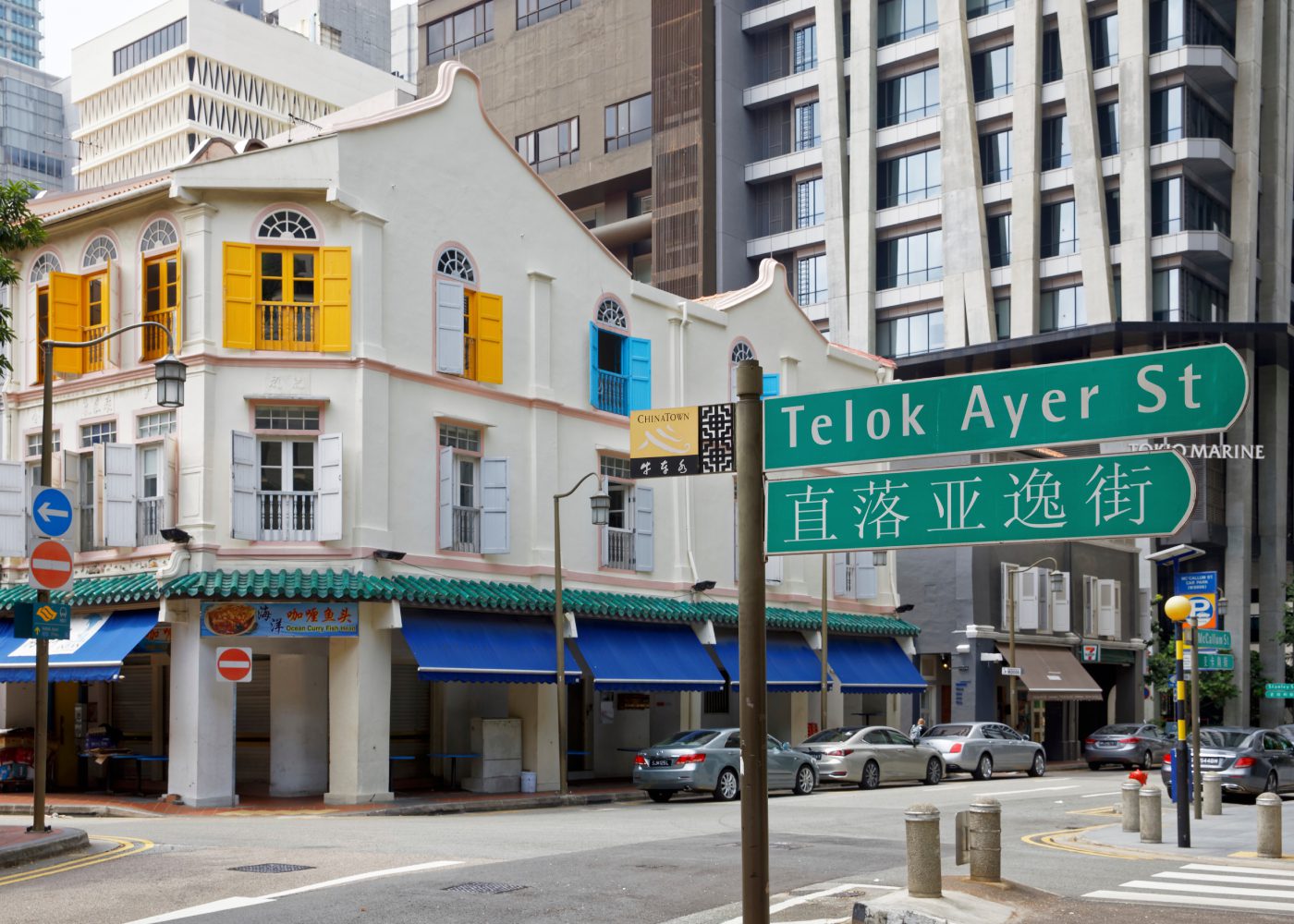
Singapore’s Chinatown is easy to explore, but the city’s Chinese history becomes more interesting once you start following the route towards Telok Ayer.
The 1822 town plan divided the developing settlement into areas associated with different communities and dialect groups, with Chinese migrants concentrated south of the Singapore River. Telok Ayer was particularly associated with the Hokkien community and became an important landing point for migrants arriving by sea.
Today, you can still trace that journey on foot. Start around Chinatown before heading towards Telok Ayer Street, where Thian Hock Keng stands on what was once the shoreline. The temple began as a small shrine and was rebuilt between 1839 and 1842 by early Chinese immigrants, many of them Hokkien. Materials and craftsmen were brought from China, while wealthy Hokkien merchants helped fund its construction.
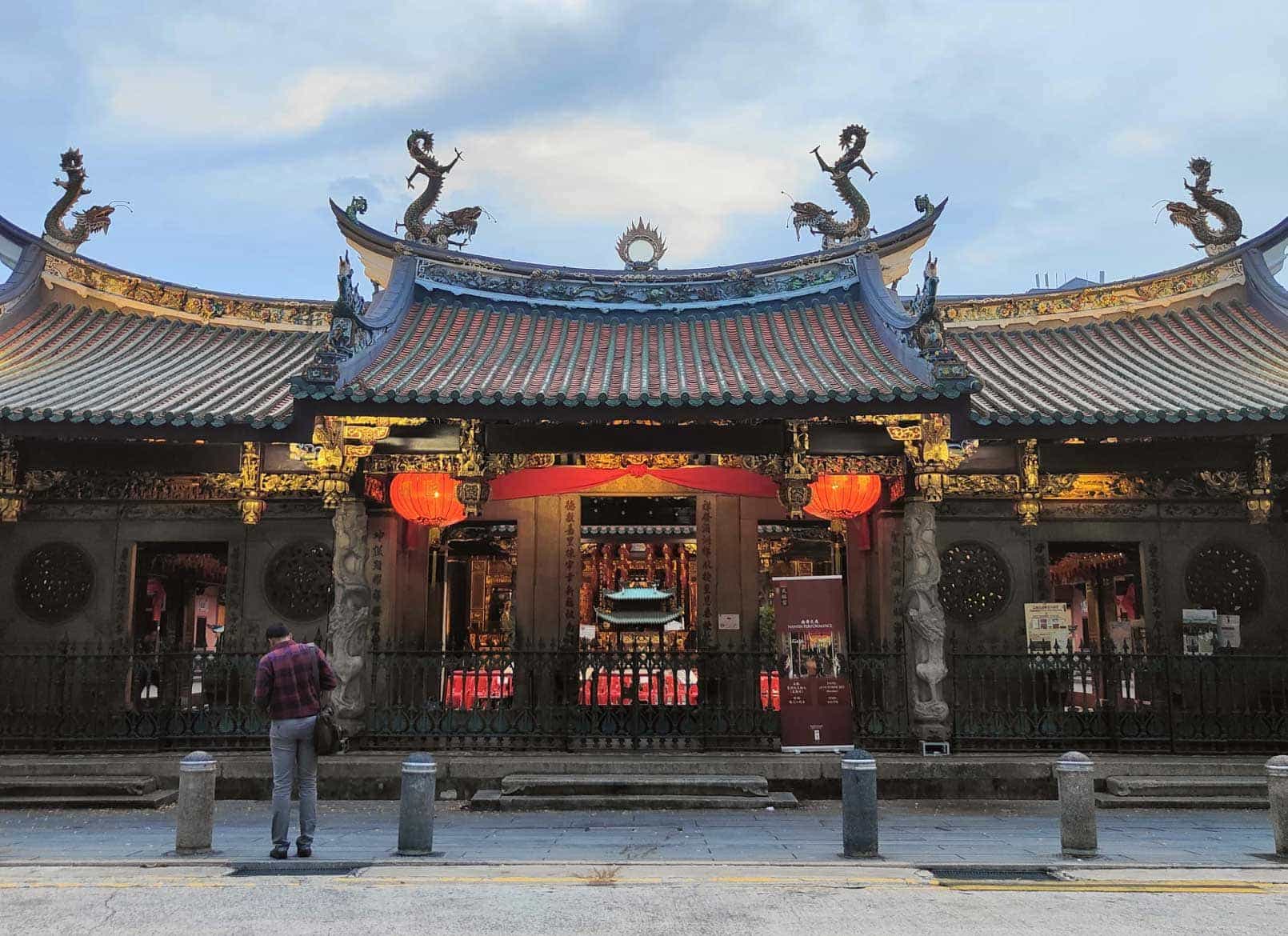
Look around the surrounding streets, and you’ll find an unexpectedly multicultural landscape. Chinese temples stand close to mosques and other places of worship, reflecting the different migrant communities that settled around Singapore’s early waterfront.
The skyscrapers have long since replaced the old shoreline, but the route still works as a kind of migration map.
Sibu, Malaysia
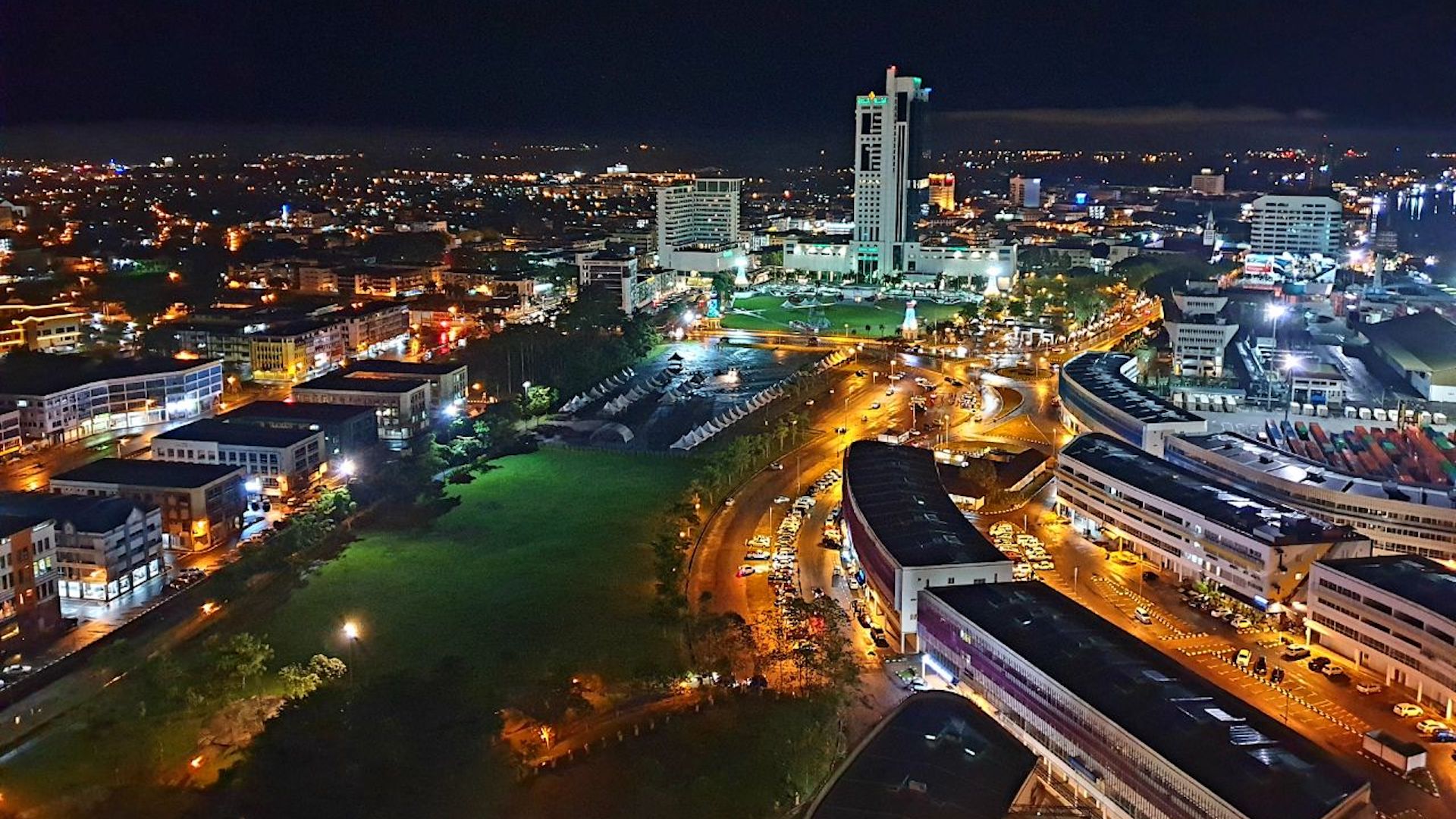
Sibu offers a different way to experience Chinese migration because there isn’t a single Chinatown to tick off your itinerary. Instead, the Foochow story encapsulates the city.
Sibu’s history as a major Chinese settlement dates to the arrival of Foochow migrants under Wong Nai Siong in the early 20th century. An agreement between Wong and the Brooke government was signed in 1900, and groups of migrants subsequently arrived in Sibu, establishing settlements along the Rajang River.
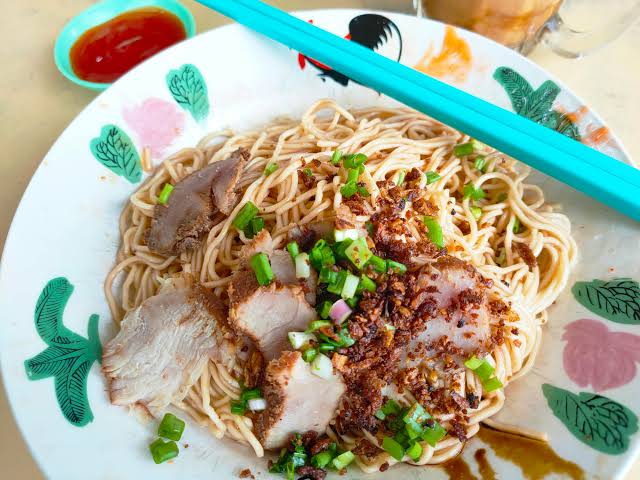
The most obvious starting point is the Sibu Central Market, then make your way through the older parts of town towards the Rajang waterfront. The river is essential to understanding the city’s history. It was the route through which people, goods, and settlements were connected as the community developed.
For a deeper look at the story, visit the Wong Nai Siong Memorial Park and look out for the city’s churches, clan organizations, and older commercial buildings, many of which are remnants of the Foochow migration. And of course, don’t skip the food, namely kampua mee and red wine mee sua.
George Town, Malaysia
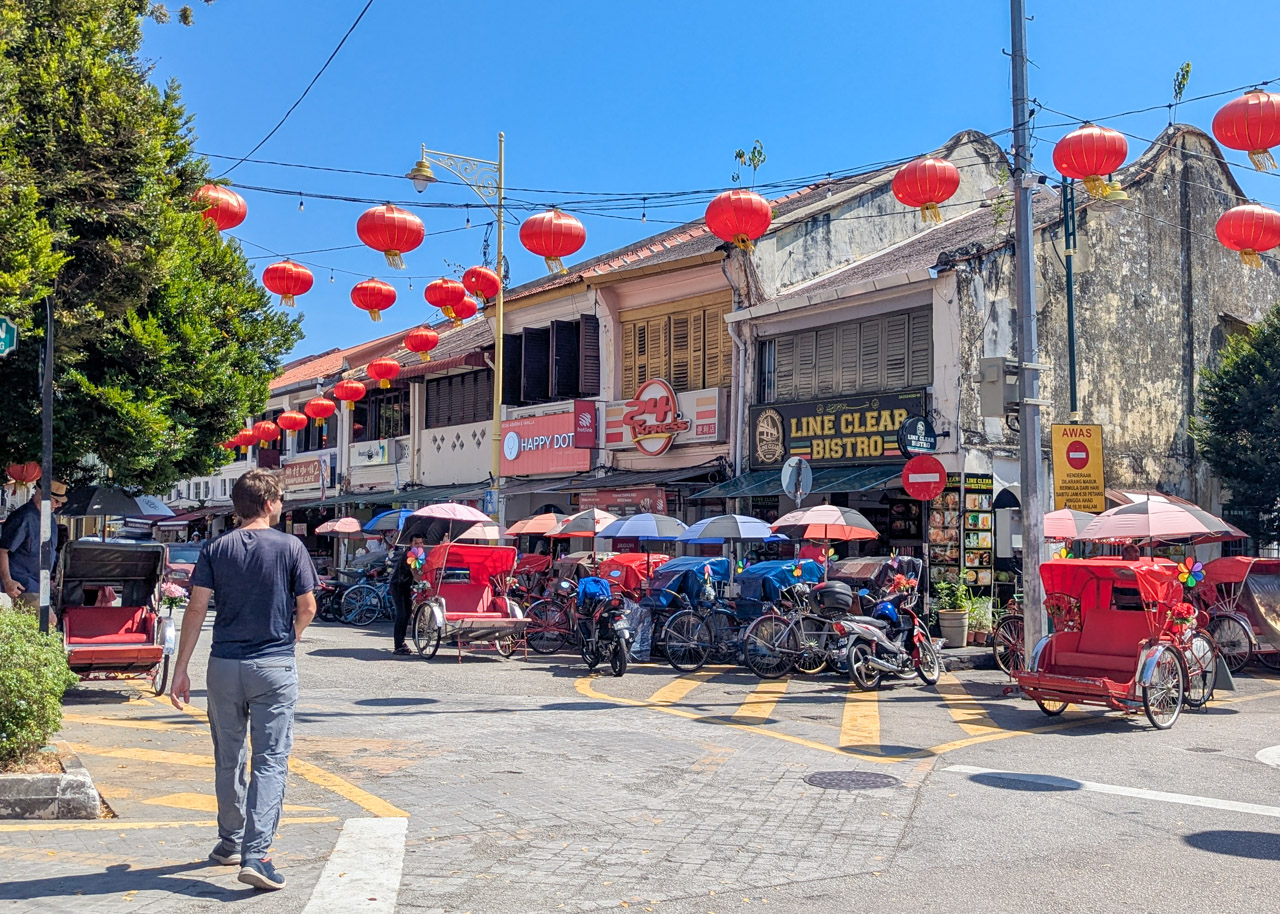
A poster child of Malaysian tourism, George Town’s Chinese heritage is deep and nuanced.
Start around the old city and follow Lebuh Armenian and Lebuh Cannon, where clan houses and temples sit among the shophouses of the UNESCO-listed heritage area. The Khoo Kongsi is an obvious stop. The present complex was completed in 1906 and remains one of George Town’s most spectacular reminders of the wealth and organization that Chinese clan networks developed in Penang.
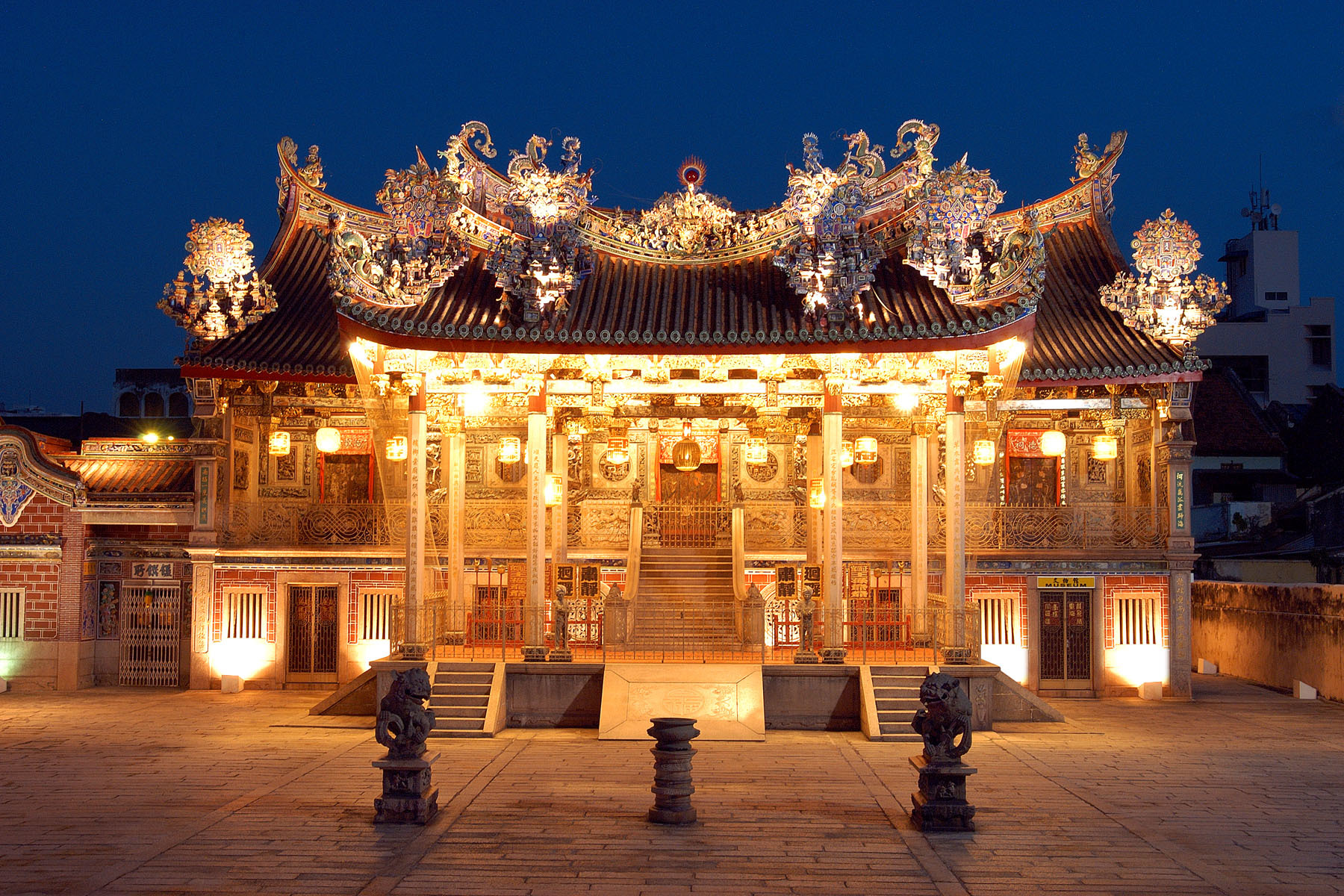
But the real pleasure comes from continuing beyond the major attractions. Chinese migrants from different regional and dialect backgrounds established clan associations and institutions across George Town, creating a network of temples, heritage buildings, and businesses that still shape the old city.
Then head towards Pengkalan Weld and the Clan Jetties. These waterfront communities developed from Chinese immigrant settlements in the 19th century, with families associated with particular surnames building homes over the water. Several jetties survive today as living residential communities.
…And that’s ultimately what makes Chinese history across Southeast Asia so rewarding to travel through. The most interesting places aren’t necessarily the ones that look the most Chinese. They are the ones where you can see what happened after migrants arrived: the temples they built, the institutions they created, the neighborhoods they shaped, and the cultures that emerged when those traditions met somewhere new.
Cover image via Rumavi.