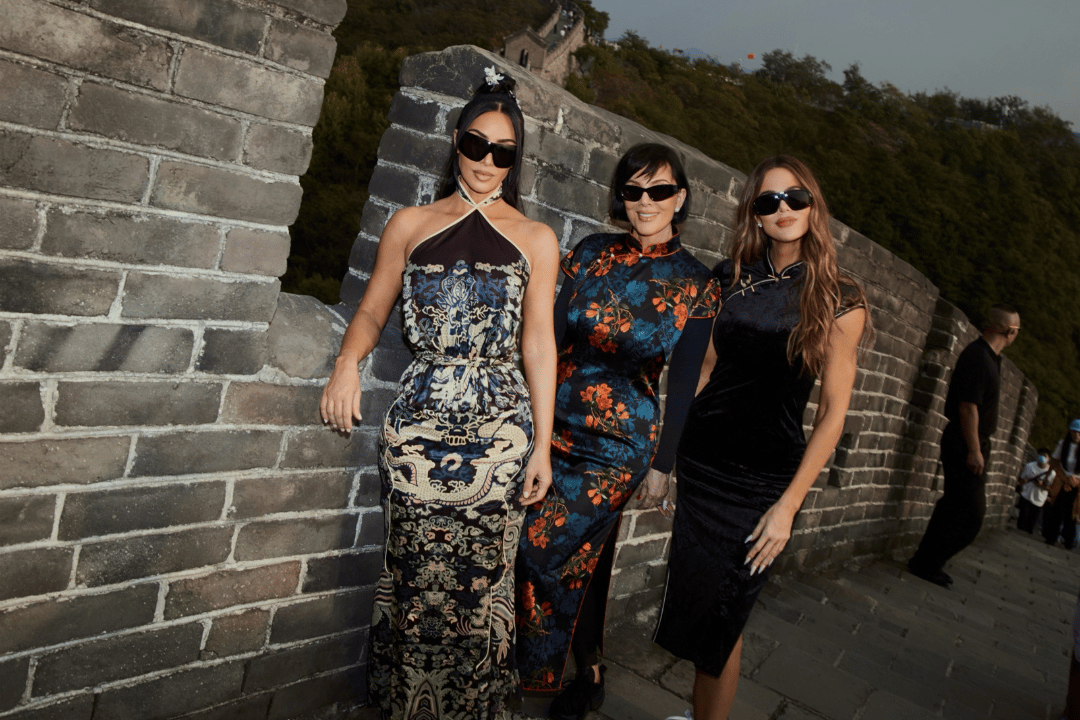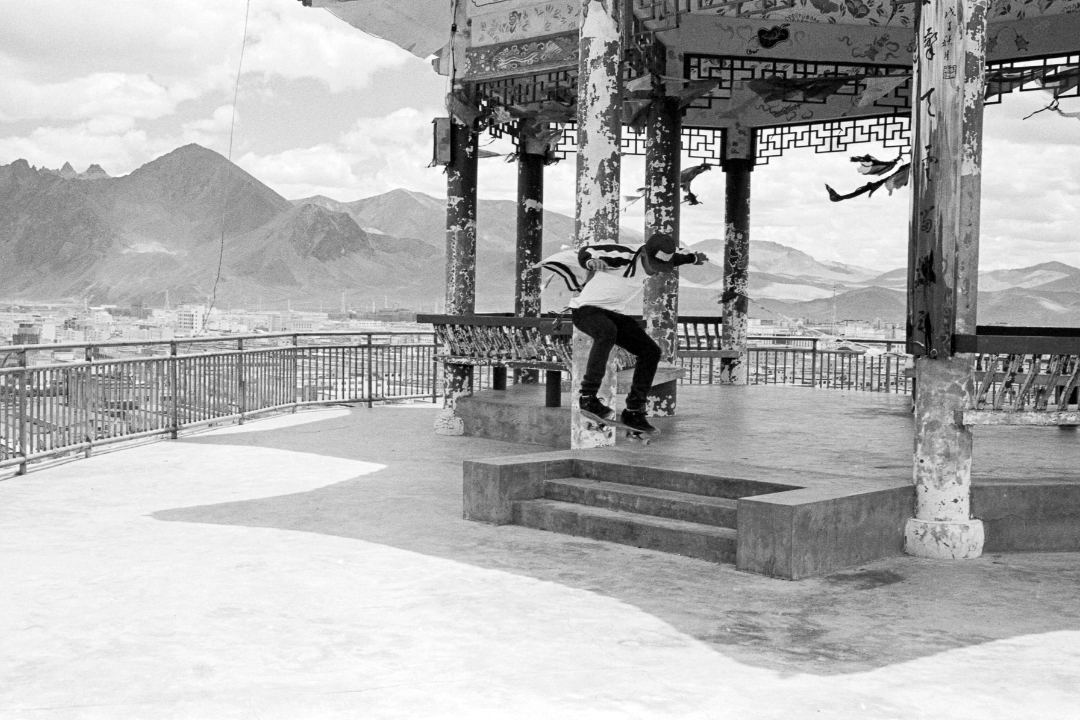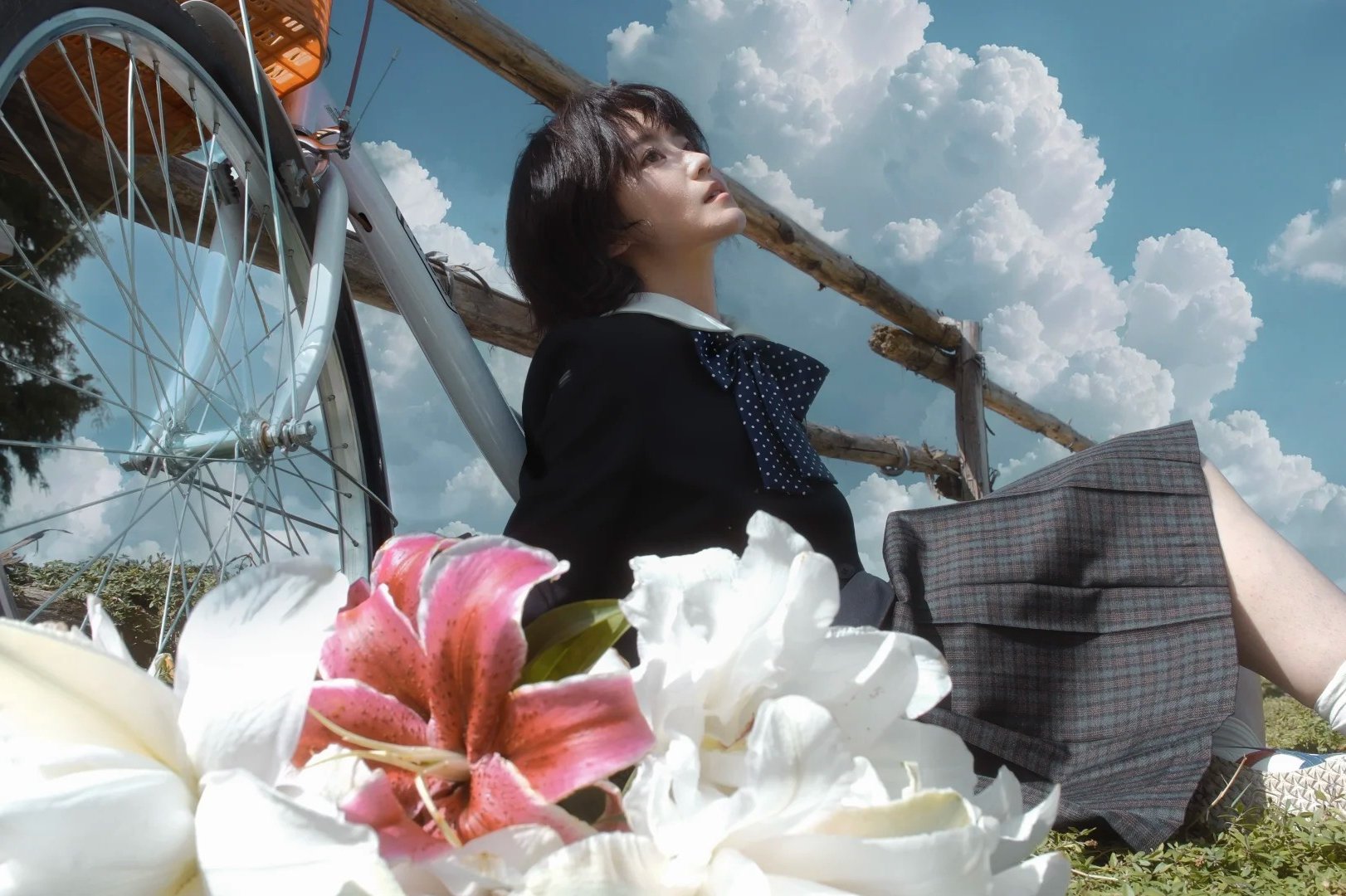
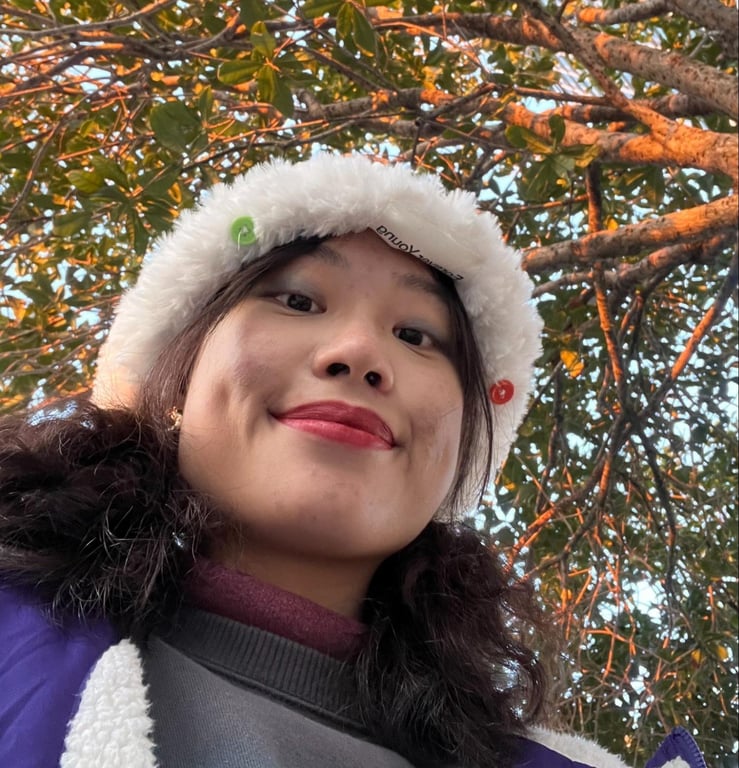
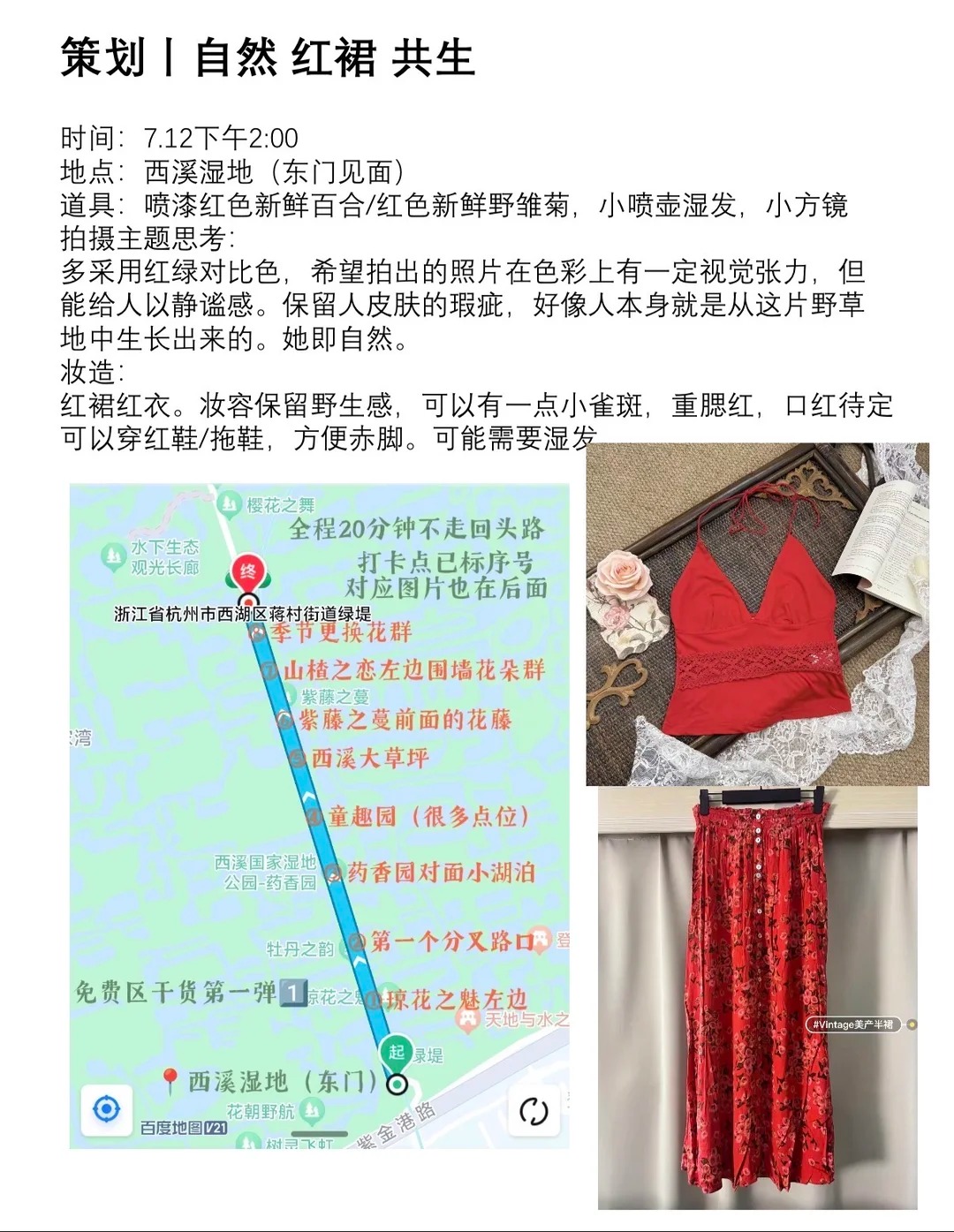
Have you heard of yue pai (约拍)? If you have travelled with a Chinese friend, you might have seen it added to the itinerary. Arranged photoshoots have become deeply rooted in Chinese youth culture. Young people, particularly women, look for photographers online and pay hundreds of yuan for a few hours of shooting. The photographer arranges makeup and costumes, takes the photographs, and edits them afterwards. The result is an album of professional-quality portraits—all during your casual vacation.
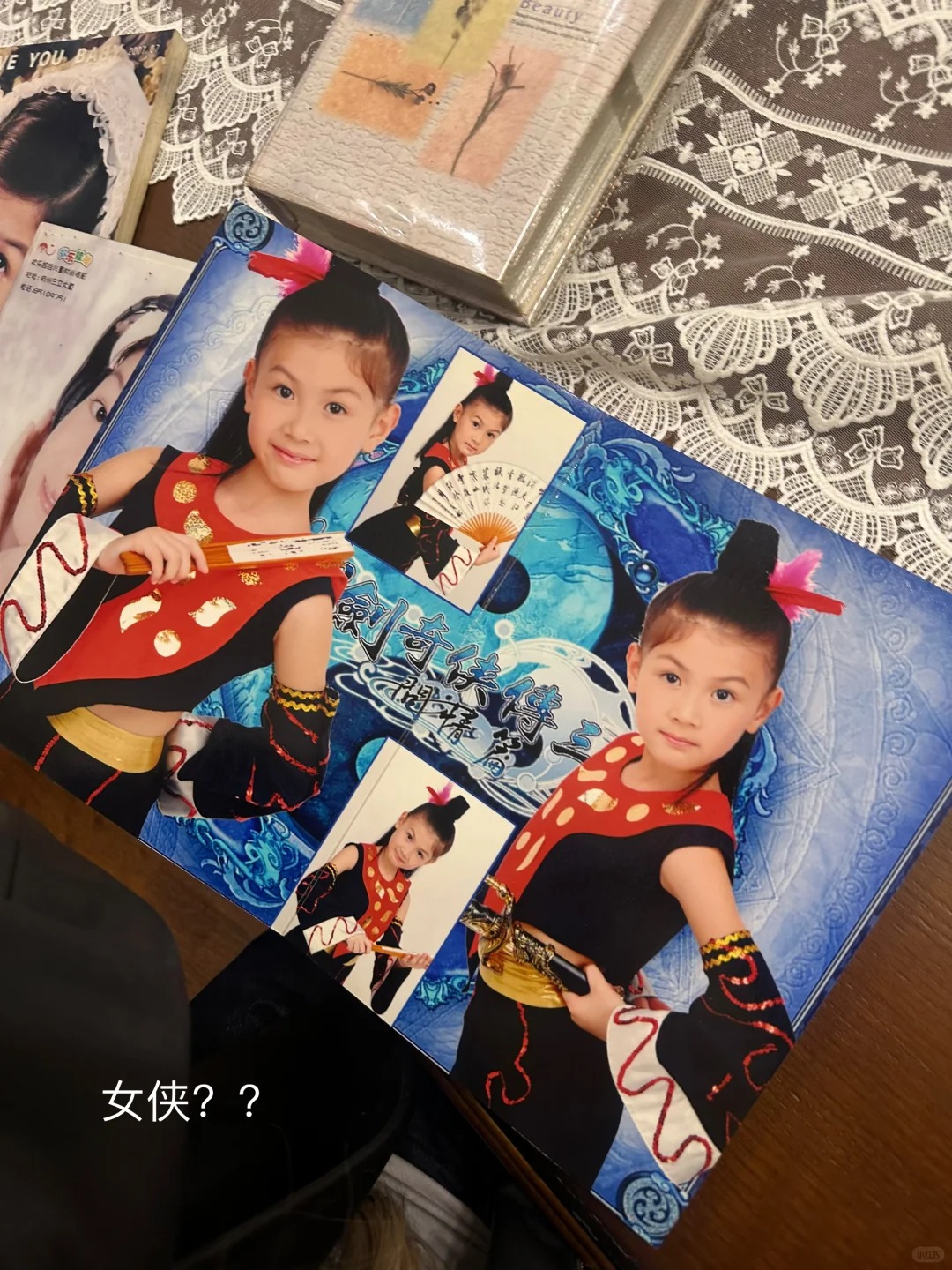
It is difficult to pinpoint exactly when this practice began. However, photography has long played an important role in Asian cultures, much as portrait paintings did in Europe. Family portraits (全家福) and portrait photography (写真) are familiar concepts in Chinese households. In the 2000s, many families visited traditional portrait studios to take commemorative photographs, often as birthday gifts for their children. These sessions gave children the opportunity to dress up in outfits they would never normally wear.
This sense of celebration and ritual has carried over into today’s arranged photoshoot culture. More than 60% of respondents in one survey reportedly consider arranged photoshoots a necessity when travelling. With few chances to wear traditional clothing in public outside of festivals, young people have come to treat travel as a ritual in its own right, making the most of every opportunity to celebrate and document the experience.
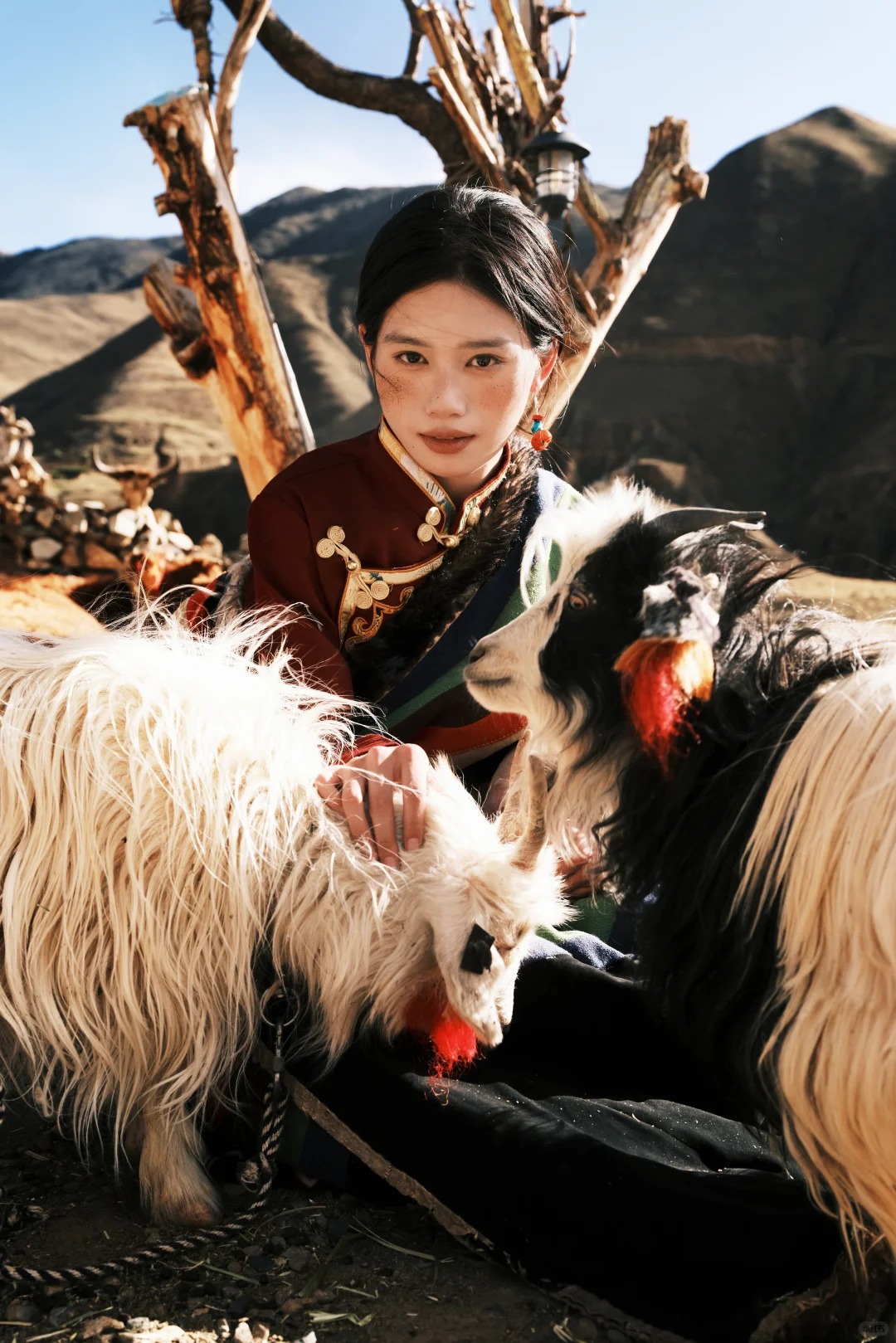
However, the practice also raises questions about cultural representation. In a country with such a diverse range of ethnic groups and regional traditions, clothing and customs vary considerably. Yet visitors sometimes reduce these complex cultural identities to a handful of recognisable visual symbols when taking photographs. Tensions have also emerged between tourists and local residents, as well as between photographers and models, who are sometimes friends or romantic partners.
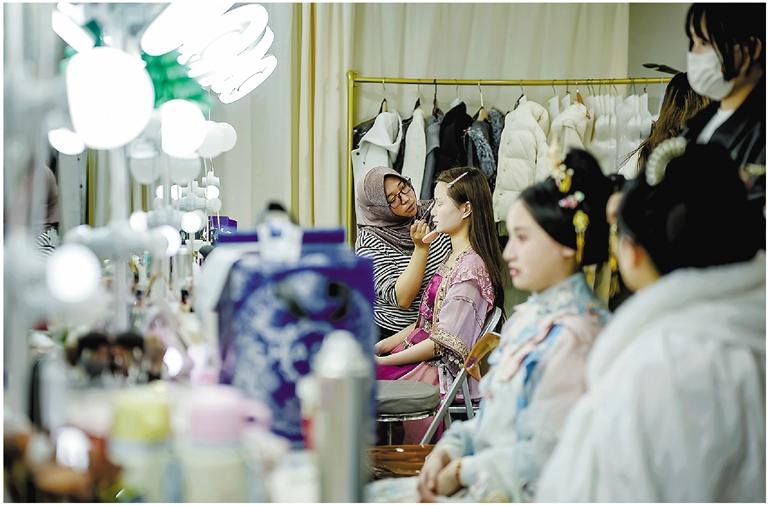
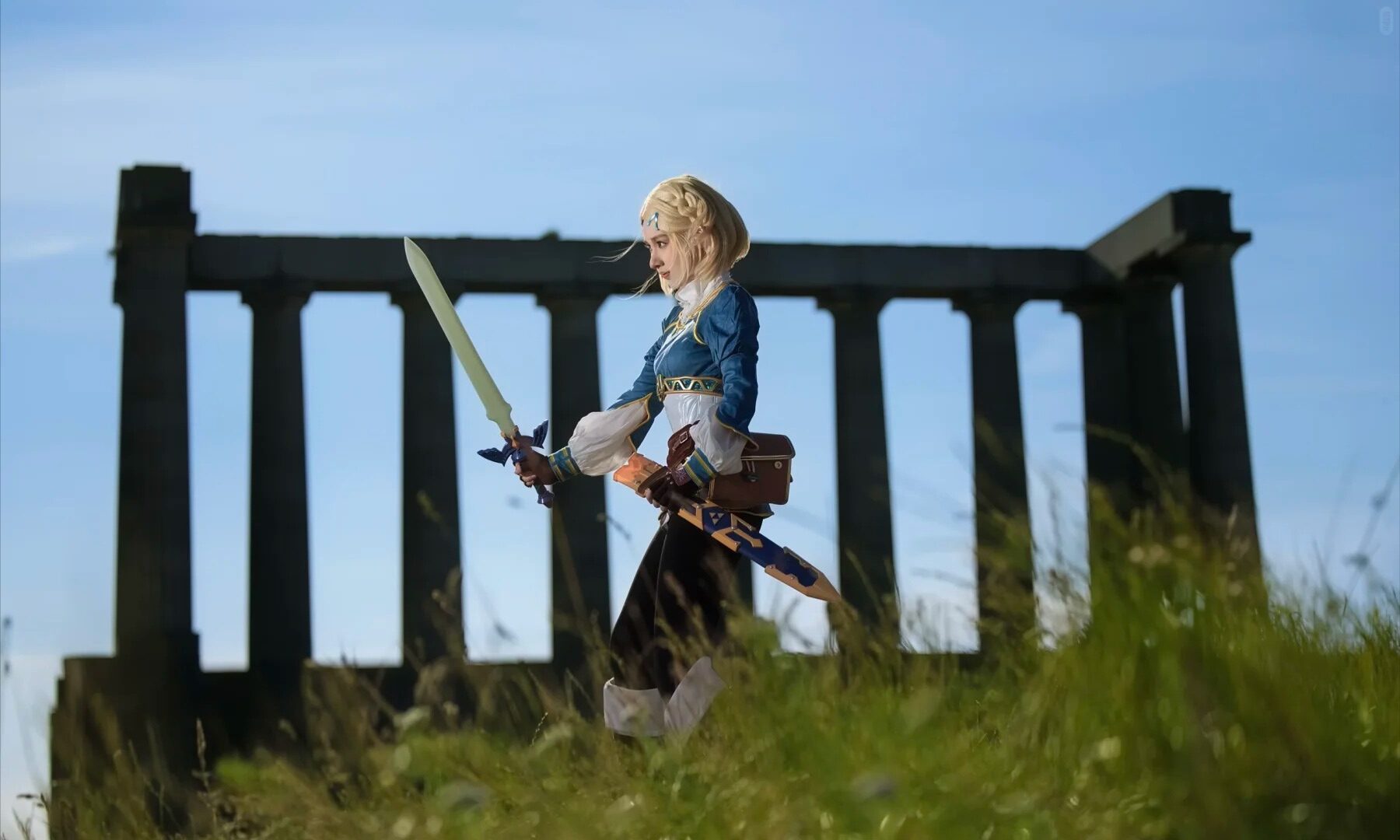
Nevertheless, the creativity of young Chinese photography enthusiasts is hard to overlook. The culture initially gained momentum among cosplayers, many of whom made their own costumes to recreate their favourite anime characters. Over time, photography styles became more diverse, allowing people to experiment with creative identities and experiences once largely associated with celebrities. Above all, yue pai offers the feeling of being seen.
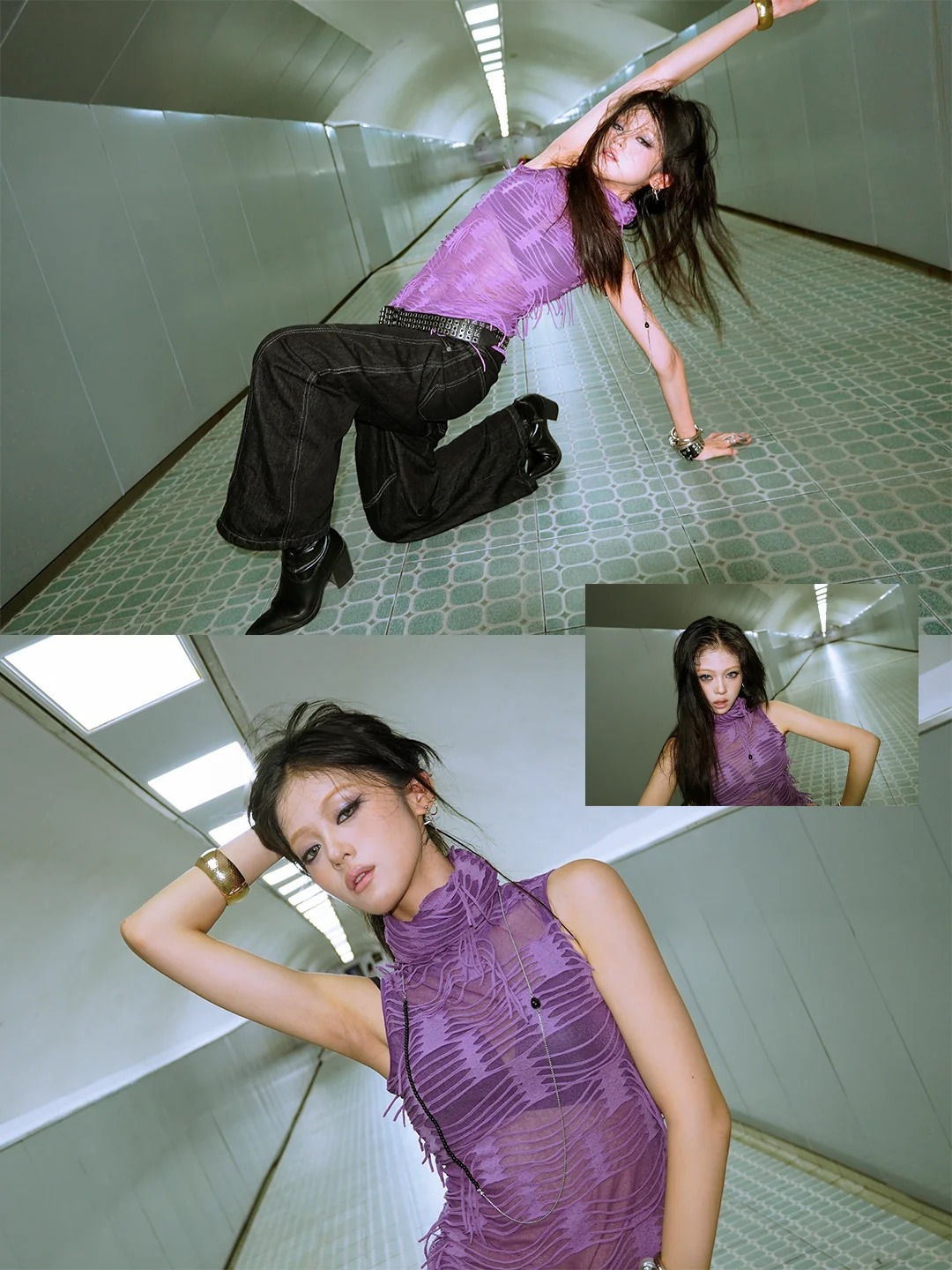
Gone are the flipped-camera group selfies with stunning backdrops, or swarms of selfie sticks; China’s youth are embracing their main character era. Yue pai has since become a lifestyle, a form of social currency online, a way to promote traditional cultural heritage and, ultimately, a means of documenting some of the most vivid moments in one’s life.
Cover Image via Xiaohongshu.