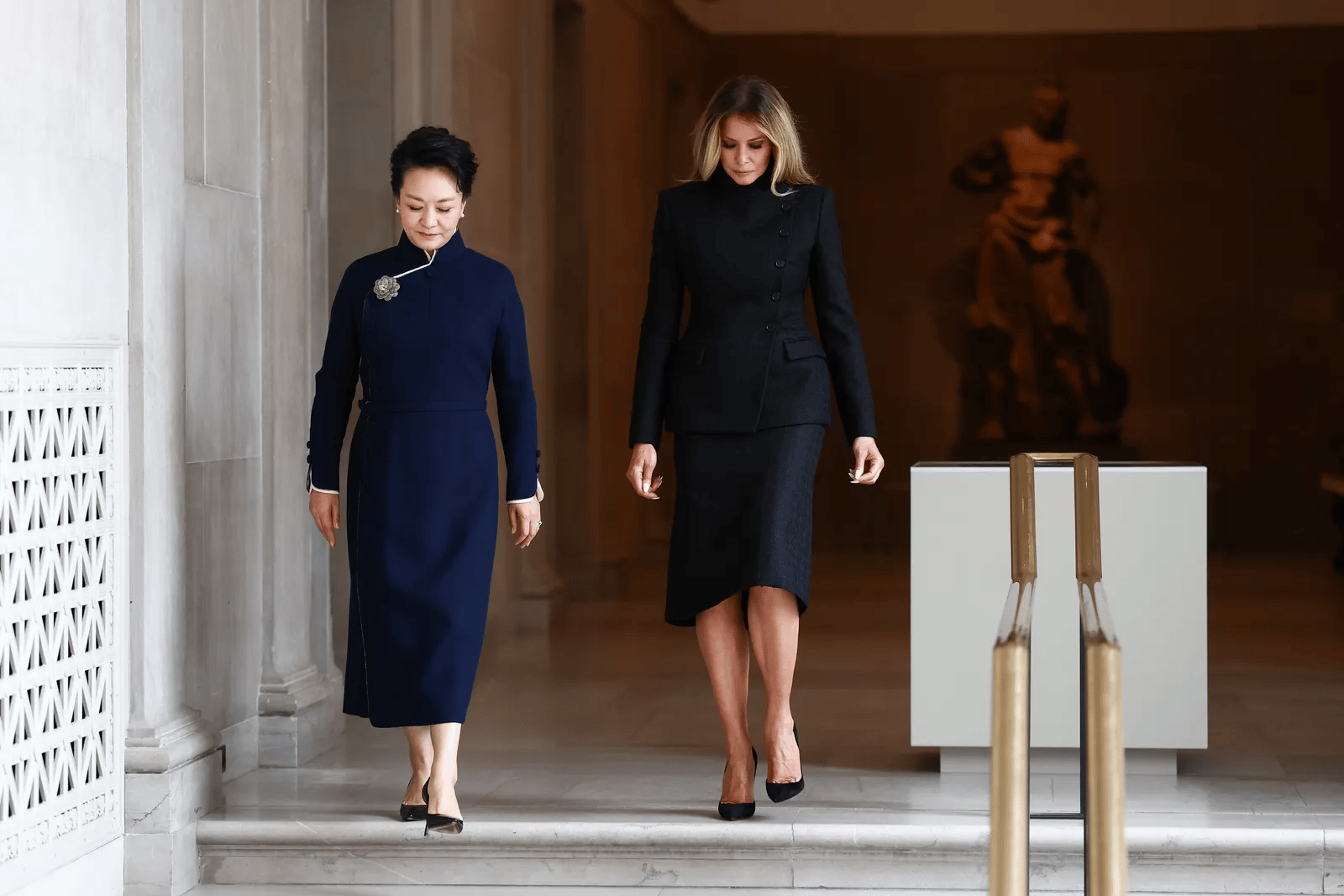

When global superpowers meet, the real conversation often happens far away from the negotiating table. Case in point: the recent diplomatic rendezvous featuring Peng Liyuan and Melania Trump. While politicians debated policy, the First Ladies embarked on a highly curated tour of the Smithsonian’s National Museum of Asian Art, appreciating the Chinese heritage on display, signaling perhaps the most formal of cultural exchanges between the two countries in, well… a while.
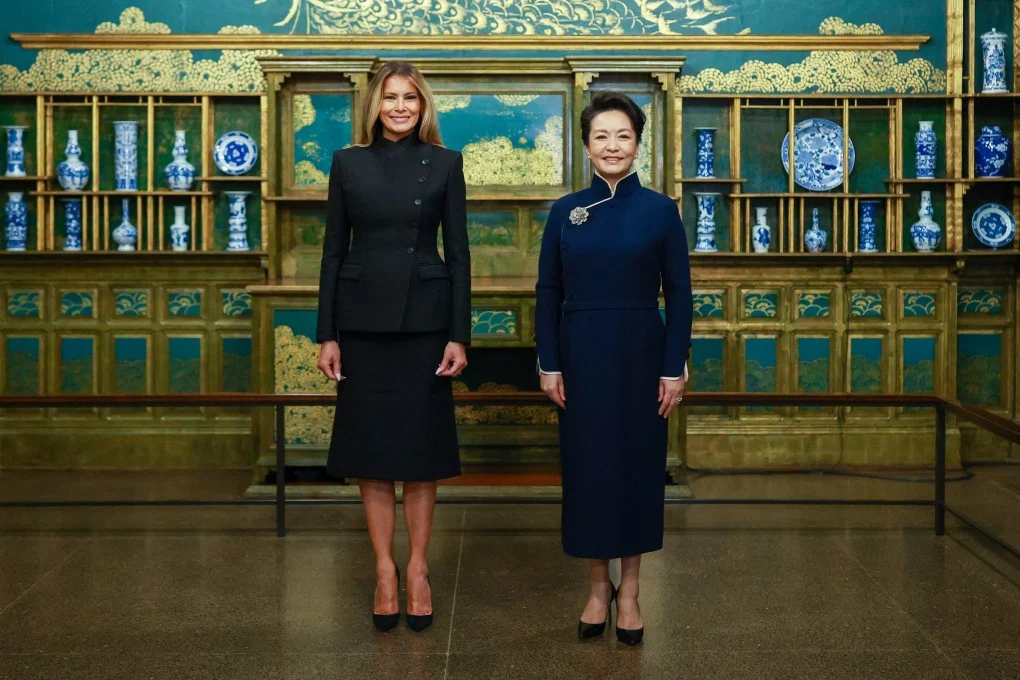
From exquisite jade carvings to centuries-old porcelain, the selected artifacts can be seen as deliberate flexes of China’s immense historical weight. Add in a Children’s choir delivering a flawless rendition of the classic folk song “Jasmine Flower” (Mo Li Hua), and you have a heavily orchestrated, picture-perfect showcase of soft power.
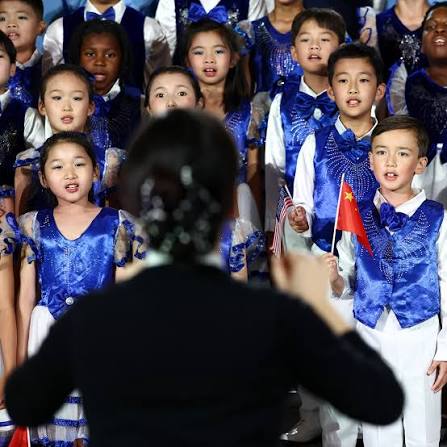
But for a globally connected Gen Z audience, this polished presentation raises a compelling question: What version of contemporary China is actually being exported? While the pageantry leans heavily on ancient aesthetics and classical music, it glosses over the vibrant, chaotic, and hyper-modern youth culture bubbling up in cities like Shanghai and Chengdu. There were no nods to China’s explosive streetwear scene, its avant-garde digital artists, or the rapidly evolving tech spaces redefining the global cultural landscape.
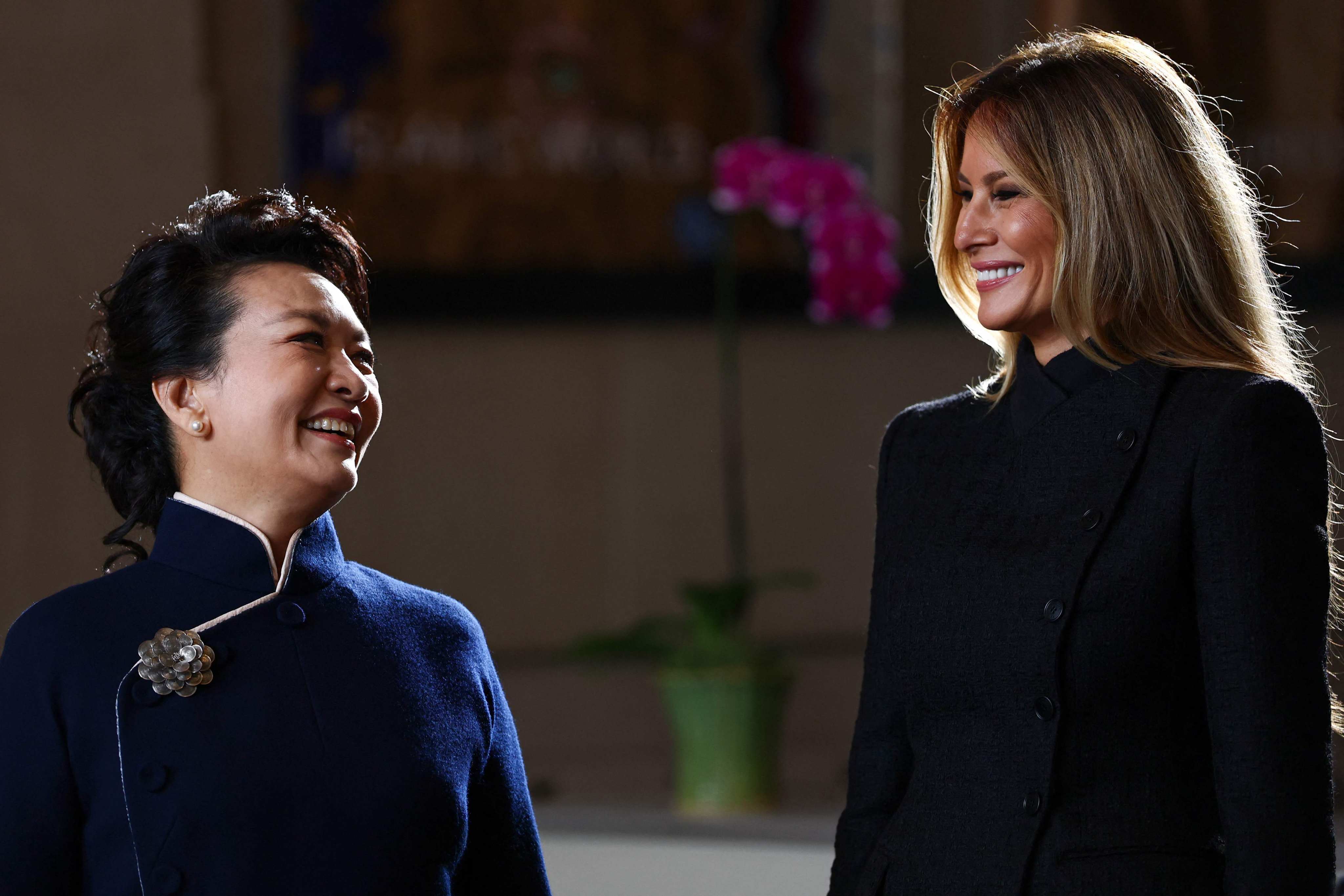
Instead, the White House was served an idealized, highly traditional slice of Chinese heritage—a safe, easily digestible aesthetic for an international audience. Food, fashion, and art have always been deployed as the velvet glove over the iron fist of diplomacy. Yet, as younger generations increasingly dictate cultural trends, the gap between state-sanctioned heritage and the actual pulse of modern Chinese youth has never been more stark. It’s a stunning display of cultural capital, sure, but it’s only half the story.
Cover image via Vogue.