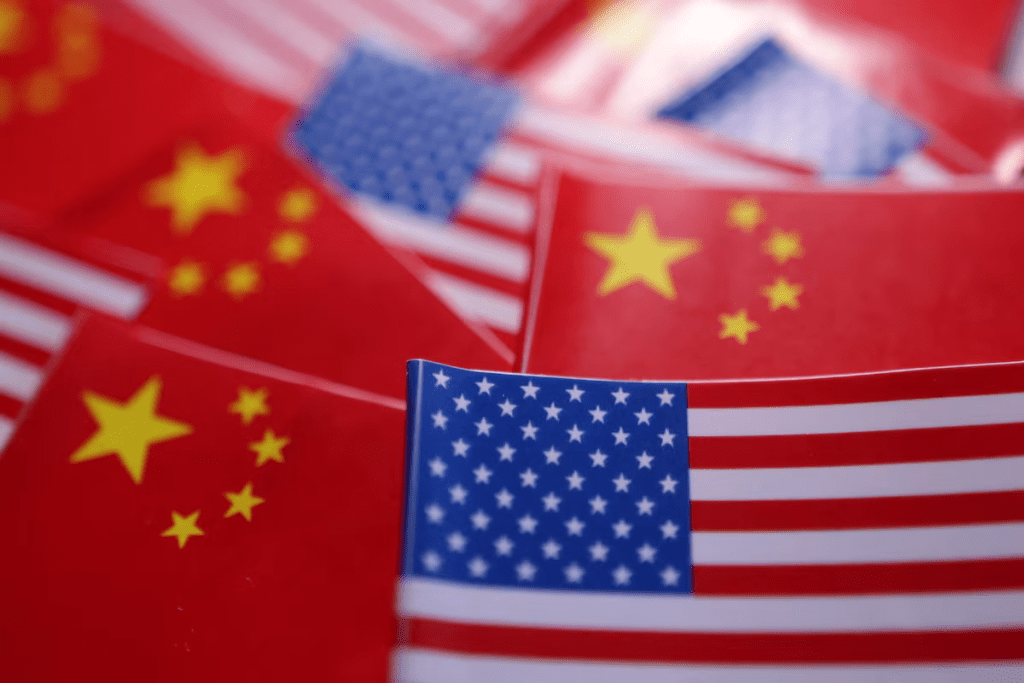

As geopolitical tensions begin to ease following recent summit agreements between the U.S. and China, a new era of bilateral engagement is on the horizon. But what does a U.S.-China “thaw” actually mean for young travelers, creatives, and culture-obsessives?
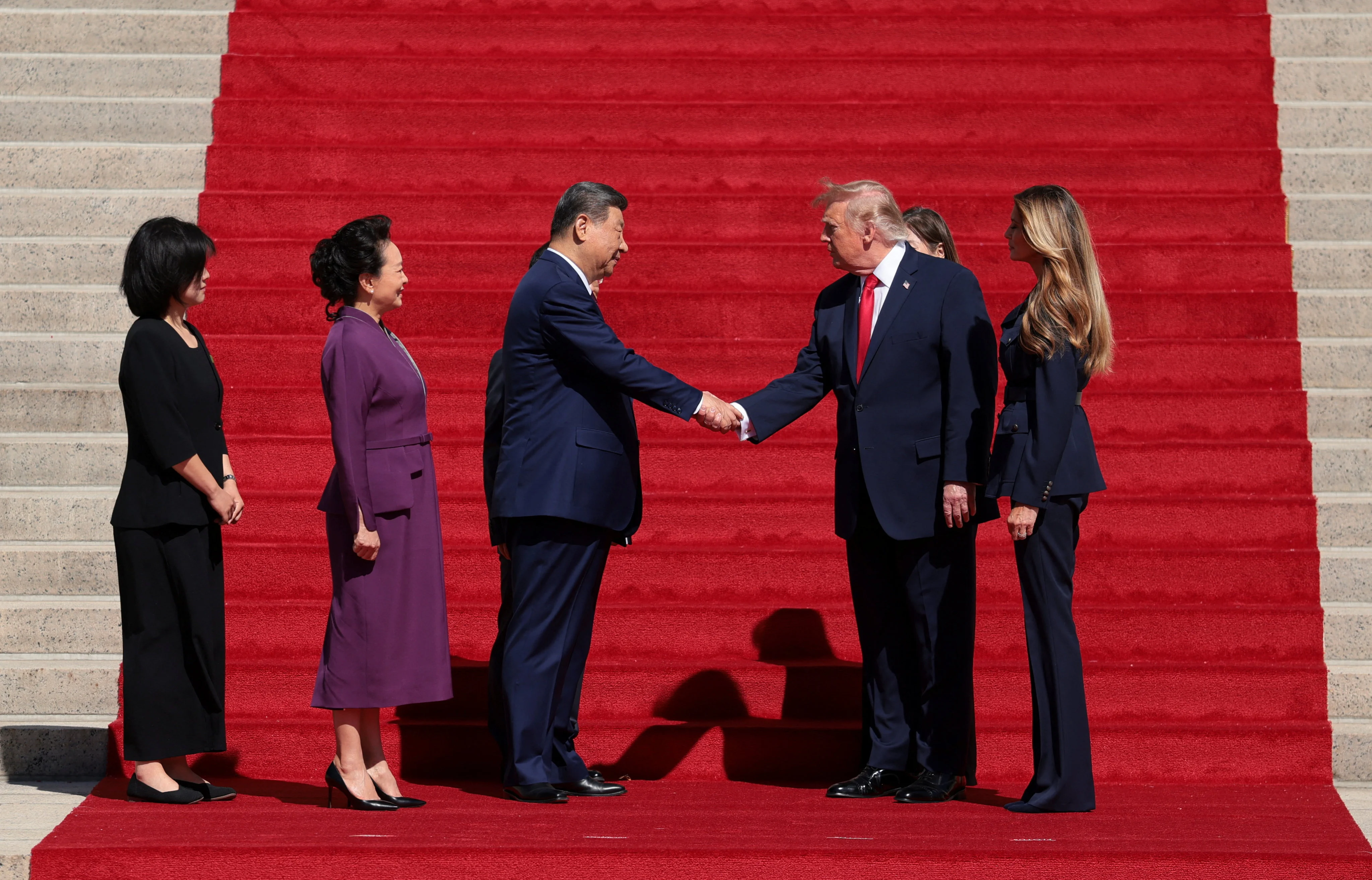
For Gen Z and millennials, the recent push for continued engagement and high-level exchanges goes beyond just macroeconomics. There’s very real room to discuss reopening the doors to grassroots cultural exchange. Over the past few years, traversing the Pacific had become a logistical headache defined by frosty relations, visa hurdles, and sky-high flight prices. Now, the prospect of an easier, more accessible transit route is generating serious buzz among global youth.
A revitalized U.S.-China relationship through Presidents Xi Jinping and Donald Trump could very well signal a renewed curiosity about each other’s vibrant cities, underground art scenes, and culinary landscapes. Imagine an influx of American foodies exploring Chengdu’s explosive street food scene without the red tape, or young Chinese creatives immersing themselves in Brooklyn’s independent art spheres with newfound ease.
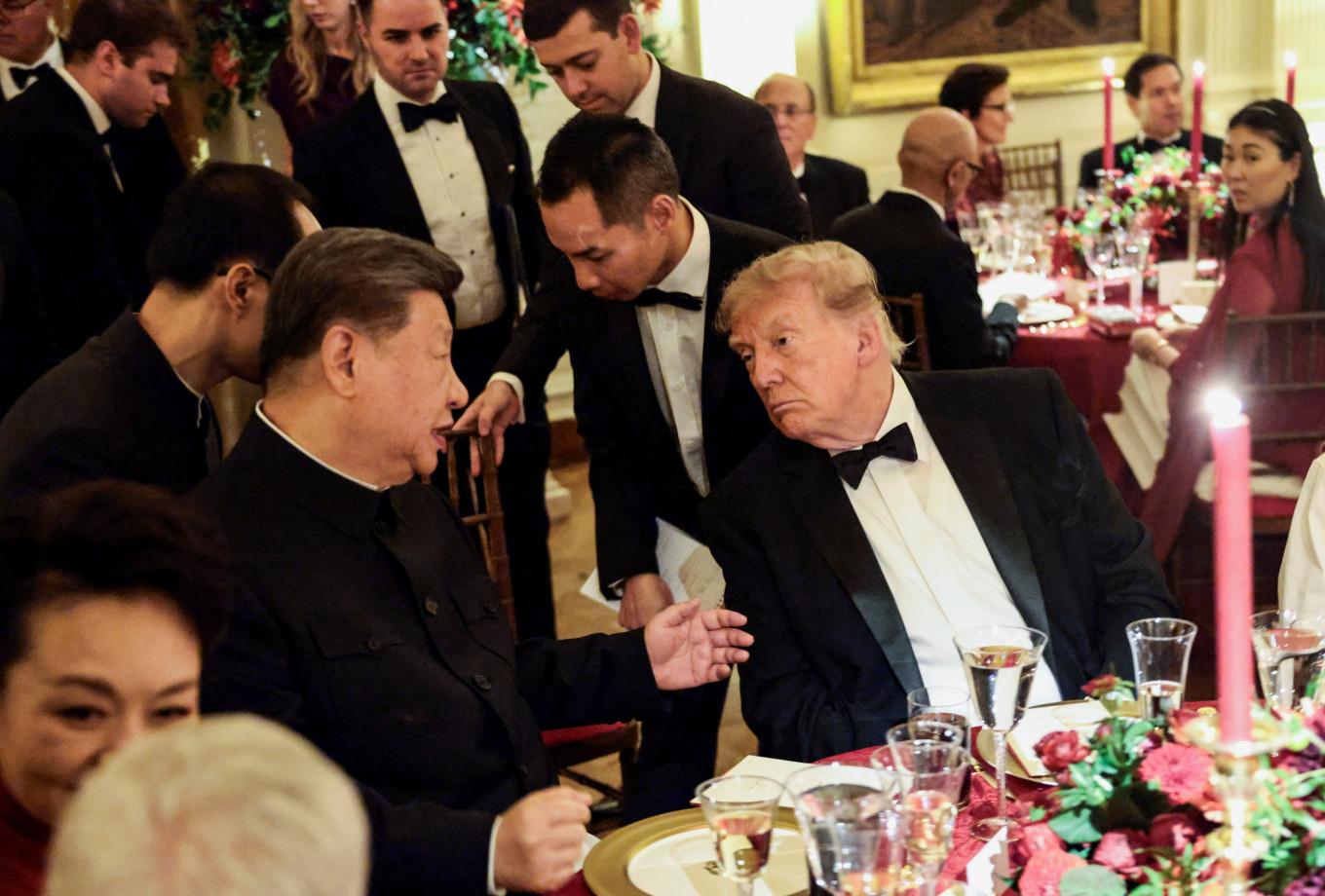
For students and digital nomads, this diplomatic thaw translates to fewer bureaucratic bottlenecks and more opportunities for meaningful, on-the-ground connection. It’s a chance to look past the political headlines and dive straight into the cultural subcurrents that define today’s global youth.
If these high-level agreements successfully trickle down into practical, everyday travel policies, we could be looking at a major renaissance in U.S.–China youth tourism. The thaw might just make cross-cultural exploration between the two nations the most exciting travel trend of the year.
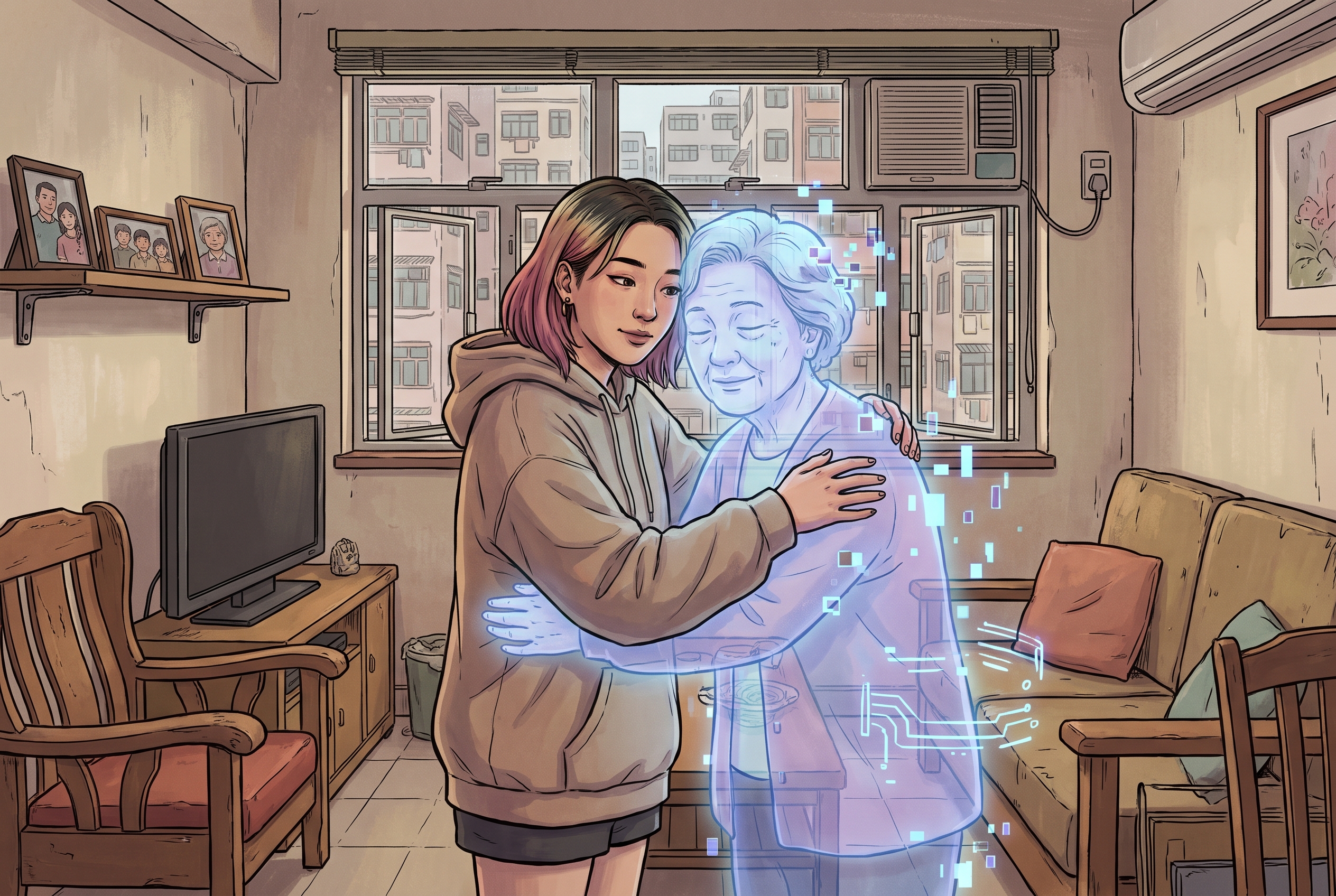
Cover image via The Standard (HK).