
Feature image of When the Code Fails, Burn Incense: China’s AI Startups Turn to the Gods

When the Code Fails, Burn Incense: China’s AI Startups Turn to the Gods

1 min read

1 min read

Feature image of When the Code Fails, Burn Incense: China’s AI Startups Turn to the Gods
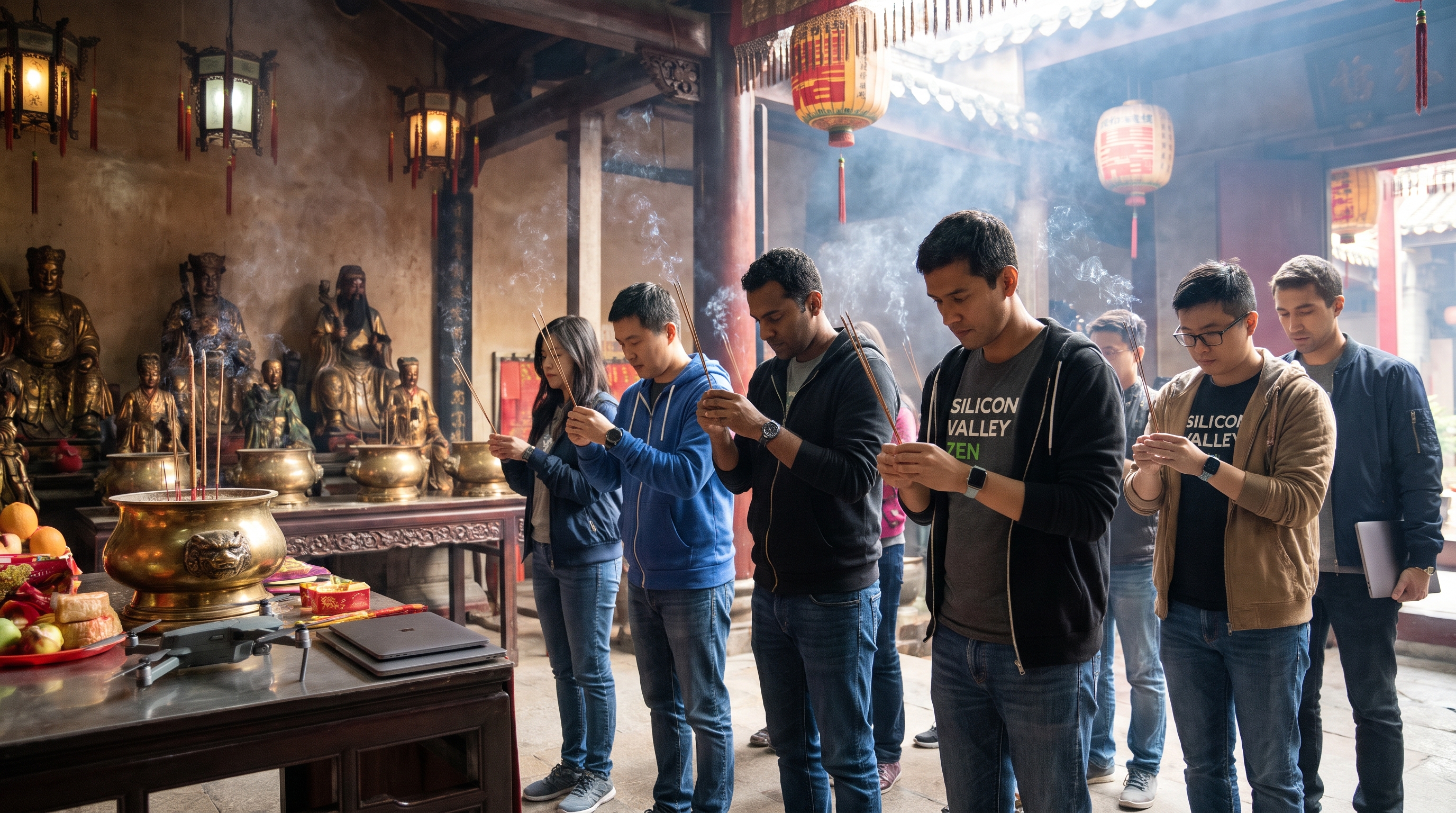
As the AI bubble shows signs of cooling, desperate founders of embodied AI startups in China are reportedly swapping algorithms for altars, kowtowing for good luck.

The AI gold rush in China has been moving at warp speed, but as the hype bubble shows signs of cooling, some tech founders are realizing that algorithms alone might not be enough. What do you do when your embodied AI startup hits a snag, investor cash dries up, and the robots aren’t robot-ing? You turn to the gods.
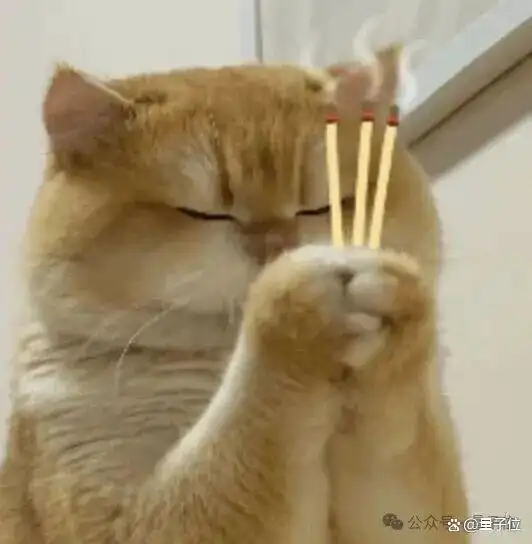
RADII reports on how Chinese AI startups are now praying to the gods to help with the slowing AI boom.
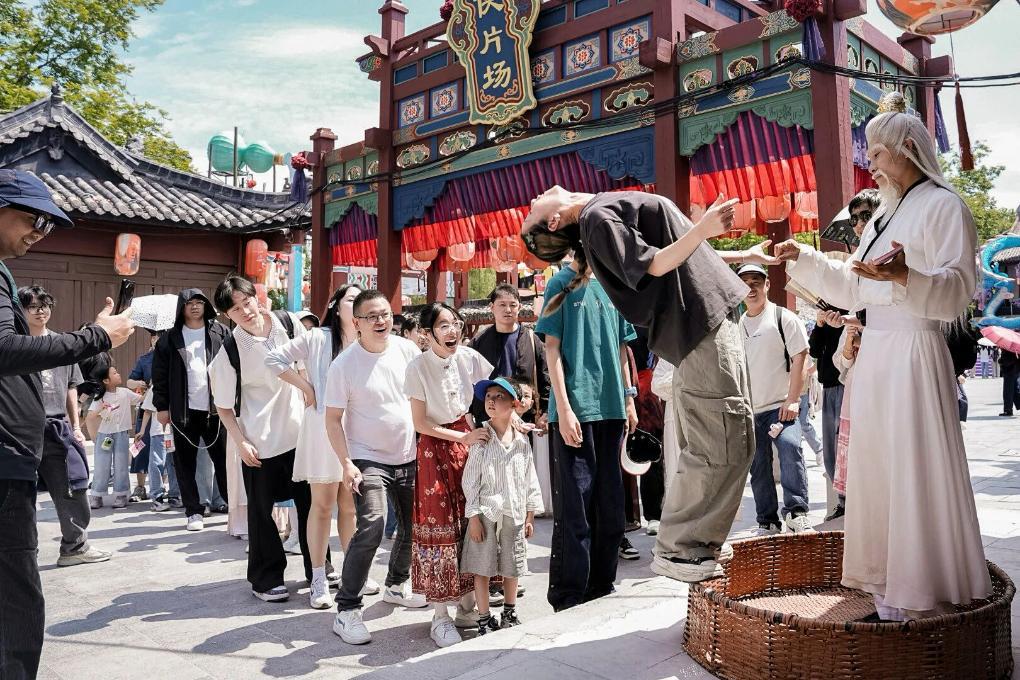
Image via Baidu.

Reports have emerged from platforms like 36kr and Zhihu that some desperate Chinese AI founders are taking a highly unscientific approach to their high-tech problems: burning incense and kowtowing to altars for good luck. It’s a surreal, darkly humorous twist in a hyper-competitive tech subculture where intense hustle culture meets ancient spiritual superstitions.
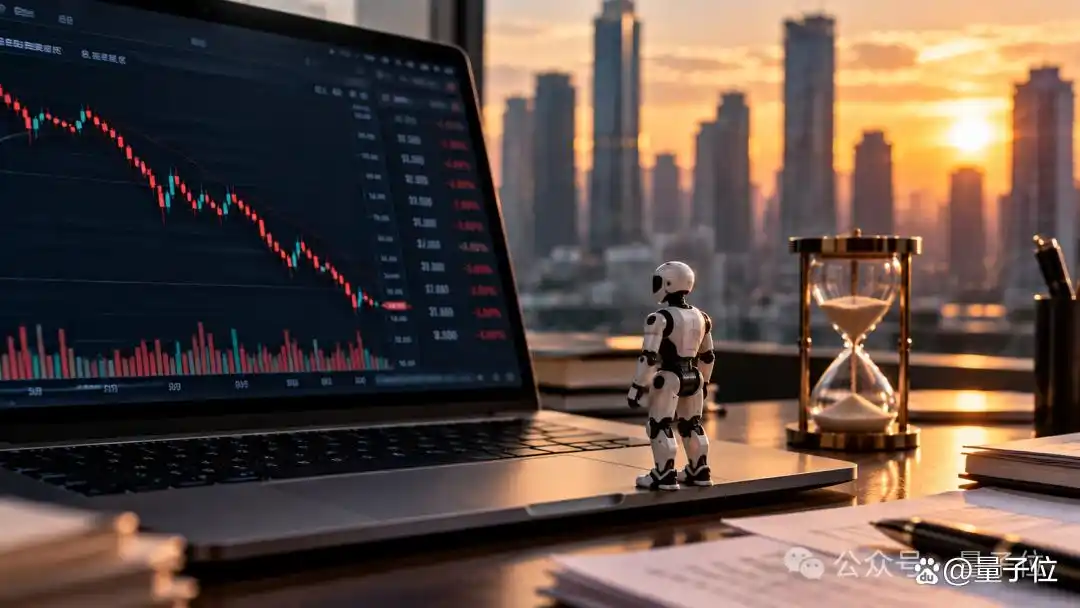
RADII reports on how Chinese AI startups are now praying to the gods to help with the slowing AI boom.
Image via Baidu.

Embodied AI—robots designed to physically interact with the real world—was heralded as the next massive frontier. But the gap between sci-fi expectations and current technical limitations is widening, putting immense pressure on founders to deliver miracles. This return to analog rituals highlights the deep anxiety of an industry facing an uncertain economic reality. For young digital natives navigating this high-stress landscape, it’s a major vibe check on the limits of pure logic. Sometimes, when the code fails and the VC funding stalls, you just have to hope the universe has your back.

Fabricated cover image via Nano Banana Pro/RADII.
NEWSLETTER

Get weekly top picks and exclusive, newsletter only content delivered straight to you inbox.

NEWSLETTER

Get weekly top picks and exclusive, newsletter only content delivered straight to you inbox.

RADII NEWSLETTER

Get weekly top picks and exclusive, newsletter only content delivered straight to you inbox

Feature image of When the Code Fails, Burn Incense: China’s AI Startups Turn to the Gods

When the Code Fails, Burn Incense: China’s AI Startups Turn to the Gods

1 min read

As the AI bubble shows signs of cooling, desperate founders of embodied AI startups in China are reportedly swapping algorithms for altars, kowtowing for good luck.

The AI gold rush in China has been moving at warp speed, but as the hype bubble shows signs of cooling, some tech founders are realizing that algorithms alone might not be enough. What do you do when your embodied AI startup hits a snag, investor cash dries up, and the robots aren’t robot-ing? You turn to the gods.

RADII reports on how Chinese AI startups are now praying to the gods to help with the slowing AI boom.
Image via Baidu.

Reports have emerged from platforms like 36kr and Zhihu that some desperate Chinese AI founders are taking a highly unscientific approach to their high-tech problems: burning incense and kowtowing to altars for good luck. It’s a surreal, darkly humorous twist in a hyper-competitive tech subculture where intense hustle culture meets ancient spiritual superstitions.

RADII reports on how Chinese AI startups are now praying to the gods to help with the slowing AI boom.
Image via Baidu.

Embodied AI—robots designed to physically interact with the real world—was heralded as the next massive frontier. But the gap between sci-fi expectations and current technical limitations is widening, putting immense pressure on founders to deliver miracles. This return to analog rituals highlights the deep anxiety of an industry facing an uncertain economic reality. For young digital natives navigating this high-stress landscape, it’s a major vibe check on the limits of pure logic. Sometimes, when the code fails and the VC funding stalls, you just have to hope the universe has your back.

Fabricated cover image via Nano Banana Pro/RADII.
NEWSLETTER

Get weekly top picks and exclusive, newsletter only content delivered straight to you inbox.

RADII NEWSLETTER

Get weekly top picks and exclusive, newsletter only content delivered straight to you inbox

RELATED POSTS

Feature image of When the Code Fails, Burn Incense: China’s AI Startups Turn to the Gods

When the Code Fails, Burn Incense: China’s AI Startups Turn to the Gods

1 min read

1 min read

Feature image of When the Code Fails, Burn Incense: China’s AI Startups Turn to the Gods
As the AI bubble shows signs of cooling, desperate founders of embodied AI startups in China are reportedly swapping algorithms for altars, kowtowing for good luck.

The AI gold rush in China has been moving at warp speed, but as the hype bubble shows signs of cooling, some tech founders are realizing that algorithms alone might not be enough. What do you do when your embodied AI startup hits a snag, investor cash dries up, and the robots aren’t robot-ing? You turn to the gods.

RADII reports on how Chinese AI startups are now praying to the gods to help with the slowing AI boom.
Image via Baidu.

Reports have emerged from platforms like 36kr and Zhihu that some desperate Chinese AI founders are taking a highly unscientific approach to their high-tech problems: burning incense and kowtowing to altars for good luck. It’s a surreal, darkly humorous twist in a hyper-competitive tech subculture where intense hustle culture meets ancient spiritual superstitions.

RADII reports on how Chinese AI startups are now praying to the gods to help with the slowing AI boom.
Image via Baidu.

Embodied AI—robots designed to physically interact with the real world—was heralded as the next massive frontier. But the gap between sci-fi expectations and current technical limitations is widening, putting immense pressure on founders to deliver miracles. This return to analog rituals highlights the deep anxiety of an industry facing an uncertain economic reality. For young digital natives navigating this high-stress landscape, it’s a major vibe check on the limits of pure logic. Sometimes, when the code fails and the VC funding stalls, you just have to hope the universe has your back.

Fabricated cover image via Nano Banana Pro/RADII.
NEWSLETTER

Get weekly top picks and exclusive, newsletter only content delivered straight to you inbox.

NEWSLETTER

Get weekly top picks and exclusive, newsletter only content delivered straight to you inbox.

RADII NEWSLETTER

Get weekly top picks and exclusive, newsletter only content delivered straight to you inbox

Feature image of When the Code Fails, Burn Incense: China’s AI Startups Turn to the Gods

When the Code Fails, Burn Incense: China’s AI Startups Turn to the Gods

1 min read

As the AI bubble shows signs of cooling, desperate founders of embodied AI startups in China are reportedly swapping algorithms for altars, kowtowing for good luck.

The AI gold rush in China has been moving at warp speed, but as the hype bubble shows signs of cooling, some tech founders are realizing that algorithms alone might not be enough. What do you do when your embodied AI startup hits a snag, investor cash dries up, and the robots aren’t robot-ing? You turn to the gods.

RADII reports on how Chinese AI startups are now praying to the gods to help with the slowing AI boom.
Image via Baidu.

Reports have emerged from platforms like 36kr and Zhihu that some desperate Chinese AI founders are taking a highly unscientific approach to their high-tech problems: burning incense and kowtowing to altars for good luck. It’s a surreal, darkly humorous twist in a hyper-competitive tech subculture where intense hustle culture meets ancient spiritual superstitions.

RADII reports on how Chinese AI startups are now praying to the gods to help with the slowing AI boom.
Image via Baidu.

Embodied AI—robots designed to physically interact with the real world—was heralded as the next massive frontier. But the gap between sci-fi expectations and current technical limitations is widening, putting immense pressure on founders to deliver miracles. This return to analog rituals highlights the deep anxiety of an industry facing an uncertain economic reality. For young digital natives navigating this high-stress landscape, it’s a major vibe check on the limits of pure logic. Sometimes, when the code fails and the VC funding stalls, you just have to hope the universe has your back.

Fabricated cover image via Nano Banana Pro/RADII.
NEWSLETTER

Get weekly top picks and exclusive, newsletter only content delivered straight to you inbox.

RADII NEWSLETTER

Get weekly top picks and exclusive, newsletter only content delivered straight to you inbox

RADII newsletter pop up visual

NEWSLETTER​

Get weekly top picks and exclusive, newsletter only content delivered straight to you inbox

RADII Newsletter Pop Up small banner

NEWSLETTER

Get weekly top picks and exclusive, newsletter only content delivered straight to you inbox.

Link Copied!

Share

Feature image of When the Code Fails, Burn Incense: China’s AI Startups Turn to the Gods

When the Code Fails, Burn Incense: China’s AI Startups Turn to the Gods

As the AI bubble shows signs of cooling, desperate founders of embodied AI startups in China are reportedly swapping algorithms for altars, kowtowing for good luck.

PULSE

Tap into the latest in music, fashion, art, design, entertainment, pop culture, celebrity news, and contemporary culture

DISCOVER

Embark on a journey through food, travel, wellness, heritage, traditional culture, and lifestyle

STYLE

An insider’s look at the intersection of fashion, art, and design

FEAST

Titillate your taste buds with coverage of the best food and drink trends from China and beyond.

FUTURE

Explore the cutting edge in tech, AI, gadgets, gaming, and innovative tech-related products

FEAST

Titillate your taste buds with coverage of the best food and drink trends from China and beyond

STYLE

An insider’s look at the intersection of fashion, art, and design

PULSE

Unpacking Chinese youth culture through coverage of nightlife, film, sports, celebrities, and the hottest new music