
Feature image of 6 Ancient Chinese Monsters That Put Your Halloween Costume to Shame

6 Ancient Chinese Monsters That Put Your Halloween Costume to Shame

2 mins read

2 mins read

Feature image of 6 Ancient Chinese Monsters That Put Your Halloween Costume to Shame
Halloween is over, but the creatures of ‘The Classic of Mountains and Seas’ (山海经) are still around. Here’s a guide to six of the strangest beings in the ancient Chinese text people call the original SCP files.

Halloween has passed, but some monsters stay scary all year. Plenty of them live in The Classic of Mountains and Seas (山海经). It’s part bestiary, part travel guide, with its earliest sections dating to before the 4th century BCE.

Legend credits the book to Yu the Great, the flood-taming hero, and his minister Boyi, who supposedly wrote down everything they saw while traveling the land. In reality, many anonymous authors added to it over centuries. Han dynasty scholars edited it into 18 chapters. They cover hundreds of mountains, rivers, and faraway kingdoms, along with the gods, medicinal plants, and monsters said to live in each one. Early readers treated it as a real atlas. By the Ming dynasty, it was increasingly classed as fiction, and scholar Hu Yinglin called it “the ancestor of all tales of the strange.” It has stayed popular ever since. Writer Lu Xun even remembered an illustrated copy as his favorite childhood treasure.

Meet six of its strangest residents:


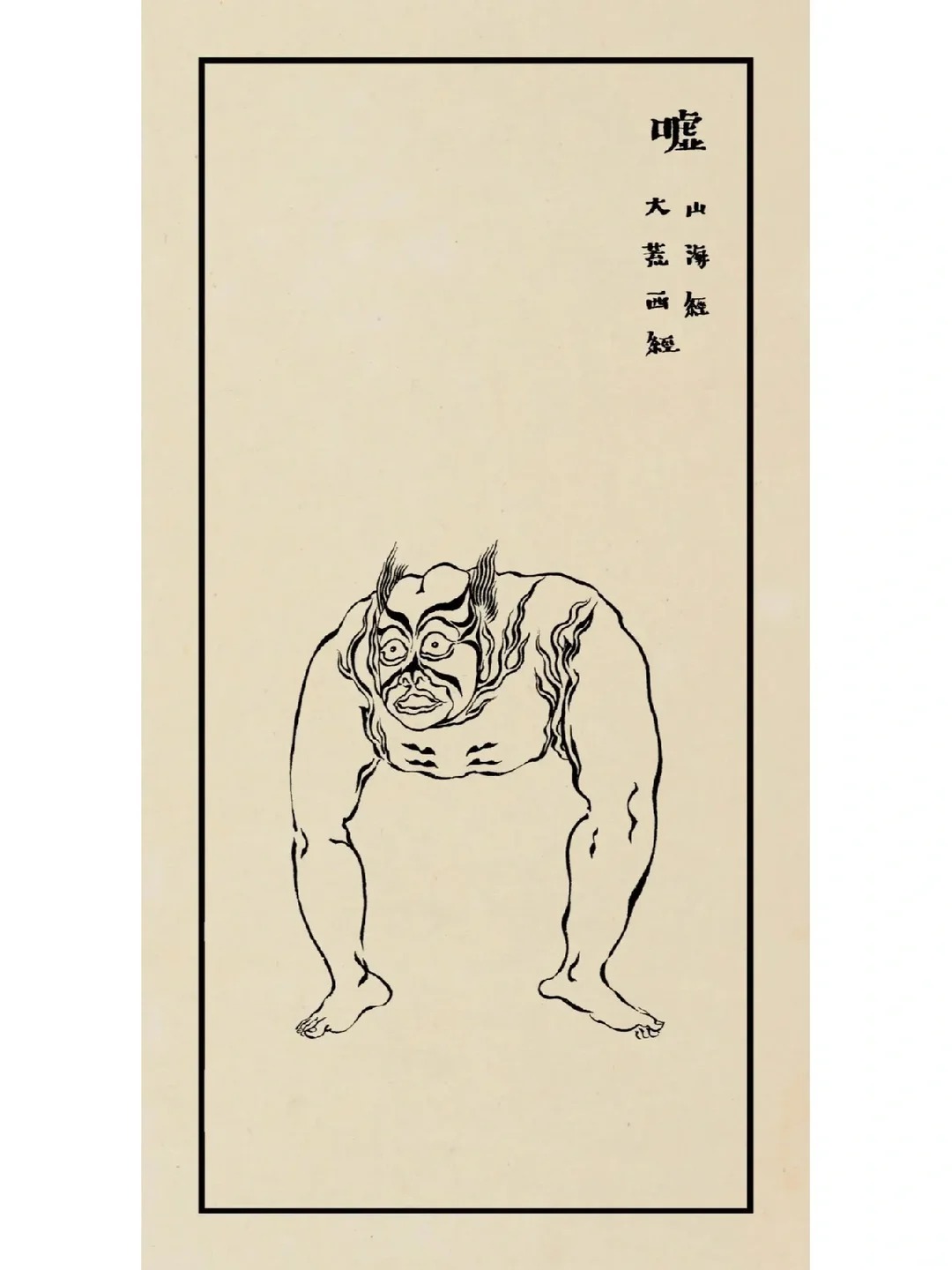
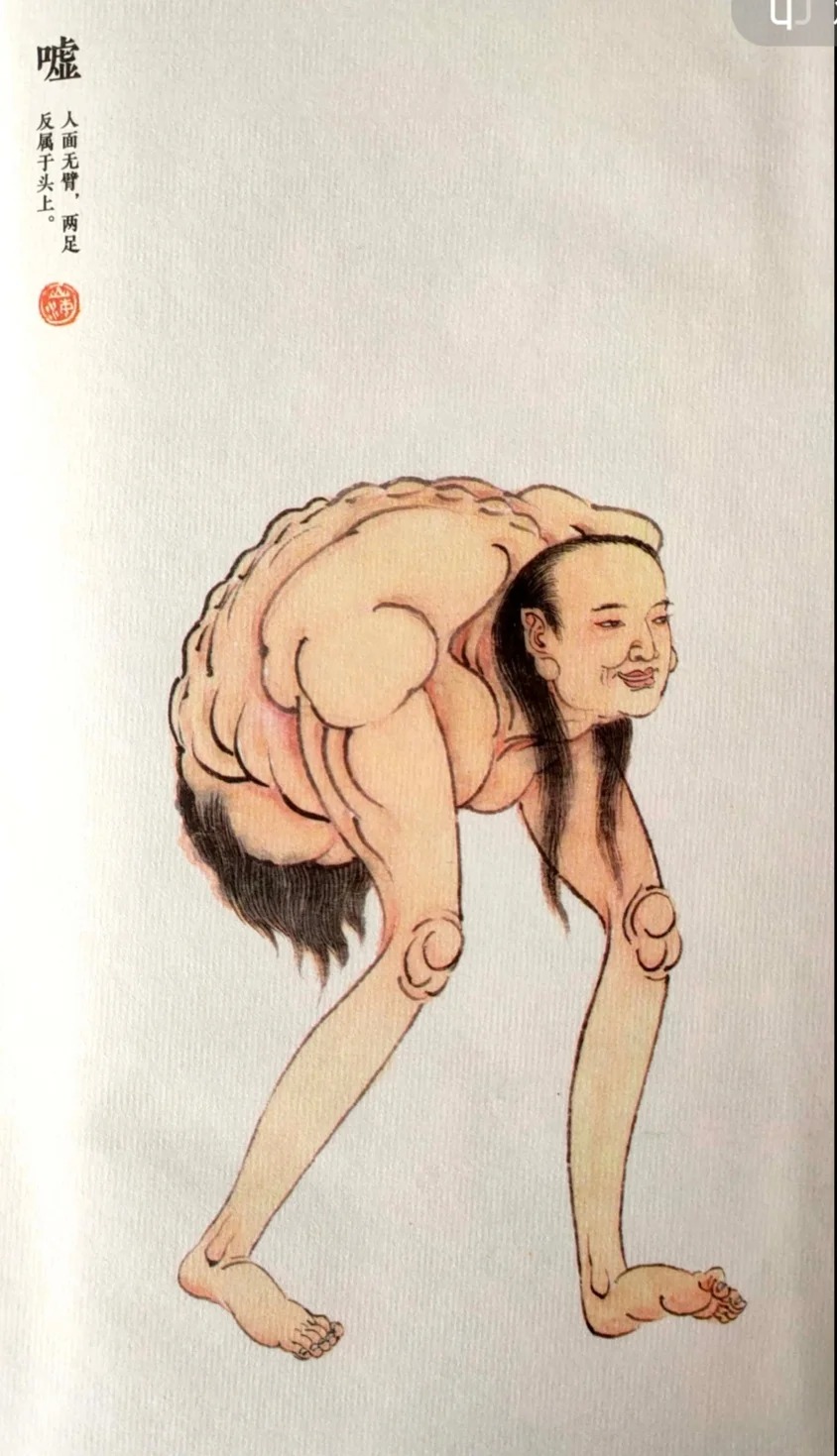
Xu (嘘) is a god in the far west who keeps the sun, moon, and stars on schedule. He has a human face, no arms, and legs attached to the top of his head.
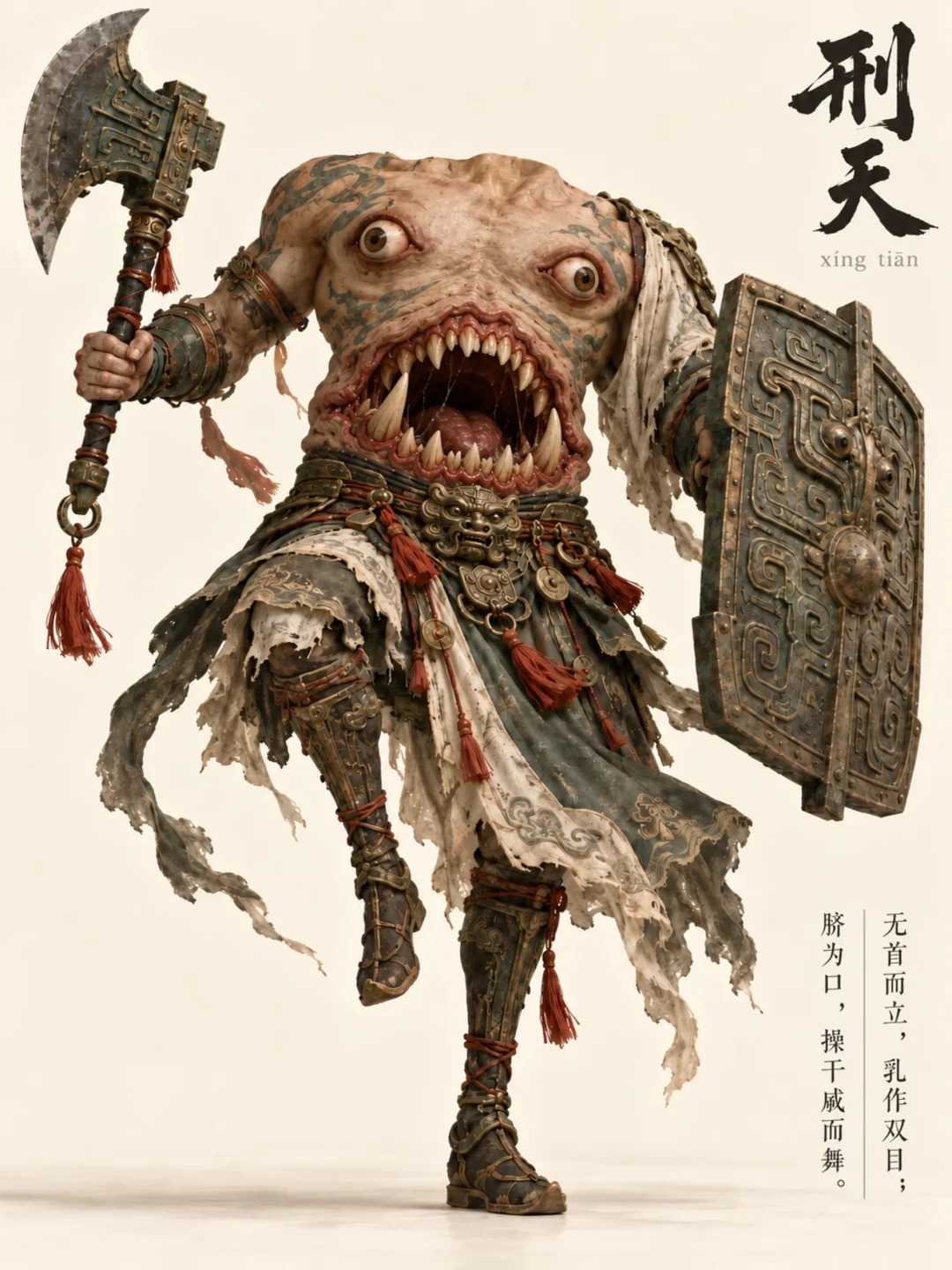
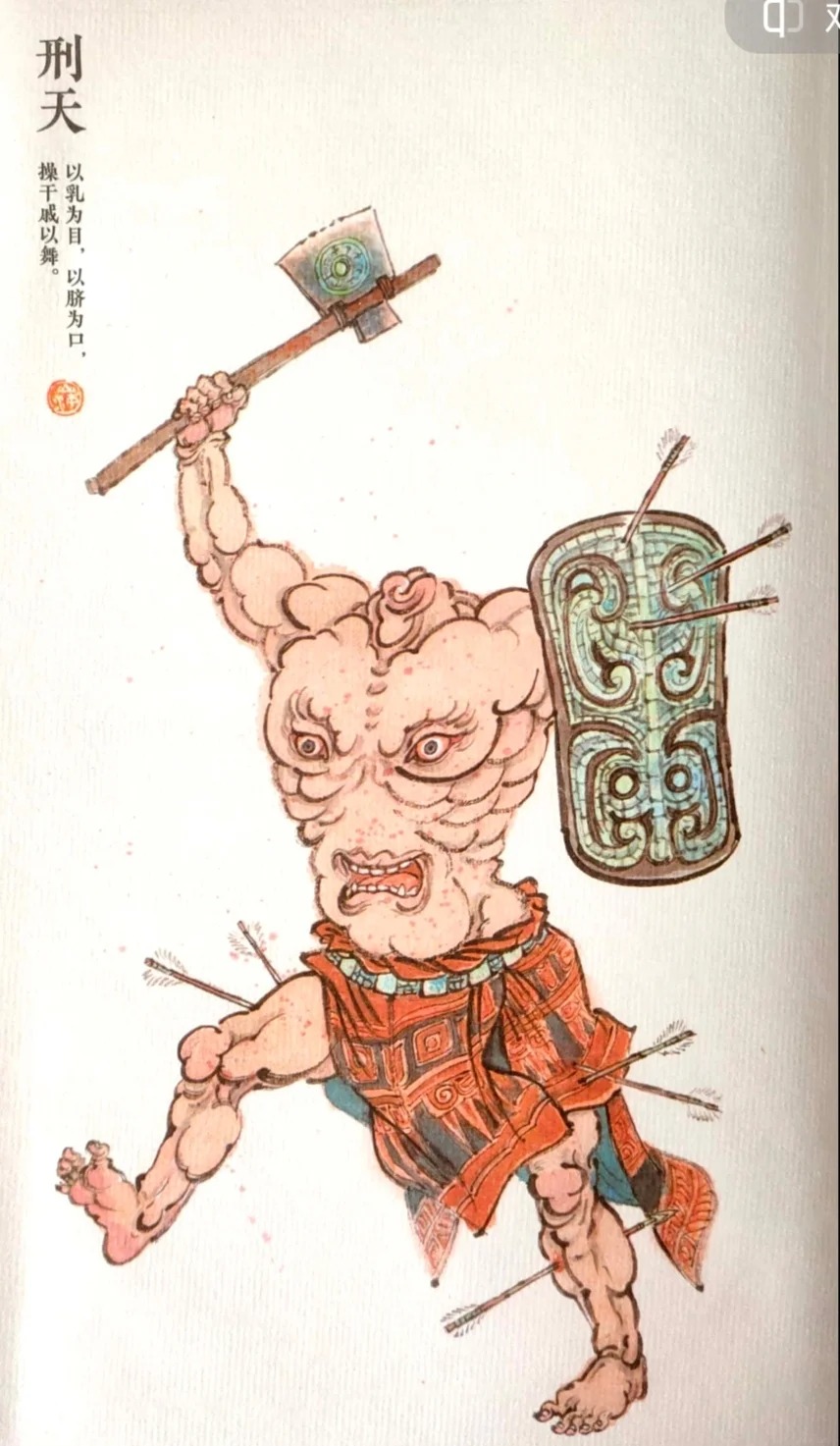
Xingtian (刑天) was beheaded while fighting the Yellow Emperor and kept fighting anyway. He used his nipples as eyes and his navel as a mouth.
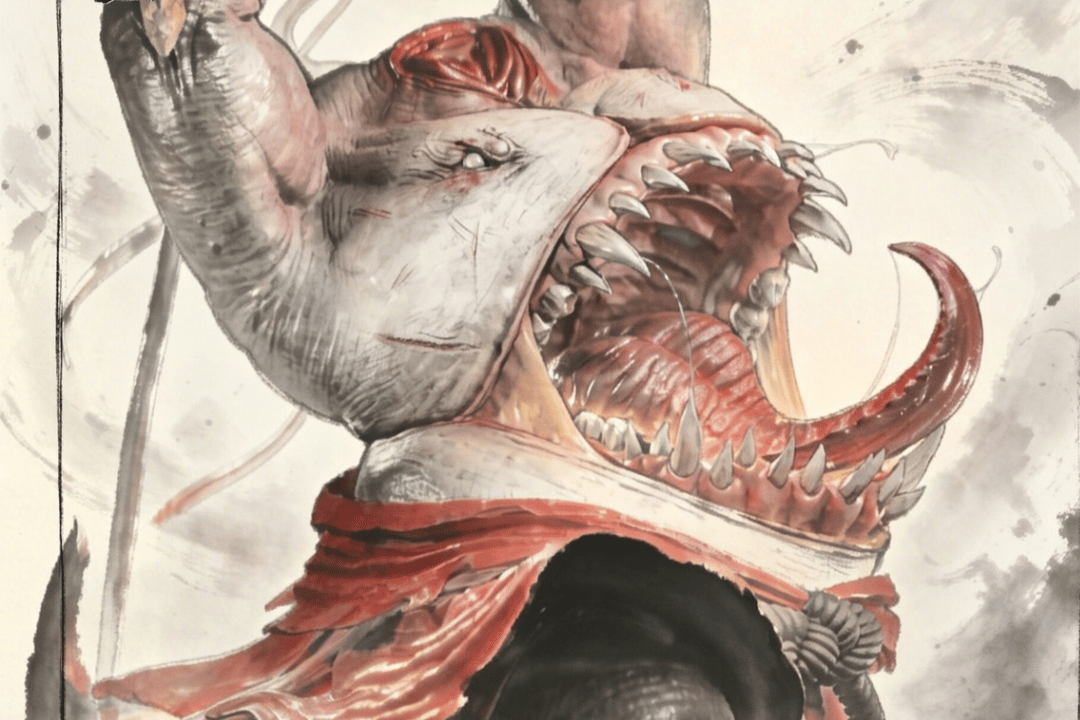
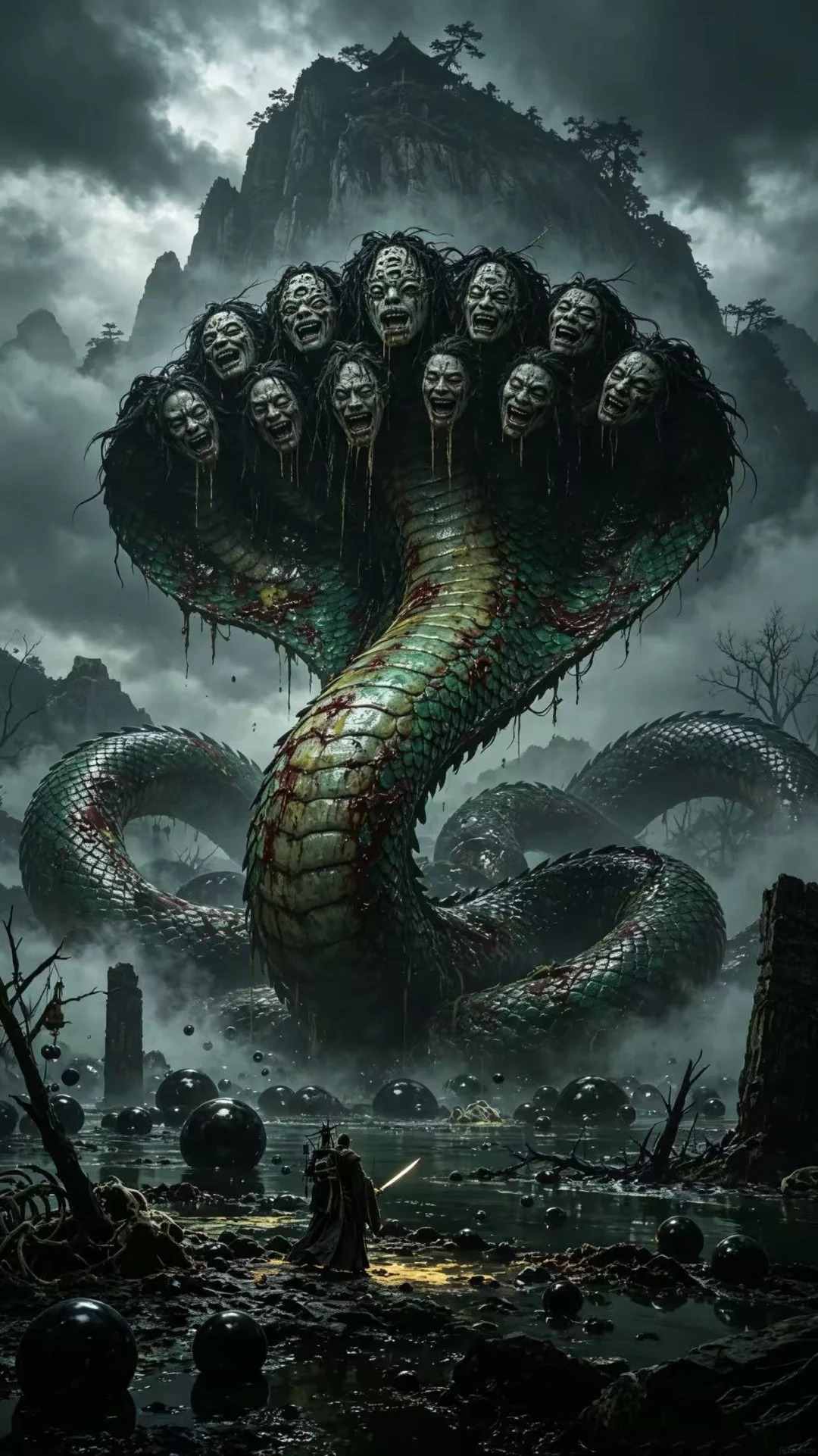
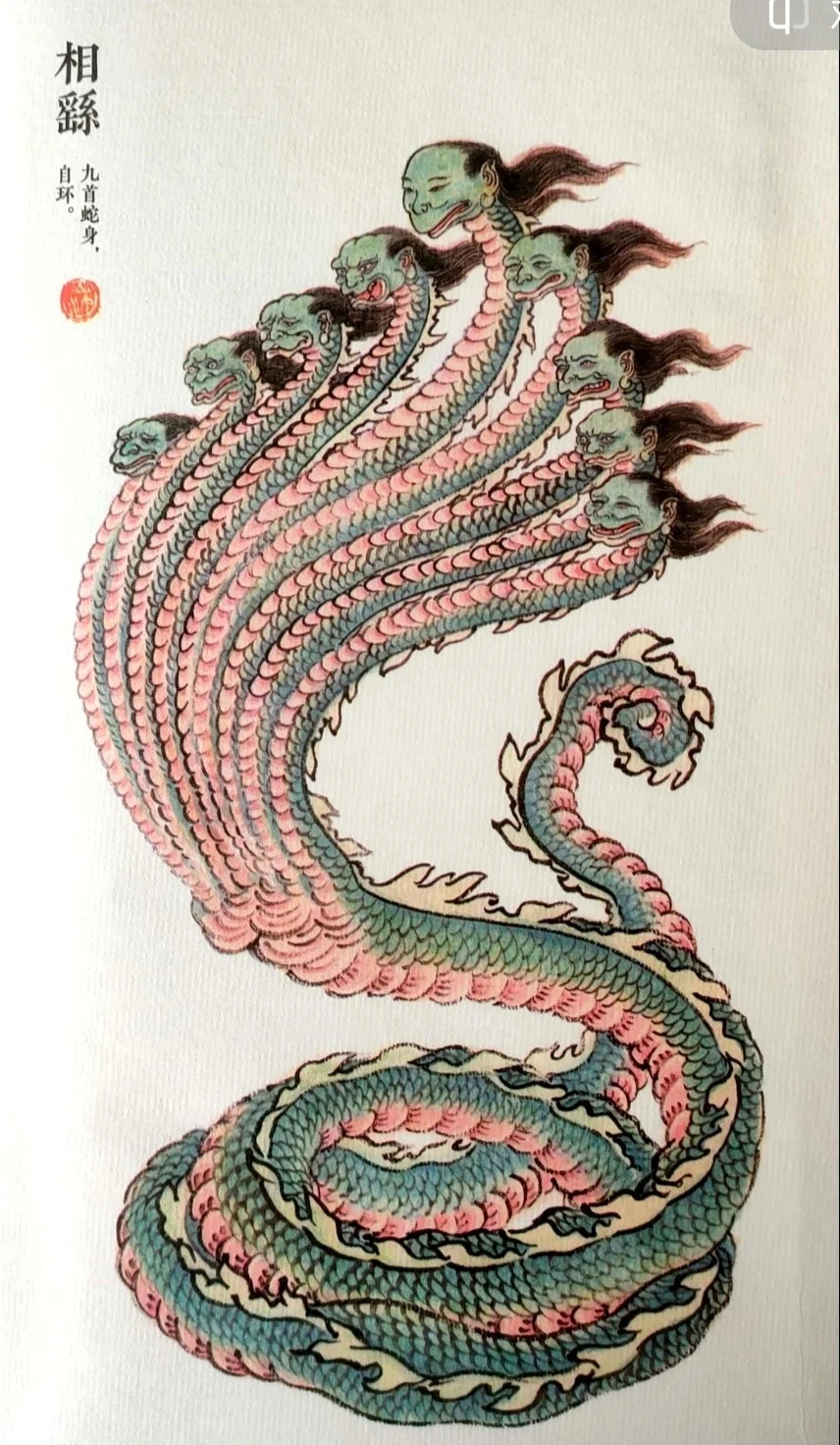
Xiangliu (相柳) is a snake the size of a mountain with nine human heads. It served the water god Gonggong and turned everything it touched into swamp. Yu the Great finally killed it, but its blood was so toxic that nothing could grow there.
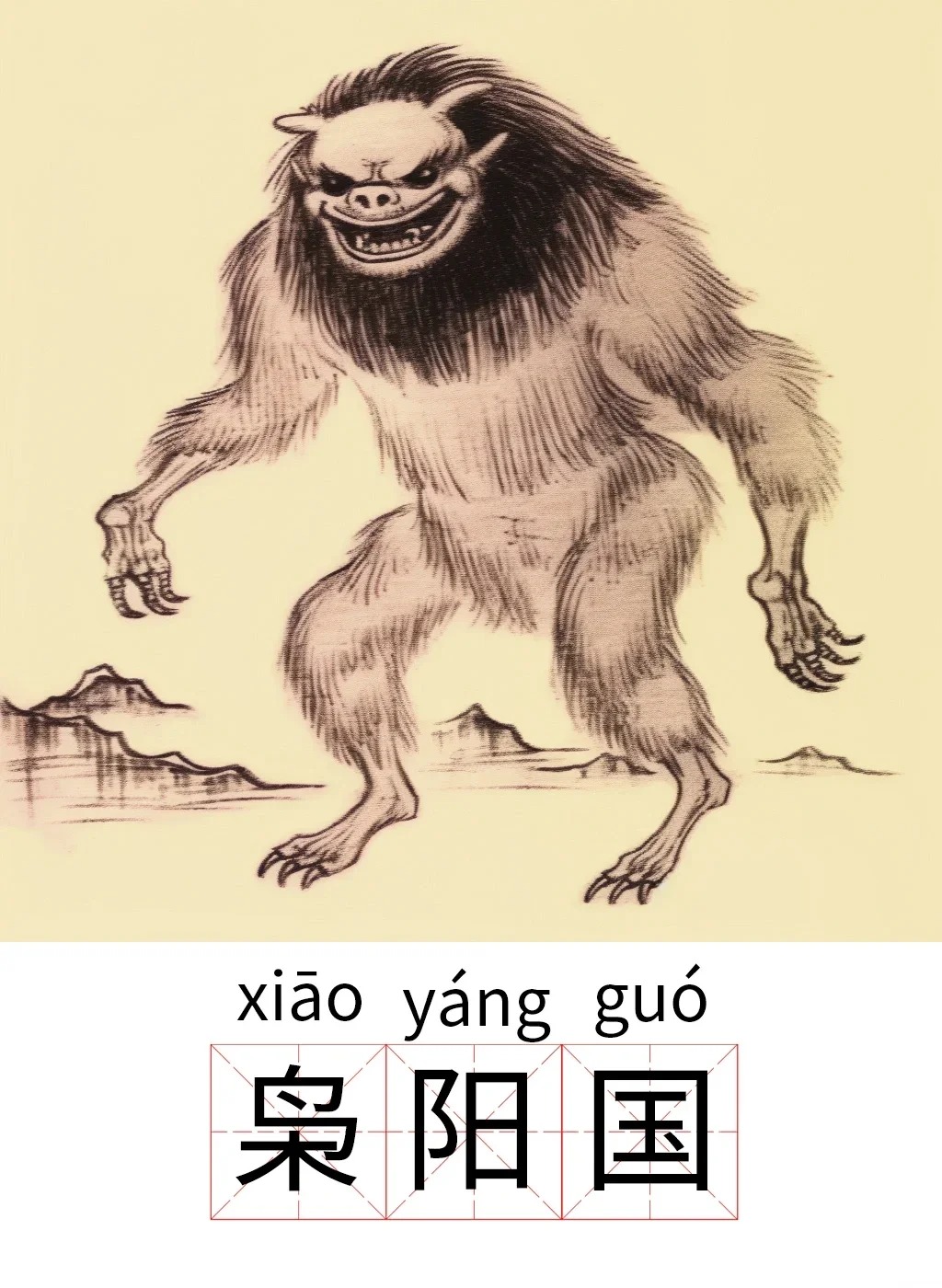
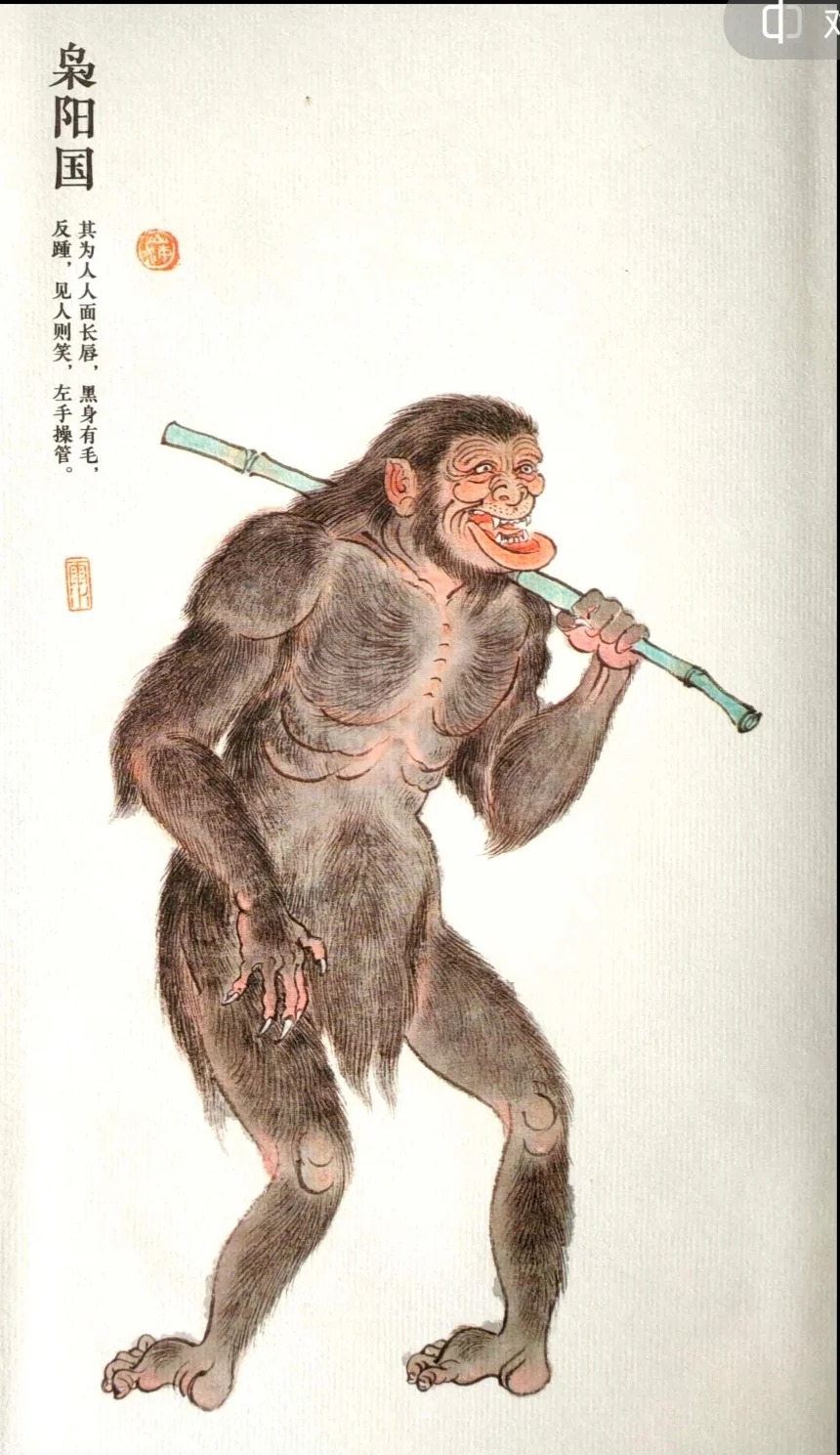
The Xiaoyang (枭阳国) are people with black fur, huge drooping lips, and feet that face backward. They’re always grinning at you. Some readers think they were inspired by real great apes.
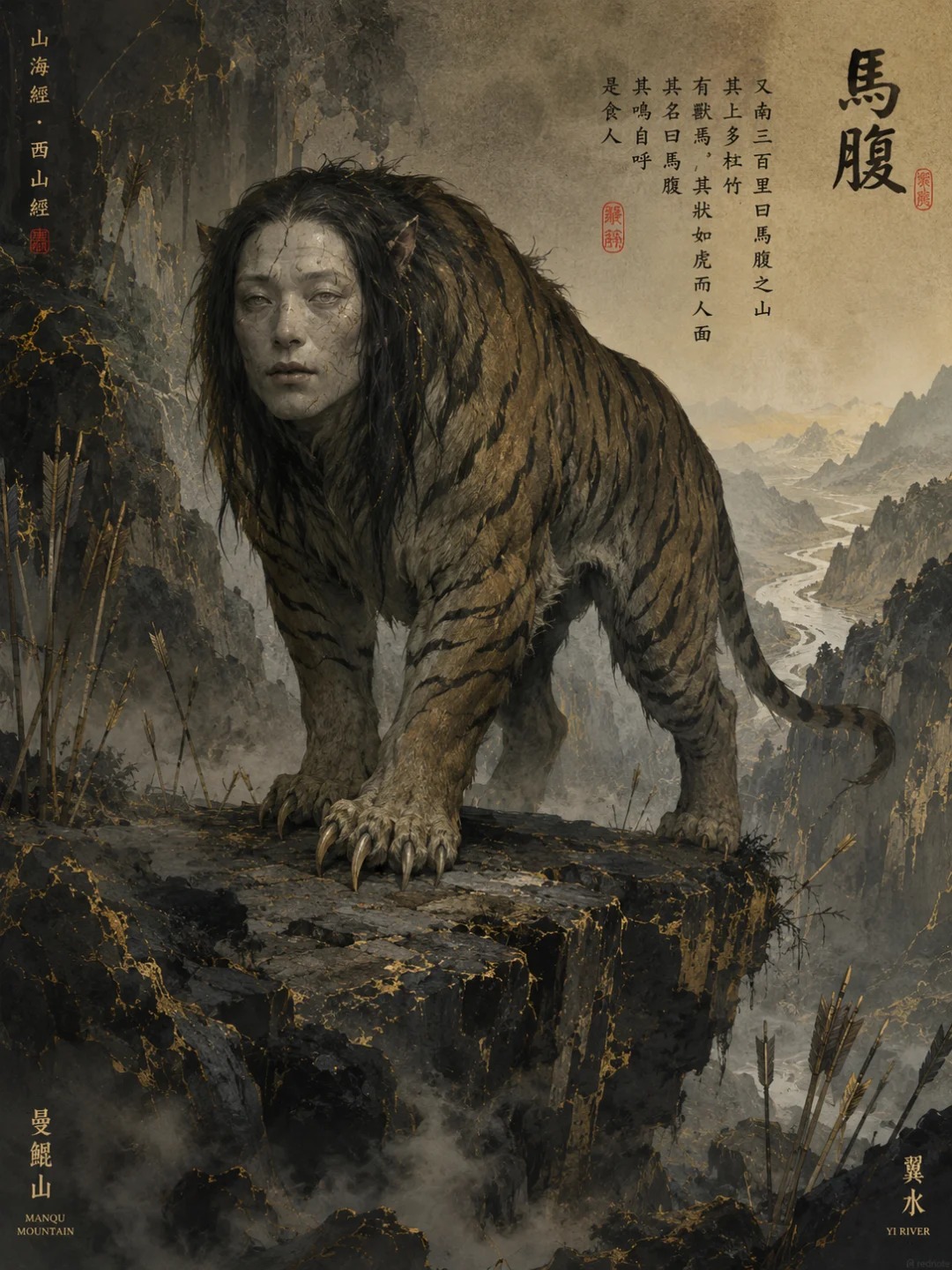
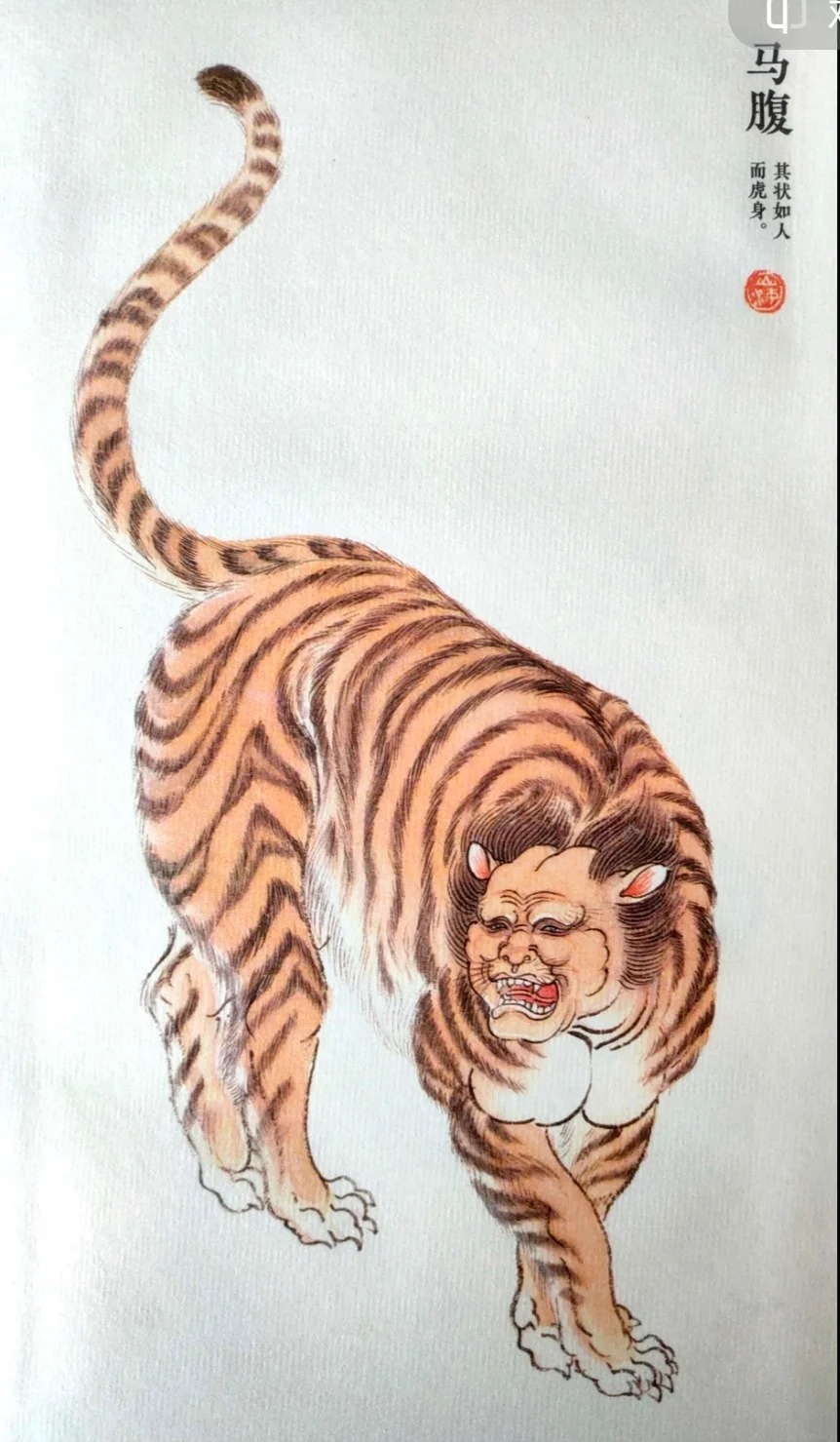
Ma Fu (马腹) has a human face and a tiger’s body. It cries like a baby to lure in its prey, which is people.
The Guanxiong (贯胸国) are people with a hole straight through the chest. Their nobles get around on a pole threaded through that hole and are carried by servants. One later legend says the holes came from stabbing themselves in fear of Yu the Great, who revived them with herbs.
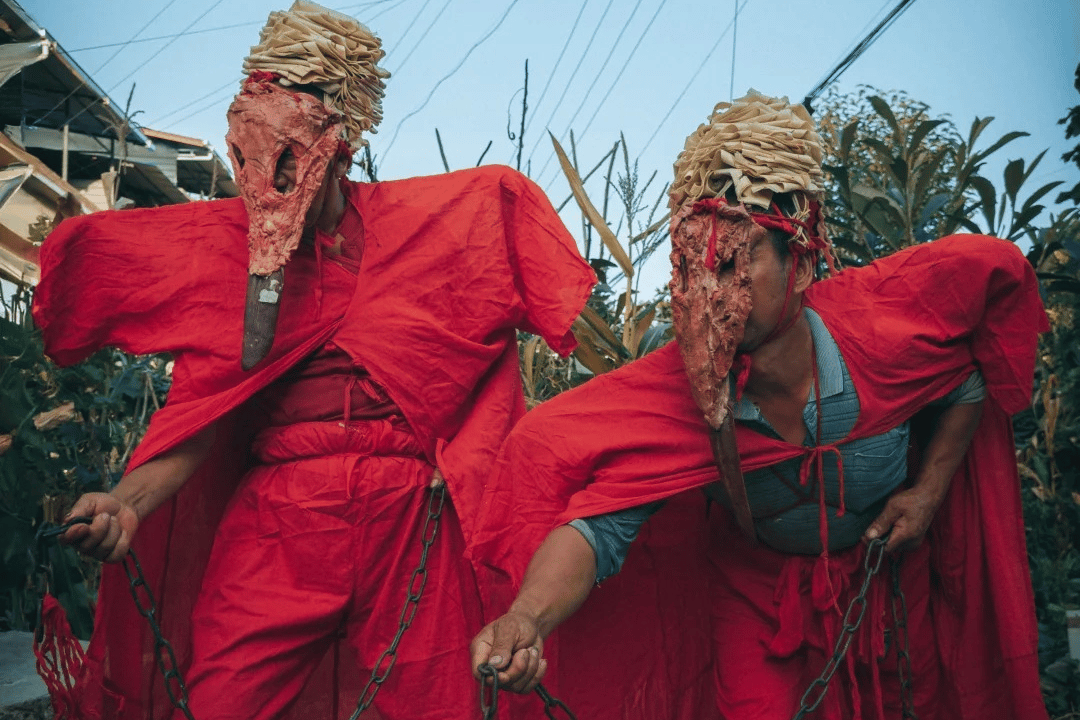
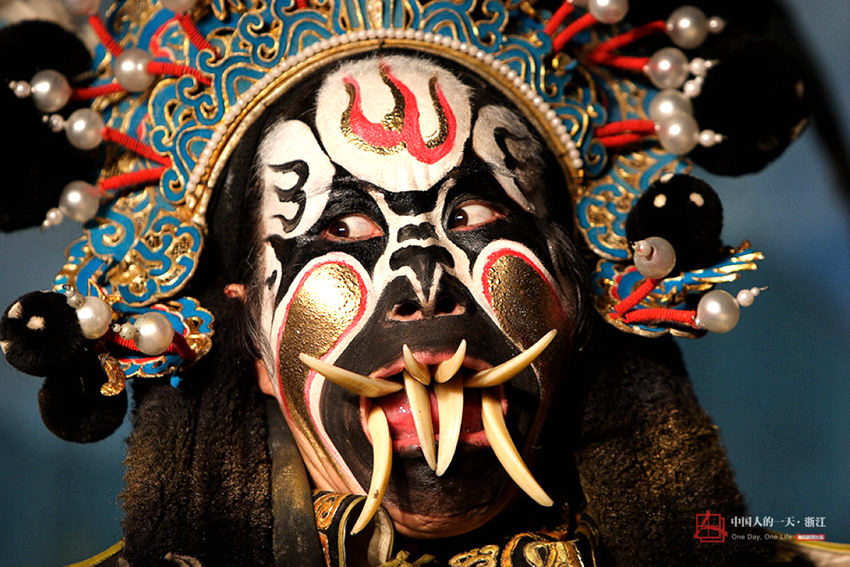
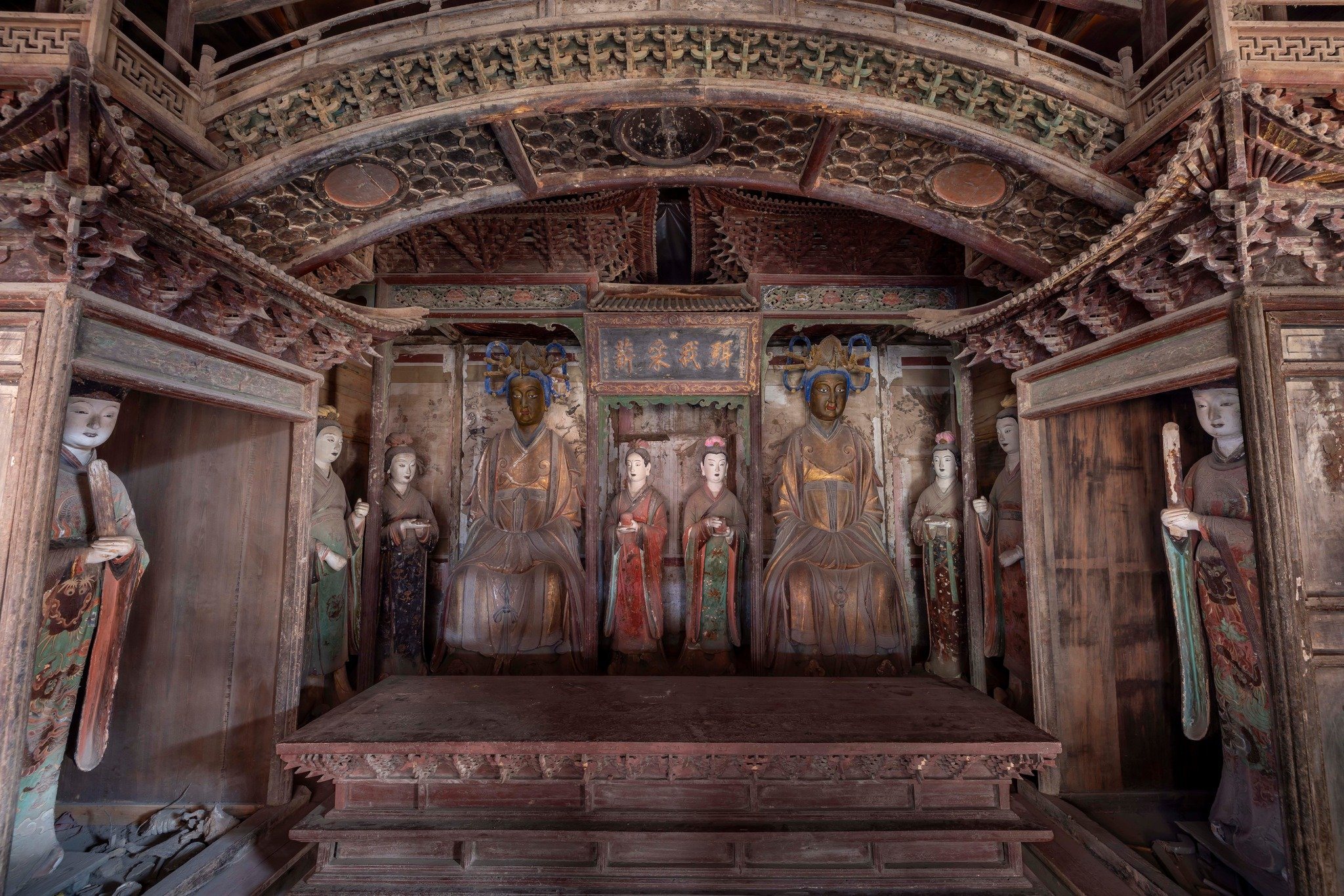
All images via Xiaohongshu.

NEWSLETTER

Get weekly top picks and exclusive, newsletter only content delivered straight to you inbox.

NEWSLETTER

Get weekly top picks and exclusive, newsletter only content delivered straight to you inbox.

RADII NEWSLETTER

Get weekly top picks and exclusive, newsletter only content delivered straight to you inbox

Feature image of 6 Ancient Chinese Monsters That Put Your Halloween Costume to Shame

6 Ancient Chinese Monsters That Put Your Halloween Costume to Shame

2 mins read

Halloween is over, but the creatures of ‘The Classic of Mountains and Seas’ (山海经) are still around. Here’s a guide to six of the strangest beings in the ancient Chinese text people call the original SCP files.

Halloween has passed, but some monsters stay scary all year. Plenty of them live in The Classic of Mountains and Seas (山海经). It’s part bestiary, part travel guide, with its earliest sections dating to before the 4th century BCE.

Legend credits the book to Yu the Great, the flood-taming hero, and his minister Boyi, who supposedly wrote down everything they saw while traveling the land. In reality, many anonymous authors added to it over centuries. Han dynasty scholars edited it into 18 chapters. They cover hundreds of mountains, rivers, and faraway kingdoms, along with the gods, medicinal plants, and monsters said to live in each one. Early readers treated it as a real atlas. By the Ming dynasty, it was increasingly classed as fiction, and scholar Hu Yinglin called it “the ancestor of all tales of the strange.” It has stayed popular ever since. Writer Lu Xun even remembered an illustrated copy as his favorite childhood treasure.

Meet six of its strangest residents:


Xu (嘘) is a god in the far west who keeps the sun, moon, and stars on schedule. He has a human face, no arms, and legs attached to the top of his head.

Xingtian (刑天) was beheaded while fighting the Yellow Emperor and kept fighting anyway. He used his nipples as eyes and his navel as a mouth.

Xiangliu (相柳) is a snake the size of a mountain with nine human heads. It served the water god Gonggong and turned everything it touched into swamp. Yu the Great finally killed it, but its blood was so toxic that nothing could grow there.

The Xiaoyang (枭阳国) are people with black fur, huge drooping lips, and feet that face backward. They’re always grinning at you. Some readers think they were inspired by real great apes.

Ma Fu (马腹) has a human face and a tiger’s body. It cries like a baby to lure in its prey, which is people.

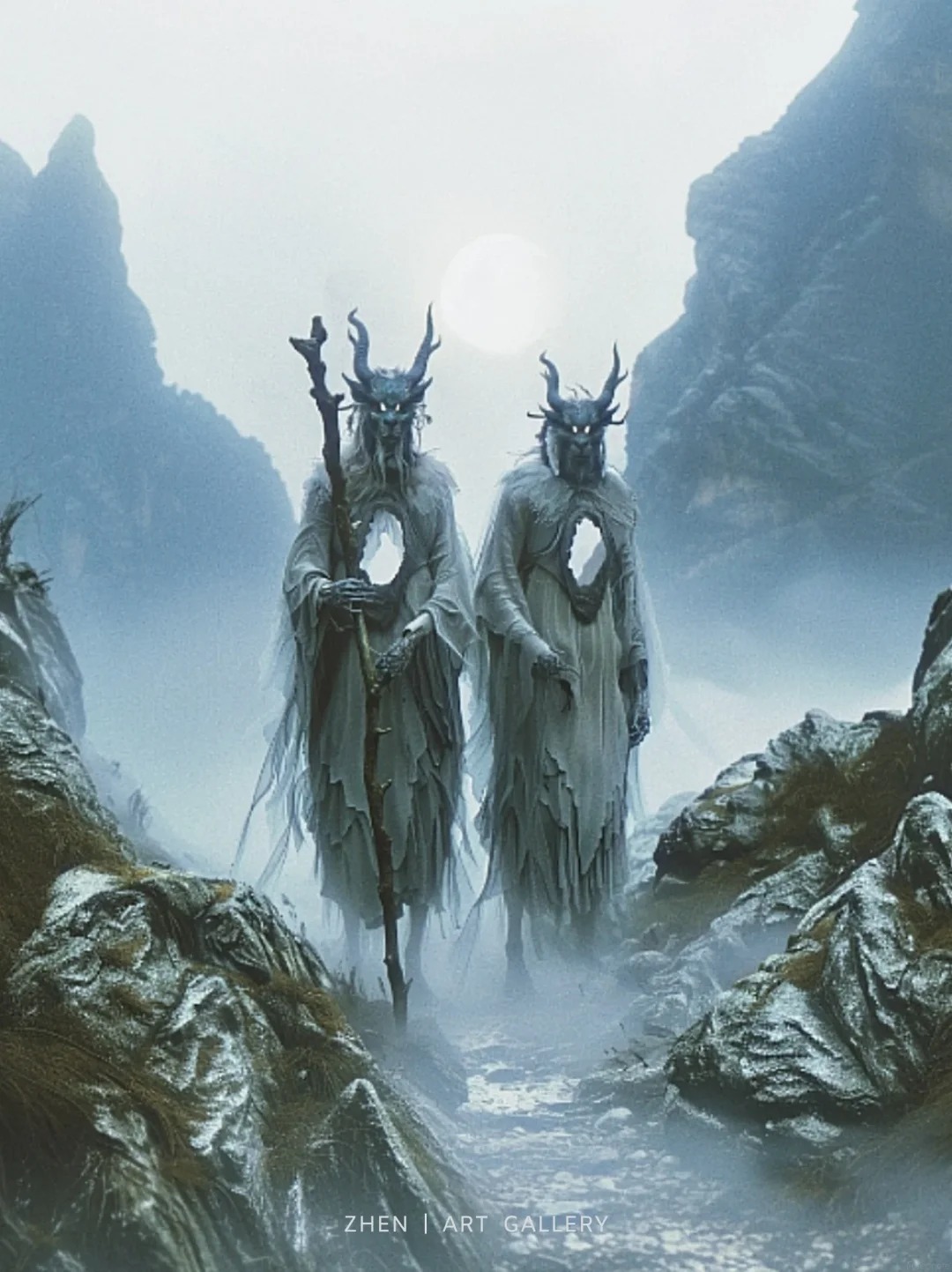
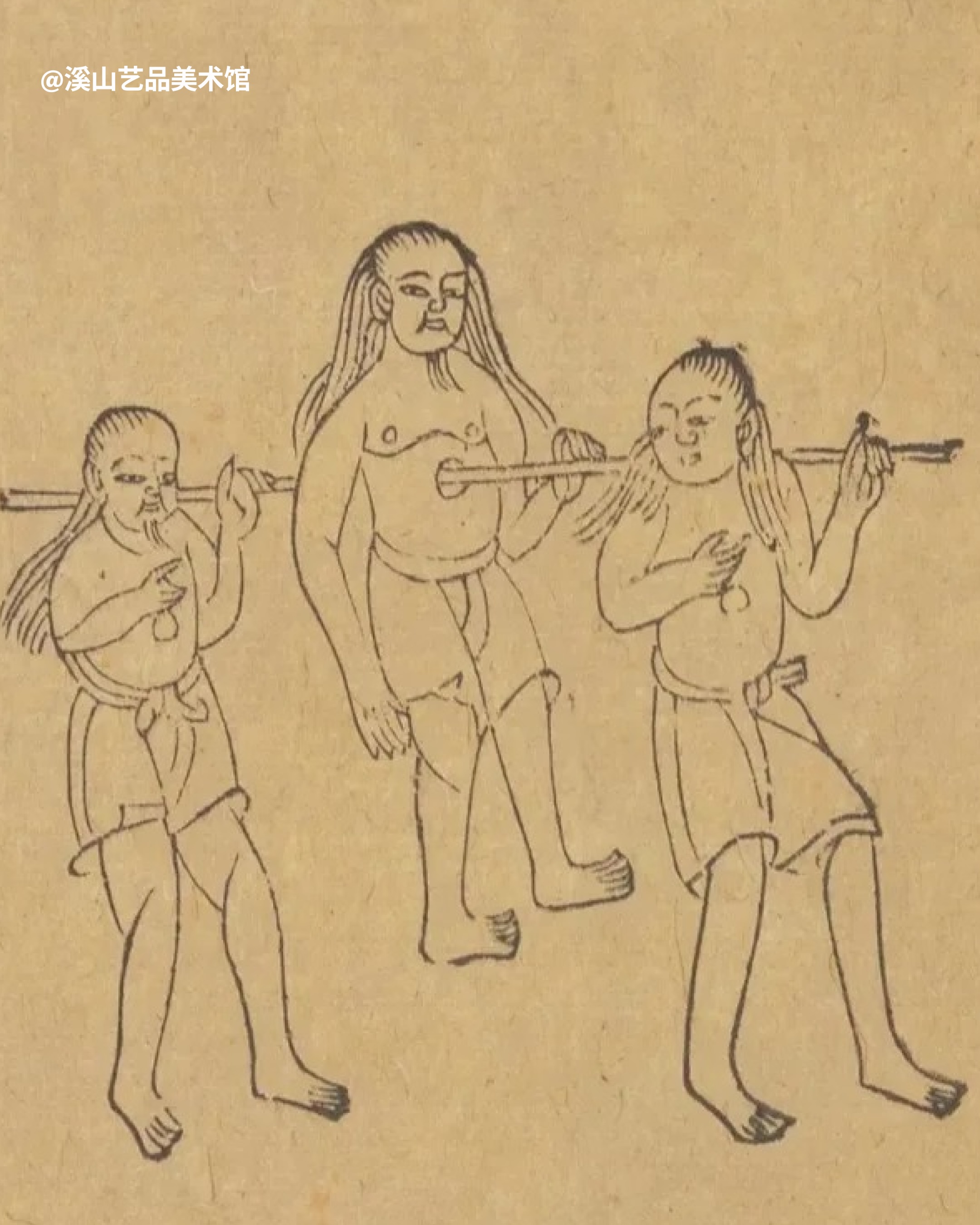
The Guanxiong (贯胸国) are people with a hole straight through the chest. Their nobles get around on a pole threaded through that hole and are carried by servants. One later legend says the holes came from stabbing themselves in fear of Yu the Great, who revived them with herbs.

All images via Xiaohongshu.
NEWSLETTER

Get weekly top picks and exclusive, newsletter only content delivered straight to you inbox.

RADII NEWSLETTER

Get weekly top picks and exclusive, newsletter only content delivered straight to you inbox

RELATED POSTS

Feature image of 6 Ancient Chinese Monsters That Put Your Halloween Costume to Shame

6 Ancient Chinese Monsters That Put Your Halloween Costume to Shame

2 mins read

2 mins read

Feature image of 6 Ancient Chinese Monsters That Put Your Halloween Costume to Shame
Halloween is over, but the creatures of ‘The Classic of Mountains and Seas’ (山海经) are still around. Here’s a guide to six of the strangest beings in the ancient Chinese text people call the original SCP files.

Halloween has passed, but some monsters stay scary all year. Plenty of them live in The Classic of Mountains and Seas (山海经). It’s part bestiary, part travel guide, with its earliest sections dating to before the 4th century BCE.

Legend credits the book to Yu the Great, the flood-taming hero, and his minister Boyi, who supposedly wrote down everything they saw while traveling the land. In reality, many anonymous authors added to it over centuries. Han dynasty scholars edited it into 18 chapters. They cover hundreds of mountains, rivers, and faraway kingdoms, along with the gods, medicinal plants, and monsters said to live in each one. Early readers treated it as a real atlas. By the Ming dynasty, it was increasingly classed as fiction, and scholar Hu Yinglin called it “the ancestor of all tales of the strange.” It has stayed popular ever since. Writer Lu Xun even remembered an illustrated copy as his favorite childhood treasure.

Meet six of its strangest residents:


Xu (嘘) is a god in the far west who keeps the sun, moon, and stars on schedule. He has a human face, no arms, and legs attached to the top of his head.

Xingtian (刑天) was beheaded while fighting the Yellow Emperor and kept fighting anyway. He used his nipples as eyes and his navel as a mouth.

Xiangliu (相柳) is a snake the size of a mountain with nine human heads. It served the water god Gonggong and turned everything it touched into swamp. Yu the Great finally killed it, but its blood was so toxic that nothing could grow there.

The Xiaoyang (枭阳国) are people with black fur, huge drooping lips, and feet that face backward. They’re always grinning at you. Some readers think they were inspired by real great apes.

Ma Fu (马腹) has a human face and a tiger’s body. It cries like a baby to lure in its prey, which is people.

The Guanxiong (贯胸国) are people with a hole straight through the chest. Their nobles get around on a pole threaded through that hole and are carried by servants. One later legend says the holes came from stabbing themselves in fear of Yu the Great, who revived them with herbs.

All images via Xiaohongshu.
NEWSLETTER

Get weekly top picks and exclusive, newsletter only content delivered straight to you inbox.

NEWSLETTER

Get weekly top picks and exclusive, newsletter only content delivered straight to you inbox.

RADII NEWSLETTER

Get weekly top picks and exclusive, newsletter only content delivered straight to you inbox

Feature image of 6 Ancient Chinese Monsters That Put Your Halloween Costume to Shame

6 Ancient Chinese Monsters That Put Your Halloween Costume to Shame

2 mins read

Halloween is over, but the creatures of ‘The Classic of Mountains and Seas’ (山海经) are still around. Here’s a guide to six of the strangest beings in the ancient Chinese text people call the original SCP files.

Halloween has passed, but some monsters stay scary all year. Plenty of them live in The Classic of Mountains and Seas (山海经). It’s part bestiary, part travel guide, with its earliest sections dating to before the 4th century BCE.

Legend credits the book to Yu the Great, the flood-taming hero, and his minister Boyi, who supposedly wrote down everything they saw while traveling the land. In reality, many anonymous authors added to it over centuries. Han dynasty scholars edited it into 18 chapters. They cover hundreds of mountains, rivers, and faraway kingdoms, along with the gods, medicinal plants, and monsters said to live in each one. Early readers treated it as a real atlas. By the Ming dynasty, it was increasingly classed as fiction, and scholar Hu Yinglin called it “the ancestor of all tales of the strange.” It has stayed popular ever since. Writer Lu Xun even remembered an illustrated copy as his favorite childhood treasure.

Meet six of its strangest residents:


Xu (嘘) is a god in the far west who keeps the sun, moon, and stars on schedule. He has a human face, no arms, and legs attached to the top of his head.

Xingtian (刑天) was beheaded while fighting the Yellow Emperor and kept fighting anyway. He used his nipples as eyes and his navel as a mouth.

Xiangliu (相柳) is a snake the size of a mountain with nine human heads. It served the water god Gonggong and turned everything it touched into swamp. Yu the Great finally killed it, but its blood was so toxic that nothing could grow there.

The Xiaoyang (枭阳国) are people with black fur, huge drooping lips, and feet that face backward. They’re always grinning at you. Some readers think they were inspired by real great apes.

Ma Fu (马腹) has a human face and a tiger’s body. It cries like a baby to lure in its prey, which is people.

The Guanxiong (贯胸国) are people with a hole straight through the chest. Their nobles get around on a pole threaded through that hole and are carried by servants. One later legend says the holes came from stabbing themselves in fear of Yu the Great, who revived them with herbs.

All images via Xiaohongshu.
NEWSLETTER

Get weekly top picks and exclusive, newsletter only content delivered straight to you inbox.

RADII NEWSLETTER

Get weekly top picks and exclusive, newsletter only content delivered straight to you inbox

RADII newsletter pop up visual

NEWSLETTER​

Get weekly top picks and exclusive, newsletter only content delivered straight to you inbox

RADII Newsletter Pop Up small banner

NEWSLETTER

Get weekly top picks and exclusive, newsletter only content delivered straight to you inbox.

Link Copied!

Share

Feature image of 6 Ancient Chinese Monsters That Put Your Halloween Costume to Shame

6 Ancient Chinese Monsters That Put Your Halloween Costume to Shame

Halloween is over, but the creatures of ‘The Classic of Mountains and Seas’ (山海经) are still around. Here’s a guide to six of the strangest beings in the ancient Chinese text people call the original SCP files.

PULSE

Tap into the latest in music, fashion, art, design, entertainment, pop culture, celebrity news, and contemporary culture

DISCOVER

Embark on a journey through food, travel, wellness, heritage, traditional culture, and lifestyle

STYLE

An insider’s look at the intersection of fashion, art, and design

FEAST

Titillate your taste buds with coverage of the best food and drink trends from China and beyond.

FUTURE

Explore the cutting edge in tech, AI, gadgets, gaming, and innovative tech-related products

FEAST

Titillate your taste buds with coverage of the best food and drink trends from China and beyond

STYLE

An insider’s look at the intersection of fashion, art, and design

PULSE

Unpacking Chinese youth culture through coverage of nightlife, film, sports, celebrities, and the hottest new music